You thought the trek starts in Lukla… but sometimes it never even begins.
You wake up at 4:30 AM in Kathmandu.
Your bags are packed. Shoes are ready and you’re thinking that the Everest trekking tour is ahead waiting for you.
Then the announcement drops:
“All Lukla flights cancelled due to weather.”
Or worse:
“Your flight has already departed… you missed it.”
And just like that, your Everest hiking dream starts collapsing in real time.
Welcome to the part of the Everest Base Camp Trek in Nepal nobody fully prepares you for.
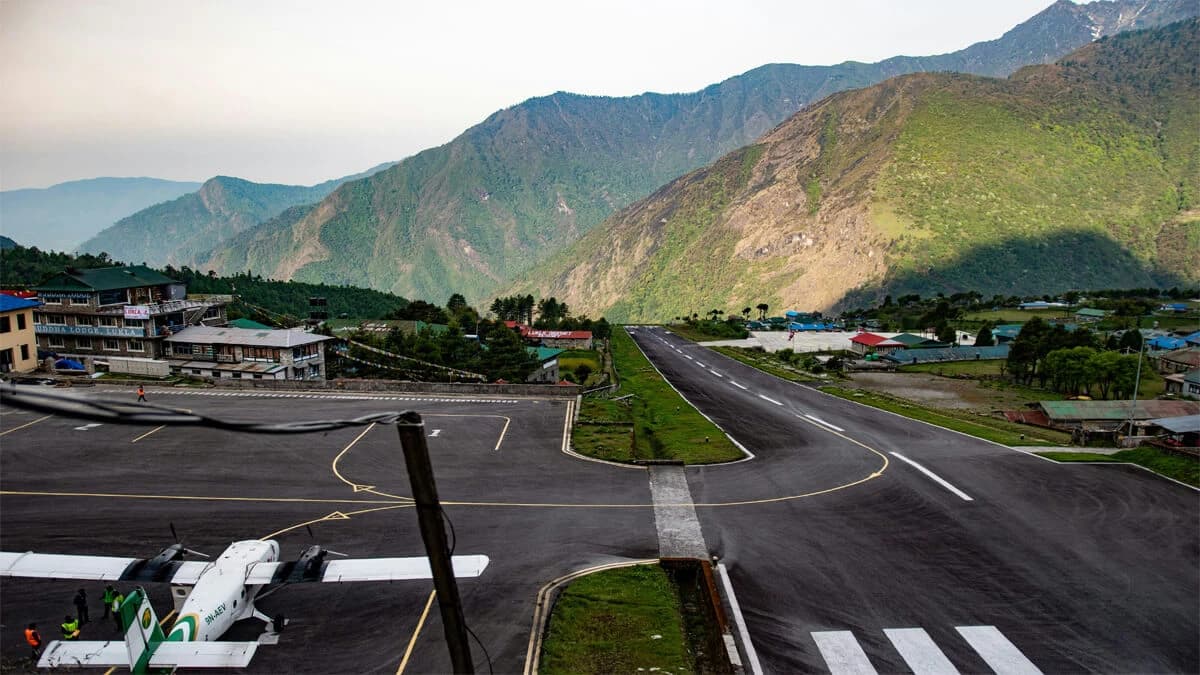
This is not rare on the Everest Base Camp Trekking Experience. Flights to Lukla Airport get cancelled, delayed, or missed often because of weather and limited flying windows.
The Mount Everest Trek depends completely on this short flight, and even small changes in visibility can stop operations for the day. There is no fixed guarantee that a scheduled flight will actually take off.
That is why many trekkers in Kathmandu suddenly find themselves stuck, confused, and trying to figure out what to do next when their Lukla flight is cancelled or missed.
Why Lukla Flights Get Cancelled or Missed So Often?
Most flight cancellations to Lukla come down to one thing: visibility.
Lukla flights are heavily dependent on weather, which is why delays and cancellations are so common throughout the year. The airport lies in a mountainous region where weather conditions can change quickly, and even a small drop in visibility can affect flight operations.
They also only fly in the morning. If the weather is not right in that short window, the flights don’t go that day.
That’s really it. It is not really about the schedule. It is about whether the plane can land safely at that exact time.
What Happens When Your Lukla Flight Gets Cancelled
When a Lukla flight cancelled, you don’t get a clean replacement time. You’re usually just moved to the next available morning list.
Flights to Lukla Airport run only when weather allows, in both Kathmandu and the mountains. If visibility is bad, everything pauses and the day is done.
If it keeps happening, people from earlier cancellations just roll into the next day’s flights. That’s how the backlog forms.
Your ticket is still valid, but the timing isn’t really fixed until you’re actually on the plane.
For most people, this is the point where the plan starts shifting, still in Kathmandu, not even on the trek yet.
How Long Do Lukla Flight Delays and Cancellations Last?
Lukla flight delays can be short, sometimes a few hours if the weather opens up along the Kathmandu to Lukla route.
If the weather improves around Lukla Airport, flights may start again the same morning and passengers start boarding again.
If flights do not operate for the day, you wait for the next morning’s schedule. If the weather stays bad, you continue waiting until flights are able to run.
Some travelers leave the next day, while others wait longer when bad weather continues during busytrekking seasons.
There is no fixed waiting time. It depends on when flights are able to operate again.
How Much Does a Lukla Flight Cancellation Actually Cost You?
A Lukla flight cancellation does not come with a penalty on the ticket itself, but it can still add extra costs to the trip.
The most common cost is staying longer in Kathmandu. If flights do not operate for a day or more, you need extra hotel nights, plus meals and daily expenses while you wait for the next departure.
It can also affect the trekking plan which might shift the whole budget. Guides and porters are booked for specific days, so if your start gets delayed, the schedule may need changes and that can shift arrangements on the ground.
Some travelers also switch to helicopter flights from Kathmandu to Lukla when delays take longer. It costs much more than a regular flight, but it has become the only practical option for some people.
The flight ticket itself is not lost if you are already booked, but the overall cost goes up when weather delays affect the start of the journey.
When delays continue for more than a day or two, most travelers start looking for ways to avoid losing more time. This is where Lukla helicopter flight options from Kathmandu to Lukla come into the picture.
Kathmandu to Lukla Helicopter Tour Option When Flights Are Cancelled or Delayed
After the second cancelled flight, Kathmandu starts feeling a lot smaller.
The excitement of starting the Everest region trek gets replaced by one question:
"Should I just take a helicopter?"
For many trekkers, this is exactly what happens. A helicopter becomes the backup plan when waiting another day could mean losing trekking days, changing return flights, or cutting parts of the itinerary.
You'll hear people asking about helicopter seats in hotel lobbies, trekking agency offices, and airport waiting areas. Once cancellations start piling up, demand rises quickly because everyone is looking for the same solution.
Unlike regular Lukla flights, helicopters can sometimes operate when fixed-wing aircraft cannot. They are not immune to bad weather, but they often have more flexibility, which is why they become the preferred option during long flight disruptions.
The real catch is the cost. A helicopter flight to Lukla is considerably more expensive than a regular flight, which is why most trekkers only consider it after cancellations begin affecting their plans.
If your schedule is tight and waiting several more days is not realistic, a helicopter can be the difference between starting the trek on time and watching your itinerary slowly fall apart.
How Much Does a Kathmandu to Lukla Helicopter Tour Cost in 2026/027?
The first thing most trekkers ask after hearing about the helicopter flight is the price.
And the answer is: it depends on whether you are sharing the flight or booking the entire helicopter.
Most travelers choose a shared helicopter tour to Luka, because it is far more affordable than a private charter. Instead of paying for the whole aircraft, passengers split the cost with other trekkers who are also heading to Lukla on the same day.
As of 2026, a shared helicopter seat from Kathmandu to Lukla generally costs between USD 650 and USD 700 per person. The exact amount depends on factors such as the trekking season, weather related flight disruptions, and how many passengers are sharing the helicopter.
When flights to Tenzing Hillary Airport have been grounded for several days, demand for helicopter seats rises fast. Many trekkers who are stuck in Kathmandu start looking for alternative ways to reach Lukla, and available seats can fill up quickly. As a result, prices may be higher during these periods.
A private helicopter charter costs significantly more. Booking the entire helicopter can range from around USD 2,500 to USD 3,000 or higher, depending on the operator, route, and season. This option is generally chosen by groups traveling together or by people who need to stay on a strict schedule.
For many trekkers, the price of a helicopter feels expensive compared to a regular Lukla flight. However, the calculation changes when delays begin affecting the rest of the trip. Extra hotel nights in Kathmandu, changes to trekking plans, and the possibility of cutting the trek short can make the helicopter a worthwhile alternative for those with limited time.
It's also very important to remember that helicopter rates are not set in stone. Prices do change throughout the year and may rise during the peak trekking seasons when demand is highest. Before committing to a helicopter flight, check the latest rates and seat availability through your trekking agency or a licensed helicopter company.
How to Book a Helicopter Tour to Lukla?
When Lukla flights start getting cancelled, helicopter travel does not really work like normal booking systems. There is no public counter, no live availability chart, and no fixed schedule you can rely on during disruption days. Everything happens through coordination between trekking agencies, Nepal helicopter operators in Kathmandu, and a few local contacts in Thamel.
A seat often becomes available because a group has been formed, somebody changes plans, or an operator adds another rotation to Lukla.
If you're trekking with an agency, the process is fairly easy to handle. You tell them you're interested in a helicopter seat and they start checking availability through their contacts. From that point, the waiting game begins. Sometimes a seat opens within hours. Other times nothing moves for the rest of the day.
Independent trekkers generally spend more time making calls, visiting travel offices, and comparing information from different sources. One office may have no availability while another is actively putting together a shared helicopter flight to Lukla. That is why information can feel inconsistent from one place to the next.
One thing that surprises many first time Everest Base Camp trekkers is how quickly the decisions can change. You can spend half a day hearing that nothing is available, then suddenly receive a call asking if you can be ready within the next hour.
That does not mean helicopters operate randomly. It is simply the nature of mountain travel logistics. Weather conditions, passenger numbers, aircraft availability, and airport operations all influence when a flight can actually leave.
For that reason, getting your name into the system early often matters more than finding the perfect deal. When demand spikes after multiple Lukla flight cancellations, the people who have already expressed interest are often the first ones contacted when seats become available.
Can You Rebook a Missed Lukla Flight?
If you miss your Lukla flight, there is no quick replacement waiting.
You need to go back to the airline counter in Kathmandu or contact the Nepal trekking agency that booked your ticket. From there, your name gets moved onto the next available flight list.
What happens next depends on how full the schedule is. During Everest Base Camp trekking season, flights are even booked out for several days in advance, so the next available seat is not always the next day.
There is no separate priority for missed passengers. You wait in the same system as everyone else until a seat opens through normal flight operations, cancellations, or schedule adjustments.
What to Do to Avoid Missing or Getting Stuck with Lukla Flights?
A lot of Lukla flight problems do not start with cancellations. They start with small things that feel harmless at first, like arriving a bit late or assuming the airport works like a normal domestic terminal.
Reaching the airport early removes most of that risk. It really sounds simple at first, but it is one of the few things that actually prevents a missed flight situation.
Buffer days matter more once you are in Kathmandu and watching the weather. One or two extra days in the plan gives space when flights do not operate as expected, without affecting the rest of the trek.
Keeping at least a small gap between your trek and your international return flight helps when schedules shift. Lukla delays do not stay isolated to the beginning of the trip, they affect everything after it.
Staying in regular contact with your trekking agency also helps during disruption days. When flights restart, information moves quickly and seats do not stay open for long. Being reachable at that moment makes a difference.
Lukla cannot be planned with certainty. Some days everything runs on time, other days nothing moves at all even when conditions look fine elsewhere. The only real advantage comes from leaving enough flexibility in the schedule so delays do not affect the rest of the journey.
Best Time of Year to Avoid Lukla Flight Cancellations
There is no time of year when flights to Tenzing Hillary Airport in Lukla run without disruption. The airport is located in a mountain valley where visibility, wind, and cloud conditions can change quickly, and that alone is enough to stop operations at any point.
Lukla flight conditions in spring are often good enough for flights to run most days. At the same time, it is one of the busiest trekking seasons, so when the weather closes the flight window even for a short period, a lot of trekkers get stuck at the same time. Once flights start again, seats get taken quickly because demand is already high.
Monsoon months bring frequent cloud cover around the Khumbu region, and visibility can drop in both Kathmandu and Lukla within the same morning window. Some days still allow flights when a short gap opens, but there are also days when operations do not run at all because conditions never improve enough for takeoff and landing.
Autumn offers more stable flying weather compared to other seasons, which is why it is the main trekking period. Even then, Lukla traffic is heavy. When flights pause for weather or operational delays, it quickly creates a buildup because so many departures are scheduled around the same time, and seats get filled as soon as flying restarts.
Winter has fewer trekkers, so the airport is less crowded, but weather still controls everything. Strong winds and low visibility in the Khumbu region can stop flights without much warning. Some days see short delays, while other days do not operate at all depending on conditions at Lukla.
How a Lukla Flight Cancellation Affects Your Everest Region Trek Itinerary
A Lukla flight disruption rarely stays a one day issue. It affects the full trekking plan in the Everest region because almost every itinerary is built around one fixed assumption. You land in Lukla on a specific day and everything after that follows.
That assumption breaks quickly when flights do not operate.
Most people only understand this once they are already in Kathmandu waiting at the hotel or checking for updates at the airport. The bookings are already in place. Hotel nights, guide schedules, porter plans, and return travel from Nepal are all arranged around that first flight.
When it does not happen, everything starts to shift in layers.
When Days Get Lost At the Start
If there is buffer time in Kathmandu, the situation stays simple. You wait and continue when flights restart.
If there is no buffer time, the loss does not stay at the beginning. It shows up later in the trekking schedule when someone has to decide how to adjust the remaining days.
This becomes more noticeable on longer Everest region routes where acclimatisation stops are already part of the structure, not optional stops.
Guide and Porter Schedules Can Move During Longer Delays
Guides and porters in the Khumbu region deal with weather delays every season. It is part of the job.
A short delay usually does not change anything on the ground. When delays stretch for several days, schedules start to move depending on how busy the trekking season is. Some guides may already be assigned to groups that arrived on time. Agencies then reshuffle based on what is available at that moment.
Not every company handles this the same way. Some keep the same guide with the group no matter what. Others adjust depending on timing and workload.
Lodges Do Not Lock Bookings The Way City Hotels Do
Accommodation along the trekking route is not fixed in the same way as hotels in Kathmandu or other cities. Even when agencies arrange stays, room allocation still depends on what is available when you arrive.
If flights are delayed, the original overnight plan can change. In busy months, places like Namche Bazaar can fill quickly, which affects where trekkers end up staying that night.
There is always accommodation, but it is not always the exact place originally planned.
Delay At The Start Shows Up At The End
A lost day at the beginning does not disappear. It moves to the end of the trek.
Most itineraries are built around a return schedule that assumes the trek begins on time. When that does not happen, the time pressure shifts toward the later part of the journey.
This is when return flights from Lukla and onward travel from Kathmandu start to matter more than people expect at the start.
Longer Routes Feel Timing Pressure More
Short Everest region treks can absorb delays without much structural change because there are fewer stages.
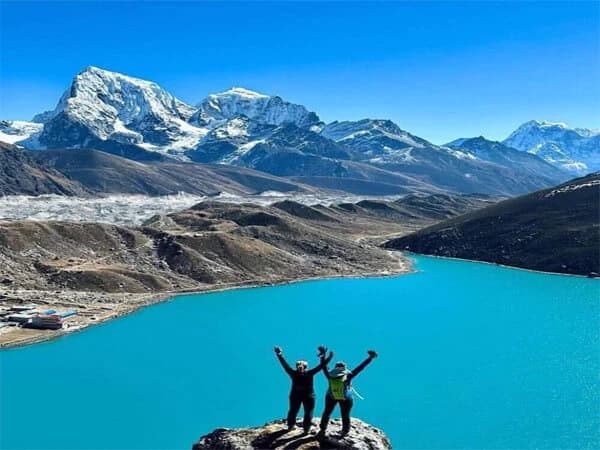
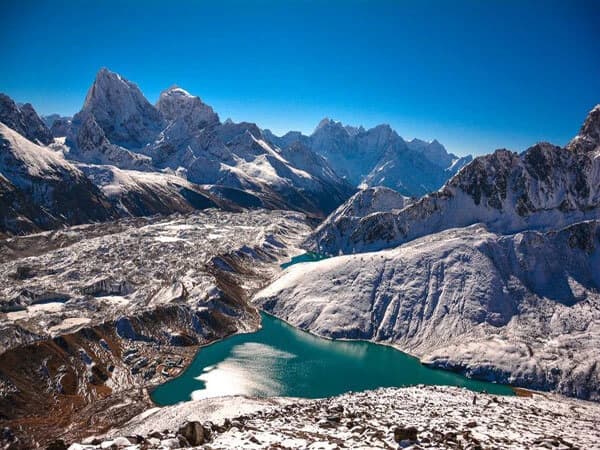
Longer routes like Three Passes or Gokyo Lakes are different. They depend on altitude progression and acclimatisation stops. Those stops are part of how the trek is done safely, not extra days that can be removed easily.
So when delays happen, adjustments usually focus on preserving that structure rather than compressing it.
The Real Issue Is Not Enough Flexibility
Waiting for flights is only the visible part.
The real effect appears later when the EBC Trek itinerary has fewer flexible days than planned. With less time available, there are fewer options if weather changes again inside the region or if Lukla gets congested during return traffic.
That is why experienced trekkers treat Lukla disruptions as part of the planning itself, not an unexpected event.
Lukla Flight Cancellation Refund Rules, Ticket Validity, and Airline Policies in Nepal
There is a lot of confusion around Lukla flight refunds because expectations come from international flight rules, but domestic flights in Nepal do not always feel the same in practice.
On the Lukla route, policies depend on the airline, the fare type, and the reason the flight did not operate. Most flights are run by domestic carriers such as Yeti Airlines and Buddha Air, and both follow standard domestic aviation rules with their own fare conditions.
When The Airline Cancels The Flight
If the airline cancels a Lukla flight because of weather or safety conditions, the ticket is normally not treated as lost.
What usually happens is:
- The passenger stays in the system for the next operating flight
- The booking is carried forward once operations restart
- The airline reallocates seats based on available rotations
Refunds can exist in policy terms for unused tickets under airline cancellation rules, but in real situations on the Lukla route, rebooking is what most travellers experience because flights are expected to resume when weather clears.
Weather Delays and What Passengers Actually See
Most disruptions on this route come from weather conditions.
When that happens:
- Flights pause until visibility improves
- Passengers are held for the next possible departure
- There is no fixed departure time until operations restart
Tickets stay valid, but timing depends entirely on when flights begin again and how many passengers are already waiting.
During busy trekking months, the waiting list builds quickly, so even when flights restart, not everyone can board on the same day.
Refunds Depend Heavily on Fare Type
Refunds are not the same for every ticket.
Depending on the fare class:
- Some tickets allow partial refund after deductions
- Some fares only return applicable taxes
- Some tickets are non refundable unless airline conditions apply
This is why two passengers on the same Lukla route can end up with different outcomes even during the same disruption.
What Happens To Your Ticket During Long Delays?
A confirmed booking does not disappear when flights are grounded.
It is carried forward and revalidated when flights resume.
What changes is not the ticket itself, but your position in the operating schedule once aircraft start flying again. This is handled through airline allocation and passenger lists.
If You Miss the Flight
If a passenger misses the scheduled Lukla flight due to late arrival or missed airport transfer:
- It is treated as a no show
- Refund is generally not provided
- Rebooking depends on seat availability at that time
This becomes especially relevant during peak season when flights operate early from Ramechhap and transfer timing is strict.
How Cancellation Handling Works in Reality
When flights are cancelled by the airline, responsibility usually stays within:
rebooking passengers on the next available flight
managing unused ticket value based on fare conditions
refund processing only when fare rules allow it
In practice, most travellers are moved to the next operating flight rather than receiving refunds immediately.
What Trekkers Experience
Most people do not go through a refund process after Lukla cancellations.
They wait, get rebooked, and continue once flights restart.
Refunds exist in airline rules, but in day to day trekking operations, they are not the common outcome during weather related disruptions.
This is why Lukla flights are treated more like a weather dependent transport system rather than a fixed schedule service.
Real Decision Point: Wait in Kathmandu or Take a Helicopter to Lukla
After Lukla flights are cancelled, the choice becomes waiting or switching to a helicopter.
Waiting works when there is extra time or buffer days in the itinerary. Flights operate only when weather allows, and passengers are taken based on availability when operations restart.
A helicopter becomes an option when delays start reducing trekking days or when the return flight date is close. It is mainly used to avoid losing time before the trek begins.
There is no fixed point for this decision. Some trekkers decide early, others wait longer. It depends on how many buffer days are left and how tight the overall schedule is.
Final Thoughts
Lukla flights depend on weather, so delays and cancellations are common at the start. Most travellers wait in Kathmandu until flights resume, since tickets are carried forward when operations restart. If delays start affecting the trek or return plans, a helicopter becomes the faster option. In the end, it comes down to how much time is left in the itinerary.