Two people can arrive in Nepal on the same flight, trek for the same number of days, and return home with completely different memories. Their experience can look completely different depending on whether they choose teahouse trekking or camping trekking in Nepal.
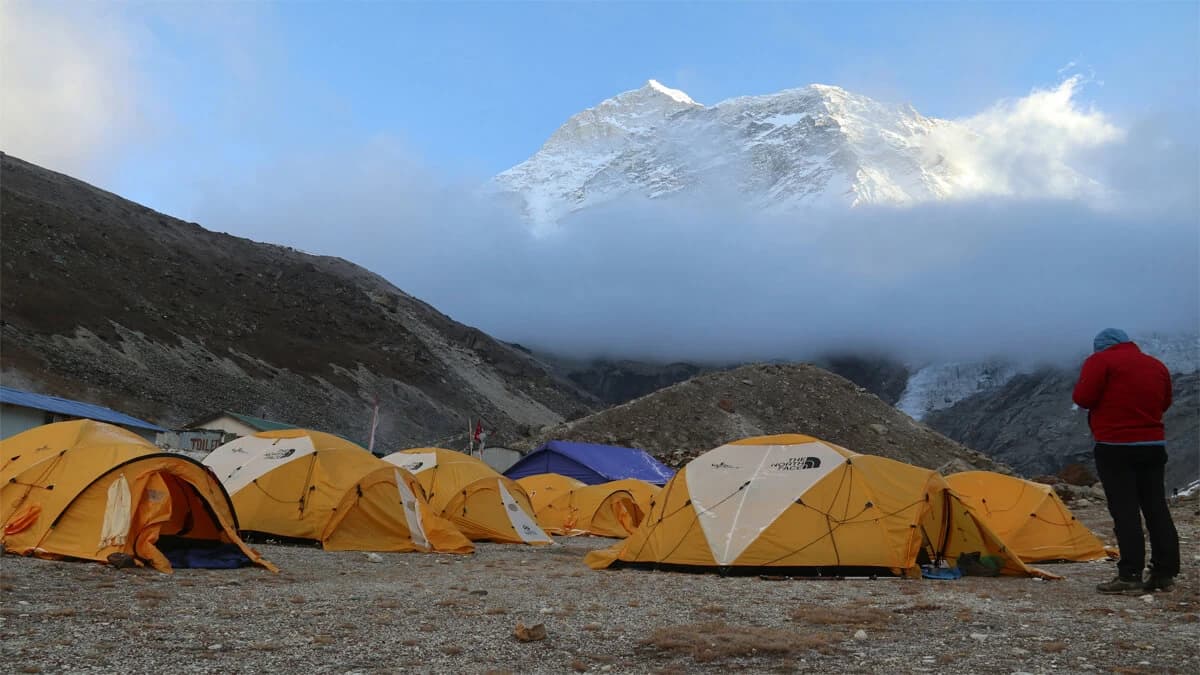
One talks about the family that ran the teahouse where they spent every evening, the endless cups of milk tea, and the comfort of having a roof over their head after a long day on the trail. The other remembers waking up to frost on the tent, eating breakfast at camp before setting off, and spending days in places where there wasn't a village for hours in either direction.
Most people think teahouse trekking vs camping trekking in Nepal is just about sleeping in a lodge or a tent but it goes way beyond that. The trekking style decides where you can go in the first place. Popular trekking routes have villages with teahouses every few hours, while many remote trekking destinations in Nepal don't have a single place to stay. That's why some treks rely on local lodges, while others need a full camping crew from the day the trail leaves the road until it finishes.
What Is the Difference Between Teahouse Trekking and Camping Trekking in Nepal?
Where does your day end?
It's probably the quickest way to understand teahouse trekking in Nepal vs camping trekking in Nepal. If the answer is a village, you're most likely on a teahouse trek. If the answer is a campsite, you're on a camping trek because there aren't any lodges to rely on. Your tents, kitchen, food, and other supplies travel with the team until the route reaches the next road or a village.
That explains why some routes are almost entirely teahouse based, while others still need full camping support. Everest, Annapurna, and Langtang have villages spaced closely enough for trekkers to stay in local lodges each night. Upper Dolpo, Dhaulagiri, and parts of Kanchenjunga Base Camp Trekking in Nepal don't, so camping isn't there to make the trek feel more adventurous. It's just how those routes work.
Which Trekking Routes in Nepal Are Teahouse Treks and Which Require Camping?
The route decides how you'll trek it. Once you've decided where you want to go, the accommodation mostly falls into place.
The routes below are some of Nepal's most popular trekking destinations. They aren't every trek in Nepal, but they give you a clear idea of which routes are done as teahouse treks, camping treks, or a combination of both.
| Trekking Route |
Typical Accommodation |
| Everest Base Camp Trek |
Teahouses |
| Gokyo Lakes Trek |
Teahouses |
| Everest Three Passes Trek |
Teahouses |
| Annapurna Base Camp Trek |
Teahouses |
| Annapurna Circuit Trek |
Teahouses |
| Mardi Himal Trek |
Teahouses |
| Ghorepani Poon Hill Trek |
Teahouses |
| Langtang Valley Trek |
Teahouses |
| Manaslu Circuit Trek |
Mostly teahouses |
| Upper Mustang Trek |
Mostly teahouses |
| Nar Phu Valley Trek |
Basic teahouses and community lodges |
| Upper Dolpo Trek |
Mostly camping, with basic homestays in some villages
|
| Dhaulagiri Circuit Trek |
Camping |
| Kanchenjunga Trek |
A mix of basic teahouses and camping |
| Makalu Base Camp Trek |
Mix of basic teahouses and camping |
The list above reflects how these routes are organised today, but trekking infrastructure in Nepal continues to change. Basic lodges and homestays have reached some areas that once depended entirely on camping, so it's worth checking the latest route information before you book.
Note: Season can also change the experience. A route that's normally done as a teahouse trekking may still require camping support if lodges are closed or you're trekking outside the main seasons.
Teahouse Trekking in Nepal vs Camping Trekking in Nepal: What Is the Experience Really Like?
The difference between the two styles becomes clearer when the walk is over.
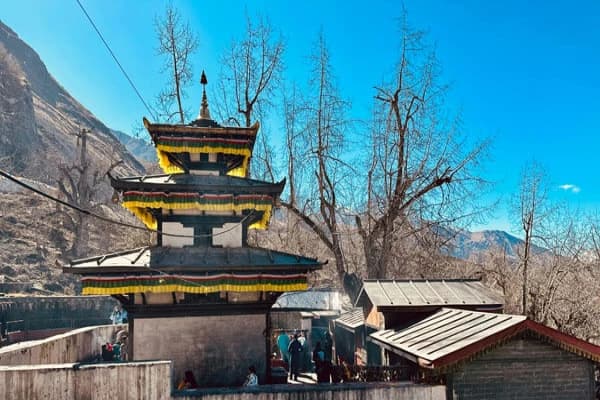
On a teahouse trekking in Nepal, you stop at a village and stay in a local lodge. You put your bag down, have dinner, and spend the evening in the dining area with other trekkers or the lodge owners. Some places are busy with trekkers, while others are quiet once the sun goes down.
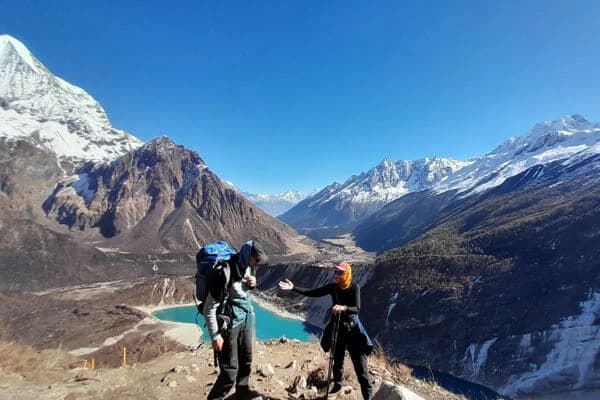
On a camping trekking in Nepal, the place you sleep moves with you. After the walking is finished, there is still work to do. The tents need to be prepared, food needs to be cooked, and the camp needs to be organised for the night. It takes more support, but it is what makes some remote routes possible.
The difference is not about one being better than the other. Teahouse trekking uses the villages already along the trail, while camping allows you to travel through areas where those facilities are limited.
Food, Accommodation, and Facilities: What Should You Actually Expect While Trekking in Nepal?
You may imagine a teahouse trek as the comfortable option and acamping trek as the tougher one but that is not always how it works while trekking in Nepal.
A good teahouse route can still be very basic, especially at higher elevations. At the same time, a well organized camping trek can run smoothly because a crew is handling the things that a lodge normally provides.
Sleeping on the Trail
On most popular trekking routes in Nepal, you will stay in local teahouses. These are small mountain lodges which is made around the movement of trekkers, not the hotels you find in the city areas like Kathmandu.
Usually, you get:
- A basic room with a bed and blanket
- A shared dining area
- Simple meals prepared at the lodge
- Shared bathrooms in many places
Some are surprisingly comfortable. Others are as basic as they come. A lodge near Namche or Manang is not going to feel the same as a small teahouse in a less developed area.
Camping is different because the overnight arrangements are brought along with the group. The crew manages the tents, cooking, and supplies needed for the night. This is common onremote trekking routes where villages are too far apart or lodges are not available.
Food During Nepal Trekking
On teahouse routes, you will commonly find:
- Dal bhat
- Noodles
- Rice dishes
- Soups
- Eggs and breakfast options
The menu may look similar after a few days, but it works because the food is filling and practical for trekking.
On camping routes, meals depend more on the trekking crew and preparation before the trip. In remote areas, the challenge is not only cooking the food but getting the supplies there.
Showers, Charging, and WiFi on Nepal Treks
This is where many first time trekkers have unrealistic expectations.
Some teahouses offer:
- Hot showers
- Charging points
- WiFi
But these services are not guaranteed everywhere. The higher and more remote you go, the more basic things become.
Camping naturally comes with fewer fixed facilities because there is no lodge providing these services. The tradeoff is that you can stay in places that would otherwise be impossible to reach with regular accommodation.
The choice between the two styles is really about the kind of trail you want. One follows the network of villages already along Nepal's trekking routes. The other allows you to go where those villages have not reached.
Why Does a Camping Trek in Nepal Cost More Than a Teahouse Trek?
The cost difference between teahouse trekking and camping trekking in Nepal mostly comes from the amount of support needed along the route.
On a teahouse trek, you are using the services that already exist in the mountains. Villages along the trail have lodges where you can sleep, eat, and rest. The trekking company does not need to carry all the supplies required for daily life because the local infrastructure is already there.
Camping treks work differently. When a route does not have enough lodges or villages to support trekkers, the group has to bring the necessary equipment, food, and staff along the trail.
Where Does the Extra Cost Come From?
More trekking staff
A camping trek needs a larger support team compared to a teahouse trek. Depending on the route, this may include guides, cooks, porters, and other support staff. Their role is not only guiding the trek. They also help manage meals, supplies, and the daily needs of the group.
Food and Supplies
Food is another major factor to contribute in the cost of camping trek in Nepal. On a teahouse trek, meals are prepared by lodges along the route. On a camping trek, food needs to be organized before the trip and transported through areas where villages may be limited or several days apart.
Equipment and Transportation
Camping requires equipment that a teahouse already provides.
This can include:
- Sleeping tents
- Cooking equipment
- Fuel
- Other trekking supplies
In remote areas, transportation can also add to the cost because reaching the starting point and moving supplies through the region may require extra planning.
How Much More Does a Camping Trek Cost?
There isn't a fixed price difference because it depends on the route, group size, trek duration, and level of support.
A short camping trek may only cost slightly more than a similar teahouse trek. However, long remote camping treks in Nepal can become much more expensive because they require more staff, equipment, and logistics.
For example, popular lodge based routes like Everest Base Camp Trek 15 days and Annapurna Circuit Trek are generally more affordable because accommodation and meals are available along the trail. Remote routes like Upper Dolpo and Dhaulagiri require more preparation because there are fewer services available.
When comparing the camping trek in Nepal cost with a teahouse trek, the extra amount is mainly paying for the support needed to travel through areas where regular trekking facilities are limited.
Pros and Cons of Teahouse Trekking and Camping Trekking in Nepal
The biggest thing to understand is that bothtrekking styles come with their own compromises. The question is not which one is better, but which inconvenience you would rather deal with.
Teahouse trekking is popular because it removes many small worries from the journey. You walk during the day, reach the next village, and have a place to rest without carrying all the equipment needed to stay overnight.
The good side of teahouse trekking:
- You can focus more on walking instead of managing the trip logistics
- You get more chances to interact with local families and mountain communities
- It is easier to plan because many established trekking routes already have accommodation options
- It is usually the more budget friendly choice for popular treks in Nepal
- You can meet other trekkers along the route, which many people enjoy
The downsides of teahouse trekking:
- Your route is limited by where lodges are available
- Popular trails can feel crowded during peak trekking seasons
- The quality of accommodation can change a lot between villages
- You may have less privacy compared to a private camping setup
- Some trekkers find the experience less remote because you are following a route used by many others
Camping in Nepal offers something different. Instead of depending on villages along the trail, the trek carries the support needed to continue through areas where regular accommodation is limited.
The good side of camping trekking:
- It allows access to remote trekking areas that are difficult to reach through normal lodge routes
- You can experience quieter trails with fewer trekkers around
- The route is less restricted by the location of existing lodges
- It is suitable for less developed trekking regions in Nepal.
- It gives more flexibility when travelling through areas with limited infrastructure
The downsides of camping trekking in Nepal:
- The overall cost of camping trekking in Nepal is higher because of additional staff, equipment, and planning
- The trek requires more organisation before and during the journey
- Daily routines are often more structured because meals, camps, and supplies need to be managed
- Weather problems can have a bigger impact because there are fewer backup options in remote areas
- The quality of the experience depends heavily on the trekking company and support crew
Neither style automatically makes a trek better. A teahouse trek can still be physically draining, especially at high altitude, while a camping trek can be comfortable when it is well organised.
Teahouse trekking works best if you want to experience Nepal through the villages and routes that already support trekkers. Camping trekking makes more sense when your goal is reaching places where those facilities simply do not exist.
Which Trekking Style Is Right for Your Nepal Trek?
There isn't a best trekking style in Nepal because the answer changes from one route to another. A trek that works perfectly as a teahouse trek may not even be possible without camping somewhere else in the country.
The better question to ask is, "What kind of trip am I actually looking for?"
If your priority is seeing Nepal's best known trekking regions without turning the journey into a full expedition, a teahouse trek will usually make more sense. You can focus on the walking, enjoy the mountain scenery, and experience the villages along the way without needing the extra planning that remote camping routes require.
If you're drawn to places that few trekkers visit, then camping becomes part of the journey rather than a compromise. Many remote Himalayan routes simply don't have enough lodges to support trekkers, so camping is the only practical way to explore them.
One mistake that people make is choosing a trekking style first and a destination second. In reality, experienced trekkers do the opposite. They decide which region they want to explore, then choose the trekking style that fits that route. That way leads to a better trip because you're choosing based on where you want to go, not just where you want to sleep.
Can You Combine Teahouse and Camping Trekking on the Same Trek in Nepal?
Yes. Not every trek in Nepal fits into just one style.
As you've already seen in the trekking routes table above, some routes combine teahouses, camping, and even basic homestays. This happens on trails where villages are available for part of the journey but disappear for days once the route enters more remote areas.
Kanchenjunga Trek is a good example of it. Some parts of the trail have basic teahouses, while others still rely on camping. Makalu Base Camp Trek in Nepal follows a similar pattern. Upper Dolpo Trekking in Nepal also includes simple homestays in a few villages, but much of the trek still depends on camping.
What about the other way around? Can a teahouse trek be completed as a camping trek?
Yes, it can. Treks like Everest Base Camp, Annapurna Base Camp, Langtang Valley, and Mardi Himal Base Camp Trek can all be organised with tents, cooking equipment, and a full support crew.
The reason you rarely see that is because those routes already have places to eat and sleep almost every day. Carrying tents, kitchen equipment, and extra staff increases the cost without changing where the trail goes, so very few trekkers choose that option.
You may also notice that itineraries differs between trekking companies. One company may stay in a lodge where rooms are available, while another may camp for a night because of accommodation shortages, route planning, or expedition requirements.
Is Teahouse Trekking Good for Beginners in Nepal?
Yes. If it's your first time trekking in Nepal, a teahouse trek is where most people start. You have a place to eat, sleep, and rest at the end of the day without worrying about camp arrangements. That doesn't make the trek easy. Altitude, steep trails, and long walking days can still be challenging, but you have fewer things to manage outside the walking itself.
Do I Need a Guide for a Camping Trek in Nepal?
For most camping treks, yes. A camping trek is more than carrying a tent. Food, fuel, kitchen equipment, camping gear, and supplies all have to reach places where there may be no villages for days. That's why camping expeditions are almost always organised with guides and support staff who manage the logistics throughout the trek.
Are Camping Treks in Nepal Safe?
Yes, when they're properly organized. The biggest challenges on a camping trek are the same ones you'll face on any high altitude trek in Nepal: weather, altitude, and the remoteness of the route. Sleeping in a tent isn't the difficult part. Good planning, experienced guides, and enough time to acclimatise make the biggest difference.
Can You Camp on Teahouse Trekking Routes in Nepal?
Yes, you can. Most people simply don't. There's nothing stopping an organised group from camping on many lodge based trekking routes. The reason it isn't common is that the accommodation is already there. Carrying tents, food, and extra equipment adds cost without changing the route or the scenery, so most trekkers stay in the teahouses instead.
Conclusion
By now, you've probably noticed that every trekking route in Nepal works a little differently. Some have villages every few hours, while others take you into places where camping is still part of the journey.
Before you book a trek, spend a little more time choosing the route than the accommodation. Once you've found the part of the Himalayas you want to explore, the right trekking style becomes much easier to figure out.