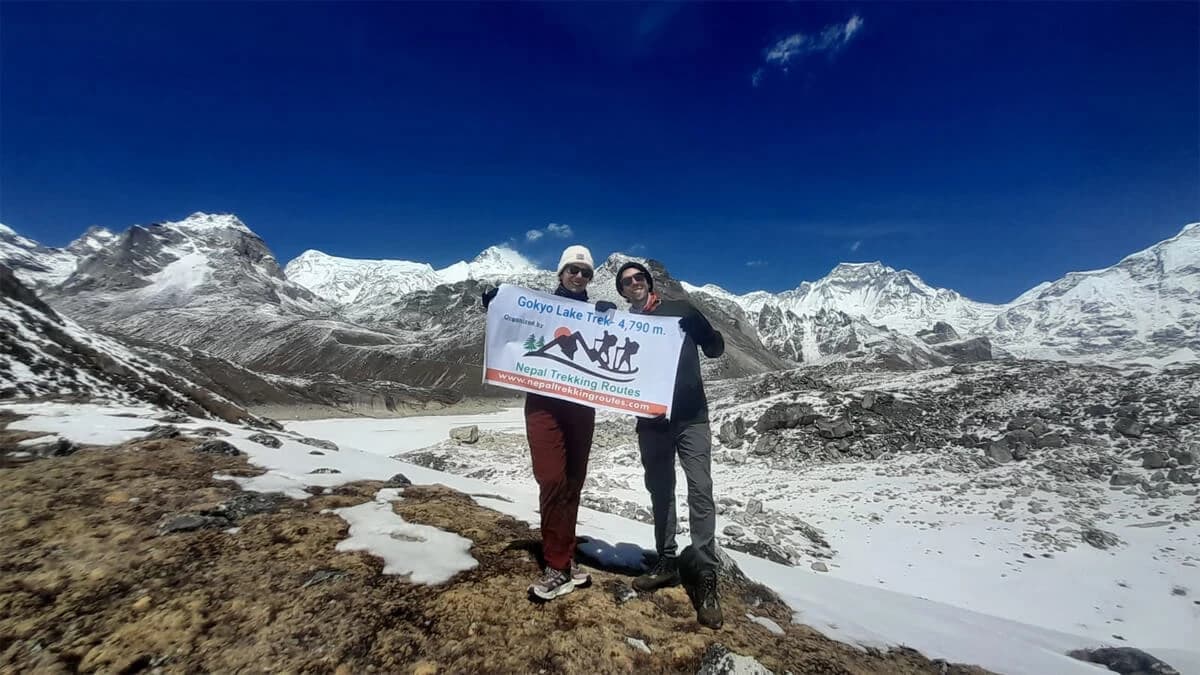
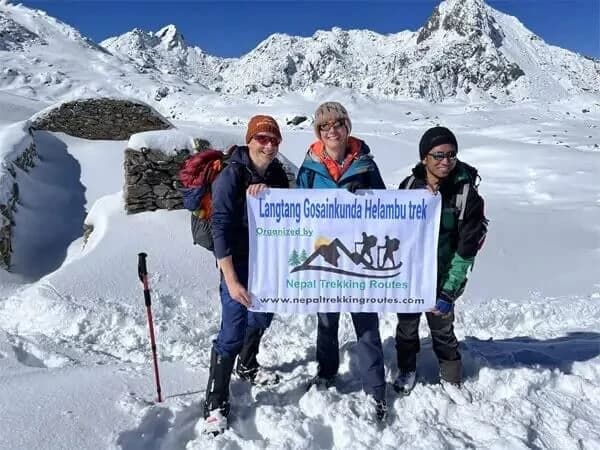
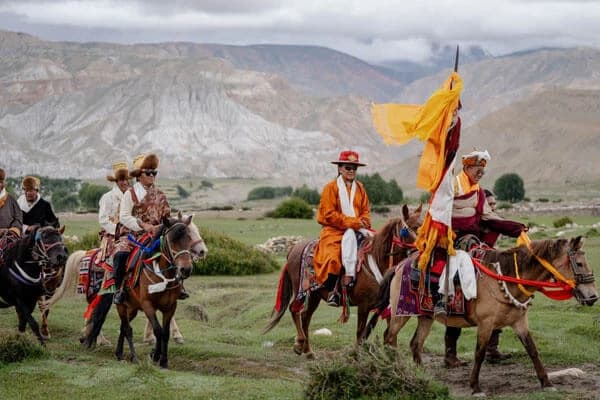
Trekking in Nepal is a dream for many travelers, but planning a trek can quickly feel overwhelming. Between choosing the right route, arranging permits, booking accommodations, and figuring out transportation, it’s easy to get lost in the details especially if you’re trying to stick to a budget. That’s where a budget trekking specialist comes in.
A Nepal budget trek operator is more than just a planner, they’re your guide, advisor, and local insider all in one. They know how to manage your budget without compromising your safety, comfort or the overall experience.
By working with a specialist, you get a perfectly balanced itinerary that fits your time, fitness level and budget. They handle all the logistics like permits, transportation and accommodation, so you can really focus on what really matters, enjoying the mountains, meeting locals and soaking in the stunning himalayan views. Simply, a budget trekking packages Nepal specialist helps your dream himalayan adventure into a reality without spending much.
Why Choose a Budget Trekking Specialist?
Planning a trek in Nepal sounds exciting at first but once you start looking into it, you realize there’s a lot to handle. From permits and routes to accommodation and transport, every small decision can affect both your experience and your budget. This is where a budget trekking guide services Nepal truly makes a difference.
Instead of guessing your way through the process, you get the support of experienced professionals who know exactly how to optimize costs without cutting corners on safety or experience. They understand where you can save money and where you shouldn’t compromise like proper acclimatization, reliable guides, and safe lodging.
One of the biggest advantages is their local knowledge. A good trekking guide in Nepal doesn’t just lead the way they know the hidden details that most travelers miss. They can recommend affordable yet comfortable teahouses, suggest local meals that are both tasty and budget-friendly, and guide you through less crowded routes that still offer incredible views. This kind of insight not only saves money but also makes your journey more authentic.
Another key benefit is cost-efficient itinerary planning. Budget trekking specialists design routes that balance time, difficulty, and expenses. For example, they might suggest alternative trails that reduce permit costs or adjust your schedule to avoid peak-season price hikes. With well-planned budget trekking packages Nepal, you get the best possible experience without unnecessary spending.
Logistics can often be the most stressful part of trekking, especially in remote Himalayan regions. From transportation to accommodation bookings and permit arrangements, everything needs to be organized properly. Nepal trekking experts handle these details smoothly, ensuring you don’t face last-minute issues or hidden expenses. This reliability allows you to focus fully on enjoying the trek.
They also have strong expertise in managing budget accommodations, food, and permits. They know which teahouses offer the best value, where to find hygienic and affordable meals, and how to arrange permits efficiently without overpaying. These small savings add up, making a big difference in your overall cost for Nepal trekking packages.
In the end, choosing a cheap trekking company Nepalisn’t just about saving money, it’s about making smarter choices. With the right guidance, you can experience the beauty of Nepal’s mountains in a way that is affordable, safe, and deeply rewarding.
Popular Budget Treks in Nepal
Nepal is often seen as a premium trekking destination, but the truth is you don’t need a huge budget to explore its mountains. With the right planning (or help from a affordable guide treks Nepal), you can experience breathtaking himalayan views, local culture, and peaceful trails at a very reasonable cost.
Here are some of the best budget-friendly treks in Nepal, explained in detail so you can choose the one that fits your time, budget, and travel style.
Ghorepani Poon Hill Trek
The Ghorepani Poon Hill Trek is one of the most loved and accessible treks in Nepal, especially for beginners or travelers with limited time. It usually takes around 4 to 5 days, making it both time-efficient and cost-effective.
The journey begins with a short drive from Pokhara, which helps reduce transportation expenses. As you walk through beautiful rhododendron forests and traditional Gurung and Magar villages, you’ll find plenty of budget-friendly teahouses offering simple rooms and local meals.
The main highlight is the sunrise view from Poon Hill (3,210m). Early in the morning, you hike up to the viewpoint and watch the golden light hit peaks like Annapurna South, Machhapuchhre, and Dhaulagiri. It’s one of the most rewarding views for such a short and affordable trek. Because of its popularity, the trail has good infrastructure, meaning you can easily manage food, accommodation, and guides at reasonable prices.
Mardi Himal Trek
The Mardi Himal Trek is perfect for those who want a quicker, less crowded experience without increasing their budget. This trek typically takes 5 to 7 days and provides some of the closest views of Machhapuchhre (Fishtail mountain).
The trail starts near Pokhara and gradually climbs through dense forests, ridges and open alpine landscapes. Unlike busier routes, this trek is less commercialized, so food and lodging costs are often lower.
One of the best parts of this trek is the peaceful atmosphere. You won’t find large crowds which means you can enjoy nature more deeply. The views from Mardi Himal Base Campare stunning, especially during sunset and sunrise. For budget trekkers, this route provides a perfect balance of affordability, solitude and incredible scenery.
Langtang Valley Trek
The Langtang Valley Trek is one of the best options for budget travelers who want to avoid long and expensive flights. Located close to Kathmandu, this trek can be completed in 7 to 10 days, saving both time and transportation costs.
The journey begins with a drive to Syabrubesi and takes you through forests, rivers and traditional Tamang Villages. This region is rich in culture, heavily influenced by Tibetan traditions which adds a unique experience to your trek.
Teahouses along the route are generally affordable and less crowded which makes it easier to manage daily expenses. As you go higher, you’ll be rewarded with views of langtang lirung and surrounding peaks.
Khopra Danda Trek
The Khopra Danda Trek is a hidden treasure in the Annapurna region and a great alternative to more crowded routes like Annapurna Base Camp. It usually takes around 6 to 8 days and is perfect for trekkers looking for something unique yet affordable. This trek offers stunning panoramic views of major peaks like Annapurna and Dhaulagiri, but without the heavy tourist traffic. The trail passes through quiet villages, forests, and high ridges.
One of the special features of this trek is the community lodges. These are locally managed accommodations that are simple, affordable, and support the local economy. Staying here not only saves money but also gives you a more authentic experience. Another highlight is the optional hike to Khayer Lake, a sacred alpine lake. Though it requires an extra day, it’s worth it for the peaceful and spiritual atmosphere. This trek is ideal if you want an off-the-beaten-path adventure on a budget.
Gosaikunda Trek
The Gosaikunda Trek is a short yet meaningful trek in the Langtang region, usually completed in 5 to 7 days. It is especially popular among pilgrims, as Gosaikunda Lake is considered sacred in Hindu and Buddhist traditions. The trail starts from Dhunche or Sundarijal and takes you through forests, waterfalls, and high-altitude landscapes. As you climb higher, the scenery becomes more dramatic, with rocky trails and open skies.
Reaching Gosaikunda Lake (4,380m) is the main highlight. The lake, surrounded by mountains, has a peaceful and spiritual atmosphere that makes the journey truly special. Since it’s a relatively short trek, you can complete it with minimal expenses, making it perfect for budget travelers who still want a high-altitude experience.
Cost-Saving Tips from a Budget Trekking Specialist
With a little planning, you can enjoy Nepal’s mountains fully without overspending. From timing your trip and picking budget-friendly mountain treks to choosing local meals and every small decision adds up. It’s all about trekking smart, so you can have the breathtaking views, cultural experiences and himalayan memories without blowing your budget.
Plan Your Trek in the Right Season
One of the simplest ways to save money is by choosing the right time to travel. During peak trekking seasons, especially autumn, everything from accommodation to guide services becomes more expensive due to high demand. A cost-effective trekking service Nepal may suggest traveling in the shoulder seasons, like late spring or early winter. During these times, the trails are less crowded, and many teahouses offer better prices to attract trekkers. You still get beautiful mountain views, but at a lower cost and with a more peaceful experience.
Choose the Right Trek for Your Budget
Not all trekking routes are equal when it comes to cost. Some require domestic flights, expensive permits, or longer durations, which automatically increase your expenses. A specialist will recommend routes that are naturally budget-friendly like treks accessible by road, with moderate permit fees and affordable teahouses. This single decision can save a large portion of your budget even before the trek begins.
Minimize Transportation Costs
Transportation is often one of the biggest hidden expenses. Flights to remote regions like Lukla or Jomsom can be too costly. Instead, budget trekking specialists usually suggest local buses or shared jeeps. While they may take more time, they are much cheaper and offer a more authentic travel experience. You also get to see local life along the way, which adds value to your journey without adding cost.
Stay Smart with Accommodation
Teahouses are the backbone of trekking in Nepal, and they are generally very affordable. However, prices can still vary depending on location and demand. A cheap adventure trek Nepal specialist knows exactly where to stay for the best value. In many cases, if you have your meals at the same teahouse, the room cost becomes very low or even free. Choosing simple, clean accommodation instead of luxury lodges can save you a significant amount over several days.
Be Strategic About Food
Food is another area where costs can quickly add up, especially at higher altitudes where everything has to be transported. Experts always recommend sticking to local meals like dal bhat. It’s not only cheaper but also filling and energy-rich, perfect for long trekking days. Unlike international dishes, which are priced higher, local food gives you the best balance between cost and nutrition. Also, ordering similar meals as a group can sometimes help reduce waiting time and ensure consistent pricing.
Share Costs Whenever Possible
Traveling alone can be slightly more expensive because you bear all costs yourself. But when you share, everything becomes more affordable. A low-cost treks Nepal specialist can help you connect with other trekkers so you can split costs for guides, porters, and transportation. This not only reduces expenses but also makes the journey more enjoyable and social.
Limit Extra Expenses on the Trail
Small comforts like hot showers, Wi-Fi, battery charging, and bottled water may seem inexpensive individually, but they can add up quickly over several days. A smart way to save money is by using these services only when necessary. For example, carrying a reusable water bottle with purification tablets can save money on bottled water. Similarly, limiting device usage reduces charging costs.
How Budget Trekking Specialists Plan Your Trek?
There are routes to choose, permits to arrange transport to book and daily logistics to manage. But a trekking specialist simplifies everything by creating a plan that fits both your travel style and your budget without compromising on safety or experience.
Customizing Itineraries Based on Your Budget and Preference
Every traveler is different. Some want a short and easy trek in Nepal, while others look for a longer and more challenging adventure. A affordable tea house trek specialist begins by understanding your time, budget, fitness level and expectations. So, instead of providing a fixed package, they design a personalized Nepal trekking itinerary. For example, if you have limited days they might suggest a shorter trek with maximum scenic value. If your budget is tight, they’ll adjust the route, duration, and daily stops to reduce costs while still giving you a complete experience. This flexibility is what makes budget trekking planning in Nepal so effective, you only pay for what truly matters to you.
Managing Permits, Transport and Accomodation
One of the most confusing parts of trekking is handling the logistics. Permits, transportation, and accommodation all need to be arranged properly, and small mistakes can lead to extra costs or delays.
A budget friendly trekking specialist takes care of everything:
- Permits: They arrange all necessary permits at the correct price, avoiding unnecessary fees or complications.
- Transport: Whether it’s a local bus, shared jeep, or private vehicle, they choose the most cost-effective option based on your budget.
- Accommodation: They select teahouses that are affordable, clean, and reliable, ensuring comfort without overspending.
By managing these details, low budget trek Nepal services help you avoid hidden costs and last-minute stress.
Smart Cost Optimization without Sacrificing Experience
A key part of their planning is knowing where to save and where not to. For example, they may suggest:
- Routes that avoid expensive flights
- Teahouses that offer good value for money
- Meal options that are both affordable and filling
At the same time, they make sure you don’t compromise on important aspects like proper rest, good food, and a well-paced itinerary. This balance ensures that your trek remains enjoyable and not just “cheap.”
Safety and Acclimatization Planning
Even on a budget, safety is never ignored. Trekking in the Himalayas involves altitude, changing weather, and physical challenges.
A professional specialist carefully plans your itinerary with proper acclimatization days to reduce the risk of altitude sickness. They also ensure:
- Gradual altitude gain
- Enough rest days
- Access to safe drinking water and hygienic food
- Emergency support if needed
This kind of planning is what separates a well-organized trek from a risky one. Even with a limited budget, your safety and well-being always come first.
Continuous Support Throughout the Journey
Nepal Budget trek expert don’t just plan your trip, they support you throughout the journey. From the moment you arrive in Nepal to the end of your trek, they are there to guide you, adjust plans if needed, and solve any issues that come up along the way.
This ongoing support gives you confidence, especially if it’s your first time trekking in Nepal.
Estimated Cost of Budget Trekking in Nepal
Trekking in Nepal is one of the few adventures in the world where you can experience the beauty of the Himalayas without needing a huge budget. With proper planning and the right choices, a budget friendly trek can be both affordable and fulfilling. On average, a budget trekker spends around $30 to $60 per day, depending on the route, season, and personal spending habits. This cost usually covers basic accommodation, meals, local transportation, and essential permits. However, your total cost will vary based on how many days you trek, whether you hire a guide or porter, and how comfortably you choose to travel.
For shorter treks like Ghorepani Poon Hill, you can complete the journey within a few days at a relatively low cost, while longer treks like Langtang Valley may require a slightly higher budget due to more days on the trail. The key to staying within budget is understanding where your money goes and making smart decisions along the way.
Budget Trekking Breakdown
When planning a budget trek in Nepal, it’s important to understand where your money goes on a daily basis. Even though trekking is affordable, small daily expenses can add up over time. A well-planned budget helps you stay in control while still enjoying a comfortable journey in the Himalayas. A typical day during a budget trek includes basic necessities like accommodation, food, and a few extra services. Here’s how your daily cost is usually divided:
- Accommodation: $3 - $30
- Food: $15 - $30
- Drinking Water: $1 - $5
- Permits (average per day): $5 - $10
- Miscellaneous: $5 - $10
Total Cost Based on Trek Duration
Your overall budget depends heavily on the number of days you spend on the trail. Here’s a general idea:
Short Treks (4 to 7 Days)
Short treks are an excellent choice for beginners, first-time visitors, or travelers who have limited time and budget but still want to experience the beauty of the Himalayas. These routes are usually located closer to major hubs like Pokhara or Kathmandu, which helps reduce transportation costs and makes the overall journey more convenient and affordable. Because you spend fewer days on the trail, your total expenses remain relatively low, making short treks one of the most budget-friendly ways to explore Nepal’s mountains.
Despite their shorter duration, these treks still offer a rich and fulfilling experience. You’ll walk through scenic villages, lush forests, and beautiful viewpoints, enjoying stunning mountain views along the way. Since these routes don’t usually reach very high altitudes, they require little to no acclimatization, making them physically easier and less demanding. This makes them ideal for those who want a relaxed trekking experience without too much strain.
With an estimated cost of $300 to $700, short treks are perfect for beginners, solo travelers, or anyone looking for a quick getaway. Popular examples include the Poon Hill Trek and shorter routes in the Langtang region. Overall, these treks are ideal if you’re looking for a quick, affordable, and rewarding Himalayan experience without a long commitment.
Medium Treks
Medium-length treks are the most popular choice among budget trekkers because they provide the perfect balance between cost, duration and overall experience. With more days on the trail, you get the chance to truly connect with the mountains, enjoy wider and clearer views and experience local culture more deeply without stretching your budget too far.
These treks usually take you further into the himalayas compared to shorter routes, providing you to witness a gradual change in landscapes, from green forests and terraced fields to open alpine terrain and high mountains viewpoints. Along the way, you’ll stay in different villages, giving you a more immersive experience of trekking life, local hospitality and daily routines in the mountains.
While the total cost is higher than short treks, the overall value is much greater. You get more time to explore, better photo opportunities and a stronger sense of adventure. With an estimated cost of $600 to $1200, these treks are ideal for travelers who want a complete himalayan experience on a budget. Popular options include the Mardi Himal Trekking and Gosaikunda trekking.
Long Treks
Long treks in Nepal are perfect for travelers who want a truly immersive himalayan experience. These treks take you deep into the mountains, often covering multiple regions, high passes and remote villages. Because of the extended duration, they provide more opportunities to witness the grandeur of Nepal’s landscapes, experience diverse cultures and enjoy a strong sense of adventure.
Naturally, longer treks require a bigger budget due to additional days on the trail, more food and accommodation expenses and sometimes higher permits or transport costs. However, the value you receive in terms of breathtaking scenery, off-the-beaten-path experience and personal achievement is unmatched.
With an estimated cost of $1200 +, long treks are ideal for travelers who have more time and want to explore Nepal in depth. Popular examples include the Langtang Valley Trek and the Annapurna Base Camp Trek, both of which provide stunning mountain views, rich cultural encounters and rewarding trekking experience that stays with you long after the journey.
Extra Cost to Consider
Even on a budget, small expenses can add up quickly if not managed carefully. Being aware of these “hidden” costs helps you plan better and avoid surprises on the trail.
- Wi-Fi access: $2 - $5
- Charging devices: $2 - $5
- Hot Showers: $2 - $7
- Snacks and drinks: $5 - $10
Do you need a Guide for Budget Trekking in Nepal?
No, it is not compulsory to hire a guide for your cheap group trekking in Nepal. But even on a budget, having a guide can make your trek so much easier and more enjoyable. Guides know the trails like the back of their hand; they can point out the best teahouses, recommend tasty local meals that won’t hurt your wallet, and even show shortcuts that save both time and energy. Basically, they help you make the most of every day without overspending or getting lost.
Safety is another big reason to consider a guide, especially in the mountains. The Himalayas are beautiful, but altitude, changing weather and tricky trails can be challenging. A guide keeps an eye on your pace, makes sure you acclimatize properly, and helps you avoid common mistakes that could turn a fun trek into a stressful one. They’re like your trekking buddy and safety coach rolled into one, giving you peace of mind so you can focus on enjoying the views.
Also, guides take care of all the little things that can be confusing for first-timers like permits, transport and local arrangements. This means fewer surprises and less stress, which is a huge relief when you’re on a budget and every dollar counts. Plus, they share cool stories about the villages, culture and mountains that make your trek feel richer and more memorable. So even if you’re trying to keep costs low, a guide can actually save you money and make your himalayan adventure way more fun and smooth.
Why Choose a Local Trekking Agency in Nepal?
Choosing alocal trekking agency in Nepalcomes with a lot of benefits, especially if you want a smooth, authentic and budget-friendly adventure. Local agencies know the trails, villages and mountains like no one else. They can recommend the best teahouses, help you avoid traps and give you insider tips on the best times to trek or viewpoints to catch the sunrise. This local knowledge often makes a huge difference in both your experience and your expenses.
Working with a local agency also means reliable logistics and support. From arranging permits and transportation to booking accommodation, they handle all the details so you can focus on enjoying the trek. Another great reason to choose a local agency is that it supports the local economy. Your money goes directly to communities, local guides and family-run teahouses, rather than international middlemen.
In short, a local trekking agency gives you expert guidance, smooth planning and an enriching experience while keeping your budget in check.
Conclusion: Budget Trekking Specialist in Nepal
Trekking in Nepal doesn’t have to be expensive to be unforgettable. With the guidance of a budget trekking specialist, you can explore the Himalayas, enjoy stunning mountain views, and immerse yourself in local culture all while keeping your expenses under control. They help you plan smarter, save on daily costs, and avoid common pitfalls, so your trek is smooth, safe, and truly enjoyable.
Whether you’re taking a short 3–5 day trek, a medium-length adventure, or a long journey deep into the mountains, a specialist ensures you get the most value out of every moment. From finding affordable teahouses and tasty local meals to handling permits and transport, their expertise turns what could be a stressful planning process into a seamless experience.
In the end, choosing Himalayan trekking on a budget isn’t just about saving money, it’s about making your Himalayan adventure safer, and more rewarding. With the right guidance, you can focus on what matters most: creating memories that will last a lifetime, one breathtaking view at a time.