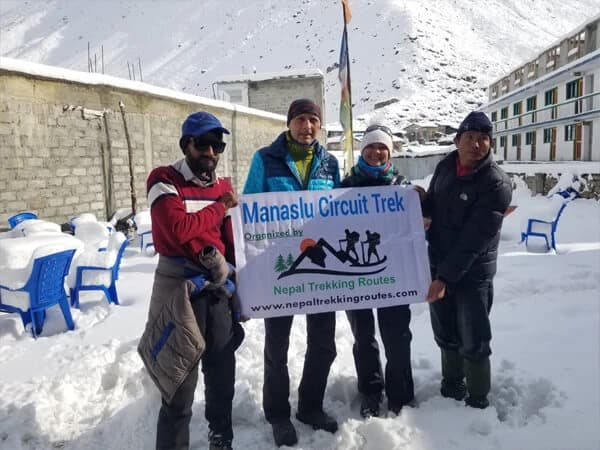
The Manaslu Trek is a popular trekking route in Nepal's Gorkha District, following the Budhi Gandaki River before crossing Larkya La Pass and joining the Annapurna region near Dharapani. The route passes through villages such as Jagat, Namrung, Lho, Samagaon and Samdo, with a major change in altitude as you move towards the pass.
The Manaslu Trek difficulty comes from the long walking days, limited facilities in the upper villages and the need to cross a high mountain pass at over 5,000 meters. It is not a trek to choose without preparation, particularly if this is your first multi day hike in the Himalayas.
How Difficult is Manaslu Circuit Trek?
For an average trekker who has a prior experience in trekking fields, Manaslu Trek is consider to be challenging one. Manaslu Trek Difficulty is grade as a difficult one for the trekkers with experience. If you plan to do the first trek in the Manaslu route, then Manaslu Round Trek will cost you a lot of effort.
The route was opened for foreigners in 1991 and even today, roads and transportation to this region are challenging. So, before you go for the Manaslu Round Trekking be prepared with some extra knowledge that can always come handy during your memorable journey in those off beaten paths.
Some facts of Manaslu Round Trek
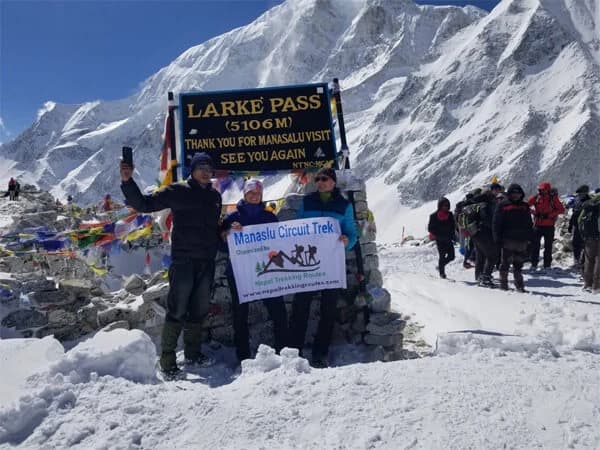
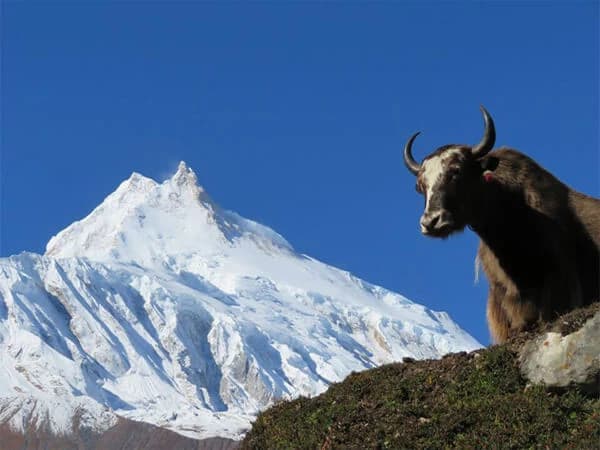
The Manaslu Round Trek is full of unique features that make it a remarkable adventure. It passes through remote villages, traditional Tibetan influenced settlements, and diverse landscapes ranging from lush forests to high altitude alpine zones. Trekkers cross Larkya La Pass (5,106 meters), the highest point of the route, and experience stunning views of Mount Manaslu and other Himalayan peaks.
The region is less crowded compared to popular treks like Annapurna or Everest, offering a more peaceful and authentic trekking experience. Additionally, trekkers need restricted area permits, and proper preparation is essential due to the challenging terrain, long walking days, and high altitude, making the journey both adventurous and rewarding.
Distance and Duration
Categorized under the long and challenging trek, Manaslu Round Trek approximately takes 2 to 3 weeks to complete the trek. The main Manaslu Circuit route covers approximately 135 km of walking from Machha Khola to Dharapani. The total can increase to around 160 to 175 km when optional acclimatization hikes and route variations are included.
You will walk for 5 to 8 hours, although crossing Larkya La Pass takes considerably longer. The daily walking distance, elevation gain, and consecutive days on the trail are major factors behind the Manaslu Trek difficulty. Trekkers who prefer not to carry their main luggage can hire a porter.
The trial starts from the western region of Nepal, Gorkha. When you reach the trailhead by means of vehicles. You cannot move further unless you are on your foot. Starting from day 1 of the trek you have to walk roughly 6 to 8 hours depending upon your capabilities for straight 2 weeks. The distance and the durations is what makes the Manaslu Trek difficulty one.
Manaslu Trek Altitude and Weather
Altitude is one of the biggest factors affecting Manaslu Circuit Trek difficulty. The route climbs through Namrung, Lho, Samagaon, and Samdo before reaching Dharamsala at approximately 4,460 meters. The highest point is Larkya La Pass at approximately 5,106 meters. Manaslu Base Camp, at around 4,800 meters, is an optional side hike from Samagaon rather than part of the main circuit trail. As you gain elevation, oxygen availability decreases, making walking more difficult and increasing the risk of altitude sickness. This is why proper acclimatization is essential before attempting the pass.
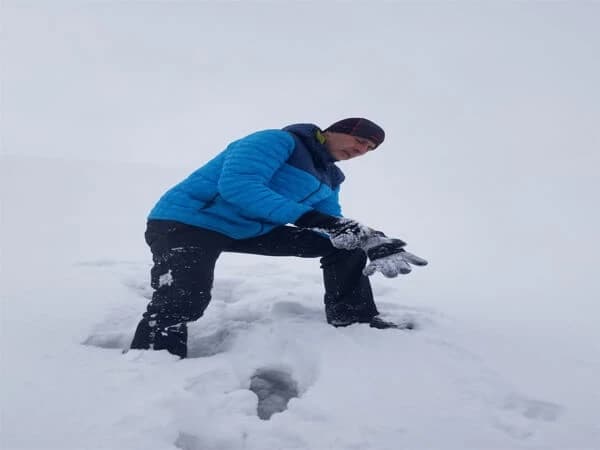
Due to the elevating altitude there are uncertain and frequent changes in the weather. If you trek in peak winter season the temperature almost falls to -15 degree celcius to -20 degree celcius. The snowy trails make the trek even more difficult. Sometimes the trail gets inaccessible which may result in a rest day or hike to another destination.
Also, at the lower regions of the trek like Setikhola the temperature goes up to 8 degree Celsius. Larke Pass which is the highest point in our trek is mostly cover with snow. A licensed guide is compulsory throughout the Manaslu restricted area, not just beyond Samdo. Weather conditions can also change quickly around Dharamsala and Larkya La Pass, where cold temperatures, snowfall, and strong winds can make the crossing difficult.
Manaslu Trek Fitness Level Required
Due to the moderate to extremely difficult nature of the Manaslu Trek, a high degree of physical condition is necessary. Trekkers should be able to trek 6 to 7 hours a day on steep, rocky, and high altitude terrain. At Larkya La Pass, where the trek reaches 5,106 meters, the thin air makes breathing difficult and raises the possibility of altitude sickness.
It is advised to engage in regular aerobic activities such as swimming, cycling, jogging, or hiking for at least four to six weeks prior to the expedition. Stamina, core stability, and strong legs are crucial. Although you do not have to be athletic, having strong mental and physical stamina is essential for a safe trip.
Manaslu Trek Challenges and Terrain
With a variety of environmental and physical challenges, the Manaslu Trek provides a genuine journey into one of Nepal's most isolated and untamed areas. At lower elevations, the trail traverses terraced rice fields, lush subtropical forests, and traditional communities; at higher elevations, it traverses rocky slopes, alpine meadows, and high mountain passes. Trekkers must pay close attention and use caution when crossing suspension bridges, narrow pathways, and occasionally landslide prone areas.
The biggest physical challenge is crossing Larkya La Pass at approximately 5,106 meters. The long climb from Dharamsala, thin air, and cold morning temperatures make this one of the hardest days of the Manaslu Circuit. Snowfall and strong winds can make the crossing more difficult, particularly in winter and early spring. During the monsoon, heavy rainfall can cause landslides, muddy trails, and swollen rivers. Proper acclimatization and checking the latest weather conditions are essential before attempting the pass.
Remoteness is another difficulty because some communities lack basic amenities, forcing hikers to bring necessary equipment and rely on nearby teahouses for shelter and meals. Managing the lengthy trekking days and high ascents requires mental toughness, physical endurance, and meticulous preparation.
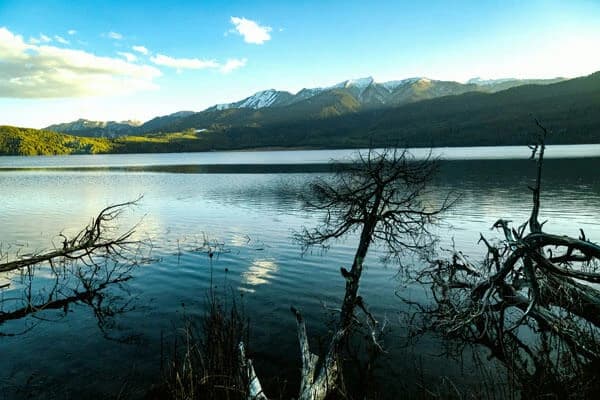
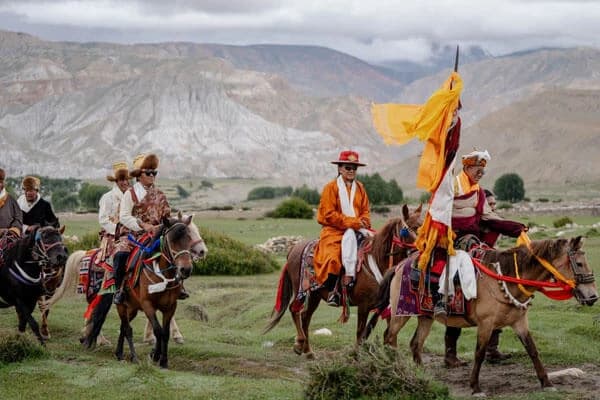
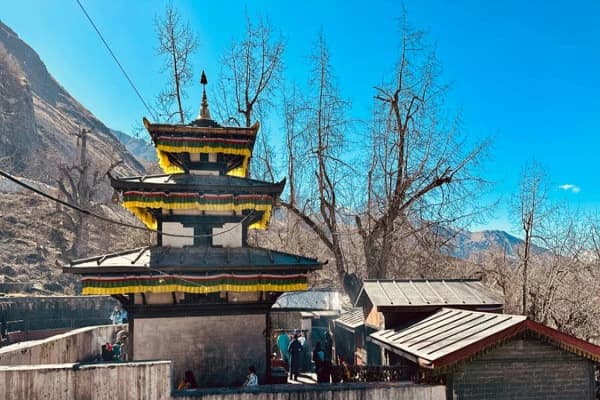
Despite these difficulties, the Manaslu Trek is one of Nepal's most remarkable trekking experiences, offering trekkers tranquil lakes, rich Tibetan-influenced culture, a sense of unspoiled nature, and stunning Himalayan views.
Manaslu Circuit Trekking Acclimatization
Acclimatization is essential on the Manaslu Circuit Trek, particularly before crossing Larkya La Pass at approximately 5,106 meters. Altitude gain is one of the main reasons the Manaslu Circuit Trek needs proper acclimatization. Most itineraries include an extra day in Samagaon, where trekkers can hike towards Manaslu Base Camp or Pungyen Gompa before returning to the village to sleep.
Another acclimatization day in Samdo is often included before the walk to Dharamsala, the last overnight stop before Larkya La Pass. These stops give your body more time to adjust before the long crossing. Skipping them to finish the Manaslu Trek sooner is a poor decision, especially when you are already above 3,500 meters. Watch for signs of altitude sickness and descend if symptoms become serious.
It is crucial to drink enough of water, avoid alcohol, eat small meals, and pay attention to your body. Appropriate acclimatization guarantees a safer, more pleasurable trek and lowers the danger of altitude sickness.
Manaslu High Passes Difficulty
The high passes of the Manaslu Circuit Trek, especially the 5,106 meter high Larkya La Pass is one of its most distinctive challenges. For trekkers getting ready for this journey, it is crucial to understand the Larkya La Pass difficulty. The pass calls for a combination of mental toughness, physical stamina, and appropriate acclimatization. Each step on the Larkya La trail is physically taxing due to the long, steep ascents on stony, occasionally snowy pathways and the dwindling air.
Snow, ice, or strong winds can make navigation difficult, adding to the Larkya La Pass difficulty. If there is snow, trekkers need to bring important equipment including crampons, warm clothes, and trekking poles. Careful footing is necessary for the steep and rocky descent toward Bimtang or Dharapani on the opposite side.
A genuine sense of accomplishment and expansive vistas of Manaslu, Himalchuli, and Ngadi Chuli are the rewards for overcoming the difficulties. Managing the Larkya La Pass challenge requires careful planning, a slow ascent, and acclimatization in villages like Samagaon and Samdo. Through meticulous preparation, this high pass turns from a difficult challenge into one of the Manaslu Circuit is most unforgettable features.
Best Time to Trek Manaslu for Less Difficulty
If you want to lessen physical strain, stay out of bad weather, and make the trip safer and more pleasurable, timing is everything when it comes to the Manaslu Trek. The pre monsoon (spring) and post monsoon (fall) seasons are ideal for the walk because they provide consistent weather, clear skies, and tolerable route conditions.
Manaslu Trek in Spring Season (March to May): Because of the moderate temperatures, melted snow on the lower portions, and generally dry and safe routes, spring is the best time of year for less strenuous trekking. The walk becomes more colorful as the rhododendron trees along the lower slopes bloom gloriously. With the right equipment, navigating higher passes like Larkya La is easier, even though there may still be some snow. Additionally, springtime brings longer daylight hours, which enable hikers to comfortably travel greater distances.
Manaslu Trek in Autumn Season (September to November): Another great season is autumn, which lasts from late September to November. The air is now free of dust thanks to the monsoon, providing breathtaking sweeping vistas of Manaslu, Himalchuli, and the neighboring peaks. Because the trails are firm and dry, there is less chance of landslides or slick conditions, which can make walking more challenging. Although a little lower than in the spring, the daytime temperatures are still tolerable.
It is crucial to avoid the monsoon season (June to August) because of the muddy routes and hazardous river crossings caused by excessive rainfall. The harsh cold, snow, and slippery roads in winter (December to February) make high passes like Larkya La much more challenging.
Planning your trek for spring or fall is the best option for beginners or those seeking a less strenuous and dangerous trek. Good weather, comfortable temperatures, and stable pathways all work together to minimize tiredness and enable hikers to fully appreciate the Manaslu region's highHimalayan scenery, local culture, and natural beauty.
Food and Accomodation: Manaslu Trek Difficulty
Food and accomodation along the Manaslu Circuit trek are basic but sufficient, especially because the region is remote and less developed than some popular trekking routes like Annapurna or Everest. Most trekkers stay in local teahouses and homestays that provide simple rooms with twin beds, blankets, and shared bathrooms.
As you go higher, facilities become more limited, and rooms may be unheated, making warm sleeping bags essential. During peak seasons, accommodation is usually available, but options are fewer in remote villages, so flexibility and early arrival are important.
Meals on the Manaslu Trek are nutritious and energy focused, designed to support long trekking days. The most common meal is dal bhat (rice, lentils, and vegetables), which provides sustained energy and is often refillable. Other options include noodles, pasta, soups, potatoes, Tibetan bread, and simple breakfasts like porridge or eggs. Food prices increase with altitude due to transportation difficulties, and menu choices become limited at higher elevations.
Eating well, staying hydrated, and avoiding alcohol especially at high altitudes play an important role in managing fatigue and reducing the effects of altitude, directly influencing the overall difficulty of the trek.
Manaslu vs Annapurna Difficulty Comparison
Both the Annapurna Circuit Trek and the Manaslu Circuit Trek are well-known Himalayan treks, but they vary greatly in terms of accessibility, geography, and degree of difficulty.
Manaslu Trek Difficulty: The Manaslu Circuit is more remote, with fewer teahouses and services once you reach the upper villages. The long crossing from Dharamsala over Larkya La Pass to Bimthang is a major part of the challenge. Trekkers also need to arrange a licensed guide and the required permits for the restricted area.
Annapurna Circuit Difficulty: The Annapurna Circuit Trek reaches a higher pass at Thorong La, around 5,416 meters, but has more developed trekking infrastructure along much of the route. There are more accommodation choices and road access has changed some parts of the traditional itinerary. That does not make the whole trek easy, particularly on the high section around Thorong La.
When comparing Manaslu Trek Difficulty to Annapurna Circuit, altitude alone does not settle the question. Thorong La is higher, while Manaslu involves more remote sections and fewer services. Your experience, acclimatization, itinerary and the conditions on the pass all affect how difficult either trek feels.
Manaslu Restricted Area Trek Challenges
The restricted area rules are another part of Manaslu Circuit Trek challenges that you need to plan for before arriving in Gorkha. Foreign trekkers must arrange the required permits through a registered trekking agency and travel with a licensed guide.
There are fewer places to buy supplies, limited medical support and unreliable phone coverage in some sections. This matters if you are injured, unwell or delayed by bad weather.
Altitude Sickness on Manaslu Circuit
Because the Manaslu Circuit Trek reaches as high as Larkya La Pass (5,160m), altitude sickness is a serious risk. Headache, nausea, lightheadedness, exhaustion, and dyspnea are some of the symptoms. Acclimatization is crucial; the body adjusts through steady climbing, rest days in villages like Samagaon and Samdo, and the "climb high, sleep low" philosophy.
Additionally, avoiding alcohol and physically demanding activities, eating small meals, and staying hydrated all lower risks. Trekkers should keep a watchful eye on symptoms and get down right once if there are any serious ones. To enjoy this high-altitude Himalayan journey safely, awareness and planning are essential.
Daily Walking Hours on Manaslu Trek
Most days on the Manaslu Circuit Trek involve around five to seven hours of walking, although the exact time depends on the village stops and the condition of the trail. The walk from Samagaon to Samdo is relatively short, giving trekkers time to adjust to the altitude.
The crossing from Dharamsala over Larkya La Pass to Bimthang is a different matter. It is one of the longest days of the trek and can take around eight to ten hours. This is why the Manaslu Trek daily walking hours should not be judged by the average alone. Trekkers need to be prepared for the long pass day as well as the shorter days before it.
Manaslu Trek Difficulty for Solo Trekkers
The Manaslu Trek difficulty for solo trekkers is not just about walking alone. The route is remote, phone coverage is limited in places and there are fewer services in the upper villages if something goes wrong. There has also been a change to the permit rules.
Since March 2026, individual foreign trekkers can obtain restricted area permits, but they must still arrange the trip through a registered trekking agency and be accompanied by a licensed guide. So, you can trek without joining a group, but you cannot legally do the Manaslu Circuit independently without a guide.
Fitness Training for High Altitude Treks
Treks at high elevations, like the Annapurna Circuit, Manaslu Circuit, or Everest Base Camp, need exceptional stamina, mental toughness, and physical condition. For a safe and pleasurable experience, preparation is crucial due to the low oxygen levels, high ascents, rocky pathways, and extended walking hours.
Four to six weeks prior to the trek, a comprehensive fitness training program should begin, emphasizing cardiovascular endurance, strength, and flexibility. Running, cycling, swimming, and brisk walking are examples of cardio exercises that increase lung capacity and stamina, which helps your body cope with high altitudes. Given that trekkers will be carrying backpacks and navigating steep, uneven terrain, strength training for the legs, core, and back is essential. Exercises that increase muscle endurance and stability include planks, squats, lunges, and step ups.
Training for flexibility and balance, such as yoga, Pilates, or stretching, lowers the chance of injury and improves agility on slippery or rocky paths. Your body can adjust to extended daily walking hours by simulating trek circumstances by practicing trekking on slopes or staircases while carrying a full rucksack.
During training, rest, diet, and hydration are equally crucial. A healthy diet and enough sleep promote energy levels and muscle rehabilitation. Trekkers can safely enjoy high altitude treks, take on difficult routes, and completely experience the Himalayan sceneries if they regularly prepare physically.
Safety Tips for the Manaslu Trek
Following these tips significantly increases the safety and enjoyment of the Manaslu Circuit Trek, allowing trekkers to experience its spectacular landscapes, Tibetan culture, and remote Himalayan wilderness with confidence.
- Acclimatize Properly: Include rest days at Samagaon or Samdo; follow “climb high, sleep low.”
- Monitor Health: Watch for symptoms of altitude sickness: headache, nausea, dizziness, fatigue. Descend immediately if severe.
- Physical Fitness: Prepare with cardio, strength training, and flexibility exercises before the trek.
- Hire a Guide or Porter: Especially recommended for solo trekkers or first-timers to navigate difficult trails safely.
- Check Weather Conditions: Avoid monsoon and winter; spring and autumn provide safer, more stable conditions.
- Carry Essential Gear: Warm clothing, trekking poles, crampons (for snow), first aid kit, and sufficient water.
- Stay Hydrated and Eat Well: Prevent dehydration and maintain energy for high altitude trekking.
- Travel Permits: Obtain restricted area permits in advance; local authorities may check permits at checkpoints.
- Emergency Planning: Have evacuation plans in case of injury or severe altitude sickness.
How many hours do trekkers walk per day in Manaslu Circuit Trek?
Daily walking hours on the Manaslu Trek typically range from 5 to 8 hours, depending on the terrain, altitude, and weather conditions. High altitude section like Larkya La Pass and steep climbs take longer, while relatively flat or downhill stretches may take shorter days. You must plan for flexible timings to avoid exhaustion and maintain a safe pace.
What safety measures should be taken for Manaslu Trek difficulty?
To trek safely, it's important to include acclimatization days, monitoring altitude sickness symptoms and adjust your pace accordingly. Hiring a guide or porter, carrying essential gear, and choosing the best trekking seasons (spring or autumn) are critical for safety. Being well prepared and cautions is key, especially in high altitude and remote section of the trail.
Is Manaslu Trek suitable for beginners?
The Manaslu Trek is not ideal for complete beginners due to high altitude, long days, and rugged terrain. While physically fit beginners with proper preparation can do the trek. First time trekkers may find the combination of steep climbs, long days and remote conditions very challenging, prior experience and guilded support is highly recommended.
Conclusion: Manaslu Trek Difficulty
The Manaslu Trek takes you through a part of Nepal where the villages, mountain views, and local way of life change as you gain altitude. Birendra Lake near Samagaon is one of the stops worth making before continuing towards Samdo and Larkya La Pass. The trek requires good preparation, but the experience goes well beyond the difficulty of the trail. From the Nubri Valley to the high mountain route, Manaslu offers a side of Himalayan trekking that is still less visited than the Annapurna and Everest regions.