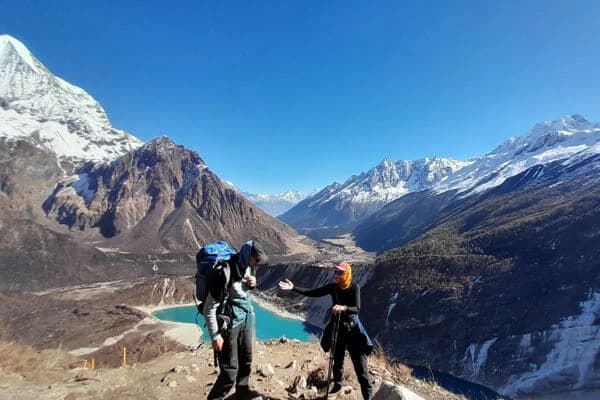
Nepal hiking and trekking can mean very different things. A short hike in Nepal might take a few hours on a trail near Kathmandu or Pokhara, while trekking in Nepal can mean spending many days walking from one mountain village to another. You do not need to be an expert trekker to enjoy either, but you do need to choose a route that matches your time, fitness and experience.
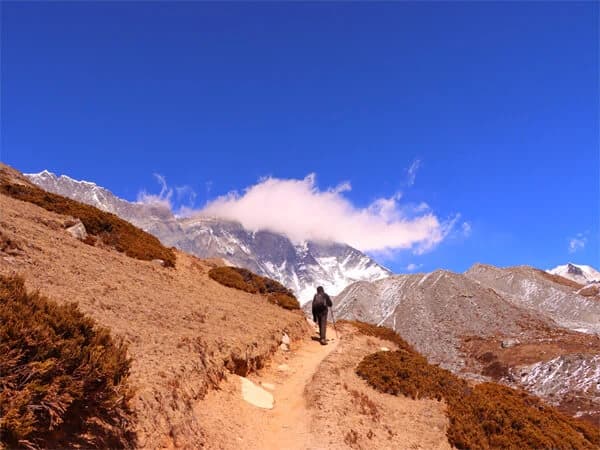
The mountains are a big part of the attraction, but they are not the whole experience. On a trek, you may walk through forests, and villages, stay in local tea houses and see how people live in places where roads are limited. The trail itself becomes as memorable as the mountain viewpoint at the end of the day.
Planning matters more once you leave the easier lower elevation trekking trails. Your route, season, altitude, accommodation, permits, food, gear and daily walking time all need some thought. A trek that looks easy on a map can feel very different once you are carrying a backpack and gaining altitude.
If this is your first trek in Nepal, start with the route rather than the name. Look at how high it goes, how many days you have, what the trail is like and what kind of conditions you are comfortable with. Experienced trekkers should do the same. There is little point choosing a famous route that does not fit the trip you actually want.
How to Choose a Trek in Nepal
Choosing a trek starts with a few practical questions: How many days do you have? How much walking have you done before? How comfortable are you with high altitude? And what do you actually want to see?
Nepal has a huge range of Nepal trekking routes, from shorter trips in the hills to long journeys well above 4,000 meters. The famous names are easy to find, but popularity alone is a poor way to choose a trek.
Before booking, look at these points:
- Check how much time you have. Include the journey to and from the trailhead when planning your trip. If you have a short holiday, forcing a long trek into the schedule can leave you with very little time to enjoy it.
- Be honest about your experience. If this is your first trek, look for a route that matches your current ability. Nepal trekking for beginners does not mean choosing the easiest trail available. It means choosing a route with walking days and altitude that you can realistically handle.
- Look at the highest altitude. Distance does not tell the whole story when judging Nepal trekking difficulty. A short trek can be tough if you gain altitude quickly or spend several days high in the mountains. Altitude sickness can affect anyone, including people who are physically fit.
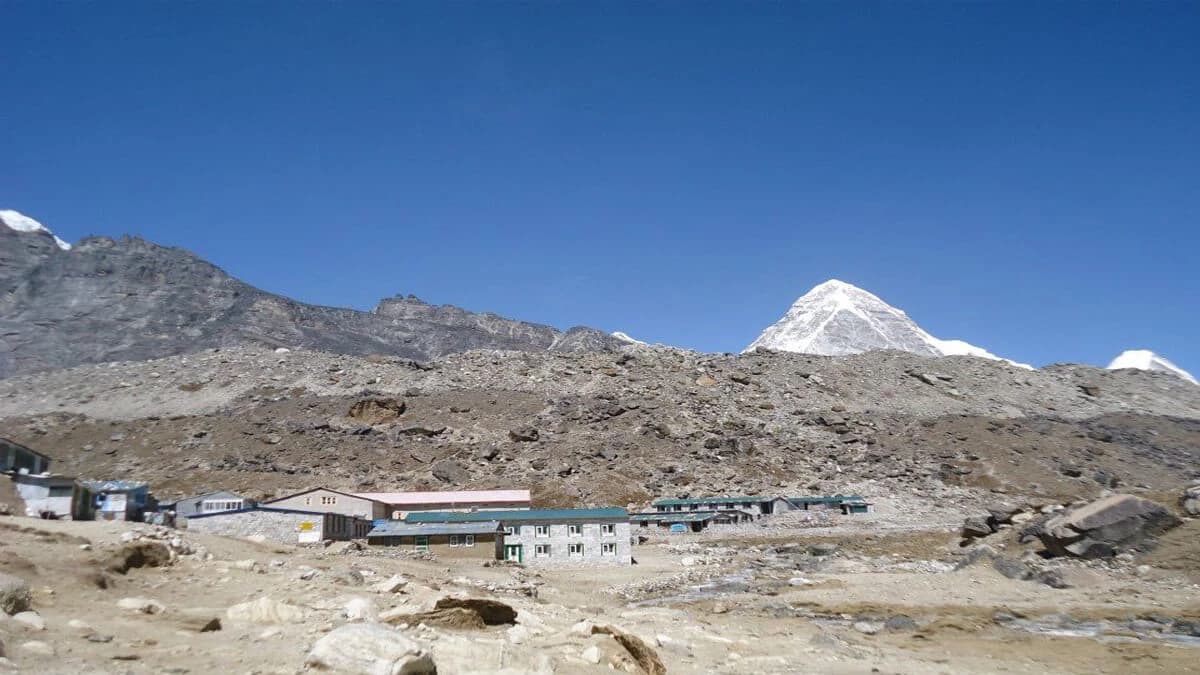
- Think about what you want to see. The Everest region trek in Nepal is known for its high mountain scenery and Sherpa communities. The Annapurna region has a wide range of landscapes and several different trekking routes. Langtang is one of the closer trekking regions to Kathmandu and is known for its mountain scenery and Tamang culture.
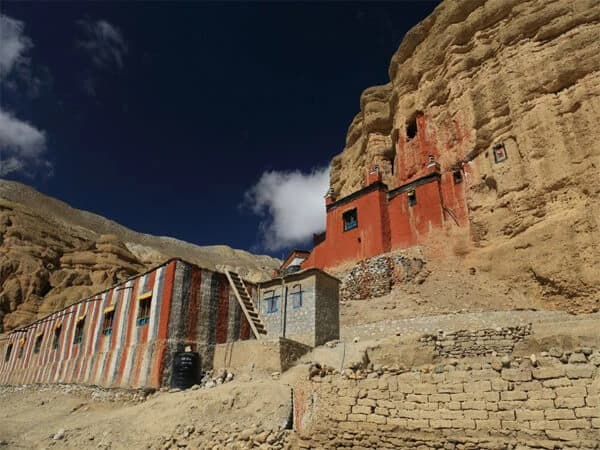
- Check the season for your route. The best time to trek in Nepal depends on where you are going and how high the route reaches. Spring and autumn are popular in many trekking areas, while winter brings colder conditions at higher elevations. Some areas, such as Upper Mustang, sit in the rain shadow and can be suitable for trekking during the monsoon as well.
- Check the current permit and guide rules. Do this before booking anything. Requirements differ between trekking areas. Nepal Tourism Board currently lists many routes where trekkers must be accompanied by a licensed trekking guide and a registered trekking agency. Restricted areas also require special trekking permits.
- Do not ignore less famous routes.Everest Base Camp is a great trek, but it is not the only worthwhile option. If you have fewer days, want a different landscape or prefer a route with a different cultural character, another Nepal trekking route may suit you better.
Take a little time to compare the route, altitude, season, walking days and current regulations before you book. Once those things make sense for your trip, choosing your gear and making the rest of the arrangements becomes much easier.
Best Time to Trek in Nepal
The best time to trek in Nepal depends on the route you pick. Manaslu, Annapurna, Langtang and the trails of Mustang do not follow exactly the same weather pattern. Altitude changes things too. A month that works well in the lower hills can bring snow or very cold nights higher up.
For most of the well known Nepal trekking routes, spring and autumn are the main trekking seasons. Winter works for some lower routes, while the monsoon makes several areas wet but leaves parts of the northern Himalayas much drier.
March to May: Spring Season
March brings more activity back to the mountain trails after winter. In the lower hills, forests begin turning green and rhododendrons start flowering. By April, the flowers are a major part of the landscape in many trekking areas, and popular routes become busy.
May is warmer at lower elevations and is closer to the arrival of the monsoon. Rain can start appearing toward the end of the month, so conditions are less predictable than in March or April.
For trekking in Nepal in spring, April is particularly popular. If you want to see rhododendron forests in bloom, this is one of the more interesting times to walk through them. Nepal Tourism Board lists March to May among the main periods for trekking.
June to September: Monsoon Season
The monsoon changes the situation considerably across much of Nepal. Around 80 percent of the country's rainfall comes between June and September. On the wetter side of the mountains, trails can become muddy, leeches are common in some forest areas, rain can interfere with mountain views, and landslides can affect roads and approaches to trekking areas.
Still, trekking in Nepal during monsoon is possible in the right places.
Manang and Mustang lie in the rain shadow of the Himalayas and receive far less rainfall than areas such as Pokhara. This makes the northern part of the Annapurna region and Upper Mustang much more interesting options for summer trekking in Nepal. Upper Mustang has a dry, rugged landscape that looks very different from the green valleys on the wetter side of the mountains.
So if your only opportunity to visit Nepal is June, July or August, look at the route before deciding that the weather rules out trekking.
October to November: Autumn Season
October and November are the months most often associated with autumn trekking in Nepal. The monsoon has ended, the popular trails become busy again, and the skies are often clearer.
This is a major reason popular trekking routes in Nepal attract so many visitors during these months. Nepal Tourism Board specifically notes that the clearest skies come after the monsoon, particularly in October and November.
October is busier, November brings colder nights, especially once you start spending time at higher elevations. If your itinerary goes high into the mountains, check the conditions along the actual route rather than judging them from the weather in Kathmandu.
December to February: Winter Season
Winter trekking in Nepal can work very well on the right route.
December is suitable for many lower elevation treks, although nights can already be cold. January is the coldest part of the winter season in many mountain areas, and snow can affect the trails in higher regions. February begins to move toward spring, but winter conditions can still be present at altitude.
Nepal Tourism Board notes that winter brings shorter days and colder conditions, but also that clear sunny weather can provide good mountain views.
For a winter trek, the elevation of the route matters more than the name of the month. A lower altitude trek can remain practical while a high route may have snow and much colder nights.
Which is the best season to trek in Nepal?
For the major trekking areas, spring and autumn are generally the best seasons to trek in Nepal. Nepal Tourism Board gives September to November and February to May as favorable periods for trekking, while its broader climate guidance also points to spring and autumn as the main trekking seasons.
That does not make the other months useless. July can be a bad choice for a wet trail and a good choice for Upper Mustang. January can work fine for a lower route while being a very different proposition on a high Himalayan trail.
How to Prepare for a Trek in Nepal
Good Nepal trekking preparation starts with understanding the trek you have chosen. The highest altitude, daily walking time, elevation gain and acclimatization days tell you much more about the trip than a simple difficulty rating.
Check the Trek Before You Train
Before starting your physical preparation for trekking, look at the actual itinerary. Check where you will sleep, the highest altitude you will reach and how much elevation you gain each day. You will then know what your training should look like.
Build Trekking Fitness
If you normally live somewhere flat, add hills, stairs or incline walking to yourtrekking training. This gives your legs a better idea of the work involved in a mountain trek than only walking on level ground.
You do not need an extreme workout routine. Regular walking with some leg and core strength exercises can give you a good base for your trip.
Test Your Shoes and Backpack
Do not take brand new trekking shoes straight to Nepal. Wear them beforehand and check how they feel with the socks you intend to use.
Do the same with your backpack. Carry it during your training walks and adjust the shoulder straps and hip belt properly. If something feels wrong, you still have time to fix it.
Understand Altitude
Good fitness does not protect you from altitude sickness in Nepal. As you climb higher, your body needs time to adjust to the lower oxygen levels.
Pay attention to the altitude acclimatization in your itinerary. Headache, nausea, dizziness and unusual tiredness can be early symptoms of acute mountain sickness. If the symptoms get worse, do not continue climbing. Nepal Tourism Board advises gradual ascent and descending when necessary.
Check Your Travel Insurance
For high altitude trekking in Nepal, check whether your insurance covers trekking at the highest altitude on your itinerary. If helicopter evacuation is included, read the conditions carefully so you know what the policy actually covers. Nepal Tourism Board recommends comprehensive travel insurance that covers medical treatment and helicopter rescue.
If you have a medical condition or take regular medication, speak with a qualified medical professional before the trip and tell them the altitude and itinerary you are planning.
Leave Time for Delays
Give yourself some spare time around the trek if possible. Weather can delay flights to and from mountain airports, and a delay can affect your plans beyond the mountains.
An extra day before your international flight is much better than arranging your schedule so tightly that one delayed flight ruins the rest of your trip.
Prepare for the Trek You Booked
For Nepal trekking for beginners, preparation does not need to become complicated. Know your itinerary, work on your trekking fitness, test your gear, understand altitude acclimatization and check your insurance.
You are preparing for one particular trek, so focus on its altitude, landscape and daily challenges. That is where your preparation will actually pay off.
What to Pack for a Trek in Nepal
Your packing list should match the trek you have booked. A tea house trek does not require the same gear as a camping trip, and a winter trek at high altitude needs more protection than a lower elevation hike. Carry what you are likely to use and leave the rest behind.
Daypack: A 25 to 35 liter bag is usually enough for the things you need during the day. If you are carrying all your belongings yourself, you will need a larger pack.
Duffel bag: If you are using a porter, a duffel is generally more practical for your main luggage than a large suitcase. Keep your important documents, valuables and things you need during the day with you.
Rain jacket: Keep a waterproof outer layer within easy reach. Rain is possible even when the morning looks clear, particularly during the wetter months.
Trekking socks: Bring several pairs and choose ones that work well with your shoes. Keeping your feet dry and dealing with hot spots early can save you considerable discomfort later.
Trekking shoes: Wear shoes that suit the terrain and have already been broken in. Buying new footwear immediately before the trip is asking for trouble.
Gloves and hats: Take both a warm hat and something that protects you from the sun. Gloves become increasingly useful as you gain altitude.
Sunglasses and sunscreen: Strong sunlight is common at higher elevations. Good UV protection is more important than having an expensive pair of sunglasses.
Water bottle: Carry enough capacity for the day and refill only from a safe source. Do not assume that clear mountain water is automatically suitable for drinking.
Water purification: Tablets, drops or a reliable filter can be useful when treated or bottled water is not available.
Personal medication and basic first aid: Take medicines you normally use and a few basics for problems such as blisters, minor cuts and headaches. If you need a specific prescription medicine, bring enough for the entire trip rather than expecting to find the same brand in a mountain village.
Headlamp: A small headlamp is useful in lodges when you need to get up early, move around after dark or deal with a power cut.
Power bank: Charging is available in many trekking areas, but it can become less convenient and more expensive at higher elevations. A power bank gives you some backup.
Nepal travel adapter: Nepal uses 230V electricity, with socket types that can vary. If your charger has a different plug, bring a suitable travel adapter rather than assuming the lodge will have one available.
Toiletries: Keep these to the basics you actually use. Toothbrush, toothpaste, soap, sanitizer, toilet paper, lip balm and personal hygiene products are usually enough.
Passport, permits and cash: Keep important documents protected from moisture and carry some Nepalese rupees. Card and digital payment facilities become less dependable as you get farther from the cities.
Snacks: Take a few things you genuinely like eating, such as nuts, dried fruit, chocolate or energy bars. You can buy food and snacks in many trekking villages, so there is rarely a reason to carry a huge food supply from Kathmandu.
Waterproof bags: A few small dry bags or zip bags can protect your phone, passport, electronics and spare clothes from rain.
Small rubbish bag: Keep your own waste with you until you find a proper place to dispose of it. Do not leave wrappers, bottles or other rubbish along the trekking route.
If you are staying in tea houses, you can leave camping equipment at home unless your local trekking company specifically tells you otherwise. For a camping trek, check what your operator supplies before buying a tent, sleeping bag, cooking equipment or other large items.
What to Wear for Hiking and Trekking in Nepal
Your clothes should suit the season, altitude and route. A short hike near Kathmandu and a trek into the high mountains clearly do not call for the same clothing. There is also no need to buy a whole wardrobe of expensive outdoor gear.
- Leave jeans for city sightseeing. Comfortable trekking pants are much easier to wear for long hours and are less troublesome if they get wet.
- Keep a few T shirts for warmer days. A long sleeve shirt is useful when you want more protection from the sun, wind or insects.
- A fleece or warm sweater is enough for many cooler mornings and evenings. Higher altitude and winter trips need a warmer insulated jacket.
- A waterproof jacket deserves a place in your bag, particularly during the monsoon. Rain can still catch you outside the rainy season, so it should not be treated as a seasonal item only.
- Thermal underwear is useful when nights become properly cold. It is more relevant to high altitude and winter trips than to a warm day hike.
- Take several pairs of trekking socks and change them when they become damp. Staying in wet socks for hours is an easy way to develop blisters.
- Gloves and a warm hat become increasingly useful at higher elevations. A cap or sun hat is useful when you are exposed to strong sunlight.
- Good sunglasses with UV protection are worth having on mountain treks. Bright sunlight can be uncomfortable at higher elevations even when the air is cold.
- Choose footwear according to the actual route. Many established treks can be done in good trekking shoes, while snowy or rough terrain may require sturdier boots. Heavy mountaineering boots are unnecessary for an ordinary tea house trek.
- Keep a pair of sandals or light shoes for the evenings. Your feet will appreciate getting out of trekking footwear once you reach the lodge.
- Keep one clean set of clothes for sleeping. Having something dry to change into at night is especially useful when temperatures fall.
Do not decide what to wear based only on the weather in Kathmandu. Conditions can be very different once you reach the mountains, so check the expected weather and altitude of your particular trek before leaving.
Nepal Trekking Permits and Guide Requirements
Before booking your trek, check which permits apply to the region you are visiting. Nepal does not have one permit that covers every trekking area. Depending on your route, you may need a protected area entry permit, a restricted area trekking permit, or a local level permit.
- Everest Region requires the Sagarmatha National Park Entry Permit. Several trekking routes in the region also currently require a licensed guide and agency issued documentation.
- Annapurna Region requires the Annapurna Conservation Area Permit. If you enter a restricted part of the region, you also need the applicable Restricted Area Trekking Permit.
- Langtang Region requires the Langtang National Park Entry Permit. Some areas farther north are restricted and require an additional Restricted Area Trekking Permit.
- Manaslu Region requires the Manaslu Conservation Area Permit. The restricted section in Chumnubri Rural Municipality also requires a Restricted Area Trekking Permit.
- Mustang Region falls under the Annapurna Conservation Area, so the Annapurna Conservation Area Permit applies. Entering Upper Mustang also requires a Restricted Area Trekking Permit.
- Dolpo Region includes restricted areas where a Restricted Area Trekking Permit is required. Routes inside Shey Phoksundo National Park also require the relevant national park entry permit.
- Kanchenjunga Region requires the Kanchenjunga Conservation Area Permit, while restricted parts of the region require the relevant Restricted Area Trekking Permit.
Local level permits or fees can also apply in particular restricted areas. These are tied to specific municipalities and rural municipalities, so they should not be treated as a standard permit for the whole trekking region. The current government list includes local areas in Manang, Mustang, Dolpo, Humla, Taplejung, Solukhumbu, Rasuwa and several other districts.
If you already know where you want to trek, check the requirements for that exact route before you travel. You can also see our detailed Nepal trekking permits cost guide for the permit names and current fees.
For restricted areas, the permit is obtained through the Department of Immigration and the application is handled through a registered trekking agency.
Nepal Transport Guide for Trekking
Transportation in Nepal depends on the trekking region you choose. Some regions are accessible by road, while remote areas may require a domestic flight. The Everest Region commonly involves a Lukla flight, while Annapurna, Langtang and several other regions have road access to different starting points. Check the transport needed for your chosen route before booking.
A good Nepal transport guide should also help you plan for possible flight or road delays, especially when returning from the mountains. If you book through an agency, confirm whether transportation, airport transfers and domestic flights are included. Also check where your journey actually starts, as the road or flight may not take you directly to the trekking trailhead in Nepal.
Tea House Accommodation in Nepal
Tea house trekking in Nepal is the easiest accommodation option on many popular trekking routes. Most tea houses have a simple room, bed, blankets and shared bathroom, with a dining area where you can have your meals. The facilities vary between places and become more basic in higher and remote areas.
For Nepal trekking accommodation, you will have fewer choices in remote areas, while popular places can get busy during the main trekking seasons. Carry a sleeping bag if you are trekking at higher elevations or during colder months.
Additional Nepal Hiking and Trekking Tips
Look at these simple habits to make your trek easier and more comfortable, especially if you are hiking or trekking in Nepal for the first time.
- Tell someone your planned route and expected return date before you leave.
- Keep your backpack light and carry only what you actually need.
- Carry enough water and use boiled, treated or sealed water when the source is not confirmed safe.
- Keep some Nepalese rupees with you because card payments may not be available in smaller mountain settlements.
- If your route requires a guide, choose a licensed guide through a government registered trekking agency. The current Nepal Tourism Board rules apply this requirement to specific trekking routes, so check your route before booking.
- If you hire trekking guides in Nepal, confirm what their service includes before you pay, especially accommodation, meals, transport and emergency arrangements.
- Start early when your route has a long walking day or limited daylight.
- Give yourself some extra time before an important flight or onward journey in case your return from the mountains is delayed.
Conclusion: Nepal Hiking and Trekking Tips
The best way to plan a trek is to choose one that fits your time, fitness and experience. Check the altitude, season, permits and transport before you book, then prepare your clothes and gear according to the conditions you are actually going to face.
If you are new to Nepal trekking, you do not have to start with the longest or most famous route. Choose something that suits you and give yourself enough time to enjoy it. Whether you are exploring Nepal hiking trails or heading higher into the mountains, knowing what to expect before you leave will make the trip much easier.