Nepal is one of the world’s most popular destinations for adventure seekers and nature lovers, offering some of the best trekking in Nepal for travelers seeking unforgettable experiences. With its breathtaking landscapes, towering mountains, and diverse wildlife, the country offers an adventure for anyone who loves the outdoors. Trekking in Nepal is not just a physical journey, it is an adventure through some of the most scenic and remote regions of the Himalayas. From snow-capped peaks to lush valleys and flowing rivers, every trek gives travelers a chance to connect with nature and enjoy the thrill of high-altitude adventure.
What makes Nepal truly unique is its combination of natural beauty and rich culture. The country is home to the iconic Himalayan peaks, including Mount Everest, Annapurna, and Langtang, attracting trekkers from around the world. Each trekking route, whether it is the famous Everest Base Camp trek or the Annapurna Circuit trek, offers a mix of challenging trails, serene landscapes, and opportunities to explore traditional villages. Along the way, trekkers can witness local customs, taste traditional foods, and experience the warm hospitality of Nepali communities, making every journey memorable.
Nepal also has a long-standing trekking culture that welcomes adventurers of all levels. The country is dotted with teahouses, lodges, and guesthouses that provide food, shelter, and comfort for trekkers, even in remote areas. Local guides and porters help travelers navigate the trails safely, ensuring a smooth and enjoyable trekking experience. With a well-established network of routes, permits, and facilities, trekking in Nepal combines adventure with cultural immersion, offering a unique way to explore the Himalayas and create lifelong memories.
Top Trekking Regions in Nepal
According to the date of Nepal Tourism Board, Number of tourist visit Nepal for their different perspective. Some are visiting to Nepal for Nepal Trekking, some are Mountaineering, Peak climbing, adventure sport, research, study about Nepal culture and many more. Basically traveler visit to Nepal for Nepal trekking purpose. Base on their visiting nature of traveler we have found 5 best trekking in Nepal. This 5 best trekking destination are discuses in here with detail:
Everest Base Camp Trek
Everest Base camp trek is one of the most famous and incredible regions for trekking in Nepal. It is also considered the best trekking route and is highlighted by the national geography and discovery channel. More than 40,000 people usually trek in Nepal to Everest Base camp trek each year. You can experience the purest form of natural beauty and local culture of the Sherpa community.
Moreover, Sagarmatha national park (listed as a UNESCO heritage site) located in the Khumbu region also works as an appealing part for tourists. On the other hand, Tengboche Monastery may connect you with spirituality. While trekking in Nepal, especially around Everest, you can explore the school and Hospital built by Sir Edmund Hillary (Hilary Foundation) in Khumjung village.
Furthermore, you can watch snow Caped Mountains like Lhotse (8,516m), Kwangde (6,011 m), Kangtega (6,782 m), and obviously, Everest too. Rare animals like Blue sheep, Snow Leopard, Yaks, Mountain Goats, and many more can be seen while trekking in Nepal. Trekkers can relax and enjoy the view by staying in the world’s highest hotel, (Hotel Everest View). You can enjoy the Mani Rimdu Festival held only once a year by the Sherpa community (late October to November). If you are lucky while trekking to Everest base camp, you might get a chance to view colorful Rhododendrons (The National flower of Nepal), pine trees, and Birch.
Khumbu Glacier and Khumbu Icefalls were well famous all around Nepal. Everest trekking plays the role of a portal between humans and nature. It will be best for any tourists to hire a professional and certified guide rather than went sole for trek in Nepal. Fall is the best season for trekking in Nepal as well as Everest base camp. Sagarmatha national park is so well known to every national as well as an international tourist due to its rare variety of flora and fauna.
Gokyo Lake Trek
Gokyo lake trekking is one of the special treks in Nepal because of its sacred and religious connection with people. You can usually find Hindus and Buddhists around this lake as pilgrims. Gokyo Lake is also consider as the world’s highest Freshwater Lake at the altitude of 4700 m to 5000 m.
Tourists can explore other four important lakes along with Gokyo Lake. Gokyo cho, Thonak, Gyamzumpa Cho, Tanjung Cho, Ngozumpa Cho were five important and popular lakes. Annually More than 7000 tourists used to visit Gokyo Lake while trekking in Nepal. You can even watch sunrise and sunset from Gokyo Ri (5357 meters). People can usually explore Gokyo Valley at the height of 4790 meters situated on the bank of Gokyo Lake and it lies within the Sagarmatha National park.
You can also get a majestic view of various snow-cap Mountains and sunset from Renjo La (5360 m). It is also called a mini mountain, so, you can get amazing photo shots of mesmerizing nature. Moreover, don’t miss a chance to interact with the local community of Gokyo village and enjoy the Himalayan people’s culture.
People from all over the globe can access these Nepal tours and trekking places throughout the year. You can also witness the biggest glacier (Ngozumpa glacier) in the Khumbu region. Compare to other treks in Nepal, Gokyo Lake trekking will be less crowded so, get a peaceful tour around the Khumbu region. You can even find many more small temples of Hindu gods and goddesses. Gokyo Lake trekking is also consider to be an alternative to Everest camp trekking in Nepal. Basically, lots of tourists feel satisfied after long adventure trekking to reach Gokyo Lake and feel the blue little ocean in front of their eyes.
Manaslu Circuit Trek
Manaslu Circuit Trek is one of the widely popular and off-beaten paths while trekking in Nepal. It is situate in the west-central part of Nepal. Manaslu circuit trekking will start from Jagat and end in Bimthang. But due to its restriction, either you have to hire a certified guide or at least get two people for a permit. While trekking in Nepal, especially through the Manaslu region, get ready to explore remote villages and jaw-dropping scenery.
The Length of the full trek in Manaslu is 180 km follow by all trodden and rocky paths. Travelers can reach up to the maximum height of Larkya La Pass (5135m). You will surely get a panoramic glimpse and scenes of Mt Manaslu, Cheo Himal, Himal chuli, and Himlung Himal. While trek in Nepal, Manaslu provides the best version of raw natural beauty and absolute remote villages like Samdo and Cho villages. Tibetan habitat can find in the Nupri Region where you get a wonderful opportunity to explore the culture, religion, and lifestyle of local people.
Ganesh Himal Ranges will be your most beautiful eye site while trekking in Nepal. Manaslu Circuit trekking trail was a traditional path for salt traders, so, don’t miss the Buri Gandaki River and its source. The Most fabulous thing about the Tibetan community is their typical style of houses and mani stone (prayer stone). You can explore the traditional culture and can feel it with your own hand.
Get a nice view of the blue glacial water of Pongkar Lake and wonderful classical paddies field, bamboo forest, and beautiful Rhododendron flower. While Nepal trekking is worth it for most tourists due to its majestic view of mountains.
Through the Manaslu trekking region, you can get a view of almost ten peaks with more than 6500 meters of height. Manaslu circuit treks are available throughout every season and there is a unique flavor and taste in each season.
Annapurna circuit trek
Annapurna circuit trek is one of the best treks in the world and the second most visited trek in Nepal after the Everest base camp. You can reach up to 5,416 meters at Thorong La and enjoy the magnificent scenery. It is also consider a common yet unique trekking route in Nepal. You will get a whole package of the adventure of Nepal trekking in the Annapurna circuit trek.
What makes it unique? Well, one part of trekking will let you explore the lush forests, Blooming rhododendron, and grassland. On the other part, stunning landscapes, feel like deserts without single vegetation. Poon Hill Viewpoint is use to attract lots of attention due to the view of sunrise and sunset. Nepal trekking has always left unforgettable memories on tourists. Some of the best feathers of Annapurna Circuit were as follows-:
- Kaligandaki Gorge as world deepest gorge is located in this region.
- Annapurna Circuit trekking let you learn the culture and history of Tibetan community.
- Opportunity to behold the sights of snow leopard, blue sheep and yak kharka.
- You can explore the largest monastery as Barge monastery in this region.
- Spectacular sights of Mt Annapurna, Tukuche peak, Nilgiri Himal, and many more.
- Absolute beauty of the landscape in the Manang district.
- The World’s highest lake named Tilicho Lake at an altitude of 4,919m lies in this region.
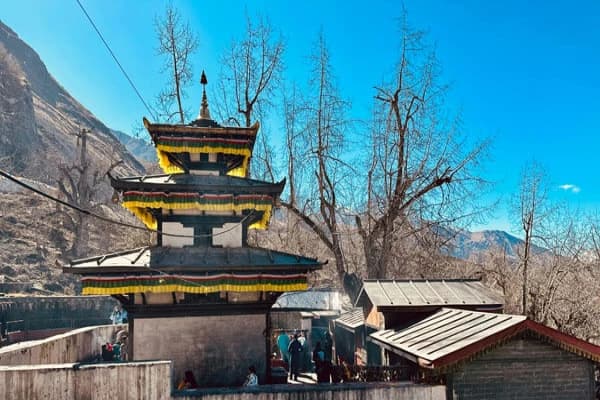
- You can explore the Muktinath temple which is sacred for Hindu and Buddhist Pilgrims.
Upper mustang trek
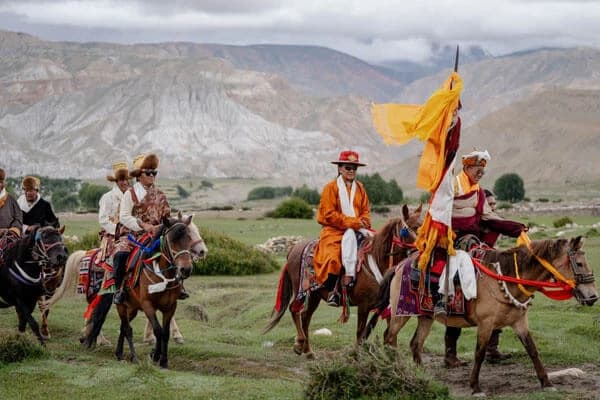
Upper mustang trekking is one of the most unique and ancient places to explore for tourists. It is also consider the last kingdom of Buddhist culture in mustang. Upper mustang trek is one of the most exciting and mysterious experiences for many people. It is also one of the most beautiful trekking destinations while trekking in Nepal. You will get a chance to view lots of traditional monasteries and Gumba mixed with Tibetan culture.
The whole trekking spot is around 100 kilometers so, it will cover up Hill walking, amazing Landscape, traditional villages, etc. Upper mustang trekking carries isolated history and a beautiful story for tourists who used to visit for trekking in Nepal. You will be fascinate while exploring high cliff Caves, colorful rocks, and their formation on the desert side. There were a few things that you need to check before treks in Nepal and the upper mustang region
- Tourists can explore the palace of the king who used to rule in mustang and get information about lo manthang.
- The Upper Mustang is situate on the rain shadow part so, you shouldn’t worry about getting wet while exploring.
- It is well known for providing peace of mind and building strong spiritual connections among tourists.
- You can get a glimpse of the Tibetan lifestyle mixed with traditional culture on a day to day activities.
- Stunning Views of snow-capped mountains like Nilgiri, Dhaulagiri, Annapurna II, etc.
Types of Trekking in Nepal
Nepal provides trekking routes for all kind of travelers, from beginners to experienced adventurers. Choosing the right type of trek depends on your fitness level, time availability and interest in exploring the himalayas. Here are the main types of trekking in Nepal:
Easy/Short treks
Easy or short treks usually take 3-7 days and are perfect for beginners, families, or travelers with limited time. These treks allow you to enjoy the natural beauty of Nepal without facing extreme physical challenges. Trails often pass through small villages, forests, and low-altitude hills, giving travelers a chance to experience Nepal adventure travel in a comfortable way.
These treks are also great for those who want to witness the Himalayan landscapes and enjoy local culture. You can interact with villagers, taste traditional foods, and stay in cozy teahouses. Popular easy treks include Poon Hill trek, Nagarkot sunrise trek, and Dhampus trek, which offer panoramic mountain views and a gentle introduction to trekking in Nepal.
Moderate treks
Moderate treks take 7-14 days and require a moderate level of fitness. These treks often lead to high-altitude valleys, alpine forests, and scenic viewpoints, making them ideal for travelers who want a mix of adventure and culture. Trails can include gradual climbs and longer daily walking distances, giving trekkers a sense of accomplishment.
Moderate treks are perfect for experiencing the diversity of Nepal’s Himalayan trekking routes. You can explore traditional villages, ancient monasteries, and beautiful landscapes along the way. Popular options include the Annapurna Base Camp trek, Ghorepani trek, and Langtang Valley trek. These treks offer breathtaking views of peaks like Annapurna, Machhapuchhre, and Langtang Lirung, while allowing trekkers to immerse themselves in local Nepali culture.
Challenging / High-Altitude treks
Challenging or high-altitude treks usually last 14 days or more and are designed for experienced trekkers. These routes take you to remote regions of the Himalayas, often above 4,000 meters, where the air is thin, and the weather can change rapidly. Trekkers must be physically fit and prepared for long, steep climbs.
High-altitude treks offer the ultimate Nepal adventure travel experience. Famous treks like the Everest Base Camp trek, Manaslu trek, and Kanchenjunga trek provide spectacular views of glaciers, snow-capped peaks, and untouched valleys. Along the way, trekkers can experience unique local cultures, visit monasteries, and witness the daily life of mountain communities. Completing a high-altitude trek in Nepal is not only an adventure but also a personal achievement and a lifetime memory.
Best Seasons for Trekking in Nepal
Nepal is a year-round trekking destination, but the experience varies greatlydepending on the season. Choosing the right season is important to enjoy clear mountain views, comfortable weather, and safe trails. Each season provide something unique from colorful landscapes to quieter trekking routes which makes trekking in Nepal an adventure any time of the year.
Spring Season (March - May)
Spring is one of the most popular times for trekking in Nepal. During these months, the hills and valleys are covered in blooming rhododendrons and other wildflowers, creating vibrant landscapes. The weather is generally mild, and skies are clear which provide breathtaking views of the himalayan peaks, including Everest, Annapurna and Langtang.
Spring treks are ideal for both beginners and experienced trekkers. Popular routes like the Annapurna Circuit trek and Everest Base Camp trek are accessible and offer stunning scenery. Wildlife is also more active in spring, and the warm daytime temperatures make it easier to enjoy long trekking days.
Autumn Season (September - November)
Autumn is considered the peak trekking season in Nepal. After the monsoon rains, the skies are usually clear, and visibility of the Himalayas is at its best. Trails are dry and safe, making this season perfect for long-distance treks.
Autumn is also the time for several Nepali festivals, which gives trekkers a chance to experience local culture along the trekking routes. Popular treks such as theGhorepani Poon Hill trek and Everest Base Camp trek are bustling with fellow travelers, offering a lively trekking experience while still maintaining beautiful natural views.
Winter Season (December - February)
Winter trekking offers quieter trails and snow-covered landscapes. With fewer trekkers on the popular routes, this season is perfect for those seeking solitude and a peaceful Himalayan trekking experience. The days are crisp and clear, providing excellent visibility of mountain peaks.
However, winter treks are more suitable for experienced trekkers because temperatures can drop below freezing at high altitudes. Popular winter routes include Ghorepani Poon Hill trek and Langtang Valley trek, where trekkers can enjoy sparkling snowfields and frozen waterfalls while exploring traditional villages along the way.
Monsoon Season (June - August)
The monsoon season brings heavy rains and occasional landslides, making trekking in Nepal more challenging. Trails can be slippery, and visibility of the Himalayan peaks is often poor due to clouds and mist.
Although fewer trekkers venture out during this season, the landscapes are lush and green, offering a unique perspective of the valleys and forests. Some experienced trekkers still enjoy off-season routes, but generally, monsoon is not recommended for first-time or casual trekkers due to safety concerns.
Cultural Experiences Along Treks
One of the most unique aspects of trekking in Nepal is the chance to explore its rich culture. As you walk along the trails, you pass through traditional villages where local communities like the Sherpa, Gurung, and Tamang live. Meeting villagers, learning about their customs, and observing their daily routines gives trekkers a deeper understanding of life in the Himalayas. Many trekkers enjoy participating in local activities such as farming, prayer rituals, or festivals, which makes the journey both adventurous and culturally enriching.
Staying in these villages also allows travelers to experience Nepal adventure travel beyond the mountains. Villagers are warm and welcoming, offering insights into their heritage, religion, and way of life. Visiting monasteries, chortens, and prayer flags along the trail provides a spiritual experience and shows the importance of Buddhism and Hinduism in the region. These cultural interactions make trekking more than just a physical journey, they become an immersive exploration of Nepal’s Himalayan trekking culture.
Traditional Foods, Festivals, and Monasteries
Trekking in Nepal is not only about the landscapes; it’s also about tasting local flavors. Traditional foods such as dal bhat, momo, and butter tea are available in teahouses and homestays along the trekking routes. Sampling these dishes allows trekkers to enjoy the authentic Nepali cuisine and understand how local food traditions are tied to culture and climate.
Many trekking regions also host seasonal festivals where locals celebrate with music, dances, and rituals. Experiencing these events firsthand adds a lively and colorful dimension to the trek. Visiting monasteries along the trails provides insight into spiritual practices, meditation, and architecture unique to the Himalayas, enriching the trekking experience with cultural and historical knowledge.
Homestays and Teahouses
Homestays and teahouses are more than just accommodations, they are a gateway to local life. Staying in a family-run home or a small teahouse gives trekkers the opportunity to interact with hosts, share stories, and learn about daily life in remote mountain communities. This type of lodging is common along popular routes like the Everest Base Camp trek and Annapurna Circuit trek, offering comfort while supporting local livelihoods.
By choosing homestays and teahouses, trekkers contribute directly to the local economy and sustainable tourism in Nepal. Many families rely on trekking tourism as their main source of income, and your visit helps preserve their culture and traditions. This makes every meal, conversation, and interaction along the trek an important part of the Himalayan trekking experience.
Adventure Activities Beyond Trekking
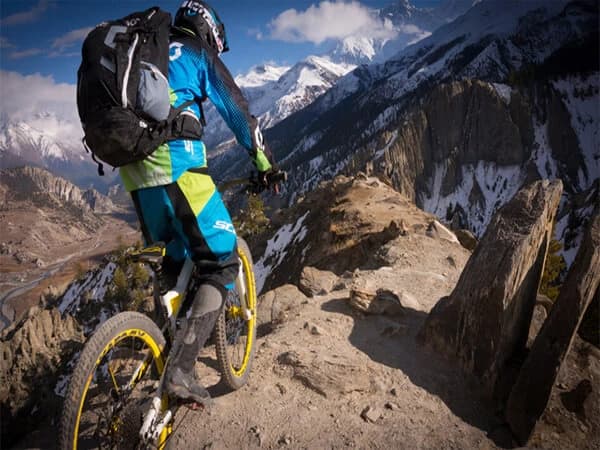
While trekking in Nepal is the main attraction, there are many other adventure activities that enhance the Himalayan experience. These activities allow travelers to explore the mountains from different perspectives and add variety to their journey.
Mountaineering and Peak Climbing
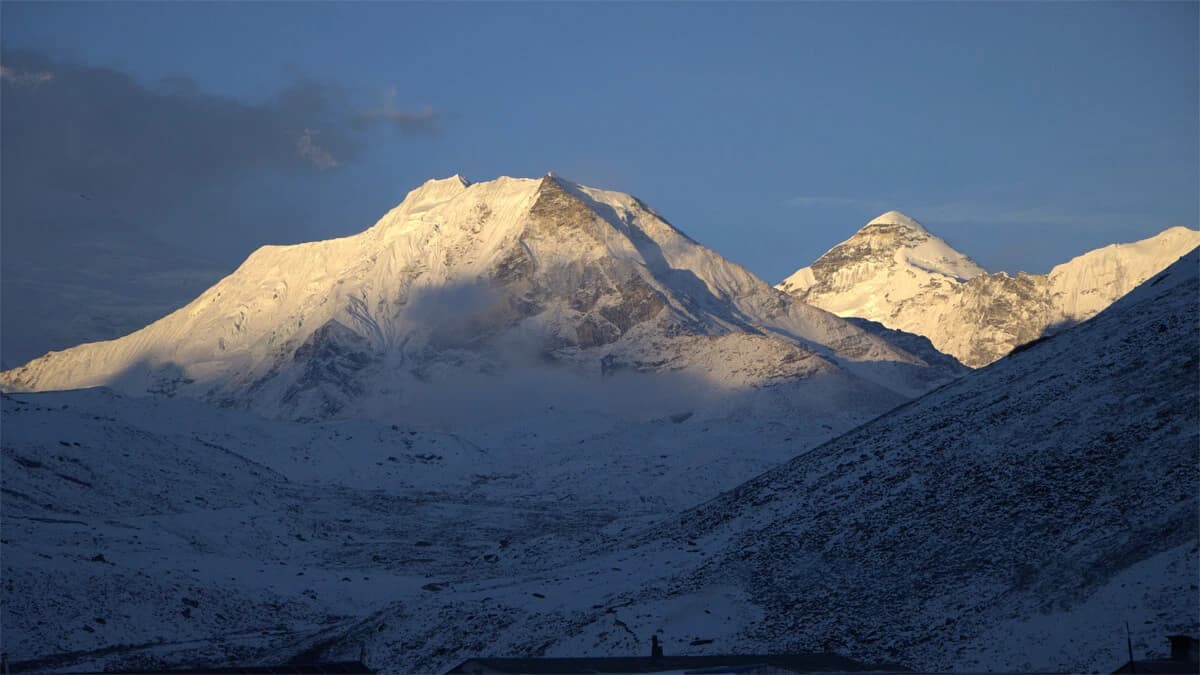
Nepal is home to some of the world's highest peaks, making it a top destination for mountaineering. Adventurers can attempt challenging climbs on peaks like island peak, mera peak or even higher summits for experienced climbers. Peak climbing provides a thrilling experience, combining physical challenge with breaktaking views of the himalayan mountains and glaciers. It is perfect for those seeking extreme Nepal adventure travel.
Helicopter Tours for Scenic Views
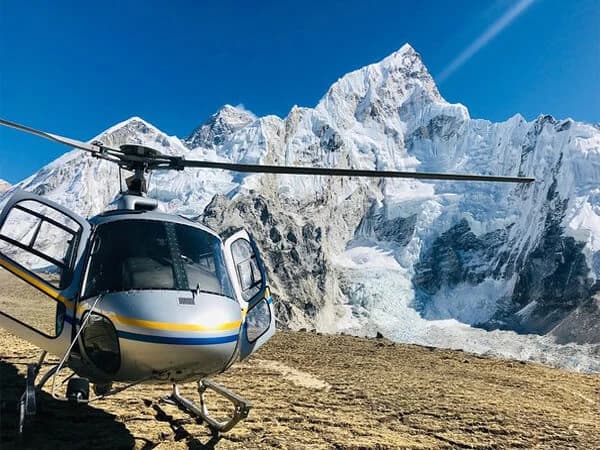
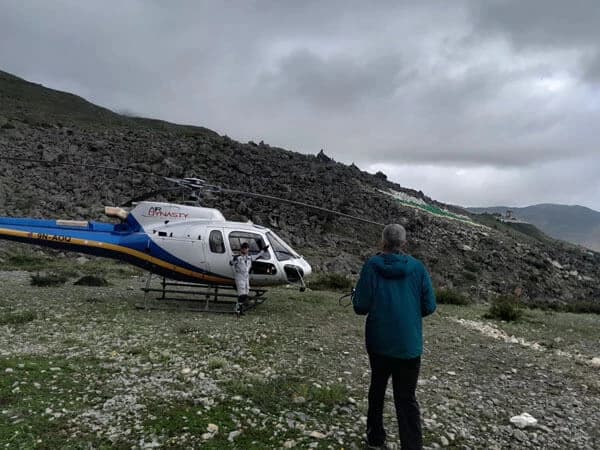
For travelers who want to see the himalayas without intense trekking, helicopter tours offer a unique opportunity. Flights to Everest Base Camp, Annapurna or Langtang provide panoramic views of snow-capped peaks, glaciers, and remote villages. Helicopter tours are ideal for families, photographers or anyone looking to enjoy the grandeur of the himalayan landscapes in a short amount of time.
Wildlife Spotting in National Parks
Nepal is not only about mountains, it also has rich biodiversity. Trekkers can visit national parks along trekking routes, such as Langtang National Park or areas near the Annapurna Conservation Area, to spot wildlife like red pandas, Himalayan monals, and various species of deer and birds. Combining trekking with wildlife exploration makes the trip a full nature and adventure experience.
Essential Trekking Tips
Trekking in Nepal is an incredible experience, but proper preparation is key to make your journey safe, enjoyable and memorable. From physical fitness to gear, permits, and local supports, every detail matters when exploring the himalayas. Here are some essential tips to help trekkers plan their adventure effectively.
Physical Preparation: Fitness, Endurance, and Altitude Acclimatization
Before embarking on a trek, it is important to be physically prepared. Trekking in Nepal often involves long walking days, steep trails, and high altitudes, so building fitness and endurance in advance can make a huge difference. Activities like hiking, jogging, or stair climbing can help strengthen your legs and improve stamina.
Altitude acclimatization is also crucial for high-altitude treks like the Everest Base Camp trek or Annapurna Circuit trek. Spending a few days at moderate altitudes and ascending gradually helps prevent altitude sickness and ensures a safer trekking experience. Understanding your limits and listening to your body is essential for a successful journey in the Himalayan mountains.
Packing Essentials: Clothing layers, Trekking Gear and Safety Equipment
Packing smart is essential for comfort and safety. Layered clothing is important for adapting to changing temperatures from warm valley days to freezing nights in high-altitude regions. Essential trekking gear includes sturdy hiking boots, trekking poles, a good backpack, a sleeping bag and weatherproof jacket.
Safety equipment like first-aid kits, headlamps, water purification tablets, and sun protection is also necessary. These items ensure you are prepared for minor injuries, sudden weather changes, or long trekking days. Having the right gear makes your Nepal adventure travel safer and more enjoyable.
Permits and Fees: TIMS, National Park Permits and Local Regulations
Most trekking routes in Nepal require permits. The Trekkers’ Information Management System (TIMS) card and national park permits are mandatory for trekking in areas like Annapurna, Everest, and Langtang. These permits not only regulate tourism but also ensure your safety and provide support to local authorities.
It’s important to check regulations for each trekking region before your trip. Some areas, like Upper Mustang or restricted regions, require special permits and additional fees. Following local rules shows respect for the environment and local communities while ensuring a smooth trekking experience.
Hiring Guides or Porters: When Recommended for Safety and Support?
Hiring local guides or porters is highly recommended, especially for challenging treks or first-time visitors. Guides provide valuable knowledge about routes, weather, altitude acclimatization, and local culture, enhancing your Himalayan trekking experience.
Porters can carry heavy backpacks, allowing trekkers to enjoy the journey without strain. Supporting local guides and porters also contributes to the local economy and promotes sustainable tourism in Nepal. For high-altitude or remote treks, having professional assistance can make the journey safer, more comfortable, and culturally enriching.
Conclusion: Best Trekking in Nepal
Nepal is the ultimate destination for trekking in the Himalayas due to its breathtaking landscapes, diverse trekking routes, rich culture and adventurous activities. Whether you are a beginner seeking short treks or an experienced trekker aiming for high-altitude challenges, nepal has something to everyone.
When planning your trek, consider your fitness level, experience and interests to choose the route that suits you best. Along the way, you can immerse yourself in local culture, enjoy stunning mountain views and participate in adventure activities beyond trekking. Start planning your next himalayan adventure in Nepal and create memories that will last a lifetime.