Most lists of things to do in Kathmandu send you to the same famous temples, stupas and squares. Those places are worth visiting, especially on your first trip, but they do not tell you everything about the city. Kathmandu has another side that is easier to notice when you slow down and look beyond the main tourist stops.
An old courtyard can be hidden behind a busy street. A small local eatery can serve something you have never ordered before. In another part of the city, you may find artisans still working with traditional methods or come across a quiet monastery while the streets outside are full of traffic and people. These are the details that can give a visit to Kathmandu a more personal feel.
This guide brings together ten unique things to do in Kathmandu that offer something beyond the usual sightseeing list. Some are cultural, some are food related, and some just give you a closer look at how people live and work in the Kathmandu Valley. You do not need to do all ten. Pick the ones that interest you and leave some room for the unexpected.
Discover Kathmandu’s Traditional Water System
If you are looking for unique things to do in Kathmandu, look beyond the monuments and pay attention to the city’s old water system. Traditional stone water spouts, known as hiti or dhungedhara, were once an important part of daily life in the Kathmandu Valley. They were connected with ponds, channels and other water sources that helped supply settlements long before the modern water network existed.
Many of these structures are easy to miss while walking through the city. Some still have carved stonework and religious details, while others no longer provide water. Exploring them gives you a different perspective on Kathmandu heritage and the way historic communities were designed around essential resources.
The spouts are also part of Kathmandu’s older urban history, showing how communities once managed water before modern supply systems reached the city. The traditional water system is also part of a wider heritage conservation issue, as many historic spouts have been damaged, altered or lost over time.
Take a Scenic Flight Over the Himalayas
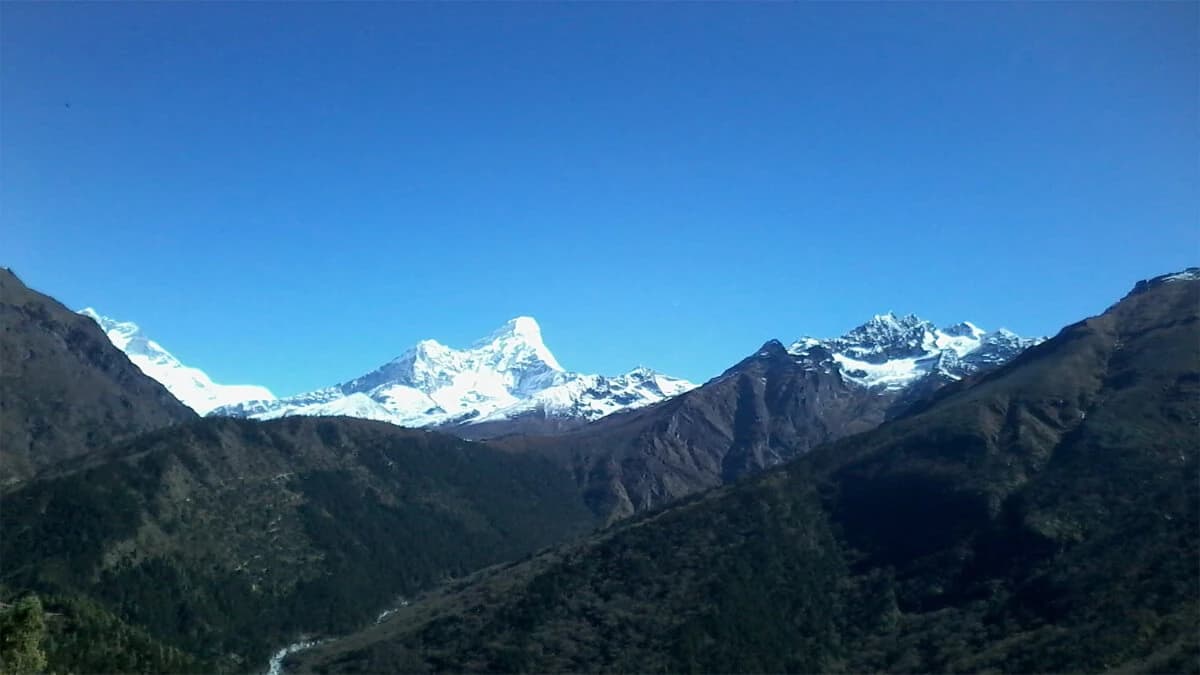
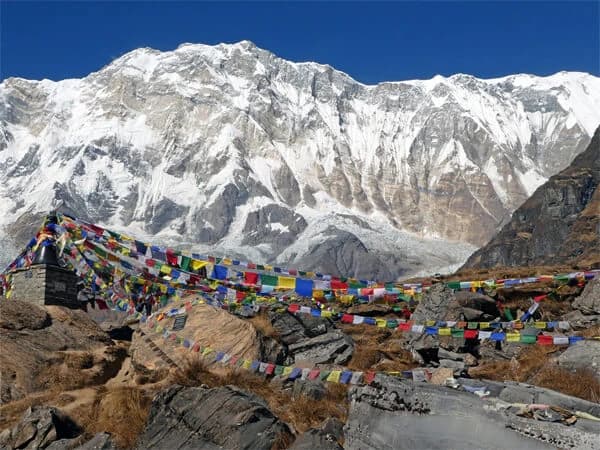
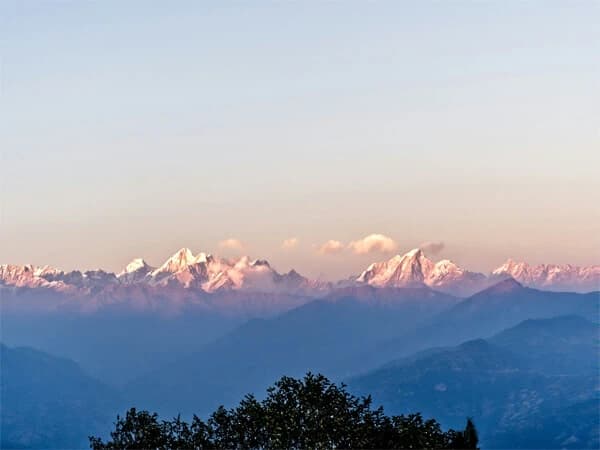
You do not have to spend days on a trail to see Mount Everest. An Everest mountain flight from Kathmandu gives you an aerial view of Everest, glaciers, deep valleys and other Himalayan peaks in usually around an hour. It is good for travelers with limited time as well as people who do not want to take on a high altitude trek in Nepal. Others book it just for the aerial views of the Himalayas.
The flight departs from Tribhuvan International Airport and heads east towards the Everest region. From the window, you can see peaks such as Mount Everest, Lhotse, Nuptse and several other mountains when the weather is clear. A standard Kathmandu mountain flight does not land at Everest Base Camp or Gorakshep. Visibility depends heavily on the weather, so the views can be different from one day to another.
A scenic flight in Nepal is very different from trekking to Everest Base Camp. You spend much less time in the mountains, but you also miss the experience of walking through Sherpa villages and Himalayan landscapes. Everest helicopter tours are another option if you want an aerial view with a landing in the Everest region.
The two options should not be confused when booking: a mountain flight is primarily an aerial sightseeing experience, while helicopter tours can include a Kalapathar landing helicopter tour.
Discover Nepal’s Traditional Music
A visit to the Music Museum of Nepal offers a different introduction to Nepali culture. Instead of looking at paintings, sculptures or royal objects, you can explore instruments connected with the musical traditions of different communities and regions of Nepal. The museum says its collection contains 655 distinct Nepali folk instruments, making it a particularly interesting place for travelers curious about the country's musical heritage.
The collection is interesting because the instruments are tied to the everyday traditions of different communities across Nepal. Traditional music in Nepal has been associated with festivals, religious ceremonies, occupations and community traditions. The museum is located at the Tripureshwor Mahadev Temple complex, but I would recommend checking directly with the museum before visiting because access arrangements can change.
Find Kathmandu’s Toothache Tree at Bangemudha
At Bangemudha, near Asan and Thahiti, you will come across a small wooden shrine linked with Waa Shya Dya, a Newar deity associated with toothache. It is known as the Toothache Tree because people have traditionally placed coins on the wooden image while praying for relief from dental pain. This is a religious belief and tradition, not a medical treatment.
The shrine is easy to miss because it lies among the everyday activity of the old city. There is no large entrance or formal display around it. You simply see the wooden figure and the coins attached to it as you walk through the neighborhood. For me, that is what makes the place interesting. It gives you a glimpse of Newar culture in Kathmandu and shows how religious traditions can still be found in ordinary parts of the city.
You can see the shrine while walking around Kathmandu's old neighborhoods, particularly if your route takes you through Asan, Thahiti and Bangemudha. The shrine takes only a few minutes to see, but its connection with Newar religious tradition gives the small site its significance. If you are exploring offbeat Kathmandu or searching for lesser known places in Kathmandu, this is worth putting on your walking route. Just observe the shrine respectfully and do not touch, remove or add anything to it.
See Kathmandu’s Tourist Side in Thamel
Thamel is Kathmandu’s best known tourist neighbourhood, with narrow streets lined with trekking shops, handicrafts, clothing stores, bookstores, cafes and restaurants. It is also a practical place to buy trekking equipment in Kathmandu before heading into the mountains.
Thamel feels different from the older streets around Asan and Bangemudha. Tourism has shaped much of the neighbourhood, from its shops and restaurants to hotels and travel agencies. Trekking gear, Nepali handicrafts, cafes, travel services and souvenir shops lie close together, while visitors from many different countries pass through the same streets.
You can spend some time browsing without buying anything. Look through the Nepali handicrafts, handmade clothing, jewellery, pashmina products and trekking gear, and compare prices between shops before making a purchase. Later in the day, the area takes on a busier atmosphere as more people head out to restaurants, cafes and bars.
Trace the Story of Thapathali Durbar
Thapathali Durbar Kathmandu was once a large palace complex beside the Bagmati River. Nain Singh Thapa is credited with starting the original complex, which later came into the hands of his grandson Jung Bahadur Rana. During the Rana period, the site expanded with more buildings, courtyards, gardens and temples.
Very little of the original Thapathali Durbar remains in its former form today. Parts of the complex were demolished or used for other purposes as Kathmandu developed. Modern buildings now occupy much of the former palace area, while a few historic structures connected with the site have survived. The changes are an important part of Kathmandu history, showing how some of the city's old palace grounds have disappeared into the modern city.
The area also has links to Rana architecture in Kathmandu and the political history of the Thapa and Rana families. The nearby Kalmochan Temple, another historic structure associated with the former palace area, was rebuilt after the 2015 earthquake. Thapathali is not a conventional palace attraction, but it offers a look at a lesser known part of Kathmandu heritage and the history behind one of the former Rana palaces in Kathmandu.
Taste Kathmandu’s Street Food
You do not need to sit in a restaurant to eat well in Kathmandu. Walk through Asan, Indra Chowk or the streets around Thamel and you will come across small food stalls and local eateries serving momo, samosa, chowmein, chatpate, panipuri and plenty of other snacks.
Momo may be the first thing that comes to mind, but Nepali food goes well beyond dumplings. Look out for chhoila, bara, sel roti and other dishes from the food traditions of the Kathmandu Valley. Newari food deserves particular attention, as dishes such as bara, yomari and chhoila offer a taste of the valley’s own culinary traditions. Dal bhat is Nepal’s staple meal, but it is not really street food, so you will find a different selection when eating your way through the city’s markets and side streets.
If you want to try local food in Kathmandu, start with small portions and see what you enjoy rather than ordering everything at once. Food quality and hygiene can differ from one stall to another, so look for clean preparation areas and food that is cooked properly and served hot. You can also join a Kathmandu food tour if you want someone local to explain what you are eating and where the dishes come from.
Walk Through the Garden of Dreams
Right beside Keshar Mahal in central Kathmandu, the Garden of Dreams is an easy place to include while exploring the city. It was built in the 1920s for Field Marshal Kaiser Shumsher Jung Bahadur Rana and is also known as the Garden of Six Seasons. The garden follows a European style, with pavilions, ponds, pergolas, verandas, urns and other decorative features.
You do not need a whole day here. A walk around the garden lets you see the ponds and pavilions, while the older architectural details give the place its character. The European design also creates an interesting contrast with the pagodas, stupas and traditional courtyards found elsewhere in Kathmandu.
The entrance is ticketed and visitors pay an admission fee. Its location near Thamel makes the Garden of Dreams convenient to add to a day of sightseeing. Among the places to visit in Kathmandu, it stands out for its historic garden design and its connection with Keshar Mahal.
Visit Narayanhiti Palace Museum
Narayanhiti Palace Museum is the former royal residence in central Kathmandu, just a short walk from Thamel. The present palace was designed by American architect Benjamin Polk in 1963 and completed in 1969. Its design combines Western architectural ideas with Nepali elements. After Nepal abolished its monarchy in 2008, the palace was opened to the public as a museum.
The rooms contain furniture, photographs, artwork, gifts received by the royal family and other objects from the palace. Different rooms are named after districts of Nepal, and the former royal crown and ceremonial belongings are also displayed.
Tribhuwan Sadan is one of the most significant parts of the museum because it was the site of the 2001 royal massacre. Bullet marks from the incident can still be seen inside the building. Shree Sadan, the former residence of King Birendra, is another part of the complex open to visitors.
The museum gives Kathmandu sightseeing a very different historical angle. Instead of temples and ancient courtyards, you are looking at the more recent political history of Nepal and the life of its former royal family. Its location near Thamel also makes it easy to include alongside other historical places in Kathmandu.
Visit Rani Pokhari
Rani Pokhari, meaning Queen’s Pond, is a historic artificial pond in the centre of Kathmandu. King Pratap Malla built it in 1670 after the death of his son Chakravartendra Malla. According to the traditional account, the pond was built to console the grieving queen. Water was brought from several sacred places and rivers, including Gosaikunda, Muktinath, Badrinath, and Kedarnath, which gave the pond an important religious connection.
A small temple dedicated to Balgopaleshwar stands in the middle of the pond. It is opened to visitors during Bhai Tika, when people come to worship their brothers and sisters during Tihar. On the southern side, two large stone elephants carry statues of King Pratap Malla and his two sons.
The pond has been restored several times, including after the 2015 earthquake. Rani Pokhari now stands beside Ratna Park in central Kathmandu, surrounded by the busy streets of the city.
Final Thoughts
Kathmandu has much more to offer than its well known temples and tourist sites. Local food, old markets, historic buildings, traditional neighbourhoods and everyday city life reveal different sides of the capital. Exploring these places gives you a better feel for Kathmandu’s culture, history and local life beyond the usual sightseeing route.
You do not need to see everything in one day. Pick a few places that interest you, walk between them where possible, and give yourself time to experience the city rather than simply ticking attractions off a list.