"How long is the Manaslu circuit trek?" is one of the first things that comes to mind when planning a trek to Manaslu Circuit. It is an important question, but there is no single number that applies to every itinerary. The Manaslu Circuit Trek distance changes depending on where you start and finish, the side trips you take, and the route conditions during the trek.
The Manaslu Circuit Trek is one of Nepal’s most remarkable off-the-beaten-path treks. Encircling Mount Manaslu (8,163 m), the eighth highest peak in the world, the trail offers both solitude and adventure. Knowing the Manaslu Circuit Trek total distance and the distance covered each day helps you understand how the trek fits into your itinerary and what to expect from the longer walking days.
Before you set off, it’s helpful to understand the distance, daily walking sections, and duration of this trek. In this guide, we’ll break down the total distance, trekking route, daily kilometers, side trips, and sample itineraries, so you can prepare effectively for the trek.
Total Distance of Manaslu Circuit Nepal
The commonly quoted Manaslu Circuit Trek distance is around 177 kilometers (110 miles), although the actual distance varies with the trailhead, endpoint and side trips. A standard itinerary usually takes around 14 days, with additional days possible for acclimatization and exploration.
The total distance can change based on the route you choose. If you add popular side trips such as Manaslu Base Camp, Birendra Lake or the Tsum Valley, the trek becomes longer. These side trips usually add around 15 to 25 kilometers to the overall distance.
There is no fixed second route that applies to every extended itinerary. Side trips, different starting points and continuing beyond Dharapani can increase the Manaslu Circuit Trek length beyond the main route distance. This option is ideal for trekkers who want a slower pace and more cultural and scenic experiences.
Daily Walking Distance and Terrain on the Manaslu Circuit
The Manaslu Circuit Trek daily distance changes considerably from one stage to another. The higher sections around Samdo and Dharmasala are shorter, while some of the lower valley stages can involve 15 to 20 kilometers of walking.
It is not a flat walk. The track features high altitude climbs, tiny roads carved into cliff sides, suspension bridges, and ups and downs. The total distance does not tell you how difficult each day will be. Altitude, elevation gain and the length of individual stages have a much greater effect on walking time.
Side trips may also increase your overall distance. For instance, it is well liked and well worth the extra kilometers to visit Pungyen Gompa or climb up to Manaslu Base Camp from Samagaun. These excursions can add several kilometers to your Manaslu Circuit Trek walking distance, depending on which destination you visit.
In terms of total distance, the Manaslu Circuit sits within the range of several popular long distance treks in Nepal. It is somewhat shorter than the entire Annapurna Circuit (which, depending on the route, can reach 230 km) and longer than the Everest Base Camp walk (approximately 130 km round trip).
The 177 km figure is useful for planning, but it should not be treated as an exact distance for every trekker. Your Manaslu Circuit Trek distance can increase with side trips or changes to the starting and ending points.
Manaslu Circuit Trek 14 Days Itinerary

The Manaslu Circuit Trek 14 day itinerary follows the Budhi Gandaki Valley from Soti Khola toward Samagaun, crosses Larkya La Pass, and descends through Bimthang toward Dharapani. From Kathmandu, the journey starts with a scenic drive to the trailhead near Soti Khola. From there, you pass through traditional villages like Jagat, Deng, Namrung, and Samagaun while strolling through green forests and over suspension bridges.
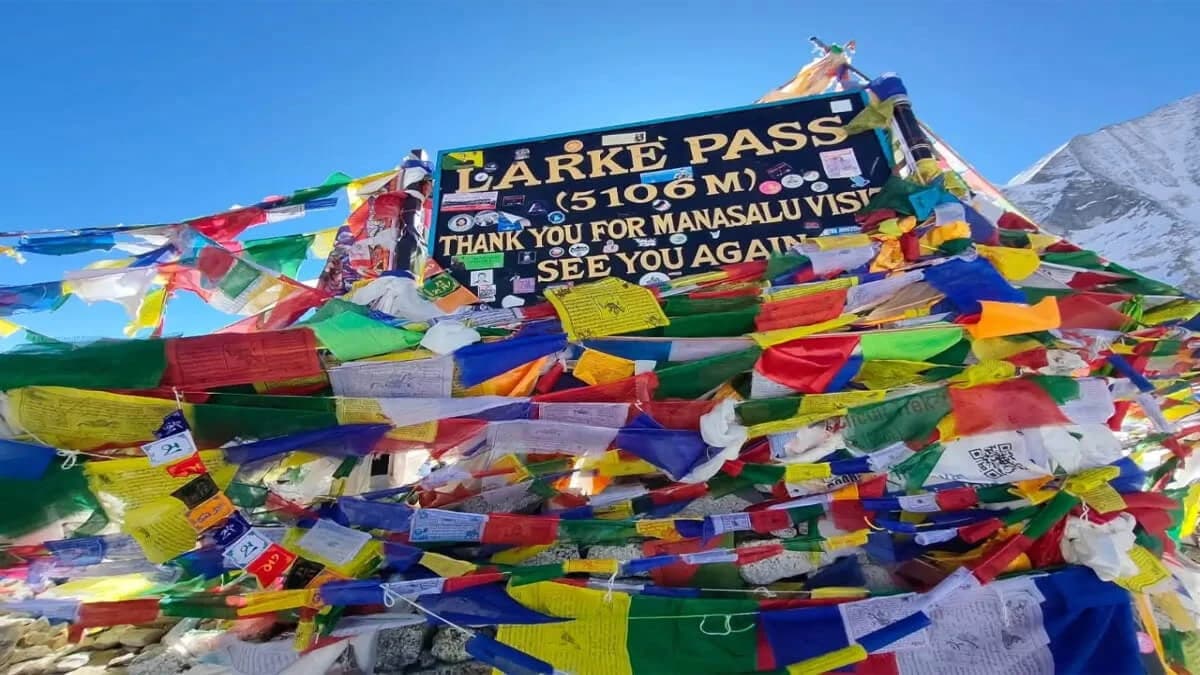
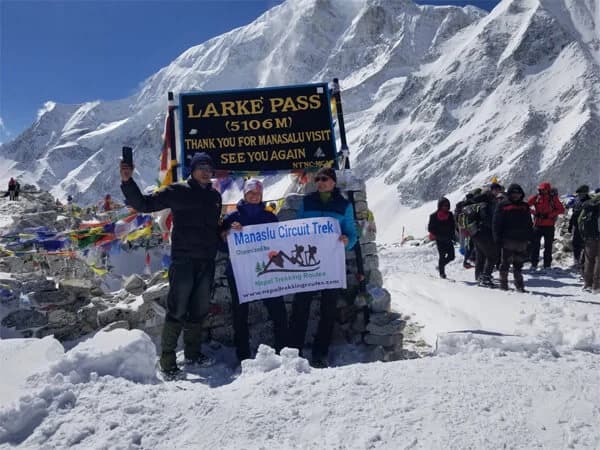
The landscape changes as the elevation increases, from forest and river valleys to alpine areas around Samagaun, Samdo and Larkya La Pass. After some time spent acclimating, you will pass the trek's highest and most difficult point, Larkya La Pass (5,106 meters). Following the pass, the path winds down through the Bimthang valley before joining the Annapurna region close to Dharapani, ending point of the trek.
Day 1: Soti Khola to Machha Khola (14 km)
The trek begins along the Budhi Gandaki River, passing through forests, waterfalls, terraced fields and Gurung villages. Suspension bridges and river valley trails feature along the route. The Soti Khola to Machha Khola distance is about 14 km.
Day 2: Machha Khola to Jagat (15 km)
The Machha Khola to Jagat distance is about 15 km, with the route following the Budhi Gandaki through Tatopani and several suspension bridge crossings. You pass natural hot springs at Tatopani, cross several suspension bridges, and walk along rugged riverbanks. Jagat is one of the important permit and checkpoint locations on the route into the Manaslu Restricted Area.
Day 3: Jagat to Deng (19 km)
At around 19 km, the Jagat to Deng distance makes this one of the longer walking days on the Manaslu Circuit. You walk through villages such as Philim and Ekle Bhatti, where Tibetan style houses and prayer wheels start appearing. The landscape slowly changes, and you begin to feel the influence of Tibetan culture as you move deeper into the Manaslu region.
Day 4: Deng to Namrung (20 km)
The Deng to Namrung distance is about 20 km, with the route gaining elevation through forested areas and several mountain villages. You cross wooden bridges and walk through peaceful stone built villages. The air becomes cooler as you gain altitude, and mountain views begin to open up. Namrung is a beautiful village surrounded by forested hills and snow capped peaks.
Day 5: Namrung to Samagaun (17 km)
The Namrung to Samagaun distance is about 17 km and brings you deeper into the upper Manaslu Valley, with views of Manaslu and the surrounding peaks.
Day 6: Acclimatization Day: Optional Side Trip
This rest day is essential for adjusting to the altitude and preventing altitude sickness. You can take short hikes to Manaslu Base Camp, Birendra Lake, or Pungyen Gompa, a remote monastery with stunning mountain views. The distance depends on the side trip you choose. Birendra Lake is a shorter option, while Manaslu Base Camp and Pungyen Gompa require more walking from Samagaun. The rest of the day can be spent relaxing and exploring the village.
Day 7: Samagaun to Samdo (8 km)
The Samagaun to Samdo distance is about 8 km. The relatively short stage gives trekkers more time to adjust to the increasing elevation. The trail gradually climbs through open landscapes with wide valley views. You may spot yaks grazing along the way. Samdo is a small, quiet village near the Tibetan border and one of the last permanent settlements before crossing Larkya La Pass.
Day 8: Samdo to Dharmasala (Larke Phedi) (6 km)
The Samdo to Dharmasala distance is only about 6 km, but the route reaches a much higher elevation before the Larkya La Pass crossing. The trail passes through barren landscapes and glacial valleys. Dharamsala is a simple settlement used mainly as a resting point before crossing the high pass. You’ll rest early and prepare mentally and physically for the next day.
Day 9: Dharmasala to Bimthang via Larkya La Pass (24 km)
This is the highest stage of the trek. You start early from Dharmasala and cross Larkya La Pass at 5,106 m, before descending toward Bimthang. From the pass, the route descends toward Bimthang with views of Himlung Himal, Cheo Himal and Annapurna II. It is also the longest high altitude stage of the Manaslu Circuit Trek.
Day 10: Bimthang to Tilije (20 km)
The Bimthang to Tilije distance is about 20 km. As the route loses elevation, forest and vegetation become more prominent again. You pass through villages like Gho, where traditional lifestyles are still preserved. Tilije is a comfortable village with better facilities.
Day 11: Tilije to Dharapani (10 km)
The Tilije to Dharapani distance is about 10 km and marks the end of the main Manaslu Circuit trekking route for most itineraries.
Manaslu Trek Day-by-Day Distance Breakdown
The Manaslu Circuit Trek duration depends on the itinerary, acclimatization schedule and side trips. A 14 day itinerary is a common option, while longer programs allow additional time in the mountains.
Each day’s distance and walking time can vary based on altitude, terrain, and weather. While some days may involve long walks through valleys, others are shorter but include steep climbs at high elevations. Proper planning and acclimatization are essential for enjoying the trek safely.
The distances below are approximate figures for the individual stages and can vary with the exact route used. They should not be added together as an exact measurement of the entire Manaslu Circuit, as road access, route variations and side trips can change the total.
| Day |
Itinerary |
Distance and Time |
| 1 |
Soti Khola to Machha Khola |
14 km, 6 Hrs |
| 2 |
Machha Khola to Jagat |
15 km, 6 hrs |
| 3 |
Jagat to Deng |
19 km, 6 Hrs |
| 4 |
Deng to Namrung |
20 km 7 hrs |
| 5 |
Namrung to Samagaun |
17 Km 7 hrs |
| 6 |
Acclimatization Day: Optional Side Trip |
Depends upon the side trip |
| 7 |
Samagaun to Samdo |
8km, 4 hrs |
| 8 |
Samdo to Dharmasala (Larke Phedi) |
6 km, 5 hrs |
| 9 |
Dharmasala to Bhimtang via Larkey La pass |
About 18 to 24 km, 8 to 10 hrs |
| 10 |
Bimthang to Tilije |
20 km, 6hrs |
| 11 |
Tilije to Dharapani |
10km, 4 hrs |
What Can Affect the Manaslu Trekking Distance?

Although the Manaslu Circuit has a general route that most people use, not everyone walks the same distance. Your voyage may be longer or shorter depending on a few factors.
Side Trips During the Manaslu Circuit Trekking
Many trekkers add short side hikes, especially on acclimatization days, which naturally increase the total distance. One of the most popular is the Manaslu Base Camp hike from Samagaun. It adds several kilometers to the Manaslu Circuit Trek walking distance, depending on the route and turnaround point.
Another worthwhile excursion is Pungyen Gompa, a peaceful monastery set beneath towering peaks, adding about 6 to 7 km. Birendra Lake is another shorter side trip from Samagaun and can be included during the acclimatization day. While these hikes increase your total distance, they greatly improve acclimatization and overall experience.
Starting and Ending Point of the trek
Your trek's distance also depends on where you begin and finish. The Manaslu Circuit Trek start point varies between itineraries. Soti Khola and Machha Khola are commonly used starting points for the main trekking section, depending on road access and the current itinerary. Dharapani is a common endpoint for the trekking section. Trekkers continuing on foot toward Besisahar will add more kilometers, although many itineraries use road transport from Dharapani. These choices often depends on road conditions, availabale transport and time constraints.
Conditions of the Trails
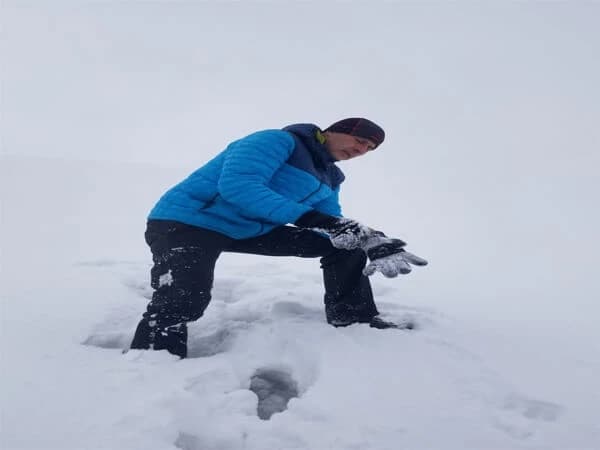
The condition of the Manaslu Circuit trekking trails plays a significant role in how your trek progresses and how challenging each day feels. Trail conditions change along the route, from forest paths and stone trails in the lower valleys to rocky sections around the higher elevations. Seasonal factors like monsoon rains can make trails slippery and rivers swollen, while winter snow near Larkya La Pass may require caution, additional gear, or temporary detours.
Landslides and erosion are possible in some sections, especially after heavy rainfall, and trekkers may need to follow alternate routes or bridges. Although these obstacles are usually minor, over the course of the trek they can add extra kilometers and slow your pace, making the journey feel longer than the official distance. Proper preparation, flexibility, and awareness of trail conditions are essential for a safe and enjoyable trek.
Altitude and Terrain Challenges
The elevation profile has a major effect on the Manaslu Circuit Trek distance per day. A short stage at high altitude can take as long as, or longer than, a much longer stage at lower elevation. Steep ascents and descents, particularly near the Larkya La Pass, demand extra effort and slow your pace. The trails are often rocky, narrow, and carved into cliff sides, requiring careful footing.
Above 3,000 meters, reduced oxygen availability can affect walking speed and recovery, which is why the shorter high altitude stages should not be judged by distance alone. These challenges mean that daily distances may vary depending on your acclimatization, fitness, and comfort with the terrain.
Your Pace and Trekking Style
Every trekker moves differently. Some prefer longer days with fewer stops, while others split tough sections into shorter, more relaxed walks. Stronger and more experienced trekkers may complete the circuit faster, while those prioritizing acclimatization and comfort may take additional days. As a result, the trek can take anywhere from 10 to 18 days, even on similar routes.
Even though the official Manaslu Circuit Trek distance is around 177 km, your actual journey may be longer especially if you include side trips, take alternative starts or exits, or simply slow down to enjoy the surroundings. And that’s completely okay. The Manaslu Circuit is not about rushing through kilometers; it’s about how you experience each one.
Weather and Seasonal Factor
Weather plays a significant role in how far and fast you can trek each day. During the monsoon season, heavy rains can make trails muddy and slippery, showing your progress. In winter, snow near high passes like Larkya La Pass can force detours or extended breaks for safety. Strong winds or sudden stroms at higher elevations may also delay your trek. Understanding seasonal conditions helps you plan realistic daily distances and avoid unnecessary strain or risk.
Group Size and Support
The size of your trekking group and the support you have can influence your pace and distance. Guided groups usually maintain a steady pace suitable for everyone, while solo trekkers or small groups may walk faster or slower depending on experience and fitness. Hiring porters can make long days easier since you carry less weight, allowing you to cover more distance comfortably. Traveling with experienced guides also ensures safe navigation through challenging terrain and altitude adjustments.
Comparing Manaslu Trek Distance to Annapurna Circuit trek
While the Manaslu Circuit is not the longest trek in Nepal, it is one of the most rewarding and scenic routes. The Manaslu Circuit Trek length is comparable with other long distance trekking routes in Nepal, but distance alone does not determine the difficulty. Elevation gain, altitude and the Larkya La Pass crossing are also important factors.
The Annapurna Circuit trek can vary widely in length depending on where you start and finish, typically ranging from 160 to 230 kilometers (100 to 143 miles), and usually takes 14 to 20 days to complete. Multiple entry and exit points, including Besisahar, Chame, or Jomsom, give flexibility but also influence the total distance.
Road developments in certain areas have shortened parts of the original trail, whereas the Manaslu Circuit remains largely remote and untouched, maintaining its challenging and authentic trekking experience.
Overall, while Manaslu may cover fewer kilometers than the full Annapurna Circuit, it offers high altitude challenges, less crowded trails, and the unique reward of exploring an isolated Himalayan region.
The Annapurna Circuit has more road access, giving trekkers more options to use a jeep or bus on selected sections. This can reduce the amount of walking compared with the traditional full circuit route.
The Manaslu Circuit has fewer transport alternatives in its higher sections, so trekkers generally follow the established walking route between the mountain settlements. This makes the planned daily stages more important when preparing for the trek.
Detours and Modifications
Both the Manaslu and Annapurna treks offer optional side trips that can add kilometers to your journey. In Manaslu, popular excursions include visiting Pungyen Gompa, a serene monastery with sweeping mountain views, or trekking to Manaslu Base Camp, which rewards you with dramatic glacier scenery. In the Annapurna region, side trips like Tilicho Lake or detours through remote villages allow for additional exploration. These detours increase the Manaslu Circuit Trek total distance, so they should be included when calculating your expected walking distance.
Manaslu is ideal if you want a shorter, wilder, and more peaceful trek, where every step feels purposeful and the trail is less crowded. Annapurna, on the other hand, provides more freedom, longer routes, and easier access to roads, teahouses, and amenities. Both treks create unforgettable experiences, reminding trekkers that the journey itself every village, forest, and mountain pass is just as significant as the total distance covered.
Manaslu Circuit Trekking Altitude
Manaslu Circuit Trek elevation changes significantly from the lower Budhi Gandaki Valley to Larkya La Pass at 5,106 meters. The trail passes through villages and landscapes that vary dramatically in height, starting from around 600 to 700 meters near Soti Khola and gradually climbing into alpine regions over 3,000 meters. Samagaun is at around 3,500 meters, followed by higher settlements including Samdo and Dharmasala before the route reaches Larkya La Pass.
At these elevations, the oxygen level in the air decreases, making simple activities like walking uphill, carrying a daypack, or even breathing deeply more strenuous. Your body needs time to acclimatize to prevent altitude related issues such as headaches, fatigue, nausea, or dizziness. Proper acclimatization days and a slow, steady pace are essential to safely enjoy the trek.
The highest point of the Manaslu Circuit is the Larkya La Pass, at 5,106 meters (16,752 feet). Reaching this pass is the pinnacle of the trek, both literally and figuratively. The Larkya La Pass crossing is one of the longest days on the route, combining a high altitude pass crossing with a long descent toward Bimthang. Temperatures can drop below freezing, winds can be strong, and the thin air requires careful pacing.
Many trekkers consider the Larkya La Pass crossing the most challenging yet rewarding day of the journey. The physical effort is high, but the panoramic views of Manaslu, Ngadi Chuli, Himalchuli, and other surrounding peaks are unforgettable. Successfully crossing this pass provides a strong sense of accomplishment and marks the transition from the high alpine region into the Bimthang valley, where the terrain begins to descend and become gentler.
Tips for Managing the Manaslu Circuit Trek Distance in 14 Days
Covering more than 170 km on the Manaslu Circuit Trek requires preparation because the daily walking distance changes significantly as you gain elevation. There are ways to make the experience more pleasurable and easier. Take your time. Your body needs time to acclimate to the high altitudes you will be reaching on this trek. Travel at a leisurely pace, take breaks (particularly in locations such as Samagaun), and stay hydrated.
Don't bring too much. If you are carrying a heavy backpack, the journey may seem significantly longer. Just bring the necessities: basic hygiene, snacks, a rain jacket, and warm layers. You can also hire a porter to carry your stuff if you desire more comfort. Make use of trekking poles. They lessen knee strain, particularly after Larkya La Pass and other lengthy descents.
Pay attention to your health. Rest if you're exhausted. Inform your guide and take it seriously if you have any altitude symptoms, such as a headache or lightheadedness. Enjoy the trip. Enjoy the rhythm of strolling through remote mountain villages, stop to admire the scenery, and say hello to the residents.
Conclusion: Manaslu Circuit Trek Distance
The Manaslu Circuit Trek total distance is commonly quoted at around 177 km, but it should not be treated as an exact figure for every itinerary. The actual Manaslu Circuit Trek walking distance changes with the trailhead, endpoint, side trips and route conditions.
For planning purposes, the more useful figure is the distance you will cover each day. Some lower valley stages involve long walking days, while the stages around Samdo, Dharmasala and Larkya La Pass cover fewer kilometers but take longer because of the elevation.