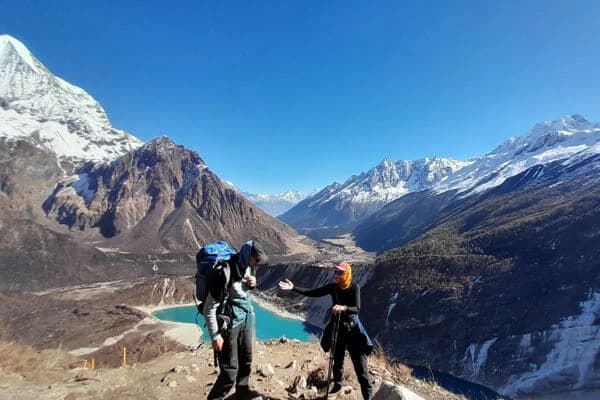
Nepal is often recognized for world-famous treks like Everest Base Camp and Annapurna but the country holds many hidden trekking routes in Nepal that remain largely undiscovered. These lesser-known trails take you far from busy tourist hubs and into quiet mountain regions where nature feels raw and untouched. From peaceful valleys to isolated Himalayan landscapes, these routes show a side of Nepal that goes beyond a few popular trekking routes.
As trekking grows in Nepal, many travelers are now searching for off the beaten path treks in Nepal to escape crowds and enjoy a more meaningful experience. These less crowded trekking routes in Nepal provide calm trails, quieter teahouses, and a chance to truly connect with the surroundings and people. Walking through unexplored trekking trails Nepal provides a sense of freedom, adventure, and personal discovery that crowded routes often lack.
What truly sets these journeys apart is the authenticity found in remote trekking destinations in Nepal. Trekkers experience traditional village life, local hospitality of Nepalese people, and pristine natural beauty that has remained unchanged for generations. With fewer visitors and minimal development, these hidden routes provide solitude, cultural depth, and unforgettable mountain experiences that make trekking in Nepal truly special.
Remote Treks in the Manaslu Region
The Manaslu region is one of Nepal’s most remote Himalayan areas which provides trekkers a truly unique experience. Far from the crowded trails, this region is peaceful and full of stunning mountain scenery, with a strong Tibetan cultural influence. On these treks, you can enjoy close-up views of Mount Manaslu, Ganesh Himal, Himalchuli, and other majestic peaks.
The trekking trails wind through deep river gorges, traditional villages, and high mountain passes which gives you a perfect mix of natural beauty and local culture. Because the area is less developed and requires special permits, it’s often overlooked by most trekkers. This makes it an ideal choice for anyone looking for solitude, authenticity, and a real off-the-beaten-path Himalayan adventure.
Manaslu Circuit Trek 14 Days
The Manaslu Circuit Trekking is a classic Himalayan adventure that circles Mount Manaslu, the eighth-highest peak in the world. Starting from Soti Khola, the trail follows the Budhi Gandaki River and passes through lush forests, terraced fields, and small, traditional villages. Trekkers cross numerous suspension bridges, walk along river gorges, and gradually climb higher into alpine terrain. Along the way, you will pass through charming villages like Dharamsala, Jagat, and Samagaun where you’ll get glimpses into local Gurung and Tibetan-influenced culture.
The trek reaches its highest point at Larkya La Pass (5,160 m), where you can see the panoramic views of Manaslu and other surrounding Himalayan peaks. The trail then descends through the Gandaki Valley where you get to see changing landscapes, from rocky highlands to dense forests and terraced farmland. Trekkers will also have opportunities to visit ancient monasteries, prayer walls, and mani stones, giving insight into the spiritual life of the local communities.
Along the way, you’ll experience the rich Himalayan flora and fauna like rhododendron forests, alpine meadows, and rare birds. The Manaslu Circuit Trek usually takes 14 to 18 days, depending on acclimatization and pace. It is perfect for adventure, cultural immersion, solitude, and authentic mountain life away from the crowds of Everest and Annapurna trekking trails. The combination of high mountain passes, scenic landscapes, and vibrant local culture makes this trek a complete Himalayan experience.
Tsum Valley Trek- Best Remote trek in Manaslu Region
Tsum Valley Trek is also called the “Valley of Peace” which lies in northern Gorkha. The trek begins from Arughat or Soti Khola and follows quiet trails through dense forests, prayer walls, mani stones, and small, traditional villages. The valley is home to Tibetan Buddhist communities who have carefully preserved their monasteries, sacred caves, and centuries-old traditions. Along the route, trekkers can interact with locals, learn their traditional lifestyle, and explore ancient temples and sacred sites.
The valley is surrounded by snow-capped peaks such as Ganesh Himal, Himalchuli, and Sringi Himal which provide breathtaking scenery throughout the trek. The trail passes through remote villages like Chumling, Chhokang Paro, and Nile where you get to see both cultural immersion and stunning natural beauty. Trekkers can enjoy the serene atmosphere, observe local festivals, and experience the unique blend of spirituality and Himalayan life.
The Tsum Valley Trekking usually takes 9 to 11 days(Tsum valley trek duration). It is ideal for trekkers wanting solitude, adventure, and a spiritual journey far from crowded trails. With its combination of peaceful villages, Buddhist culture, and dramatic mountain landscapes, Tsum Valley offers an unforgettable off-the-beaten-path experience.
Manaslu Tsum Valley Combined Trek
The Manaslu Tsum Valley Combined Trek merges the adventure of the Manaslu Circuit with the cultural richness of Tsum Valley. The trek begins from Soti Khola and follows the Budhi Gandaki River, passing terraced fields, dense forests, suspension bridges, and traditional villages. Trekkers gradually ascend through rugged landscapes crossing Larkya La Pass (5,160 m), which provides stunning panoramic views of Mount Manaslu, Ganesh Himal, Himalchuli, and other Himalayan giants.
After crossing the high passes, the trail enters the serene Tsum Valley. Here, you will explore remote Tibetan Buddhist villages, ancient monasteries, sacred caves, and prayer walls. The valley is surrounded by snow-capped peaks like Sringi Himal and provides a peaceful atmosphere far from crowded trails. Along the way, you can experience local festivals, interact with friendly communities, and witness centuries-old traditions preserved in these remote settlements.
This combined trek usually takes 20–24 days, making it ideal for travelers who want both adventure and cultural immersion. The route provides a perfect mix of challenging high-altitude landscapes, scenic river gorges, lush forests, and spiritual experiences. The best time to take this trek is during spring (March–May) or autumn (September–November), when the weather is clear, the mountain views are at their best, and the valley comes alive with vibrant colors and local life.
Hidden Trails in the Annapurna Region
The Hidden Trails in the Annapurna Region show a quieter and more authentic side of Nepal’s most famous trekking area. Unlike the busy popular routes, these lesser-known paths take trekkers through remote valleys, high ridges, and pristine landscapes where you can walk in peace and solitude. Along the way, you’ll pass traditional villages, terraced fields, and ancient temples, giving a real glimpse of local life and culture. You can witness the mountains like Annapurna, Machapuchare, and Dhaulagiri. Whether you are looking for short treks or longer journeys, the hidden routes in Annapurna provide a chance to experience the region in a more personal and authentic way, combining Himalayan scenery with local traditions and quiet trails that few trekkers explore.
Khopra Danda Trek
The Khopra Danda Trek is a serene alternative to the crowded Ghorepani-Poon Hill route. Starting from Poon Hill or Ghorepani, the trail winds through dense rhododendron forests, terraced farmlands, and traditional Gurung villages. Trekkers gradually climb to the Khopra Ridge with the views of Annapurna South, Dhaulagiri, Nilgiri, and Machhapuchhre.
A short side hike to Khayer Lake offers a peaceful and spiritual experience, surrounded by pristine nature. The trek is slightly off the main tourist path, which means fewer crowds and more tranquility. Along the way, you can enjoy lush landscapes, panoramic Himalayan vistas, and authentic village life, making it perfect for travelers seeking a quiet and immersive trekking experience. The Khopra Danda Trekking usually takes 6–9 days, and its combination of scenic ridges, cultural encounters, and peaceful trails makes it an ideal choice for trekkers looking to escape the busier routes while still experiencing the best of the Annapurna region.
Mohare Danda Trek
The Mohare Danda Trek is a community-based eco-trek that begins from Naya Pul or Ghandruk. The gentle trail passes through beautiful villages, forest paths, and terraced fields which makes it an easy and scenic trek suitable for most travelers. You’ll gradually ascend to the Mohare Danda viewpoint at around 3,500 meters where you’ll be amazed by the stunning sunrise and sunset views over the Annapurna and Machhapuchhre ranges.
Along the way, trekkers can enjoy cultural interactions with local communities, learning about traditional lifestyles while supporting eco-friendly tourism initiatives. The Mohare Danda Trek usually takes 3 to 5 days which makes it an ideal for those seeking a short but meaningful journey with scenic landscapes, panoramic mountain vistas, and a focus on sustainable travel.
Annapurna North Base Camp Trek
The Annapurna North Base Camp Trek takes you to one of the least visited parts of the Annapurna massif. Starting from Jagat or Dharapani, the trail winds through river valleys, dense forests, and traditional villages like Khangsar and Lho. As you ascend, the landscape changes dramatically, featuring moraine paths, glacial views, and rugged alpine terrain. The trek ends at the remote North Base Camp of Annapurna I provides a close-up view of this towering peak and its surrounding glaciers.
Because of its remoteness and limited infrastructure, this trek is often overlooked, which means fewer crowds and a more connection with nature. Along the way, trekkers experience authentic village life, Tibetan-influenced culture, and untouched Himalayan wilderness. The Annapurna North Base Camp Trek usually takes 5 –7 days and is perfect for adventurers seeking raw mountain landscapes, massive glaciers, and a true off-the-beaten-path Himalayan experience.
Eastern Nepal Remote Trekking Routes
Eastern Remote Trekking Routes offer some of the most untouched and spectacular landscapes in the country. Unlike the popular trekking trails in Annapurna or Everest, these routes are largely uncrowded, giving travelers a true off-the-beaten-path Himalayan experience.
The area is also rich in wildlife, including red pandas, musk deer, and a variety of Himalayan birds. Villages along the way are home to ethnic communities, such as the Rai, Limbu, and Sherpa, where traditions, festivals, and local lifestyles remain vibrant. These treks provide a rare combination of natural beauty, cultural immersion, and peaceful solitude for adventurous travelers seeking authentic Himalayan experiences.
Kanchenjunga Base Camp Trek
The Kanchenjunga Base Camp Trek is one of Nepal’s most remote and rewarding treks which takes about 24 to 28 days to complete. It starts from Taplejung and passes through dense forests, high ridges, and traditional Limbu and Sherpa villages, including Tumlingtar, Ghunsa, and Yamphudin. The trail crosses rivers, suspension bridges, and rugged terrain while gradually ascending toward the base camp of Mt. Kanchenjunga (8,586 m).
Along the way, trekkers enjoy the flora and fauna of the Kanchenjunga Conservation Area, as well as breathtaking mountain views of Kanchenjunga, Table Shikhar, Gimmigela Chuli, Pyramid Peak, and Kirant Chuli. The trek also crosses high passes like Selele La (4,480 m), Mirgin La (4,663 m), and Sinion La (4,660 m), offering panoramic vistas and a true adventure experience.
This trail is less crowded, providing solitude and a peaceful connection with nature. It is perfect for travelers seeking remote Himalayan landscapes, cultural immersion in Limbu and Sherpa villages, and a challenging yet rewarding off-the-beaten-path adventure.
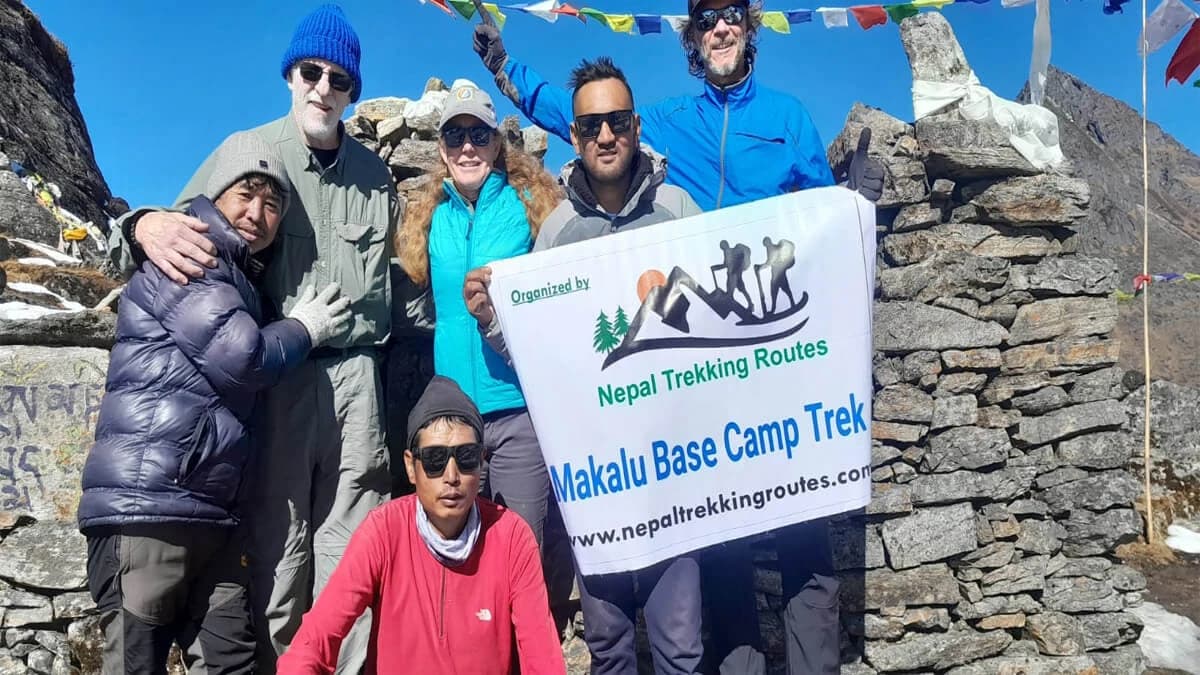
Makalu Base Camp Trek
The Makalu Base Camp Trek is a once-in-a-lifetime adventure which is located between the Everest region and Mt. Kanchenjunga (8,586 m). It is ideal for trekkers who want a unique Himalayan experience and have prior trekking experience in Nepal. The trails are quiet and less crowded, allowing you to enjoy the mountains, valleys, and remote villages in peace. The trek usually takes 18 to 22 days to complete.
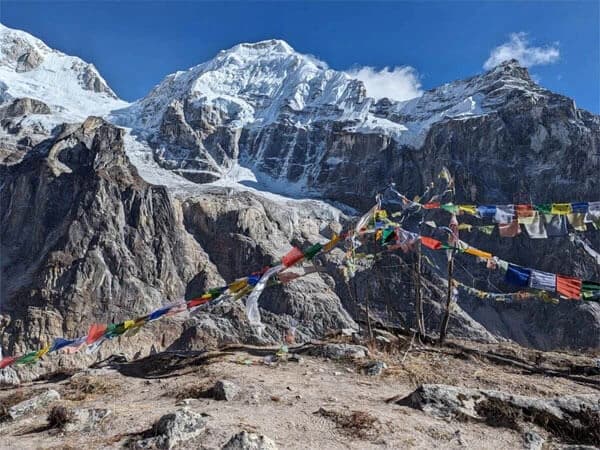
Along the trek, you will enjoy spectacular views of Mt. Everest, Mt. Lhotse (8,516 m), Mt. Chamlang (7,319 m), Mt. Kanchenjunga, and Mt. Makalu itself. The best viewpoints include Makalu Base Camp, Shipton La Pass, Barun Valley, and Kauma Danda. The route passes through deep valleys, high passes, and isolated settlements, combining adventure with cultural encounters.
The trek also goes through Makalu Barun National Park, home to rare wildlife and diverse flora. You can spot Himalayan animals and enjoy forests of rhododendrons, primroses, orchids, junipers, and firs. The region is inhabited by Limbus and Rais, who maintain their traditional lifestyle, culture, and religion. With colorful spring blooms, pristine landscapes, and authentic cultural experiences, Makalu Trek offers a truly off-the-beaten-path Himalayan journey.
Milke Danda Trek
The Milke Danda Trek is a lesser-known trail in eastern Nepal famous for its vibrant rhododendron blooms in spring. The trek begins near Ilam and gradually climbs through forested hills, terraced farmland, and small traditional villages.The trails are peaceful and uncrowded, offering a serene trekking experience away from the popular routes.
From the Milke Danda ridge, trekkers are rewarded with panoramic views of Kanchenjunga, Makalu, and Kumbhakarna. Along the way, you can enjoy quiet ridgelines, seasonal wildflowers, and cultural interactions with local communities. The trek passes through rhododendron forests and picturesque villages, making it ideal for those who love nature, photography, and peaceful Himalayan scenery.
The Milke Danda Trek usually takes 5–7 days to complete. Despite being short and moderate in difficulty, it is perfect for nature lovers seeking wide Himalayan panoramas, colorful seasonal flowers, quiet trails, and authentic local culture, offering a relaxing yet memorable trekking experience in eastern Nepal.
Western Nepal Hidden Treks
Western Nepal Hidden Treks offer some of the most remote and untouched trekking experiences in the Himalayas. These trails take adventurers through high-altitude deserts, isolated valleys, and peaceful lakes, far from the crowded Annapurna or Everest routes. The treks provide solitude, pristine landscapes, and a chance to truly connect with the mountains.
Along the way, trekkers experience authentic local cultures in villages where traditions are preserved. The trails feature dramatic mountain views, alpine meadows, lush forests, and rich biodiversity, including rare Himalayan flora and fauna. These hidden routes are perfect for travelers seeking adventure, cultural encounters, and peaceful off-the-beaten-path Himalayan experiences.
Upper Dolpo Trek
The Upper Dolpo Trek is one of the most remote high-altitude treks in Nepal. It starts from Juphal and passes through Shey and Namgung, leading into a quiet Himalayan region influenced by Tibetan culture. The trail crosses dry plateaus, high mountain passes, and open valleys, with stone villages and ancient Bon monasteries along the way. Because the area is very remote and needs special permits, few trekkers visit Upper Dolpo. This makes the trek peaceful and truly off the beaten path, perfect for those who want solitude, raw landscapes, and a unique cultural experience.
Along the way, travelers are rewarded with stunning views of Kanjiroba and Shey Phoksundo mountains, high desert landscapes, and panoramic Himalayan peaks. The trek provides a unique opportunity to experience Tibetan-influenced culture, interact with Bonpo monks, and witness a way of life preserved for generations. The Upper Dolpo Trek usually takes 20–24 days and is ideal for adventurers seeking solitude, cultural immersion, and a truly off-the-beaten-path Himalayan journey.
Lower Dolpo Trek
The Lower Dolpo Trek is one of Nepal’s most remote and captivating treks, located near the Tibetan Plateau. The journey begins with a scenic flight from Kathmandu to Juphal via Nepalgunj, offering spectacular aerial views of the Himalayas. Along the trail, trekkers cross high mountain passes such as Numa La (5,318 m) and Baga La (5,190 m), and visit Dho Tarap (4,090 m), the world’s highest human settlement area.
The trek also takes you to the stunning Shey Phoksundo Lake, the deepest lake in Nepal, set within Shey Phoksundo National Park, the largest conservation area in the Trans-Himalayan region. Along the way, you can explore the 900-year-old Tshashung Gompa and experience the unique lifestyle, culture, and traditions of the Bonpo and Chaiba religious sects. Hidden valleys in the Lower Dolpo region, peaceful monasteries, and untouched landscapes make this trek a perfect choice for travelers seeking a remote, off-the-beaten-path Himalayan adventure.
Rara Lake Trek
The Rara Lake Trek is a peaceful and scenic journey to Nepal’s largest lake located in a remote and rarely visited part of the country. The trek begins from Jumla or Talcha and moves through pine and rhododendron forests, gentle hills, and isolated villages. The route leads to Rara Lake, set within Rara National Park, where the lake’s turquoise waters perfectly reflect the surrounding snow-capped mountains, creating one of Nepal’s most picturesque landscapes.
This trek is ideal for travelers wanting tranquility and off-the-beaten-path experiences. Along the way, trekkers can enjoy seasonal rhododendron blooms, wildlife sightings, and panoramic views of the Himalayas. The Rara Lake Trek usually takes 6–8 days and highlights include Rara Lake, dense forest trails, peaceful villages, and a serene, uncrowded trekking experience, making it perfect for nature lovers and photographers alike.
Trans-Himalayan Trekking Routes in Nepal
Trans-Himalayan Trekking Routes in Nepal take you beyond green hills and busy trekking trails into dry landscapes, high desert plateaus, and remote valleys influenced by Tibetan culture. These routes are less crowded and usually need special permits, which makes the journey quiet and truly off the beaten path. The scenery is very different, with rocky cliffs, deep gorges, and wide open valleys instead of forests.
Along the trail, trekkers visit ancient villages and monasteries where traditions have stayed the same for hundreds of years. You may see rare wildlife, high mountain settlements, and wide mountain views in peaceful surroundings. These treks are perfect for travelers who want adventure, culture, solitude, and a different Himalayan experience.
Upper Mustang Trek
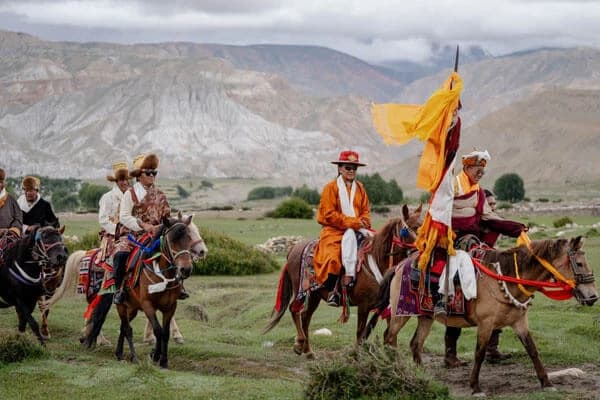
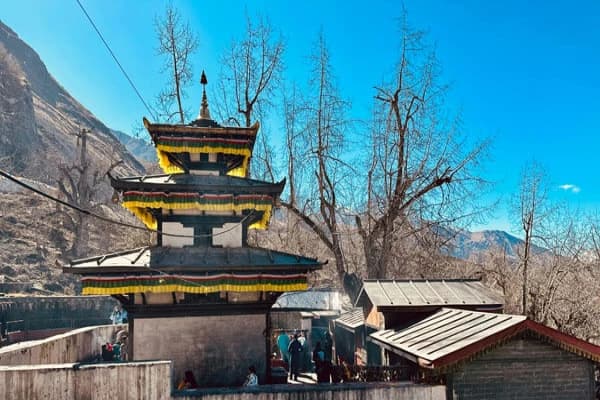
The Upper Mustang Trek takes you into the former Kingdom of Lo, a remote Himalayan area that feels untouched by time. The trek usually starts from Jomsom or Kagbeni and follows the Kali Gandaki River into the dry and rugged Lo Valley. Along the trail, trekkers walk past cliff caves, walled villages, ancient monasteries, and wide desert landscapes, all surrounded by sharp mountain peaks. Because this region needs special permits, it remains quiet and less crowded.
This trek offers a deep cultural experience. You visit traditional Lo villages, explore Tibetan Buddhist monasteries, and see ancient cave dwellings carved into cliffs. The dry terrain, colorful villages, and open desert mountains make the scenery truly unique. The Upper Mustang Trek takes 10–12 days and is ideal for travelers looking for off-the-beaten-path adventure, rich culture, and a different Himalayan landscape.
Nar Phu Valley Trek
The Nar Phu Valley Trek is one of the most remote and culturally rich treks in the Annapurna region. The journey starts from Besisahar or Manang and follows the Marsyangdi River before heading into the Nar and Phu valleys. The trail passes through charming villages like Jagat, Dharapani, and Koto, and winds through narrow gorges, high ridges, and yak pastures. You need to cross Kang La Pass (5,300 m), gaining spectacular views of surrounding snow-capped peaks and untouched landscapes.
The valleys are connected with ancient monasteries, prayer flags, and traditional stone houses, creating a timeless and peaceful atmosphere.The trek passes through rugged and isolated terrain and requires special permits, such as NRA and ACAP, which is why it remains less traveled. This makes it perfect for those seeking solitude and a true off-the-beaten-path Himalayan experience.
This trek usually takes 12–16 days and is ideal for adventurers seeking pristine landscapes, cultural immersion, and quiet trails far from the crowds. With its dramatic mountain scenery, medieval villages, and spiritual vibe, the Nar Phu Valley Trekking is a rewarding and unforgettable Himalayan journey.
Conclusion: Hidden Trekking Routes in Nepal
Nepal is much more than the famous trekking trails like Everest base Camp and Annapurna. The hidden trekking routes in Nepal lead you to the off the beaten path and remote villages. These less crowded trekking routes give you a chance to experience peaceful trails and raw nature. From the Manaslu and Annapurna regions to Eastern and Western Nepal, and even the trans-Himalayan deserts, these unexplored trekking trails of Nepal reveal a side of the Himalayas that few get to see.
What makes these journeys truly special is the combination of solitude, adventure, and local culture. Remote trekking destinations Nepal allow trekkers to walk through Tibetan-influenced villages, ancient monasteries, and pristine natural scenery without the crowds. Whether crossing high passes, hidden valleys, or enjoying serene lakes, these trails provide meaningful experiences, unforgettable views, and a deep connection with Nepal’s mountains and traditions. For anyone seeking peace, discovery, and adventure, Nepal’s hidden treks are an ideal choice.
FAQs
What are the best hidden trekking routes in Nepal?
Some of the best hidden trekking routes in Nepal include the Manaslu Circuit Trek, Tsum Valley Trek, Upper Mustang Trek, Nar Phu Valley Trek, Khopra Danda Trek, Mohare Danda Trek, Rara Lake Trek, Upper and Lower Dolpo Treks, Kanchenjunga Base Camp Trek, and Makalu Base Camp Trek. These routes take trekkers into remote valleys, high passes, and isolated villages where nature and culture remain largely untouched. They are perfect for travelers who want solitude, authentic experiences, and off-the-beaten-path adventures in Nepal.
Do I need special permits for hidden trekking routes in Nepal?
Yes, most hidden and remote trekking routes in Nepal require special permits. For example, the Manaslu region requires a Restricted Area Permit, the Tsum Valley requires a special Tsum Valley Permit, and Nar Phu Valley requires both NRA and ACAP permits. Similarly, trans-Himalayan regions like Upper and Lower Dolpo, Upper Mustang, and Kanchenjunga Base Camp require additional permits for entry. These permits help preserve the cultural heritage, and local communities of these remote regions while ensuring trekkers have a safe and regulated experience.
What makes hidden trekking routes in Nepal unique compared to popular trails?
Hidden trekking routes in Nepal are a more authentic and peaceful experience than crowded trails like Everest Base Camp or Annapurna Circuit. These routes take trekkers into remote valleys, isolated villages, and high mountain passes. Trekkers also experience Tibetan-influenced cultures, ancient monasteries, local festivals, and traditional village life that have been preserved for centuries. Because fewer tourists visit these areas, the experience is more immersive, personal, and tranquil, allowing travelers to truly connect with the Himalayas.
Which regions of Nepal have the most remote hidden treks?
Remote trekking routes are spread across central, eastern, and western Nepal, as well as trans-Himalayan regions near the Tibetan Plateau. The Manaslu region provides high passes, deep gorges, and Tibetan cultural villages. The Annapurna region features hidden valleys like Nar Phu, Khopra Danda, and Mohare Danda. Likewise, Eastern Nepal includes Kanchenjunga Base Camp Trek, Makalu Base Camp Trek, and Milke Danda Trek, which showcase Himalayan peaks, dense forests, and ethnic villages. Similarly, Western Nepal includes remote Upper and Lower Dolpo Treks and Rara Lake Trek, featuring high deserts, pristine lakes, and Tibetan-influenced communities. Each region provides unique landscapes, cultural encounters, and solitude away from mainstream trekking routes.
When is the best time to go on hidden trekking routes in Nepal?
The best seasons for hidden trekking in Nepal are spring (March–May) and autumn (September–November). In spring, the valleys are covered with blooming rhododendrons and wildflowers, and the weather is generally stable. Similarly, Autumn provides clear skies, crisp mountain views, and vibrant cultural festivals in many regions. Summer (monsoon) is generally not recommended due to landslides and slippery trails, while winter is suitable only for experienced trekkers prepared for snow and freezing temperatures, especially in high passes and trans-Himalayan regions.
What kind of landscapes can I expect on these hidden trekking routes?
Hidden trekking routes in Nepal provide a diverse range of landscapes. Central Nepal’s Manaslu and Tsum Valley feature alpine forests, terraced fields, deep river gorges, and snow-capped peaks. The Annapurna hidden trails include ridgelines, rhododendron forests, and panoramic Himalayan vistas. Trans-Himalayan regions like Upper Dolpo, Lower Dolpo, Nar Phu, and Upper Mustang feature arid deserts, high passes, and turquoise lakes such as Shey Phoksundo and Rara Lake. Trekkers also encounter glaciers, moraine paths, and pristine wildlife habitats with an extraordinary mix of natural beauty that is often untouched by tourism.
Can hidden treks in Nepal provide cultural experiences?
Yes, hidden treks in Nepal provide cultural experiences. Hidden trekking routes in Nepal are rich in cultural immersion opportunities. Trekkers can visit Tibetan Buddhist monasteries, ancient stone villages, Bonpo monasteries, walled settlements, and local festivals. In regions like Tsum Valley, Manaslu, Upper and Lower Dolpo, and Upper Mustang, traditional lifestyles have been preserved for centuries. You can interact with Gurung, Rai, Limbu, Sherpa, Lhomi, and Bonpo communities, learn about their rituals, taste traditional cuisine, and see ancient religious artifacts. These cultural experiences are a major reason why hidden treks are increasingly sought after by travelers looking for authentic Himalayan life.
Are hidden trekking routes in Nepal suitable for beginners?
It depends on various things. Some shorter and moderate treks like Khopra Danda Trek (6–9 days), Mohare Danda Trek (3–5 days), and Milke Danda Trek (5–7 days) are suitable for beginners with basic fitness. However, treks like Manaslu Circuit, Upper/Lower Dolpo, Kanchenjunga Base Camp, Nar Phu Valley, and Makalu Base Camp are challenging, involve high passes above 5,000 meters, and require previous trekking experience, proper acclimatization, and physical fitness. Trekkers should carefully assess the route difficulty and their experience before planning, and consider hiring local guides for safety and navigation in remote areas.