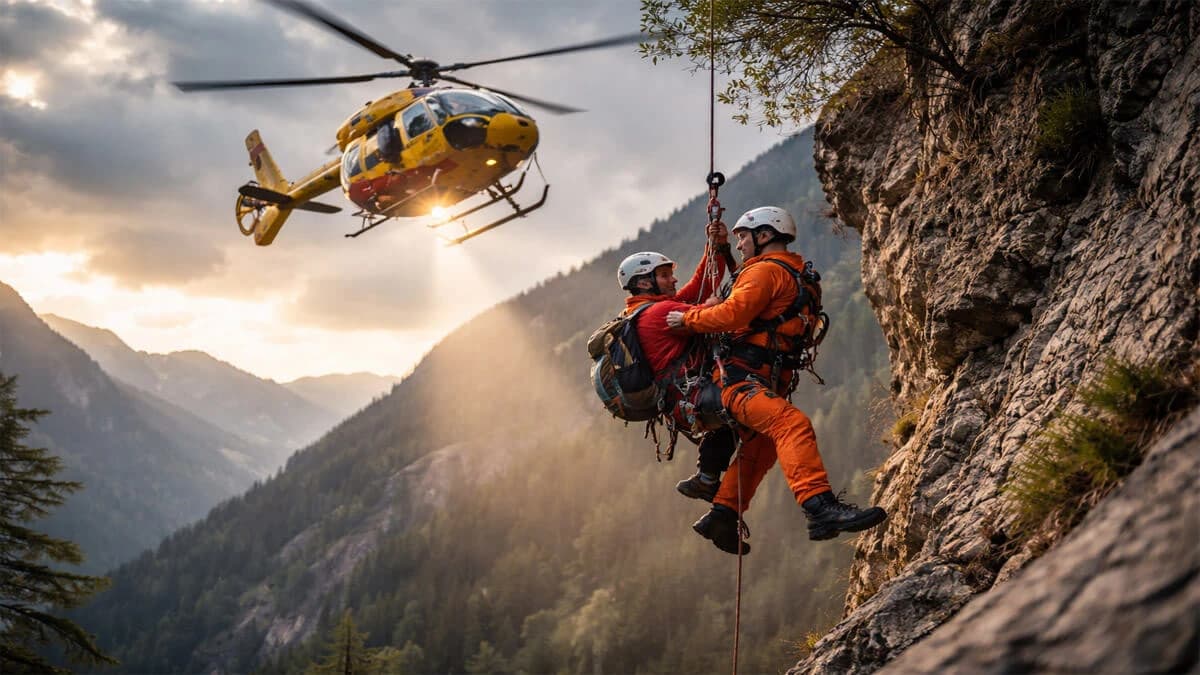
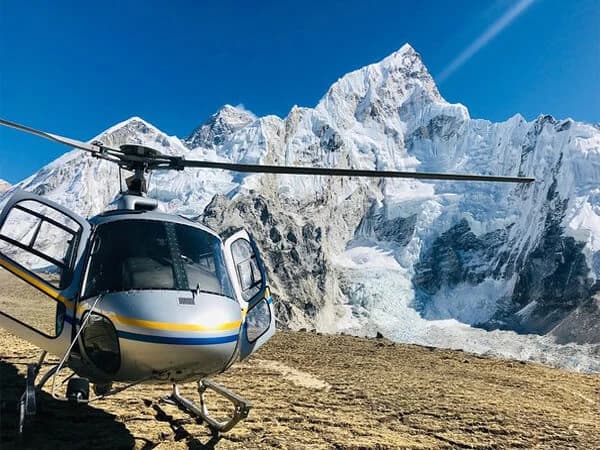
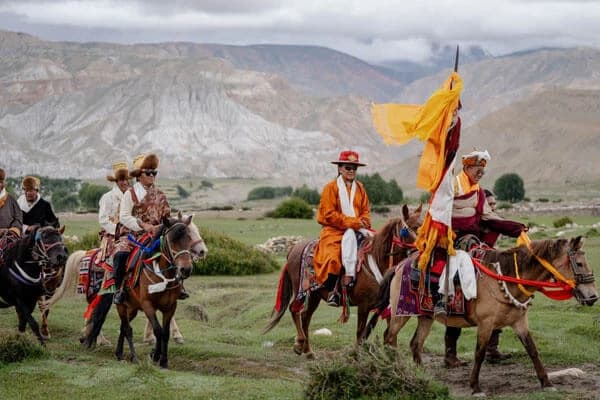
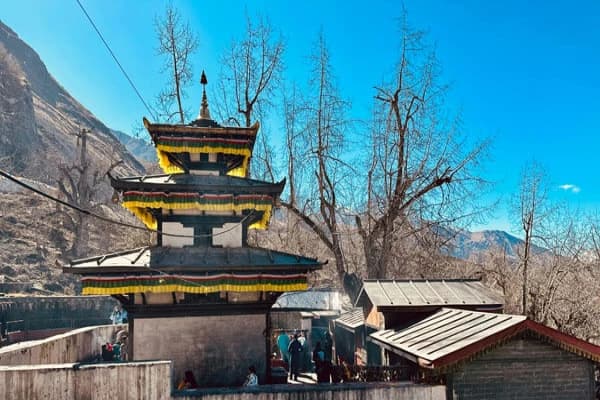
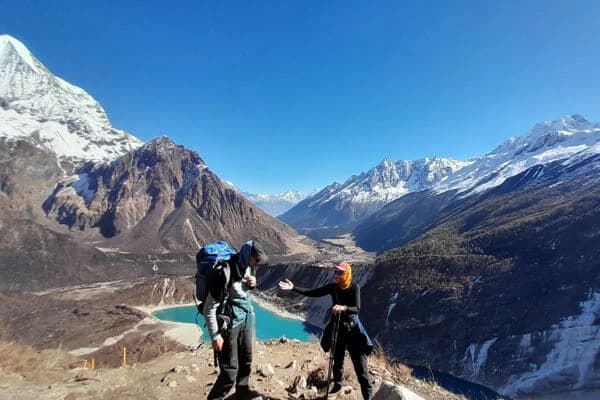
Helicopter tours in Nepal provide an extraordinary way to explore one of the most dramatic and remote landscapes in the world. These tours offer travelers a chance to witness snow-capped peaks, glaciers, deep valleys, and traditional Himalayan settlements, all from the comfort of an aircraft. Whether soaring over theiconicMount Everest region, the scenic Annapurna range, or visiting sacred cultural sites like high-altitude monasteries and temples, helicopter sightseeing in Nepal combines adventure trekking, accessibility, and luxury.
For many visitors, the appeal lies in the ability to cover vast distances in a small amount of the time it would take by trekking or road. Everest helicopter tours and luxury helicopter flight experiences allow travelers to witness the Himalayas from a bird’s-eye view, capturing photographic moments that are otherwise impossible to access. Beyond Mountain sightseeing, these tours are ideal for pilgrims, photographers, adventure enthusiasts, and luxury travelers who value both convenience and safety in high-altitude travel.
While the promise of spectacular views is tempting, helicopter tours are more than just scenic rides; they also provide access to remote destinations that require careful coordination and expert piloting. Advanced planning, timing, and specialized equipment are essential to make these journeys smooth and memorable.
High Altitude and Weather Conditions
The most obvious factor for helicopter tour challenges is the weather, which in Nepal’s mountains can change in minutes. You might start a flight with clear skies and perfect view of snow-capped peaks, and within a short time, clouds, fog or snow can roll in unexpectedly. These sudden changes not only limit visibility but also can affect flight paths, sometimes forcing pilots to adjust their routes or even delay landings for safety. This is why paying attention to weather updates and trusting experienced pilots is so important for anyone planning a helicopter tour.
High altitude itself also creates challenges.
Helicopters rely on air pressure for lift and in thin mountain air, engines work harder and helicopters can’t perform the same way they do at lower elevations. This is why flights over extreme altitudes need careful planning and why only trained pilots with experience in mountain flying should operate these tours. For passengers, the high altitude can cause mild effects like shortness of breath, fatigue or dizziness. While these effects are usually minors, following the crew’s safety instructions and staying calm is essential for a comfortable experience.
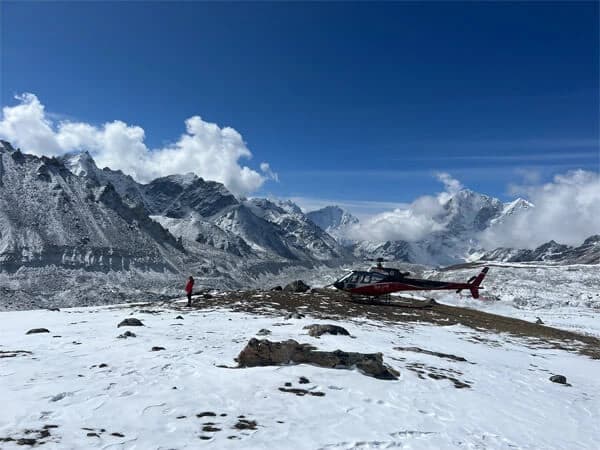
Another factor is mountain wind patterns. The Himalayas are full of peaks, ridges, and valleys, which can create sudden gusts and turbulence. Even experienced pilots have to navigate carefully to avoid unstable air currents. Landing can be tricky as well. Many popular spots, such as remote monasteries, small temples, or scenic viewpoints, have very limited landing space. Some helipads are just clearings on rocky terrain, requiring precise control to land safely.
All these factors, rapidly changing weather, high-altitude conditions, and challenging landing zones combine to make helicopter tours in Nepal both thrilling and complex. While the views and experiences are unmatched, it’s important for travelers to remember that these flights are carefully planned operations that rely on expert pilots, well-maintained helicopters, and a strong focus on safety. Being prepared and flexible can help ensure that your journey over the Himalayas is not just safe, but truly unforgettable.
Safety and Technical Limitations
Helicopter tours in Nepal are exciting, but they also rely on strict safety measures and technical precision. Every flight depends on well-maintained aircraft and trained pilots to ensure passengers reach their destinations safely. Helicopter tours operators in Nepal follow strict aviation standards to conduct routine maintenance, inspect engines, rotor blades, and other critical systems, and verify that all safety equipment is in working order before takeoff. These steps are crucial because even a small mechanical issue at high altitude could become serious.
Flying in the Himalayas also involves unique technical challenges. Turbulence, strong winds, and thin air put extra stress on helicopters, and pilots must constantly adjust speed, altitude, and flight paths to maintain stability. While modern helicopters are designed to handle these conditions, sudden changes in weather or unexpected turbulence can create risk factors that demand quick and precise decision-making. This is why tours always require highly certified pilots with experience in mountain flying. Their expertise ensures that even if unexpected situations arise, the flight can remain safe and controlled.
Passengers also play a role in safety. Following crew instructions, limiting unnecessary movement, and ensuring luggage and gear meet weight restrictions are all part of reducing risks during a flight. Understanding these helicopter safety measures in Nepal helps travelers appreciate the care and planning involved in Himalayan Helicopter flights. By choosing reputable operators, paying attention to briefings, and respecting safety rules, visitors can enjoy one of the most breathtaking experiences in the world while minimizing risks.
Photography and Viewing Challenges
Taking photos during a helicopter tour can be exciting, but it also comes with some practical difficulties. Because the aircraft is always moving, even small vibrations or turbulence can make it hard to capture sharp images. Scenery passes quickly, giving passengers only a short moment to frame their shots and adjust camera settings. This fast pace often means taking multiple photos to get one clear picture, especially when flying over vast mountain landscapes in Nepal.
Another common challenge is shooting through helicopter windows. Glass surfaces can create reflections from sunlight, cabin lights, or objects inside the aircraft, which may appear in photos and reduce clarity. Lighting conditions can also change rapidly during the flight. Bright snow-covered peaks, strong sunlight, passing clouds, and shifting shadows can all affect exposure, making it difficult to maintain consistent image quality throughout the journey.
Handling camera equipment inside a helicopter also requires care. Cabin space is limited, so large cameras, lenses, or extra gear can be difficult to manage safely. Sudden movements or turbulence can increase the risk of dropping equipment if it is not secured properly. For this reason, passengers are usually advised to pack light, keep cameras safely strapped, and remain mindful of safety guidelines while enjoying the stunning aerial views.
High Costs and Limited Availability During the Helicopter Tour in Himalayas
One of the main things travelers notice about helicopter tours in Nepal is that they can be quite expensive. The cost of helicopter tours in Nepal is influenced by many factors, including fuel, maintenance, pilot expertise, and the challenging terrain. Luxury experiences, private flights, or tours to remote high-altitude destinations often come at a premium, reflecting the skill, safety measures, and logistics required to operate these flights. This is why many people describe helicopter tours as a once-in-a-lifetime experience rather than a routine sightseeing option.
Availability is another key factor. Helicopter flights in Nepal are limited due to seasonal and operational restrictions. Bad weather, snow, or strong winds can force cancellations or reduce the number of daily flights, especially in the winter or monsoon seasons. Popular destinations like Mount Everest and Annapurna often have high demand, meaning seats can fill up quickly during peak travel periods.
Because of the combination of high costs and limited availability, it’s important tobook helicopter tours in Nepalearly. Planning ahead ensures you can secure a spot on the preferred date and choose the type of tour that fits your interests and budget. Early booking also gives you time to compare operators, check safety records, and select routes with the best weather conditions, making your Himalayan experience safer and more enjoyable.
Altitude Sickness and Passenger Comfort During the Helicopter Tour
Even though helicopter tours in Nepal are usually short, passengers may still feel the effects of altitude sickness. Flying over high himalayan peaks exposes travelers to thinner air, which can cause mild symptoms such as dizziness, shortness of breath, fatigue or headaches, even during a quick flight. Being aware of these possibilities helps passengers stay safe and enjoy the experience without unnecessary discomfort.
Most helicopters flying in Nepal are equipped with cabin pressure and oxygen supply systems to reduce the risks associated with high-altitude travel. Pilots and crew provide guidance to ensure passengers are seated safely, follow proper breathing practices, and stay hydrated during the flight. These safety measures are especially important for travelers who have pre-existing health conditions or are sensitive to altitude changes.
Passenger comfort is another important consideration. Helicopters used for sightseeing are often smaller than commercial airplanes, meaning legroom and seating can be limited. While modern aircraft are designed for short flights, travelers should be prepared for a compact cabin and slightly restricted movement. Simple steps, like wearing comfortable clothing, keeping belongings light, and following crew instructions, can greatly enhance the overall experience.
By understanding the potential for altitude sickness in helicopter flights in Nepal and being mindful of passenger comfort, travelers can enjoy one of the world’s most unique aerial adventures safely and comfortably. Following crew advice and planning ahead ensures that Himalayan sightseeing becomes a memorable and worry-free experience.
Logistical Challenges for Helicopter Tour in Nepal
One of the biggest hurdles in Nepal helicopter tours is landing in remote areas. Many popular sightseeing or pilgrimage destinations, such as high-altitude temples, monasteries, or mountain viewpoints, have very small helipads or sometimes just cleared patches of land. Pilots need to navigate carefully to land safely, and not all locations can accommodate helicopters of every size. This limitation affects where and how flights can operate, making planning essential.
Another important factor is coordination with local authorities. In some regions, flights require special permits, approvals, or notifications to local agencies before taking off. For instance, tours to the Mount Everest area or other restricted zones need official permissions, which must be arranged well in advance. This adds another layer of preparation for both operators and travelers, ensuring compliance with Nepal’s aviation rules.
Air traffic and weather also affect flexibility. Helicopters must follow strict flight schedules and airspace rules, so delays due to congestion or sudden weather changes are common. Even a well-planned trip may need adjustments if conditions are unsafe for flying. This makes early booking and flexibility critical for a smooth experience.
Understanding these logistical challenges of Nepal helicopter tours helps travelers plan realistically. Knowing about landing site limits, permit requirements, and possible delays ensures that helicopter flights are safe, legal, and as comfortable as possible, while allowing passengers to focus on enjoying the spectacular Himalayan views.
Environment and Sound Polution
While helicopter tours in Nepal provide unmatched access to the Himalayas, they can also impact the environment and local communities. Helicopters produce noise pollution, which can disturb wildlife in fragile mountain ecosystems and disrupt the tranquility of remote villages and sacred sites. Animals in high-altitude areas are particularly sensitive to loud sounds, and repeated flights over the same routes may cause stress or alter natural behaviors.
Helicopters also contribute to air pollution through fuel emissions. Although each flight is relatively short, the cumulative effect of multiple tours can have a noticeable environmental impact, especially in popular trekking or sightseeing areas. This has led some operators and tourism authorities to adopt guidelines for responsible flying, such as limiting the number of flights per day over sensitive regions and using quieter, fuel-efficient helicopters when possible.
Travelers can also play a role in reducing their environmental footprint. Choosing operators that follow eco-friendly practices, avoiding unnecessary flights, and respecting local communities near landing zones all help minimize the impact of helicopter tourism. Understanding these environmental and noise concerns is important for anyone planning a Himalayan helicopter tour, ensuring that the experience remains sustainable and enjoyable for both visitors and the natural surroundings.
Weight Restrictions and Luggage Limitations
Helicopters have strict weight limits that go beyond just comfort, they're a critical part of flight safety, especially in high-altitude trekking regions like the Himalayas. At higher elevations, the air becomes thinner, which reduces lift and engine efficiency. Even a small increase in total weight can affect how the helicopter handles, including its ability to hover, climb, or maneuver around mountain ridges. Pilots must carefully calculate passenger weight, luggage, fuel and any onboard equipment before take off.
For passengers, this means planning ahead is essential. Large suitcases, heavy gear, or additional supplies may need to be minimized or repacked. Operators may also limit the number of passengers per flight to maintain safety margins, especially on routes to extreme-altitude destinations such as Mount Everest or Annapurna Base Camp. Understanding these limitations helps travelers avoid last-minute stress, ensures proper aircraft balance, and contributes to a safer, smoother flight overall.
Seasonal Limitations for Helicopter Tour in Nepal
The Himalayan weather is unpredictable, and seasonal patterns have a significant impact on helicopter operations in Nepal. During the monsoon season (June–August), heavy rainfall, low clouds, and landslides reduce visibility and make flying risky. In winter (December–February), snowstorms, icy conditions, and high winds can also force flight cancellations or rerouting. These seasonal challenges are why operators carefully plan schedules, sometimes consolidating flights or adjusting departure times to avoid unsafe conditions.
The most favorable seasons for helicopter tours are spring (March–May) and autumn (September–November). During these months, skies are generally clear, winds are calmer, and temperatures are moderate, allowing for stable flights and breathtaking panoramic views of the Himalayan peaks. Flying in these windows not only increases safety but also maximizes the chances of capturing stunning photographs, experiencing uninterrupted sightseeing, and landing at high-altitude destinations without complications.
Travelers should also remember that even during the “best” seasons, mountain weather can change rapidly. Flexibility in scheduling, early booking, and coordination with operators ensures passengers are prepared for last-minute adjustments and can enjoy the tour without unnecessary stress.
Common Misconceptions about Helicopter Tours in Himalayas
Many travelers assume that helicopter tours are completely safe, but in reality, safety depends on several factors. The experience of the pilot, the condition of the helicopter, and the weather all play a critical role. While reputable operators follow strict aviation standards, sudden changes in himalayan weather or mechanical issues can affect flight safety. Choosing a certified operator and following crew instructions are essential to minimize risks.
Another misconception is that you can fly anytime. Helicopter tours in Nepal are limited by seasonal conditions and warm patterns. Monsoon rains, winter snow, or sudden fog can cause delays or cancellations, and high-altitude destinations like Mount Everest or Annapurna are only safely accessible during certain months. Planning ahead and being flexible with travel dates helps ensure a smooth experience.
Finally, many think helicopter tours are completely stress-free. While they are convenient and exciting, passengers must consider physical and logistical factors. High altitudes can cause mild dizziness or fatigue, and cabins have weight and luggage limits. Understanding these considerations and preparing in advance allows travelers to enjoy the incredible Himalayan views safely and comfortably.
Tips for a Safe and Enjoyable Heli Tour
To enjoy a helicopter tour in Nepal safely, it’s important to plan ahead and choose a reliable operator. Travelers should be aware of weather conditions, prepare for high altitudes and limited cabin space, and follow the crew’s instructions during the flight. Booking in advance and keeping budget considerations in mind can also help ensure a smooth and comfortable experience. By taking these simple precautions, visitors can focus on enjoying the breathtaking Himalayan views and making the most of their helicopter adventure.
Choose Reputable Operators and Certified Pilots
Selecting a reliable helicopter is the most important factor for a safe tour. Certified pilots with experience in himalayan flying can handle high-altitude conditions, unpredictable weather and challenging landings. Well-maintained helicopters and proper safety protocols reduce the risk of technical issues, which ensures a smoother and safer flight. Researching views, checking certifications and asking about safety records can help you make an informed choice.
Check Weather Forecasts and Seasonal Conditions
Weather in the mountain region can change rapidly. Even short flights can be affected by clouds, snow or strong winds. Checking forecasts before booking helps you avoid cancellations or dangerous conditions. Planning tours in spring, autumn or winter provides the clearest view of skies. It is the best chance for uninterrupted sightseeing and beautiful views. Flexibility in timing is key to adapting if conditions change suddenly.
Prepare for Altitude and Cabin Space
Flying over the Himalayas exposes passengers to high altitudes, which can cause mild symptoms like dizziness, shortness of breath, or fatigue. Staying hydrated, following crew instructions, and moving minimally inside the cabin can help reduce discomfort. Helicopter cabins are often small and compact, so dressing comfortably and packing light ensures a more enjoyable experience. Being aware of these factors helps passengers feel prepared and relaxed throughout the journey.
Budget Appropriately for Costs
Helicopter tours in Nepal are a premium experience and can be costly, especially for long, high-altitude, or private flights. Costs include fuel, pilot expertise, maintenance, and operational logistics. Planning your budget in advance allows you to select the type of tour you want, whether it’s a shared group flight or a luxury private helicopter tour experience. Early booking can also help secure seats during peak seasons and may offer better rates.
Pre-flight Preparation and Briefing
Before any helicopter tour begins, passengers go through an important preparation and briefing process. This step ensures that everyone understands safety procedures, flight plans, and what to expect during the journey. In mountain regions like Nepal, where flying conditions can change quickly, proper preparation helps make the experience smoother, safer and more enjoyable for both passengers and crew.
What happens before take off?
Before boarding, passengers usually check in with the helicopter operator and confirm their booking details. Weight measurements for both passengers and luggage may be taken to ensure proper aircraft balance. The crew also reviews weather conditions, finalizes the flight route and confirms landing permissions if required.
Once everything is ready, passengers are guided to the helicopter and helped with seating arrangements. This process may seem simple, but it plays an important role in ensuring stability, safety, and efficient flight operations especially in high-altitude environments.
Safety Instructions and Passenger Orientation
Safety briefings are a standard part of every helicopter tour. The crew explains how to use seat belts, communication headsets, and emergency equipment if needed. Passengers are also informed about boarding and exiting procedures, how to move safely around the helicopter, and what actions to avoid during the flight.
These instructions help reduce risks and ensure everyone remains calm and prepared. Even if the flight is short, understanding safety guidelines is essential when traveling through mountainous terrain.
Understanding Flight Routes and Landing Plans
Before takeoff, the pilot or crew often explains the planned flight route, major viewing points, and any scheduled landings. This helps passengers know how long the journey will take and what scenery or destinations they will experience along the way.
Landing plans are especially important for remote or high-altitude locations where space may be limited. Weather, visibility, and local conditions can influence whether a landing happens as scheduled or needs adjustment. Being aware of these possibilities helps passengers stay flexible and better prepared for changes during the tour.
Post-Flight Considerations
After a helicopter tour, the experience doesn’t end the moment you land. Post-flight care and follow-up are important, especially after traveling through high-altitude environments. Taking a few simple steps helps your body recover, ensures any issues are addressed quickly, and allows operators to improve their services for future travelers.
Adjusting After High-Altitude Exposure
Even short helicopter flights over high mountain regions can leave passengers feeling slightly tired or light-headed after landing. Your body may need a little time to adjust back to lower altitude conditions, especially if the tour involves landing at high elevations. Resting, staying hydrated, and avoiding intense physical activity for a while can help your body recover comfortably. If any unusual discomfort continues, it’s always wise to inform the crew or seek medical advice, particularly after flying in high-altitude areas like those found across Nepal.
Reporting Lost Items or Concerns
Helicopter cabins are compact, and during boarding or landing, small personal items can easily be misplaced. After the flight, passengers should check their belongings and report anything missing immediately. Operators often have procedures to track lost items, especially if the helicopter is scheduled for another flight soon. It’s also a good time to report any concerns about comfort, safety, or service so they can be addressed promptly.
Sharing Feedback with Operators
Providing feedback after your flight helps helicopter companies maintain high safety and service standards. Whether your experience was excellent or you faced minor inconveniences, sharing honest feedback allows operators to improve their procedures, communication, and overall passenger experience. Reviews and suggestions also help future travelers make informed choices when booking their own helicopter tours.
Travel Insurance and Risk Coverage
Helicopter tours in Nepal offer incredible experiences, but they also involve unique risks due to high altitudes, unpredictable weather, and remote locations. Having travel insurance is an important way to protect yourself and ensure peace of mind. Insurance can help cover unexpected situations such as flight cancellations, weather delays, or emergencies during the trip, making it a critical consideration for anyone planning a Himalayan helicopter tour.
Why Insurance Is Important for Helicopter Tours?
Even with experienced pilots and well-maintained helicopters, mountain flights carry inherent risks. Rapid weather changes, technical issues, or health-related problems at high altitude can occur. Travel insurance ensures that travelers are financially protected if these situations prevent the tour from going as planned, or if medical attention is required during or after the flight.
Coverage for Delays, Cancellations, and Emergencies
Insurance policies often include protection for delays or cancellations caused by weather, mechanical issues, or other unforeseen circumstances. Many also cover emergency medical care, evacuation, and hospital expenses in remote areas. This is especially important in regions like the Himalayas, where medical facilities are limited and reaching help quickly can be challenging.
What to Check Before Purchasing a Policy
Before buying travel insurance, carefully review what it covers. Make sure the policy includes high-altitude helicopter flights, emergency medical evacuation, and protection for trip cancellations or delays. Understanding policy limits, exclusions, and claim procedures ensures that travelers are fully prepared and protected during their helicopter adventure.
Who Should Avoid Helicopters Tour?
Helicopter tours offer an exciting way to explore remote mountain regions, but they may not be suitable for everyone. Because these flights often reach high altitudes and involve rapid elevation changes, certain health and age factors need careful consideration. Understanding who should take extra precautions helps ensure a safe and comfortable experience, especially when flying in high-altitude regions like Nepal.
Health Conditions That Require Caution
People with certain medical conditions should think carefully before joining a helicopter tour. Heart problems, severe respiratory issues, uncontrolled high blood pressure, or conditions affected by reduced oxygen levels may worsen at high altitude. Even short exposure to thin air can put stress on the body. Those who experience frequent dizziness, motion sickness, or anxiety in confined spaces may also find helicopter flights uncomfortable. If you have any ongoing medical condition, it’s important to understand how altitude and flight conditions could affect you.
Age-Related Considerations
Very young children and older adults may be more sensitive to altitude changes. Children might not always communicate discomfort clearly, while older passengers may have reduced tolerance to low oxygen levels or sudden physical stress. Although many helicopter tours are safe for a wide age range, travelers at either end of the age spectrum should be monitored closely and prepared for possible fatigue, breathing discomfort, or pressure changes during the flight.
When to Consult a Medical Professional?
If you are unsure whether a helicopter tour is safe for you, the best step is to consult a doctor before booking. This is especially important if you have a history of altitude sickness, recent surgery, chronic illness, or any condition that affects breathing or circulation. A medical professional can provide personalized advice, recommend precautions, or suggest whether high-altitude travel is appropriate. Taking this step ensures peace of mind and helps prevent avoidable health risks during your helicopter experience.
Conclusion: Challenges of Helicopter Tour in Nepal
Helicopter tours in Nepal are undoubtedly one of the most spectacular ways to experience the Himalayas, offering breathtaking aerial views of snow-capped peaks, glaciers, and remote cultural sites. However, as detailed above, these adventures come with a range of challenges, from unpredictable weather, high-altitude effects, and technical limitations to logistical, environmental, and cost considerations. Understanding these factors is crucial for anyone planning a Himalayan helicopter tour.
By being aware of altitude-related health risks, following safety instructions, respecting weight and luggage limits, and planning around seasonal and weather constraints, travelers can significantly reduce potential risks. Choosing reputable operators, booking early, preparing physically and mentally, and considering travel insurance are all essential steps that enhance both safety and enjoyment.
Ultimately, while helicoptertours in Nepal involve careful preparation and attention to detail, the rewards are unparalleled. With proper planning, flexibility, and awareness of the challenges, travelers can safely experience the majesty of the Himalayas from a unique perspective, creating unforgettable memories that last a lifetime.