Ever thought about just walking into the Himalayas without all the noise and crowd you usually hear about?
That’s pretty much what the Manaslu Base Camp trek feels like. No rush, no chaos, just a long trail that slowly pulls you deeper into the mountains.
It’s not one of those “checklist” kind of treks where you’re just trying to reach the end as fast as possible. Here, the journey actually matters. You start walking through small villages where life is simple and slow, cross suspension bridges over fast rivers, and pass through quiet forests that feel untouched. Every day on the trail feels a little different, but in a calm way.
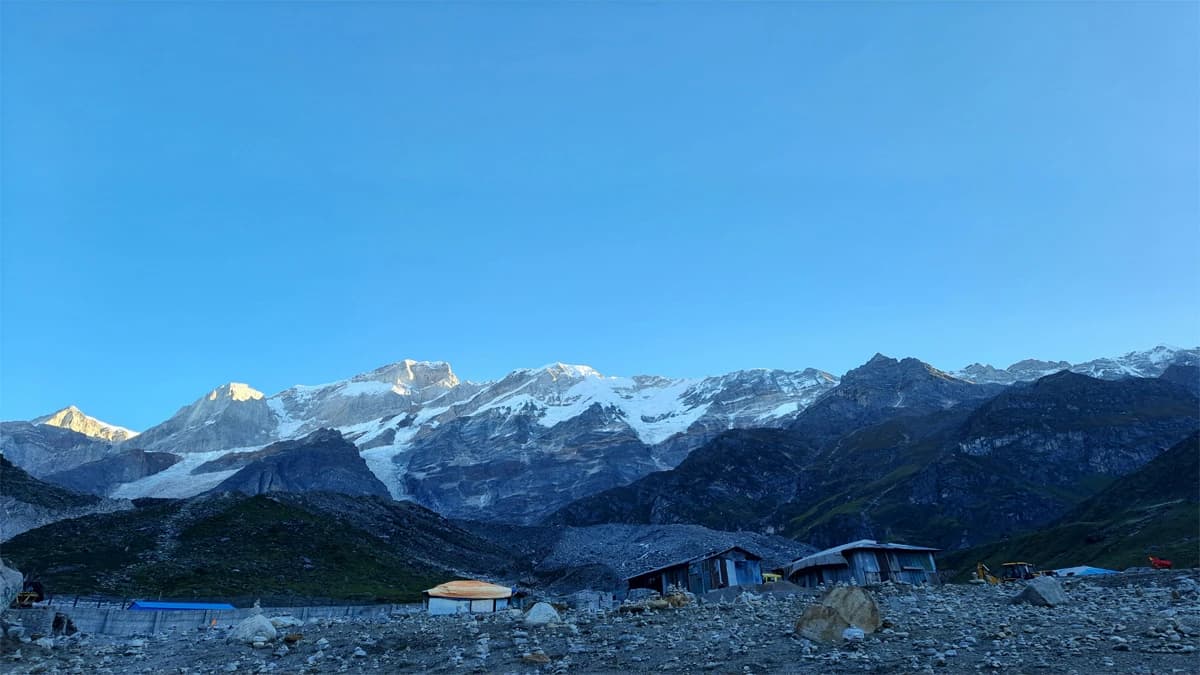
And then slowly, the mountains start getting bigger and closer. You don’t even realize when the scenery shifts from green hills to massive snowy peaks standing right in front of you. That’s the special part of this trek, it doesn’t hit you all at once, it builds up naturally as you walk.
And that’s the thing about Manaslu region, it doesn’t try too hard. It’s quiet, simple, and real. No heavy crowds, no loud tourist vibe, just you, the trail, and the Himalayas doing their thing.
Why Trek to Manaslu base Camp Trek?
Honestly, why even do the Manaslu Base Camp Trekking in Nepal? Not because it’s easy or comfortable because it’s not. This trail sits around the world of Mount Manaslu, inside the restricted Manaslu Conservation Area, and it feels like you’re slowly walking into a place where modern life just… fades out.
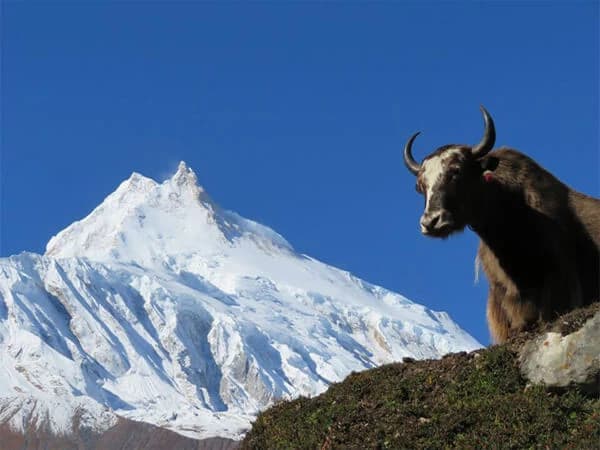
You go for it when you’re tired of crowded trails like Everest or Annapurna region. Here, there are days when you’ll walk for hours and meet more yaks than people. Villages are simple, sometimes almost too simple no fancy tea houses, limited food options, patchy WiFi (or none at all), and yes, cold nights that actually test you. It’s not “comfortable adventure travel,” it’s proper Nepal trekking. The kind where your legs hurt, your backpack feels heavier every day, and you start questioning your decisions somewhere around day 4.
But that’s also the point. The landscape hits differently because it’s untouched in a way most popular routes aren’t anymore. You get raw Himalayan valleys, suspension bridges over wild rivers, Buddhist villages that haven’t changed much in years, and that massive feeling of being small under mountains like Manaslu. If you’re expecting smooth paths, easy logistics, or luxury lodges, you’ll be disappointed. But if you want something real, quiet, and a bit rough around the edges, this trek gives you exactly that no filter, no polish.
When Should You Actually Go for the Manaslu Base Camp Trek?
If you’re thinking about the Manaslu Base Camp Trek, timing isn’t just a small detail, it pretty much decides how the whole journey feels. The trail around Mount Manaslu inside the Manaslu Conservation Area changes a lot with the seasons, so going at the wrong time can turn a beautiful trek into a struggle with rain, snow, or endless cloud cover.
The two “right” windows are spring (March to May) and autumn (September to November). Spring feels softer, warmer air, blooming rhododendrons, and trails that slowly come alive again after winter. Autumn is the clean version of the Himalayas clear skies, sharp mountain views, dry trails, and that crisp air that makes everything feel bigger than it actually is. Most people prefer autumn because the mountains show themselves properly, without hiding behind clouds.
Outside these seasons, things get a bit rough. Monsoon months bring heavy rain, slippery paths, and landslide risks, while winter turns the higher sections into a cold, snowy challenge where some teahouses even shut down. It’s not impossible, but it’s definitely not the “enjoy the view” version of the trek.
So yeah, if you want the real experience without unnecessary struggle, stick to spring or autumn, that’s when Manaslu actually feels like it’s welcoming you instead of testing you.
What to Expect on the Manaslu Base Camp Trek?
The journey takes you deep into the remote Manaslu Conservation Area, where the roads end, phone signals fade, and daily life becomes very simple. Some days are filled with green forests, rivers, and suspension bridges swinging above deep gorges, while other days feel cold, rocky, and completely surrounded by giant Himalayan walls. The trek is physically demanding at times, but it also has a quietness that makes everything feel slower and more real.
Walking Through the Budhi Gandaki Valley
The trek begins by following the Budhi Gandaki River, and honestly, this part of the journey never feels boring. You cross long suspension bridges, walk beside waterfalls, pass through forests, and slowly move into deeper mountain valleys. Some sections are green and peaceful, while others feel steep, rocky, and wild. Since the valley is quite remote, the trail feels quieter compared to Nepal’s more crowded trekking routes.
Tibetan Buddhist Culture and Mountain Villages
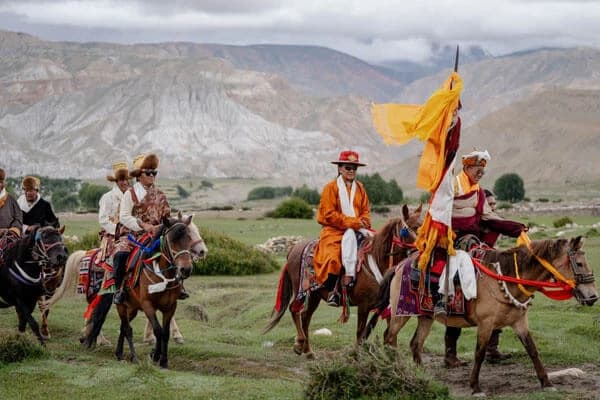
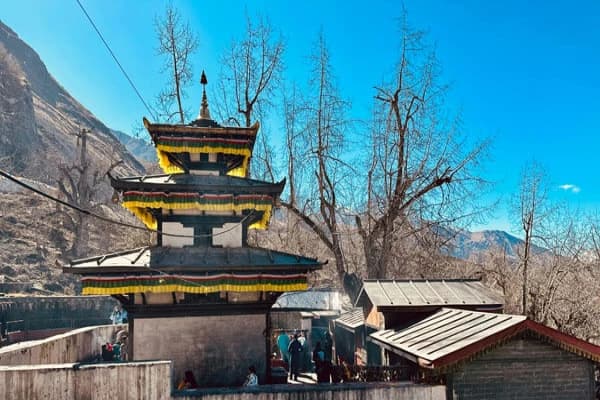
One of the most memorable parts of the trek is experiencing the Tibetan influenced culture in villages like Samagaon and Samdo. Life here is simple and deeply connected to Buddhism and the mountains. Along the trail, you will see prayer flags, mani walls carved with Buddhist prayers, spinning prayer wheels, and traditional stone houses. You can also visit important monasteries like Pungyen Gompa, an old Buddhist monastery surrounded by mountain views and glaciers. Locals still follow old traditions, wear traditional clothing, and depend on farming and yak herding in their daily life, which makes the villages feel very authentic and untouched.
The Peaceful and Less Crowded Trails
Unlike Everest Base camp Trek 15 days, the MBC Trek still feels quiet and less commercialized. You will not constantly pass large trekking groups or busy tea houses every day. Some parts of the trail feel almost empty except for the sound of rivers, wind, and yak bells in the distance. That peaceful atmosphere is honestly one of the biggest reasons many trekkers prefer Manaslu over more famous routes.
Reaching the Base Camp of Mount Manaslu
Getting close to Mount Manaslu is one of the biggest highlights of the entire journey. The closer you get, the more massive and unreal the mountain starts to feel. The base camp area is surrounded by glaciers, snow covered peaks, rocky landscapes, and cold mountain air that makes everything feel raw and powerful. It is the kind of place that reminds you how small you are compared to the Himalayas.
Birendra Lake and Mountains Views
Birendra Lake is one of the calmest and most beautiful spots on the trek. The lake sits quietly below huge snowy mountains, with bright blue glacial water that almost looks fake on clear days. Along with the lake, the trek also gives incredible views of the Manaslu region along with parts of the Ganesh Himal, Langtang, and Annapurna ranges. Early mornings are usually the best time, when the sunlight slowly touches the snowy peaks and the mountains begin glowing above the valleys.
How Long Does the Manaslu Base Camp Trek Take?
There’s no single fixed number, but in reality, the Manaslu Base Camp Trek usually takes around 14 to 18 days, depending on your route, pace, and how many rest days you take along the way.
Most itineraries start from the lower hills near Soti Khola and slowly climb through villages, forests, and river valleys inside the Manaslu Conservation Area before reaching the higher viewpoints close to Mount Manaslu. The trek isn’t something you rush altitude alone forces you to slow down, especially as you go higher.
A basic plan usually looks like this: a few days to reach the higher villages, several days of gradual ascent with acclimatization stops, a side trip toward Manaslu Base Camp, and then the descent back the same way. Some trekkers do it faster in about 12 to13 days, but that often feels tight and tiring. Others stretch it beyond 18 days to walk more comfortably and actually enjoy the trail instead of just finishing it.
How Much Manslu Base camp Trek Cost?
The cost of Manaslu Base Camp Trek usually falls between $900 to $2,500 USD, depending on your travel style, comfort level, and whether you go independently or with full support.
Since the route passes through the restricted region of the Manaslu Conservation Area and gets close to the massive Mount Manaslu, you cannot trek completely freely. Permits are mandatory, and most trekkers also hire a guide, which adds to the total cost.
If you are on a tight budget and keep things simple with basic teahouses and minimal services, you might spend around $900 to $1,200 USD. A more common option is a standard guided trek, which usually costs about $1,200 to $1,800 USD and includes permits, guide, porter, food, lodging, and transport. If you want extra comfort like better rooms, lighter loads, and smoother arrangements, the cost can go up to $2,000 to $2,500+ USD.
What are the Major Highlights of the Manaslu Base Camp Trek?
The Manaslu Base Camp Trek is not just about reaching a viewpoint it is more about everything you experience along the way. The route around Mount Manaslu inside the Manaslu Conservation Area feels remote, raw, and less touched compared to other popular trails, which is exactly what makes it special.
One of the biggest highlights is the constantly changing landscape. You start from lower river valleys, pass through dense forests, cross suspension bridges, and slowly move into high alpine terrain where everything feels more dramatic and open. Every few hours, the scenery feels like a different trek.
Another major highlight is the traditional mountain villages. Places along the trail still feel very local and simple, with stone houses, prayer wheels, monasteries, and people living a lifestyle closely connected to the mountains. It gives you a real cultural experience, not just a tourist stop.
The views of the Himalayas are another reason people come here. As you get higher, you start seeing massive snow peaks surrounding you, especially the close presence of Manaslu itself, which dominates the skyline in a powerful way.
Is the Manaslu Base Camp Trek hard?
Yes, the Manslu Base Camp Trek is considered moderately to fairly challenging, but not extreme if you are reasonably fit and prepared.
The trail around Mount Manaslu inside the Manaslu Conservation Area is not technically difficult in the sense of climbing or ropes, but it is demanding because of distance, altitude and terrain. You'll be walking long hours each day, often on steep uphill and downhill paths, stone steps and uneven mountain trails.
The biggest challenge is altitude. As you go higher, the air gets thinner, and your body takes time to adjust. If you rush, you will feel it quickly through fatigue, headaches, or slow pace. That is why most itineraries include slow ascent days and rest stops.
Another factor is remoteness. The facilities are simple, food options are basic, and the trek feels more raw compared to popular routes. You won’t find luxury comfort or easy access to quick transport if something goes wrong.
But here is the real thing: it is hard, but manageable. If you are used to walking, have decent stamina, and go at a steady pace without rushing, the trek becomes more about endurance than difficulty. So, the Manaslu Base Camp Trek is challenging, but still easier than theLarkya La Pass crossing.
Things You Should Know Before Trekking to Manaslu Base Camp
The Manaslu Base Camp Trek is beautiful, but it definitely asks you to be prepared. This is not the kind of trek where everything is easy and convenient. Once you leave the lower villages and move deeper into the Manaslu Conservation Area, things become much more remote and simple.
One of the first things people realize is how slow life feels on this trail. Roads disappear, phone signals fade, and your days become very basic, just walking, eating, resting, and repeating it all again the next morning. Because the region is restricted, you need special permits, and trekking with a licensed guide is usually required. Most people also hire a porter, not because they cannot carry their bag, but because carrying heavy weight at altitude for many days becomes exhausting faster than expected.
The tea houses along the route are simple but enough. Some places feel cozy, while others are very basic with thin walls, cold rooms, and shared toilets. Hot showers, charging devices, and WiFi are available in some villages, but don’t expect them everywhere, especially as you get closer to Mount Manaslu. And yes, the higher you go, the more expensive even simple things become because everything has to be carried up the trail.
Altitude is another thing you cannot ignore here. The trek is long enough that your body usually gets time to adjust, but only if you walk slowly. Trying to rush through the trail usually ends badly, either with exhaustion or altitude sickness. Good sleep, enough water, and patience matter more than trekking fast.
You should also carry enough cash from Kathmandu because there are no proper ATMs once the trek begins. Packing smart helps too. Warm clothes, waterproof layers, comfortable boots, and a few essentials matter far more than carrying extra unnecessary stuff.
Manaslu Base Camp Trek Permits and Paperworks
Before starting the Manaslu Base Camp Trek, there are a few important permits and documents you need to arrange. Since the trail passes through the restricted Manaslu Conservation Area, trekking here is more regulated compared to many other routes in Nepal.
The main document required is the Manaslu Restricted Area Permit, which is compulsory for foreign trekkers entering the region. Along with that, you also need the Manaslu Conservation Area Permit (MCAP). If your route continues toward the Annapurna side after crossing higher sections, you may also need the Annapurna Conservation Area Permit (ACAP).
As of recent trekking in Nepal rules, solo travelers are allowed to apply for the restricted area permit, so you no longer need to find another trekker just for permit approval. However, you still cannot trek completely independently. A licensed guide is mandatory, and permits are generally arranged through a registered trekking agency in Nepal.
It is also smart to carry a few copies of your passport, passport-sized photos, and travel insurance details because checkpoints along the trail may ask for them. Most agencies handle the paperwork process for you, so once everything is arranged properly, you can focus more on the trek itself rather than the formalities.
Should You Trek Solo or with a Guide?
For the Manaslu Base Camp Trek, most people end up choosing a guide, and honestly, it makes sense. The trekking trail inside the Manaslu Conservation Area is remote, long, and not always straightforward, especially once you move into the higher sections near Mount Manaslu. As of recent rules, you can travel as a solo trekker, but you still need a licensed guide for the restricted area permits. So technically, fully independent trekking is not allowed here.
And honestly, having a guide is not just about following regulations. A good guide helps with navigation, accommodation, weather conditions, local communication, and altitude related decisions. On difficult days, especially when the trail gets tiring or confusing, having someone experienced around makes the whole journey feel less stressful.
That said, if you enjoy quiet travel and personal space, you do not need to join a big trekking group. Many people do the trek with just themselves, a guide, and maybe a porter. It still feels peaceful and independent, just with a bit of support in the background.
So in the end, it really comes down to what kind of experience you want. If you prefer handling everything yourself, Manaslu may feel restrictive. But if you want a safer and smoother journey through one of Nepal’s more remote Himalayan regions, trekking with a guide honestly makes life much easier.
Things You Need to Packed for Manaslu Base Camp Trek
Packing list fo Manaslu Base Camp Trek is one of those things you only fully understand after a few days on the trail. At first, everything feels important. Then somewhere uphill, while catching your breath with a heavy backpack, you start questioning why you packed half of it.
The weather around Mount Manaslu changes fast, so layers matter more than bulky clothes. During the day, you might walk comfortably in a light shirt, but once the sun disappears, the cold arrives quickly. A warm down jacket, thermals, gloves, and a waterproof outer layer become the things you reach for the most.
Good trekking boots are non negotiable. The trail inside the Manaslu Conservation Area is long, uneven, and full of rocky sections, so comfortable boots with proper grip can honestly decide whether your day feels manageable or miserable.
The small things end up mattering too. A headlamp for dark mornings, a reusable water bottle, lip balm for dry air, sunglasses, sunscreen, and a power bank because electricity becomes less reliable as you go higher. Snacks are also worth carrying because after days of similar meals, even a small chocolate bar starts feeling valuable.
And probably the biggest lesson people learn on this trek is this: lighter bags make happier trekkers. You do not need ten outfits or extra unnecessary gear. The more simply you pack, the easier the journey usually feels.
Health and Safety Guide for the Manaslu Base Camp Trek
Once you move deeper into the Manaslu Conservation Area and closer toward Mount Manaslu, simple things like weather, altitude, and exhaustion start affecting your body more than you expect.
The biggest thing to watch for is altitude sickness. As the air gets thinner, your body needs time to adjust. Headaches, nausea, dizziness, loss of appetite, or unusual tiredness are signs you should not ignore. A lot of trekkers make the mistake of walking too fast because they feel fine at lower elevations, but higher up, slow and steady is always the smarter approach.
Hydration matters more than people realize. The cold weather can trick you into thinking you are not sweating much, but your body still loses water constantly at altitude. Drinking enough water, eating properly, and getting enough rest can make a huge difference in how your body handles the trek.
The trails themselves are generally manageable, but some sections are steep, rocky, and slippery, especially after rain or snow. Good trekking boots, careful footing, and not rushing downhill will save you from unnecessary injuries.
Weather can also change quickly in the mountains. Sunny mornings sometimes turn into cold windy afternoons, so carrying proper layers and rain protection is important even during the best trekking seasons.
It is also smart to carry a small first aid kit with basic medicines, blister care, pain relief, and anything personal you may need because medical help becomes limited once you are far into the trail.
Common Mistakes to Avoid on the Manaslu Base Camp Trekking Trails
A lot of people think the hardest part of the Manaslu Base Camp Trek is the altitude or the long walking days. Sometimes it is actually the small mistakes that slowly ruin the experience. The trail inside the Manaslu Conservation Area is remote enough that poor decisions become much more noticeable once you are already deep in the mountains near Mount Manaslu.
One of the most common mistakes is rushing. People get excited, walk too fast in the beginning, and then feel completely drained after a few days. At altitude, speed does not help. Walking slowly and steadily is what actually gets you farther.
Another mistake is overpacking. Many trekkers arrive with bags full of things they never use. After hours of uphill walking, every unnecessary item starts feeling heavier than it looked back in Kathmandu.
Ignoring altitude symptoms is another big one. Headaches, dizziness, or nausea are not things to “push through” just to stay on schedule. The mountains do not care about your itinerary, and forcing yourself higher too quickly usually makes things worse.
Some people also underestimate how basic the trek can feel. Internet becomes unreliable, charging devices costs extra, rooms are simple, and food options become repetitive at higher villages. Expecting comfort everywhere usually leads to disappointment.
And finally, many trekkers focus so much on reaching the destination that they forget to actually experience the trail itself. Manaslu is one of those places where the quiet villages, rivers, forests, and slow mountain life are just as memorable as the base camp itself.
Conclusion: Manaslu Base Camp Trek
The Manaslu Base Camp Trekking in Nepal is not about rushing to the end, it’s more about the whole walk itself. You go through quiet villages, river valleys, forests, and slowly start seeing bigger and bigger mountains as you move deeper into the Manaslu region. It’s simple life on the trail, basic places to stay, long walking days, and a bit of altitude challenge in between.
In the end, it’s the kind of trek where you don’t just “reach” somewhere, you actually experience the whole journey. And when you finally get close to Mount Manaslu, everything feels worth it in a quiet, natural way. Nothing fancy, just mountains, the trail, and you walking through it step by step.