Are you looking for short adventure in Nepal? Nepal Helicopter Tour is a perfect choice. It is one of the easiest and most memorable ways to see mountains along with the beautiful landscape. You can reach high mountain destinations quickly and comfortably without long walks or challenging trekking trails. Without spending 10 to 15 days hiking or trekking, you can now experience it in a single scenic helicopter flight.
In just a few hours, you can enjoy close up views of snow-covered peaks, glaciers, deep valleys, and beautiful villages. You can also enjoy famous places and mountains without trekking such as Mount Everest (World’s Highest Mountain), Annapurna, Langtang Valley, Gosaikunda Lake, and remote trekking regions like Upper Mustang. Most flights depart from Kathmandu or Pokhara which include scenic routes with landings at highest viewpoints.
These helicopter tours Nepal are suitable for all ages which include families, senior travelers, and those looking for a more comfortable or luxury experience. Flights are operated by experienced pilots using modern helicopters and follow strict safety standards to ensure a smooth and secure journey. For more information, you can contact Nepal Trekking Routes to help plan and arrange your scenic mountain flight Nepal.
Popular Routes for Helicopter Tour in Nepal
There are many best helicopter tours in Nepal, but some of the most popular ones are listed below:
Kathmandu to Mount Everest Base Camp by Helicopter
Everest Base Camp trek is one of the most popular trekking routes in Nepal. Through the flight, you can fly over traditional sherpa villages, glaciers, and high Himalayan peaks. The major highlight of this trek is to get the closest views of World’s Highest Mountain, Mount Everest alongside with Lhotse, Nuptse and Ama Dablam.
The tour begins with a scenic helicopter flight from Kathmandu to the Everest region, passing over Lukla, Namche Bazaar, and the Khumbu Glacier. The helicopter lands near Everest Base Campby a stop at Kalapatthar for amazing mountain views. By that time, you might feel a little dizzy or short of breath at highest altitudes. Also, strong winds or sudden weather changes can also affect the flight. But, these small challenges make the adventure even more exciting. The return flight includes a short break at a high-altitude hotel in Everest before flying back to Kathmandu.
The duration of flight is almost 50 minutes. But the total time from leaving Kathmandu airport to returning is around 3.5 to 4 hours. The tour is flexible, so you can spend more time at spots you like or adjust your schedule based on the weather. This way, you get a full Everest experience without spending days trekking.
Pokhara to Annapurna Base Camp by Helicopter
Pokhara to Annapurna Base Camp is perfect for the people who want to explore the Annapurna region without long and challenging treks. You can get the close views of some of Nepal’s most famous mountains like Machapuchare, Annapurna I, Hiunchuli, and many more.
The flight begins from Pokhara, the main gateway to the Annapurna Base camp trek. In about 35 minutes, the helicopter reaches Annapurna Base Camp Helicopter Tour. The route passes over lush hills, rivers, and local villages before entering the Annapurna Sanctuary. You also have a chance to see rare alpine flora. The helicopter lands atAnnapurna Base Camp, where you can spend time enjoying the peaceful surroundings, taking photos, and experiencing the beautiful landscape before flying back to Pokhara.
You can plan the tour based on your interests, whether you want extra time to take photos, or just enjoy the scenery. The total round trip from Pokhara airport usually takes around 2 to 2.5 hours.
Kathmandu to Langtang Valley & Gosaikunda Helicopter Tour
The Langtang and Gosaikunda is a quieter and less crowded option compared to Everest and Annapurna. Langtang is known for its natural beauty and Tamang culture, while Gosaikunda Lake is an important religious place for Hindus.
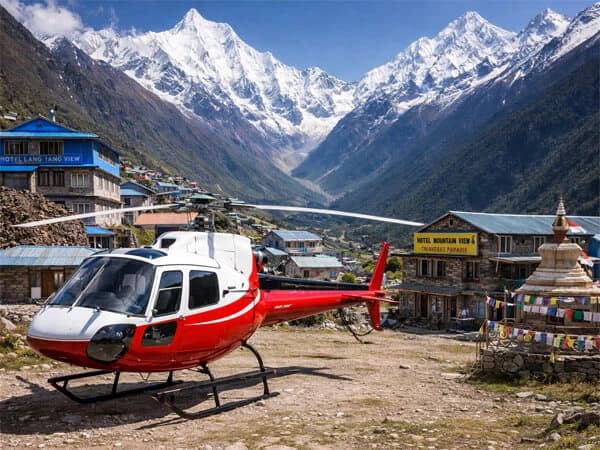
The flight departs from the domestic terminal of Tribhuvan International Airport (TIA) in Kathmandu and flies north toward the Langtang region with views of hills, forests, deep valleys, glaciers, and snow-covered peaks. Along the route, you can see forests, hills, deep valleys, glaciers, and snow-covered peaks, where you can walk around the lake and enjoy the peaceful surroundings.
Flight Duration (one way):
- Kathmandu to Langtang Valley: 45–55 minutes
- Langtang Valley to Gosaikunda Lake: 50–60 minutes
Kathmandu to Muktinath Helicopter Tour
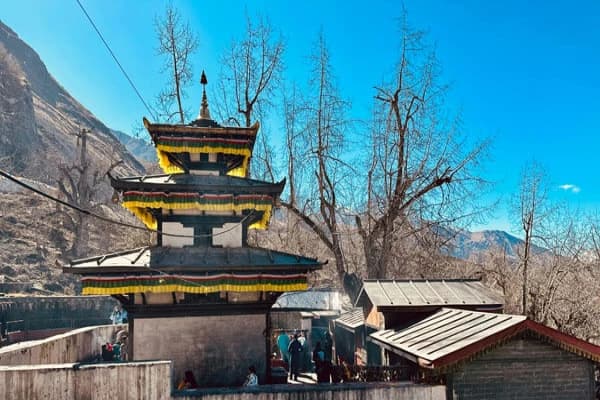
Muktinath is a sacred site for Hindus and Buddhists, located in the Mustang region. That’s why the Muktinath helicopter tour is popular among both pilgrims and adventure travelers.
During the roughly one-hour flight, you can enjoy views of the Annapurna and Dhaulagiri mountain ranges, deep valleys, and the unique landscapes of Mustang. After landing near Muktinath Temple, you can pray at the main temple, take a holy bath under the 108 water spouts, and visit the eternal flame at Jwala Mai Temple.
Before you go, you might have some questions. How much time will I get at the temple? Can I participate in the rituals? Are there any restrictions on photography? How high is the landing site and will I feel altitude effects? The tour is flexible and so many of these can be planned according to your interests.
Pokhara to Upper Mustang Helicopter Tour
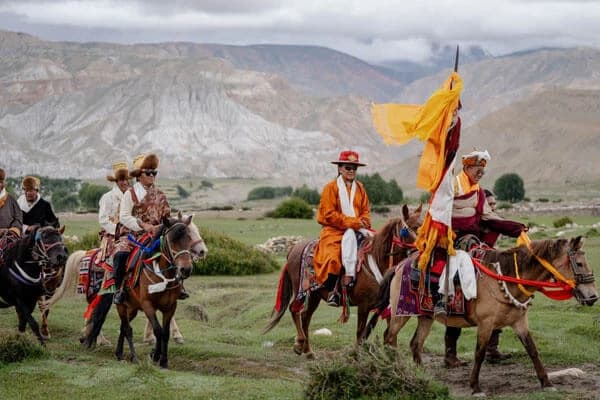
Upper Mustang is completely different from other parts of Nepal. The Upper Mustang Helicopter Tour takes you to one of Nepal’s most remote and culturally unique regions. It is known for its dry landscapes, ancient caves, monasteries, and Tibetan influenced culture.
During the Pokhara to Upper Mustang Helicopter Tour, you can enjoy a scenic flight of about 50–60 minutes from Pokhara, passing over amazing landscapes, deep gorges, and the Kali Gandaki Valley before reaching Lo Manthang. After landing, you can walk around the ancient walled city, visit old monasteries, see traditional mud-brick houses, and experience the unique Tibetan-influenced culture of the region. You may also explore nearby caves, interact with local people, and take photos of the quiet, desert-like scenery.
Kathmandu to Rara Lake Helicopter Tour
The Rara Lake Helicopter Tour is ideal for travelers who want a peaceful and less visited destination. Rara Lake is the largest lake located in western Nepal and is surrounded by forests and mountains.
During the flight, you can enjoy beautiful views of rural villages, winding rivers, hills, and mountain landscapes. After landing near the lake, you can walk along the lakeshore, enjoy the calm and fresh environment, and take photos of the clear blue water.
Kathmandu to Manaslu Region Helicopter Tour
The Manaslu Helicopter Tour views Mount Manaslu, the eighth-highest mountain in the world. This route is less crowded and perfect for travelers looking for a quiet Himalayan experience.
The flight lasts about 50–60 minutes one way and passes over rivers, terraced fields, remote villages, dense forests, and glaciers before reaching the Manaslu region. The landing points of this trek depend on weather and terrain conditions.
Customized Helicopter Tour Routes
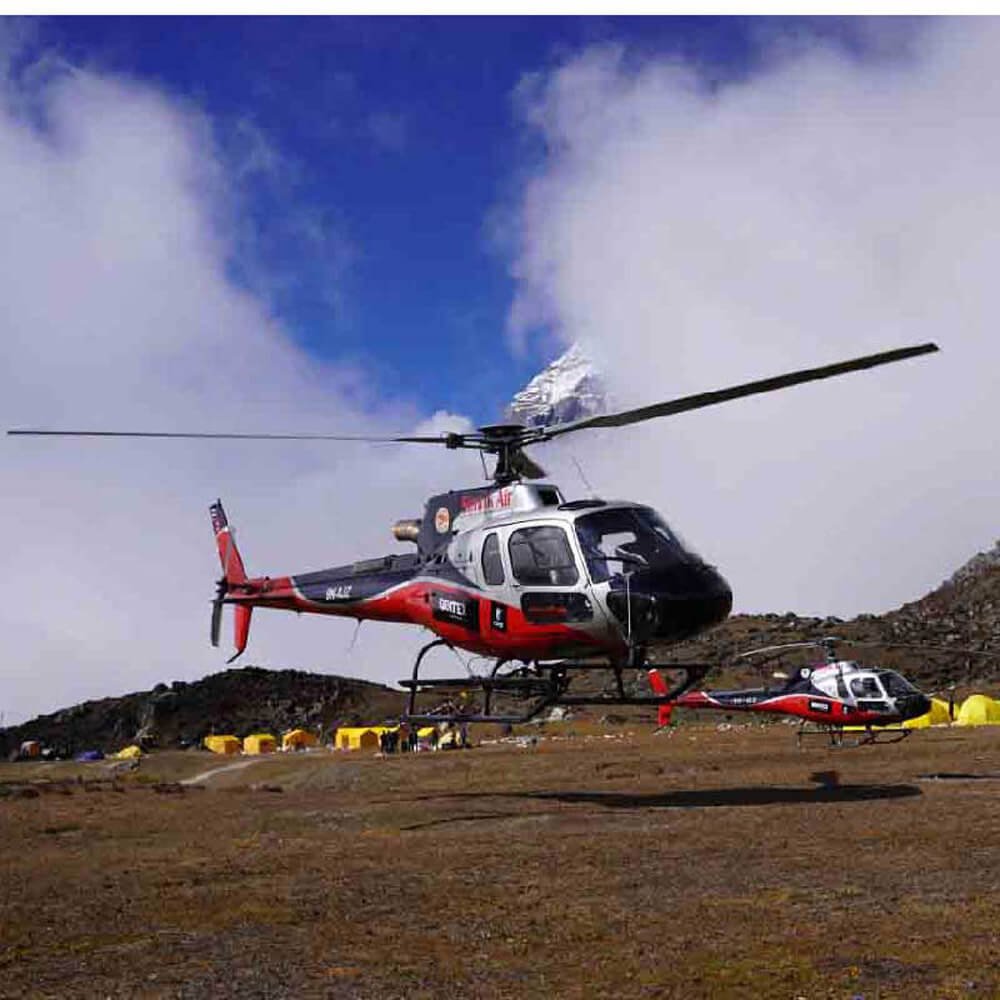
Customized helicopter tours let trekkers design their own routes based on interests, time, and budget. These tours may include destinations such as Everest region viewpoints, Upper Mustang, Rara Lake, Muktinath, Manaslu, or other remote locations.
Tours usually start from Kathmandu or Pokhara, and the route, landing points, and flight duration are planned in advance. The route offers flexibility, privacy, and enough time for sightseeing, photography, or short walks before returning the same day or continuing to another destination.
Helicopter Types Used in Nepal
Nepal helicopter tours are operated using modern aircraft designed for high-altitude Himalayan flying. Common helicopter models include:
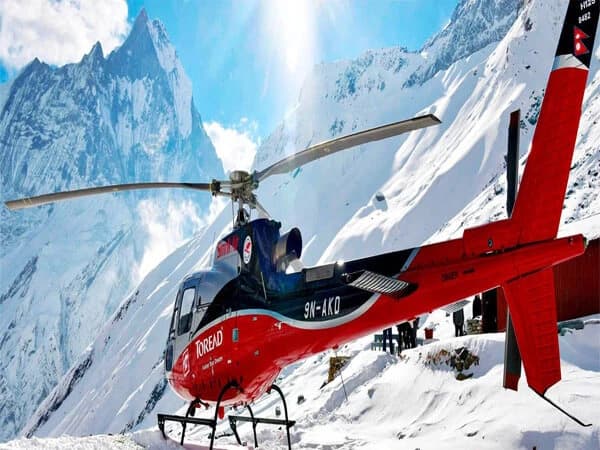
- Airbus H125 / AS350 B3: The Airbus H125 (AS350 B3) is one of the most popular helicopters for Himalayan tours. It is known for its excellent high-altitude performance which is perfect for flights over mountains and remote regions. The helicopter has large windows, comfortable seating, and smooth handling and easy to get panoramic views of peaks, valleys, glaciers, and rivers during the journey.
- Bell 407: The Bell 407 is another commonly used helicopter for scenic flights in Nepal. It is praised for its stability, reliability, and quiet operation.The helicopter has spacious seating and large windows which gives you an unobstructed view of the Himalayas, lakes, and forests, while ensuring a safe and comfortable flight through out the tour.
Why Choose a Helicopter Tour in Nepal?
A helicopter sightseeing in Nepal is a comfortable way to explore the Himalayan region. The tour provides direct access to remote mountain areas that are otherwise difficult to reach and helps travelers avoid long and physically demanding treks.
A helicopter tour in Nepalalso gives you more freedom and flexibility during your trip. You are not tied to a long trekking plan or fixed daily schedule. You can choose where you want to fly, stop for photos at scenic places, and return on the same day. This makes your journey feel more personal and special which allows you to enjoy the Himalayas on your own way.
Mountain flight Nepal are operated with high safety standards and contain a smooth, comfortable journey suitable for all age groups. They are especially appealing to luxury travelers, families, and photographers, as they combine convenience with exclusive aerial views and flexible travel plans to enjoy the Himalayas with ease. Let’s see few reasons below:
Views impossible to experience while trekking
During the flight, you can see the full scale of peaks like Everest, Lhotse, Annapurna, and surrounding mountains at once. Trekkers usually see mountains from limited angles, but a helicopter shows the entire region, including icefalls, crevasses, and high-altitude plateaus. Also, you can see deep valleys, massive glaciers, winding rivers, and remote villages. Many hidden landscapes and natural patterns are only visible from above.
Time efficient travel
Luxury Travel Nepal avoid long and crowded trekking trails. This reduces pressure on popular routes and saves days or weeks of travel time. You can reach major viewpoints directly without physical strain or trail blockage.
Comfortable access to remote locations
Many high altitude areas, glaciers, and alpine lakes are difficult or impossible to reach on foot. Helicopters land close to these locations so that you can explore remote Himalayan spots without long ascents.
Maximum experience in minimal time
In just a few hours, you can experience the world's highest mountain and beautiful landscapes. This makes helicopter tours ideal for travelers with limited time who still want a complete Himalayan experience.
Best Time for Nepal Helicopter Tours
Spring (March–May) and autumn (September–November) are the most favorable seasons for helicopter tours in Nepal. In these months, weather is stable and skies are clear which provide excellent mountain visibility. These seasons are ideal for flying to high-altitude destinations like Everest Base Camp Hike and Annapurna Base Camp summit. Mild temperatures and reliable conditions also allow for smoother flights and better landing opportunities.
Note: Winter (December–February) and the monsoon season (June–August) are less predictable but possible with proper planning. Flights during these periods depend on daily weather and visibility, so flexibility is required.
Cost of Nepal Helicopter Tour
The cost of a helicopter tour in Nepal varies depending on the destination, flight duration, group size, locations, and season. There are two options, shared helicopter tours cost and private charter flights cost available for helicopter flight. You can choose any of these according to your budgets and travel preferences.
| Helicopter Tour Types |
Cost ( USD) |
| Everest Base Camp Helicopter Tour ( shared) |
1100 - 1400 per person
|
| Everest Base Camp Helicopter Tour ( Private charter) |
4800 - 6000 Per flight |
| Annapurna Base Camp Helicopter Tour ( shared) |
750 - 1000 Per person |
| Annapurna Base Camp Helicopter Tour ( Private charter) |
3500 - 4500 Per flight |
| Langtang Valley Helicopter Tour |
2800 - 3500 Per flight |
| Gosaikunda Helicopter Tour |
2200 - 3000 Per flight |
| Muktinath Helicopter Tour |
3800 - 4500 Per flight |
| Upper Mustang Helicopter Tour |
4800 - 6500 Per flight |
| Rara Lake Helicopter Tour |
5500 - 7000 Per flight |
| Manaslu Region Helicopter Tour |
4500 - 6000 Per flight |
| Kathmandu Valley sightseeing helicopter Tour |
600 - 1200 Per flight |
| Pokhara Valley sightseeing helicopter Tour |
500 - 900 Per flight |
| Annapurna Base Camp Helicopter Tour from Pokhara(shared) |
550 Per flight |
| Annapurna Base Camp Helicopter Tour from Pokhara(Private) |
2500 Per flight |
Booking Helicopter Tour in Nepal
There are various ways to book a helicopter tour in Nepal. Each option has its own benefits depending on your budget and the level of flexibility. You can book through a local travel agency, join a group tour to reduce costs, or arrange a private charter for a more personalized experience. Booking in advance also helps you secure your preferred date and flight route especially during peak seasons. Here are few ways that you can book your flight:
Local Nepal Tour Operators
Booking through a licensed local trekking and tour company in Nepal is the most reliable and cost-effective way to arrange a helicopter tour. Through Local tour Operators company, you can get better pricing by avoiding international middlemen, provide flexible itineraries and custom routes, and coordinate directly with helicopter companies. They also manage airport transfers, permits, landing fees, and monitor weather conditions for rescheduling if needed.
Either, you can book directly through online booking through their official websites, email inquiries, or WhatsApp and phone calls which is easy customization of the tour.
Authorized Helicopter Companies in Nepal
CAAN ( Civil Aviation Authority of Nepal) authorizes several helicopter companies for operations in Nepal. These operators are mainly based in Kathmandu and Pokhara and are commonly used for private charters, sightseeing, pilgrimages, and emergency flights. Booking is done directly with the operator or through a licensed travel agency by sharing flight details such as route, date, and passenger information.
Since these flights are private and non-shared, prices are usually higher, and services are generally limited to the flight itself which is the most suitable option for custom travel or emergencies only.
International Travel Agencies
As a part of luxury Helicopter tour packages in Nepal, some international adventure travel agencies provide Nepal Helicopter tours. These types of booking are usually more expensive due to added commissions and are less flexible when weather conditions change. Also, they have limited local coordination compared to booking directly with a Nepal-based operator.
Note: Hotels in Kathmandu and Pokhara do not operate helicopter tours themselves. They can only assist guests by connecting them with CAAN-authorized helicopter operators or licensed travel agencies (most recommended). The hotel shares the guest’s request, after which the operator provides availability, pricing, and flight approval. Because this is a third-party arrangement, bookings often involve higher costs, fixed schedules, and limited flexibility.
Permits Required for Nepal Helicopter Tours
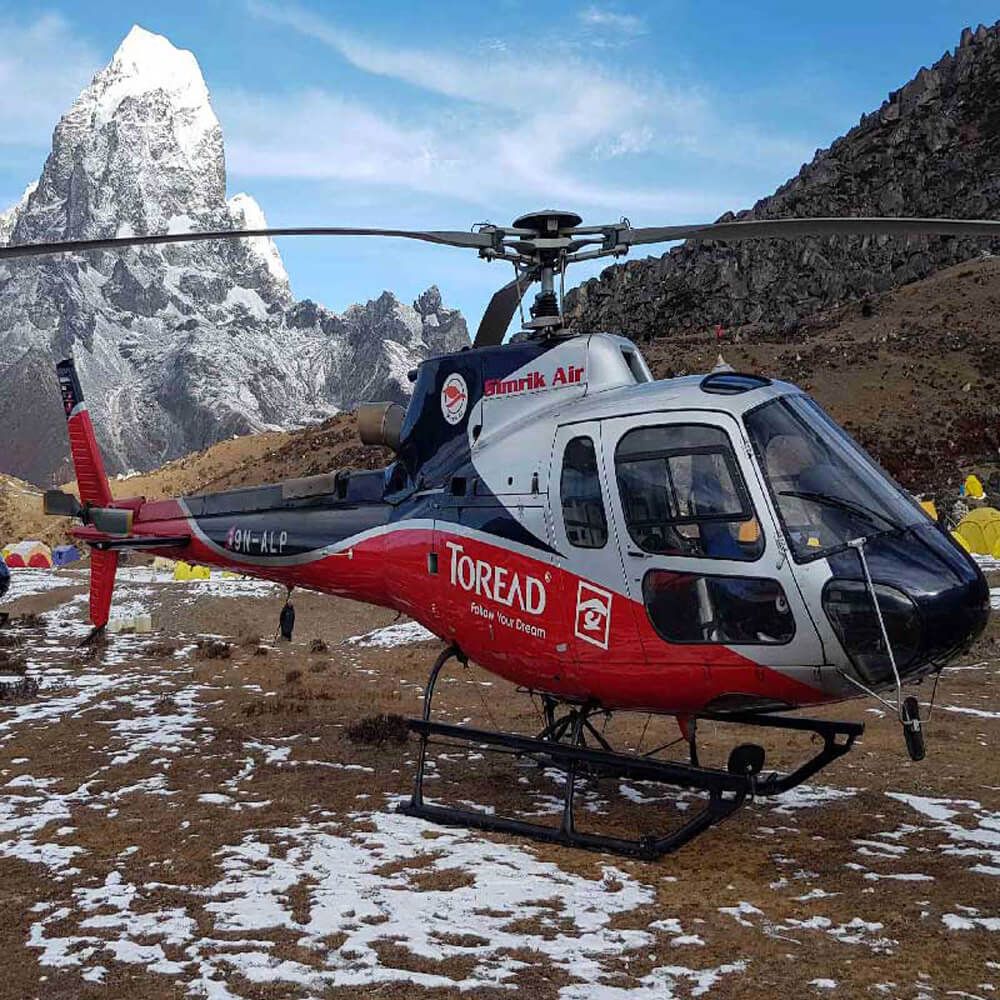
Helicopter tours in Nepal do not operate freely over all regions. Many of the popular destinations lie inside national parks and restricted areas. Because of this, the Government of Nepal requires specific permits depending on where the helicopter flies or lands. These permits apply even for short landings and scenic flights. Each permit plays an important role in protecting the environment, managing tourism, and maintaining safety in high-altitude regions.
Sagarmatha National Park Permit (Everest Region)
Any helicopter tour entering the Everest region requires a Sagarmatha National Park Permit. This includes flights to Everest Base Camp, Kalapatthar, and nearby viewpoints. Sagarmatha National Park is a UNESCO World Heritage Site. It protects Mount Everest, major glaciers, alpine valleys, and traditional Sherpa settlements. Due to its global importance and fragile environment, access to the area is carefully regulated.
The permit is required whether the helicopter lands or simply flies within the park boundary. Even short ground stops at Kalapatthar or nearby areas fall under this regulation.
Annapurna Conservation Area Permit (ACAP)
The Annapurna Conservation Area Permit, commonly known as ACAP, is required for helicopter tours in the Annapurna region. This includes Annapurna Base Camp and surrounding mountain areas.
The Annapurna Conservation Area is Nepal’s largest protected region. It covers a wide range of landscapes, from green hills and forests to high alpine terrain and glaciers. Tourism in this region is managed to balance conservation and local community development. Any helicopter flight entering or landing within the Annapurna Conservation Area must carry a valid ACAP permit, regardless of how long the helicopter stays on the ground.
Langtang National Park Permit
Helicopter tours visiting Langtang Valley or Gosaikunda Lake require a Langtang National Park Permit. Langtang National Park protects dense forests, alpine meadows, glaciers, and culturally rich Tamang villages. It is also home to rare wildlife and important water sources. Because of this, tourism activities are monitored closely. The permit applies to helicopter flights that land inside the park or operate at low altitude for sightseeing purposes.
Restricted Area Permit (Upper Mustang)
Helicopter tours to Upper Mustang require a Restricted Area Permit. This includes flights to Lo Manthang and nearby locations. Upper Mustang is considered a sensitive region due to its unique Tibetan-influenced culture, ancient monasteries, and proximity to the Tibetan border. The landscape is fragile, dry, and easily affected by increased tourism. For these reasons, access is strictly controlled. The Restricted Area Permit must be arranged in advance and follows stricter regulations than national park permits.
Note: Travelers do not need to apply for permits themselves, as licensed helicopter tour operators handle all arrangements, including paperwork and approvals. In most cases, the permit costs are included in the tour package, allowing travelers to focus on the experience without any administrative concerns.
Challenges faced for Helicopter tour in Nepal
You might face challenges during your helicopter tour in Nepal. Weather conditions can change quickly in the mountains, which may cause delays or rescheduling of flights. In some cases, limited landing time at high-altitude locations can also affect how long you stay and explore. Below you can see a few of them are mentioned.
Weather Uncertainty
One of the main challenges you may face during a helicopter tour in Nepal is unpredictable weather. In the Himalayan region, weather can change very quickly, especially at high altitudes. Fog, strong winds, snowfall, or poor visibility may cause your flight to be delayed or canceled, even if the weather looks clear at the start of the day. This is why you should always keep some flexibility in your travel plans.
Altitude Sickness & Safety
Altitude is another critical factor for flights in the Himalayas. To minimize the risk of altitude sickness and handle rapidly changing weather conditions, operators carefully manage ascent rates, limit time spent at high elevations, and continuously monitor weather. By adhering to approved flight regulations and making real time decisions, they ensure passenger safety throughout the journey.
High Operating Costs
Helicopter tours are expensive because of the high costs involved in operating them. You are paying for fuel, skilled pilots, aircraft maintenance, insurance, airport charges, landing and take-off fees and permits cost. Because of these factors, helicopter tours usually cost more than Nepal trekking or road travel which may not fit every traveler’s budget.
Weight and Capacity Limitations
Helicopters have strict weight limits to ensure safety, especially when flying to high-altitude destinations. You will be weighed along with your luggage before the flight, and only a limited amount of baggage is allowed. If weight limits are exceeded, your flight may be adjusted, delayed, or split into multiple trips.
Limited Landing Time at High Altitude
At high-altitude landing points such as Kalapatthar or Annapurna Base Camp, you are allowed to stay only for a short time. This limited landing time helps reduce the risk of altitude sickness and ensures safe helicopter performance. You should follow the crew’s instructions and avoid heavy physical activity while on the ground.
Travel Insurance Requirement
Travel insurance is mandatory for all helicopter tours in Nepal. The policy should include coverage for high-altitude flights, medical emergencies, and helicopter evacuation. This ensures financial protection in case of unexpected situations.
Clothes required for Nepal Helicopter Tour
Although a Nepal helicopter tour doesn’t require long walking, still you fly in the high altitude regions where temperatures aren’t stable. That’s why proper clothing is required for warmth and protection for sickness. Here are few clothes that you should add to you luggage before helicopter tour in Nepal:
- Warm insulated jacket
- Windproof and waterproof jacket
- Thermal base layer (top)
- Thermal base layer (bottom)
- Long-sleeve shirts
- Warm trekking pants
- Water-resistant pants
- Woolen cap or beanie
- Insulated gloves
- Comfortable walking shoes or trekking boots
- Thick woolen socks
- Scarf or neck warmer
- Sunglasses with UV protection
- Sun hat or cap
- Sunscreen and lip balm
Conclusion: Helicopter Tour in Nepal
A Nepal helicopter tour is the easiest and most spectacular way to experience the Himalayas for the amazing views of Everest, Annapurna, Langtang, and other remote regions without long treks. These tours are safe, comfortable, and suitable for all travelers with a chance to explore high-altitude landscapes, glaciers, valleys, and traditional villages from the sky in a short amount of time.
Whether you choose a shared flight, private charter, or customized route, a helicopter ride in Nepal combines convenience, breathtaking scenery, and unforgettable memories. Book your Nepal helicopter tour and experience the adventure of a lifetime!
FAQs
How much does the Mount Everest helicopter tour cost?
The cost ranges from USD 1,100–1,400 per person for a shared flight and USD 4,800–6,000 for a private charter. But, prices depend on the type of flight, the duration, and also the helicopter operator. Shared flights are more affordable and follow fixed schedules, while private charters contain flexibility in timing and routes. Additional charges may apply for extra passengers, special requests, or landing at specific locations.
How long is the helicopter ride from Kathmandu to Everest Base Camp?
The flight usually takes about 60–90 minutes one way. The exact duration depends on weather conditions, the helicopter type, and the chosen route. Most tours include a short stop at Everest Base Camp or nearby viewpoints for photos before returning to Kathmandu which makes the total round-trip around 3 to 4 hours.
Is a helicopter tour safe in Nepal?
Yes, the helicopter tour is safe in Nepal because it follows strict aviation safety standards with experienced pilots and well-maintained helicopters. All operators are CAAN-authorized, and flights are conducted with proper weather checks and air traffic clearance. Helicopters are regularly inspected to ensure reliability and passenger safety.
Can I land at Everest Base Camp by helicopter?
No, you can’t directly land at Everest Base Camp, the helicopter lands nearby at Kalapatthar. From Kala Patthar, passengers can take short walks for photographs and enjoy panoramic views of Mt.Everest. Landing directly at the base camp is not allowed due to safety and environmental regulations.
How many people fit in one helicopter?
Most sightseeing helicopters can carry 4 - 5 passengers, while larger private charters may hold 8 to12. The number of people depends on the helicopter type, weight limits, and baggage. Smaller helicopters are ideal for short sightseeing tours, while larger helicopters are used for private charters or longer flights.
When is the best season for a helicopter tour in Nepal?
The best seasons for Nepal Helicopter Tour are Spring (March–May) and Autumn (September–November) for a helicopter tour in Nepal. During these months, the weather is generally clear with minimal clouds which provides excellent visibility of the mountains and landscapes. Winter can be cold with occasional snowstorms, and the monsoon season (June - August) often brings heavy rain and poor visibility due to which flights are less reliable.
What is the best time of day for Everest Base Camp Helicopter Tour?
The best time of day for Everest Base Camp Helicopter Tour is early morning (6:00–8:00 AM). During this time, the skies are usually clear, and the sunlight lights up the mountains beautifully for the best visibility and photo opportunities. Later in the day, clouds and wind can reduce visibility, especially over high-altitude peaks.
Is altitude sickness a problem during the tour?
Not actually, the risk is low but mild symptoms may occur during the tour. Helicopter tours reach high altitudes quickly where you have only a short time at elevation, which reduces the chance of severe altitude sickness. You may experience slight headaches, dizziness, or shortness of breath, but these symptoms usually go away quickly once back at lower altitudes.
How long can we stay at Kalapatthar?
You can usually stay 10 to15 minutes at Kalapatthar. The short stop allows passengers to take photographs and enjoy panoramic views of Mount Everest and the surrounding peaks. Helicopters need to maintain schedules and consider weather conditions, so longer stays are generally not possible.
What if the flight is canceled because of bad weather?
The tour may be delayed, rescheduled, or refunded based on the policy if the flight is canceled because of bad weather. Safety is the top priority, so flights are only conducted under clear and stable conditions. Passengers are advised to remain flexible with schedules, and operators usually provide updates and options as soon as possible.
How much luggage can I carry?
You can carry about 3 - 5 kg per person. Helicopters have limited space and strict weight restrictions for safety. It’s recommended to bring only essential items such as a small backpack, camera, water, and warm clothing. Larger luggage is usually not allowed.
Are shared and private helicopter tours available?
Yes, both shared and private options are available. Shared tours are more affordable and follow fixed schedules which allows multiple passengers to fly together, while private tours are flexible in timing, routes, and stops ideal for groups or travelers who want a customized experience.