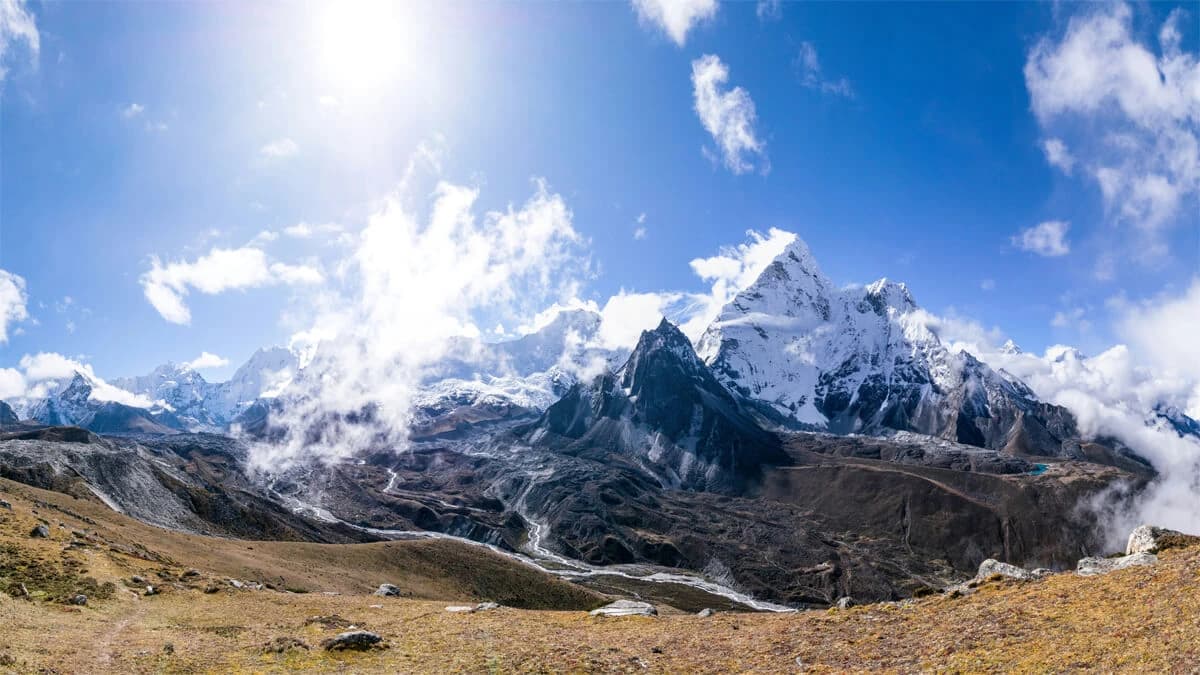
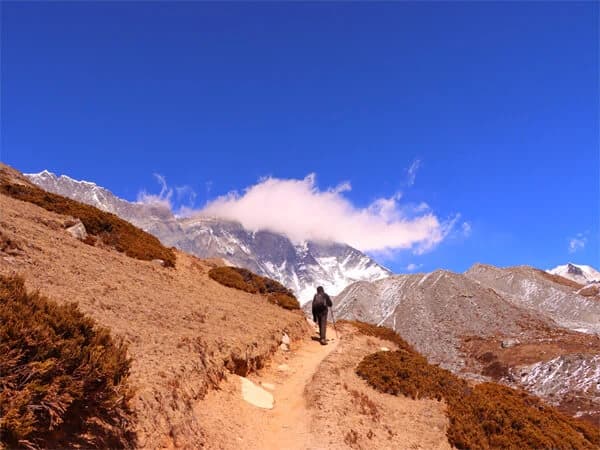
Everest Three Pass trekking Itinerary is one of the most adventurous journeys in Nepal, taking you across three high mountain passes, Kongma La, Cho La, and Renjo La, while also leading you through famous places like Everest Base Camp, Gokyo Lakes trek, and the lively mountain town of Namche Bazaar.
But this trek is not only about big mountains and challenging trails. It is also about the experience of walking through peaceful Sherpa villages, crossing suspension bridges above deep valleys, watching sunrise views over snow-covered peaks, and feeling completely surrounded by the beauty of the Himalayas. Every day on the trail brings something different, which is what makes this journey feel so special.
The Everest Three Pass Trek itinerary is usually planned over several days to give your body enough time to adjust to the high altitude while allowing you to enjoy the journey at a comfortable pace. It is a long trek, yes, but for those who love adventure, mountain landscapes, and a route that feels truly rewarding, this is one of the best trekking in Nepal has to offer.
Everest Three Pass Trek Route Overview
Theroute of the Everest Three Pass Trek is what makes this journey so exciting. Unlike regular trekking routes that follow one main trail and return the same way, this trek takes you on a complete mountain circuit through the beautiful Everest region. That means you keep moving forward, exploring new landscapes, villages, and valleys almost every day, which makes the journey feel fresh from beginning to end.
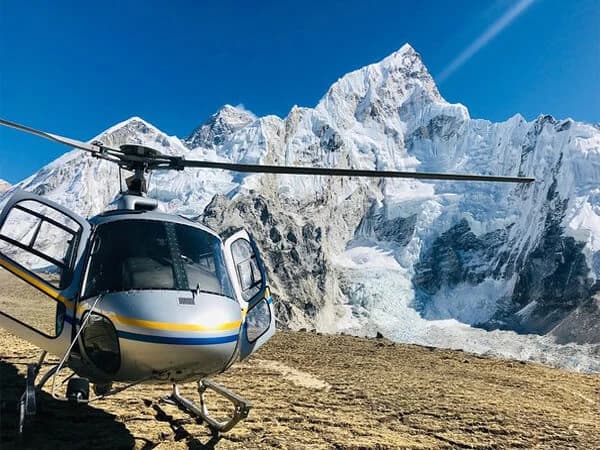
Most trekkers begin with a scenic flight to Lukla Airport, often called the gateway to the Everest region. From there, the trail passes through charming villages like Phakding and Namche Bazaar, where trekkers usually spend time acclimatizing before heading higher into the mountains.
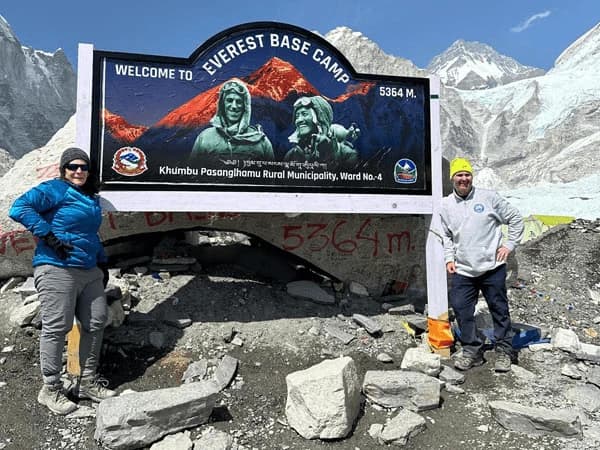
As the trek continues, you cross the three famous high passes, Kongma La Pass, Cho La Pass, and Renjo La Pass, each offering its own challenge and unforgettable mountain views. Along the way, you also visit iconic places like Everest Base Camp, climb up to Kala Patthar for one of the best close-up views of Mount Everest, and explore the stunning turquoise waters of Gokyo Lakes.
What makes this route truly special is the variety. One day you may be walking through forests and villages, the next day crossing rocky high-altitude passes, and another day standing beside peaceful glacial lakes with giant Himalayan peaks all around you. It is a route that feels wild, beautiful, and deeply rewarding from start to finish.
Everest Three Pass Trek Itinerary
The Everest Three Pass Trekking in Nepal is one of the most adventurous treks in Nepal. You will walk through deep valleys, cross high mountain passes, visit famous villages, and see some of the highest mountains in the world. This trek usually takes around 18 to 21 days. Every day you walk for 4 to 8 hours, stay in simple tea houses, and enjoy incredible Himalayan views.
Classic Route
The classic Everest Three Pass route is the most common and well balanced way to complete this trek. It usually begins with a flight to Lukla, followed by a gradual walk through Phakding and up to Namche Bazaar, where trekkers take time to rest and adjust to the altitude. From here, the journey slowly builds up as you move toward Everest Base Camp and Kala Patthar, giving you close and unforgettable views of Mount Everest along the way.
After experiencing the Everest Base Camp side, the route continues into the high mountain section, where you cross the three challenging passes Kongma La, Cho La, and Renjo La. Each pass brings a different kind of landscape, from rocky climbs to glacier crossings and wide mountain views. After completing the passes, the trail gently descends back through familiar valleys and villages. This route is popular because it feels natural in flow, combining Everest Base Camp, high passes, and scenic valleys in one complete journey.
Alternative Route for Everest Three Pass Trek
The alternative Everest Three Pass route follows a slightly different and less traditional direction. Instead of heading straight toward Everest Base Camp, the journey often begins by moving toward the peaceful Gokyo Valley. This gives trekkers a quieter start, with beautiful views of turquoise lakes and wide open landscapes surrounded by high peaks. One of the early highlights is crossing Renjo La Pass, which connects the Gokyo region with the rest of the Everest trekking trail.
After exploring the Gokyo side, the route then leads toward Everest Base Camp and Kala Patthar, where you get closer views of Mount Everest and the busy trekking atmosphere. From there, the journey continues through Cho La Pass and finally Kongma La Pass before descending back to lower villages. This route is preferred by trekkers who want a more gradual altitude gain and a different perspective of the Everest region, especially with the peaceful Gokyo section coming before the main Everest Base Camp experience.
Acclimatization Days in Everest Three Pass Trek
Acclimatization days are one of the most important parts of the Everest Three Pass Trek itinerary. Since the trek reaches very high altitudes above 5,000 meters, your body needs time to slowly adjust to the thinner air. Without proper acclimatization, the risk of altitude sickness becomes much higher, which is why most itineraries include planned rest days before moving higher into the mountains.
One of the first acclimatization stops is usually Namche Bazaar. Trekkers often spend an extra day here after arriving from Phakding. Instead of staying completely inactive, most people take short hikes to nearby viewpoints or villages before returning back to Namche for the night. This helps the body adapt better while still remaining active. It is also a good chance to rest, explore the town, and prepare for the higher sections of the trek.
Another important acclimatization stop happens in Dingboche. By this point, the altitude feels much more noticeable, and breathing becomes harder during uphill climbs. Trekkers usually spend another extra day here, often hiking to higher viewpoints before coming back down to sleep in the village. This gradual process helps the body adjust before crossing difficult high passes like Kongma La Pass and Cho La Pass.
Even though these acclimatization days may seem like delays in the itinerary, they actually play a huge role in making the trek safer, more comfortable, and more enjoyable overall.
Clockwise Everest Three Pass Trekking Route, Walking Hour, and Altitude
The clockwise Everest Three Pass trekking Itinerary usually takes around 17 to 21 days to complete, with daily walking hours ranging from 4 to 8 hours depending on the trail and altitude. As the trek continues, the elevation gradually increases from Lukla at around 2,860 meters to high mountain passes above 5,000 meters, including Kongma La Pass, Cho La Pass, and Renjo La Pass. Some days are shorter for acclimatization, while pass crossing days can be long and physically demanding because of steep climbs, rocky trails, and thin mountain air.
| Day |
Route Section |
Walking Hours |
Approx. Altitude |
| 1 |
Lukla to Phakding |
3 to 4 hours |
2,610 m |
| 2 |
Phakding to Namche Bazaar |
6 to 7 hours |
3,440 m |
| 3 |
Acclimatization in Namche |
2 to 3 hours hike |
3,880 m |
| 4 |
Namche to Tengboche |
5 to 6 hours |
3,860 m |
| 5 |
Tengboche to Dingboche |
5 to 6 hours |
4,410 m |
| 6 |
Acclimatization in Dingboche |
2 to 3 hours |
4,900 m |
| 7 |
Dingboche to Chhukung |
3 to 4 hours |
4,730 m |
| 8 |
Cross Kongma La Pass to Lobuche |
8 to 10 hours |
5,535 m |
| 9 |
Lobuche to EBC and Gorak Shep |
7 to 8 hours |
5,364 m |
| 10 |
Kala Patthar and descend |
5 to 7 hours |
5,545 m |
| 11 |
Gorak Shep to Dzongla |
4 to 5 hours |
4,830 m |
| 12 |
Cross Cho La Pass to Gokyo |
7 to 8 hours |
5,420 m |
| 13 |
Gokyo Ri Hike |
4 to 5 hours |
5,357 m |
| 14 |
Gokyo to Lungden |
6 to 7 hours |
4,380 m |
| 15 |
Cross Renjo La Pass to Thame |
7 to 8 hours |
5,360 m |
| 16 |
Thame to Namche |
5 to 6 hours |
3,440 m |
| 17 |
Namche to Lukla |
6 to 7 hours |
2,860 m |
Anti-Clockwise Everest Three Pass Trek Route, Walking Hour, and Altitude
The anti clockwise Everest Three Pass trekking itinerary usually takes around 16 to 20 days to complete, with average walking hours of about 4 to 8 hours each day. The trek begins from lower elevations around Lukla and gradually climbs toward high altitude areas above 5,000 meters. Along the journey, trekkers cross major passes like Renjo La Pass, Cho La Pass, and Kongma La Pass. Since this route gains altitude more gradually through the Gokyo Valley side, many trekkers find it slightly easier for acclimatization, even though the long walking days and high mountain terrain still make it a physically demanding adventure.
| Day |
Route Section |
Walking Hours |
Approx. Altitude |
| 1 |
Lukla to Phakding |
3 to 4 hours |
2,610 m |
| 2 |
Phakding to Namche Bazaar |
6 to 7 hours |
3,440 m |
| 3 |
Acclimatization in Namche |
2 to 3 hours hike |
3,880 m |
| 4 |
Namche to Thame |
5 to 6 hours |
3,820 m |
| 5 |
Thame to Lungden |
5 to 6 hours |
4,380 m |
| 6 |
Cross Renjo La Pass to Gokyo |
7 to 8 hours |
5,360 m |
| 7 |
Gokyo Ri Hike |
4 to 5 hours |
5,357 m |
| 8 |
Gokyo to Dzongla |
6 to 7 hours |
4,830 m |
| 9 |
Cross Cho La Pass to Lobuche |
7 to 8 hours |
5,420 m |
| 10 |
Lobuche to EBC and Gorak Shep |
7 to 8 hours |
5,364 m |
| 11 |
Kala Patthar and descend |
5 to 7 hours |
5,545 m |
| 12 |
Gorakshep to Dingboche |
5 to 6 hours |
4,410 m |
| 13 |
Dingboche to Namche |
6 to 7 hours |
3,440 m |
| 14 |
Namche to Lukla |
6 to 7 hours |
2,860 m |
Clockwise vs Anticlockwise Route Difficulty
The Everest Three Pass Trek can be completed in both clockwise and anticlockwise directions, but the level of difficulty can feel different depending on the route you choose. Many trekkers feel that the clockwise route is slightly more demanding because it brings the toughest climb earlier in the journey. After only a few days of trekking, you already head toward Kongma La Pass, which is considered one of the hardest sections of the trek. Since your body is still adjusting to the altitude, the climb can feel more exhausting and intense.
The anticlockwise route, on the other hand, gives a slower and more gradual approach to high altitude. The journey usually begins through the quieter Gokyo Valley before crossing Renjo La Pass. This allows trekkers to acclimatize more naturally before reaching the tougher parts of the trek later on. By the time you cross passes like Cho La Pass and Kongma La, your body often feels stronger and better prepared.
Even though both directions are physically challenging, many first time trekkers prefer the anticlockwise route because it feels slightly smoother and easier for acclimatization, while the clockwise route is often chosen by trekkers looking for a more intense adventure from the beginning.
Alternative Trek in the Everest Region Besides Three Pass
If the Everest Three Pass Trek feels too long or too challenging, there are still many other amazing ways to explore the Everest region. One of the most popular alternatives is the Everest Base Camp Trek. This trek follows a more direct route from Lukla to base camp and back, passing through beautiful places like Namche Bazaar and Tengboche. It is less demanding than the Three Pass Trek but still gives you the unforgettable experience of standing at Everest Base Camp.
Another great option is the trek to Gokyo Lakes. This route is more peaceful and less crowded, taking you through quiet valleys and leading you to stunning blue lakes surrounded by mountains. Many trekkers also climb Gokyo Ri for one of the best panoramic views of Everest and the surrounding peaks. It is a perfect choice for those who want beautiful scenery without crossing high passes.
For those with limited time, the Everest View Trek is a short and easier option. It takes you up to viewpoints around Namche Bazaar where you can still see Mount Everest without going too high or spending many days on the trail. And for adventure lovers, there is also the option of trekking combined with climbing peaks like Island Peak, which adds a mountaineering experience to the journey.
Conclusion: Best Everest Three Pass Trek Itinerary
The Everest Three Pass Trek Itinerary is more than just a trekking route, it is a complete Himalayan journey filled with challenge, beauty, and unforgettable moments. From crossing high mountain passes like Kongma La Pass, Cho La Pass, and Renjo La Pass to standing at Everest Base Camp, watching sunrise from Kala Patthar, and finding peace beside the beautiful Gokyo Lakes, every step of this trek offers something special.
Yes, it is a demanding adventure, but the rewards are far greater than the effort. The mountain views, quiet Sherpa villages, deep valleys, and the feeling of walking among the highest peaks in the world create memories that stay with you long after the trek ends. If you are looking for a journey that is challenging, breathtaking, and deeply rewarding, the Everest Three Pass Trekking in Nepal is truly one of the best Nepal trekking experiences has to offer.