Mera Peak is calling, but the question is… when should you answer to make it unforgettable? Wow, just thinking about it makes your heart race a little, right? Imagine standing on top of the highest trekking peak in Nepal, looking out at mountains that stretch forever, feeling like the world is suddenly tiny beneath your boots. It’s one of those moments that makes you say what, did I really just do this? But here’s the catch, if you pick the wrong time, those dreamy views can turn into clouds, rain, or a freezing white blur.
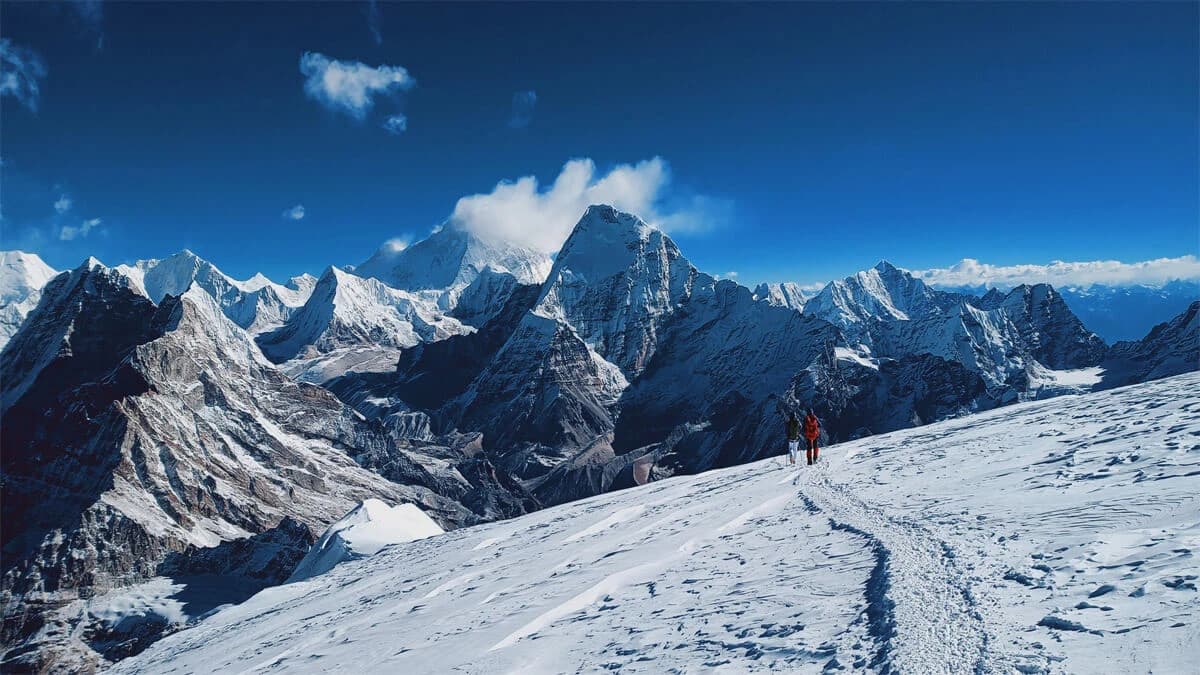
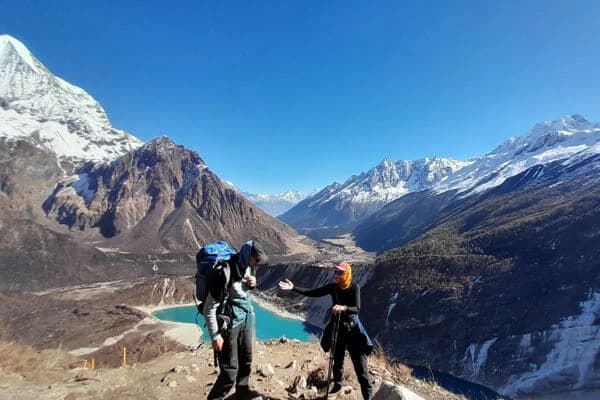
The best time for Mera Peak climbing is when the skies are clear, the air feels amazing in your lungs, and the mountains look like they are showing off just for you. Really, nothing beats waking up before sunrise, standing on a ridge, and watching the first golden rays light up peaks that seem to touch the sky. In spring, the trail is full of colorful flowers and it feels like the mountains are throwing a secret party for trekkers. In autumn, the sky is clear, the views are insanely sharp, and every peak looks like it was polished just for your camera. You’ll keep saying wow, and even after a hundred photos, the view will still make your jaw drop.
Honestly, the Mera Peak trek is full of adventure from start to finish. Walking along the mountain trails, staying in cozy teahouses, meeting fellow climbers, and enjoying a warm cup of tea after a long day feels amazing. Did you think it was just about reaching the summit? Not at all. The journey is packed with unforgettable moments, stunning Himalayan views, and experiences you will remember forever.
Choosing the right season for the Mera Peak climbing makes the adventure safer, more enjoyable, and gives you the best chances for clear mountain views and an epic sunrise. Really, getting the timing right turns a great trek into an experience of a lifetime. Especially when the journey contains both trekking and climbing in Nepal.
About Mera Peak
Mera Peak is located in the Khumbu region of eastern Nepal, close to the world-famous Mount Everest area. It sits in the Himalayan range, surrounded by towering mountains and glaciers. The trek to Mera Peak takes you through small Sherpa villages and high altitude trails, giving you a real taste of Himalayan life along the way. Its location makes it one of the most accessible high trekking peaks in Nepal while still offering amazing mountain views and a true adventure experience.
Why is Mera Peak a bucket list destination?
Mera Peak is one of the most popular climbing adventures in Nepal, and it is easy to see why. The Mera Peak climb gives you a real Himalayan experience without needing to be a professional mountaineer. With good fitness, steady preparation, and the right season, this adventure is something many trekkers can achieve. It feels big, exciting, and totally worth training for.
The Mera Peak trekking takes you into the Khumbu region where every day feels like you are leveling up in a mountain game. One minute you are walking on a simple trail, the next minute you are gaining height and wondering why your legs suddenly have opinions. The higher you go, the quieter it gets, and the mountains start looking bigger and closer, almost like they are checking you out to see if you are serious about this climb.
That is why so many people search for the best time to climbing Mera Peak before planning their trip. Choosing the right season makes the climb safer, the views clearer, and the whole experience even better. Mera Peak Expedition can never be described with a few words like “trek” or “climb” , it is a full mountain journey that challenges you and rewards you at the same time.
Mera Peak Climbing Difficulty Level
Mera Peak is one of the highest trekking peaks in Nepal. It gives you a real adventure without needing technical climbing skills. You don’t need ropes or special gear for the main route, but you do need to be ready for long uphill hikes and higher altitudes.
The trail can be steep in places and your legs will feel it, but that’s part of the fun. Along the way, you’ll see amazing Himalayan views and pass through small Sherpa villages. Every step gives you a little taste of mountain life and adventure.
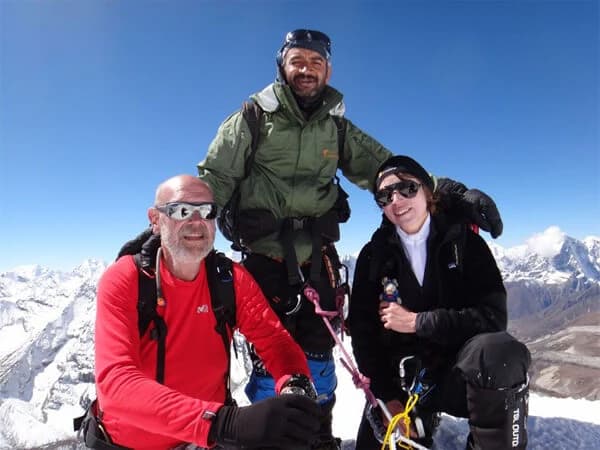
Even beginners can attempt the Mera Peak Hiking in Nepal if they go slow and let their bodies adjust to the altitude. By the time you reach the summit, the feeling of achievement and the incredible views make all the effort worth it.
Weather and Climate Overview
Seasonal breakdown of temperatures and conditions at base and summit
The weather on the Mera Peak trek has its own personality. Down at lower altitudes, especially in spring and autumn, the days feel pretty comfortable for walking. You might even loosen a layer while hiking to Mera Peak. But climb higher toward base camp and the summit, and things change fast. Mornings are freezing, your water bottle might turn into ice, and you suddenly understand why packing that extra jacket was a smart move. In winter it gets seriously cold, and in summer clouds and rain like to show up uninvited.
How Does the Weather Affect Trail Difficulty and Safety?
Good weather can make the Mera Peak climb feel smooth and exciting. Clear skies, calm air, and solid ground under your boots boost your confidence. But if it snows or the wind picks up, even simple steps feel harder. Slippery sections demand more focus, and strong winds near the top can test your patience. Weather is basically the quiet boss of the mountain. When it behaves, you win. When it acts up, you slow down and respect it.
How to Read Weather Patterns in the Himalayas?
In the Himalayas mornings are usually calmer and clearer which is why most climbers start early for their Mera Peak climb. Clouds tend to build up later in the day and sudden wind or temperature changes can be warning signs that the weather is shifting. Keeping an eye on the sky and listening to local guides helps trekkers make safer decisions. Understanding the weather is a key part of planning your Mera Peak expedition.
Preparing for Sudden Weather Changes
Being prepared for anything is part of the Mera Peak adventure. The sun may be shining one moment and clouds can cover the mountains the next. Carrying warm layers, gloves, a jacket, and waterproof gear is essential. Even in spring or autumn, the summit can be very cold. Dressing smart, being flexible, and paying attention to weather updates makes your Mera Peak trek safer and more enjoyable. Planning around the best season to climb Mera Peak ensures clearer views, safer trails, and a more memorable Himalayan adventure.
Best Seasons to Climb Mera Peak
If you are wondering about the best time to climb Mera Peak, the truth is there are two magical windows that most trekkers love: spring and autumn. Both have their own kind of charm and make the Mera Peak climb feel unforgettable.
Spring arrives from March to May and it is basically nature throwing a party. The trails are mostly clear of deep snow, the air feels fresh but not freezing, and every step brings something beautiful to look at. One of the coolest parts is the rhododendron bloom. Bright pink and red flowers pop up everywhere and suddenly the mountains feel alive and colorful.
The visibility is usually very good so you can see far-off Himalayan peaks stretching into the horizon. This season is perfect if you love photography because every corner seems like a picture-perfect moment. Even the trekking feels easier because the weather is comfortable and the days are long enough to explore without rushing.
Autumn comes from September to November and it is when the Mera Peak trekking really shines for those chasing epic views. The skies are clear most of the time, the trails are dry and firm, and the mountain scenery is breathtaking. If your main goal is to stand on the summit, autumn gives you the best chance for success.
The air feels super clean, making every panorama look sharper and more dramatic than spring. The difference from spring is subtle but noticeable. Spring has flowers, softer light, and a warmer vibe. Autumn has that sharp clarity, perfect for epic sunrise and sunset shots and a smooth trekking experience without the summer humidity.
On a typical day in spring, you might wake up to gentle sunlight, enjoy warm mornings on the trail, and feel a cool breeze in the late afternoon. In autumn, the mornings are often calm and bright, and the afternoons stay clear most of the time, which is great for trekking safely and enjoying the scenery. Both seasons offer long enough days to hike at a comfortable pace while still taking in everything around you.
Off-Season Climbing
Now, not every trekker is after the classic spring or autumn adventure. Some brave souls consider off-season climbing just for the thrill. Summer arrives from June to August and brings the monsoon rains. Trails get slippery, the clouds hang low, and at times it feels like you are walking through a misty jungle rather than Himalayan trails. This season tests your balance and patience, and while it is suitable for some experienced trekkers, most prefer to wait for clearer days.
Winter, from December to February, is a completely different experience. The trails are quiet and almost empty, which is nice if you hate crowds, but the cold is intense. Snow can cover the trails and higher sections may feel challenging. Only trekkers who are properly prepared and used to cold weather should consider a winter Mera Peak climb.
Off-season climbs can be really rewarding if you are up for a different kind of adventure. You get the trails mostly to yourself, enjoy a quiet mountain experience, and feel proud of doing something few people try. At the same time, it is harder and needs more careful planning. The weather can be tricky, and the trek tests your stamina.
Picking the right time for your Mera Peak expedition in Nepal depends on what you want. Spring is bright and colorful, autumn is clear and perfect for views, and winter or summer gives a quiet but tougher adventure.
Challenges of the off-season climb
Climbing Mera Peak is amazing any time of year, but the off-season brings a totally different vibe. It is quieter, wilder, and feels like you are having the mountains all to yourself. At the same time, the off-season is not all easy. Here are some of the challenges you might face:
- Trails turn into sneaky slippery slides after rain or melting snow, making every step a mini adventure
- Clouds and fog sometimes pop up like mischievous pranksters hiding the views you came to see
- Snow and ice can appear on higher sections, making every step feel a bit like a mini challenge
- Nights and mornings get so cold your jacket starts feeling like a long lost best friend
- Some teahouses are closed and there are fewer trekkers around
- Weather can flip in seconds, so you have to stay alert everytime
- Even short sections of the trail feel longer because everything is trickier and the air is thinner
Acclimatization and Altitude Concerns
Climbing Mera Peak is an exciting challenge, but your body definitely feels the altitude as you go higher. The air gets thinner, your breathing becomes heavier, and even simple steps can feel more tiring than usual. This is why choosing the best time to climb Mera Peak is so important. In spring and autumn, the weather is generally stable, trails are easier to navigate, and your body can adjust more comfortably to the altitude.
Some effects of high altitude are normal, like headaches, feeling more tired than usual, or having trouble sleeping. The key is to go at a steady pace, drink plenty of water, and include rest days in your plan. Taking your time helps your body adjust and reduces the risk of altitude sickness.
Planning your trek in spring or autumn also makes daily trekking more manageable. The trails are safer, daylight hours are longer, and temperatures are not extreme. By the time you reach the summit, you will feel strong, prepared, and ready to fully enjoy the incredible Himalayan views.
Crowds and Permit Availability
When it’s the best season to climb Mera Peak, guess what?
You’re not the only genius who figured that out.
Popular Season = Popular Humans
Spring and autumn are like the “weekend sale” of Himalayan climbing. Everyone shows up.
You’ll meet:
- First-time climbers chasing their first 6,000m peak
- Experienced mountaineers warming up for bigger mountains
- Travel groups, solo trekkers, YouTubers, and that one super-fit couple who look suspiciously fresh at 5,000m
It’s not a traffic jam… but it’s definitely not a secret club either.
Shared Routes (You’re All in This Together)
Mera Peak has a standard climbing route. Though it is accessible by other routes as well, most of the climbing is done via the standard route. That means:
- You’ll follow the same glacier path.
- You’ll camp in similar spots.
- On summit morning, there might be a little “headlamp parade” going uphill.
But honestly? It can be fun.
There’s a shared energy when you see other climbers pushing toward the summit with you. It feels like being part of a great snowy team.
Higher Flight Traffic to Lukla
Most climbers heading to Mera Peak begin their journey with a flight to Lukla, and during the main climbing seasons that small mountain airport becomes noticeably busy. Clear weather in spring and autumn attracts a surge of trekkers and mountaineers, which means more scheduled flights and fuller planes.
At the same time, Himalayan weather can change quickly, so delays are common if clouds roll in or winds pick up. It is quite normal for climbers to spend extra time at the airport waiting for conditions to improve. These shifting schedules can feel inconvenient, but they are simply part of traveling in the high mountains where safety always comes first and the weather sets the pace.
What about Permits?
Permits for Mera Peak trekking are generally available year-round, but during the best time to climb Mera Peak, which is spring and autumn, guides, experienced porters, and lodges in the Khumbu region get fully booked quickly. To avoid last-minute stress, it is recommended to secure Mera Peak permits early and confirm the Lukla flight in advance.
Pros and Cons of Climbing Mera Peak in Spring season
Pros:
- The Mera Peak weather is usually steady, making climbing easier.
- Temperatures are comfortable for Mera Peak trekking.
- The Khumbu region is full of colorful flowers and beautiful views.
Cons:
- Lukla flights and lodges are more expensive in spring.
- Trails can be crowded with other climbers.
- Weather can sometimes change quickly late in May.
Pros and Cons of Climbing Mera Peak in Autumn season
Pros:
- Clear skies make it the best time to climb Mera Peak.
- Trails in the Khumbu region are dry and easier to walk.
- Summit conditions are usually stable and comfortable.
Cons:
- Nights at high camps are very cold, so proper gear is needed for Mera Peak trekking.
- Lukla flights and accommodation cost more during peak season.
- Trails and flights can be busy because many climbers choose autumn.
But why do some travelers still prefer to climb Mera Peak in the Monsoon or winter?
Some people just love a little extra adventure. During the monsoon, the Khumbu region turns into a quiet green playground and it feels like the mountains are all yours because almost no one else is around. Winter has its own magic too. The air is cold, the camps are peaceful, and there is a strange satisfaction in pushing through the chill each day. Flights to Lukla, lodges, and guides are easier on the wallet, which helps as well.
For many climbers, dealing with the rain, mud, or cold is not a problem. It is part of the story they want to tell and reaching the summit after all that effort feels even bigger and more rewarding. These seasons are not easier but they give experiences that spring and autumn cannot, and that is what makes them unforgettable.
Month by month Mera Peak guide
March - The season slowly wakes up and so do the trails. The Mera Peak weather is warming up after winter which makes trekking less of a frozen adventure and more of a “I can actually feel my toes” kind of trip. Crowds are still small so it feels like having the Khumbu region almost to yourself. Just be ready for a few stubborn patches of snow that act like nature’s little speed bumps.
April - The golden month of spring. Flowers are popping up everywhere, the sun is being polite, and the best time to climb Mera Peak starts to make sense. Trails are alive with trekkers, guides, and the occasional goat that clearly thinks it owns the place. The summit feels reachable and the views are absolutely brag worthy. This is when Instagram meets real life adventure.
May - Things get warmer which is nice for your frozen fingers but beware the clouds they start photobombing those epic Himalayan shots. The trails are busy but the scenery in the Khumbu region makes every step worth it. This month is all about adventure and patience especially if you are waiting for your turn at the summit.
June to August - Enter monsoon season. Rain, mud, and questionable Lukla flights become your daily companions. Many trekkers run for cover but some brave souls stick around because the Khumbu region looks alive like it is straight out of a green fantasy movie. You might get a little muddy, you might get wet but the quiet trails make it feel like you are in a private Himalayan club.
September - The clouds start leaving and the trails dry up. The weather improves and trekking feels less like a wet obstacle course. Visibility gets better so those mountains that were hiding behind clouds finally wave hello. This is a great month for climbers who want a mix of decent Mera Peak weather and fewer people crowding the trails.
October - The crown jewel. The best time to climb Mera Peak in full glory. Dry trails, stable weather, and summit conditions that do not make your teeth chatter all day. It is also peak season so expect more travelers, more laughter, and more “Hey, can I take your photo?” moments. Every step is worth it when the mountains finally open up and show off.
November - The chill starts creeping in but the skies are mostly cooperative. Trails are calmer than October giving a quieter vibe for trekking. The summit is still reachable but bring warm gear because those high-altitude nights are not joking. The Khumbu region starts to feel like it is saying goodbye to the crowds which is actually kind of nice.
December to February - Winter is here and it does not play around. The air is cold, snow shows up on the trails, and only the brave or slightly crazy attempt Mera Peak trekking now. Flights to Lukla are cheaper, lodges are emptier, and the mountains feel like your personal playground. This season is for those who like their adventure with extra grit, a side of frostbite anxiety, and a story that will make everyone else jealous.
Factors to consider beyond weather
When planning a climb to Mera Peak, weather is just one part of the story. There are other things that can make or break your experience.
Pick a Route You Can Actually Handle
Not all Mera Peak trekking routes are created equal. The standard Mera La route is beginner friendly, while others are for the bold, the brave, or the slightly crazy. Choosing a route that matches your skills keeps the climb fun and safe, and makes the summit feel like a victory rather than a punishment.
Keep Your Budget in Check
Spring and autumn are peak months, so Lukla flights, lodges, and guides can cost a lot. Monsoon and winter are cheaper but come with trickier Mera Peak weather. Planning your budget ahead keeps surprises low and your adventure stress free.
Trails and Company
Crowded trails can be lively and fun, but some trekkers prefer space to feel like the Khumbu region is their own playground. Picking a season that matches whether you like a social vibe or a quiet trek can make the climb way more enjoyable.
Epic Views or Creative Shots
Spring and autumn usually give the best views and clear skies for Mera Peak trekking. Monsoon and winter give dramatic scenery, but weather can be unpredictable. Knowing what kind of photos or landscapes you want helps plan your trek and avoids disappointment.
Prepare Your Body
Climbing over 6,000 meters is serious work. Acclimatizing, training, and building stamina ensures you can enjoy the trek without looking like a flailing cartoon. Being fit is essential for a safe and rewarding Mera Peak trekking experience.
Plan Ahead for a Smooth Adventure
Beyond the Mera Peak weather, a successful trek depends on skills, budget, trail conditions, photography goals, and fitness. When all these factors line up, the Khumbu region rewards trekkers with unforgettable views, stories, and bragging rights that last longer than any social media post.
The Bottom Line
The best time to climb Mera Peak is spring and autumn where the Mera Peak weather is friendly, the skies show off peaks, and the Khumbu region is at its best. Lukla flights and lodges are busier, but the experience makes every step and every early morning wake up completely worth it.
Monsoon and winter are for the brave who enjoy quiet trails, muddy boots, and an extra challenge. It may be tougher, but the stories you bring back will make everyone else wish they were there.
I hope these explanations make sense to you and help plan your next adventure. Be sure to contact Nepal Trekking Routes for more exciting journeys, tips, and guides to make your Himalayan adventure in Nepal absolutely unforgettable. Prepare your boots and get connected with us now!



.webp&w=1200&q=75&dpl=dpl_4U3CaZUV3Y5iKdBNPJmVMATJy3AB)