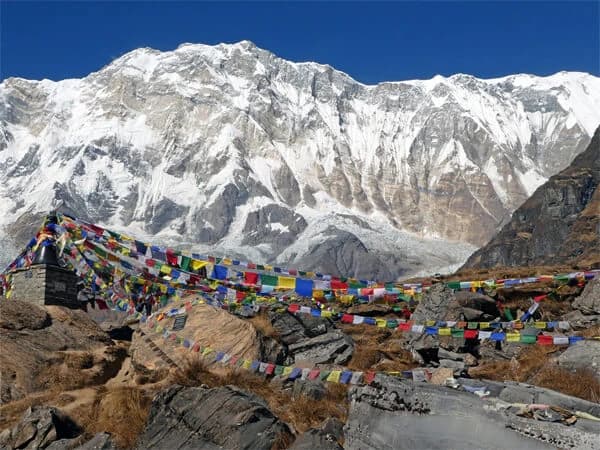
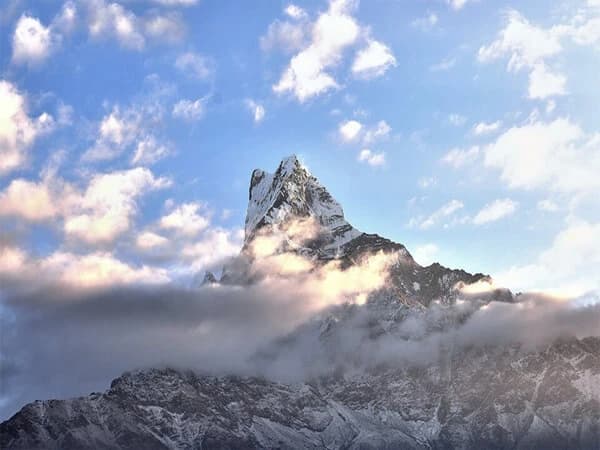
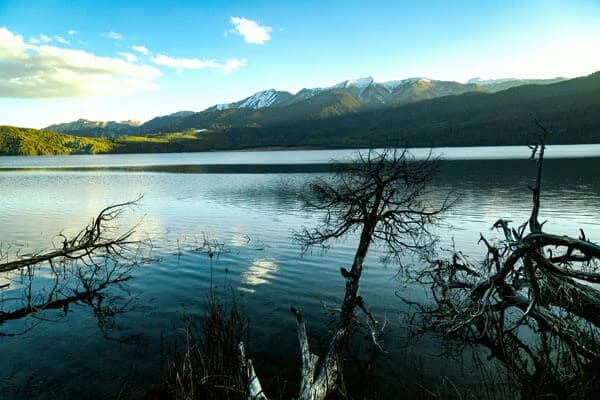
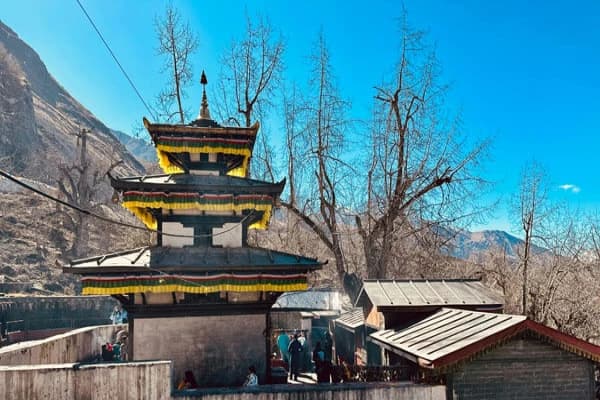
The Mardi Himal Base Camp Trekking doesn’t really hit you all at once. It starts off simple, quiet trails, forest sounds, and a slow walk that feels easy enough. Then suddenly, you’re standing above the trees and the whole world opens up with big mountains right in front of you.
But the funny thing is, those views don’t always stay the same. Some days everything looks sharp and clear, and other days the clouds just take over like nothing is there. It really depends on when you go, and it can change your whole experience without you even realizing it.
That’s why people keep talking about the best season for Mardi Himal Trek. It’s not just about good weather, it’s about catching those moments when everything feels right, the sky, the air, and the mountains all showing up at the same time.
Overview of Mardi Himal Trekking Seasons
The Mardi Himal Trek is a short but rewarding journey in the Annapurna region of Nepal. It slowly takes you from peaceful forest trails to wide open ridges with close-up views of Machhapuchhre and the Annapurna range. Even though it’s not very long, the scenery keeps changing as you gain altitude, which makes the trek feel fresh the whole way through.
What makes this trek even more interesting is how much it changes with the seasons. The weather, visibility, and overall trail experience are never the same throughout the year, so timing plays a big role in how the trek actually feels.
Some seasons give you clear mountain views and perfect trekking conditions, while others bring mist, rain, or snow that completely change the mood of the trail. Because of this, each season offers a different version of the same journey, and choosing the right time depends on the kind of experience you want in the Himalayas.
Which Season is Best for Mardi Himal Trek?
If you ask most trekkers, they’ll usually point to spring and autumn, and honestly, they’re popular for a reason. These are the times when the weather behaves nicely, the skies stay clearer, and the mountains show up without playing hide and seek too much.
Spring Season for Mardi Himal Trek
Spring (March to May) is one of the most loved times for the Mardi Himal Trek. The weather slowly turns warmer after winter, and the whole trail starts to feel alive again. Forests along the route, especially around the lower and mid sections, get covered in blooming rhododendrons, adding color to every step you take.
The skies during spring are usually fairly clear in the morning, giving you solid views of Machhapuchhre and the Annapurna range. As the day moves on, a bit of cloud can roll in, but it often clears again, especially at higher viewpoints. Temperatures are also quite comfortable for trekking, neither too cold nor too hot, which makes long walking days easier.
It’s also a popular season, so you’ll meet other trekkers on the trail, especially in teahouses. But the atmosphere still feels peaceful, just with a bit more life and energy around. Overall, spring is a great mix of good weather, natural beauty, and pleasant trekking conditions.
Autumn Season for Mardi Himal Trek
Autumn (September to November) is often considered the best overall season for the Mardi Himal Trek. This is right after the monsoon, so everything feels fresh, clean, and well-defined. The air becomes crisp, and visibility is usually at its best, making the mountain views incredibly sharp and wide.
During this time, the weather is generally stable with fewer chances of rain or heavy clouds. That means you get more consistent views throughout the trek, from the lower forests all the way up to the high ridges. The landscapes also look very clear after the rain has washed everything, giving a fresh and bright feel to the whole journey.
Autumn is also the busiest season for trekking in Nepal, so the trail and teahouses can feel more active. Even then, the Mardi Himal route doesn’t feel overly crowded compared to other popular treks. It strikes a nice balance between great conditions and a lively trekking atmosphere, making it a favorite for many.
Is There Any Limitation to the Best Season?
Even though spring and autumn are called the best seasons for the Mardi Himal Trek, that doesn’t mean everything is perfect all the time. The Himalayas don’t really follow fixed rules. Even in the most ideal months, the weather can shift quickly. A clear morning can turn cloudy by afternoon, and sometimes the mountain views can disappear for hours without much warning.
Another common limitation is the crowd. Spring and autumn are peak trekking seasons in Nepal, so you’ll notice more people on the trail compared to other months. Teahouses can get full, especially in popular stops, and the overall experience feels a bit more social and less isolated. For some trekkers, that’s nice, but for others who want complete quiet, it can feel a bit busy.
Temperature is also something to keep in mind. While daytime conditions are usually comfortable, mornings and evenings can still get quite cold, especially as you go higher. This means you still need proper gear, even in the “best” season. Many first-time trekkers underestimate this and get surprised by the chill at higher viewpoints.
Lastly, the idea of a “best season” itself has limits. It works well for people who want the safest and most reliable experience, but it doesn’t cover every type of trekking style. If you enjoy fewer people on the trail, more raw conditions, or don’t mind a bit of weather challenge, then off-season trekking can actually feel more rewarding in its own way.
Off-Season Trekking in Mardi Himal
Off-season trekking in Mardi Himal usually refers to the monsoon months (June to August) and the colder winter period (December to February). These seasons are less crowded because the conditions become more unpredictable compared to spring and autumn. But for some trekkers, that’s exactly what makes the experience feel more special and personal.
Winter Season in Mardi Himal Trek
Winter in the Mardi Himal Trek usually begins from December and lasts until February. During this time, the trail becomes much quieter, and the whole region feels calmer compared to the busy trekking months. The forests look still, the air feels crisp, and higher areas slowly start getting covered in snow.
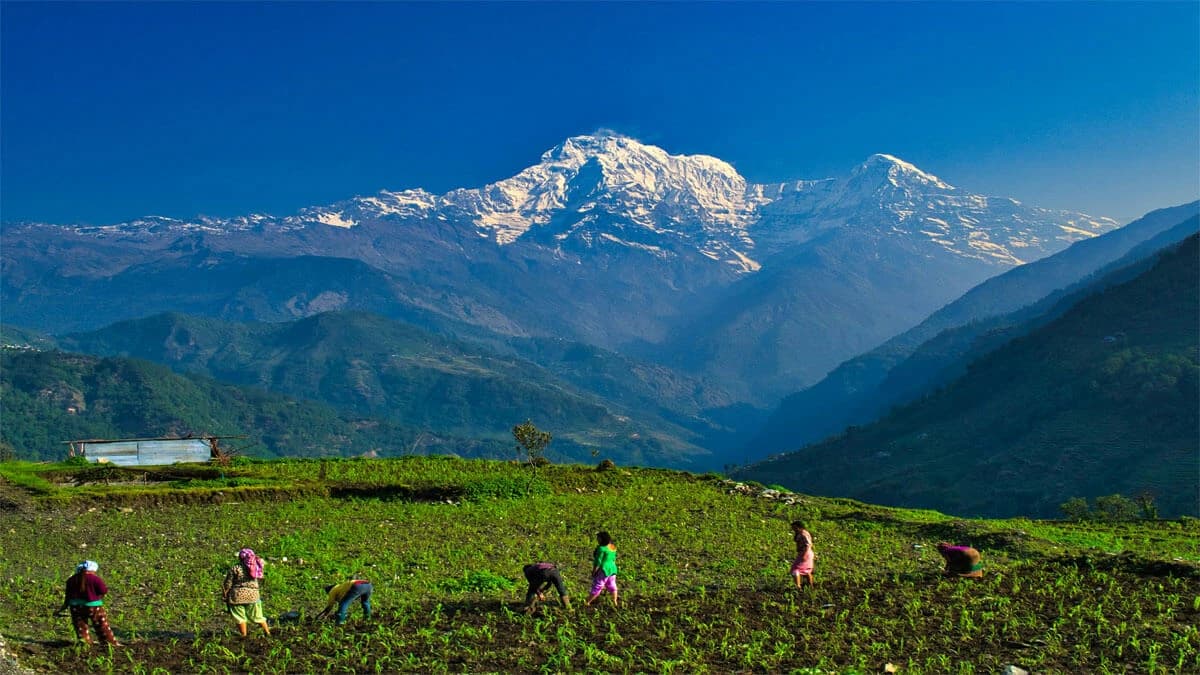
One of the best parts about winter trekking is the mountain views. On clear days, the skies often look clean and bright, making Machhapuchhre and the Annapurna range appear incredibly sharp. Early mornings especially can feel magical when sunlight hits the snowy peaks and everything around looks fresh and silent.
But winter also brings tougher conditions. Temperatures drop a lot, especially during mornings and nights near High Camp. Water can freeze, cold winds become stronger at higher altitude, and walking in snow can make some sections more tiring than usual. Because of this, warm layers and proper winter gear become very important during the trek.
The trails during winter are usually less crowded, which many trekkers actually enjoy. Teahouses feel quieter, and the journey feels more personal without too many groups around. If someone enjoys peaceful trails, cold mountain air, and snowy landscapes, winter can be a really memorable time for the Mardi Himal Trek, as long as they are prepared for the colder conditions.
Monsoon Season in Mardi Himal Trek
The monsoon season in the Mardi Himal Trek usually falls between June and August. During this time, the trail becomes greener, wetter, and much quieter compared to the busy trekking seasons. Rain falls regularly, especially in the afternoons and evenings, and the forests along the route start looking fresh and full of life.
One thing about monsoon trekking is that the atmosphere feels completely different. The hills look deeper green, small waterfalls appear beside the trail, and the forests feel cooler and more alive after the rain. Since fewer people trek during this season, the route also feels peaceful and less crowded.
But monsoon also comes with a few challenges. Rain can make the paths muddy and slippery, especially in forest sections. Clouds often cover the mountain views, so there are days when Machhapuchhre and the Annapurna range may not appear clearly at all. Leeches can also be common in lower areas after heavy rainfall, which many trekkers find uncomfortable.
Even with these difficulties, some people still enjoy trekking during monsoon because the trail feels more natural and quiet. It may not give the clearest mountain views every day, but it offers a softer, greener side of Mardi Himal that feels very different from the dry and busy peak seasons.
Temperature and Conditions During Mardi Himal Trek
The temperature in the Mardi Himal Trek changes a lot depending on where you are and which season you choose. At the lower parts of the trail, like Kande or Australian Camp, the weather usually feels mild and comfortable during the day. But as you go higher, especially near High Camp and Mardi Himal Base Camp, it quickly becomes colder and more exposed.
In spring and autumn, daytime temperatures are generally pleasant for trekking, but mornings and evenings can still feel chilly once you reach higher altitude. Nights at places like High Camp often drop close to freezing, so warm layers are always needed even in good seasons. Autumn feels a bit sharper and clearer, while spring feels slightly warmer and softer.
Winter brings much colder conditions. Temperatures can drop well below freezing at night, and snow is common in higher sections. Walking can feel more challenging due to ice or snow on the trail, but the views are often very clear on stable days. Monsoon, on the other hand, doesn’t feel cold as such, but humidity is high, and the weather stays wet with frequent rain and thick cloud cover.
The onditions in Mardi Himal are strongly shaped by altitude and season. Even within a single day, you might experience warm sun in the forest, cool wind on the ridge, and freezing air near the top. That mix is what makes preparation really important for this trek.
Acclimatization and Altitude in Mardi Himal Trek
The Mardi Himal Trek is considered a short trek, but altitude still plays an important role once you start going higher. The journey begins at lower elevations like Kande or Dhampus, and gradually climbs up to Mardi Himal Base Camp, which sits at around 4,500 meters. Even though the gain is steady, your body still needs time to adjust as the air gets thinner.
Acclimatization is basically giving your body enough time to adapt to the change in oxygen levels. On this trek, most itineraries naturally help with this because the ascent is gradual. You pass through places like Forest Camp, Low Camp, and High Camp, which allows your body to adjust step by step instead of rushing straight to the top. Even slow walking, proper hydration, and short breaks can make a big difference.
As you move higher, you might start feeling the effects of altitude, especially above 3,000 meters. This can include mild headache, tiredness, or shortness of breath while walking uphill. These signs are common and usually improve with rest and slower pacing. That’s why it’s important not to rush the trek and to listen to your body instead of pushing too hard.
Good acclimatization doesn’t require complicated planning on Mardi Himal, but it does require awareness. Walking at a steady pace, drinking enough water, and avoiding overexertion are simple things that help a lot. Taking it slow is the key to actually enjoying the views instead of struggling with the climb.
Does the Cost Change by Season?
Yes, the cost of the Mardi Himal Trek can change depending on the season, but usually not in an extreme way. The biggest difference is seen during the peak trekking months like spring and autumn, when more trekkers visit the region and demand becomes higher.
During busy seasons, teahouses can charge a little more for accommodation and food, especially at higher places like High Camp where supplies are harder to carry. Guides and porters may also be more expensive because many trekking groups are active at the same time. Transportation and hotel prices in places like Pokhara can sometimes rise slightly as well.
In the off-season, especially during monsoon and winter, costs can feel a bit lower. Since there are fewer trekkers, some teahouses become more flexible with room prices, and guides may be easier to hire at normal rates. But lower prices don’t always mean easier trekking conditions. Weather challenges during these months can sometimes lead to delays or changes in itinerary.
Another thing to remember is that personal trekking style affects the budget more than the season itself. Hiring a guide, choosing private rooms, adding extra acclimatization days, or using private transport can increase the overall cost no matter when you go.
So overall, yes, the season can slightly affect the cost of the Mardi Himal Trek, but the difference is usually smaller compared to larger treks in Nepal. The bigger factor is often the kind of trekking experience and comfort level you choose for yourself.
Month-by-Month Breakdown of Mardi Himal Trek
The Mardi Himal Trek changes a lot throughout the year, and each month brings a slightly different atmosphere on the trail. Some months are known for clear mountain views and stable weather, while others feel quieter, greener, or more challenging because of rain and snow.
The early months of the year, especially January and February, are colder with possible snowfall in higher sections. Spring begins around March and continues until May, bringing warmer temperatures, blooming rhododendrons, and clearer skies that make trekking conditions more comfortable.
From June to August, monsoon season takes over the region. Rain becomes frequent, trails turn muddy, and clouds often hide the mountains, though the forests look fresh and deeply green during this period. September slowly marks the end of monsoon, and conditions gradually improve again.
October and November are usually considered the most stable months for the trek. The skies remain clearer, visibility is excellent, and temperatures feel balanced for long walking days. By December, winter slowly starts returning to the higher parts of the trail with colder mornings and occasional snow.
Is Mardi Himal More Difficult Than ABC During the Off-Season?
During the off-season, many trekkers actually find the Mardi Himal Trek a bit more challenging than the Annapurna Base Camp trek, especially in winter and monsoon.
One reason is the trail condition. Mardi Himal has steeper ridge sections and narrower forest paths in some areas, which can become slippery during monsoon or covered with snow and ice in winter. The higher sections near High Camp also feel more exposed to wind and weather compared to parts of the ABC route.
Another difference is infrastructure. The ABC trek is more established and busier throughout the year, so trails are usually easier to follow and teahouses stay more consistently active even during quieter months. Mardi Himal is shorter and less commercial, which gives it a peaceful feel, but during the off-season, some sections can feel more isolated.
Weather also affects Mardi Himal quite quickly. Clouds, rain, and snow can change visibility fast along the ridge, and since the trail climbs steeply in a shorter distance, altitude and weather can feel more noticeable in a short time.
That said, neither trek is considered extremely technical. For trekkers with decent fitness, proper gear, and a flexible mindset, both are manageable. Off-season trekking just adds a little more unpredictability, and Mardi Himal tends to feel slightly rougher and more exposed compared to ABC during those months.
Can Beginners Do Mardi Himal Trek in Any Season?
Yes, beginners can do the Mardi Himal Trek, but the experience becomes very different depending on the season. During spring and autumn, the trail conditions are usually more stable, temperatures feel manageable, and visibility is better, which makes the trek much more beginner-friendly.
The route itself is not extremely technical, but there are still steep uphill sections, long walking hours, and higher altitude to deal with. For first-time trekkers, these things can already feel challenging even in good weather conditions.
Off-season trekking is where it becomes harder for beginners. In winter, snow and freezing temperatures can make higher sections more tiring and uncomfortable. During monsoon, muddy trails, slippery paths, and poor visibility can make the walk feel more difficult than expected.
That’s why many first-time trekkers choose spring or autumn for Mardi Himal. The conditions are more forgiving, teahouses stay active, and the overall trekking experience feels smoother and less stressful. With decent preparation, a comfortable pace, and proper gear, beginners can enjoy the trek without too much difficulty.
Seasonal Packing for Mardi Himal Trek
- Spring (March to May): Spring is fairly comfortable, so packing is more about light layers. A breathable trekking outfit for daytime works well, along with a warm jacket or fleece for mornings and evenings. A windproof jacket is useful when you reach higher viewpoints, and comfortable trekking shoes are important for long walking days. You don’t need heavy winter gear, but light warmth is still necessary at higher altitude.
- Summer / Monsoon (June to August): This season is all about rain protection. A good waterproof jacket is essential, along with a rain cover for your backpack. Quick-dry clothes are very useful because everything can get wet and humid quickly. Extra socks, trekking poles for slippery trails, and sandals for teahouses also make the journey easier. Avoid heavy cotton clothes as they take longer to dry.
- Autumn (September to November): Autumn is the most balanced season for packing. You’ll need light clothes for daytime walking, a warm fleece or mid-layer, and a down jacket for mornings and nights at higher camps. Weather is stable, but temperatures drop at altitude, so layering is the best approach. A good sleeping bag and gloves are also recommended for comfort.
- Winter (December to February): Winter requires heavy cold-weather gear. Thermal base layers, thick insulated jackets, warm gloves, woolen socks, and a beanie are essential. Snow and ice are common at higher sections, so waterproof and high-grip trekking boots are very important. A high-quality sleeping bag is also needed as nights can get freezing cold at higher elevations.
Conclusion: Best Time for the Mardi Himal Trek
Choosing the best time for the Mardi Himal Trek really comes down to what kind of experience you want in the mountains. If you want the most reliable weather, clear Himalayan views, and comfortable trekking conditions, spring (March to May) and autumn (September to November) are the top choices. These seasons give you the best balance of stable weather, great visibility, and enjoyable trail conditions, which is why most trekkers prefer them.
That said, Mardi Himal is not just a one-season trek. Winter brings quiet trails and sharp mountain views with snow-covered landscapes, while monsoon turns the region into a deep green, rain-washed world with fewer crowds and a more peaceful atmosphere. Both off-seasons offer a completely different version of the same journey, but they require better preparation and a flexible mindset.
In the end, there is no single “perfect” time for everyone. The best season depends on whether you prioritize clear views and comfort, or solitude and raw natural beauty. Whatever time you choose, Mardi Himal always delivers something memorable, just in its own unique way.


.webp&w=1200&q=75&dpl=dpl_4U3CaZUV3Y5iKdBNPJmVMATJy3AB)