Everest Base Camp trekking packages get presented online like they are all slightly different versions of the same perfect experience. Same photos of peaks. Same mention of Sherpa culture. Same promise of best adventure in Nepal.
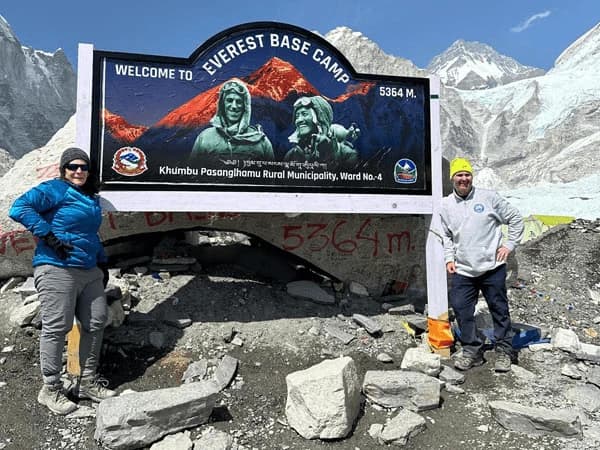
It is the same Everest Base Camp route for everyone. The journey starts with a flight to Lukla, then continues through the Khumbu Valley, passing places like Namche Bazaar and Dingboche before eventually reaching Base Camp at 5,364 meters. The trail does not change based on which company you book with.
What you are really paying for is everything around the walk. How the Everest Base Camp trek package is organized, how big the group is, how the logistics are handled, and how basic or comfortable the tea house stays feel.
Some trips are very up to the point and run in fixed groups with basic setups. Others cost more because things are arranged in a more comfortable way or with fewer shared arrangements. But once you are on the trail, the actual experience is pretty much the same for everyone.
This guide breaks down Kalapatthar viewpoint trek packages in Nepal in a clear way, looking at real Everest Base Camp trek cost, the main route options, and what actually changes between budget, standard, and higher end packages so you know what you are getting into before you book anything.
What You Actually Get in an Everest Base Camp Trek Package
Most EBC trek packages are not very complicated when you break them down. They exist mainly to make the Nepal trekking easier to manage, not to change what the trek feels like.
Most people are accompanied by a guide throughout the trek. They handle the navigation, keep an eye on the group’s speed, and step in when conditions or altitude start to affect progress. On many trips, there is also a porter, which means you are not carrying your main backpack every day on the trail.
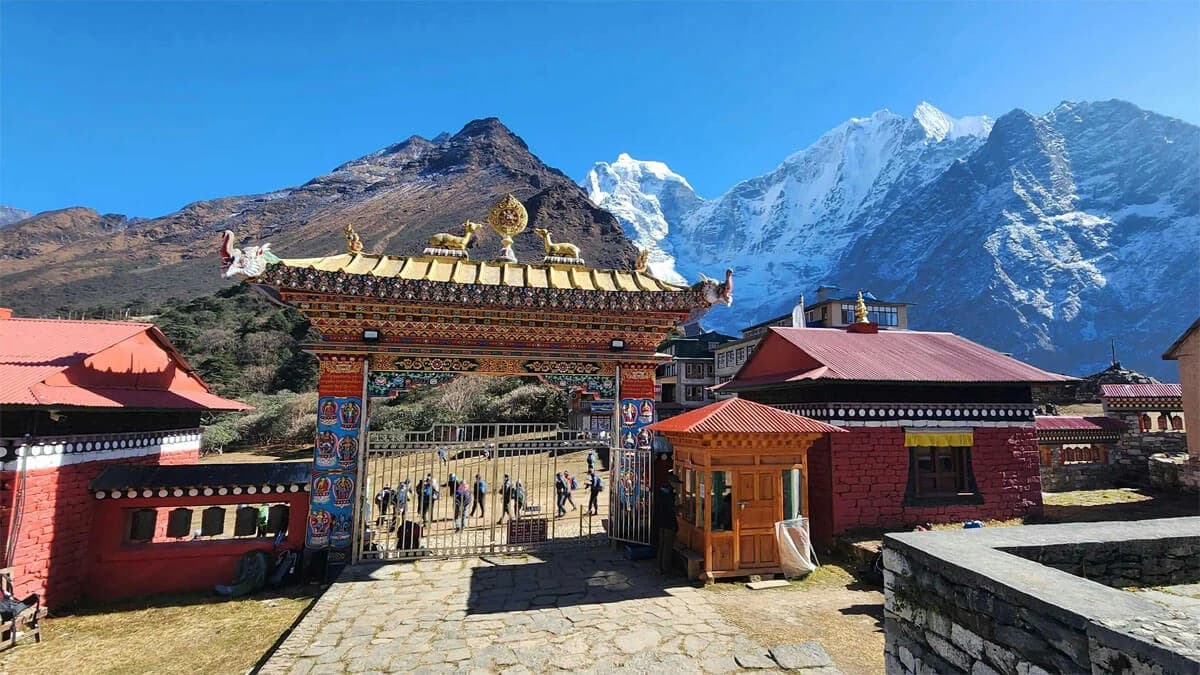
Along the route, overnight stays are in tea houses run by local families. These places are very simple. Rooms are usually basic, and shared bathrooms are common in most villages. Comfort reduces noticeably as you move higher into the mountains.
Meals are taken in the same tea houses where you stay. The food does not vary much from one stop to the next, and most trekkers end up choosing from a similar set of dishes throughout the journey.
Outside of the main package, there are small daily expenses that you pay yourself. Things like drinks, snacks, WiFi access, device charging, and tips are not usually covered.
Everest Trek Routes in Nepal (And How Packages Are Built Around Them)
There is one main Everest Base Camp trekking route. Most packages follow it exactly.
You start in Lukla and pass through Phakding, Namche Bazaar, Tengboche, Dingboche, Lobuche, and Gorak Shep before reaching Everest Base Camp. Most trekkers also Hike to Kala Patthar for the view of Everest.
This hiking route does not change between companies. It is the same path for everyone.
There are a couple of variations, but they are not separate treks.
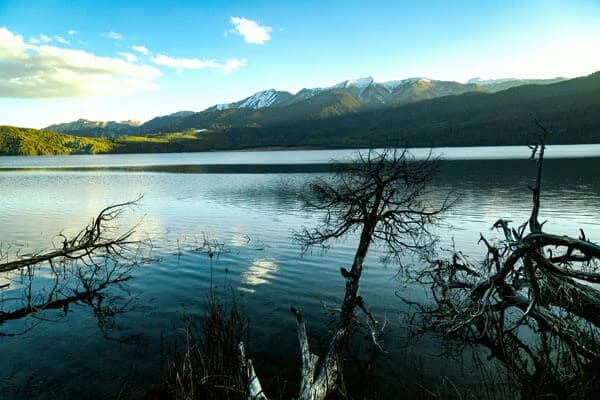
The Gokyo Lakes trek route goes through a different valley, adds extra days, and offers a different landscape, but eventually connects back toward the Everest region. It is a variation, not a different experience.
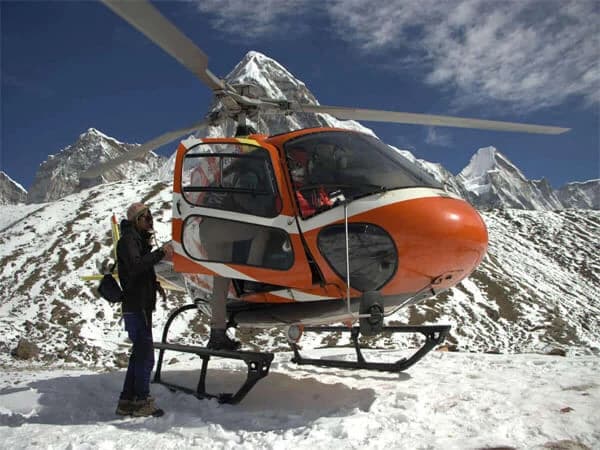
Another variation is the helicopter return tour in Nepal. The climb to Base Camp stays the same, but instead of walking back, people fly out from near the end of the trek.
So in reality, there is one main route with small changes around it depending on time, budget, or how someone wants to return.
Types of Everest Base Camp Trek Packages in Nepal
When you start searching for Everest region trekking packages in Nepal, the same three options keep showing up. Budget EBC trek package, standard EBC trek package, and luxury Everest Base Camp trek package. The names sound very different, but the reality is simpler.
The Kalapatthar trekking route is the same for all of them, running through the Khumbu Valley, past the same villages, and ending at the same place. What changes is how the journey is organized and how much ease you want around it.
Budget Everest Base Camp Trek Package
The budget trekking package is the most basic way to complete the Everest Base Camp Trek 14 days with a local trekking company. It is made for people who want to finish the trek at the lowest possible cost. The focus of this package is keeping everything simple, with no extra services or upgrades added along the way. In short, budget package means doing the Everest region trek in the lowest cost possible even if it means compromising on the level of service.
You can expect bigger groups, a fixed Everest Base Camp itinerary, and very basic arrangements on the trail. You stay in basic tea houses and keep things minimal to bring the whole trek cost down. The walking route does not change at all, it is still the same trail that everyone follows.
Standard Everest Base Camp Trek Package
This is a mid level Everest trekking option which is better than the budget package but doesn't include anything luxury. Most of the trip is organized by a trekking company like us, while the actual walk on the mountain stays the same as everyone else.
It is the option most people choose because it removes the stress of planning. Flights, permits, guide, and accommodation are all arranged before the trek starts, so you do not have to deal with any arrangement during the journey.
You stay in 3 star hotels in Kathmandu and in tea houses along the route. A guide travels with the group to manage the route and help with decisions on the trail. A porter is also provided to carry your backpack.
This standard trek package lies between basic and upgraded options. The important parts are managed by the Local trekking company you choose, but the experience on the trail remains unchanged.
Luxury Everest Base Camp Trek Package
A luxury Everest Base Camp trek package is a high service version of the trek where everything is arranged for you with a focus on comfort. You travel in a private or very small group.
In Kathmandu, you stay in 4 star hotels with better rooms and more comfort. All transport, flights, permits, and logistics are managed in advance so you do not have to worry about anything during the journey.
On the trail, you stay in the best available lodges in each place. A guide and porter are included to support you throughout the trek. The route is the same as everyone else, but the experience is more comfortable and better organized from start to finish.
In the end, every EBC trekking package in Nepal reaches the same destination. The difference is not the Everest Base Camp trekking route in Nepal, but how the journey is handled, the EBC trek cost, and how much support you want while you are on the trail.
Everest Base Camp Trek Cost in Nepal (What People Don’t Tell You)
If you search for Khumbu valley trek packages in Nepal, the prices are all over the place. One looks cheap, another looks expensive, and both say they go to the same Everest Base Camp. That part throws people off.
A lot of it comes down to how the trip is put together. Bigger groups bring the Everest Base Camp trek cost down. Smaller groups or private trips cost more.
The season you trek in also changes the cost more than people expect. Spring and autumn are the main seasons, so prices go up and flights to Lukla get harder to secure. During the off season, you might find lower prices, but the weather is not so favorable, so it’s like a trade off.
Flights are a big part of the cost. In busy seasons, many flights don’t even leave from Kathmandu anymore but from Ramechhap, which adds extra time before the trek even starts. Delays happen often, and that can throw off your plan.
Another thing that catches people is what’s included. A cheaper Everest Base Camp trek package often leaves things out, so you end up paying for them later anyway. Paying more doesn’t change the trek itself though. Same route, same tea houses, same altitude.
Then there are the daily expenses that work as extras. Drinks, snacks, WiFi, charging your phone, tips. None of them seem like much on their own, but by the end, it’s not a small amount.
In short,
- Budget EBC trek costs around $1050 to $1,200 per person
- Standard EBC trek costs around $1,200 to $2,200 per person
- Luxury EBC trek costs around $2,500 to $5,000+ per person
How to Choose the Right Everest Base Camp Trek Package?
Once you start looking at guided Everest trek options, they all begin to blur into each other. Different names, slightly different prices, but on the ground it’s the same Everest Base Camp trekking route every time. Lukla, Namche, Dingboche, Lobuche, Gorakshep, Base Camp. That part doesn’t change.
So choosing a package is all about how you want the whole thing handled around you.
Budget Everest Base Camp trek 15 days is mostly picked for one reason: price. They are fine if you don’t care much about comfort and you’re okay with bigger groups and a fixed way of doing things. You just follow the plan and keep moving.
Standard EBC packages are what most people quietly end up on. Not because they are advertised the best, but because they sit in the middle where things feel more controlled. Groups aren’t too big, the pacing is usually better, and the whole itinerary doesn’t feel chaotic.
Luxury Everest trek packages are a different mindset. You’re not changing the trek itself, you’re just paying to make everything around it easier. Fewer people in the group, more attention from the guide, and sometimes options like helicopter return. It’s more about comfort than the walk.
One thing that becomes obvious after you talk to people who’ve done it is this: the package name matters less than you think. Once you’re on the trail, it’s your guide, your group, the weather, and how your body handles altitude that actually shape the experience. Two people can book completely different Everest trekking packages and still end up having almost the same day on the mountain.
In the end, it’s pretty simple. Budget if cost is the main thing, standard if you want balance, luxury if you want comfort around the trek. Everything else is just labels.
How Hard Is the Everest Guided Trek Really?
There is no neat answer to this, and most people only understand it once they are already on the trail.
You are walking for hours every day, stopping in villages, sleeping, and then repeating the same pattern for nearly two weeks. The distance itself is not the real issue. It is the constant uphill climbing, the altitude, and how quickly your energy drops as you go higher.
After Namche Bazaar, your walking ability slows down. Short climbs feel longer than they should. Even basic things like talking while walking or stopping too often start to feel tiring.
Fitness helps, but it does not fully decide how the trek feels. Altitude is the main factor, and it affects people differently. Some feel it early, some later, but almost everyone notices it at some point.
Weather also adds to it. Cold mornings, wind, and sudden changes in conditions can make an already long day feel heavier and wear you down gradually.
So the honest picture is this. The Everest Base Camp trek is achievable for most people who prepare and give it enough time, but it is not easy once you are on the ground, walking day after day.
Which Everest Base Camp Trek Package Should You Choose?
Most people reach this point after looking at different Everest Base Camp trek packages and still feeling unsure. The confusion comes from the names. Budget, standard, luxury. They sound very different but the route is the same for everyone. Lukla to Everest Base Camp through the Khumbu Valley. Same villages. Same altitude. Same trail.
What changes is how the trip is organized around your interest and capacity.
If you want a cheaper Everest Base Camp trek package,
The Budget EBC trekking in Nepal is the lowest cost option for doing the Everest Base Camp Hiking.
Groups tend to be bigger, and everything is already planned before you even start walking. Once it begins, it just runs as it is.
To keep the Everest Base Camp trek cost down, things are kept basic. Tea houses, shared bathrooms, simple rooms. Food doesn’t change much from place to place either.
You just go along with the group day by day. Same trail as everyone else. Nothing different once you’re on it.
If you want a standard Everest Base Camp trek package
This is the one most people end up choosing.
Group size depends on the company you choose but it’s usually not as crowded as budget trips. There’s a bit more attention on how things are planned, especially around Namche and Dingboche where acclimatization matters more than people expect.
Still tea houses. Still basic food. Still the same Everest Base Camp trekking route everyone follows.
It just feels a bit more settled in how the days are handled. There’s less randomness in how things take place.
If you want a luxury Everest Base Camp trek package
Luxury doesn’t change the trek itself.
There are smaller groups and more direct coordination. In lower places like Lukla and Namche Bazaar you get slightly better accommodation if it’s available, but that disappears higher up. Everyone stays in basic tea houses once you gain altitude.
Some packages include a EBC trek with helicopter return near the end instead of walking back the whole way.
The physical part stays exactly the same. That doesn’t change.
What is Included in Everest Base Camp Hike in Nepal
- Lukla flight is included in some packages, but not in all. This needs to be checked before booking because it changes the total Everest Base Camp trek cost
- A licensed guide is included in almost every Everest Base Camp trek package. They stay with the group and handle navigation and local arrangements
- A porter is sometimes included, sometimes optional. In many cases one porter is shared between two trekkers
- Tea house accommodation is included during the trek. Rooms are basic and along the Everest Base Camp trekking route
- Meals are included in most packages, but not in the same way everywhere. Some include all meals, others only breakfast
- Trekking permits for the Everest region are included in proper packages
What is NOT Included in Most Everest Base Camp Trek Packages
- Drinks during the trek such as tea, coffee, and bottled water. These are paid in every village
- WiFi and charging. Available in tea houses but money is charged each time
- Hot showers. Not included and paid per use where available
- Tips for guide and porter. Not included in package cost
- Extra hotel nights in Kathmandu if flights are delayed or canceled
- Travel insurance. Usually required by trekking companies but arranged separately
Which Season Is Best for the Everest Base Camp Guided Trek Packages?
Everest Base Camp in spring season (March to May) is one of the busiest times. Lots of EBC guided treks run in this period, and the whole trekking in Nepal scene feels active from Lukla all the way up the Khumbu Valley. More trekkers, more movement in tea houses, and plenty of people on the trail.
EBC in the autumn season (September to November) is the same kind of busy period, sometimes even more. After the monsoon, trekking in Nepal picks up again, flights to Lukla stay full, and Khumbu region trekking routes are packed with groups. This is the main Kalapatthar viewpoint trek booking time as well.
The winter season in Everest (December to February) is much lighter in numbers. Fewer trekking groups go during this time because it gets colder at higher altitude and some lodges in upper areas reduce operations.
Monsoon in Everest (June to August) is the least used period forNepal trekking. Rain affects flights, trails in lower areas get messy, and fewer people go for Everest Base Camp trek packages during this season.
Most people still choose spring or autumn because that is when the Everest Base Camp trek is in its best form.
Everest Base Camp Trek Permits and Requirements
You need two permits for Everest Base Camp trek in Nepal.
- Sagarmatha National Park Permit is checked when you enter the park area around Monjo.
- Khumbu Pasang Lhamu permit is needed for the Everest region and is issued in Lukla or arranged by your trekking company.
Most Everest Base Camp trek packages include both permits, so you don’t have to arrange them yourself.
You also need a passport and travel insurance that covers high altitude trekking and emergency rescue. If you book with us, we ask for insurance details before the trek starts.
How to Book Everest Base Camp Trek Packages in Nepal
- Everest Base Camp trek packages in Nepal are mostly booked through trekking companies in Kathmandu or online before you arrive.
- Start with the company itself. Some are properly registered, some are just reselling trips. You only really notice the difference once you are already on the trek.
- Price is not a full picture. A cheaper Everest Base Camp trek cost can leave out things like Lukla flights or permits, and those costs show up later anyway.
- Lukla flights need to be confirmed clearly. Sometimes they are included, sometimes not, and in peak season they also affect how the whole itinerary is planned.
- Group size is not always fixed. It depends on the season and how the operator runs the trek.
- Permits and guide service should be clearly included in the Everest Base Camp trek package. If it is not mentioned properly, you will end up sorting parts of it yourself during the trip.
- Travel insurance that covers high altitude trekking and emergency evacuation is expected before the trek starts.
We also have a separate blog on How to Choose the Best Everest Base Camp Trek Company in Nepal. You can check that out if you want a clear idea before booking.
Conclusion: Best Everest Base Camp Trek Packages in Nepal
All Everest trek choices end up on the same trail anyway. The rest is just how it’s set up and what you pay for. Just check what’s included, make sure it’s clear, and you’re fine.