Type Everest Base Camp trek into Google and you already know what you’ll get. Same photos. Same “life changing” captions. Same kind of overdone excitement.
Let’s not pretend this is some hidden gem anymore. This Everest region trek is one of the most famous walks on the planet, and by 2026, that comes with baggage.
So the real question isn’t “Is it amazing?”
It’s: Does it still live up to the idea people have in their heads?
But there is no simple answer here. Some people call it the best experience of their lives. Others feel it is not what they expected.
This Everest Base Camp trek review 2026 looks at the real Everest Base Camp experience, not the social media version. It covers whether the trek is worth it, what the reality is like on the trail, and if it feels overrated or not once you are actually there.
If you are trying to decide if Everest Base Camp is worth it or just want an honest opinion before spending the money, this will give you a clear idea of what to expect.
What People Imagine vs What It Actually Feels Like
Most people show up thinking the Nepal Everest Base Camp trekking is going to feel pretty remote right away. Like you’re stepping into quiet mountains and slowly disconnecting from everything.
That’s not really how it goes.
From the beginning, there are people everywhere. Trekkers, guides, porters, all moving in the same direction. It doesn’t feel crowded in a city sense, but it also doesn’t feel empty at all. You’re rarely actually alone on the trail.
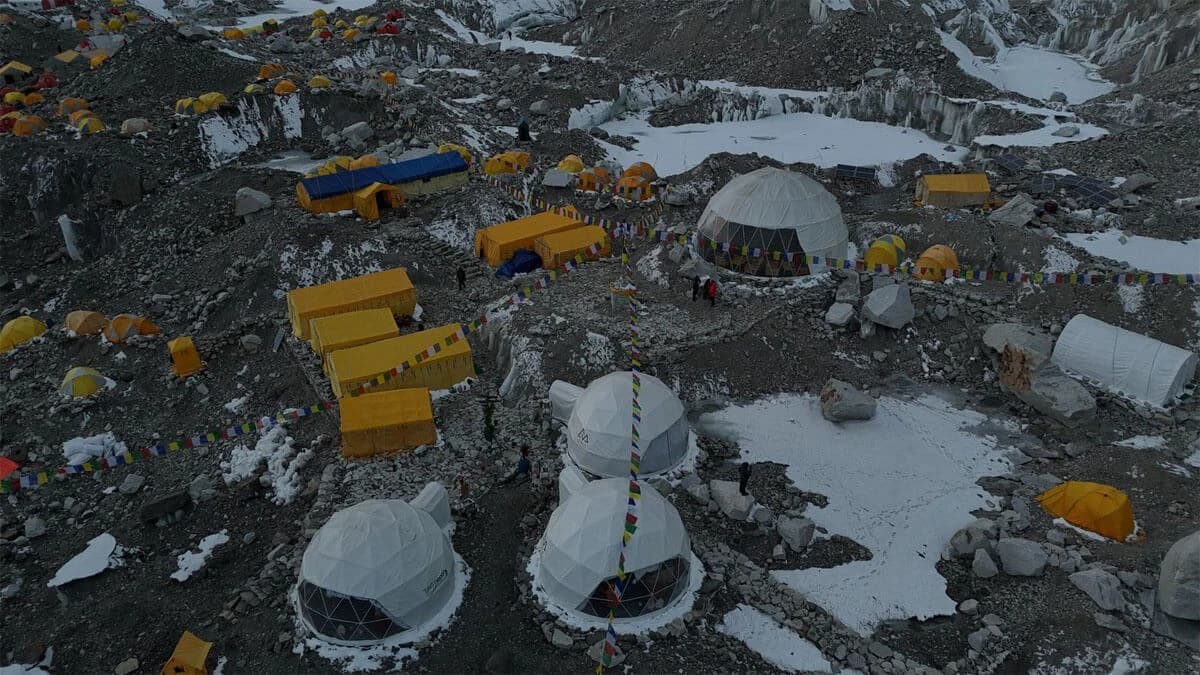
And the EBC teahouses surprise a lot of people too. You still sleep in basic rooms and the food is simple, but it’s not some rough, isolated setup either. In places like Namche Bazaar, you’ll even find bakeries, WiFi, charging spots, all of that. It’s more developed than people expect before they get there.
At some point during the trek, it just clicks that this isn’t really a wild or untouched experience at all.
How the EBC Trek Actually Feels Day to Day
It’s repetitive. That’s the honest way to put it.
You wake up in a teahouse, grab something simple to eat, and start walking. Hours pass. You stop somewhere for food. Then you walk again. Same thing the next day. And the next.
The Everest region route doesn’t really change its rhythm once you’re on it. It just keeps going higher, village after village, with the same routine in between.
There are people everywhere on the trail. Not packed like a city, but you’re never alone. Trekkers in front, behind, porters passing you, yaks sometimes taking over the path. It’s always active.
What really starts to change is your body. After Namche Bazaar, you feel it. Walking gets slower without you trying. You stop more often. Even small climbs start feeling longer than they should.
Nothing technical happens at any point. It’s still walking. That’s it. But the air changes everything. You notice it in how quickly you get tired and how long it takes to recover between stops.
At some point, you stop thinking about scenery or experience and just focus on reaching the next place before the day ends.
Difficulty and Altitude Reality (Most Underestimated Part of the Journey)
People might wonder how difficult the Everest Base Camp trek is, and the truth is you only understand it properly when you are actually on the trail. Reading about it does not really prepare you for it.
There are no climbing or any technical sections. It is walking from start to finish. But that is not what makes the whole Khumbu region journey difficult.
After Namche Bazaar, the Everest Base Camp altitude affects people in a way that is hard to explain before you experience it. You stop more often. You take breaks you did not plan for. Even talking while walking starts to feel like effort.
Days start before you even feel ready for them. You open your eyes, lie there for a bit, and then just get up because that is what everyone else is doing.
You start walking soon after because the groups already start to move.
Food becomes routine in a strange way. You eat what is available because you know you need it for the next few hours. Later in the day you end up doing the same thing again.
Sleep is not great once you are higher up. You wake up in the middle of the night, look around, go back to sleep, then it happens again. It is normal up there.
Fitness does not really explain anything at this point. You can tell who trained hard, but it does not always match how people handle it. Some strong people move slowly and stop often. Some who look less prepared just keep going without making a big deal out of it. The Everest region trek does not really follow expectations like that.
There is no real structure to how the days feel anymore. It is just a loop of walking, stopping, walking again. That’s the reality of it.
Why the Everest Base Camp Trek Still Feels Worth It Despite the Difficulty in 2026
Even after all the walking, the altitude, and the same kind of days repeating, most people still finish the Everest region trek and say it was worth it. You can hear statements like, yeah, I’m glad I did that most of the time as well.
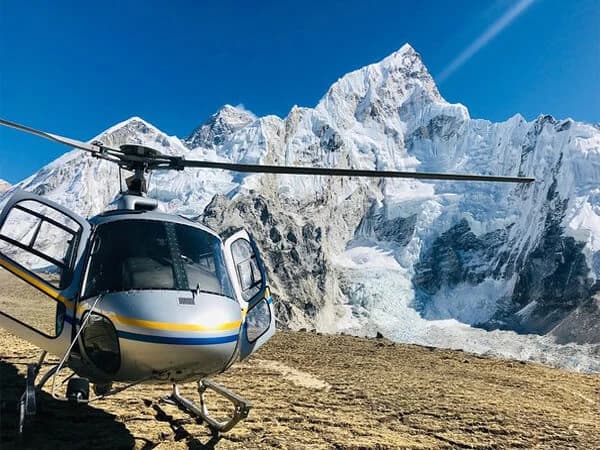
Base Camp itself is mostly not the part people talk about later. You get there, it is busy, people take photos, then it is time to leave again. It is more of a stop than a moment. What actually sticks for most people is Kala Patthar. That is where Everest finally looks real in front of you. Yes, “The Everest”.
Some of the smaller things end up staying in memory more than expected. Going through small villages where life feels different and people are just getting on with their day. Reaching a teahouse after hours of walking, putting your bag down, and sitting there for a bit without thinking about much, just resting.
And when it is done, what people usually mention is not comfort or difficulty. It is simply that they completed the whole route from start to end and reached Everest Base Camp, the starting point of the world’s highest peak.
Why Do Some People Feel EBC Is Overrated?
Not everyone comes back impressed by the Everest region trekking in Nepal.
A lot of it is just expectations being off from the start. People picture something remote and untouched. What they get is a busy trail most of the time, especially in peak season. You keep seeing the same flow of trekkers, guides, porters going up and down. It does not really stop.
Base Camp itself also surprises people. It is not a clear view point of Everest. You do not see the summit properly from there. Most people spend some time, take photos, and move on.
There is also a commercial side to it. Teahouses are set up all along the route, and villages are built around trekking traffic. It is not an isolated experience in the way many expect and that’s when the reality hits.
For some people, that gap between expectation and reality is enough to make it feel overrated.
What Makes this Kalapatthar Trek worth it?
What makes the Everest Base Camp trek worth it is not one big moment. It is a combination of small things that do not really feel important while you are there, but stick later.
The mountains are obvious, but they are not the only reason people end up liking it. There are points where everything opens up and the scale of the place hits properly. You cannot really compare it to anything else once you are standing in it.
Then there is Sherpa culture. That part is often talked about but not really understood until you are there. The way life runs in those villages, how normal everything feels for them even at that altitude, and how welcoming people are in teahouses along the route. You are not treated like a passing customer most of the time. There is a kind of ease in how you are received, even when conditions are basic.
There is also no real story feeling while you are doing it. It does not turn into something meaningful day by day. Most of it feels ordinary in the moment, even repetitive. Meaning comes later when you are not in it anymore.
And the funny part is, even the difficult parts do not really turn into strong memories. They just feel like something you went through.
That is where the idea of it being worth it comes from.
Cost of the Everest Base Camp Trek in 2026 (What People Actually Spend)
Cost is something most people underestimate before the Everest Base Camp Hiking 2026/027. You see a rough figure online and assume that’s close enough. It rarely is.
The flight to Lukla takes a big part of the budget right away. Short journey, but expensive compared to normal domestic flights in Nepal. And there is no real alternative if you are following the standard route.
After that, spending does not come in one chunk. It spreads out. Food in teahouses is simple, but prices keep rising as you go higher. Same meals, different cost depending on location. You notice it after a while.
For rooms, the bed and blanket is included, everything else is not. Hot water, charging, WiFi where available, all of it costs extra. It stops feeling optional once you are there.
Support staff changes the total a lot. Guide, porter, or both. Some travel light, some rely on help. Either way, it is part of the system there.
By the end, the total is usually higher than what people expected before starting. Not because of comfort or luxury, just because everything in the Everest region has to be carried in. That changes everything about pricing.
Who Should Do the Everest Base Camp Trek and Who Should Not
This trek is not for everyone, and that becomes clear only after you look past the photos and start thinking about the actual routine on the Everest Base Camp Hiking route.
If someone expects comfort, privacy, or a different kind of experience each day, this route will feel basic from the beginning. The Everest Base Camp trek route stays simple throughout as this Khumbu region trek is focused on movement rather than comfort.
It is also not a quiet trail. There are always people around. Same direction, same stops, same routine through the Khumbu region. You might get short moments without anyone right next to you, but it never turns into an empty walk.
Altitude changes things more than people expect. The Everest Base Camp difficulty is not about training or strength. It just affects how the body behaves. Some people deal with it without making it a big deal. Some just don’t enjoy that part at all.
Most of the people who finish it without frustration are the ones who already knew it would be basic, repetitive, and tiring before they even started.
If someone wants more comfort or a more supported version of the journey, there are also options. We Nepal Trekking Routes can arrange a luxury Everest Base Camp trek with better accommodation and upgraded services while keeping the same overall route through the Everest region.
Practical Things People Should Know Before the Everest Base Camp Trek
Before making any judgement about the EBC trek, there are a few practical things that matter more than opinions.
The trek takes around 12 to 15 days from Lukla and back. That includes acclimatization days built into the Everest Base Camp 15 days itinerary. The route through the Khumbu region is set up around gradual altitude gain, so the stops are part of the demand, not optional breaks.
Permits are needed before entering the Everest region trek. The main ones are the Sagarmatha National Park entry permit and the Khumbu Pasang Lhamu Rural Municipality permit. Most people sort these out in Kathmandu or through a trekking agency before starting.
Connectivity is patchy once you are on the Everest Base Camp route. Lower villages like Namche Bazaar have better network access and teahouses with internet services. Higher up in the Khumbu region, it drops a lot, and when WiFi is available it is paid and slow.
Packing becomes obvious only after you start walking. Weather shifts across altitude zones, and what feels fine at lower elevation can feel unnecessary later. Most people carry more than they need on the Everest Base Camp trekking in Nepal and figure that out along the way.
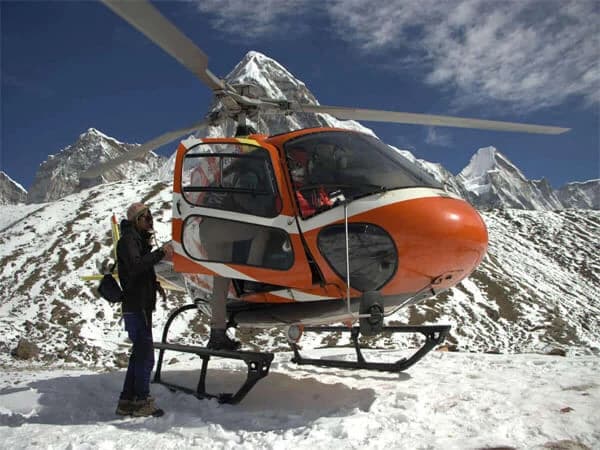
Flights to Lukla depend on weather conditions and visibility in the Everest region. It is part of the normal process for this route, and most Nepal Everest Base Camp trek itineraries are built with extra days because of that.
Altitude is the one thing that does not follow preparation. The Everest Base Camp altitude affects people differently, and you only find out how your body reacts once you are actually on the trail.
These are the basic things that shape the experience long before anyone starts deciding whether the Everest Base Camp trek is worth it or not.
The Real EBC Experience in 2026
The Everest Base Camp trek to Everest Base Camp is not a hidden or wild adventure anymore. It is a very popular, well used trekking route.
The trek to Everest Base Camp has changed a lot compared to the old days.
Years ago, it was more basic. Fewer trekkers, simpler lodges, and almost no communication with the outside world. It felt more remote and less developed.
Now it is the opposite in many ways.
The route is much more commercial. There are more lodges, more organized tours, and way more people on the trail during peak seasons.
Comfort has gone up though. You can get Wi Fi in a lot of villages, better food options, and more organized lodges. But it all costs extra and nothing is really cheap up there.
The route is also more regulated now. More permits, more rules, more support services. Safer in some ways, but less wild.
The one thing that has not changed is the altitude. It still hits people hard no matter how fit they are.
So overall, it used to feel like a remote adventure. Now it feels like a popular, well managed trek with a lot of people doing the same thing.
Common Complaints About the Everest Base Camp Trek
Some of the less talked about issues only really start to make sense once you are a few days into the trek.
The air gets dry in a way you only really notice after a while. At first it feels like nothing, then your lips stay cracked no matter what you do, and your throat feels rough even when you’re just breathing normally. You stop thinking about it as a condition and it just becomes part of the day.
Sleep is never quite as good as you expect. The walls are thin, sounds travel, and there’s always someone coughing somewhere in the building at that altitude.
You don’t really get much time on your own on the main route. You walk with others most of the time, stop at the same places, and end up seeing the same people again later without planning it. It never feels packed or noisy, it’s just always happening around you. After a while, it stops feeling like you’re on a trail and more like everyone is moving up in the same direction at the same time.
The space feels tighter than expected to most of the trekkers. Even when you’re not talking to anyone, you’re still around people most of the time. Sitting areas, dining rooms, the trail itself, it all blends into one shared space.
Some people get small issues like headaches or lose their appetite for a while. It comes and goes. Nothing extreme for most, just enough to slow you down or make you eat because you have to, not because you want to.
Plans also don’t stay fixed the way people think they will. Flights get delayed, weather changes things, and sometimes you just wait around longer than expected. That becomes part of the routine too, even if it’s not written into any itinerary.
None of these things ruin the trek. Some days you barely think about them. Other days they sit heavier than expected. Looking back, they’re usually the things people remember more than they expect to while they’re actually there.
So… Overrated or Worth It?
There’s no clean answer here. Anyone who tries to force one usually hasn’t really sat with what the trek is like.
A lot of people come back saying it felt overrated, and when you listen to them properly, it mostly comes down to what they expected. The idea most people have before going is pretty similar: silent trails, big open mountain views most of the time, and some kind of deep experience every single day. That’s not really how it plays out.
Most days are more repetitive than people imagine. You walk for hours, stop in the same kind of places, eat similar meals, sleep in teahouses that start to feel familiar after a while. The trail is shared too. You’re almost always around other trekkers, guides, porters.
And still, calling it overrated across the board doesn’t feel accurate either.
Being in that kind of mountain environment changes how everything feels. Even simple things like walking or stopping for a break start to feel different because of the altitude. The size of the place is something you only really understand when you are there, not from photos. And then, without planning for it, there are moments when the whole landscape opens up in front of you and you just end up standing there for a bit before moving again.
The gap is mostly between expectation and reality. If someone goes in expecting quiet, variety, or constant wow moments, it can feel underwhelming. If someone expects a long, physically demanding trek through a very busy mountain region with occasional strong highlights, it tends to make more sense.
So whether it feels worth it or not really depends on what someone is looking for.
- For a lot of people, it is worth it just to reach Everest Base Camp and experience that environment with their own eyes, even if most of the days feel similar.
- For others, the effort feels a bit heavy compared to what they personally get out of it, especially if they were hoping for something more remote.
It’s safe to say that it doesn’t really land the same way for everyone.
Everest isn’t some untouched secret anymore. It’s a popular trekking route in Nepal through a very serious part of the Himalayas. What people take from it depends a lot on how honest they are with themselves before they start.
To Sum Up
Everest Base Camp is not a perfect experience and it was never meant to be. It is a long walk through a busy mountain route, with moments that feel good and others that feel tiring or plain. People come out of it with different opinions, and that usually says more about what they expected at the start than anything else. Some are satisfied they did it once, some feel it was more than they wanted to take on. Both reactions are normal.