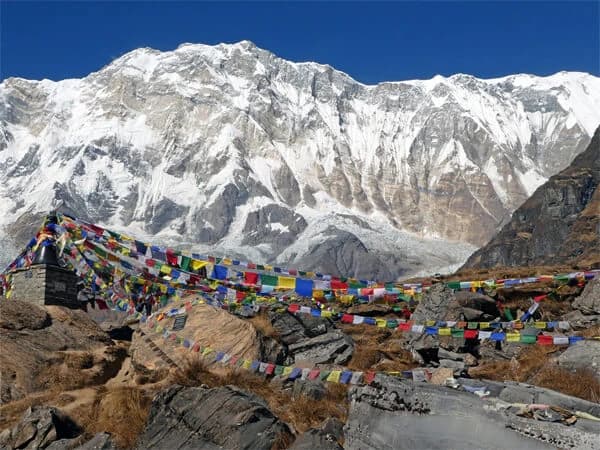
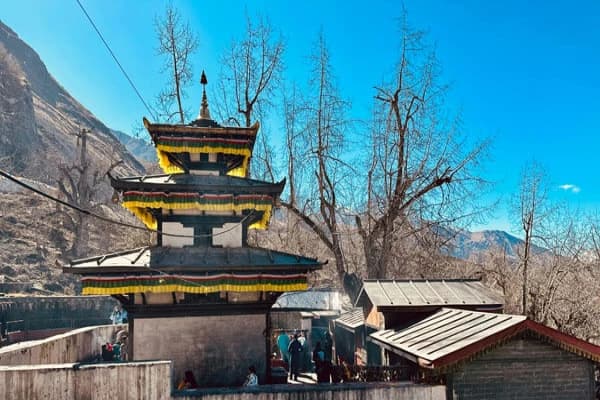
If you’re planning the Nar Phu Valley trekking in Nepal, one of the first things you’ll probably think about is the Nar Phu Valley Trekking cost. It’s not one of those super commercial trekking routes in Nepal, so the pricing feels a bit different compared to Annapurna Base Camp Trek, even though both are in same region. Everything from permits to accommodation plays a role in how much you’ll actually spend.
The overall Nar Phu Valley Trek cost depends on how you organize the trip, whether you join a group or take a private trek, and which services are included in your trekking package. Since Nar Phu lies inside a restricted area of the Annapurna region, you also need a special trekking permit, along with the required conservation area arrangements, which add to the total budget.
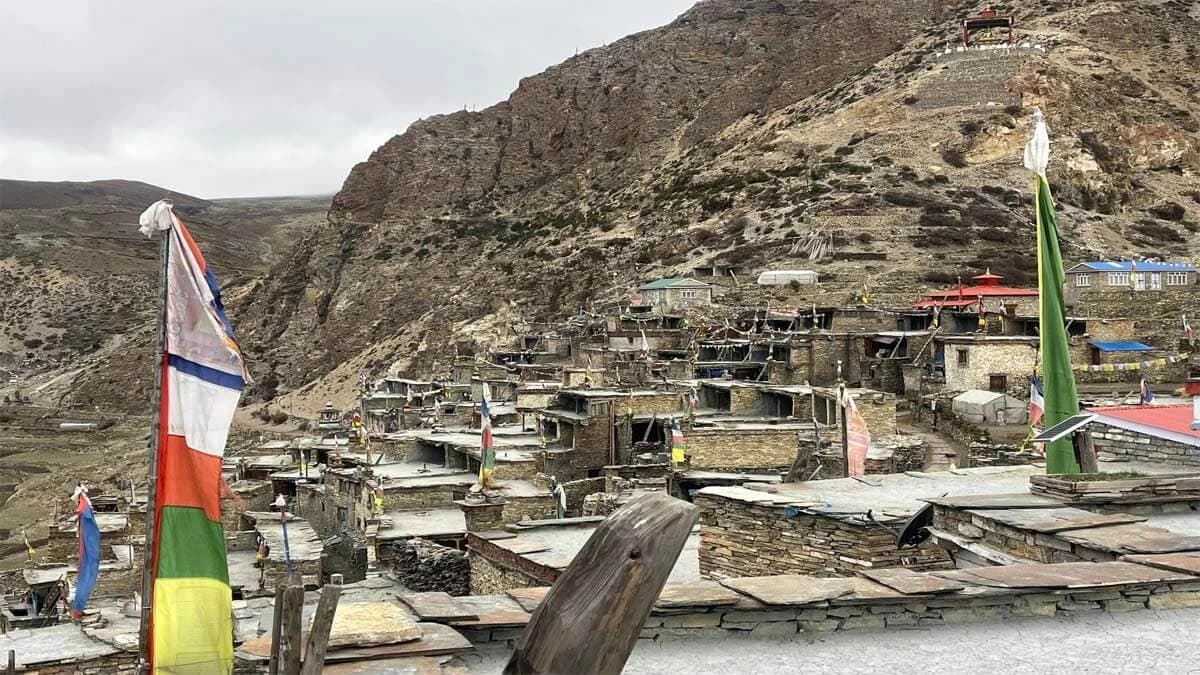
In general, the trek costs more because reaching Nar Phu involves extra transportation, restricted area permits, and trekking through a part of Manang where services are limited. That is also what makes Nar Phu Valley trekking different from many of the better known routes in Nepal. You get remote villages, Tibetan influenced culture, dramatic mountain scenery, and far fewer trekkers than you will find on the busiest trekking routes in Nepal.
Overview of Nar Phu Valley Trek Cost
The overall Nar Phu Valley Trek cost depends on your travel style, group size, itinerary, transportation, and what your trekking package actually covers. A private trek with private transportation will naturally cost more than joining a group and sharing expenses. If you are comparing the Nepal trekking cost of Nar Phu with more established routes, pay close attention to the inclusions because permits, guide and porter services, accommodation, meals, and transportation are not always included in the same way.
If you choose a basic or budget style trek with fewer services, the cost can be slightly lower, around USD 700 to 1,000. However, if you prefer more comfort, better food, or a private guide, the budget can go above USD 1,500. Since it’s a restricted region, permits alone add a fixed cost that you cannot avoid.
Overall,trekking in Nar Phu Valley is not the cheapest option in Nepal, but the remote landscapes, quiet trails, and untouched mountain villages make the experience feel worth the price for many trekkers.
Detailed Cost Breakdown of Nar Phu Valley Trek
The Nar Phu Valley trekking cost is not a single fixed amount. It is made up of permits, transportation, guide and porter services, food, accommodation, and the smaller expenses you pick up along the trail. It is actually made up of several parts like permits, guide services, food, accommodation, transportation, and small daily expenses. The final price depends on how you plan your trek, whether you join a group, and the level of comfort you choose on the trail.
You are not only paying for trekking in mountains. Part of the cost goes toward access to a restricted region, trekking staff, transportation, permits, and the logistics of operating in a remote part of Manang where services are limited. That’s why the total cost can vary quite a bit from one trekker to another.
Nar Phu Valley Trekking Permit Cost
The Nar Phu Valley restricted area permit is one of the main fixed costs you need to account for before starting the trek. The current Nar Phu Valley Restricted Area Permit costs USD 100 per person for the first seven days from September to November and USD 75 per person for the first seven days from December to August. An additional USD 15 per person per day applies beyond the first seven days.
The Annapurna Conservation Area Permit (ACAP) is a separate requirement, and the Nepal Tourism Board currently lists the entry fee for foreign visitors at NPR 3,000.
These permits are required for the trek, and the restricted area permit is handled through the trekking agency system. The Department of Immigration states that restricted area trekking is regulated and that FITs are not permitted in these areas.
Nar Phu Valley Trekking Guide and Porter Cost
A licensed trekking guide is required on the Nar Phu route under Nepal's current trekking rules, making guide service an important part of your budget. The Nepal Tourism Board specifically lists the Nar Phu Annapurna Circuit among the routes covered by the mandatory guide and agency issued TIMS provision.
A professional trekking guide in Nepal costs around USD 25 to 40 per day. The price depends on experience, language skills, and service quality. Your guide helps with navigation, communication, safety, and the practical problems that come with high altitude trekking in Nepal. In a remote area like Nar Phu, having someone who knows the route and local arrangements can be particularly useful.
A porter is optional but highly useful if you want a more comfortable trek. A porter generally costs around USD 15 to 25 per day. They carry your main backpack, which reduces physical strain significantly, especially on steep climbs and long trekking days at higher altitude.
Food and Accomodation Cost for the Nar Phu Trek
Food and accommodation are daily expenses that continue throughout the trek. Meals typically cost around USD 25 to 40 per day per person. This includes breakfast, lunch, and dinner. Prices increase gradually as you go higher because everything is transported manually, often by porters or animals, which raises supply costs.
Accommodation follows the familiar teahouse trekking in Nepal model, although facilities become more basic as you get deeper into the Nar Phu Valley. A room usually costs around USD 5 to 15 per night. Facilities are simple, often with shared bathrooms and limited heating but they provide enough comfort for rest and recovery after long walking hours.
Transportaion Cost for Nar Phu Valley Trek
Transportation is another important part of the Nar Phu Trek cost, particularly because the road journey from Kathmandu to the trailhead takes a significant part of the travel budget. A public bus or shared jeep usually costs around USD 40 to 80 per person, depending on the route and comfort level. If you choose a private jeep, the cost can range from USD 300 to 500, but this can be shared among a group, reducing individual expense.
Return transportation is usually similar in cost, depending on your exit route and mode of travel. Road conditions and weather can also slightly affect pricing and travel time.
Extra Cost You Might Not Notice at First
When people first plan the budget for Nar Phu valley trek in Nepal, they usually focus on obvious expenses like permit, transportation, guide, accommodation and food because those are easy to calculate before the trek. But what many trekkers only realize later is that there are several smaller daily costs that quietly increase the overall budget throughout the journey.
None of these expenses is particularly large on its own. The problem is that you keep paying for them throughout the trek, so the final amount can be noticeably higher than the budget you had in mind before leaving Kathmandu.
The thing is that they happen repeatedly during the trek. After a long walking day in cold mountain weather, paying a few extra dollars for a hot shower, tea, or charging your phone does not feel like a big decision at the moment. But over 10 to 12 days, these small costs slowly become a noticeable part of the total spending.
- Charging Phones and Power Banks: Electricity is limited in remote villages, and most teahouses charge separately for charging phones, cameras, or power banks. The higher you go, the more expensive it usually becomes because many places rely on solar power or limited electricity sources. On average, trekkers may spend around USD 20 to 50 total on charging during the entire trek.
- Hot Showers: Hot showers are available in some villages, but they are rarely included in the room price. In colder parts of the trail, many trekkers end up paying extra just for a few minutes of warm water after a long trekking day. Depending on the village and altitude, this can add around USD 20 to 60 overall during the trek.
- WiFi and Mobile Data: Some teahouses offer Wi-Fi services for an additional cost, though the connection is usually slow and unreliable because of the remote location. Trekkers who regularly use internet services may spend around USD 10 to 30 total during the journey.
- Snacks and Drinks: Small purchases like chocolates, tea, coffee, soft drinks, bottled water, or energy bars add up much faster than most people expect. Prices increase significantly as the altitude gets higher since supplies are carried manually into the mountains. Overall, trekkers often spend around USD 50 to 150 extra on snacks and drinks throughout the trek.
- Travel Insurance: High altitude travel insurance with emergency evacuation coverage is strongly recommended for trekking in Nar Phu Valley. Many trekkers forget to include this in the initial budget planning. Depending on coverage and duration, insurance usually costs around USD 100 to 200.
- Tipping for Guides and Porters: At the end of the trek, it is common to tip guides and porters as appreciation for their support and hard work. While tipping is not mandatory, most trekkers keep around 10-15% of the total guide and porter cost aside for tips.
- Small Personal Purchases: Forgotten items, medicine, batteries, gloves, toiletries, or extra warm layers are sometimes bought during the trek, especially when weather conditions become colder than expected. These personal expenses usually add another USD 20 to 80 depending on individual needs.
Nar Phu Valley Trek Cost for Nepali Citizens
The Nar Phu Valley Trek cost for Nepali citizens depends mainly on transportation, food, accommodation, guide services, and group size. Nepali trekkers can spend less by using local transportation and basic teahouses, but a fully guided trek will cost more depending on the services included.
Nar Phu Valley Trek Cost for Indian Nationals
A Nar Phu Valley trek for Indian nationals typically costs around ₹65,000 to ₹1,10,000 (USD 780 to 1,300) per person for a standard 9 to 12 day guided trek. The final Nar Phu Valley trekking cost depends on group size, transportation, accommodation, permits, guide services, and package inclusions.
Nar Phu Valley Trek Cost for Foreign Nationals
A Nar Phu Valley trek for foreign nationals generally costs around USD 900 to 1,500 per person for a standard guided trek. Private trips, smaller groups, longer itineraries, and higher service levels can push the price higher. Current 2026 packages from trekking operators show prices around USD 799 to USD 1,290 for various group sizes and itineraries.
Note: These are approximate trekking costs, not fixed prices. International flights, travel insurance, personal expenses, and optional services are not included.
Nar Phu Valley Trek Packages ( Cost Overview)
When planning a trip to Nar Phu Valley, the total cost doesn’t come in just one fixed form. It changes based on how simple or comfortable you want your journey to be. Some trekkers go for the most basic setup, while others prefer more comfort and support along the way. That’s why most trekking options are grouped into three main packages: budget, standard, and luxury.
- Nar Phu Valley Budget Trek Packages: This is the cheapest option and usually costs around USD 700 to 1,000 per person. It covers basic things like permits, a guide, simple teahouse accommodation, and shared or public transport. Meals are simple and fixed. It’s best if you want to keep costs low and don’t need extra comfort.
- Nar Phu Valley Standard Trek Packages: This is the most popular choice and usually costs around USD 900 to 1,500 per person. It includes a guide, porter, permits, meals, accommodation, and more organized transport. The experience is smoother and more comfortable without going too expensive.
- Luxury Nar Phu Valley Trek Packages: This is the most comfortable but also the most expensive option, usually around USD 1,500 to 2,200+ per person. It includes private transport, experienced guides, better food options, and more flexible services. Everything is more personalized and easier, but the price is much higher compared to other packages.
Factors That Affect the Total Cost for Nar Phu Valley Trekking
The total cost of trekking in Nar Phu Valley is not fixed. It changes depending on several important factors like group size, season, comfort level, and itinerary length. Each of these plays a direct role in how much you finally spend on the trek.
Group Size for Nar Phu Valley Trekking in Nepal
Group size has one of the biggest impacts on the overall cost. If you are trekking solo or in a very small group, the cost per person becomes higher because you cannot split major expenses like guide fees, transportation, and sometimes even permits efficiently. For example, hiring a jeep or paying a guide alone can feel expensive when you are the only one covering the cost.
On the other hand, if you join a group of 4 to 6 people, these same expenses get shared, making the trek much more affordable per person. This is why group trekking in Nepal can be a practical way to reduce the per person cost on routes where transportation and staff expenses are shared.
Nar Phu Valley Trekking Season
The Nepal trekking season you choose can also affect the Nar Phu Valley Trek price. During peak seasons like spring (March to May) and autumn (September to November), the demand for guides, porters, accommodation, and transportation is very high. Because of this demand, prices can slightly increase, and availability may also become limited in remote villages.
In contrast, off season trekking may be cheaper, but it comes with challenges like colder temperatures, unpredictable weather, and fewer operating teahouses. So while peak season costs a bit more, it usually offers better safety and comfort.
Comfort Level and Services for Nar Phu
Your personal comfort choices directly influence your total budget. If you choose to hire a porter, eat more frequently, or stay in better rooms, your expenses will increase. Similarly, using extra services like hot showers, charging devices, Wi-Fi, and snacks also adds daily costs. While these are small individual expenses, they build up over time during the trek.
On the other hand, if you keep things basic and minimal, you can significantly reduce your overall spending, but the trek may feel more physically demanding. For trekkers comparing different Nepal trekking packages, it is worth checking whether these extras are already included before assuming one package is cheaper than another.
Nar Phu Valley Trek Itinerary Length
The duration of your trek also plays an important role in the total Nar Phu trekking package cost. A longer Nar Phu Valley Trekking itinerary means more days of paying for food, accommodation, guide services, and daily expenses. Even small increases in days can add up quickly in remote regions where everything costs more due to transportation difficulty.
If you add rest days, side trips, or take a slower pace for acclimatization, your total budget will naturally increase. That’s why planning a well-balanced itinerary is important to manage both cost and safety.
Travel Style and Planning
How you plan your trek also affects the final cost. This is particularly important when arranging restricted area trekking in Nepal, where permits and other formalities cannot simply be sorted out after you arrive on the trail. If you plan independently (while still following the mandatory guide rule), you may save some money by choosing cheaper food or transport options. However, poor planning can sometimes lead to unexpected costs, especially in remote areas where last-minute arrangements are expensive.
Is the Nar Phu Valley Trek Worth the Cost?
The Nar Phu Valley Trek costs more than many of the easier and more established options for trekking in Nepal, but that does not automatically make it poor value. You are paying for a restricted region, a remote trailhead, additional logistics, and a route that has far less tourism infrastructure than places such as Annapurna Base Camp.
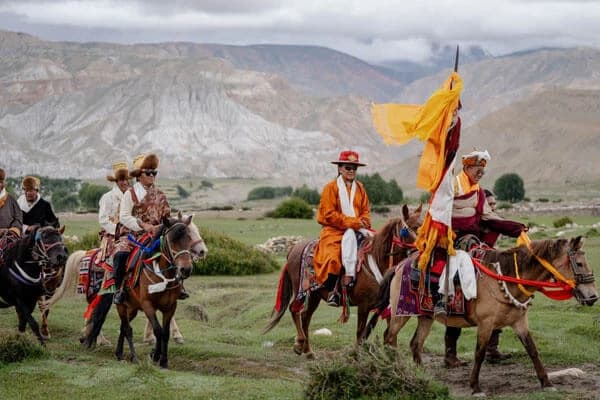
Unlike commercial trekking regions that are crowded during peak seasons, Nar Phu offers a much quieter and more remote journey. The landscapes feel raw and untouched, the villages remain deeply connected to Tibetan culture, and the overall trekking experience feels far more isolated and authentic compared to busier trails.
The real value of the trek is the setting. Nar and Phu are not places you pass through on a standard Annapurna region trekking itinerary. The villages, old monasteries, narrow valleys, and surrounding peaks give the journey a character that is difficult to find on Nepal's busier trails. Since it is a restricted area, fewer trekkers are allowed to enter, which helps preserve the traditional lifestyle and peaceful atmosphere.
You are not only paying for permits and logistics, but also for access to a region that still feels hidden from mainstream tourism. The mountain scenery, narrow canyons, ancient monasteries, high passes, and unique villages create an experience that feels very different from standard trekking routes.
At the same time, the trek is physically demanding and requires more preparation than easier routes. The trails are longer, facilities are simpler, and transportation and logistics are more complicated due to the remoteness. Because of this, some trekkers may feel the cost is high, especially when compared to shorter or more accessible treks in Nepal. However, the limited infrastructure and isolated location are also exactly what make the experience special.
In terms of value, the trek offers much more than just mountain views. It gives you a chance to experience a slower and quieter side of the Himalayas where traditional culture, remote landscapes, and daily mountain life still feel genuine and untouched. For trekkers who enjoy adventure, cultural experiences, and less crowded trails, the cost often feels justified by the uniqueness of the journey itself.
Budget Difference Between Solo, Group, and Agency Booking
How you organize your trek in Nar Phu Valley has a direct impact on your total budget, and the difference is often bigger than people expect. It’s not just about how you travel, but how fixed costs like permits, guides, transport, and accommodation get divided or managed.
Solo Trekking Planning in Nar Phu Valley
Solo trekking in Nar Phu valley sounds flexible, but in reality it usually ends up costing more. Travelling alone in Nar Phu Valley does not mean you can independently enter the restricted area without the required trekking arrangements. Nar Phu is subject to Nepal's restricted area regulations, so the necessary permit and agency arrangements must be made before entering the region.
If you are used to independent Nepal trekking, Nar Phu is different because of the restricted area regulations and the required trekking arrangements.
On top of that, arranging everything separately in Kathmandu or along the route can lead to small extra charges. Last minute bookings for transport or accommodation also tend to be more expensive. So even if it feels more independent, solo trekking often becomes the least budget-friendly option.
Group Trekking (Most Cost Effective Option)
For many trekkers, joining a group is the most practical way to bring down the Nar Phu trekking price, particularly when the cost of transportation, guides, and other fixed services is shared. When you share costs with 3 to 6 people, major expenses like guides, porters, and transportation become much more affordable per person.
For example, a private jeep that would be expensive for one person becomes reasonable when split among a group. The same applies to guide and porter fees, which are fixed daily costs regardless of group size. This sharing system is what makes group trekking the most popular choice for budget-conscious trekkers.
The only limitation is less flexibility. You follow a fixed itinerary and schedule, but in return, you save a significant amount of money.
Agency Booking (Balanced Option)
Booking through a trekking agency like Nepal Trekking Routes, sits in the middle of the two. It usually costs slightly more than planning everything yourself or joining a direct group, but it offers better structure and less stress during the trek.
Agencies handle permits, transportation, guide arrangements, accommodation, and sometimes even meals. This reduces the chance of unexpected expenses along the way. While you may pay a bit extra for service fees, you also avoid hidden costs and last-minute price increases.
It’s a good option for trekkers who prefer a smoother experience without dealing with too much planning, even if it means spending slightly more overall.
This can be especially useful for international trekkers who want a guided Nepal trekking experience without having to arrange every part of a restricted area trip themselves.
Why Is the Cost Lower in the Off Season for Nar Phu Valley Trek?
The cost of trekking in Nar Phu Valley can be lower during some off season periods, but not every trekking expense automatically decreases. The restricted area permit itself has a lower published rate from December to August than from September to November, while guide, transportation, accommodation, and food costs depend on the services available during your trek.
Outside the main Nepal trekking season, the trail can be much quieter and some accommodation providers may operate with fewer rooms or reduced services. Since they receive fewer guests, they may reduce room prices or offer slight discounts on food and services. Off season also gives trekkers more room to negotiate package costs because service providers are more open to adjusting rates. Even group formation becomes easier in some cases, which can further reduce the per person cost.
At the same time, this lower cost comes with a few trade offs. Weather conditions can be less stable, some lodges may be closed, and trail conditions can feel more challenging. So while the trek becomes more budget friendly, it also requires more flexibility and preparation from trekkers.
How to Reduce Nar Phu valley Trek Cost?
If you are trying to reduce your Nar Phu Valley Trek cost, the easiest place to start is before you leave Kathmandu. Compare what different trekking packages include, share transportation where possible, avoid unnecessary extras, and be realistic about what you actually need on the trail.
- Choosing a fixed departure date instead of a fully flexible plan often helps reduce the overall trekking cost. Fixed groups are easier to organize, and costs like guides and transport get balanced properly, which usually makes the price more stable.
- Sticking to local food during the trek also helps keep expenses low. Meals like dal bhat are not only filling but also more cost-effective compared to ordering different items every day from the menu.
- Keeping your packing simple from the start can save money later in the trek. When you carry the right clothing and essentials, you don’t end up buying expensive items in small mountain villages where prices are always higher.
- Avoiding unnecessary upgrades in accommodation also makes a difference. Basic teahouses are already part of the trekking experience, and spending extra on slightly better rooms doesn’t really change much on such a remote route.
- Managing drinking water smartly helps too. Using purification tablets or a filter bottle is usually cheaper than buying bottled water every day, especially as you go higher up the trail.
- Being careful with small daily purchases is also important. Things like extra tea breaks, snacks, or impulse buys feel small at the moment but it may contribute to the hidden costs of trekking in Nepal.
Conclusion: Nar Phu Valley Trek Cost
The Nar Phu Valley Trek cost in Nepal depends on more than the advertised trekking package price. Permits, transportation, guide and porter services, food, accommodation, the length of your itinerary, and your personal spending all contribute to the final amount. Once you separate the fixed expenses from the things you can control, it becomes much easier to work out a realistic budget for the trek.
What you are paying for, ultimately, is access to one of the more remote corners of the Nepal Himalaya. Nar Phu is not the cheapest choice for trekking in Nepal, but it offers something the busier routes cannot easily reproduce: traditional villages, Tibetan influenced culture, high mountain scenery, and a trail that still feels relatively removed from mass tourism. For trekkers who specifically want remote trekking in Nepal, that difference is a big part of the value.