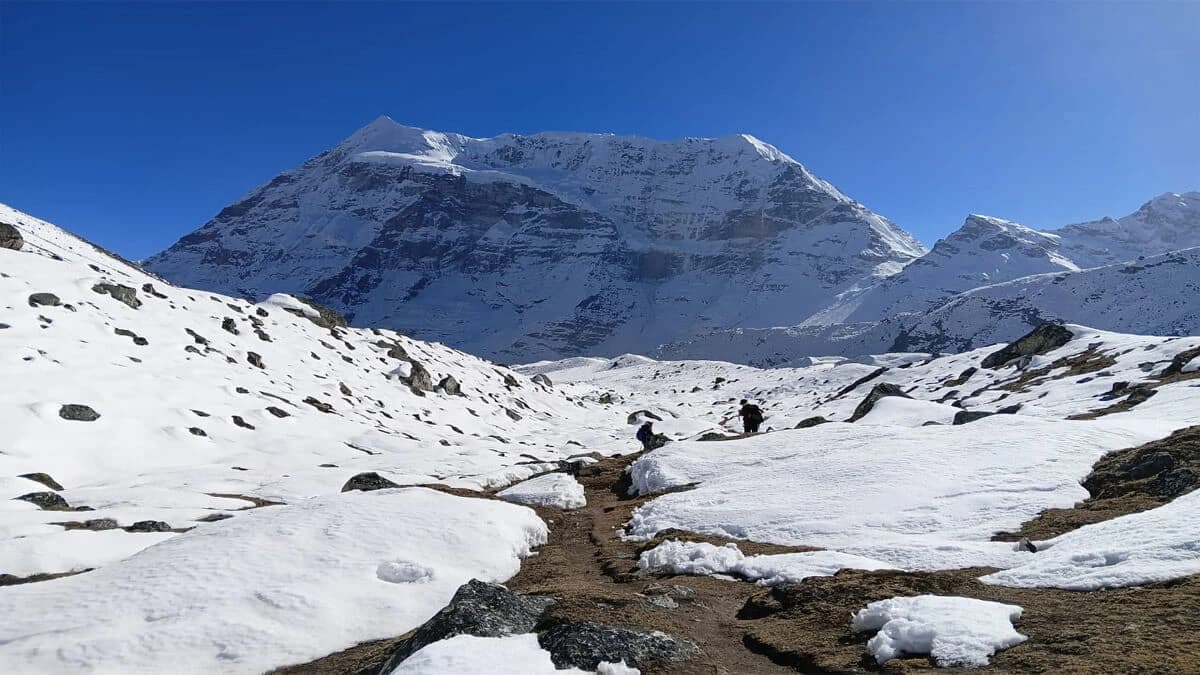
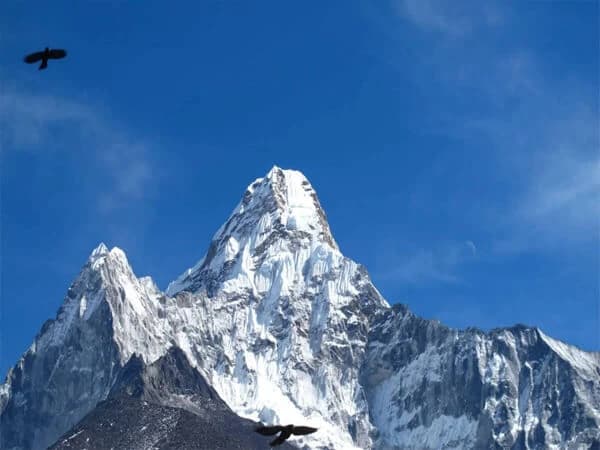
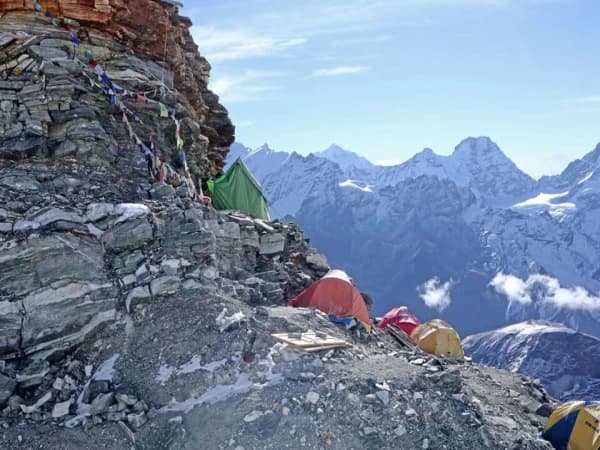
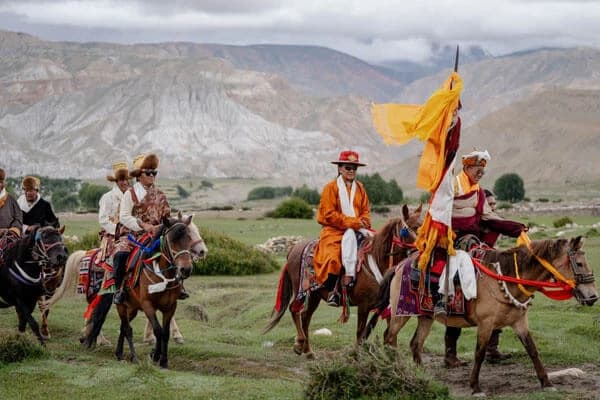
Nepal, the land of mountains, is a paradise for anyone whose heart beats for the Himalaya. Here, the mountains stretch across the horizon in endless layers of snow and rock, creating a wholesome playground for travelers who seek mind boggling peaks, friendly as well as challenging trails, and warm hospitality of the locals. For mountain lovers, Nepal is more than just a country, it is a living landscape that calls for wanderers from all around the world to explore, challenge and reward every step with an unforgettable beauty.
From the legendary Mount Everest to hidden alpine valleys, Nepal offers experiences that are thrilling and peaceful at the same time for mountain lovers. To them, a journey here is more than just sightseeing. Every trail, village, and summit provides a window into the life of the Himalaya. Trekking in Nepal is an invitation to explore the breathtaking peaks, glacial lakes, and alpine grasslands, all while connecting with local communities and ancient traditions. In this guide, we will take you through peaks, trails, and views that make a Nepal mountain tour truly extraordinary.
Why is Nepal the ultimate mountain destination?
Nepal may be small in size, but it is enormous in adventure and beauty. It is home to eight of the world’s fourteen 8000 meter peaks primarily, as of early 2025 and finalized by late 2025, Nepal has officially added six new peaks above 8000 meters to its national records, raising its count from 8 to 14. Isn’t that wonderful news for a peak lover?
Beyond the giants, Nepal's landscapes range from subtropical forests to alpine deserts, glacial valleys, and serene lakes. This variety makes it perfect for travelers seeking everything from short treks to high altitude adventures. The charm of Nepal is not just in the mountains but in the experiences along the way. Villages located on hillsides, monasteries echoing prayers, and trails lined with fluttering prayer flags give each journey a cultural and spiritual dimension. A Nepal Himalaya tour does not just show you the mountains; it lets you live among them, walk beside them, and feel their magic up close.
Must-See peaks in Nepal
Nepal is home to some of the most legendary mountains on Earth, and each peak has its own story, its own character, and its own way of taking your breath away. From the world famous giants that draw adventurers from every corner of the globe to hidden treasures off the beaten path, these peaks define why Nepal is a mountain lover’s dream.
Mount Everest: The Roof of the World
Mount Everest needs no introduction. Standing at 8848.86 meters, it is the tallest peak on the planet and a symbol of human ambition and the raw power of nature. You don’t have to climb it to feel its majesty, trekking to Everest Base Camp is enough to leave you speechless. Along the way, you pass through bustling Sherpa villages, cross hanging suspension bridges, and walk past colorful prayer flags. For most travelers, the highlight is Kala Patthar, where the sunrise paints Everest in golden light, creating a view that will stay in your memory forever.
Everest for Nepalese is more than a peak, it is a symbol of pride, joy, and reminder of the great asset that we have. It is a journey into the heart of Himalaya, where every step brings you closer to the edge of the world.
Annapurna: A mountain full of character
Annapurna isn’t just one mountain, it’s a whole family of peaks, each more dramatic than the next. Annapurna I towers over the region at 8,091 meters, but it’s Machhapuchhre (the fishtail mountain) that steals the show. Its sharp, pointed tip is instantly recognizable, and it looks like it’s been carved by an artist’s hand. Annapurna’s beauty is in its variety: jagged cliffs, ridges, and snow fields that catch the light in different ways throughout the day.
Manaslu: The Quiet Giant
Manaslu doesn’t seek attention, and that’s exactly what makes it special. At 8163 meters, it’s the eighth highest mountain in the world, but it feels like a secret kept by the Himalaya. Its slopes are steep and icy, its ridges sharp, and when clouds swirl around its midsection, it almost feels mysterious. Manaslu is for those who love mountains that command respect without needing a crowd to cheer for them.
Kanchenjunga: The Crowned Beauty
Kanchenjunga is a royalty among mountains. Its five peaks form a crown, and at 8586 meters, it’s the third highest in the world. Often hidden behind clouds, Kanchenjunga has a quiet, regal aura. Its glaciers and sheer faces give it a dramatic look, and standing before it, or even catching it in the distance feels like witnessing something sacred.
Lhotse: Everest’s Shadow, but majestic on its own
Lhotse sits right next to Everest, but don’t think of it as a sidekick. At 8516 meters, its south face rises like a giant wall of ice and rock. It’s dramatic, imposing, and beautiful in a raw, uncompromising way. Lhotse doesn’t need to be the tallest to impress as it has its own personality and commands attention the moment you see it.
Makalu: The Perfect Pyramid
Makalu is the perfectly shaped pyramid of the Himalaya. At 8485 meters, it rises sharply from the surrounding valleys, its steep ridges and snowy slopes almost looks sculpted. It’s remote, dramatic, and feels untouchable, giving you the sense that you’re standing in front of a masterpiece of nature.
Cho Oyu: The Calm Giant
Cho Oyu is the gentle one of the high peaks. Standing at 8188 meters, it is known as the ‘turquoise goddess’. Its broad ridges and gentle slopes gives it a calm, serene presence compared to the jagged neighbours Everest and Lhotse. Yet, its size and beauty make it impossible to ignore. Cho Oyu is the kind of mountain that quietly impresses you with its elegance and grace.
Best Trails for the Himalayan Trekking in Nepal
Nepal isn’t just about mountains, it’s about the trails that take you through them. Each trek is like a story, full of stunning views, small villages, and moments that make you stop and just stare. Here are the best trails that every mountain lover should know about.
Everest Base Camp trail
- Elevation: Everest Base Camp- 5364 meters
- Kala Pathar: 5545 meters
Everest is the one everyone dreams about. Walking toward it is like entering another world with big mountains, icy rivers, and villages with prayer flags everywhere. Namche Bazar is lively, with tea shops and little markets, while the views of Everest itself are impossible to forget. Kalapatthar, where the sunrise hits the peak, is pure magic that makes all the effort worth it.
Annapurna Circuit trail
- Elevation: Thorong La Pass - 5416 meters
- Highest points along the circuit- 5400-5500
The Annapurna circuit has everything, dense forests, terraced rice fields, rivers, and dramatic high passes. Thorong La pass offers jaw dropping views of Dhaulagiri, Annapurna, and Machhapuchhre. Villages along the way are warm and inviting, full of local culture. The trail changes constantly, so you’ll feel like you are walking through several different worlds in one trek.
Annapurna Base Camp trail
- Elevation: Annapurna Base Camp- 4130 meters
If you want to be surrounded by mountains, this is the place. The trail winds through forests, and charming villages. The higher you go, the more the peaks dominate the horizon, creating a panoramic view. The base camp itself is stunning. Annapurna I, Machhapuchhre, Hiunchuli, and Annapurna South are surrounded by the sanctuary in all directions, making it feel like the mountains are giving you a private show. The trek gives a perfect mix of natural beauty, high altitude charm, and cultural experiences. Annapurna Base Camp, in short, gives a full experience of himalayan immersion in Nepal.
Langtang Valley trail
Langtang valley is quieter than Everest or Annapurna, which makes it feel like a hidden gem. The trail takes you through green valleys, dense forests, and bamboo ways before opening into wide alpine landscapes. Langtang Lirung towers above the valley, often wrapped in clouds that add drama to the scenery. Glacial lakes, and charming Tibetan style villages make every step memorable. The locals here are warm and welcoming, offering the daily mountain life that’s authentic and inviting. Langtang is perfect for travelers who want stunning Himalayan views without the crowds.
Manaslu Circuit trail
- Elevation: Larkya La Pass- 5106 meters
- Manaslu- 5106 meters
Manaslu is for adventurers who love raw, untouched mountains. The trail winds through thick forests, rivers, and remote villages that feel frozen in time. The big highlight is Larkya La Pass, which offers breathtaking views of Manaslu. Himalchuli, and other peaks surrounding the circuit.
The region is quiet, giving trekkers a sense of discovery at every turn. You’ll see prayer flags everywhere, yak trains crossing the paths, and landscapes that shift dramatically from green valleys to snowy ridges. This trek is for anyone who wants to feel like they are seeing the Himalaya before crowds arrive.
Poon Hill trail
- Elevation: Poon Hill- 3210 meters
Poon Hill is proof that you don’t need weeks to see amazing mountains. The trek is short, easy, and packed with incredible views. From the top, you can see Annapurna, Dhaulagiri, and Machhapuchhre all in one sweeping panorama.
The trail passes rhododendron forests that bloom in Spring and villages with tea houses and local charm. It’s the perfect choice for anyone who wants a quick Himalayan experience without missing the beauty and scale of the mountains. Sunrise here is unforgettable, lighting up the peaks in shades of gold and pink.
Best trekking regions and their treks in Nepal
Nepal is the ultimate playground for trekkers. Every region offers unique scenery, peaks, and villages, and experiences. Whether you are chasing the highest summits, beautiful valleys, or cultural immersion, there’s a trek for you. Here’s a complete guide to Nepal’s best trekking regions and every major trek in them.
The Everest Region Treks
The Everest region is the dream destination for mountain movers. Towering peaks, glaciers, Sherpa culture, and Buddhist monasteries make this region unforgettable.
Everest Base Camp Trek (5364 meters)
The classic EBC trek to the world’s tallest peak. Walk through forests, cross suspension bridges, and stop at vibrant Sherpa villages. The highlight is Kalapatthar, where the sunrise hits Everest, Lhotse, and Nuptse in surreal colors.
Gokyo Lakes Trek (4750 meters)
A quieter alternative to the main EBC route. The trail passes emerald glacial lakes that mirror surrounding peaks. Climbing Gokyo Ri offers panoramic views of Everest, Cho Oyu, and Makalu. It’s peaceful, photogenic, and less crowded.
Everest Three Passes Trek (5370-5545 meters)
For adventurers seeking high altitude challenges, the Everest Three Passes Trek is perfect. This trek crosses three high passes: Renjo La, Cho La, and Kongma La pass offering some of the best panoramic views of the region. Expect dramatic ridges, glaciers, and remote villages along the way.
Island Peak (Imja Tse) Climb (6165 meters)
It is a very technical trek along with peak climbing. It is ideal for those wanting their first himalayan summit. The trek to the base camp of Island peak is stunning, and the climb itself is adventurous but manageable for beginners with proper guidance and support.
Annapurna Region
Annapurna region is famous for its diversity. From terraced lowlands to snow capped giants, this region has something for every trekker.
Annapurna Circuit trek
The classic Annapurna Circuit trek circles the Annapurna Massif and takes almost 15 days to complete. You’ll experience lush valleys, forests, rivers, high passes with extra ordinary views of Dhaulagiri, Annapurna, and Machhapuchhre. Villages along the way showcase Gurung and Thakali culture, and the scenery changes constantly, flaunting the beauty of the region. The highest point of this trek is Thorong La Pass.
Annapurna Base Camp (ABC) trek (4130 meters)
The Annapurna Base Camp trek takes a deep dive into the heart of Annapurna Sanctuary. Surrounded by massive peaks, including Annapurna I and Machhapuchhre, you will pass through rhododendron forests (national flower of Nepal) and charming villages. This is one of the most famous treks in Nepal for both national as well as international trekkers. If you have 10-15 days of leisure time and want to explore the Annapurna region then this trek is perfect for you!
Ghorepani Poon Hill Trek (3210 meters)
The Ghorepani Poon Hill Trek is relatively a short trek but has an incredible payoff. Sunrise from Poon hill offers the most perfect panoramic views of Annapurna, Dhaulagiri, and Machhapuchhre. It is a 4-5 days trek so it’s perfect for someone who is short on time but wants to experience Nepalese Himalayas.
Mardi Himal Trek (4500 meters)
Mardi Himal Trek is the less crowded trek that offers close up views of Machhapuchhre’s iconic peak. It is a scenic trek in the Annapurna region, perfect if you want mountain views without much crowd. What makes this trek special is how near the mountains feel, especially near the Mardi Himal Viewpoint at around 4500 meters. Sunrise here is calm and beautiful, with glowing peaks and clouds floating below. It’s great for those who enjoy silence with beautiful scenery.
Tilicho Lake trek (4919 meters)
Tilicho Lake is one of the highest lakes in the world and this trek is for those who like a bit of adventure. The landscape is rugged and dramatic, with rocky trails, dry valleys, and massive cliffs. The highlight is of course, Tilicho Lake itself. The lake sits quietly below towering peaks, often reflecting the sky in deep blue shades. This trek feels raw and powerful, offering a true high mountain experience in the Annapurna region. More information is mentioned on our website regarding this trek.
Restricted region treks
Restricted region treks in Nepal take you into some of the most remote and culturally preserved parts of the Himalaya. These areas require special trekking permits and a licensed guide, which helps to protect local culture and control tourism. These treks are quieter, less crowded, and feel more raw compared to popular routes. For mountain lovers, restricted region treks offer a deeper, more authentic Himalayan experience far from the busy trails.
Types of mountain tours in Nepal
Nepal offers mountain tours for every kind of traveler, whether you want easy views, deep adventures, or something in between. From scenic drives to high altitude experiences, here are the main types of mountain tours you’ll find in Nepal.
Sightseeing Mountain Tours
These tours are perfect if you want to enjoy Himalayan views without long walks or physical strain. They usually include amazing viewpoints, hill stations, and mountain facing resorts. Places like Nagarkot, Dhulikhel, Sarangkot, and Bandipur offer stunning sunrise and sunset views of the Himalaya. This type of tour is ideal for families, older travelers, or anyone short on time.
Short Himalayan Trekking tours
This tour is designed for travelers who want a taste of the mountains without committing to the longer treks. These tours include short, scenic hikes that still offer beautiful views of snowy peaks and local villages. Poon Hill, Mardi Himal, and Langtang Valley are popular choices. You get the mountain feel without pushing too hard.
Classic Himalayan Trekking Tours
These are the iconic nepal experiences. Longer treks that take you deep into the Himalayas, surrounded by big peaks and dramatic landscapes. Everest base camp, Annapurna base camp, Annapurna circuit, and Manaslu circuit fall into this category. These tours are for people who want to fully experience himalayan life.
Peak climbing tours
This means a step beyond trekking. This mountain tour includes climbing trekking peaks like Island peak, Mera peak or Lobuche peak. You don’t need to be a professional mountaineer, but good fitness and basic training are important. It’s a great option if you want to stand on a Himalayan summit.
Helicopter Mountain tours
This tour is perfect if you want dramatic mountain views in a short time. Helicopter tours fly close to Everest, Annapurna, or Langtang, often landing at viewpoints or base camps. These tours are popular for luxury travelers, photographers, or those who can’t trek but still want to experience the himalaya up close.
Cultural mountain tours
These tours focus on mountain culture as much as scenery. They explore HImalayan villages, monasteries, festivals, and local lifestyles. Regions like Upper Mustang, Tsum Valley, and Helambu are great examples. It’s less about altitude and more about understanding life in the mountains.
Luxury mountain tours
Luxury mountain tours in Nepal let you enjoy the Himalayas in comfort. You get stunning views of mountains full of snow while staying in cozy lodges, mountain resorts, or flying by helicopter instead of long treks. These tours focus on easy walks, scenic flights, and peaceful mountain stays.
Popular options include Everest luxury lodge tours, where you stay in high end lodges around Namche and enjoy close up views of Everest and Ama Dablam, and Annapurna luxury tours around Pokhara, Dhampus, and Ghandruk with beautiful views of Machhapuchhre and Annapurna South. This tour is perfect for those who want the himalayan experience without the hassle of any physical load.
Mountain culture and Himalayan lifestyle
Mountain life in the Himalayas of Nepal is deeply tied to the land. During a nepal mountain tour or nepal himalaya tour, you’ll notice how villages are built to face the sun, prayer flags move with the wind, and daily routines follow the rhythm of the mountains. For locals, the peaks are not just a scenery, they are sacred, respected, and treated as god as well as the source of income for their daily livelihood.
Himalayan trekking in Nepal often takes you through small settlements where people live simply but meaningfully. Sherpa, Gurung, Tamang, and Tibetan influenced communities share a lifestyle shaped by altitude and weather. Yaks carry supplies along trails, families gather around warm kitchens in the evenings, and meals like dal bhat and noodle soup are prepared to fuel long days in the cold. This way of life becomes part of every Nepal alpine mountain tour.
Even on a relaxed Himalaya sightseeing tour, the warmth of mountain hospitality stands out. Tea is offered without hesitation, smiles come easily, and conversations feel genuine. For many travelers choosing a nepal mountain travel package, experiencing this calm, grounded Himalayan lifestyle becomes just as memorable as the views themselves.
Cost and budget planning for mountain tours
The cost of a Nepal mountain tour depends on the region, duration, and comfort level. Budget treks like Langtang are affordable with basic lodges and meals, while popular routes such as Annapurna base camp or Everest base camp fall into mid range budget with guides and better facilities. Remote and restricted region treks cost more due to special permits and logistics, and luxury mountain tours with premium services are the most expensive. Planning ahead helps you choose a Nepal mountain travel package that fits both your budget and travel style. You can even check our website for more cost info.
Best time for Nepal Mountain Tour
Choosing the right season can completely change your mountain experience in Nepal. Weather, visibility, and trail conditions all play a role in how much you enjoy the journey. Whether you are trekking, sightseeing, or planning a relaxed mountain holiday, understanding the seasons helps you get the best views and the smoothest experience.
Nepal Mountain Tour in Spring Season
Spring from March to May, is one of the most popular times for a Nepal mountain tour. The weather is mild, and the skies are usually clear, making it perfect for himalayan trekking in Nepal. Rhododendron forests bloom along the trails, adding splashes of pink, red, and white to the landscape. The mountains appear vibrant, and the air feels fresh, making every alpine adventure even more memorable. It is also a great season for photographers and nature lovers, as the combination of flowers and snowy peaks creates picture perfect scenes.
Nepal Mountain Tour in Autumn Season
Autumn, from September to November, is often considered the best time for a Nepal Himalaya tour. After the monsoon rains, the air is clean and visibility is at its highest, offering surreal views of Everest, Annapurna, and other Himalayan giants. The trails are lively, with trekkers and locals preparing for festivals and harvests, adding a vibrant cultural touch to the scenery. Nepal alpine tours, Nepal peak tours, and sightseeing trips are at their most enjoyable during this season, as stable weather and comfortable temperatures make long days on the trail much easier.
Nepal Mountain Tour in Winter Season
Winter, from December to February, is quieter and peaceful, ideal for travelers seeking solitude. Trails are less crowded, and the skies are often clear, giving stunning panoramic views of the Himalaya. While high altitude regions can be very cold, lower trekking routes and sightseeing areas are still accessible and enjoyable. Winter is perfect for a relaxed nepal mountain travel package, short himalayan trekking in nepal, or a calm nepal high mountain tour without the busy peak season crowd.
Nepal Mountain Tour in Summer/Monsoon Season
Summer, from June to August, brings greenery and fresh landscapes, but also frequent rain in most regions. The trails can be slippery, and clouds may block distant peaks. However, the rain shadow areas like Upper Mustang, Upper Dolpo, and Humla remain dry and ideal for trekking. For adventurous mountain lovers who enjoy lush scenery and fewer tourists, a summer nepal mountain tour can be uniquely rewarding, especially for nepal high mountain tours in remote regions.
Trekking in Nepal by difficulty level
Nepal offers treks for every type of traveler, from beginners looking for scenic walks to seasoned adventurers chasing high passes, there's a simple guide to help you choose the right Nepal mountain tour based on difficulty.
Easy Treks (Beginner friendly)
Easy treks in Nepal are perfect for beginners, families, or travelers who want mountain views without long or exhausting days. These routes stay at lower elevations, have well marked trails, and comfortable teahouses along the way. These treks offer beautiful Himalayan views with minimal altitude changes.Best for first time trekkers, families, and casual hikers
What to expect:
- Walking: 3-5 hours per day
- Altitude: Up to 3,000 meters
- Trails: Well-maintained paths
- Accommodation: Comfortable teahouses
- Physical effort: Low to moderate
Examples:
- Ghorepani Poon Hill Trek
- Nagarkot Hiking
- Everest View Trek
Why choose this level?
Easy treks are perfect if you want beautiful mountain views without too much physical strain.
Moderate Treks (For Regular Walkers)
Moderate treks require good fitness but no technical climbing experience. These routes reach higher elevation, include longer walking days, and offer deeper mountain scenery. Many national as well as international trekkers are more likely to enjoy these treks as it provides a sense of minimal challenge as well as higher reward in terms of scenery, satisfaction, and natural beauty. Best for people with basic fitness and some hiking experience
What to expect:
- Walking: 5-7 hours per day
- Altitude: Up to 4,500 meters
- Trails: Mix of stone steps, forest paths, and mountain trails
- Accommodation: Standard teahouses
- Physical effort: Moderate
Examples:
- Annapurna Base Camp Trek
- Langtang Valley Trek
- Mardi Himal Trek
Why choose this level?
Moderate treks offer closer views of high mountains and more adventure, without extreme difficulty.
Challenging Treks (For Experienced Trekkers)
Challenging treks are designed for experienced trekkers who are comfortable at high altitude and on remote trails. These routes involve long days, high passes, and fewer facilities. Weather can change quickly, trails can be rough, and facilities are limited, which makes preparation and fitness extremely important. Because of altitude and remoteness, acclimatization days and a licensed guide are essential. Best for fit and experienced trekkers
What to expect:
- Walking: 6-8+ hours per day
- Altitude: Above 4,500 meters
- Trails: Steep climbs, high passes, remote paths
- Accommodation: Basic lodges or camping
- Physical effort: High
Examples:
- Manaslu Circuit Trek
- Three Passes Trek
- Kanchenjunga Trek
Why choose this level?
Challenging treks are for those who want remote routes, fewer crowds, and serious mountain adventures.
Permits and legal requirements for Nepal mountain tours
Planning a Nepal mountain tour? One important step is understanding the permits and regulations that keep trekking safe and organized. For mountain admirers, these rules are straightforward but essential, especially if you’re on a Nepal mountain tour.
Trekkers’ Permits
Most trekking regions in Nepal require trekking permits to enter. The main ones include:
- TIMS (Trekkers’ Information Management System) card: The TIMs card is required for most trekking regions like Annapurna, Langtang, and Everest. This card tracks trekkers’ safety and helps authorities manage trails.
- Restricted Area Permits: Some regions like Upper Mustang, Manaslu, Kanchenjunga, and Dolpo, require additional permits. These are carefully controlled, often with fees, and sometimes require a guide.
- National park or conservation area permits: Many treks pass through protected areas, where an additional entry fee is required:
- Sagarmatha National Park Permit: This permit is needed for all the Everest region treks.
- Annapurna Conservation Area Permit: ACAP is needed for all the treks you want to do in the famous Annapurna region.
- Langtang National Park Permit: The Langtang National Park permit is required for all the Langtang region treks.
These permits not only support conservation but also ensure local communities benefit from them.
Other legal requirements
- Passport and Visa: all foreign travelers need a valid passport and Nepal visa, which can be obtained on arrival or online.
- Guide requirement: For restricted areas, solo trekking is not permitted so taking a guide on your trek ensures safety and easy trek. For example areas like Upper Mustang, Manaslu, and Kanchenjunga, hiring a certified guide is mandatory.
- Insurance: while not legally required, trekking insurance covering high altitude activities is strongly recommended for Nepal mountain tours.
Accommodation and food in mountain regions
One of the most memorable parts of a Nepal mountain tour is not just the peaks, it’s where you stay and what you eat along the way. In the Himalaya, accommodation ranges from simple teahouses to luxury lodges, depending on your trek and comfort level.
Accommodation
Most trekking routes, like Annapurna Base Camp, Everest Base Camp, Langtang, or Mardi Himal, have teahouses which are small lodges run by local families. They offer basic rooms with beds, blankets, and sometimes shared bathrooms. These lodges are simple but cozy, giving you a real sense of Himalayan village life.
For travelers on a mountain tour or luxury mountain tour, there are upgraded lodges and boutique hotels along popular trails. In places like Namche Bazaar, Ghorepani, and Dhampus you can find lodges with hot showers, western style toilets, and panoramic mountain views. Some luxury trekking packages even include private rooms, wifi, and local cuisine prepared by professional chefs.
Food
Food in the mountains is hearty and designed to keep you energized. Dal bhat (lentil soup with rice), noodle soups, potatoes, momo are the common staples. Tea, butter tea, and coffee are usually available at every stop. While the menu may seem simple, it’s filling and comforting after long trekking days.
On a trek in Nepal, you will notice the food is often locally sourced. Fresh vegetables, grains, and dairy from nearby villages mean every meal is connected to the Himalayan lifestyle. Stopping at teahouses gives you a taste of the culture and warmth of the mountains.
Conclusion: Nepal Tour for Mountain Lover
Nepal is where mountains meet magic. Every peak, every trail, and every village has a story waiting to be discovered. Whether you are trekking, exploring, or enjoying a luxury mountain tour, the Himalaya will steal your breath, calm your mind, and ignite your sense of adventure. Come for the views, stay for the experience, and let the mountains change the way you see the world.
Frequently Asked Questions
What is the best time for a Nepal mountain tour?
The best time is Spring (March to May) and autumn (September to November). During these seasons, the skies are relatively clear, temperatures are comfortable, and visibility of the mountains is excellent, making it perfect for Himalayan trekking in Nepal.
Do I need permits for trekking in Nepal?
Yes, most trekking regions require permits. A TIMS card is needed for popular regions like Annapurna, Everest, and Langtang. Restricted areas like Upper Mustang, Manaslu, and Kanchenjunga require additional permits and often a certified guide. Conservation area permits, like ACAP for Annapurna, Sagarmatha National Park for Everest, are also mandatory.
What kind of accommodation is available in the mountain regions?
Accommodation ranges from basic teahouses to luxury lodges. Teahouses offer beds, blankets, and simple meals, while luxury options provide private rooms, hot showers, and good mountain views. Most lodges are located along popular trekking trails like Everest Base Camp, Annapurna Base Camp, Langtang, and Mardi Himal.
What food can I expect on a Nepal mountain tour?
Meals are hearty and local. Dal bhat, noodles, momos, potatoes are staples along with tea and coffee options. In luxury lodges, you may also find more international options.
Are Nepal mountain tours safe?
Yes, Nepal is generally safe for trekkers and mountain travelers. Always follow altitude advice, take proper permits, and hire a guide for restricted or high altitude regions.
Do I need experience for Himalayan trekking in Nepal?
It depends on the trek. Easy treks like Poon Hill need no prior experience. Moderate treks like Annapurna Base Camp or Mardi Himal require good fitness, while challenging treks like Everest Base Camp, Manaslu circuit, or Kanchenjunga need trekking experience and proper acclimatization.
Is electricity available during the treks?
Yes, most teahouses and lodges provide electricity, usually for charging devices. In remote areas like Manaslu, Upper Mustang, or Tilicho lake, electricity may be limited or available only with solar power.
Can I do a nepal mountain tour without trekking?
Absolutely. Nepal mountain sightseeing tours or helicopter tours allow travelers to enjoy Himalayan views and peaks like Everest, Annapurna, and Machhapuchhre without trekking. Luxury packages often combine short walks, scenic flights, and lodge stays for a full experience.
How difficult are the treks in Nepal?
Difficulty in treks varies. Easy treks suit beginners, moderate treks require good fitness, and high mountain or extreme treks are for experienced adventurers. Choosing a trek based on your fitness and time is important for a safe and enjoyable tour.
Do I need insurance for mountain tours in Nepal?
While not legally mandatory, trekking and travel insurance covering high altitude trekking, medical emergencies, and evacuation is highly recommended, especially for nepal alpine tours or high passes above 4000 meters.