It is strange how one of Nepal’s highest mountains is also one of its least talked about. While thousands of travelers visit Nepal every year, the trails leading to Makalu still feel wonderfully unhurried. The region has a different rhythm, where reaching the destination is only one part of the experience.
The Makalu Base Camp Trek is an opportunity to explore the area around Mount Makalu, the fifth highest mountain in the world at 8,485 meters. Located in eastern Nepal, the route enters the Makalu Barun National Park and Conservation Area, bringing together mountain landscapes, traditional villages, and the natural diversity of the Makalu region.
The trek requires thoughtful preparation because of its altitude, length, and the nature of traveling through a less developed mountain region. It is not about rushing from one point to another, but about taking the time to understand the surroundings, the people, and the landscape that make Makalu different from many other trekking areas in Nepal.
In this guide, we cover the Makalu Base Camp Trek route, itinerary, difficulty, cost, best time to visit, permits, accommodation, and the important details you should know before planning your trek.
Why Choose the Makalu Base Camp Trek?
The Makalu Base Camp Trekking in Nepal attracts people who are looking for something beyond the usual trekking experience in Nepal. The region has its own character, shaped by the mountains, the communities living there, and the long journey required to reach Makalu Base Camp.
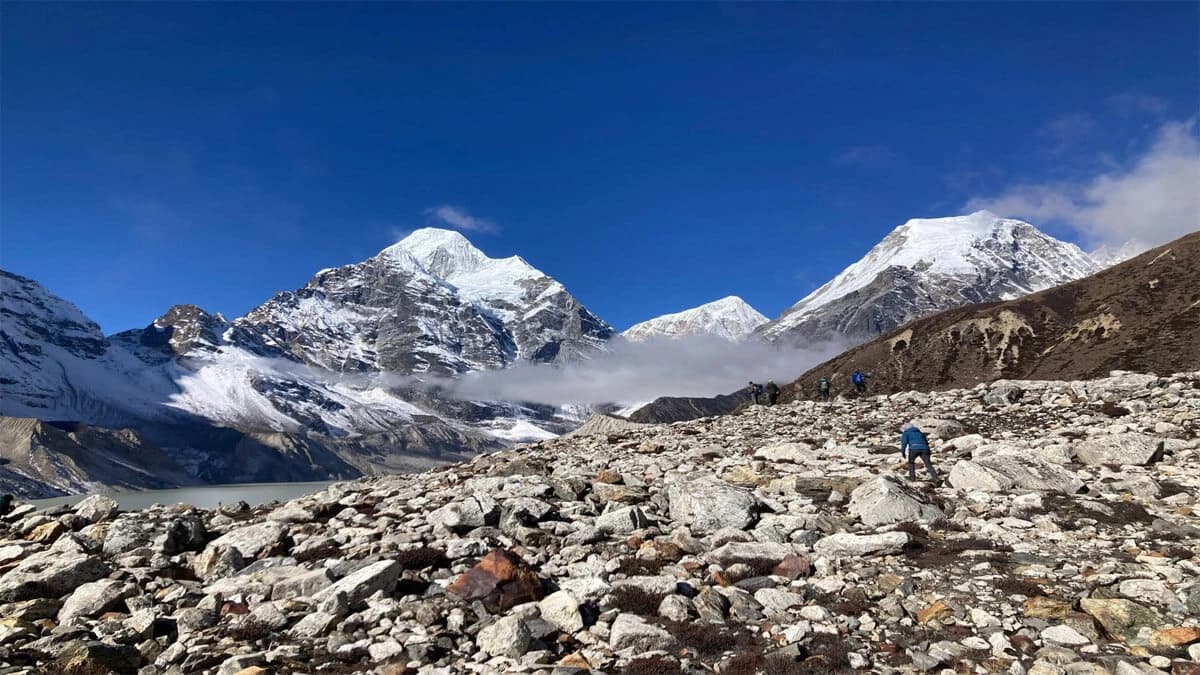
The Makalu Base Camp Trek route begins in the Arun Valley of eastern Nepal and gradually moves towards Mount Makalu, standing at 8,485 meters as the fifth highest mountain in the world. The trail enters the Makalu Barun National Park and Conservation Area, where the surroundings change from green hills and forests to the high mountain landscapes of the Makalu region.
What stays with many trekkers is not only the view of Mount Makalu, but the feeling of traveling through a part of Nepal where the mountains are still a major part of everyday life. The route requires preparation because of its altitude, length, and limited facilities in some areas, but those same factors are what give the Makalu Base Camp Trek its character.
For people researching about high altitude trekking in Nepal, the Makalu region offers a chance to experience a side of the Himalayas that is less commercial and closely connected with local life.
Makalu Base Camp Trek Route and Trail Overview
The trek starts from Tumlingtar in eastern Nepal and follows the Arun Valley towards the Makalu region. The Makalu base camp route begins through lower hill areas, rivers, farmland, and villages before reaching the higher mountain landscapes protected by the Makalu Barun National Park and Conservation Area.
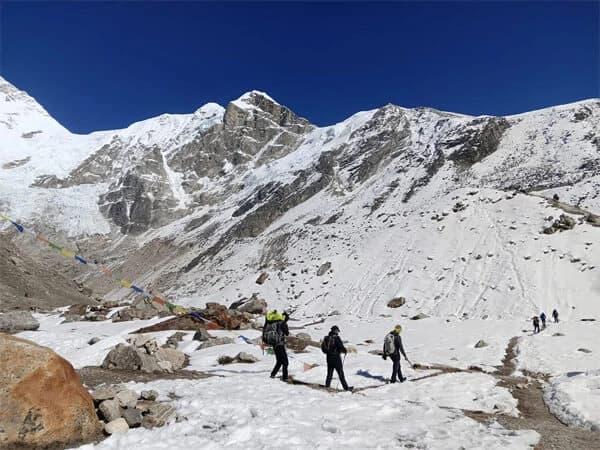
From Num, the trekking trail continues through Seduwa, where trekkers enter the Makalu Barun National Park and Conservation Area, and then moves towards Tashi Gaun and Khongma Danda. This part of the trek brings changes in altitude and surroundings as the route moves from forest areas towards the higher Himalayan landscape.
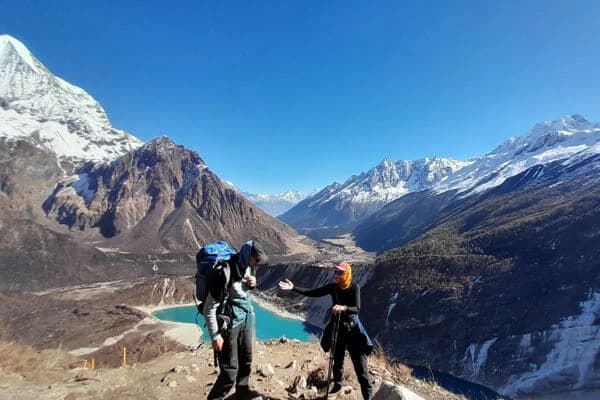
Beyond Khongma Danda, the trail crosses the high sections around Shipton La and Keke La before reaching the Barun Valley. The route then continues through Sherson to Makalu Base Camp at 4,870 meters, where Mount Makalu, glaciers, and the surrounding Himalayan peaks dominate the landscape.
After spending time at Makalu Base Camp, the trek returns through the same region back towards Tumlingtar. The complete Makalu Base Camp Trek route combines mountain landscapes, local villages, and the remote character of eastern Nepal trekking.
Makalu Base Camp Trek Itinerary
The Makalu Base Camp Trek itinerary takes around three weeks, including time in Kathmandu, domestic flights, trekking days, and the return journey. The exact duration depends on the route plan, weather conditions, flight schedules, and the number of days kept for altitude adjustment.
The trek starts with preparation in Kathmandu before flying to Tumlingtar and driving or trekking towards the Arun Valley. From there, the trail takes you through villages like Num, Seduwa, Tashigaon, and Khongma Danda before entering the Barun Valley and continuing towards Makalu Base Camp at 4,870 meters.
The journey to Makalu is gradual yet worth it. After reaching the base camp, the return route follows the same region back towards Tumlingtar.
A typical Makalu Trek itinerary covers:
- Arrival and preparation in Kathmandu
- Flight to Tumlingtar and start of the trek
- Walking through the Arun Valley villages
- Rest days for altitude adjustment
- The route through Khongma Danda and the Barun Valley
- Reaching Makalu Base Camp and exploring the surrounding area
- Returning to Tumlingtar and flying back to Kathmandu
Keeping one or two extra days in the plan is useful because flights to Tumlingtar can be delayed by weather conditions.

Makalu Base Camp Trek Difficulty and Fitness Requirements
The Makalu Base Camp Trek difficulty comes from the altitude, length of the route, and the remote setting of the Makalu region. Starting from the Arun Valley and reaching Makalu Base Camp means trekkers need time to get familiar with the altitude as the elevation increases.
The trek is suitable for people who are comfortable with multi day hiking and spending several days in the mountains. The route requires consistent energy throughout the trek, as the body needs to adapt to higher elevations while covering a long distance.
The Makalu Base Camp Trek fitness requirements are mainly focused on endurance and preparation before the trip. Regular hiking, uphill walks, stair training, and strength exercises can help build the fitness needed for the route. Previous trekking experience at higher altitudes is useful, although a good training routine can also prepare fit hikers.
The Makalu Base Camp altitude is an important part of the trek. At 4,870 meters, proper acclimatization is necessary, and trekkers should understand the signs of altitude sickness during trekking before starting a high altitude trek in Nepal.
Best Time for Makalu Base Camp Trek
The Makalu Base Camp Trek season changes throughout the route because the trail moves from the Arun Valley to the high mountain area near Makalu Base Camp. The Makalu Base Camp Trek weather varies by month, bringing different conditions from flowering forests in spring to colder landscapes around the base camp in winter.
The best time for Makalu Base Camp Trek is spring (March to May) and autumn (September to November). These months are popular because the weather is more stable, the trekking days are more comfortable, and the mountain scenery is at its best.
| Season |
Months |
What to expect |
| Spring |
March to May |
Rhododendron blooms, fresh greenery, and pleasant trekking temperatures |
| Autumn |
September to November |
Dry weather, excellent mountain views, and suitable trekking conditions |
| Winter |
December to February |
Cold temperatures, snowfall, and a more isolated trail atmosphere |
| Monsoon |
June to August |
Frequent rain, muddy trails, and possible travel delays |
Spring Season Trekking (March, April, May)
Makalu Base Camp Trek in spring brings colorful forests, especially when rhododendrons bloom along the trail. The days are generally suitable for walking, while nights become colder as you gain altitude.
Autumn Season Trekking (September, October, November)
Makalu Base Camp Trek in autumn is a favorite period for many trekkers. The season after the monsoon often brings fresh mountain scenery, making it a good time for photography and long mountain walks.
Winter and Monsoon Season Trekking in Nepal
Winter trekking in the Makalu region is possible for trekkers who are ready for colder conditions. Snow and freezing temperatures can become part of the trek near higher areas.
Monsoon trekking in Nepal requires more flexibility and good planning, as rain can hinder the original plan, including trails and flights to remote destinations such as Tumlingtar.
Makalu Base Camp Trek Permits and Requirements
The permit process for the Makalu Trek needs to be completed before entering the trekking area. The route falls within the Makalu Barun region, so trekkers need a Makalu Barun National Park Entry Permit along with the required rural municipality permit.
The national park permit allows access to the protected area around Mount Makalu, while the rural municipality permit covers the local administrative areas along the trekking route. These permits are part of the basic requirements for trekking in Nepal, especially in remote regions where local conservation and management systems are in place.
Most trekkers arrange the necessary documents in Kathmandu before flying toward Tumlingtar and beginning the trek. A valid passport, passport size photos, and travel insurance details should be prepared in advance for Nepal trekking permit.
Makalu Base Camp Trek Map
The Makalu Base Camp Trek map shows the trekking route, major stops, altitude changes, and the location of Makalu Base Camp in eastern Nepal.
Since phone coverage is limited in parts of the route, carrying an offline map is useful for checking your location and understanding the trail. Trekkers who prefer a physical map can buy a Makalu trekking map in Kathmandu before starting the trek.
Culture and Local Communities in the Makalu Region
Rai communities are strongly represented around villages such as Num and Seduwa, while Tashigaon is predominantly a Sherpa village. Although the wider Makalu region is home to several ethnic groups, Rai and Sherpa communities are the ones trekkers are most likely to encounter along the Makalu trek route.
Agriculture remains the main source of livelihood for many families. Depending on the elevation and season, fields are planted with maize, millet, potatoes, and seasonal vegetables, while chauri, cattle, and goats are raised for milk, farming, and trade. During the trekking season, some households also welcome visitors into family run tea houses, creating an additional source of income alongside agriculture.
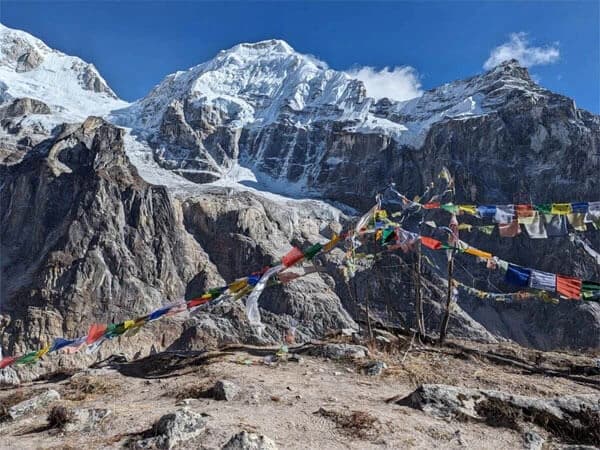
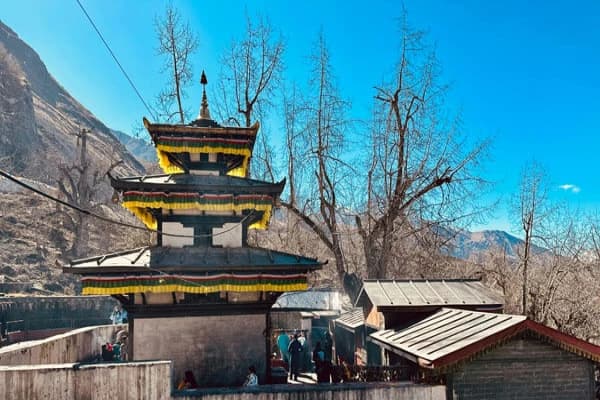
From Tashigaon onward, Tibetan Buddhist traditions become more visible in everyday village life. Prayer flags, mani walls, chortens, and small monasteries appear regularly along the trail, serving local communities rather than visitors. Respecting these places, following local customs, and asking permission before photographing people are simple ways to show consideration during the trek.
Even though trekking brings seasonal income, it is only one part of the local economy. Farming, livestock, schools, and community life continue throughout the year, including the months when very few trekkers visit the Makalu region.

Essential Tips for the Makalu Base Camp Trek
A few things are much easier to sort out in Kathmandu than on the trail. Once the flight to Tumlingtar is behind you, most trekkers simply continue with what they already have, so checking everything before departure is time well spent.
- Check the baggage limit for the Kathmandu to Tumlingtar flight before you pack. Moving things around at the airport happens more often than many people expect.
- If there is any trekking gear you still need, buy it in Kathmandu. Finding the right size, brand, or replacement item is not something to count on once the trek begins.
- Carry enough Nepali cash for the full route. Card payments are uncommon, and cash is still the normal way to pay in tea houses and small local shops.
- Flights to and from Tumlingtar do not always leave exactly as planned. If you have an international flight home, leaving one extra day at the end of your itinerary is a sensible decision.
- Keep your passport, permits, and travel insurance somewhere that stays dry even if the rest of your backpack gets wet.
- If you eat energy bars, electrolyte tablets, or other personal snacks, bring them from Kathmandu. The food served along the trail is simple, but you should not expect to find the same products in the mountains.
- Carry a reusable water bottle and your preferred purification method from the first day. It is a practical habit for Nepal trekking and saves buying bottled water throughout the journey.
- Comfortable trekking shoes with good grip matter more than carrying extra clothes. A pair you have already used is better than a new pair bought just before the trek.
Accommodation and Food on the Makalu Base Camp Trek
Finding a place to stay is rarely the difficult part of this trek. What changes is the level of comfort. Villages at the beginning of the route have larger tea houses and a few more facilities, while the higher villages keep only the essentials. Most rooms have two single beds, blankets, and shared toilets. Hot showers, charging, and internet may be available in some places, but it is better not to expect the same facilities every night.
Meals depend on what can be transported into each village. That is why the menu becomes smaller later in the trek. Dal Bhat is the meal many trekkers choose because it is prepared fresh and is available almost everywhere. Noodles, fried rice, potatoes, eggs, soups, porridge, pancakes, and vegetable dishes are also common. If you regularly use energy bars, protein snacks, or electrolyte tablets, buy them in Kathmandu before the trek begins, as they are difficult to find in the Makalu region.
Many trekkers carry a reusable bottle with a water purification filter or tablets instead of buying bottled water every day. It is a practical habit for Nepal trekking, especially on longer routes where supplies become more expensive as they are carried farther into the mountains.
Makalu Base Camp Trek Cost
The Makalu Base Camp Trek cost depends on the trekking style, number of days, group size, and services included in the package. As an eastern Nepal trekking route with a remote trailhead, the main expenses usually come from transportation, permits, guides, and the logistics needed to operate in a less developed trekking area.
A general cost breakdown is:
- Kathmandu to Tumlingtar one way flight: Around USD 170 to 220 per person, depending on the season, airline, and seat availability.
- Makalu Barun National Park Entry Permit: NPR 3,000 per person for foreign trekkers.
- Makalu Rural Municipality Permit: Around NPR 2,000 per person.
- Trekking guide: Usually USD 30 to 40 per day for a licensed guide.
- Porter service: Usually USD 20 to 25 per day.
- Accommodation: Tea houses mostly cost around USD 5 to 10 per night, with prices increasing slightly at higher elevations.
For most trekkers, a complete Makalu Base Camp Trek package costs around USD 1,800 to 2,600 per person. Group size, private or shared arrangements, domestic flights, guide and porter services, accommodation, and what the agency includes can change the final price.
For travellers planning trekking in Nepal, this route requires a slightly higher budget than shorter and more accessible trails because reaching the starting point involves additional transport and logistics. If the pricing seems higher, you can even try the Short Makalu Base Camp trek which brings the same destination in a lower price.
Makalu Base Camp Trek Packing List
Before leaving Kathmandu, make sure you have everything you need for the trek. While basic supplies are available in a few places along the route, the choice of trekking gear becomes much more limited after leaving Kathmandu.
Some of the most important items to pack include:
- Well worn trekking shoes with good grip
- Waterproof jacket and a warm down jacket
- Layered clothing, including thermal base layers, fleece, trekking trousers, gloves, and a warm hat
- Sleeping bag suitable for sub zero temperatures
- Trekking poles
- Reusable water bottle or hydration bladder with a water filter or purification tablets
- Sunglasses with UV protection, sunscreen, and lip balm
- Headlamp with spare batteries or a rechargeable headlamp
- Personal medications and a basic first aid kit
- Power bank, charging cables, and a travel adapter
- Passport, trekking permits, travel insurance documents, and passport size photographs
- Enough Nepali cash for meals, accommodation, charging, and other daily expenses
If you need a more detailed packing guide, we have also prepared a Complete Nepal Trekking Equipment Checklist covering clothing, gear, accessories, and other essentials for high altitude trekking.
Do You Need a Guide and Porter for the Makalu Base Camp Trek?
Choosing whether to hire a guide or porter depends on your trekking experience, preparation, and how much responsibility you want to handle during the journey.
The Makalu region has fewer services available along the trail compared with more developed trekking routes in Nepal. There are fewer trekkers around, fewer options between villages, and more planning involved before and during the trek. Because of this, many trekkers prefer having local support instead of managing every arrangement on their own.
A registered trekking guide in Nepal helps with more than finding the trail. They can assist with accommodation arrangements, communication with local communities, understanding local conditions, and handling changes that may happen during the trek. For international visitors and those with limited experience in remote mountain areas, a knowledgeable guide can make the journey easier to organise.
A Nepal trekking porter is mainly hired to carry the heavier part of your luggage. Many trekkers carry only their personal daypack while the porter carries the main bag. This allows them to walk with less weight and focus more on the trek itself.
Experienced trekkers who are comfortable with navigation, planning, and arranging their own logistics may choose to travel independently. However, many visitors prefer a registered guide and trekking porter service because local knowledge can be useful throughout a remote Himalayan journey.
A guide and porter do not remove the difficulty of the trek. The trail, altitude, and mountain conditions remain the same. Their role is to provide practical support, local experience, and help with the parts of the journey that are difficult to manage from outside the region.
Frequently Asked Questions About the Makalu Base Camp Trek
How many days does the Makalu Base Camp Trek take?
The Makalu Trek takes around three weeks when including arrival in Kathmandu, preparation, domestic flights, trekking days, and the return journey. The exact duration depends on the chosen itinerary, weather conditions, flight schedules, and the time allowed for altitude adjustment.
Some itineraries shorten the schedule by reducing rest days or changing the travel plan, but reaching Makalu Base Camp at 4,870 meters still requires enough time for the body to adapt to the elevation.
How long is the Makalu Base Camp Trek?
The Makalu Base Camp Trek covers approximately 120 to 131 kilometers of walking, depending on the route, itinerary, and side trips included. The trail starts from the Tumlingtar area and continues through Num, Seduwa, Tashigaon, Khongma Danda, the Barun Valley, and finally to Makalu Base Camp at 4,870 meters.
The distance is spread across several trekking days because the route includes steep climbs, high altitude terrain, and villages that are separated by larger gaps compared with more developed trekking areas in Nepal.
Can beginners do the Makalu Base Camp Trek?
The Makalu Base Camp Trek requires more preparation than many shorter trekking routes in Nepal. The length of the trek, altitude, and remote parts make previous hiking experience helpful.
A beginner with strong fitness and proper training can prepare for the trek, but it should not be treated as an easy first Himalayan adventure.
Is travel insurance required for the Makalu Base Camp Trek?
Travel insurance is strongly recommended for the Makalu Base Camp Trek. A suitable policy should include high altitude trekking, medical expenses, and emergency evacuation coverage. The route takes place in a remote mountain area, so insurance that includes mountain rescue is an important part of planning the trek.
Can you trek the Makalu Base Camp Trek without a guide?
The Makalu region requires careful planning because there are fewer trekkers, fewer services, and less infrastructure compared with more developed trekking areas.
A registered trekking guide can help with accommodation arrangements, route decisions, communication with local communities, and changes caused by weather or travel conditions. Trekkers with strong experience in remote mountain travel may choose different arrangements, but many visitors prefer local support for this route.
Is there mobile network on the Makalu Base Camp Trek?
Mobile network is available in some lower villages, but coverage becomes unreliable as you move higher. Nepal Telecom (NTC) is the better option for this region, although there is no guarantee of signal throughout the trek.
Places like Num and Tashigaon may have network coverage, while areas closer to Makalu Base Camp have little or no mobile service. Download important maps and documents before leaving Kathmandu and carry a power bank for your devices.
Is WiFi available on the Makalu Base Camp Trek?
No, WiFi is not available throughout the Makalu Base Camp Trek. Some tea houses in lower villages may offer internet, but you should not expect a reliable connection once you move deeper into the route.
Download maps, travel documents, and important information before leaving Kathmandu. Carry a power bank if you need to keep your phone or camera running during the trek.
How do you charge devices during the Makalu Base Camp Trek?
Charging is available at some tea houses, but it is not available at every overnight stop. Some places charge a small fee for electricity. Carry a power bank because you cannot depend on charging facilities throughout the trek.
Are there ATMs on the Makalu Base Camp Trek route?
No, there are no reliable ATMs on the trekking route. Withdraw enough Nepali cash in Kathmandu before starting the trek. You will need cash for food, accommodation, charging, snacks, and other personal expenses.
Can you drink water on the Makalu Base Camp Trek?
Do not drink untreated water directly from streams or taps along the trail. Use a water filter, purification tablets, or boiled water from tea houses. A reusable water bottle is recommended for the trek.
Are hot showers available on the Makalu Base Camp Trek?
Hot showers are available in some tea houses, but they are not available at every stop. Tea houses near Makalu Base Camp have fewer facilities than villages earlier on the route. Do not expect a hot shower every day during the trek.
What is the highest point of the Makalu Base Camp Trek?
The highest point of the trek is Makalu Base Camp at 4,870 meters above sea level. At this altitude, proper acclimatization is important before reaching the base camp area.
What wildlife can be seen in Makalu Barun National Park?
Makalu Barun National Park is home to wildlife including red pandas, Himalayan tahr, musk deer, Himalayan black bears, and many bird species. Snow leopards are also found in the region, but seeing one during a trek is rare.
Is the Makalu Base Camp Trek Worth It?
Planning a trek to Makalu takes more preparation than just choosing a departure date. Domestic flights to Tumlingtar, road transfers, permits, acclimatization, and a longer itinerary are all part of the journey before the first day on the trail.
From the lower valleys of eastern Nepal to the alpine landscape surrounding Makalu Base Camp, the route changes constantly as it climbs through Makalu Barun National Park. Villages become smaller, facilities become more limited, and the focus stays on the mountains and the landscape rather than tourism infrastructure.
For trekkers looking for a long distance trek in eastern Nepal, Makalu remains one of the country's most distinctive Himalayan trekking routes. Good preparation, practical itinerary, and enough time to deal with the altitude will do far more for the overall trek than expensive equipment or trying to complete the route too quickly.