If you love mountains but are new to Nepal trekking, you might wonder, is the Manaslu Circuit Trek possible for beginners? The Manaslu region is known for its remote trekking trails, stunning himalayan scenery,and rich cultural experience. But because it involves high altitude and long walking days, many first time trekkers feel unsure about whether they can complete it.
Here’s the truth, the Manaslu Circuit Trek is mostly considered one of the more challenging trekking routes in Nepal. It takes around Mount Manaslu, the world’s eight highest mountains and includes crossing the high Larkya La Pass. However, that doesn’t mean beginners can’t do it.
Another important thing to understand is that the trek is not about speed but about steady progress and proper acclimatization. Most itineraries are designed to increase altitude gradually, giving trekkers enough time to adapt to the changing environment. This approach helps beginners manage the physical demands of the trek while reducing the risk of altitude related problems
Despite its challenges, the Manaslu Circuit Trekking rewards trekkers with breathtaking mountain views, peaceful trails, and a deeper connection with nature and local culture. For beginners who are willing to prepare well and take the journey step by step, the trek can become an inspiring and memorable trekking adventure in the heart of the Himalayas.
In this guide, you’ll explore whether the Manaslu Circuit Trek is beginner friendly, what challenges you might face, and how you can prepare for a safe and unforgettable adventure in the Himalayas.
Is the Manaslu Circuit Trek Suitable for Beginners?
Although the Manaslu Circuit Trekking in Nepal is known for its remote trekking trailsand high mountains environment, beginners can still complete the trek with the right preparation. The key is to have good physical fitness, a well planned Nepal trekking itinerary and enough time for proper acclimatization during the journey.
Another important aspect is trekking with a licensed trekking guide. Since the Manaslu Region is a restricted area, guides are required and they play a big role in helping beginners navigate the trail, manage altitude challenges,and understand the local culture along the route.
First time trekkers who prepare properly can experience the cultural and natural highlights of the Manaslu region trekking, from traditional villages around Namrung and Samagaun to Buddhist monasteries and views of Mount Manaslu. The important question is not whether beginners are allowed to attempt the trek, but whether their fitness, available time, and health make a high altitude journey suitable for them.
How Difficult is the Manaslu Circuit Trek for Beginners?
The Manaslu Circuit Trek diffculty comes mainly from the altitude, sustained walking, steep ascents and descents, and the crossing of Larkya La Pass. The trek demands more endurance than a short hike in Nepal. Beginners should consider the elevation gain, daily walking hours, weather, and distance from medical assistance before deciding whether this route suits their experience and fitness.
Most trekkers walk 5 to 7 hours per day on varied trails that include forest paths, stone steps, suspension bridges, and steep uphill sections. As the trek progresses, the altitude gradually increases, which can make walking more tiring, especially for those who are not used to high elevations.
Larkya La Pass is the highest point of the Manaslu Circuit Trek, reaching approximately 5,160 meters. The thin air can cause headaches, nausea, dizziness, and unusual fatigue, while snow or poor weather may complicate the crossing. Larkya La Pass trekking difficulty is not determined by fitness alone. Beginners also need adequate acclimatization, warm clothing, an early start, and a guide who can assess weather and trail conditions before the ascent.
Beginners preparing for the Manaslu Circuit Trek should build cardiovascular endurance through brisk walking, cycling, swimming, or running and strengthen their legs with squats, lunges, and step ups.
Practice hikes with a backpack are particularly useful because they reveal how your feet, knees, and shoulders respond to long walks. This preparation improves your chances of completing the trek, although no training plan can guarantee that you will reach Larkya La Pass without altitude related problems.
What are the Main Highlights of the Manaslu Circuit Trek?
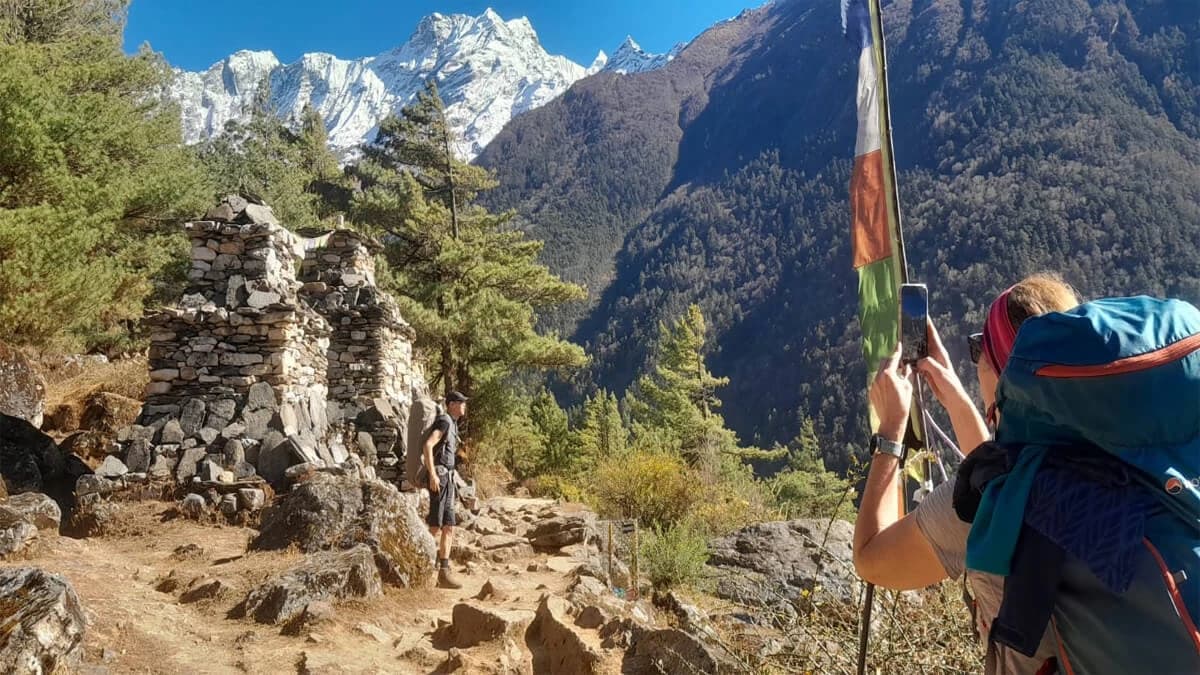
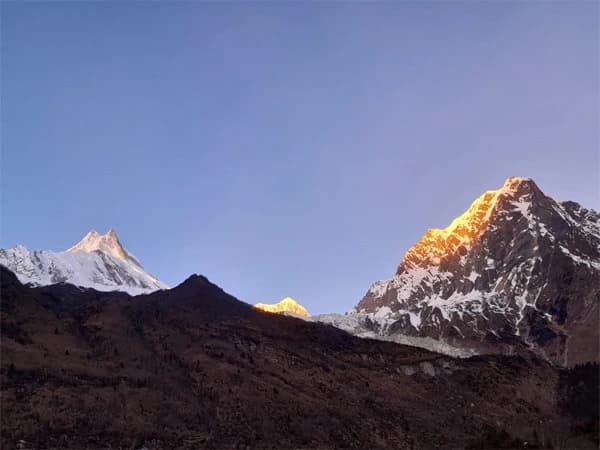
The Manaslu Circuit Trek in Nepal takes you through remote mountain villages, deep river valleys, forests, and high alpine landscapes with views of Mount Manaslu (8,163 m). Along the trail, you can experience traditional Tibetan Buddhist culture, visit monasteries, and see prayer flags, mani walls, and chortens.
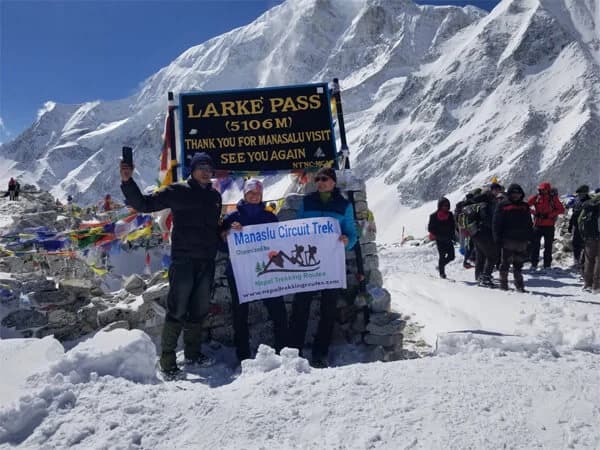
One of the main highlights is crossing Larkya La Pass (5,106 m), which offers spectacular Himalayan views but can be physically demanding due to the altitude and weather conditions. Compared with the Everest Base Camp Trek, Manaslu offers a more remote experience. Trekkers seeking another challenging Himalayan adventure can also explore the Everest Three Passes Trek or the Annapurna Circuit Trek.
The main highlights of the Manaslu Circuit Trek include:
- Mount Manaslu views and surrounding Himalayan peaks.
- Larkya La Pass, a high altitude crossing at 5,106 metres.
- Traditional villages such as Samagaun and Samdo.
- Buddhist monasteries and local culture influenced by Tibetan traditions.
- Remote trekking trails, suspension bridges, and varied mountain scenery.
- Local teahouse stays that offer insight into life in the Himalayas.
Although beginners can undertake the Manaslu Circuit Trek with good fitness and proper preparation, the high altitude, remote trails, and challenging pass crossing require careful acclimatisation and sufficient time.
Beginner Guide to Manaslu Circuit Trek
Planning the Manaslu Circuit Trek for beginners starts with choosing a suitable itinerary, preparing physically, arranging permits, and understanding the facilities available along the route. The trek takes you into a remote part of Nepal where transport options and medical services are limited compared with more developed trekking areas. First time trekkers should also budget for food, accommodation, guide services, transport, and personal expenses rather than relying on the package price alone.
Accommodation during the trek is mainly in teahouses, which are small mountain lodges run by local families. Trekkers can enjoy warm meals, simple rooms, and the chance to interact with local communities along the trail. This makes the journey more comfortable for beginners compared to fully camping-based expeditions.
Another important part of planning is arranging the required permits and hiring a licensed guide, as the Manaslu region is a restricted trekking area. Most trekkers organize the trek through trekking agencies that handle permits, logistics, and accommodation arrangements.
When comparing the Manaslu Circuit Trek vs Everest Base Camp, both routes involve high altitude walking, but their village networks, logistics, and trekking experiences differ. The Everest Base Camp Trekking has an established trekking infrastructure, while Manaslu offers a more remote route with restricted area regulations and fewer facilities in some villages.
The Annapurna Circuit trek is another option worth comparing. Beginners should choose according to their fitness, available days, comfort with basic accommodation, and tolerance for remote travel rather than assuming one trek is automatically easier.
Manaslu Circuit Trek itinerary for beginners
A beginner friendly itinerary for Manaslu Circuit Trek commonly takes around 14 to 18 days, depending on the starting point, transport arrangements, acclimatization schedule, and route conditions. The total Manaslu Trek duration should include enough time to adjust to altitude before reaching the higher villages and Larkya La Pass. Choosing a shorter package solely to reduce costs can leave less room for rest or delays caused by weather and road conditions.
The journey generally begins with a scenic drive from Kathmandu to Soti Khola where the trekking adventure officially starts. During the first few days, the trails follow the Budhi ganadaki River through subtropical forests, waterfalls, terraced farmland and small rural villages. Trekkers pass villages like Maccha Khola and Jagat, where the landscapes begin to change and the Manaslu trekking routes enter the restricted Manaslu region.
As the trek continues, the route climbs higher through quieter mountain trails towards villages like Deng and Namrung. From this point onward, trekkers start to notice stronger Tibetan Cultural influences, including monasteries, prayer flags and stone mani walls along the trekking trail.
The Manaslu trekking then heads to Samagaun, one of the most important acclimatization stops. Beginners mostly spend an extra day here to explore the surrounding areas, visit local monasteries, or take short hikes to nearby viewpoints while allowing their bodies to adjust to the higher altitude.
After leaving Samagaun, the trekking trail gradually moves toward Samdo, another key stop before heading to the high mountain section of the Larkey pass trek. From Samdo, trekkers continue to Dharamsala, which serves as the final resting point before crossing the highest point of the trek, Larkya La Pass.
Crossing the pass is one of the most memorable moments of the journey, with wide panoramic views of surrounding Manaslu Himalayan peaks and glaciers. After the pass, the trail descends into the beautiful valley of Bimthang, where the scenery changes again with alpine meadows, forests, and snow covered mountains.
The final part of the Manaslu trekking continues downhill through forests and traditional villages until reaching Dharapani, where the Manaslu Circuit Hiking route meets the famous Annapurna Circuit Trek. From Dharapani, trekkers usually travel back to Kathmandu by road, marking the end of an incredible journey through one of Nepal’s most scenic and culturally rich trekking regions. For beginners, this extended itinerary provides enough time to adapt to the altitude, enjoy the landscapes, and complete the trek at a comfortable pace.
Training Tips for Manaslu Circuit Trek
Before attempting the Manaslu Circuit Trekking in Nepal, it’s important to prepare both physically and mentally. Even though the trek doesn’t involve technical climbing, the long walking days, changing terrain, and high altitude sections can be challenging for beginners.
Here are some essential training tips to help you get ready for the trek:
Improve Cardiovascular Fitness During Manaslu Circuit Trek
Building cardiovascular endurance is key to handling long trekking days and steep climbs. Activities like running, cycling, swimming, or brisk walking help your heart and lungs work efficiently which allows you to sustain energy over several hours of continuous trekking. Aim for 30 to 60 minutes per session, 4 to 5 times a week, gradually increasing intensity to simulate uphill or hilly terrain.
Strong cardiovascular fitness also helps the body cope better with reduced oxygen levels at high altitudes. This means you’ll feel less short of breath or steep ascents and recover faster during rest stops. Beginners should include interval training or hill walks to mimic real trekking conditions, which makes the Manaslu Circuit more manageable.
Build Leg and Core Strength
Trekking involves extensive use of leg muscles for climbing uphill and controlled descending. Exercises like squats, lunges, step-ups and calf raises strengthen quads, hamstrings and calves while core exercises such as planks and Russian twists improve stability and balance on uneven terrain. A strong core also helps carry a backpack comfortably without straining the back.
Incorporating weighted backpack walks into your routine stimulates the load you’ll carry on the trek. Start with light weights (5 to 7 kg) and gradually increase to 10 to 12 kg. Practising on stairs or hilly trails conditions your muscles and joints, making long Nepal trekking days easier and reducing the risk of injury or soreness.
Practice Hiking with a Backpack
Practice hiking with a backpack before your departure, especially if you plan to carry your own equipment. Start with a light load and increase the weight as your fitness improves. Walk on hills and stairs to prepare your legs for sustained climbs and descents. These sessions also help you identify footwear problems, adjust your backpack, and decide which items are genuinely necessary for the Manaslu Circuit Trek packing list.
Practicing with a backpack also helps you learn proper packing techniques and adjust straps for comfort. Over time, your body adapts to the load, making trekking more efficient and less tiring, which is especially useful for the multi day climbs leading up to high-altitude points like Larkya La Pass.
Mental Preparation and Endurance
The trek is as much a mental challenge as a physical one. Being prepared for long walking days, unpredictable weather and simple teahouses accommodations can help beginners stay motivated. Visualization techniques, positive self-talk and setting daily trekking goals keep morale high during physically demanding sections.
Mental endurance also helps in coping with fatigue, altitude effects and slower progress in higher sections. Preparing mentally ensures beginners remain calm, focused and able to make safe decisions, allowing them to fully enjoy the scenic and cultural experiences along the Manaslu Circuit.
Acclimatization Practice
Acclimatization is essential on the Manaslu Round Trek because the route climbs from lower river valleys to elevations above 5,000 meters. Previous experience at 3,000 meters or higher can help you understand how your body reacts to altitude, but it does not guarantee protection against altitude sickness.
The most useful preparation is to learn the warning signs, select an itinerary with appropriate acclimatization days, and discuss any relevant health concerns with a qualified medical professional before departure.
During the Manaslu Circuit Hiking in Nepal itself, take rest days strategically at villages like Samagaun or Samdo. Gentle walks and short hikes during acclimatization days help the body adjust, ensuring you’re ready for higher sections such as Larkya La Pass without experiencing severe altitude sickness.
Manaslu Circuit Trek Cost for Beginners
The cost of the Manaslu Circuit Trek depends on the length of the itinerary, group size, transportation, guide and porter services, accommodation, meals, and permit fees. Guided trekking packages may range from approximately USD 1,200 to USD 1,900 per person, but the final price depends on the agency and the services included. When comparing Manaslu Circuit Trek packages, check whether the quoted price covers all required permits, ground transport, accommodation, meals, guide services, and any emergency support specified in the itinerary.
- Permits: The Manaslu Circuit Trek requires a Manaslu Restricted Area Permit (RAP), a Manaslu Conservation Area Permit (MCAP), and an Annapurna Conservation Area Permit (ACAP). The restricted area permit fee varies according to the season and the number of days spent within the designated area. Since permit charges can change, confirm the current rates with a registered local trekking agency before booking. Your total Manaslu Circuit Trek budget should account for all three permits alongside guide fees, transport, food, accommodation, and personal expenses.
- Guide and Porter Fees: Hiring a licensed trekking guide is mandatory for the Manaslu trek and usually costs about USD 25 to 35 per day, which works out to around USD 350 to 490 for a trek of 14 days. If you choose to hire a porter for extra comfort, that can add around USD 280 to 350 to your budget.
- Accommodation & Food: You’ll stay in mountain teahouses most nights. Rooms usually cost between USD 5 to 15 per night, and meals (like dal bhat, noodles, soups) cost around USD 3 to 10 per item. Many trekkers budget around USD 25 to 35 per day for food and basic lodging combined.
- Transportation: Getting to the start of the trek and returning to Kathmandu can cost approximately USD 40 to 120 for shared transport or higher if you choose private jeeps.
Best time for Beginners to Trek Manaslu Circuit
For beginners, thebest time for Manaslu Circuit Trekis during spring (March to May) and autumn (September to November). These seasons offer the most stable weather, clear mountain views, and relatively moderate temperatures, making the trekking experience safer and more comfortable for those new to high altitude trails.
During spring, the lower and mid hills bloom with rhododendrons, forests turn much greener, and the weather is mild, which makes the trail visually stunning. Autumn, on the other hand, follows the monsoon, leaving the skies clear and the air crisp, providing some of the best panoramic views of Mount Manaslu and surrounding peaks.
Beginners should avoid the monsoon trekking in Nepal (June to August) because heavy rain makes trails slippery, rivers swollen, and landslides more common. Winter (December to February) brings cold temperatures, snow at higher altitudes, and limited daylight, which can make trekking more challenging for inexperienced hikers.
Overall, planning your trek during spring or autumn ensures safer trails, comfortable temperatures, and the best opportunities to enjoy the natural beauty and cultural richness of the Manaslu region.
What to Pack for Manaslu Circuit Trek Beginners?
The Manaslu Circuit Trek packing list should include clothing for warm afternoons in the lower villages and freezing conditions near Larkya La Pass. Beginners need layered clothing, a warm insulated jacket, waterproof outerwear, well worn trekking shoes, gloves, a hat, sunglasses, sunscreen, a headlamp, personal medication, and water purification supplies. Your backpack size depends on whether you carry your own equipment or use a porter, but essential items should remain accessible during each day’s walk.
- Clothing: Pack base layers, a warm mid layer (fleece or down jacket), and a waterproof outer shell to protect against rain and wind. Lightweight trekking pants, thermal tops, and trekking socks are essential, along with a warm hat, gloves, and a buff or scarf for cold mornings and evenings.
- Footwear: A pair of sturdy, broken-in trekking boots with good ankle support is a must. Bring comfortable camp shoes or sandals for evenings in teahouses. Waterproof boots are highly recommended because trails can be wet or muddy in some sections.
- Backpack and Accessories: A 40 to 50L trekking backpack is usually enough for beginners, with rain cover for sudden showers. Pack a smaller daypack for short hikes or acclimatization walks. Other essentials include trekking poles for stability, a water bottle or hydration bladder, headlamp with extra batteries, and sunglasses with UV protection.
- Toiletries & Health Items: Keep your toiletries minimal: toothpaste, toothbrush, biodegradable soap, sunscreen, lip balm, and hand sanitizer. Bring a basic first aid kit with blister care, pain relievers, altitude sickness tablets (consult a doctor first), and any personal medications.
- Documents & Miscellaneous: Carry your passport, trekking permits, travel insurance, and some cash in Nepali Rupees for teahouse expenses. A camera or phone for photos, and a power bank, are helpful since electricity can be limited in remote villages.
By packing smart and prioritizing essentials, beginners can trek comfortably, adapt to changing weather, and fully enjoy the scenic and cultural experience of the Manaslu Circuit.
Do Beginners Need a Guide for Manaslu Circuit Trek?
Yes. The Manaslu Circuit Trek is subject to restricted area rules, so trekkers must arrange the required permits through an authorized local trekking agency in Nepal and travel with a licensed trekking guide. This is especially relevant for beginners who may not know the local route, permit checkpoints, or the signs of altitude sickness. A trekking guide in Nepal can assist you with daily arrangements, explain local customs, and help assess conditions near Larkya La Pass, although no guide can remove every risk associated with mountain travel.
Hiring a trekking guide may seem like an extra cost, but for beginners, it’s essential for both safety and peace of mind. Many trekkers also hire a porter to carry heavy backpacks, which allows beginners to conserve energy for the long trekking days and fully enjoy the stunning landscapes of the Manaslu Circuit.
Altitude Sickness on Manaslu Circuit Trek
Altitude sickness is a common concern for beginners on the Manaslu Circuit Trek 14 days, as the trek gradually climbs above 5,000 meters at Larkya La Pass. At these elevations, the air contains less oxygen, which can cause symptoms such as headache, nausea, dizziness, fatigue, and shortness of breath. Even fit and experienced trekkers can be affected if they ascend too quickly.
To reduce the risk of altitude sickness, choose a Manaslu Circuit Trek itinerary with appropriate acclimatization days around Samagaun and Samdo. Avoid ascending further when symptoms develop or worsen, and tell your guide immediately. Severe symptoms such as confusion, difficulty walking straight, or breathlessness at rest require urgent medical assistance and descent. Medication may have a role in altitude sickness prevention or treatment, but it should be discussed with a qualified medical professional before the trek.
Beginners should listen to their bodies carefully and communicate with their guide if any symptoms appear. Side hikes in Manaslu to Birendra lake can help you deal with the altitude better. With careful pacing, acclimatization, and awareness, altitude sickness can be managed, allowing trekkers to safely enjoy the breathtaking landscapes of the Manaslu Circuit.
Do I Need a Permit for Manaslu Circuit Trek?
Yes, trekkers must arrange the required Nepal trekking permits before starting the Manaslu Circuit Trek. The trail passes through a restricted himalayan region and protected conservation areas in Nepal, so permits are required to regulate tourism, protect the environment and ensure trekkers safety.
The main documents are the Manaslu Restricted Area Permit (RAP), Manaslu Conservation Area Permit (MCAP), and Annapurna Conservation Area Permit (ACAP). Beginners should confirm that their trekking agency has arranged the correct permits and keep the required documents available for inspection at checkpoints.
Another important rule is that the Manaslu Circuit Trek permits must be arranged through a registered trekking agency, and trekkers must travel with a licensed guide because the region is officially classified as a restricted trekking area. Independent trekking without guide is not allowed here.
What Kind of Food and Accommodation are Available During the Manaslu Circuit Trek?
Food and Accomodation on the Manaslu Circuit Trek are mainly provided by local teahouses along the trail. These small mountain lodges are run by families and provide basic but comfortable facilities for trekkers. Rooms are usually simple, often with two beds, blankets, and shared bathrooms. While the facilities are not luxurious, they provide a warm place to rest after long trekking days and a chance to experience the hospitality of the local communities.
The food served in teahouses is simple, nutritious, and suitable for trekking at high altitudes. One of the most common meals is dal bhat, a traditional Nepali dish that includes rice, lentil soup, vegetables, and sometimes pickles. Other popular options include noodles, fried rice, pasta, soups, pancakes, eggs, and potatoes. These meals are designed to provide enough energy for long trekking days.
As trekkers move higher along the trail, food options may become slightly limited because supplies need to be transported to remote villages by porters, mules, or yaks. However, most teahouses still offer a good variety of meals and hot drinks such as tea, coffee, and ginger lemon honey. Eating warm and energy rich food helps trekkers stay strong and comfortable during the journey.
Manaslu is a teahouse trek in Nepal, so most trekkers do not need camping equipment. Facilities differ by village, with basic rooms and shared bathrooms common in many locations. Food generally includes dal bhat, noodles, soups, rice dishes, potatoes, eggs, and hot drinks. Beginners should budget for meals and lodging separately if these are not included in their trekking package, and carry enough cash for expenses in villages where card payments are unavailable.
What Cultural Experience can Beginners enjoy in the Manaslu Region?
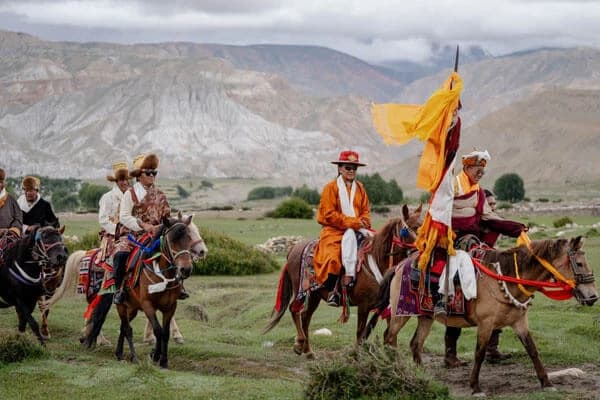
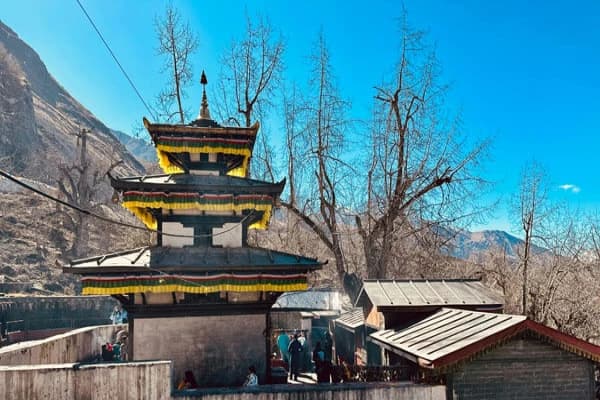
The Manaslu Circuit Trek provides beginners with a rich cultural journey shaped by Tibetan Buddhism and the local Gurung and Bhutia communities. Along the Manaslu Trekking trail, trekkers can explore ancient monasteries like Lho Gompa and Pungyen Gompa, walk past mani walls and chortens, and experience the traditional lifestyle in mountain villages such as Samagaon and Samdo. Staying in local teahouses offers insight into daily life, including farming, animal husbandry, and enjoying hearty, traditional meals prepared by the villagers.
The upper regions of the trek are particularly influenced by Tibetan culture. Trekkers will see active monasteries adorned with prayer flags, hear monks chanting, and observe local spiritual practices that have been preserved for centuries. Villages feature unique stone and wood architecture, with intricately carved windows and flat roofed houses, reflecting the communities’ deep connection to their environment.
If trekkers visit during festival periods, they can witness lively cultural celebrations such as Lhosar (Tibetan New Year) in February or March. These festivals include traditional dress, music, and dance, offering a colorful glimpse into local customs and traditions. Because the Manaslu region is remote, its culture remains largely untouched, providing an authentic and immersive experience that allows beginners to truly connect with the Himalayan way of life.
Conclusion: Manaslu Circuit Trek for Beginners
The Manaslu Circuit Trek for beginners is possible, but it demands more preparation than a short or low altitude hike. Good physical fitness, appropriate acclimatization, a suitable itinerary, and an understanding of mountain safety are essential. The crossing of Larkya La Pass is the biggest test for many trekkers, while remote villages and limited medical access add to the planning required. With suitable preparation and a licensed guide, first time trekkers can explore traditional villages, Buddhist monasteries, and the landscapes surrounding Mount Manaslu.
Before booking, assess your fitness, the number of days available, your comfort with basic teahouse facilities, and your willingness to trek at high elevations. Compare the Manaslu Circuit Trek itinerary, cost, permit requirements, and guide arrangements carefully. For trekkers who are ready for these demands, the route offers a rewarding introduction to high altitude trekking in Nepal, with mountain views, local culture, and a challenging crossing of Larkya La Pass.