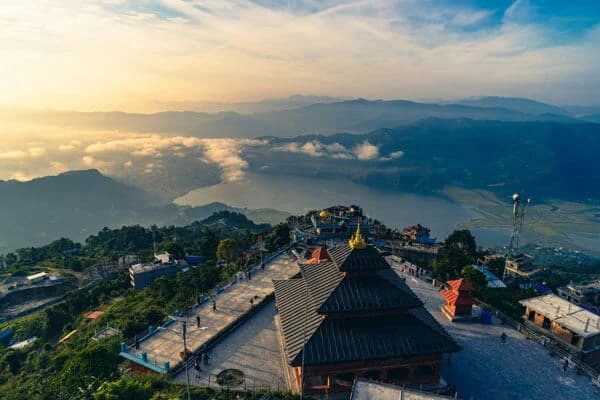
Are you planning to Manaslu Trekking? Here is some information about the challenges of Manaslu Region Trek.Manaslu region trek is one of the best remote trekking in Nepal that leads you around the 8th highest peak of the world. Manaslu region lies in the western part of Nepal, which is not much far from the capital city, Kathmandu.
Compared to popular trekking routes like Everest Base Camp or Annapurna Circuit, the Manaslu trek in Nepal is less crowded, more isolated, and physically less challenging. While it is achievable with proper preparation, it requires good fitness, mental strength, and careful acclimatization.
Overview of the Manaslu Region Trek
The Manaslu Region Trekking in Nepal is commonly known as the Manaslu Circuit Trekking in Nepal usually takes 14 to 16 days to complete. The trail starts from lower subtropical villages and gradually climbs to high alpine terrain, crossing the dramatic Larkya La Pass at 5,160 meters. Because the region is a restricted area, trekkers must obtain special permits and hire a licensed guide, which adds an extra layer of safety but also reflects the trek’s difficulty level.
Manaslu Circuit trek 14 days holds the third position after Everest Region trekking and Annapurna Region trekking in Nepal. Trekking to Manaslu region rewards you with its natural beauty and cultural diversity that are unique and remarkable. Along the way, you can witness numerous species of wildlife and vegetation in the Manaslu region.
There are 19 different types of forests comprising 2,000 types of flowering plants including 33 species of mammals, 110 species of birds, 210 species of butterflies. If you happen to make a plan to visit Manaslu region in spring, the entire forest looks like a bride on her wedding day due to the blooming flowers.
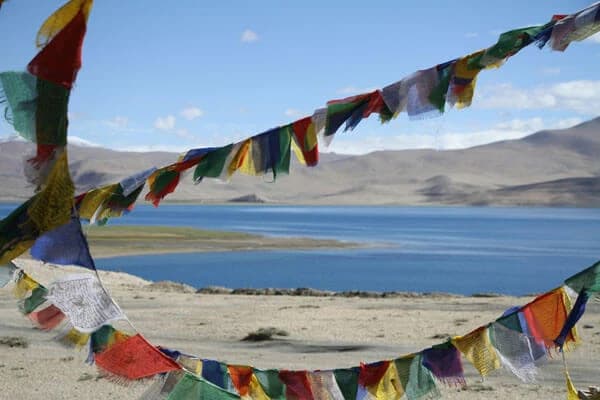
The ethnic villages of the mixed communities in the lower Manaslu area and unique Tibetan Buddhist culture of the Upper Manaslu region are the attractions of this trek. The ancient Tibetan Buddhist monasteries, mani walls, chortens highly decorated with the prayer flags make your journey to the Himalayas more memorable.
Major Ethnic Group as Opportunity and Challenges of Manaslu Region Trek
There are two major ethnic groups living in the two major valleys, Nubri valley and Tusm valley, of this region. The people of Nubri valley are mostly Gurung who are employed in services in Nepal and the foreign countries. Tsum valley is populated by Gurung and Bhotias (Bhutias) who follow Tibetan culture and tradition
As the people of Nubri valley have connection with the outer world, their culture and tradition are highly influenced by it. However, if you want to observe the authentic Tibetan Buddhist culture and tradition, Manaslu Tsum Valley trek is the best option. You can find the unspoiled natural beauty and untouched culture by modernity in this hidden valley.
Nowadays, trekking to Manaslu Circuit is easier because the new comfortable trails are opened to replace the difficult ones. Therefore, even the beginners can accomplish this trekking as it doesn’t require previous experience and technical knowledge. What you need is just physical fitness and mental determination to do this journey successfully.
In the past, you had to do camping trekking to Himalayan region as there were no teahouses established. But nowadays, teahouses providing basic services though, are set up in all the stops on the trail. With the development of teahouses, you don’t have to worry about hiring a crew required for the camping trekking.
Despite the natural and cultural rewards, Manaslu region trekking difficulty is challenge for the trekkers. There are many factors to make this journey quite challenging in terms of distance, altitude, weather, trekking duration and solo trekking. Of course, it is not easy to do any journey around the high altitude place in the Himalayas. That’s why, trekking in Himalayas is not everyone’s cup of tea. Let’s take a quick look into the challenges of Manaslu region trekking in this article:
Key factors that make the Manaslu Trek Challenging
The Manaslu region Trek is considered due to several factors. The high altitude with the highest point at Larkya La Pass increases the risk of altitude sickness and require proper acclimatization. Trekking days are long, often take 6 to 8 hours on steep, rocky and uneven trails, while remote villages provide only basic facilities.
The Manaslu Trekking trail also passes through landslide-prone areas, river crossings and suspension bridges which demand careful walking and distance. Additionally, unpredictable weather which include snow, rain and trong winds along with the isolation and limited connectivity can be mentally and physically demanding for trekkers.
High Altitude and Acclimatization
Altitude is another Challenges of Manaslu Region Trek trail. The landscapes of Manaslu region ranges from 700 meters to 5,123 meters from subtropical to alpine zone. It is obvious that ‘the higher elevation you reach, the higher the possibility for altitude sickness’. As soon as you reach the place above 2,500 meters, the symptoms of Acute Mountain Sickness (AMS) begins. Altitude sickness is a very common phenomenon to the trekkers while doing the journey in the high Himalayas.
Similarly, the most of the stopovers during this trek lie in the places above 2,500 meters from the sea level. Manaslu Base Camp and Birendra Lake are the most striking attractions of this trek. However, both of them stand at the height of around 4,800 meters that there is high possibility for altitude sickness. As soon as the symptoms of AMS begin to seem, don’t forget to consult with the trekking guide. To avoid the unexpected results, don’t forget to pack some medicines will help your backpack.
To reduce this risk, proper acclimatization days are essential. Walking at a slow pace and allowing the body time to adjust greatly increases the chances of a safe and successful trek.
Long daily walking Distance
The total distance of the entire Manaslu round trekking trail is about 177 kilometers that takes almost 17 days to cover it. Trekkers typically walk 6 to 8 hours per day, depending on the route and altitude. Several sections include steep ascents and long descents, which can be physically exhausting, especially at higher elevations. It is okay if you have previous experience of walking along the rugged steep uphill or downhill trail.
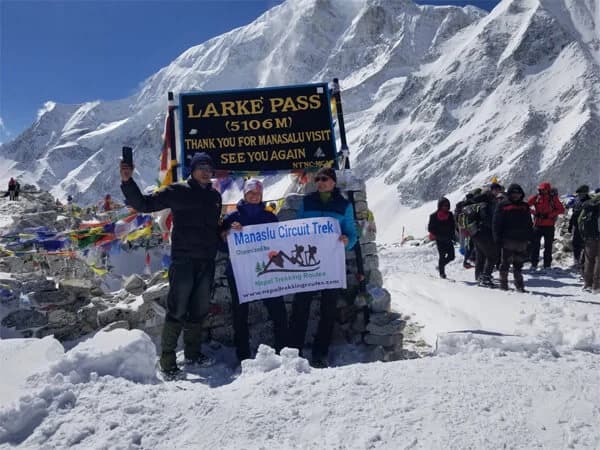
But for a beginner, it is not that easy to cover around 15/20 kilometers per day. The trekking trail goes sometimes too steep and other times too sloppy. The narrow trail that goes past the wooden bridge is another challenge for the trekkers. Similarly, you have to be able to go past the highest place Larkya La Pass (5,123m) on the way.
Weather and Seasonal Challenges
As Manaslu Circuit trekking in Nepal extends between 700 meters and 5,123 meters, weather can be a great challenge. In different seasons of the year, the weather condition of the region may differ. Heavy rainfall, freezing cold nights and mornings, blazing sun and chilling wind are the common phenomena in the high altitude. Generally, the days are warm while the nights and mornings are cold in this region. Therefore, you had better manage warm clothes according to the season in the backpack.
If you are making Manaslu region trekking in winter season, the temperature goes into minus. The upper Manaslu region is almost blocked due to the heavy snowfall that obstructs the trekking trails. The highest point, Larkya La Pass (5,123m) and the surrounding region are almost impossible to go across. Due to the freezing coldness, the teahouses of the higher land are shut down as the hosts migrate to lower section. Although the temperature at night and morning is negative, the daytime is stable serving the clear view of the mountains and landscapes.
Trekking to Manaslu Circuit in summer is also challenging because it is rainy season in Nepal. Due to the heavy rainfall, the rugged trail gets muddy and slippery due to the gushing rainwater from highland to lowland. Moreover, the leeches in the trail through the jungles are another challenge you must be ready to face. The trail leading to Larkya La Pass during the rainy season is too challenging to cross. So Larkya La Pass is another Challenges of Manaslu Region Trek
The best time to Manaslu Tsum Valley trek is spring season for the beautiful clear view of the surrounding. The days and mornings during spring season have clear skies and cloudless so that you can see panoramic view of the snowy peaks and the wonderful terrain. Since Manaslu Conservation Area contains more than 2,000 flowering plants, the entire region turns into a beautiful garden in this time. Varieties of rhododendron beautify the conservation area like a bride on the wedding day.
Manaslu region hiking in autumn is the most appropriate time of the year. Autumn in Nepal have pleasant temperature and the weather is stable. Due to the spotless skies, the sunrays hit the snowy peaks giving the best glowing views. In autumn, you can also taste the organic fruits and observe the typical festivals celebrated by the people living in this region. The days are warm and nights are comparatively cold so that you will sleep well for the complete rest.
Remote and Restricted Area
The Manaslu region is one of the most remote trekking areas in Nepal. Facilities along the trail are limited, and teahouses offer only basic accommodation and meals. Due to its restricted status, trekkers must obtain special permits and are required to trek with a licensed guide. While this adds to the challenge, it also helps preserve the region’s natural and cultural heritage and ensures better safety for trekkers.
Because of its remoteness, access to modern services such as hospitals, ATMs, and reliable communication networks is very limited. Electricity and internet are often unavailable or only available for a few hours a day. In case of emergencies, rescue options may take longer compared to popular trekking regions. This makes advance planning, carrying essential supplies, and following the guide’s instructions extremely important while trekking in Manaslu region.
Manaslu Region Trekking Trail Conditions and Terrain
Trail conditions in the Manaslu region can be rough and uneven. The route includes rocky paths, narrow mountain trails, and sections prone to landslides, especially after rainfall. Trekkers also cross several rivers using suspension bridges, which can be challenging for those not used to height or unstable footing. Good balance and careful foot placement are essential throughout the trek.
In higher elevations, the trail becomes more rugged and may be covered with snow or ice, particularly near Larkya La Pass. Some sections require walking on loose stones or steep slopes, which can be physically demanding and mentally tiring. Wearing proper trekking boots, using trekking poles, and staying focused on the trail help reduce the risk of slips and injuries.
Mental challenges of Manaslu Region Trek
The Manaslu region Hiking is not only physically demanding but also mentally challenging as well. Long trekking days through remote and quiet landscapes can feel exhausting,especially when villages and rest points are far apart. Walking for several hours in isolated areas require patience and mental strength as the sense of remoteness can feel overwhelming sometimes.
Limited connectivity and basic amenities add to the mental challenge. Mobile networks are weak or unavailable in many parts of the trail, and access to the internet, electricity and hot showers is very limited. Being away from modern comforts and constant communication can be dificult for some trekkers, especially those used to staying connected all the time.
Staying motivated and focused throughout the trek is essential for success. Fatigue, cold weather, and altitude can affect mood and energy levels. Maintaining a positive mindset, setting small daily goals, and enjoying the surrounding mountain scenery and cultural experiences help trekkers stay mentally strong and complete the Manaslu trek with confidence.
How to Training for Manaslu Circuit Trekking?
Along with physical fitness and mental preparedness, you had better take or get some training. Walking for about 6/8 hours to cross 15/20 kilometers a day is not that easy. Besides, the trail is sometimes steep and sometimes sloppy passing through some rugged sections. Similarly, the trekking trail in Manaslu region is not wide enough to walk comfortably in all the sections.
Choosing the best trekking itinerary having enough acclimatization days is wise to do this remote trek successfully. However, developing a good deal of habit of walking is a plus point next to bodily and psychological readiness. Jogging can be helpful to build a habit of walking through the trail that goes through the mixed terrain. Here we suggest some best training for Manaslu Circuit Trek;
Endurance Training:
The Larkya La Pass Hiking includes several days of 6-8 hours of walking on rough trails. To prepare, practice long hikes once or twice a week, starting with 2-3 hours and gradually increasing to more hours. Include uphill and downhill trails to mimic the real trek.
Try carrying a fully loaded backpack during these hikes to simulate trekking conditions. Long hikes help your muscles and joints adapt to continuous activity, teach your body to pace itself, and improve mental endurance for multi-day trekking. Practicing on uneven terrain, gravel, or rocky trails also prepares your balance and foot placement skills.
Cardiovascular Fitness:
Walking long hours at high altitude requires strong heart and lung endurance. To prepare, go for daily brisk walks of 5-10 km, climb stairs, or walk on inclined treadmills to simulate uphill trekking. Weekend hikes on trails or hills while carrying a backpack can further build your stamina. This type of training strengthens your lungs and heart, making it easier to handle long days of walking at high altitude.
To simulate trekking conditions, include stairs, hill climbs, or treadmill incline walks in your routine. On weekends, go for long hikes with a backpack, ideally on trails with uneven surfaces or small hills. This helps your body adapt to sustained activity while carrying weight. Cardiovascular training not only improves endurance but also prepares your body to cope with lower oxygen levels at higher altitudes.
Strength Training
Strength is essential for uphill climbs and long descents, while a strong core improves balance on rough terrain. Focus on exercises like squats, lunges, step-ups and calf raises for your legs strength. Core exercise such as planks, sit-ups and back extensions stabilize your body during steep climbs and rocky descents.
Carrying a backpack during training sessions is very helpful. Start with a light load (5-8 kg) and gradually increase the weight to stimulate trekking conditions. Strength training also reduces the risk of injuries such as sprained ankles or knee strain and it helps you recover faster at the end of long trekking days.
Mental Fitness
They say that ‘well planned is half done’! It means you need to be mentally strong and ready to complete Manaslu Circuit treking 14 days itinerary without any mishaps. Actually although there are some challenges of this trek, it is not impossible to do. And people of different walks of life and psycho-physical level have completed this challenging trekking successfully. If you think you can do trekking in Nepal, you can absolutely accomplish it!
Solutions of the Manaslu Region Trekking Challenges:
We know that every challenge has solution in itself. So, Challenges of Manaslu Region Trek cannot be exception to this fact. This off the beaten path trekking can be beaten by following certain precautions and taking necessary steps. In fact, trekking in Nepal Himalayas require physical fitness and mental determination. With good planning, careful preparation and awareness of the trekking conditions, the difficulties of the Manaslu trek become manageable.
Prepare your body for Larkya La Pass (5,160 m)
The Larkya La Pass is the highest point of the Manaslu trek and can be challenging. To prepare for the pass, focus your training on long uphill walks with a loaded backpack and try to get some exposure to cold weather. Practising early morning hikes helps your body and mind get used to starting before sunrise just like on pass day.
By building endurance beforehand, you can reduce fatigue and feel more confident on the steep and cold sections. this preparation also helps prevent injuries and makes the pass crossing a safer and more enjoyable experience.
Add Extra Buffer Days for Remote Conditions
Manaslu is a very remote region, and unlike Everest or annapurna, there are fewer escape routes and limited emergency options. Adding one or two extra days to your trekking plan gives you time to adjust if bad weather, landslides or altitude sickness slows you down. These buffer days act as a safety net, helping you avoid rushing through difficult sections.
Extra days also make it easier to trek at a relaxed pace which gives your body to recover each day. You can rest when tired, hydrate properly and enjoy the scenery along the trail. This approach reduce stress, prevents injuries and allows you to fully experience the remote villages, forests and mountain views.
Planning for extra days also gives flexibility for unexpected situations, such as delayed flights, road closures or teahouse availability. It ensures that even if something goes off schedule, your trek can continue safely and smoothly without compromising your health or enjoyment.
Carry Personal Essentials due to Limited Facilities
Facilities along the Manaslu hiking trail are very basic, especially in higher villages. Things like medications, power banks, water purification tablets and high-energy snacks may not be available, so carrying them is essential. having these items ensures that small problems like feeling sick, low battery or lack of food, don't become the major issues.
It's also a good idea to bring extra warm clothes, toiletries and a first-aid kit. Being prepared reduces stress and helps you focus on the trek rather than worrying about missing supplies. With your essentials ready, you can stay healthy, energized and comfortable, even in remote areas far from shops or medical help.
Walk Carefully on Rough Trails in Manaslu Region
Many parts of the Manaslu Hiking trail in Nepal are rocky, slippery or prone to landslide which makes the trail challenging. To reduce the risk of slips and injuries, use trekking poles, wearing sturdy boots with ankle support. Walking slowly and carefully is better than rushing, especially on steep and uneven sections.
It's also important to watch your footing on suspension bridges, river crossings and icy areas. Paying close attention and moving steadily makes the trek safer and builds confidence, even on tricky trails. Proper preparation and careful walking helps you save energy and reduce strain on your legs and joints, making long trekking days more manageable.
Be Mentally Prepare for Isolation
The Manaslu Trail is quiet and less crowded than other popular treks which can feel lonely at times. Mobile networks are often weak or unavailable, teahouses are basic and you may not meet any other trekkers along the way. The isolation can be mentally challenging especially for those used to modern comforts.
To handle this, embrace the quiet and simplicity of the trek. Divert your mind to the stunning mountains, the calm forests and the unique Buddhist Culture in the villages. While taking to the locals, obseving their daily lifestyle and enjoying the peaceful surrounding helps keep your mind positive. Staying mentally prepared and flexible makes the trek more rewarding, reduces stress and allows you to fully enjoy the adventure.
FQAs
How difficult is the Manaslu Region Trek?
The Manaslu Region Trek is considered moderate to challenging. Trekkers face long walking days, steep climbs and high altitudes. The trail is remote with limited facilities along the way. Physical fitness and stamina are very important to complete it safely. Mental preparation is also needed to handle isolation and unpredictable conditions.
What is the highest point of the Manaslu Trek?
The highest point of the Manaslu Trek is Larkya La Pass at 5,160 meters. Crossing the pass can be physically demanding due to low oxygen and steep slopes. Especially in the weather season, cold weather and snow can make it even more harder. Proper acclimatization is required before attempting the pass. Training and preparation beforehand increase your chance of crossing safely.
Can beginners do the Manaslu Trek?
Begineners can do the Manaslu Trek if they are physically fit and well prepared. Although it is not an easy trek, first-time trekkers with good stamina, strong determination and proper training can complete it sucessfully. Having prior hiking experience is helpful and trekking with a licensed guide is mandatory. Adequate acclimatization and mental readiness are essential to handle altitude and long walking days.
When is the best season for the Manaslu Trek?
The best seasons for the Manaslu Trek are spring (March to May) and autumn (September to November). During these periods, the weather is generally stable, skies are clear and mountain views are excellent. Temperatures are moderate, making trekking more comfortable. These seasons also provide safer conditions for crossing Larkya La Pass.
Do I need a special permit for the Manaslu Trek?
Yes, a special permits is required for the Manaslu Trek because it lies in a restricted area. Trekkers must obtain a Manaslu Restricted Area along with Manaslu Conservation Area and Annapurna Conservation Area Permit. A minimum of two trekkers and a licensed guide are compulsory. Permits must be arranged through a registered trekking agency.
How long does the Manaslu Region Trek take?
The Manaslu Region Trek usually takes around 14 to 18 days to complete. The duration depends on the chosen itinerary, acclimatization days, and side trips. Some shorter itineraries can be done in about 12 days, but they are more physically demanding. Allowing enough time helps with proper acclimatization and a safer trekking experience.
Is the Manaslu Trek safe for solo trekkers?
Solo trekking is not allowed on the Manaslu Circuit because it is a restricted area. Trekkers must travel in a minimum group of two and hire a licensed trekking guide through a registered agency. This rule improves safety in remote sections where facilities, communication, and emergency services are limited. Trekking with a guide also helps with navigation, altitude management, and interaction with local communities, making the journey safer and more enjoyable.
What kind of accommodation is available on the Manaslu Trek?
Accommodation on the Manaslu Trek is mainly in teahouses that provide basic but comfortable lodging. Rooms are usually twin-shared with simple beds, blankets, and limited heating, especially at higher altitudes. Facilities such as hot showers, electricity, and Wi-Fi are limited or available for an extra charge. As the region is remote, trekkers should be mentally prepared for simple living conditions during the trek.
What is the risk of altitude sickness on the Manaslu Trek?
The risk of altitude sickness is moderate to high on the Manaslu Trek due to rapid elevation gain and the high altitude of Larkya La Pass at 5,160 meters. Symptoms of Acute Mountain Sickness (AMS) may appear above 2,500 meters and include headache, nausea, dizziness, and fatigue. Proper acclimatization, slow walking pace, hydration, and following the guide’s advice significantly reduce the risk. Ignoring symptoms can be dangerous, so early response is crucial.
How crowded is the Manaslu Trek compared to other treks in Nepal?
The Nepal Manaslu Trek is much less crowded compared to popular routes like Everest Base Camp and the Annapurna Circuit. Due to restricted permits and mandatory guides, the number of trekkers is limited, which helps preserve the region’s natural beauty and cultural authenticity. This makes Manaslu an ideal choice for trekkers seeking a quieter, more remote Himalayan experience with fewer tourists along the trail.
Conclusion: Challenges of Manaslu Region Trek
In a nutshell, Manaslu region trekking is a lifelong memories of rich cultural beauty and natural diversity. It is challenging journey through the Nepalese Himalayas due to diverse terrain. It is not always easy to walk for about 8 hours a day to cover the distance of around 20 kilometers. Although there are a few Challenges of Manaslu Region Trek, you can overcome them by following the solutions given in this article.
Moreover, you can avoid the challenges by drinking enough water, eating hygienic food and taking enough rest. Likewise, you must be updated about the weather condition and take required precautions about AMS. Hiring a professional Nepal trekking guide and a porter from a good trekking agency is another thing to consider. If necessary, you can consult with Nepal Trekking Routes for other information.