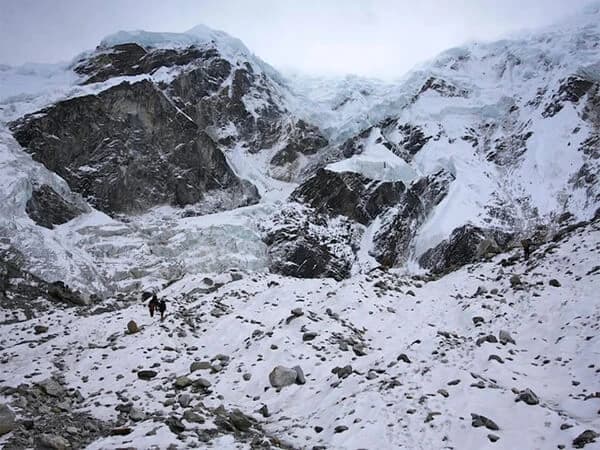
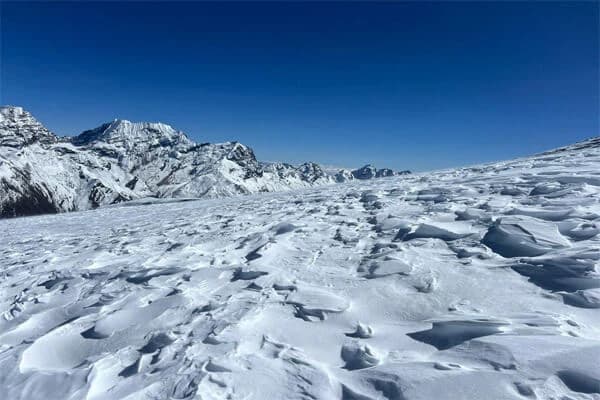
Easy trekking in Nepal is one of the main types of trekking for people who want to enjoy mountain views without doing very hard work. It is perfect for beginners, families or anyone who wants a relaxed outdoor adventure. The walking routes are easier, the altitude is lower and the trails are comfortable, so you can enjoy nature without too much difficulty.
In Nepal, trekking is usually divided into different levels based on how hard the trek is. Easy trekking is the simplest and most comfortable option. It allows you to see beautiful landscapes, traditional villages, and amazing mountain scenery of the Himalayas without needing special skills or long preparation.
Trekking is a type of adventure travel where people walk through natural places like hills, forests, and mountain regions. It is usually longer and more immersive than hiking, which is often shorter and easier. While hiking may last a few hours or a day, trekking often takes several days and takes you deeper into nature, away from busy towns and cities.
Trekking Categories in Nepal
Trekking in Nepal is commonly divided into four levels based on how difficult the journey is. Each level is designed for different types of trekkers, depending on their fitness, experience, and the type of adventure they want. From gentle village walks to high mountain expeditions, these categories help travelers choose the right trek for their comfort and ability.
- Easy trekking in Nepal
- Moderate trekking in Nepal
- Challenging trekking in Nepal
- Strenuous trekking in Nepal
What is Easy Trekking in Nepal?
Easy trekking in Nepal refers to trekking trips that take place at lower altitudes, usually in the hills below the high mountain region of the Himalayas. The walking trails are clear, well-maintained, and gentle, with gradual climbs and descents. These routes often pass through peaceful foothills, green forests, and traditional ethnic villages, allowing trekkers to enjoy nature and local culture without facing difficult terrain or extreme conditions.
Most short trekking routes are located close to human settlements, which means better access to food, accommodation, and basic facilities. Trekkers usually stay in comfortable teahouses or homestays and can enjoy local hospitality along the way. These journeys focus more on scenic beauty, cultural experiences, and relaxing walks rather than physical endurance or technical climbing.
Low Altitude Trekking is ideal for beginners, families, and travelers with little or no trekking experience. Because the altitude is lower and the walking pace is comfortable, the chances of altitude-related health problems are very low. This makes easy trekking a safe and enjoyable way for anyone to experience mountain views, traditional lifestyles, and the natural beauty of Nepal for the first time.
Why Choose Easy trekking in Nepal?
Easy trekking in Nepal is a great choice for travelers who want to enjoy nature, mountain views, and local culture without facing very difficult physical challenges. These treks are designed to be comfortable, safe, and enjoyable for beginners as well as people who prefer a relaxed travel experience. They allow you to explore beautiful landscapes and traditional villages while walking at an easy pace in the foothills of the Himalayas.
To understand what makes a trek easy or difficult, several factors are considered such as altitude, walking distance, trail condition, and accommodation. Beginner trekking is defined by shorter walking days, lower elevation, and comfortable facilities along the route. Because of this, it is one of the most popular trekking options in Nepal.
Key advantages of beginner-friendly trek include:
- Low altitude and minimal health risks
- Shorter trekking duration
- Comfortable accomodation (mainly teahouses)
- Year-round accessibility
- Close interaction with local comunities
- Ideal preparation for future high-altitude treks
Major Easy Treks of Nepal
In general, major easy trekking routes in Nepal are spread across scenic and easily accessible regions, especially around Kathmandu, Pokhara, and the famous Everest Region. These areas offer a balanced mix of beautiful mountain scenery, traditional villages, and comfortable trekking conditions, making them ideal for beginners and travelers looking for a relaxed Himalayan experience.
Most easy treks lead through foothills, terraced farmland, forests, and small settlements where local communities maintain their traditional lifestyles. The main attraction of these routes is the wide panoramic views of snow-capped Himalayan peaks, which can be enjoyed without reaching extreme altitudes. Trekkers can experience peaceful nature, fresh mountain air, and scenic landscapes while walking on well-established trails.
Balthali Village Trek (3 Days)
Balthali Village Trek is a short and peaceful journey in the countryside near Kathmandu. It is one of the best options for travelers who want a quiet nature escape without long walking days. The trail passes through green hills, terraced farmlands, and traditional villages where you can experience rural life closely. The trek is known for its calm atmosphere, cultural heritage, and beautiful viewpoints of distant Himalayan ranges.
Along the way, you visit the sacred Namo Buddha Stupa, one of the most important Buddhist pilgrimage sites, and explore the historic Newari settlement of Panauti, famous for its temples and traditional architecture.
- Very short and beginner-friendly trekking route
- Low altitude and gentle walking trails
- Peaceful rural landscapes and farming villages
- Cultural exploration of Newari heritage
- Scenic hilltop viewpoints with Himalayan view
- Comfortable homestays and village lodges
Langtang Trek (8 Days)
Langtang Trek is one of the closest mountain trekking experiences from Kathmandu Valley and offers a beautiful mix of nature and culture. The journey takes you through forests, rivers, alpine meadows, and traditional mountain villages. The region is known for its strong cultural identity, especially the traditions of the Tamang people, whose lifestyle reflects Tibetan influence.
The trek takes place inside Langtang National Park, a protected area rich in wildlife, forests, and mountain scenery. Trekkers also enjoy views of the Langtang range, including Shishapangma, one of the world’s highest peaks.
- One of the closest trekking destinations from the Kathmandu Valley
- Local cheese factories
- Famous for Tamang Cultural Heritage Trail, Gosainkuda Lake Trek, and Helambu Circuit Trek
- Langtang National Park premises
- Tamang Shamanic culture and tradition
- Himalayas of the Langtang Ranges including Mt. Shisapagma (8,027m) of the Tibetan Autonomous Region
- Chance for cultural exchange in Nepal
Ghandruk Trek (4 Nights 5 Days)
Ghandruk Trek is a popular short trek in the lower Annapurna region, combining mountain views with cultural experiences. The journey usually begins from Pokhara, a beautiful lakeside city and major trekking gateway. The trail passes through forests, terraced hillsides, and charming mountain villages.
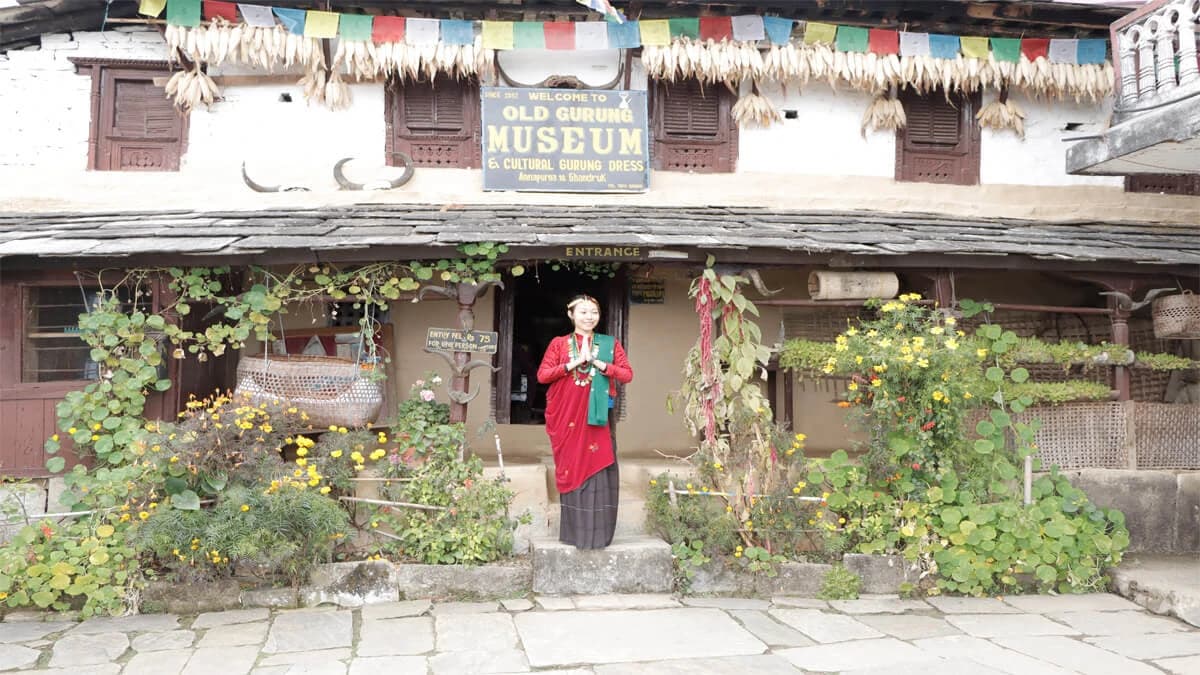
From the traditional village of Ghandruk, trekkers enjoy wide panoramic views of Annapurna and Machhapuchhre. The area is home to the Gurung community, known for its rich traditions and warm hospitality.
- Trekking to the lower Annapurna Region
- Teahouses and home stay sites in the rustic villages
- Sightseeing tour of the Lake City Pokhara
- 360 degree panoramas of Mt. Annapurna (8,091m), Mt. Machhapuchhre (6,993m), and many more
- Low altitude
- Short trekking hours per day
- The Gurung Museum of Ghandruk
Panchase Trek (4 Days)
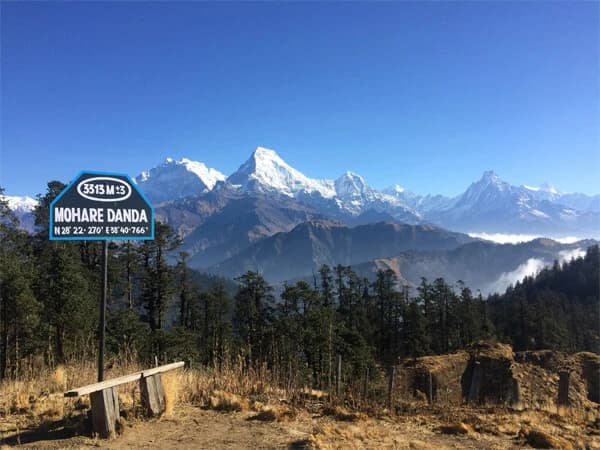
Panchase Trek is a peaceful and less crowded route near Pokhara, perfect for families and travelers with limited time. The trail passes through forests, traditional settlements, and scenic viewpoints with wide Himalayan panoramas. It is known for its rich biodiversity and seasonal flowering plants.
The route gained international attention after being featured by National Geographic Channel for its natural beauty. From the Panchase viewpoint, trekkers can see massive peaks including Dhaulagiri along with Annapurna.
- Most suitable for family treks in Nepal and for those having short vacation
- Short trek in Nepal recognized by National Geographic Channel
- Ethnic villages of Gurung community
- Majestic views of the Annapurna (8,091m) and Dhaulagiri (8,167m) Massifs
- Closer to Pokhara, the Tourism Capital of Nepal
- Famous for panchase flowers (orchid flowers
Ghorepani Poon Hill Trek (6 Days)
Ghorepani Poon Hill Trek is one of Nepal’s most famous short treks, especially known for its sunrise mountain views. The trail passes through dense rhododendron forests and traditional hill villages, offering a beautiful combination of nature and culture.
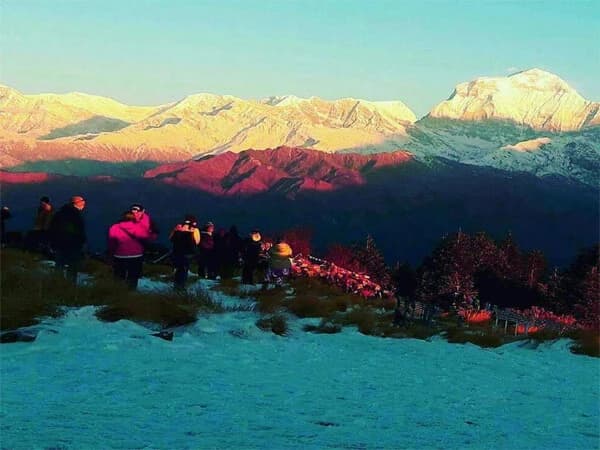
The main attraction is the early morning hike to Poon Hill, where trekkers can watch the sunrise over snow-covered Himalayan peaks. The changing colors of the mountains create one of the most memorable views in Nepal.
- Also known as Annapurna Sunrise View Trek
- Can be combined with Mardi Himal Trek, Jomsom Trek and Annapurna Circuit Trek
- One of the best sunrise views of 8,000ers in the world
- Local villages of Gurung, Magar, etc. and the largest rhododendron forests of the world
- A perfect combination of nature, culture, and adventure
- Adventure sports activities in Pokhara
Solu Trek (6 Days)
Solu Trek explores the lower Everest region and offers a quieter alternative to the busy high-altitude routes. The trail passes through peaceful Sherpa villages, monasteries, and scenic landscapes. It is ideal for travelers who want cultural immersion along with mountain views.
The trek offers distant views of Mount Everest and surrounding peaks of the Mahalangur range. The region is closely connected with early Everest expeditions and the legacy of Sir Edmund Hillary and Tenzing Norgay.
- Excellent trek to Lower Everest Region
- Low elevation
- Sherpa settlement areas with Tibetan Buddhist culture and tradition
- Eye-catching vistas of snowcapped peaks of the Mahalangur Himalayan Range including Mt. Everest (8,848,86m)
- Following the footsteps of Sir Edmund Hillary and Tenzing Norgay
- Observation of local cheese factories
Pikey Peak Trek (7 Days)
Pikey Peak Trek is known for offering one of the best panoramic sunrise views in Nepal. The trail passes through peaceful mountain landscapes, forests, and traditional villages with strong Buddhist influence. It is a great choice for trekkers who want wide Himalayan views without extreme altitude.
From the summit, trekkers can see a long range of Himalayan peaks stretching toward Kanchenjunga. The trek also includes visits to monasteries, prayer flags, and high-altitude viewpoints. One of the charming stops is Ringmo Village, known for apple orchards and homemade apple products.
- Following the footsteps of Sir Edmund Hillary, one of the 1953 Everest Expedition members
- Best sunrise view of the Himalayas from Annapurna (8,091m) to Mt. Kanchenjunga (8,586m)
- Numbur Himal Range
- Buddhist shrines (monasteries, stupas, chortens, etc.)
- Ringmo Village famous for apple orchards and apple pie
- Domestic flights of Nepal
Cultural Insights Along Easy Trekking Routes
Easy trekking in Nepal is not just about breathtaking landscapes, it is also an immersive journey through the country’s vibrant local cultures. As you walk through the hills and valleys, you will encounter diverse ethnic communities, each preserving unique traditions, festivals, and ways of life shaped by centuries of history and the Himalayan environment.
Major Ethnic Communities
- Gurung and Magar: Predominantly found in the Annapurna region, these communities are known for their warm hospitality, traditional dances such as the Ghatu and Sorathi, folk music, and distinctive cuisine. Many villages maintain traditional stone houses and cultural practices that have remained unchanged for generations.
- Tamang: In the Langtang and Helambu regions, the Tamang people maintain Tibetan-influenced Buddhist practices, visible in their monasteries, prayer flags, and colorful festivals. Their unique language, songs, and art provide a fascinating insight into Himalayan Buddhist culture.
- Sherpa: Mostly residing in the Everest region, Sherpas are famous for their mountaineering heritage. Visitors can explore monasteries, stupas, and high-altitude settlements where trekking traditions blend seamlessly with spiritual life. Sherpas are renowned for their resilience, hospitality, and knowledge of the mountains.
- Rai and Limbu: In the eastern hills, Rai and Limbu communities have vibrant oral traditions, folk dances, and ritual practices that reflect animist and Buddhist influences. Their handicrafts, including woven textiles and beadwork, are highly valued souvenirs.
Local Festivals and Rituals
Trekking in Nepal often coincides with traditional festivals, offering trekkers a chance to experience local culture up close. Some highlights include:
- Buddhist Ceremonies: Prayer flag rituals, butter lamp offerings, and chanting at monasteries.
- Hindu Festivals: Holi, Dashain, and Tihar celebrations often involve dances, music, and communal feasts.
- Seasonal and Harvest Festivals: Many communities celebrate planting or harvesting seasons with local songs, dances, and traditional sports.
Respectful participation provides a deeper understanding of the spiritual and social life of Nepali communities.
Handicrafts and Religious Sites
Along easy trekking trails, small village markets often sell unique handmade crafts such as:
- Prayer beads, thangka paintings, and miniature stupas
- Woolen garments, handmade blankets, and woven textiles
- Hand-carved wooden items and local jewelry
Religious sites such as temples, monasteries, stupas, and chortens are often located in scenic spots overlooking valleys or rivers. These sacred places are integral to village life and are maintained by locals with deep reverence.
Daily Life and Village Insights
- Agricultural Practices: Trekking villages rely on terraced farming, yak or cow grazing, and traditional irrigation methods. Trekkers can observe how locals adapt to high-altitude conditions.
- Community Living: Many villages have communal spaces for festivals, storytelling, and social gatherings. Daily routines often revolve around farming, animal care, and religious duties.
Etiquette for Trekkers
To ensure a respectful and enjoyable cultural experience:
- Always greet locals with a warm “Namaste” or the local equivalent.
- Ask permission before photographing people or religious sites.
- Avoid touching sacred objects or entering temples without guidance.
- Dress modestly, particularly near religious or ceremonial areas.
- Participate in festivals or rituals only if invited.
Cultural Benefits of Trekking
Experiencing local culture enriches the trekking journey, fostering mutual understanding and respect. By observing traditions, learning local stories, and engaging with communities, trekkers gain a holistic appreciation of Nepal, not just its mountains, but the heart and soul of its people.
Accomodation and Food During Easy Treks
Accommodation along easy trekking routes in Nepal is generally comfortable and convenient. Most routes follow the teahouse trekking style, where travelers stay in local lodges or guesthouses and enjoy meals prepared by the hosts. Some treks also offer homestay options for a more immersive cultural experience.
Types of Accommodation
Teahouses:
These are simple lodges that provide private or shared rooms, usually with basic furniture like beds and blankets. Most teahouses also serve meals and offer hot drinks like tea or coffee. Electricity is often available but may be limited to certain hours.
Homestays:
For travelers seeking cultural immersion, staying with local families offers an authentic experience. Guests can observe daily routines, enjoy home-cooked meals, and sometimes participate in local traditions or farm activities.
Hotels near trailheads:
In more popular trekking regions like Annapurna or Langtang, hotels are available at the starting or finishing points. These provide higher comfort levels, western-style bathrooms, and often hot water on demand.
Food Options
Nepali cuisine is rich, simple, and filling perfect for trekking energy needs. Typical meals along the trail include:
- Dal Bhat: The staple meal of rice with lentil soup, vegetables, pickles, and sometimes meat. It provides a balanced source of protein and carbohydrates.
- Momo: Steamed or fried dumplings filled with vegetables, chicken, or buffalo. Often served with tomato or chili sauce.
- Noodles and Soups: Light, easy-to-digest options for quick meals or during cold weather.
- Snacks: Local breads, biscuits, energy bars, roasted corn, and dried fruits for quick energy between meals.
- Beverages: Tea, coffee, hot chocolate, and locally brewed beverages like chiya (milky tea) are common.
Always carry some high-energy snacks like nuts or granola bars for longer stretches where teahouses may be sparse.
Comfort and Hygiene
While teahouses provide basic comfort, it is important to manage expectations, especially in remote villages. Key points include:
- Cleanliness: Most lodges are reasonably clean, but standards vary by region. Hand sanitizer is recommended.
- Bathrooms: Western-style toilets are not always available; squat toilets are common in remote areas.
- Showers: Hot showers may not be guaranteed, particularly in off-season or higher-altitude regions.
- Electricity and Wi-Fi: Limited or available at extra cost, solar-powered charging stations are common.
Tips for a Better Stay
- Booking: During peak seasons (spring and autumn), it is advisable to book in advance, especially in popular trekking areas. In off-peak times or less-visited regions, rooms are usually available on arrival.
- Packing: Bring a small towel, toiletries, and a headlamp or flashlight.
- Etiquette: Always remove shoes before entering teahouse rooms or local homes, and be respectful of shared spaces.
Permits Required for Easy Trekking in Nepal
Even for short and low-altitude trekking routes, trekkers in Nepal usually need official permits. These permits help manage trekking areas, support conservation programs, and ensure traveler safety. The type of permit depends on the trekking region you plan to visit.
TIMS Card (Trekkers' Information Management System)
The TIMS Card is one of the most common requirements for trekking in Nepal. It is used to keep a record of trekkers for safety and emergency purposes. If any problems occurs on the trail, authorities can track your route and provide assistance. You typically need a TIMS card when trekking independently or with a guide in popular trekking regions. It can be obtained in Kathmandu or Pokhara through registered trekking agencies or the Nepal Tourism Board office.
National Park or Conservation Area Entry Permit
Many easy trekking routes pass through protected areas, so you must also obtain an entry permit for the specific national park or conservation area. The fee helps maintain trails, protect wildlife, and support local communities.
Common permits include:
- Annapurna Conservation Area Permit (ACAP) for treks in the Annapurna region
- Langtang National Park Permit for Langtang region treks
- Sagarmatha National Park Permit for Everest region treks
These permits are issued by the Department of National Parks and Wildlife Conservation or authorized offices in major cities.
Best Seasons for Easy Trekking in Nepal
Choosing the right season for trekking in Nepal can greatly influence your overall experience. The country has distinct seasons, each offering unique advantages and challenges for travelers. Understanding these differences helps you plan a trek that matches your preferences, whether you want vibrant landscapes, clear mountain views, or a quieter journey.
Spring, from March to May, is one of the most popular trekking seasons in Nepal. During this time, the hillsides come alive with rhododendron blooms in bright red, pink, and white, creating a spectacular natural display. Clear skies allow trekkers to capture stunning views of the snow-capped Himalayas, and the season also coincides with local festivals such as Holi, giving travelers a glimpse of Nepalese culture in full celebration. Spring treks are particularly favored by nature enthusiasts and photographers who want vibrant scenery alongside comfortable trekking conditions.
Autumn, from September to November, is often considered the best all-around trekking season in Nepal. After the monsoon rains, the skies are clear, the air is crisp, and mountain visibility is excellent. This season also aligns with major cultural festivals like Dashain and Tihar, allowing visitors to experience traditional rituals, celebrations, and local customs along the trekking routes. Autumn is suitable for both beginners and experienced trekkers, offering a perfect combination of natural beauty and cultural immersion.
Winter trekking, from December to February, provides a peaceful and quiet trekking experience with fewer crowds. The temperatures are colder, especially in the mornings and evenings, but lower-altitude easy trekking routes remain accessible. While the trails are less crowded, trekkers need to prepare with warm clothing and appropriate gear to enjoy the crisp, refreshing mountain air safely. Winter treks are ideal for those seeking solitude and clear views of the Himalayas in a serene environment.
The monsoon season, from June to August, brings heavy rainfall to the mid-hills and lower regions of Nepal. While trekking is still possible during this period, it requires careful planning. Despite these challenges, the monsoon transforms the landscape into a lush green paradise, with forests and rivers in full flow. The season also has the advantage of fewer tourists, offering trekkers a peaceful and less crowded experience. However, travelers should be prepared for possible trail disruptions and occasional landslides along certain routes.
Factors that Define Easy Trekking in Nepal
Several factors determine whether a trekking route is considered easy, moderate, or difficult. Easy trekking in Nepal is generally characterized by shorter duration, accessible starting points, low altitude, and affordable costs. These features make it ideal for beginners, families, and travelers seeking a relaxed trekking experience.
Trek Duration
The length of a trek is one of the most important factors in defining its difficulty. Easy treks in Nepal usually last from 3 to 8 days and involve shorter daily walking hours. Unlike high-altitude treks, easy routes do not require long acclimatization stops because they remain at lower elevations.
Shorter trekking duration reduces physical strain and allows trekkers to enjoy the mountains without fatigue. This makes easy trekking perfect for travelers with limited time, first-time trekkers, or families who want a safe and manageable adventure while still experiencing Nepal’s natural beauty.
Transportation Mode
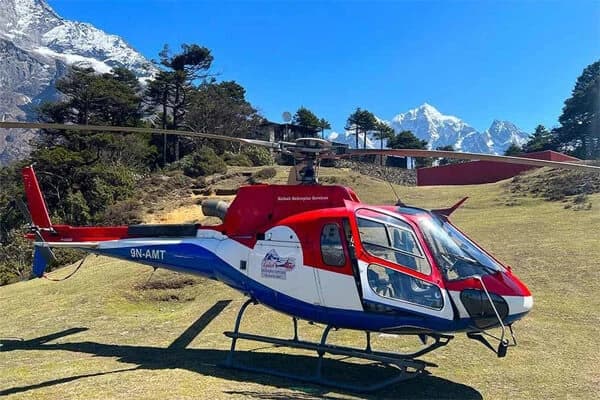
As easy trekking takes you around the popular destinations closer to the major cities of Nepal, you don’t have to pay much for transportation services. Most of the easy trekking packages don’t require domestic flights or private jeep services. Nonetheless, some of the easy trekking packages start when you reach the starting point by taking domestic flights. To do the easy trekking to Everest Region, you need to fly from Kathmandu to Lukla Airport.
Domestic flights of Nepal are prone to be disturbed due to unfavorable weather conditions. Especially, trekking in Nepal in the winter or the rainy seasons, the domestic flights are delayed or even cancelled due to low visibility. On the contrary, if you can make a trekking package without any transportation services, it is an instance of easy trekking. Such treks in Nepal can be started in no while as soon as the unfavorable weather condition comes to an end.
Cost and Equipment
Easy trekking in Nepal cost is far lower than Everest Base Camp Trek, Annapurna Base Camp Trek, Manaslu Circuit Trek, etc. Trekking to easy destinations around the Himalayas is mainly teahouse trekking in Nepal. Teahouse trekking cost is less expensive than camping trekking because you don’t have to pay extra amount for the crew.
Moreover, easytrekking in Nepal doesn’t need trekking gears as that for moderate or challenging trekking. The cost of trekking gears is higher for other treks than easy trekking. Because of the low altitude of the trekking destinations, you don’t have to worry about paying dearly price for trekking gears.
Trail Difficulty and Terrain
The terrain of easy trekking routes is another key factor. Trails are generally well-maintained, clearly marked, and involve gentle ascents and descents. Steep slopes, rocky paths, or technical climbing sections are rare on easy routes, which makes them suitable for beginners or families with children.
Because the terrain is less demanding, trekkers can maintain a steady pace, enjoy scenic viewpoints, and interact with local communities without physical strain. Easy trekking routes often pass through foothills, forests, and farmland rather than high mountain passes, allowing for a more comfortable and leisurely journey.
Comparison With Moderate and Challenging Treks
Easy trekking in Nepal differs significantly from moderate and challenging treks in terms of altitude, duration, and physical demand. Easy treks generally stay at lower elevations, often below 3,000 meters, with gentle slopes, well-maintained trails, and shorter daily walking hours.
In contrast, moderate treks, such as the Ghorepani - Annapurna Circuit or Mardi Himal Trek, involve higher altitudes, longer walking distances, and some steeper ascents. Challenging treks, like the Everest Base Camp Trek or Manaslu Circuit Trek, can exceed 5,000 meters in elevation and require multiple days of strenuous walking, acclimatization breaks, and occasionally technical climbing.
Because easy treks are less physically demanding, they provide an excellent introduction to the trekking experience in Nepal. They allow beginners to get accustomed to walking on mountain trails, managing day-long hikes, and adjusting to changing weather conditions without the risk of altitude sickness. Completing an trek builds stamina, confidence, and familiarity with trekking routines, making moderate treks a more enjoyable and achievable next step.
For travelers unsure about which trek to choose, easy trekking serves as a testing ground to match their fitness and comfort level with trekking in the Himalayas. By starting with easy routes, trekkers can gradually progress to more demanding adventures while enjoying the stunning landscapes, cultural experiences, and village interactions along the way. This structured approach ensures that travelers make informed choices about their trekking journeys, minimizing risks and maximizing enjoyment.
Conclusion: Easy Trekking in Nepal
Easy trekking in Nepal is highly recommended for the beginner trekkers. Due to their low altitude and well-defined trails, even the novice trekkers can do this trip without any risk of acute mountain sickness.
Short trekking in Nepal rewards you with the wonderful experience of the Himalayas, lush valleys, including amazing culture and tradition. Even if you don’t have previous experience of trekking in Himalayas, easy trekking enables you to do moderate and challenging treks in the future.