Many people think that trekking in Nepal is always crowded, but that’s not completely true. Not every trail is busy, some of the trekking places take you far from the crowds and into places where silence, nature, and tradition still feel untouched. Restricted Area Treks in Nepal do exactly that, take you into remote regions like Upper Mustang, Dolpo, and Manaslu.
But planning a trek in these regions is not just about choosing the route, it’s also about choosing the right time. Since these areas are remote and less developed, your overall experience depends a lot on when you decide to go. The right timing can make your journey smoother, more enjoyable, and more meaningful, allowing you to fully connect with the landscapes and local culture.
Restricted area treks are often known as off-the-beaten-path adventures in Nepal. They are quieter, less crowded, and perfect for travelers who want something more than a typical trekking experience. In the following sections, you’ll discover how to choose the best time for these treks, along with helpful insights to plan a safe and memorable journey.
What is Restricted Area Trekking in Nepal?
Restricted Area Trekking in Nepal refers to specialtrekking routes that take you into remote and protected parts of the country. These regions are less visited compared to popular trails and provide a more peaceful and authentic experience. You can explore these areas needing special permission from the government, which is why that type of travel is often called special permit trekking in Nepal. It is ideal for those who want to exploreremote trekking in Nepal and experience untouched landscapes and traditional lifestyle.
Restricted trekking areas are specific regions identified and managed by the Nepalese government to control tourism and protect sensitive zones. These areas are usually located near international borders or in places with fragile environments and strong cultural heritage. Because of this, independent trekking without support is not allowed, but solo trekkers are now permitted as long as they go through a registered agency and are accompanied by a licensed guide.
Major Restricted Trekking Areas in Nepal
If you want to truly feel like an explorer, the restricted trekking areas are where the magic really happens. These are remote, quiet, untouched by mass tourism, and full of surprises, ancient villages, high passes, secret valleys, and locals who will welcome you like a friend. The only thing you need is a special permit to visit, which makes the experience feel even more exclusive.
Each restricted area has its own character, trail, and story, and even the routes themselves feel like adventures, not just paths. Let’s take a look:
Upper Mustang Trek 14 Days
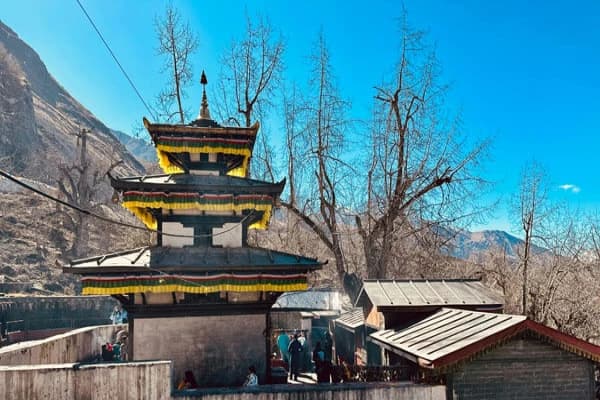
Imagine walking through a desert in the middle of the Himalayas. Sounds impossible, right? That’s Upper Mustang for you. Known as the “Last Forbidden Kingdom,” this place is like a movie set that time forgot. You’ll see walled villages, golden cliffs, and monasteries perched on edges of canyons.
Are there any major highlights in this area? Lo Manthang, a tiny town with a royal palace, cobbled streets, and locals wearing traditional Tibetan clothes. Walking through Lo Manthang is like stepping into a living museum, but one that smells like yak butter lamps and fresh bread from the local ovens. Trails here take you through barren lands, tiny villages, and hidden caves where monks have been meditating for hundreds of years.
It’s not just about scenery, Upper Mustang tour is about feeling like you’re part of something ancient. You might sit on a cliff and watch locals lead their yaks down the dusty trails, or stumble upon a hidden gompa with a prayer wheel spinning silently in the wind.
Makalu Base Camp Trek
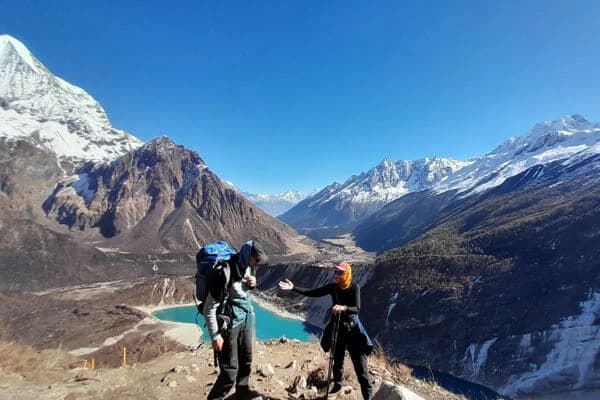
If adventure and solitude are your thing, the Makalu Base Camp Trekking is just perfect for you. This trek is less crowded than Everest or Annapurna, which means you get the Himalayas all to yourself. Imagine waking up to Makalu Peak towering above you, untouched by clouds, and hearing nothing but the wind and your own footsteps.
Along the trail, you pass through rhododendron forests, deep valleys, and villages where tea houses are run by families who know every story of the mountains. Some days feel like a gentle walk in paradise, other days are tough climbs that make your legs scream but when you reach a viewpoint, the feeling is indescribable.
The people along the trail make the journey even better. A random tea house owner might invite you in for butter tea and snacks, and you’ll leave feeling like you’ve gained a whole new set of friends. This trek isn’t just about the mountains, it’s about the journey, the stories, and the connections you make along the way.
Kanchenjunga Base Camp Trek
TheKanchenjunga Base Camp Trekis for those who want remote Himalayan magic. Kanchenjunga, the third-highest mountain in the world, dominates the skyline like a silent giant. Trekking here is tough, but the reward is stunning landscapes, quiet trails, and untouched villages.
You’ll walk through rhododendron forests, high passes, and traditional Limbu settlements. Along the way, you might spot wildflowers, colorful prayer flags fluttering in the wind, and maybe even rare animals like Himalayan tahr or a red panda if you’re lucky. The villages feel untouched by time, kids will wave at you, elders will nod with curiosity, and you’ll get a peek into lives that are completely different from anywhere else. Kanchenjunga is like a secret, the mountains whisper only to those who make the effort to reach them. Every step brings a new view that feels like it’s been waiting for you.
Manaslu Circuit Trek
The Manaslu Circuit Trek is a mix of adventure, culture, and mountains. Manaslu itself is the eighth-highest peak in the world, but the real charm is the trail and the villages you pass through. The trek winds through lush forests, suspension bridges over roaring rivers, and high passes that offer jaw-dropping vistas.
The villages along the way are full of life, locals tend their fields, children chase each other around prayer wheels, and monks quietly meditate in monasteries perched on hillsides. It’s peaceful but alive, and it makes you feel part of the rhythm of the Himalayas. Manaslu is also a place to test yourself. Some days are long, your legs will burn, and the air will be thin, but every tough moment is rewarded with a view or a quiet moment in a village that feels like it’s only yours.
Humla Region Trek
If you’re looking for extreme remoteness and real adventure, the Humla Region Trek is where you want to be. Most journeys start from Simikot, a small mountain town that feels like the last stop before the wild Himalayas take over. From there, the trails branch into several incredible routes, like the Simikot to Hilsa trek, following the Karnali and Mali Rivers through tiny villages like Yalbang, Til, and other hidden settlements. For trekkers craving solitude, the Limi Valley trek takes you even deeper into Tibetan-style villages like Halji, Dzang, and Til, where life has barely changed for decades.
Along the way, you’ll cross high passes, river valleys, and snow-dusted trails that make you feel like you’re discovering a secret world. Some opt for the more challenging Tsong Pass and Humla High Pass routes, where the paths are steep, the air is thin, and the views stretch forever over untouched Himalayan peaks. The people along the trekking trail make it even more memorable, a friendly local might invite you in for butter tea, share stories about their valley, or simply wave as yaks graze nearby. This trek isn’t just about reaching the end; it’s about the journey, the hidden villages, the mountains that feel alive, and the rare feeling of being completely off the beaten path.
Best Time for Restricted Area in Nepal
When it comes to trekking in restricted areas, timing makes a big difference. But there’s not “wrong” time to explore these hidden parts of the Himalayas, it just depends on the kind of adventure you’re after. Some seasons bring clear skies and classic mountain views, while others offer quiet trails and a more peaceful experience. Understanding what each time of year feels like can help you plan a trek that matches your vibe and expectations.
Upper Mustang Trek
Upper Mustang is a unique Himalayan desert, so trekking season is a bit different from the usual. Autumn (September to November) is fantastic for clear skies, crisp mountain views, and golden desert hues. Spring (March to May) is equally beautiful, with mild temperatures and soft sunlight illuminating Lo Manthang and the cliffs. Interestingly, the monsoon season (June to August) can also be a best time to visit Upper Mustang. Since the region is in the rain shadow of the Himalayas, it remains mostly dry while the surrounding landscapes turn lush and green. The colorful fields and quiet trails make it feel almost mystical. Winters, however, can get very cold, especially at night.
Makalu Base Camp Trek
Makalu Base Camp Trek is about raw, wild Himalayas adventure. The best time is still autumn (September to November) for clear mountain views and stable trails. Spring (March to May) is great too, with blooming rhododendrons and moderate temperatures. Summers bring monsoon rains that can make trails slippery, and winter snow can make high passes difficult to cross, so these seasons are less ideal.
Kanchenjunga Base Camp Trek
Kanchenjunga is remote and awe-inspiring. Autumn (September to November) is the preferred trekking season for clear skies and stunning vistas. Spring (March to May) is also a good time, with flowers along the lower trails and pleasant temperatures. Monsoon months are risky due to muddy trails, landslides, and cloud cover that hides the peaks. Winter can be harsh at higher altitudes, with heavy snow on the passes.
Manaslu Circuit Trek
Manaslu Circuit Trek offers a mix of forests, valleys, and high passes. The best trekking season for Manaslu circuit are autumn and spring, with crisp skies, moderate temperatures, and blooming rhododendrons. Summer monsoon can make trails slippery and rivers harder to cross, while winter snow can make high passes tricky. But adventurous trekkers who like solitude sometimes enjoy spring and autumn shoulder months, which are less crowded and very scenic.
Humla Region Trek
Humla Region is extremely remote, so weather timing is crucial. The best time to trek is generally autumn (September to November) for clear skies, dry trails, and easier river crossings. Spring (March to May) is also great, with warmer temperatures and colorful valleys. The monsoon season is usually avoided because rivers swell and trails become tricky, but the dry valleys in some parts of Humla can still be accessible for experienced trekkers. Winter brings freezing temperatures and heavy snow, especially on high passes, so it’s mainly for very seasoned adventurers.
Month-Month Breakdown of the Best Time to Trek
Timing your trek can totally change how you experience Nepal’s restricted areas. Some months give you crisp, clear skies and jaw-dropping mountain views, while others let you wander quietly through villages and trails with almost no one around. And then there’s the monsoon, which makes places like Upper Mustang feel like a whole new world, dry, peaceful, and surprisingly magical. Thinking about each month this way helps you pick not just when to go, but what kind of adventure you actually want to have.
January - February
Winter in the Himalayas can be harsh, especially in restricted areas. High passes are often covered in snow, some trails may be completely closed, and temperatures drop well below freezing at higher altitudes. While the scenery is stunning with snow-dusted valleys, trekking during these months is best for very experienced adventurers who don’t mind cold nights and limited services along the trail.
March - May
Spring is one of the most popular trekking windows in Nepal. The weather becomes warmer, lower trails turn green, and rhododendrons bloom, adding vibrant color to the landscapes. Days are usually sunny and comfortable for hiking, while mornings and evenings are still cool. This period is ideal for restricted area treks, giving clear mountain views and safe trail conditions.
June - August
Monsoon season hits most of Nepal, but certain rain shadow regions like Upper Mustang and Upper Dolpo remain surprisingly dry. Trekking here during monsoon offers unique desert-like landscapes, fewer crowds, and quieter trails. While most popular treks are risky during this time, these remote regions give adventurous trekkers a chance to experience the Himalayas in a completely different light.
September - November
Autumn is the peak trekking season for a reason. The skies are clear, mountain views are sharp, and temperatures are comfortable for walking all day. Trails are usually dry and well-maintained, rivers are easier to cross, and most villages are fully operational for trekkers. If you’re looking for the most reliable conditions and classic Himalayan scenery, this is the time to go.
December
Winter returns, bringing cold temperatures and snowy trails in higher areas. While conditions can be challenging, Nepal trekking in December comes with a major perk: quiet, peaceful trails. Fewer trekkers mean a more intimate experience with the mountains, though you’ll need proper gear and preparation for freezing nights.
Factors to Consider When Choosing Trekking Time
Besides everything, you still need to consider a few important things before picking your trekking time. It’s not just about the season, it’s about how the weather feels, how safe the trails are, how easy it is to get permits, and even what kind of experience you want overall. Some people love busy trails and meeting other trekkers, while others prefer quiet paths and peaceful moments in nature. Thinking about all these little details helps you choose the right time, so your trek feels comfortable, safe, and exactly the kind of adventure you’re looking for.
Weather and Climate Overview
You never really know what kind of day you’re going to get, especially in the mountains. In restricted trekking areas, the climate changes a lot depending on where you are. Lower trails can feel warm and green with forests and rivers, while higher up it can suddenly turn cold, windy and even snowy. Most of the time, trekkers love autumn and spring because the skies are clearer, the views are wide open, and the trails feel just right, not too hot, not too cold.
Then comes the monsoon, which brings heavy rain to many parts of Nepal, making trails muddy and a bit tricky. But interestingly, some places like Upper Mustang stay mostly dry because they sit in a rain shadow, so you still get a good trekking experience while the rest of Nepal turns lush and green.
Winter has a whole different vibe, it’s quiet, peaceful and beautiful with snow, but it can get really cold, especially in high-altitude areas where passes might be covered in snow.
In the end, the climate isn’t about good or bad , it’s about what kind of experience you want. Whether it’s clear mountain views, green valleys after rain, or silent snowy trails, each season brings its own mood to the journey.
Trail Safety and Accessibility
Trail conditions in the mountains can change quickly, and they play a big role in how safe your trek feels. In restricted areas, the trails are often more remote and less maintained, which makes timing even more important. During the monsoon season, rain can turn paths muddy and slippery, and landslides may block sections of the route. Rivers can swell, making crossings more difficult and visibility can drop when clouds roll in. In winter, snow and ice can cover high passes, hide trail markings and make steep sections harder to walk on, so even simple parts of the trek can feel more challenging.
On the other hand, during more stable seasons like autumn and spring, everything just feels easier and more enjoyable. Trails are usually dry and clear, river crossings are safer and you can walk with more confidence without constantly worrying about your footing. This means, you can focus more on the experience, the mountains, the villages, and the journey itself. Choosing the right time isn’t just about comfort, it’s about making sure your trek is smooth, safe and something you can truly enjoy from start to end.
Permit Regulation and Availability
Restricted areas in Nepal require special permits, and this is something you definitely don’t want to overlook. These regions have specific rules to protect their culture and environment, so trekkers are usually required to travel with a licensed guide. Entry points, trekking duration and permit cost can vary depending on the region, and sometimes even the season. Because of this, planning ahead is really important. Sorting out permits in advance helps avoid last-minute stress and ensures your trek starts smoothly without unnecessary delays.
During peak trekking seasons, things can get a bit busy, and permits, flights, and logistics may need to be booked earlier than usual. On the other hand, in quieter months, it might be easier to arrange permits, but you could face other challenges like limited transportation, fewer available guides, or less active tea houses along the route. So, the timing of your trek doesn’t just affect the trail, it also shapes how easy or complicated the entire planning process will be.
Local Festivals and Cultural Events
One of the most special parts of trekking in restricted areas is the chance to truly experience local culture. These regions are rich in tradition, and if your trek happens to match with local festivals, it adds a whole new layer to your journey. You might come across monks performing ancient rituals in monasteries, villagers dressed in traditional clothes, or entire communities gathering for celebrations filled with music, prayer, and joy. It’s not something you plan exactly, but when it happens, it feels like you’ve stepped into something really meaningful.
These cultural moments often become the most memorable parts of the trek. It’s not just about the mountains anymore, it’s about the people and their way of life. Even simple experiences, like visiting a monastery during a special event, spinning prayer wheels with locals, or sharing a warm meal in a village home, can stay with you long after the trek ends. Timing your trek around these moments can turn a great adventure into a deeply personal and unforgettable one.
Crowds vs Peaceful Trekking Experience
Every trek has its own vibe, and a big part of that comes down to how many people are on the trail. Some trekkers love the energy of peak season, where you meet fellow travelers along the way, share stories in tea houses and enjoy a lively atmosphere. Popular months like autumn and spring bring more people which also means better access to services like accommodation, food and transportation which makes the overall journey a bit easier and more social.
But if you’re someone who enjoys quiet and solitude, trekking during less busy times can feel truly magical. Imagine walking for hours without seeing another group, hearing only the sound of the wind and your footsteps. It creates a deeper connection with nature and gives you space to fully take in the mountains. It feels more personal, more peaceful and sometimes even more adventurous, like the entire trail belongs just to you.
Can you Trek Restricted Areas During Monsoon Season?
Most people automatically assume monsoon is a not a good season for trekking in Nepal, but that’s not entirely true especially for certain restricted areas. Places like Upper Mustang and Upper Dolpo are in a rain shadow, so they get very little rain even during the wettest months The mountains block most of the monsoon clouds, leaving these valleys dry, calm and surprisingly trek-able. So yes, you can trek Upper Mustang in monsoon, and the experience can be completely different from the usual peak seasons.
Not only are the trails more accessible, but trekking during the monsoon in these regions provides a completely different perspective of the landscapes. The valleys feel quieter, the villages more authentic, and the usual crowds are nowhere to be seen.
Why is Autumn the Most Popular Time for Restricted Area Treks?
Autumn is by far the favorite season for trekking in Nepal’s restricted areas, and for good reason. The weather tends to be stable, with clear skies and minimal rain, which makes walking through high passes and remote valleys much safer. Trails are usually dry and firm, rivers are easier to cross, and landslide risks are lower compared to the monsoon season. This stability gives trekkers peace of mind, letting them focus on the adventure rather than worrying about slippery paths or sudden weather changes.
Another big reason autumn stands out is the mountain visibility. After the monsoon rains, the skies clear up, and the views of towering Himalayan peaks are simply breathtaking. The temperatures are also very comfortable, warm enough during the day for easy hiking, but cool enough at night to enjoy cozy tea houses without being too cold.
Combined with ideal trekking conditions like well-defined trails and lively villages, autumn creates the perfect balance for both beginners and experienced trekkers. It’s no wonder so many people choose this season to explore Nepal’s hidden, restricted gems.
Can I Trek Restricted Areas in Nepal During Monsoon?
Yes, you actually can but only in certain places. Regions like Upper Mustang and Upper Dolpo stay mostly dry because they are in rain shadow areas, so even during monsoon, trekking is possible there. Plus, the trails are quieter and the experience feels more peaceful and unique.
Is Winter a Good Time for Restricted Area Trekking?
Winter trekking can be beautiful, but it’s definitely more challenging. It gets very cold, especially at higher altitudes, and snow can block passes and trails. If you don’t mind the cold and want fewer crowds, it can be a great experience, but you need to be well prepared.
How many days do restricted area treks usually take?
These treks are usually longer than regular ones, often taking anywhere from 10 to 20 days depending on the route. Since the areas are remote, it takes time to reach and explore them properly, so it's best to plan for a longer journey.
Are restricted area treks suitable for beginners?
Some treks like Manaslu can be manageable for beginners if they are well prepared and physically fit. But most restricted areas are remote and a bit more challenging, so having some trekking experience definitely helps.
Do I need a permit for restricted area trekking in Nepal?
Yes, you do need special permits to enter restricted areas. These places are protected, so you also need to travel with a licensed guide and go through a registered trekking agency. It might sound like extra work, but it actually helps keep your trek safe and organized.
Is trekking in restricted areas crowded?
Not really, and that’s the best part. Even during peak seasons, these areas are much quieter compared to popular routes like Everest or Annapurna. You get more space, more peace, and a deeper connection with nature and local culture.
How difficult are restricted area treks in Nepal?
Most restricted area treks are moderate to challenging because they are remote and involve long walking days, high altitudes, and fewer facilities. Some routes are easier than others, but in general, you should be prepared both physically and mentally for a bit of adventure.
Can solo trekkers visit restricted areas in Nepal?
Yes, solo foreign trekkers are now allowed to visit restricted areas in Nepal. Earlier, you needed to be in a group of at least two people, but the rules have changed which makes it easier for individual travelers to explore these remote regions.
How expensive is restricted area trekking in Nepal?
It can be a bit more expensive than regular treks because of special permits, guide requirements, and remote logistics like flights or transport. But many trekkers feel it’s worth it for the unique experience and less crowded trails.
How does weather affect trekking in restricted areas?
Weather plays a big role in your trek. Rain can make trails slippery, snow can block passes, and strong winds can make walking harder. That’s why choosing the right season is important, it makes your trek safer and much more enjoyable.
Conclusion: Best Time for Restricted Area Trekking in Nepal
Trekking in Nepal’s restricted areas is a special experience. Places like Upper Mustang, Humla, and Kanchenjunga base camp feel remote, peaceful, and full of adventure. Picking the right time to go makes a big difference, whether it’s clear skies, blooming flowers, quiet snowy trails, or local festivals, each season gives a unique experience.
The best time depends on what kind of trek you want. Do you want peace and solitude, or clear mountain views and lively villages? Planning ahead, getting your permits, and packing properly will make your journey easier and more enjoyable. Choosing the right time lets you fully enjoy the mountains, the culture, and the amazing landscapes that make Nepal’s restricted areas so unforgettable.