When you start thinking about the Lower Dolpo Trek, one of the first questions that naturally comes up is, when is the best time to actually go? And it’s a fair question, because this isn’t just a place you “visit,” it’s a place you experience differently depending on the season you choose.
The same trail can feel completely different at different times of the year. Sometimes it’s all about clear skies and wide-open mountain views. Other times, it’s green valleys, blooming flowers, or even quiet snowy paths where you barely meet anyone on the way.
And that’s what makes planning a bit tricky… but also interesting, especially in the context of remote trekking season in Nepal. Because you’re not just choosing a date on the calendar, you’re choosing the kind of atmosphere you want to walk into based on the dolpo trek weather conditions and the climate.
So before we get into details, let’s break down what each season actually feels like in Lower Dolpo, and which one might suit the kind of journey you’re looking for.
Lower Dolpo Trek Profile
The Lower Dolpo Trek is a remote, long, and physically demanding trek in western Nepal, deep inside the rain-shadow region beyond the Himalayas. It’s not a “comfortable” trail, and it’s not meant to be easy or casual. Everything from altitude to remoteness to logistics requires preparation and patience.
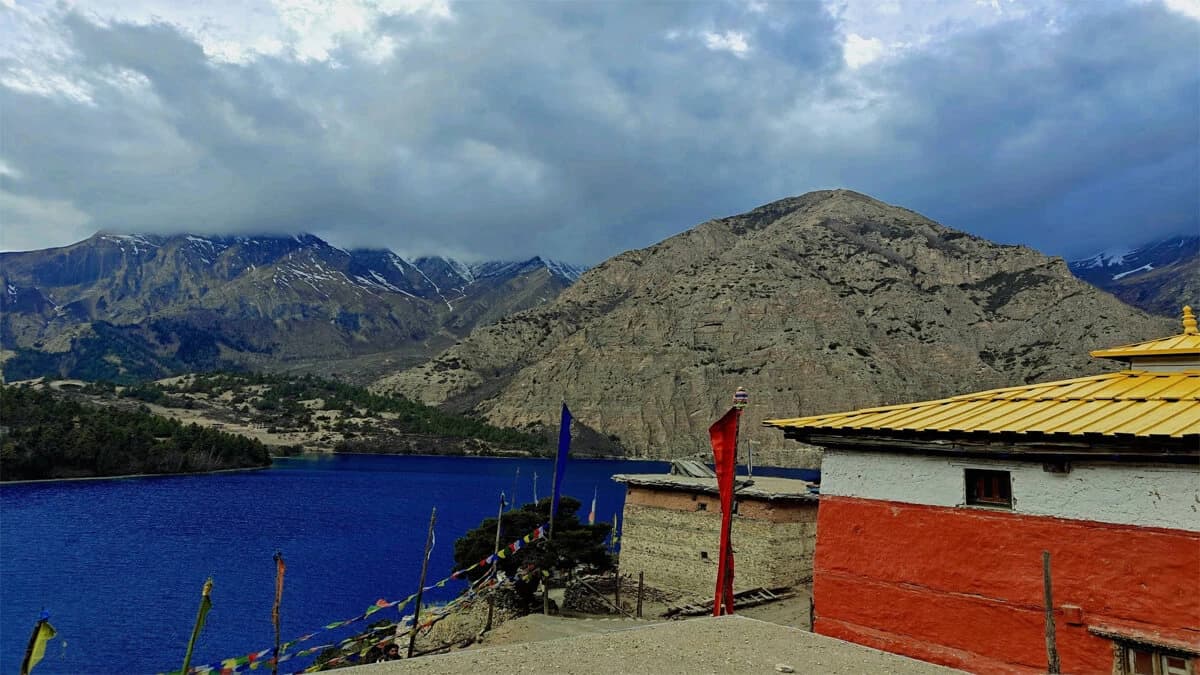
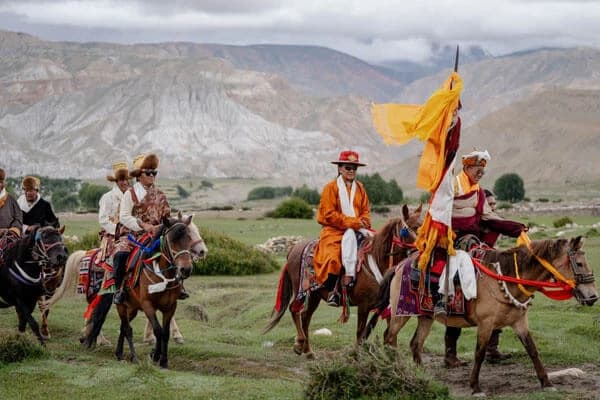
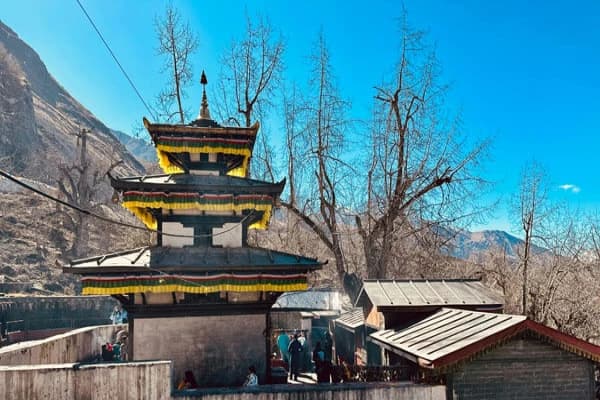
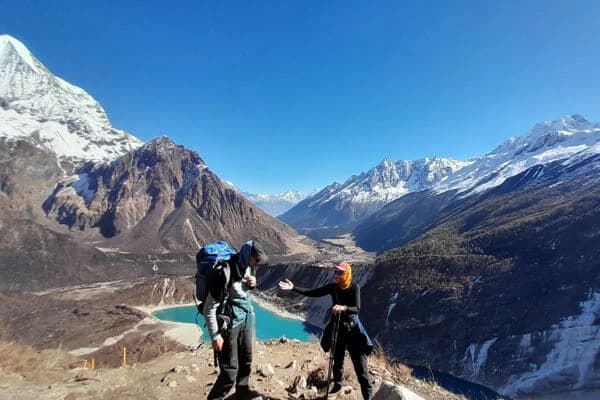
You’ll be walking through isolated valleys, high passes, traditional Tibetan-influenced villages, and barren landscapes that reflect the difference in Upper and Lower Dolpo climate very clearly. Infrastructure is minimal. Some days you won’t see proper settlements for hours or even days. The trek is famous for its raw wilderness, the traditional lifestyle of the Dolpo people, and highlights like Shey Phoksundo Lake, which sits like a deep turquoise contrast in an otherwise dry, rugged landscape by the rain shadow trekking region in Nepal.
Lower Dolpo Trekking Season and Climate Guide
The Lower Dolpo region has a very different kind of climate compared to most trekking areas in Nepal. It sits in the rain-shadow side of the Himalayas, which means some parts are dry for most of the year, while lower sections still follow more seasonal patterns. Because of this mix, the weather doesn’t behave in a simple way, you’ll notice dry landscapes, strong sun during the day, and cold nights almost in every season.
Spring Season in Lower Dolpo
Spring in Lower Dolpo is a gradual shift rather than a sudden change. In lower regions like Tarakot and Laina Odar, the snow from winter slowly starts melting, and the trails become easier to walk on. As you move higher toward Dho Tarap, the cold still stays in the air, especially early in the season, but the harshness of winter slowly fades.
This is also the time when the landscapes starts to open up again. You'll notice small patches of green returning around villages, and in some lower stretches, wildflowers begin to appear along the trail. It doesn't turn fully lush like other parts of Nepal, but there's a visible softening of the landscapes.
Weather-wise, spring ois kind of mix. Some days are clear with good visiility, while some days, it feel slightly hazy, especially in lower valleys. Still, the overtall trekking conditions improve steadily as the season moves toward May, making it more comfortable for long walking days and one of the better periods in Lower Dolpo trekking months.
Autumn Trekking in Lower Dolpo Region
Autumn is the most stable and predictable season , also considered the best time to visit Lower Dolpo. After the monsoon, the dust and haze settle, and the entire region feels clearer. This difference is very noticeable once you enter areas like Tarakot and the climb toward Dho Tarap, where the views open up more sharply compared to other seasons.
The trails are usually dry and firm, which makes a big difference here because many sections involve long, exposed walking days. Crossing higher areas becomes more manageable, and there's less uncertainty in weather changes during the day.
Up around Dho Tarap and the Phoksundo region, nights start getting colder, even if the daytime feels pleasant. The landscapes itself doesn't change much in autumn, but what improves is clarity, you see the valleys, ridges and distant peaks much more clearly than in other seasons. For most trekkers, this is the most consistent window where everything, weather, visibility and trail conditions comes together in a balanced way.
Winter Trekking in Lower Dolpo Region
Winter in Lower Dolpo is not just cold, it’s isolating. The entire region slows down. In higher areas like Dho Tarap and the ridges leading toward Phoksundo Lake, heavy snowfall can block routes completely. Even lower villages like Tarakot experience deep cold nights and very quiet conditions.
One thing about winter here is that the sun still shines strongly during the day, but it doesn’t bring much warmth at altitude. Once the sun drops, temperatures fall quickly, and the cold stays intense for long periods.
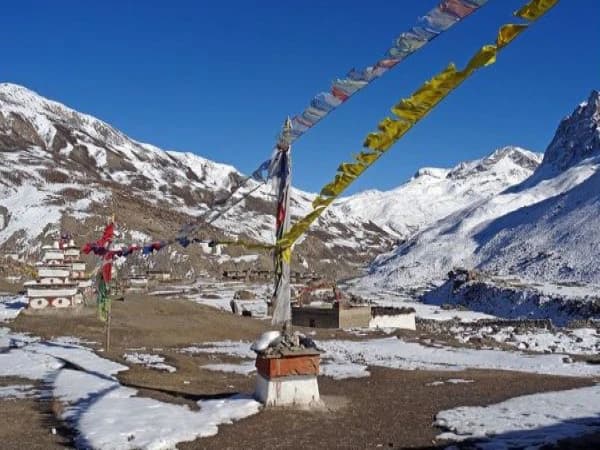
The landscape becomes very minimal, white, dry, and silent. It’s beautiful in its own way, but trekking becomes challenging due to snow-covered paths, limited movement, and reduced accessibility between villages. This season is generally only suitable for experienced trekkers who are prepared for difficult conditions and possible route changes.
Monsoon Season in Lower Dolpo
Monsoon behaves differently in Lower Dolpo because of its rain-shadow geography, making it one of the best example of monsoon free trekking routes in Nepal Nepal. Inner Dolpo areas like Dho Tarap and the Phoksundo basin stay relatively dry compared to most of Nepal. You won't see continuous rainfall like in the eastern or central trekking regions.
However, the real issue is access. Getting into Dolpo through Juphal and the lower river valleys near Tarakot can be unpredictable during this time. Flights are often delayed, trails can become slippery in lower sections, and landslides in connecting regions can affect the journey.
Inside dolpo, the scenery becomes greener in lower valleys, especially around river corridors. The lake area near Phoksundo can also feel moodier, with clouds moving in and out of the valley. But visibility is not consistent, and mountain views are often partially hidden. So even though the trek itself is not heavily rain-affected, the journey to reach it becomes the main challenge.
Lower Dolpo Trek Temperature and Conditions Guide
Understanding theweather and temperature in the Lower Dolpo region is important if you want a smooth and realistic trekking experience. This is not a place where conditions stay the same throughout the day. Because the region lies in a dry, high-altitude rain-shadow zone, the weather can feel stable on the surface, but small changes like wind, sun exposure, or altitude gain make a big difference as you move from lower areas like Tarakot to higher places like Dho Tarap and toward Shey Phoksundo Lake.
During the day, especially under direct sunlight, trekking can feel quite comfortable, even warm at times. But that doesn’t last long. As soon as the sun drops or you move into shaded sections, the temperature falls quickly. Nights are consistently cold, and at higher elevations, they drop below freezing in most seasons. The air is also very dry, which makes both the cold and the sun feel stronger than expected. Wind in open valleys can add another layer of difficulty, especially in exposed sections of the trail.
Temperature at Lower Trekking Sections
In the early part of the trek, around places like Tarakot and along the Bheri river valley, the climate feels more moderate compared to the upper sections. Daytime temperatures are usually comfortable for walking, especially when the sun is out. You can often trek in light layers during the day without much discomfort.
However, mornings and evenings still feel cold. Once the sun sets behind the hills, the warmth disappears quickly. Even in these lower areas, you’ll need a warm layer for early starts and nights. The temperature difference between day and night is quite noticeable, so layering becomes important even before gaining significant altitude.
Temperature in Dho Tarap and Higher Sections
As you move higher toward Dho Tarap and the upper valleys, the conditions shift more clearly. The air becomes thinner, drier, and colder. Daytime temperatures are still manageable while walking, but they don’t feel as warm as the lower sections, even under sunlight.
Nights here are significantly colder and often drop below freezing. Wind also becomes more noticeable in open areas, which can make evenings and mornings feel harsher. At this stage, proper layering is not just about comfort, it becomes necessary to stay warm and maintain energy during long trekking days. Simple things like dry clothing, insulated jackets, and a proper sleeping setup make a big difference.
Conditions Around Phoksundo Lake
The area around Shey Phoksundo Lake has its own feel. Because of the altitude and the open landscape, temperatures here can feel colder than expected, especially when the wind picks up. During the day, the sunlight reflects strongly off the lake and surrounding cliffs, which can make it feel warmer for a short time, but the air itself stays cool.
Early mornings and late afternoons around the lake are noticeably cold, and nights drop quickly into freezing conditions. The weather here is usually dry and stable, but clouds can move in and out, changing visibility throughout the day. It’s one of those places where the conditions don’t look extreme, but you still feel them.
Lower Dolpo Trek Weather by Month Guide
Weather in the Lower Dolpo region doesn’t follow a simple pattern. It’s a dry, high-altitude area, so even when the skies look clear, the temperature and conditions can shift a lot between places like Tarakot, Dho Tarap, and up toward Shey Phoksundo Lake. Some months feel stable and easy to manage, while others make the trek slower or more uncertain.
Here’s what each month generally feels like on the trail:
- January: Very cold across the region, especially in higher areas like Dho Tarap. Snow can block routes, and movement becomes limited. Even lower sections feel quiet and isolated. Trekking is possible but difficult and not common.
- February: Conditions are still cold and similar to January, but the days start feeling slightly longer. Snow may still affect higher trails, and nights remain harsh. Not an ideal time unless you’re experienced and prepared for winter conditions.
- March: The transition period begins. Lower areas like Tarakot become more manageable, but higher sections can still hold snow. Days start to feel more comfortable, though mornings and nights remain cold.
- April: One of the more balanced months. Trails open up more, and trekking conditions improve. Lower valleys feel a bit greener, and the weather becomes more stable overall, though nights are still cold at altitude.
- May: Warmer compared to earlier months, especially in lower sections. Higher areas are accessible, and long trekking days feel easier. Some haze can appear, but overall it’s a comfortable time to be on the trail.
- June: Start of the monsoon influence. Lower regions and access routes may begin to face rain and travel disruptions. Inside Dolpo, areas like Dho Tarap and Phoksundo remain relatively dry, but visibility can be inconsistent.
- July: Monsoon continues. Getting into the region becomes more unpredictable due to flights and road conditions. Inside the Dolpo valleys, the weather stays mostly dry, but clouds often affect views.
- August: Similar to July. Lower sections are greener, but travel logistics remain the main challenge. Trekking inside Dolpo is still possible, but conditions are not as clear or stable.
- September: Conditions begin to improve after the monsoon. Trails start drying out, and visibility gradually gets better. Early in the month can still feel mixed, but it becomes more stable toward the end.
- October: One of the best months for the Lower Dolpo Trek. Clear skies, dry trails, and stable weather make trekking more predictable. Areas like Dho Tarap and Phoksundo show their best visibility during this time.
- November: Still a very good time to trek. Clear conditions continue, though temperatures start dropping, especially at night. The region feels more open and quiet as the season moves toward winter.
- December: Cold begins to set in again. Higher sections become more difficult as temperatures drop. Early December can still be manageable, but conditions become harsher as the month progresses.
Do Cost Affects the Seasons for Lower Dolpo Trek?
Yes, season does affect the cost of the Lower Dolpo Trek, but not always in a dramatic way like in more commercial trekking regions. Here, the cost difference is more about logistics, availability, and effort rather than just demand.
During the main trekking seasons such as spring and autumn, everything tends to run more smoothly. Flights to Juphal are more regular, guides and porters are easier to arrange, and routes through places like Tarakot, Dho Tarap, and up toward Shey Phoksundo Lake are more predictable. Because of this, costs are more stable and easier to estimate. You are not necessarily paying more because it is peak season, you are paying for reliability and fewer complications.
In the off seasons, things can shift. During monsoon, the biggest issue is access. Flights can be delayed or canceled, and alternative arrangements such as extra nights in Nepalgunj or changes in travel plans can add unexpected costs. Even if daily expenses do not increase much, the overall budget can stretch because of delays and adjustments.
Winter is a bit different. On paper, it might seem like a cheaper time to go since fewer trekkers are around, but in reality, it can become more expensive depending on the situation. Cold conditions mean you need better gear, possibly more support, and flexible planning. In some cases, routes may need adjustments, which can increase guide or porter costs. Limited movement between villages can also affect how supplies and accommodation are managed.
Another thing to consider is that Lower Dolpo is a restricted region. Permit costs stay fixed regardless of season, so a large part of your budget does not change. What changes is everything around it, including transport, time, and how smoothly the trek runs.
Acclimatization and Altitude Concern
Altitude is one of the main things that makes the Lower Dolpo Trek challenging, even more than the distance or remoteness. As you move deeper into the region and gain height toward places like Shey Phoksundo Lake, your body starts reacting to thinner air. It’s not something you always feel immediately, but it builds up over days.
The biggest mistake people make here is thinking the trek is “gradual enough” to skip proper acclimatization. In reality, even though the trail does not feel extremely steep all the time, the altitude gain is steady, and you spend multiple days above 3,000 meters. That alone is enough to cause issues if you don’t give your body time to adjust.
You don’t need a very technical acclimatization plan, but you do need to move at a consistent pace. Walking too fast, pushing long days without rest, or ignoring early symptoms can make the trek much harder than it needs to be. Headaches, loss of appetite, disturbed sleep, or unusual fatigue are common early signs. They are not dramatic, but they are signals you shouldn’t ignore.
Taking an extra rest day in higher sections, staying hydrated, and keeping your pace steady makes a big difference. The dry air in Lower Dolpo can also dehydrate you faster than expected, which adds to the stress on your body at altitude.
Another thing people underestimate is how altitude affects your energy. Even on clear days with good weather, you might feel slower, heavier, or more tired than expected. That’s normal. The key is to accept it and adjust your pace instead of trying to match your usual trekking speed.
Lower Dolpo Trek Difficulty in Different Seasons
The Lower Dolpo Trek is challenging in any season because of its altitude, long distances between stops, and limited facilities. You are often walking for hours in dry, exposed terrain, and recovery options are basic. What changes with the season is not the core difficulty, but how much extra strain gets added on top of that baseline.
Spring Conditions
In spring, the difficulty level is moderate and the main factor here is transition. Conditions are improving, but not fully stable yet. Early in the season, some higher sections may still have snow, which can slow your pace and make certain parts more tiring. As the season progresses, walking becomes easier, but you still deal with cold mornings, strong sun during the day, and noticeable temperature drops in the evening. The difficulty is manageable, but it requires steady pacing and basic cold-weather preparation.
Autumn Conditions
This is the most balanced season in terms of difficulty. The trail is usually dry, footing is more reliable, and the weather stays relatively consistent throughout the day. That reduces small but important challenges like slipping, route uncertainty, or sudden weather changes. However, the trek is still physically demanding. Long days, altitude gain, and dry air still take a toll on your body. The difference is that in autumn, you are dealing mostly with the natural difficulty of the trek itself, not additional seasonal obstacles.
Winter Conditions
Difficulty becomes high to very high. The cold is constant, not just at night but also during the day at higher elevations. Snow can cover trails, making walking slower and more physically demanding. In some sections, route finding becomes harder, and progress can be inconsistent. The body also uses more energy just to stay warm, which adds fatigue over multiple days. Simple things like resting, eating, or sleeping become less comfortable, which affects overall endurance. This season is not just physically demanding but also mentally draining.
Monsoon Conditions
Difficulty is moderate, but less predictable. The inner Dolpo region stays relatively dry, so the trail itself is not always the biggest challenge. Instead, the difficulty comes from inconsistency. Travel delays, cloud cover, and limited visibility can affect your timing and overall rhythm. Lower sections and access routes may be affected by rain, which can make parts of the journey slower or uncertain. Even if the walking itself is not extreme, the lack of reliability adds pressure to planning and execution.
Which Trek Works Better Outside Peak Season: Lower Dolpo or Upper Dolpo?
If you’re planning to trek outside the usual peak seasons, Upper Dolpo Trek generally works better than Lower Dolpo.
The main reason is geography. Upper Dolpo sits deeper inside the rain-shadow region, so it stays drier even when surrounding areas are affected by monsoon. This makes trekking conditions more consistent in terms of trail surface and weather. Even when other parts of Nepal are dealing with rain, Upper Dolpo often remains relatively stable, especially in terms of walking conditions.
Lower Dolpo, on the other hand, is more exposed to seasonal changes. While parts of it are also dry, the access routes and lower sections are more affected by rain, clouds, and travel disruptions. During off-season periods, this can make the overall journey less reliable. It’s not always the trail itself that becomes difficult, but getting in and out of the region, along with reduced visibility, can affect the experience.
In colder off-season conditions, both regions become challenging, but Upper Dolpo tends to handle weather fluctuations slightly better because of its deeper, more sheltered terrain. Lower Dolpo can feel more exposed, especially when conditions are not stable.
Seasonal Packing Tips for Lower Dolpo Trek
Packing for the Lower Dolpo Trek is not complicated, but it does need some thinking. The region is remote, dry, and sits at high altitude, so the same day can feel warm under the sun and very cold once the light drops. Since you pass through places like Tarakot, Dho Tarap, and the area around Shey Phoksundo Lake, your gear needs to handle changing temperatures, basic facilities, and long walking days without comfort stops. The main idea is simple: you don’t need a lot, but you need the right combination of layers, protection, and practical items for each season.
Spring Season
Spring is a mix of improving weather and leftover cold, especially in higher areas. Days are getting more comfortable, but mornings and nights still feel cold once you go higher.
Clothing
- Breathable base layers for walking during the day
- Light fleece or mid-layer for temperature control
- Warm insulated jacket for early mornings and evenings
- Light waterproof or windproof shell for changing conditions
- Quick-dry trekking pants for long walking days
Footwear and essentials
- Broken-in trekking boots with good grip
- Warm socks (extra pairs are useful)
- Light gloves and a warm hat for altitude sections
- Sunglasses and sunscreen (sun is strong even when air is cold)
Extra items
- Trekking poles for long descents and uneven paths
- Hydration bottle (dry air increases dehydration faster)
Autumn Season
Autumn is the most stable and predictable season. Trails are dry, visibility is clear, and walking conditions are generally consistent. The main thing you feel here is cold at night, especially as you gain altitude.
Clothing
- Comfortable trekking layers for steady daytime walking
- Warm fleece or insulated mid-layer
- Down jacket for evenings and higher camps
- Windproof outer layer for dry, cool air
- Thermal base layers for added warmth
Footwear and essentials
- Strong trekking boots suitable for rocky, dry terrain
- Warm gloves and insulated hat
- Buff or mask for dust on long exposed trails
- UV-protection sunglasses
Extra items
- Warm sleeping bag suitable for freezing nights
- Headlamp for early starts or basic teahouse lighting
- Snacks for long trekking stretches
Winter Season
Winter is tough in Lower Dolpo. Cold is constant, and snow can affect higher routes. This season is less about comfort and more about staying warm and managing energy.
Clothing
- Heavy down jacket for extreme cold
- Multiple thermal base layers (important for layering)
- Thick fleece or insulated mid-layers
- Windproof and waterproof outer shell
- Warm trekking pants or insulated layers
Footwear and essentials
- Insulated boots suitable for snow conditions
- Thick wool socks with extra pairs
- Heavy gloves plus inner liners
- Face cover or balaclava for wind
- Sunglasses (snow glare can be strong)
Extra items
- Very warm sleeping bag rated for sub-zero temperatures
- Sleeping mat with strong insulation from cold ground
- Hand and foot warmers
- Extra batteries for headlamp (cold drains power faster)
Monsoon Season
Lower Dolpo itself stays relatively dry due to its rain-shadow location, but the journey to reach it can be affected by rain and travel delays. So packing here is more about protection and flexibility.
Clothing
- Waterproof jacket (essential for travel sections)
- Quick-dry clothing for comfort during movement
- Light warm layer for higher altitude nights
- Spare dry clothes for delays or wet travel conditions
Footwear and essentials
- Waterproof trekking boots with solid grip
- Gaiters for muddy or wet lower trails
- Extra socks (keeping feet dry matters a lot)
- Sunglasses for sudden clear breaks in weather
Extra items
- Waterproof backpack cover
- Dry bags for electronics and clothes
- Trekking poles for slippery sections
- Power bank (useful during delays or remote stays)
Conclusion: Best Season for Lower Dolpo Trek
The Lower Dolpo Trek is not the kind of journey where one “perfect” season fits everyone. It changes with time, and that’s exactly what makes it interesting. Sometimes the trail feels open and clear with long views stretching across dry valleys. Other times, it feels quieter, colder, or softer depending on how the weather shapes the landscape around you.
But no matter when you go, the core experience stays the same. You are still walking through one of the most remote parts of Nepal, where villages are few, distances are long, and nature feels untouched in a very real way. The challenge is always there in the background, whether it’s altitude, weather, or simply the remoteness of the route.
That’s why choosing the season is less about finding the “best” one and more about understanding what kind of experience you are ready for. Clear views, colorful trails, silent snowy paths, or moody monsoon skies, each version of Lower Dolpo tells a slightly different story.