You’ve probably heard about Lobuche Peak Climbing, one of the most accessible Everest region climbing, often attempted by climbers aiming to step into high-altitude mountaineering. And honestly, it does sound tempting. Standing above 6,000 meters, surrounded by some of the world’s tallest mountains, it’s the kind of Himalayan adventure that sticks in your mind.
But before you get too far into planning, there’s one big question that naturally comes up:When is thebest season for Lobuche Peak Climbing? And here’s the thing, it isn’t just about picking a date on the calendar. The season you choose can completely shape your trekking experience, affecting everything from weather conditions, mountain visibility, trail safety, to your chances of reaching the summit of Lobuche Peak.
Pick the right season, and you’ll be trekking under clear skies with breathtaking Himalayan landscapes and a strong chance of success. Pick the wrong one, and you could face freezing temperatures, poor visibility, or unexpected delays that throw off your entire plan.
That’s why understanding the different peak climbing seasons in Nepal isn’t just helpful, it’s essential. Once you know what each season offers, you can plan smarter, pack better, and make the most of this incredible Nepal trekking adventure.
Lobuche Peak Climbing Profile
Lobuche Peak expedition is one of those peaks that feels like the perfect step into real high-altitude mountaineering in Nepal. Standing above 6,100 meters, it gives you that true Himalayan trekking experience. What makes it even more exciting is the journey itself, you follow the iconicEverest Base Camp trek route, passing through famous villages like Namche Bazaar and gradually moving into more rugged, alpine terrain. It doesn’t feel like just a climb; it feels like a full Nepal trekking adventure.
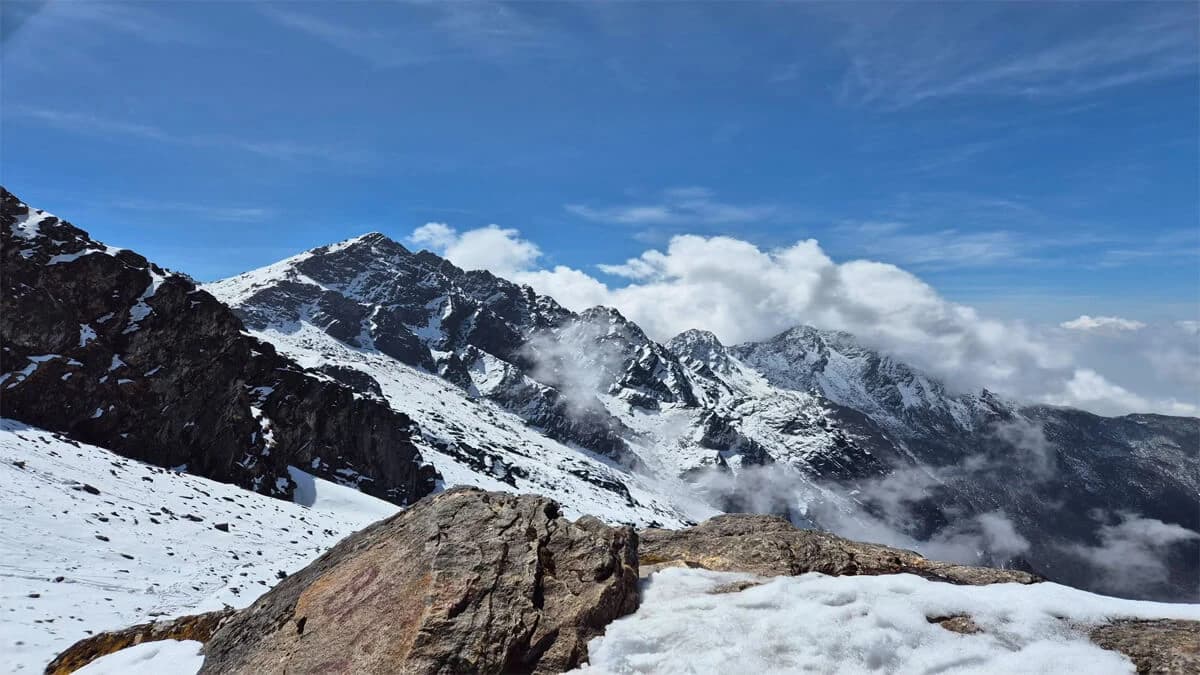
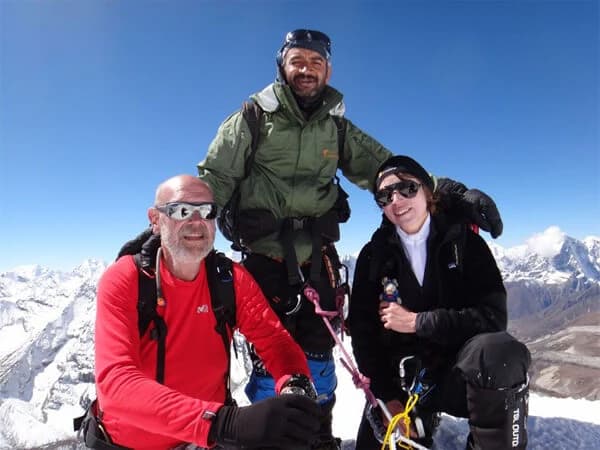
And then there’s the reward. As you go higher, the views just keep getting better, with massive peaks like Mount Everest, Lhotse, and Ama Dablam surrounding you. The climb itself is a bit challenging, especially near the summit, where you’ll use basic gear like ropes, crampons, and mountaineering equipment, but that’s what makes it exciting.
It’s achievable if you’re prepared, yet still gives you that real sense of accomplishment. Overall, Lobuche Peak climbing is not just about reaching the top, it’s about the whole experience, the trail, the challenge, and those unforgettable Himalayan mountain moments along the way.
Overview of Lobuche Peak Climbing Seasons
Lobuche Peak summit can be climbed almost year-round, but the experience changes significantly depending on the season. Here are detailed overview of Lobuche Peak Climbing Seasons:
Lobuche Peak Climbing in Spring Season (March to May)
Spring is one of the easiest seasons to climb Lobuche Peak, and it’s easy to see why. After the long winter, the mountains slowly come back to life. The weather becomes more stable, temperatures start to feel manageable, and the trails are in much better condition. As you make your way through the lower valleys, you’ll even notice blooming rhododendrons adding color to the journey.
Climbing conditions during spring are generally favorable. Days are comfortable for trekking, and while nights at higher altitudes are still cold, they’re not as extreme as in winter. Most importantly, you get good summit opportunities, which is what every climber hopes for. If you want a balance of decent weather, beautiful scenery, and a strong chance of success, spring is a solid choice.
Lobuche Peak Climbing in Autumn Season (September to November)
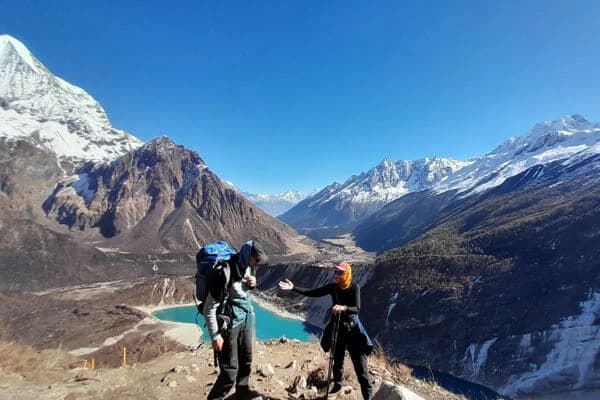
Now, if there’s a “perfect” season, this might be it. Autumn is the peak climbing season in Nepal, and for Lobuche Peak adventure, it provides almost everything you could ask for. After the monsoon clears out, the skies turn crystal clear, the air feels fresh, and the mountains look sharper than ever.
The trails are dry, visibility is excellent, and weather conditions are very stable. This means safer climbing and better summit success rates. No wonder it’s the most popular season for peak climbing. The only trade-off? You’ll see more people on the trail. But honestly, for a peak like Lobuche, the conditions are so good that it’s usually worth it.
Lobuche Peak Climbing in Winter Season (December to February)
Winter completely changes the experience. The mountains become quiet and incredibly beautiful, covered in snow, with clear skies offering stunning views. But here’s the reality, it’s extremely cold. Temperatures can drop well below freezing, especially at higher camps, and strong winds can make climbing much more difficult.
Snow accumulation can also make the route more challenging and risky. Because of this, winter climbing is usually recommended only for experienced climbers who are well-prepared with proper gear and skills. Yes, you’ll get solitude and dramatic scenery, but you’ll need to be ready for harsh conditions.
Lobuche Peak Climbing in Monsoon / Summer Season (June to August)
Lobuche Peak climbing in Monsoon is the season most people try to avoid, and for good reason. Monsoon brings rain, clouds, and slippery trails, especially in the lower regions. Flights to Lukla (your starting point) can get delayed or canceled, which can seriously affect your plans.
Up in the mountains, visibility is often poor, meaning you might miss those incredible Himalayan views you came for. Climbing conditions also become less predictable. In short, this season is generally not recommended unless you’re very flexible with time and prepared for uncertainties.
Lobuche Peak climbing weather and temperature guide
Understanding Lobuche Peak expedition weather and temperature is crucial for a safe and successful climb. As Lobuche Peak lies in the Everest region, the Lobuche Peak climate can change dramatically as you move from the lower trails to the summit. Days at lower altitudes are usually comfortable for trekking, but nights get much colder, especially at higher camps where Lobuche Peak summit weather can drop well below freezing.
High-altitude climbers must be prepared for sudden shifts, including strong winds, snow, or clouds, as these Lobuche Peak climbing in Nepal wind and snow conditions directly impact safety. Knowing the Lobuche Peak trekking trail conditions is key to staying safe, comfortable, and making the most of the climb.
Temperature at Lower Trekking Sections
The trek begins in areas like Lukla, Phakding and Namche Bazaar, which are considered the lower trekking sections of the route. During the day, Lobuche Peak weather by month shows generally mild temperatures, making hiking comfortable even with a light layer. In spring and autumn, the sun warms the trails, allowing trekkers to enjoy long stretches of trekking without feeling too cold.
Nights, however, can be much colder than the daytime temperatures suggest. In Namche and surrounding villages, temperatures drop noticeably after sunset. A warm jacket or insulated layer is necessary for the evenings and early mornings, and a good pair of gloves can help prevent cold fingers during meals or early hikes. In winter, even daytime temperatures at these lower altitudes can feel crisp and require layering, but spring and autumn offer the most comfortable conditions for trekking at these elevations.
Temperature at Khare and High Camp
As you move higher and reach high camps near Lobuche North or South, the Lobuche Peak climbing temperature becomes significantly colder, especially at night. Daytime temperatures are still manageable while hiking, but the sun is weaker, and the higher altitude makes the air feel thinner and colder.
Nights in the high camps are much colder, often dropping below freezing. Proper layering becomes crucial, including thermal inner layers, fleece or insulated jackets, gloves, and warm hats. A high-quality sleeping bag rated for sub-zero temperatures is essential. Even small mistakes like insufficient insulation or wet clothing can make resting at high camps extremely uncomfortable. At this stage, climbers start to feel the impact of altitude, and staying warm is not just about comfort but about maintaining energy and safety for the summit push.
Summit Day Weather Conditions
Lobuche Peak Summit day presents the mostextreme weather conditions of the entire climb. Temperatures can drop well below freezing, particularly before sunrise, which is when climbers typically start the alpine ascent to maximize daylight and favorable conditions. The combination of high altitude and early morning darkness makes the air feel even colder.
Wind chill is a major factor at the summit, often making the temperatures feel several degrees colder than what the thermometer reads. Snow and ice on the upper slopes add additional challenges, making traction and proper footwear essential.
Climbers must start early and move efficiently, as afternoon weather changes, including clouds or strong winds, can reduce visibility and increase risk. Proper layering, warm gloves, insulated jackets, and a good sleeping bag the night before all contribute to a successful and safer summit attempt. Summit day requires careful planning, physical preparation, and respect for the mountain conditions.
Lobuche Peak Weather By Month
Lobuche Peak weather by month varies significantly, influencing the climbing experience. By tracking weather, climbers can plan the best season for a safe and rewarding ascent.
March to May:
These are the best months for climbing Lobuche Peak, and it’s easy to see why. March marks the beginning of the climbing season, when the trails slowly start to come back to life after the quieter winter months. During this time, you’ll notice fewer climbers on the route, which creates a more peaceful and relaxed trekking experience. It’s a great option if you want to enjoy the journey without too much crowd around you.
As you move into April, everything starts to feel more active. Thetrekking routesbecome livelier, teahouses fill up with climbers from around the world, and the entire Everest region takes on a more energetic vibe. This is when the season really picks up, offering a balance between good conditions and a social trekking atmosphere.
By May, the season is in full swing. Climbing is still very achievable, and the trails are generally in good shape. You may start to notice a slight shift as the monsoon approaches, but overall, the experience remains smooth and rewarding. What makes this period appealing is the balance it offers, not too crowded in the early phase and not too harsh in terms of overall difficulty.
This period is ideal for climbers who want a well-rounded experience with manageable crowd levels, steady progress on the trail, and a strong chance of a successful climb.
June to August:
This is considered the off-season for Lobuche Peak, and the difference in experience is quite noticeable. The number of climbers drops significantly, and the trekking routes feel much quieter and more isolated compared to the main seasons.
Because of this, the journey can feel more raw and less structured. Fewer trekkers mean fewer interactions along the trail, and some teahouses may not be as busy as usual. While this creates a sense of solitude, it also means you need to be more flexible with your plans.
The overall trekking experience during these months can be more challenging, especially in the lower sections where the trail conditions are less consistent. This is not a common time for climbing, and most people tend to avoid it unless they specifically want a quieter and less crowded experience.
That said, for those who don’t mind unpredictability and are comfortable adjusting their plans, this period offers a unique sense of isolation that you won’t find during the peak months.
September to November
This is the peak season and widely considered the ideal time for the Lobuche Peak expedition. After the quieter months, the region comes alive again, and everything starts to feel well-organized and ready for climbers.
September acts as a transition month. Early in the month, the trails are still settling, but as the days pass, the trekking experience becomes smoother and more enjoyable. It’s a great option if you want to start just before the peak crowd arrives.
October is the highlight of the entire year. This is when everything aligns perfectly. The trails are at their best, the flow of the climb feels natural, and the overall experience is both comfortable and rewarding. It’s also the busiest time, so you’ll meet many fellow trekkers and climbers along the way, creating a lively and social atmosphere.
November brings a shift again. The number of climbers starts to decrease, and the trails feel calmer and less crowded. Even though the main season is still active, the quieter environment makes it a great choice for those who want a more peaceful experience without sacrificing the overall quality of the climb.
This period is perfect for climbers who want the best combination of smooth trekking flow, strong summit opportunities, and a well-balanced experience.
December to February
December to February provide a completely different side of Lobuche Peak. The trails become very quiet, and the entire region feels more remote and untouched. In December, you’ll still find a few trekkers finishing the season, but by January and February, the routes become noticeably emptier, giving a true sense of isolation.
With fewer climbers around, the journey feels more personal, almost like you have the mountains to yourself. However, this also comes with added challenges. The climb becomes more demanding overall, and only a small number of climbers attempt Lobuche Peak during these months. Everything requires a bit more effort, from daily trekking to reaching higher camps.
Because of this, this period is best suited for experienced climbers who are comfortable with tougher conditions and are well-prepared for a more demanding journey. It’s not about convenience, it’s about experiencing quiet trails, fewer people, and a deeper connection with the mountains.
When is the safest time to climb Lobuche Peak?
The safest time to climb Lobuche Peak is during the spring (March to May) and autumn (September to November) seasons.
And honestly, there’s a simple reason behind this, these months give you the most stable and predictable conditions in the mountains.
In spring, the weather starts to settle after winter. The days feel comfortable for trekking, the route is generally in good condition, and you get solid chances for a successful summit. It’s also a great time if you want a balance between safety, scenery, and a slightly less crowded experience compared to peak autumn.
Autumn, on the other hand, is often considered the safest overall. After the monsoon clears, the skies become crystal clear, the trails are dry, and the climbing conditions are at their most stable. This means better visibility, fewer unexpected weather changes, and a smoother overall climb. That’s why most climbers choose this season.
Outside of these seasons, things get a bit riskier. So if your goal is a safe, well-balanced, and successful climb, spring and autumn are your best bet.
What are the Challenges for Lobuche Peak Climbing in Off-Season?
Choosing to climb Lobuche Peak during the off-season can feel tempting, especially if you’re looking for quieter trails and a more peaceful experience. But it’s important to understand that this choice comes with a different set of challenges that can affect your overall journey.
One of the first things you’ll notice is the lack of consistency on the trail. Unlike peak months where everything runs smoothly, the off-season can feel a bit unpredictable. Trails in lower sections may not always be in their best condition, and daily progress can sometimes feel slower than expected. This means you need to be flexible with your itinerary and mentally prepared for small adjustments along the way.
Another challenge is the limited number of trekkers and climbers. While this can be a positive for those seeking solitude, it also means fewer people around in case you need assistance or support. Teahouses and lodges may be quieter, and in some cases, services can feel limited compared to the busy seasons. You may need to plan ahead more carefully, especially when it comes to accommodation and daily logistics.
Transportation can also be less reliable during the off-season. Flights to and from Lukla may not always run as smoothly, and delays or changes can affect your schedule. This is something many climbers overlook, but it can have a big impact on your overall plan if you’re on a tight timeline.
Another important factor is the overall effort required. The climb can feel more demanding compared to peak season, not necessarily because it’s technically harder, but because conditions are less predictable and require more energy to manage. Simple things like maintaining a steady pace or staying comfortable throughout the day can take extra effort.
Despite these challenges, the off-season provides a unique experience. The quiet trails, fewer crowds and raw himalayan atmosphere can feel incredibly rewarding for the right kind of climber.
Acclimatization and Altitude Concerns
Climbing Lobuche Peak isn’t just about strength or endurance, it’s really about how well your body adapts to altitude. As you move higher, the air gets thinner, and your body needs time to adjust. Rushing this process is one of the biggest mistakes climbers make and it’s often the main reason people struggle on the climb.
One of the best ways to handle this is by following a proper acclimatization plan. As you trek through places like Namche Bazaar and Dingboche, you’ll usually spend extra days there. These rest days aren’t just for relaxing, they help your body slowly adjust to the altitude. As you go higher, especially near Lobuche and high camp, you might start to notice symptoms like headache, loss of appetite, or feeling more tired than usual. These are common signs of altitude, and they shouldn’t be ignored.
The key is to listen to your body. If symptoms get worse, the safest decision is to stop ascending or even descend. Hydration, proper pacing and not pushing too hard too quickly are all part of staying safe. It’s not a race to the top, slow and steady is what actually gets you there. With the right acclimatization and a bit of patience, your chances of a safe and successful climb increases a lot.
Seasonal Packing Tips for Lobuche Peak Climbing
Seasonal packing is absolutely essential, especially when you’re climbing a high-altitude peak like Lobuche, which rises above 6,000 meters. The right gear can make the difference between a comfortable, enjoyable trek and a tough, exhausting experience. Whether it’s choosing the right layers, footwear, or climbing accessories, being prepared for seasonal changes ensures your Lobuche Peak adventure is both rewarding and safe.
Spring and Autumn
These are the two most popular climbing seasons in Nepal, offering stable weather, clear skies, and the best trekking conditions in the Everest region. Trails are well-maintained, the air is fresh, and you’ll enjoy incredible Himalayan views without extreme cold.
Clothing
- Lightweight trekking layers for daytime hiking
- Warm mid-layers(fleece and softshell jackets) for early mornings and nights
- Insulated down jacket for higher camps
- Windproof and water-resistant outer shell
Footwear and accessories
- Sturdy, broken-in trekking boots
- Gaiters for snow patches
- Warm gloves, hat, and buff for higher altitudes
- Sunglasses with UV protection and sunscreen
Gear and Extras
- Trekking poles for balance on rocky or icy sections
- Lightweight crampons if there’s snow at higher camps
- Hydration system and water purification tablets
- Snacks for energy during long trekking days
Winter
Winter climbing is more challenging due to extreme cold, snow accumulation, and strong winds. Only experienced climbers with proper gear should attempt Lobuche Peak during this time.
Clothing:
- Heavy down jacket for summit and high camps
- Multiple thermal base layers
- Insulated pants and fleece layers
- Waterproof and windproof shell
- Extra socks and glove liners
Footwear & Accessories:
- Insulated trekking boots rated for sub-zero temperatures
- Mountaineering boots if climbing ice/snow sections
- Heavy-duty gloves, balaclava, and face mask
- Sunglasses and high-SPF sunscreen (sun glare off snow is strong)
Gear & Extras:
- High-quality sleeping bag rated for extreme cold
- Crampons and ice axe for summit push
- Hand and foot warmers
- Headlamp with extra batteries (days are shorter)
Monsoon
Monsoon season brings heavy rains, clouds, and slippery lower trails. Climbing is less predictable, so packing must focus on waterproofing and safety.
Clothing:
- Waterproof jacket and pants
- Quick-dry base layers
- Fleece or light insulated layer for high-altitude nights
- Extra layers for higher camps, as temperatures can still drop
Footwear & Accessories:
- Waterproof trekking boots with good grip
- Gaiters to protect from mud and water
- Quick-dry socks and extra pairs
- Hat and sunglasses for sun when clouds clear
Gear & Extras:
- Waterproof backpack cover
- Dry bags to keep electronics and clothing safe
- Trekking poles for slippery sections
- Snacks and water purification tablets
Crowd Level and Photography on the Trail
Crowd Levels:
The experience on Lobuche Peak can vary a lot depending on how busy the trails are. During spring (March-May) and autumn (September-November), the lower trekking sections like Lukla, Namche Bazaar, and Tengboche can feel busy with trekkers heading toward Everest Base Camp or Lobuche. Higher camps such as Lobuche High Camp or the summit route are quieter, giving climbers some private moments.
In the off-season (June-August) and winter (December-February), you might be the only climber for hours at a time. This isolation is amazing if you want peace and a deep connection with the mountains, but keep in mind that teahouses and lodges may be less staffed or closed, and services like food and hot water could be limited.
Photography Tips:
The Everest region offers some of the best natural photography opportunities in the world. Early mornings are your best friend for clear skies, soft sunlight, and minimal haze. This is perfect for capturing iconic peaks like Mount Everest, Lhotse, Ama Dablam, and of course, Lobuche Peak itself. Sunrises and sunsets add a golden glow, ideal for dramatic mountain shots.
Afternoons can bring clouds rolling in, which actually makes for dramatic skies and contrast in your photos, especially with snow-covered peaks. For higher-altitude photography, a wide-angle lens helps capture vast landscapes, while a telephoto lens is great for zooming in on distant peaks or wildlife like Himalayan snowcocks and yaks.
Conclusion: Best Season for Lobuche Peak Climbing
Choosing the best time to climb Lobuche Peak is all about balancing safety, scenery, and personal experience. Spring (March to May) and autumn (September to November) clearly stand out as the most favorable seasons, offering stable weather, clear skies, and the best chances for a successful summit. These months allow climbers to enjoy the breathtaking Himalayan vistas, manageable temperatures, and well-maintained trails, while also providing opportunities for acclimatization and photography.
Winter and monsoon seasons present unique challenges such as extreme cold, heavy snow, strong winds, or slippery trails, but they also offer solitude and dramatic landscapes for those prepared to face them. Regardless of the season, careful planning, proper gear, and respect for altitude and weather conditions are key to a safe and rewarding climb.
Ultimately, Lobuche Peak is more than a summit; it is an entire Himalayan adventure. By picking the right time and preparing thoughtfully, climbers can transform this journey into an unforgettable experience, where every step from the bustling trails of Namche Bazaar to the quiet serenity of high camps creates lasting memories in one of the world’s most spectacular mountain regions.



.webp&w=1200&q=75&dpl=dpl_4U3CaZUV3Y5iKdBNPJmVMATJy3AB)