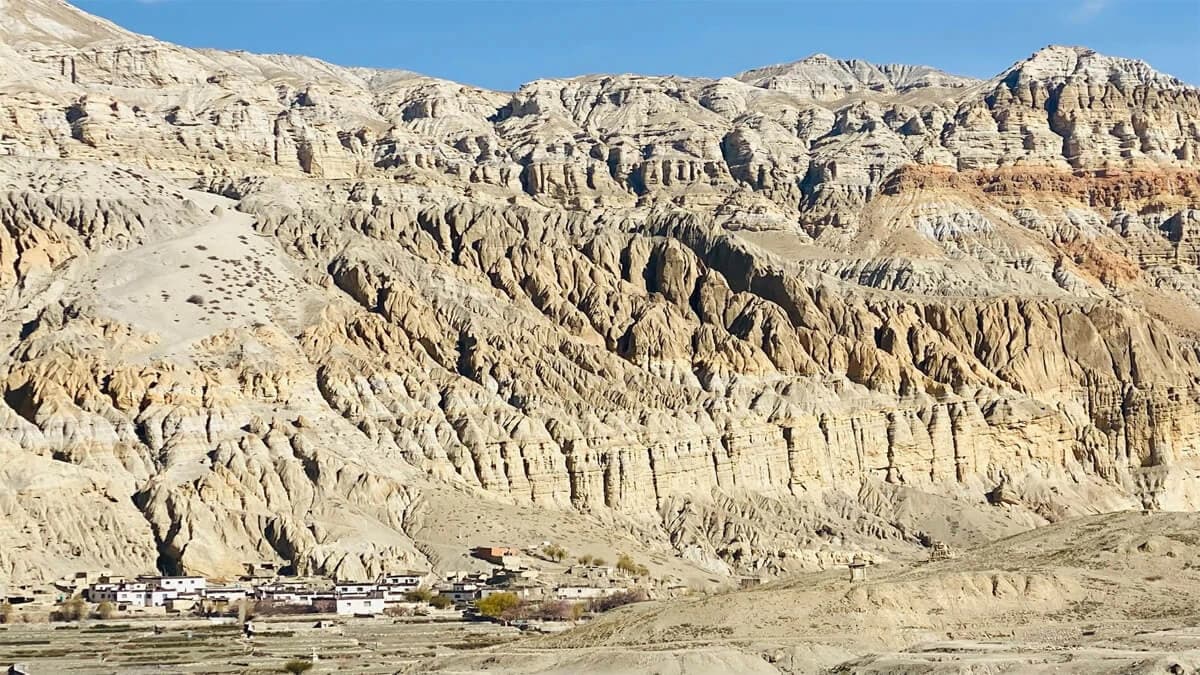
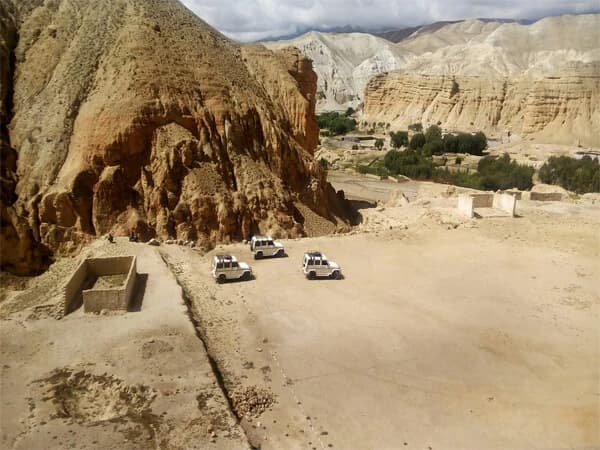
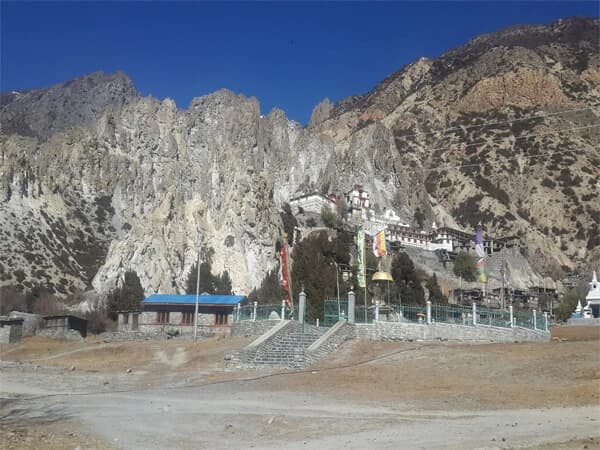
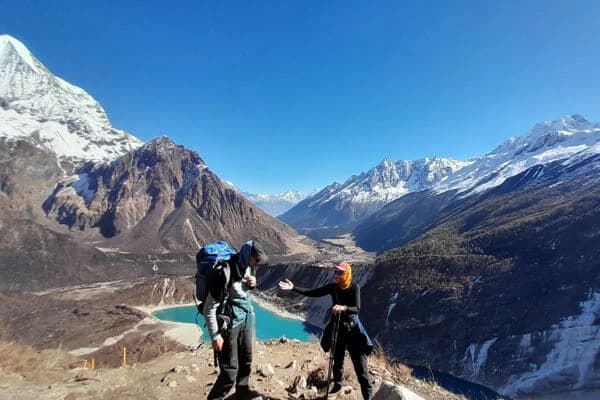
What comes to mind when you first hear about the Upper Mustang trek? Mountains? Rugged trails? Sure, that’s true but there’s so much more waiting beyond the peaks. As you walk along the trail, you’ll discover a culture unlike anything you’ll see on other treks. The villages, the traditions, and the daily life of the people here feel almost frozen in time, giving you a glimpse of a world that is both mysterious and fascinating.
So, this trek isn’t just about mountains or challenging trails. It’s about experiencing the real Upper Mustang cultural journey, a place where culture, history, and everyday life blend seamlessly with the stunning Himalayan landscape. If you take the time to pause, greet the locals with Tashi Delek, and watch life unfold around you, this journey will feel truly unforgettable.
In this guide, you’ll explore the hidden villages, traditions, and everyday moments that make Upper Mustang Hiking so unique. From ancient monasteries and local festivals to simple village life and cultural practices, you’ll get a closer look at what truly defines this remote Himalayan region. By the end, you’ll understand why Upper Mustang trek itinerary is not just a trek, but a cultural experience you won’t forget.
Historical Background of Upper Mustang
If you walk through Upper Mustang trekking trails today, it almost feels like you’ve stepped into another time in Nepal's hidden himalayan Kingdom. And honestly, that’s not far from the truth. This region was once its own kingdom, known as the Kingdom of Lo, and for centuries, it stayed hidden from the outside world. Because of its remote location, very little changed here while the rest of the world moved forward.
Long ago, Upper Mustang was an important part of the ancient salt trade route between Tibet and Nepal. Traders would pass through these dry valleys with their caravans, carrying salt, wool, and other goods. The trails you walk today were once busy with merchants, travelers, and stories being exchanged along the way. You can still feel that history in the narrow paths and old villages.
At the center of it all is Lo Manthang, the walled capital built in the 15th century. Even now, its mud-brick houses, royal palace, and monasteries stand strong, almost unchanged. Walking through its gates feels like entering a living museum, where people still follow traditions passed down for generations.
What makes Upper Mustang special is how well it has preserved its past. Even after it opened to trekkers in the 1990s, the culture, language, and lifestyle remained deeply rooted. It’s not just history you read about here, you actually walk through it, see it, and feel it in everyday life.
Traditional Villages of Upper Mustang
As you walk through Upper Mustang village, the villages don’t feel like they just stop along the trail. They feel like places where life has been going on the same way for generations. Nothing feels rushed here. Stone houses sit close together, narrow paths wind between them, and prayer flags flutter quietly in the wind.
Lo Manthang
Lo Manthang is the cultural heart of Upper Mustang and feels like a place where time has quietly stood still. Surrounded by tall mud-brick walls, this ancient city was once the capital of the Kingdom of Lo. As you enter through its gates, you’ll walk along narrow streets lined with traditional houses, ancient monasteries, and the royal palace that still stands proudly at the center. Every corner reflects history, and the entire city carries a strong sense of its past.
Life in Lo Manthang is deeply connected to tradition and religion. Monks chant inside centuries-old monasteries like Jampa and Thubchen, while locals continue their daily routines just as their ancestors did. If you visit during the Tiji Festival, the city transforms into a lively space filled with masked dances, rituals, and celebrations. Even on a quiet day, simply walking through Lo Manthang feels like being part of a living history.
Kagbeni
Kagbeni is often called the gateway to Upper Mustang, and it truly feels like the starting point of something different. Located along the Kali Gandaki River, this village is filled with old stone houses, narrow alleys, and a peaceful atmosphere that sets the tone for the journey ahead. The dry landscape, combined with the flowing river, creates a unique and striking setting.
The village also has strong spiritual importance. The Kag Chode Monastery stands quietly, reflecting a mix of Tibetan Buddhist and local traditions. Walking through Kagbeni, you may notice pilgrims, prayer flags, and even sacred fossils along the riverbanks. It’s a place where nature, culture, and religion come together, giving you your first real glimpse into the world of Upper Mustang Trek Nepal.
Chhoser
Chhoser is one of the most unique and fascinating villages in Upper Mustang. What makes it truly special are the ancient caves carved high into the cliffs, especially the famous multi-story cave structures. These caves are believed to be thousands of years old and were once used for living, meditation, and possibly even burial purposes. Standing below them, it’s hard not to imagine how life once existed in such an unusual place.
The village itself is quiet and surrounded by a dramatic landscape. Nearby monasteries like Nyiphuk Gompa add a spiritual touch to the area, while locals continue their simple lifestyle through farming and herding. Chhoser feels like a meeting point of history, mystery, and everyday life, making it one of the most memorable stops on the trek.
Ghami
Ghami is known for its calm atmosphere and strong spiritual presence. One of its most remarkable features is the long mani wall that stretches across the village, made up of stones carved with Buddhist prayers. Walking beside it feels peaceful, almost like you are part of a quiet ritual just by passing through.
The village is surrounded by open landscapes and red cliffs, giving it a beautiful yet simple setting. Life here revolves around farming, animal care, and religious practices. Locals follow traditions that have been passed down for generations, and the slow pace of life makes Ghami a place where you naturally pause and take everything in.
Tsarang
Tsarang is one of the most historically important villages in Upper Mustang. It was once a major center in the Kingdom of Lo, and you can still see its importance through the large monastery and the old royal palace that stand within the village. The monastery holds ancient scriptures, murals, and statues that reflect deep Buddhist traditions.
Surrounded by dry fields and cliffs shaped by wind over time, Tsarang has a unique and slightly dramatic landscape. Despite its historical importance, life here remains simple. Locals continue farming, tending to animals, and maintaining their cultural practices, offering visitors a quiet but meaningful experience of Mustang’s heritage.
Dhakmar
Dhakmar is one of the most visually striking villages in Upper Mustang because of its deep red cliffs that rise dramatically behind it. These cliffs are linked to local legends involving Guru Rinpoche, which gives the place a deeper spiritual meaning beyond its natural beauty.
The village itself is small, peaceful, and less crowded, making it feel untouched. A nearby monastery sits quietly against the cliffs, adding to the calm atmosphere. With its strong colors, open landscape, and quiet surroundings, Dhakmar leaves a lasting impression on anyone who passes through.
Chhusang
Chhusang stands out because of its mix of landscapes. Unlike the dry surroundings of many Mustang villages, you’ll find green fields, apple orchards, and colorful cliffs all in one place. The village sits near the meeting point of rivers, which adds to its natural beauty.
Life here feels a bit more active and lively. Locals are often seen farming, caring for animals, and going about their daily routines. The presence of caves in the cliffs and traditional houses adds a cultural layer to the scenery, making Chhusang both visually and culturally rich.
Samdzong
Samdzong is one of the most remote villages in Upper Mustang, and it carries a sense of mystery. It was once abandoned due to water shortages, but later gained attention when ancient remains and artifacts were discovered in nearby caves. These findings revealed stories of people who lived here long ago.
Today, Samdzong remains quiet and rarely visited. The remains of old structures and caves still stand, telling silent stories of the past. Visiting this village feels different, it’s less about activity and more about understanding the deep history and resilience of life in such a remote place.
Religion and Spiritual Practices in Upper Mustang
As you walk through Upper Mustang, you don’t really have to look for religion; it's already around you. It’s in the prayer flags fluttering across the sky, in the quiet monasteries on hilltops, and in the small rituals people follow every day. Here, Tibetan Buddhism is not separate from life, it is part of it.
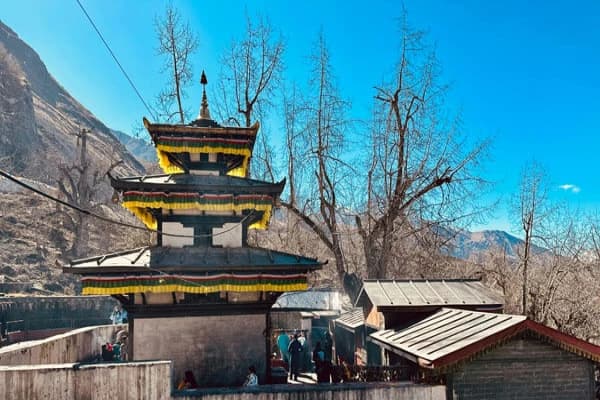
You’ll pass by monasteries, or gompas, that have been standing for centuries. Inside, the walls are covered with old murals, and the air feels calm and still. Monks sit in prayer, chanting softly, while villagers come and go, spinning prayer wheels or lighting butter lamps. These places are not made for visitors, they are part of daily life, which is what makes them feel so real and meaningful.
Along the trails, you’ll notice mani walls, long rows of stones carved with sacred prayers. There’s a simple rule: always pass them from the left side. You’ll also see chortens and prayer flags placed in specific spots, often where the wind carries prayers across the valleys. At first, you might just notice them. But after a while, you start to understand that they are everywhere for a reason.
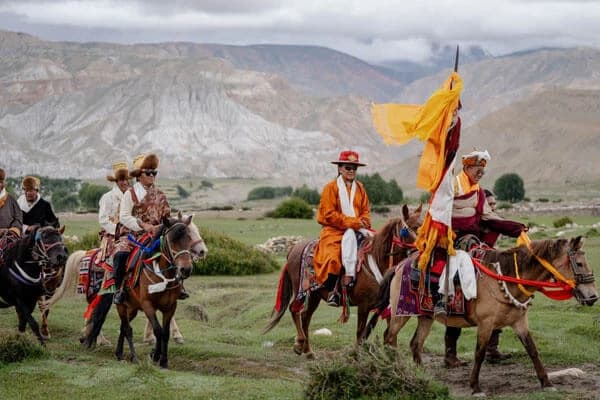
Festivals are another way religion comes alive cultural Insights in Upper Mustang trek. The most famous one is the Tiji Festival in Lo Manthang, where monks perform masked dances and rituals that tell stories of good overcoming evil. Villagers gather, dress in traditional clothes, and celebrate together. It’s not just a performance, it’s something deeply believed and felt by the community.
Even outside of festivals, spirituality shows up in small, quiet ways. A person spinning a prayer wheel while walking. Someone pausing for a short prayer before starting their day. It’s simple, natural, and never forced.
By the time you leave Upper Mustang trekking adventure, you realize that religion here isn’t something you visit, it’s something you experience without even trying. It becomes part of the journey, shaping the way you see the place and the people who call it home.
Local People and Lifestyles of Upper Mustang
As you spend more time in Upper Mustang expedition, you begin to notice that it’s the people who truly bring the place to life. The region is home to the Loba people, whose way of living has stayed closely connected to tradition for generations. Their language, clothing, and daily habits all carry strong Tibetan influence, and everything they do feels natural, not something done for visitors.
Life here is simple, but it’s not easy. Most families depend on farming and animal herding to survive. You’ll see fields of barley, buckwheat, and potatoes carefully grown in the dry landscape. Yaks, goats, and sheep are an important part of life, providing milk, meat, and wool. Every day starts early, with people working in the fields, taking care of animals, or preparing food for the family.
What stands out the most is the rhythm of daily life. It’s slow, steady, and deeply connected to nature. People work with the seasons, planting, harvesting, storing food, and preparing for harsh winters. In between, there are moments of rest, where families sit together, share meals, or simply watch the day pass. It may seem simple from the outside, but it’s a life built on balance and resilience.
You’ll also notice how welcoming the locals are. Even with language differences, a smile or a simple Tashi Delek goes a long way. You might be invited into a home or teahouse, offered butter tea, or just share a quiet moment with someone. These small interactions often become the most memorable parts of the journey.
Traditional clothing is still commonly worn, especially in villages. Men wear long woolen robes, while women dress in colorful garments with aprons and jewelry. These clothes are not just for show, they are practical for the climate and part of their identity. You’ll also see how traditions are passed down naturally, with children growing up learning the same skills, values, and way of life.
In Upper Mustang region, lifestyle is not about comfort or convenience. It’s about community, tradition, and adapting to the land. And as a visitor, you don’t just see it, you feel it in the way people live, work, and welcome you into their world.
How do Locals in Upper Mustang Welcome Trekkers and What Makes Their Hospitality Special?
Hospitality in Mustang, Nepal Trek is simple, warm, and genuine. Locals welcome visitors as part of their daily life, not as a formal duty. Small gestures like a smile, sharing tea or a meal, and friendly conversation reflect their respect, community spirit, and sincere connection with others.
- Accept tea or a meal when it’s offered. Whether it’s butter tea or a home-cooked dish, these small moments of sharing create a real connection beyond just trekking.
- Greetings locals with a smile and a soft “Tashi Delek.” It may feel simple, but the warmth you get in return makes you feel less like a visitor and more like a guest.
- Take time for small interactions. A short chat, a shared laugh, or even sitting quietly together can turn into some of the most meaningful parts of your journey.
- Show respect through your behavior. Being polite, patient, and genuinely interested in their way of life helps build a natural and comfortable bond.
- Be open to sitting and sharing space. Even without many words, just being present with locals can create a quiet sense of connection.
- Appreciate the simplicity of their lifestyle. Not everything is about comfort here, but the honesty and authenticity of their way of living make the experience special.
- Understand that hospitality here is simple but genuine. It’s not about service or luxury, it’s about real human connection that stays with you long after the trek ends.
Upper Mustang Festivals and Traditions
In premium Mustang trekking experience, festivals are not just an event, like they are the heartbeat of the community moments when the mountains, the villages, and the people come alive together. The most famous of these is the Tiji Festival in Lo Manthang, celebrated every spring. For three days, the narrow streets and open courtyards of the walled city transform into a stage for centuries-old rituals.
Monks wear elaborate, colorful masks and perform dances that tell the story of the eternal struggle between good and evil. Each movement, gesture, and costume carries symbolism that has been passed down for generations. Villagers gather in their finest traditional attire, children dart around playfully, and elders watch with quiet reverence. Even if you cannot understand every chant or ritual, the energy, devotion, and joy are palpable, it’s impossible not to feel part of something timeless.
But Tiji is just the beginning. Throughout the year, smaller yet deeply meaningful festivals and rituals are observed in monasteries, village squares, and even homes. During harvest seasons, villagers offer butter lamps, perform communal prayers, and dance to express gratitude for the land that sustains them. Weddings, births, and important lunar calendar milestones are marked with feasts, music, and blessings. Even the simplest rituals, like a family gathering to spin prayer wheels at dawn, or placing small offerings at a chorten, reveal a life rhythm that intertwines faith, nature, and daily existence.
What makes these traditions so remarkable is their integration into everyday life. Festivals are not staged for tourists, and rituals are not just formalities, they are lived experiences. The people of Upper Mustang rehion trek maintain a deep connection with their ancestors, their beliefs, and the harsh but majestic landscape around them. Observing or participating in these festivals provides more than entertainment; it’s an intimate glimpse into the values that guide life here, resilience, community, faith, and a quiet celebration of existence in a place where life demands patience and harmony with the environment.
Over time, you begin to see that in restricted region of Nepal, festivals and traditions are not just cultural highlights, they are the lens through which the people experience the world, marking seasons, milestones, and the delicate balance of life in the high Himalayas. Every dance, every prayer, every flickering butter lamp tells a story, connecting the present to centuries of history, belief, and human endurance.
Monasteries and Sacred Sites in Mustang
As you walk through Upper Mustang trekking routes, you’ll quickly realize that the landscape is not just shaped by nature, but also by spirituality. Monasteries sit quietly on hilltops, caves are carved into cliffs, and chortens appear along the trails like silent guardians. These are not just places to visit, they are part of everyday life, where people come to pray, reflect, and stay connected to their beliefs.
Some of the most important monasteries can be found in and around Lo Manthang, like Jampa, Thubchen, and Chodey Gompa. Inside, you’ll see ancient murals, statues, and prayer halls that have remained unchanged for centuries. The atmosphere is calm and still, with monks chanting softly in the background. These monasteries are not built for show, they are living spaces where religion continues to be practiced in its purest form.
Beyond the villages, the cliffs of hidden kingdom of Mustang hide something even more fascinating, ancient cave systems. Places like the caves in Chhoser were once used for meditation, shelter, and possibly even burial. Standing below them, carved high into the rock, it’s hard not to wonder how people lived there so long ago. These caves add a sense of mystery and depth to the region’s spiritual history.
Along the trails, you’ll also pass mani walls, chortens, and prayer wheels placed carefully in meaningful locations. Each one carries a purpose, whether it’s to offer protection, spread prayers through the wind, or mark a sacred space. Over time, you begin to notice that these sacred sites are everywhere, not separate from life, but woven into it.
By the end of your journey, you’ll understand that in Upper Mustang hiking tour, spirituality is not limited to monasteries. It lives in the land, the silence, and the everyday actions of the people. And somehow, without even trying, you become part of that quiet connection as you walk through it.
Food and Cuisine During the Mustang Trekking
Food in Mustang Trekking is simple, but it carries a lot of meaning. It’s not about variety or luxury, it’s about what the land can provide. Because of the dry, high-altitude environment, people rely on hardy crops like barley, buckwheat, and potatoes. These ingredients may sound basic, but they form the heart of daily meals and keep people strong in such a challenging place.
One of the most common foods you’ll come across is tsampa, a roasted barley flour that locals eat in different ways, sometimes mixed with tea, sometimes shaped into dough. Another staple is dal bhat, a familiar Nepali meal of rice, lentils, and vegetables, though in Upper Mustang it often feels more rustic and homemade. You’ll also find noodles, soups, and simple breads served in teahouses along the trail.
Drinks are just as important as food here. Butter tea, made from tea, salt, and yak butter, might taste unusual at first, but it’s perfect for keeping warm in the cold mountain air. Locals drink it throughout the day, often sitting together and sharing conversations. You might also be offered chhang, a traditional barley-based drink, especially during gatherings or celebrations.
What makes food in Upper Mustang special is not just the taste, but the experience around it. Meals are often shared, slow, and meaningful. Sitting in a small kitchen, with a fire burning and the smell of fresh food in the air, you get a real sense of daily life here. It’s simple, honest, and deeply connected to the land and the people who live on it.
By the time your journey ends, you may not remember every dish, but you’ll remember how it felt, warm, welcoming, and real.
Arts, Handicrafts, and Local Skills in Mustang
In a general sense, arts and handicrafts in Upper Mustang adventure reflect the simple and practical way of life in the region. Most things are made by hand using locally available materials, and they are created not just for beauty, but for everyday use. These skills are closely connected to daily living, where people rely on their own abilities to make what they need. Over time, these small, everyday creations become part of the culture itself, showing how tradition, creativity, and survival come together in a natural and meaningful way.
What Kind of Arts and Handicrafts can you Experience in Upper Mustang?
In Upper Mustang, art doesn’t feel separate from life, it’s woven into it. As you pass through villages, you’ll notice handwoven woolen rugs, traditional clothing, carved wooden windows, and painted monastery walls. One of the most special forms of art here is Thangka painting, a detailed style of Tibetan Buddhist artwork that tells spiritual stories through symbols and colors. These are often seen inside monasteries, where every painting has meaning beyond just decoration. What makes it different from other places is that these crafts are not made for display, they are part of everyday living, used in homes, worn by people, and preserved through daily use.
How are These Skills Learned and Passed Down in the Community?
In UpperMustang Trek in Nepal, people don’t learn these skills from schools or formal training. Instead, they grow into them. Children watch their parents weave, carve, paint, and build, slowly learning by helping with small tasks. Over time, these simple observations turn into real skills. This way of learning feels natural and unforced, and it helps keep traditions alive without changing them too much. It’s not about perfection, it’s about continuing what has always been done, in the same rhythm as daily life.
Why are These Local Crafts and Skills Important to the Culture?
These handicrafts are not just creative expressions, they are a way of living. In a remote place like Upper Mustang, where resources are limited, people rely on their own skills to create what they need. From clothing to household items, everything is made with purpose. At the same time, these crafts carry cultural and spiritual meaning, connecting people to their beliefs and history. When you look closely, you realize that each handmade item reflects patience, tradition, and a deep connection to the land. It’s this balance of practicality and culture that makes these local skills so meaningful.
Conclusion: Cultural Insights of Upper Mustang Trek
The Upper Mustang Trek Package is much more than a journey through rugged mountains and arid landscapes. It is a journey through time, culture and human resilience. From the walled city of Lo Manthang to the remote villages scattered across the valleys, every step provides unique aspects where traditions are alive, spirituality is woven into daily life, and hospitality is heartfelt. The festivals, monasteries, local crafts, and simple village routines reveal a society deeply connected to its history, land, and beliefs. For trekkers, Upper Mustang Trekking Routes is not just a destination, it is a living cultural experience, where each interaction, each sight, and each moment leaves a lasting impression, making the journey truly unforgettable.