The Annapurna Base Camp trekking feels like you’re slowly walking into the middle of a dream. One moment you’re passing through green fields and small villages and the next you’re surrounded by giant snowy peaks rising all around you.
It’s not just one view it keeps changing as you go like nature is showing you a new version of itself every day. And when you finally reach the base camp standing right under Annapurna I and Machhapuchhre it feels quiet powerful and unreal in the best way.
The Annapurna treking trail also has a soft human side to it. You walk through warm little villages where people live simple lives growing food on the hills and welcoming trekkers with tired but kind smiles.
There’s something comforting about sitting in a wooden teahouse drinking hot tea after a long day and hearing the wind outside move through the mountains. It makes the journey feel less like travel and more like you’re part of something for a while.
It’s not an easy walk all the time. There are long climbs stone steps that seem endless and days when your legs feel heavy. But somehow that’s exactly what makes it special.
You slow down you notice more and you start enjoying the small things the sound of rivers the cold air in the morning the way sunlight hits the snow. By the end it’s not just about reaching Annapurna Base Camp. It’s about everything you felt on the way there and how quietly it stays with you after you leave.
When is the Best Time to Trek to Annapurna Base Camp?
The best time to trek to Annapurna Base Camp really shapes your whole experience, because the weather in the mountains can change everything from the views to how you feel on the trail. Each season has its own mood, and the same journey can feel completely different depending on when you go.
ABC trekking in Spring season (March to May) feels warm, colorful, and full of life. The forests slowly turn green again, and rhododendron flowers bloom along the trail, making the whole walk feel bright and fresh. The weather is usually comfortable for walking, with clear mornings and pleasant days. It’s a time when everything feels open and alive, and the mountains look beautiful against soft blue skies.
ABC trekking in Autumn Season (September to November) is often considered the best time. The air is clean after the monsoon, and the mountain views are incredibly clear and sharp. Days are perfect for trekking, not too hot or cold, and nights are cool but comfortable. The whole region feels calm and stable, and every viewpoint along the trail looks picture-perfect without much effort.
ABC trekking in Winter Season (December to February) is quiet and cold, with a more raw mountain feel. Snow starts covering the higher parts of the trail, and temperatures drop quite a bit, especially at night. The trek becomes more challenging, but it also feels very peaceful because there are fewer trekkers on the route. The mountains look dramatic and still, especially on clear days.
ABC trekking in Monsoon Season (June to August) brings heavy rain and cloudy skies, which can make the trails slippery and hide the mountain views. The lower parts of the trek become lush and green, but the weather can be unpredictable. It’s not the most popular time for ABC, but some still choose it for the quiet trails and fresh greenery.
How long does the Annapurna Base Camp Trek Take?
The Annapurna Base Camp trek in Nepal is not a quick or short escape into the mountains, it’s a journey that usually takes around 7 to 12 days, depending on your route, walking pace, and how you choose to structure your itinerary.
Most trekkers spend about 9 to 11 days on the trail, which feels like a natural balance between steady walking and enough time to actually absorb the landscapes, villages, and changing scenery along the way. It’s the kind of trek where the days don’t feel rushed, and the rhythm of walking slowly becomes part of the experience itself.
If you choose a faster ABC trekking itinerary, the trek can be completed in about 5 to 8 days, but that usually means longer walking hours and less time to pause and enjoy the surroundings. On the other hand, a more relaxed journey can stretch to 10 to 12 days, giving you space to adjust to altitude, rest when needed, and enjoy the mountain life more deeply.
As you move closer to Annapurna Base Camp, the trekking trail naturally shifts from forested paths and traditional villages into a more open, high-altitude world surrounded by towering peaks.
What to Expect on the Annapurna Base Camp Trek?
At the start, you walk through green hills, terraced fields, and quiet mountain villages where life feels simple and peaceful. As you go higher, the trail slowly changes, forests grow thicker, rivers sound louder, the air feels cooler, and the mountains start feeling closer with every step. It’s a trek that feels exciting, calm, and rewarding all at once.
Mountain Villages and Local Life
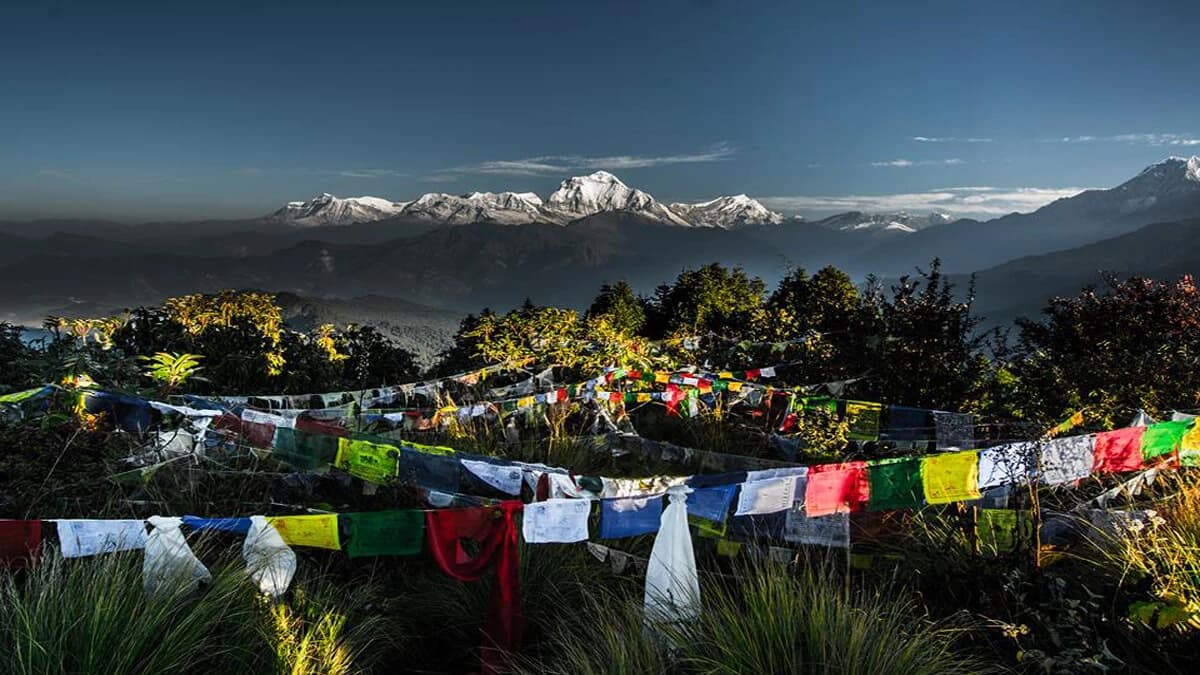
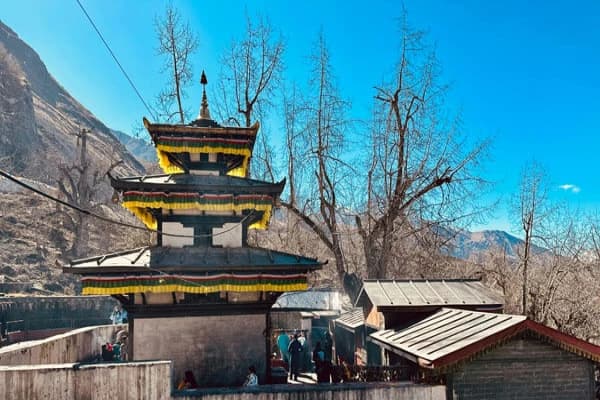
Another beautiful part of the Annapurna trek is passing through small villages along the way. After a long day of walking, sitting down for hot tea or a warm meal in one of these villages feels like pure comfort. You also notice little cultural touches everywhere: prayer flags moving in the wind, old stone stairways, small shrines along the trail, and the peaceful rhythm of village life. It adds a calm and meaningful feeling to the whole journey.
- Ghandruk: Ghandruk is one of the most special villages on the route. It is a well known Gurung settlement where you can clearly feel a strong cultural identity in everyday life. Locals wear traditional dress, follow local customs, and warmly welcome trekkers as they pass through. In the evenings, the village often hosts cultural programs where you can watch traditional Gurung dances, listen to folk songs, and hear stories that reflect their history, lifestyle, and deep connection to the mountains. As you walk through Ghandruk, you notice stone paved paths, slate roof houses, and small monasteries that highlight the spiritual side of the village. You can also visit the Gurung Museum to learn more about the history and traditions of the local community in a simple way.
- Jhinu Danda: Jhinu Danda is a small, peaceful stop along the Annapurna Base Camp trekking 15 days where you can finally slow down after long walking days. It sits quietly on a hillside above the Modi River, surrounded by green hills and a calm natural setting. The village is mostly home to local Magar families who live a simple mountain lifestyle, running teahouses, farming on the slopes. What makes Jhinu Danda really special is its natural hot springs, just a short walk down near the river. After hours of trekking, soaking in the warm water feels incredibly relaxing while the sound of the flowing river adds to the peaceful vibe.
- Ghorepani: Ghorepani is one of the most popular and lively villages on the Annapurna region trekking routes, sitting at a higher altitude and surrounded by beautiful rhododendron forests. One of the biggest highlights here is the early morning hike to Poon Hill. Trekkers usually start before sunrise and walk in the quiet darkness, following the trail with just headlamps lighting the way. From the top, the sunrise slowly paints massive Himalayan peaks like Dhaulagiri and the Annapurna range in shades of gold and pink as the sky begins to change. Most people don’t say much up there, they just stand quietly and take it in because the view feels too beautiful to rush through.
The Adventure on the Trail
Of course, the trek has its challenging side too. There are steep climbs, long stretches of stone steps, and days when your legs feel heavier than usual. But that’s also part of the experience. You walk slowly, take breaks, enjoy the views, and keep moving forward one step at a time.
Along the way, you hear rivers rushing below, birds hidden in the forest, wind moving through the trees, and sometimes nothing at all, just quiet mountain silence. Somewhere between the tired legs, fresh cold air, and breathtaking views, the trek becomes more than just a hike. It becomes an experience that feels deeply personal and unforgettable.
Mountain Views
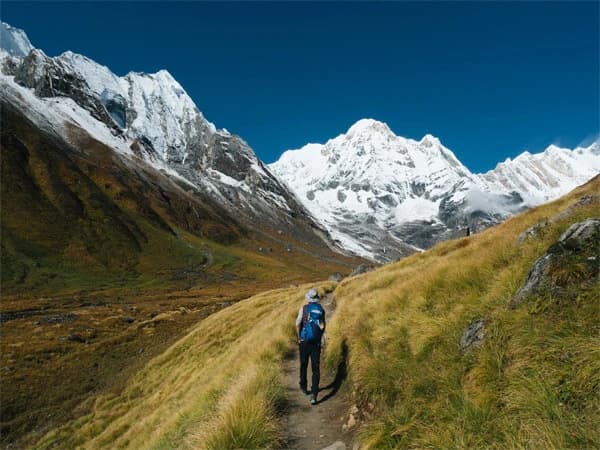
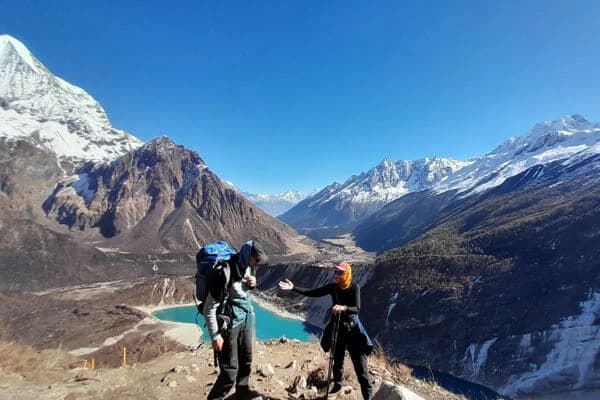
One of the biggest highlights of the ABC trek is, without question, the mountain views. Along the trail, you start catching glimpses of beautiful peaks like Machhapuchhre, Annapurna South, Hiunchuli, and the mighty Annapurna I. Some appear suddenly between the trees, while others stand tall in the distance, quietly following you as you walk.
The higher you go, the closer and more dramatic these mountains feel. By the time you reach the Annapurna Sanctuary, it feels like you’re standing in the middle of a giant snowy amphitheater, with massive Himalayan peaks rising all around you. Sunrise there is something special watching the first light slowly touch the white mountains and turn them golden is one of those simple moments that stays in your heart for a long time.
The Changing Landscapes
What makes this Annapurna trek special is how much the scenery changes. One day you’re walking under green trees and crossing wooden bridges over rushing rivers, and the next day you’re surrounded by rocky cliffs, open valleys, and snowy peaks in every direction. It never feels repetitive because the trail keeps unfolding in different ways.
Then comes the moment you enter the Annapurna Sanctuary, and everything suddenly feels bigger, quieter, and more powerful. Standing there surrounded by giant Himalayan peaks is hard to put into words. It’s one of those moments where you stop talking for a while and just take it all in.
What is the Price for an Annapurna Base Camp Trek?
The Annapurna Base Camp trekking in Nepal 2026/027 is one of the more accessible Himalayan journeys in Nepal, both in terms of difficulty and cost. The Annapurna base camp trekking price for the trek usually ranges between USD 450 and USD 1,300, depending on the route, duration, and the kind of trekking experience you choose.
While it is more affordable than many remote trekking regions, the cost still includes important things like permits, transportation, accommodation, food, and guide or porter services, all of which shape your overall experience in the mountains.
If you are traveling on a budget, the trek can be completed for around USD 450 to USD 700 by staying in simple teahouses, using local transportation, and keeping daily expenses low.
The accommodation is basic but comfortable, the meals are warm and filling, and the journey still offers the same beautiful mountain views, peaceful villages, and rewarding trails that make the route so popular among trekkers.
For those looking for a more comfortable and relaxed experience, choosing a guided ABC trek package can cost anywhere between USD 800 and USD 1,300 or more.
This often includes permits, transport, accommodation, meals, and the support of experienced guides or porters who make the journey easier and more enjoyable. Walking with less weight on your back and having someone handle the logistics allows you to fully focus on the trail, the landscapes, and the unforgettable feeling of reaching Annapurna Sanctuary trek.
What are the Major Highlights of the ABC Trek?
The Annapurna Base Camp trekking in Nepal is special because it gives you a little bit of everything. Beautiful mountain views, peaceful villages, green forests, and the feeling of walking deeper into the Himalayas each day all make the journey unforgettable.
One of the biggest highlights is, of course, reaching Annapurna Base Camp itself. Standing at the base of massive snowy peaks, surrounded by mountains on all sides, feels almost unreal. The silence, the fresh mountain air, and the huge Himalayan walls around you create a moment that stays with you long after the trek is over.
Another highlight is the changing landscape along the trail. You begin in warm villages and terraced fields, then move through bamboo forests, waterfalls, rocky paths, and higher alpine areas where the scenery becomes more dramatic. It feels like walking through different worlds in one journey.
The trek also gives you close views of beautiful peaks like Machhapuchhre, Annapurna South, Hiunchuli, and Annapurna I. Watching sunrise paint these mountains golden is something many trekkers remember as one of the best parts of the trip.
The local villages and mountain culture add warmth to the trekking adventure. Staying in cozy teahouses, meeting local people, and walking through Gurung villages gives the trek a human connection that makes it feel more meaningful.
And for many trekkers, one unexpected highlight is the simple joy of the trail itself. The sound of rivers, quiet forest paths, hot tea after a long walk, and resting with mountain views in front of you make the whole experience feel calm, grounding, and deeply rewarding.
Is the Annapurna Base Camp Trek Hard?
Yes, the ABC trek in Nepal can be hard at times, but for most people, it’s the kind of challenge that feels rewarding rather than overwhelming. Nepal Annapurna Base Camp trek is challenging, but it’s not as difficult as many people imagine.
You don’t need climbing experience or technical skills, but you do need decent fitness, patience, and the willingness to walk for several hours each day. It’s more about endurance than difficulty.
What makes the trek feel tough is the constant walking uphill and downhill, especially the long stone staircases around places like Chhomrong. Some days your legs will feel heavy, and the higher you climb, the thinner the air starts to feel. The cold mornings and long trekking hours can also test your energy.
At the same time, it’s a very manageable trek for beginners who prepare well. If you walk at a steady pace, rest when needed, and give your body time to adjust to the altitude, the journey becomes much easier. You don’t have to rush. In fact, slowing down often makes the trek more enjoyable.
The best part is that the trail keeps rewarding you. Every climb opens up to better views, quieter forests, and bigger mountains, which gives you the motivation to keep going. By the time you reach Annapurna Base Camp, the tiredness feels worth it because of everything you experienced along the way.
Practicalities for the Trek to Annapurna Base Camp
Planning for the Annapurna Base Camp trek is fairly simple, which is one reason so many people love it. The route is well established, teahouses are available throughout the trail, and you don’t need complicated logistics to enjoy the journey. Still, knowing the basics before you go can make the trek smoother and more comfortable.
You’ll need the required trekking permits before starting, and most people arrange them in Kathmandu or Pokhara. Getting to the trailhead is also easy, usually with a short drive from Pokhara to places like Ghandruk, Nayapul, or Jhinu Danda, depending on the route you choose. From there, it’s simply a matter of putting one foot in front of the other.
Accommodation along the trail is mostly in cozy teahouses. Rooms are simple but comfortable enough for resting after a long day of walking, and warm meals are available almost everywhere. A plate of dal bhat, a bowl of hot soup, or a cup of tea somehow tastes even better in the mountains after hours on the trail. Packing smart makes a big difference.
Good trekking shoes, warm layers, a waterproof jacket, and a comfortable backpack are essentials. Nights get cold as you climb higher, even when the days feel pleasant, so carrying enough warm clothing matters.
You should also think about your trekking style. Some people prefer going independently, while others hire a guide or porter to make the journey easier and more enjoyable. A guide can help with navigation, local knowledge, and safety, while a porter can carry heavy bags so you can walk more freely.
At the heart of it, the practical side of trekking to Annapurna Base Camp is not complicated. With a little planning, the right gear, and enough time to walk at your own pace, the rest of the journey becomes about enjoying the mountains, the people, and the experience itself.
Permits and Paperwork for the Annapurna Base Camp Trek
Getting the permits for the Annapurna Base Camp trek is one of the easiest parts of planning the journey, but it’s something you need to sort out before heading into the mountains. These permits help protect the trekking region and keep records of travelers on the trail.
For the ABC trek, you mainly need the Annapurna Conservation Area Permit (ACAP) because the route passes through a protected conservation area filled with forests, wildlife, and beautiful mountain landscapes. This permit helps support conservation efforts and maintain the trekking routes.
Depending on current trekking regulations, you may also need additional registration or entry documents, especially if you’re trekking with a guide or through a trekking agency. Rules can change from time to time, so it’s always good to check the latest requirements before your trip.
Most trekkers arrange their permits in Kathmandu or Pokhara, either by themselves or through a local trekking company. The process is usually simple, and once your paperwork is ready, you can focus on the exciting part, stepping onto the trail and beginning your journey toward Annapurna Base Camp. It’s a small step in planning, but having the right permits in hand gives peace of mind and lets you enjoy the trek without unnecessary worry.
Should You Trek Solo or with a Guide?
Trekking soloor with a guide to Annapurna Base Camp really depends on the kind of experience you want. Both have their own charm, and neither is wrong. It’s more about what makes you feel comfortable on the trail.
Solo trekking gives you freedom. You can walk at your own pace, stop whenever a view catches your eye, and shape the journey exactly how you want it. There’s something peaceful about moving quietly through the mountains on your own, following the trail with nothing but your thoughts, the sound of rivers, and the rhythm of your footsteps. For experienced trekkers, that independence can feel deeply rewarding.
Going with a guide makes the journey easier in a different way. You don’t have to think much about routes, places to stay, or small details along the trail. A guide brings local knowledge, helps with logistics, and often shares stories about the mountains, villages, and culture that you might otherwise miss. It can make the trek feel richer, safer, and less stressful, especially if it’s your first time trekking in Nepal.
There’s also the option of hiring a porter or porter guide, which can make long walking days much more comfortable by taking the weight off your shoulders. Carrying less means you can focus more on the experience and less on your backpack.
What to Pack for ABC Trek?
The most frustrating part of the trek is often packing for it. Figuring out what to bring, what to leave behind, and how much is too much can feel harder than the trek itself. But once you understand that packing for Annapurna Base Camp trek is all about keeping things simple, light, and practical, it becomes much easier.
You’ll be walking for days through changing weather, from warm sunny afternoons to cool evenings and cold nights at higher elevations, so carrying the right things can make the whole journey far more comfortable.
The most important thing is good trekking clothes that you can layer easily. A few quick drying shirts, comfortable trekking pants, warm fleece layers, and a down jacket for cold mornings and nights are usually enough. A waterproof jacket is also worth carrying because mountain weather can change without much warning.
A pair of comfortable trekking boots can make a huge difference. Well broken shoes with good grip help on steep stone steps, muddy sections, and uneven trails. Warm socks, gloves, and a hat also become important as you climb higher where the air feels much colder.
Your backpack should carry only what you truly need. A reusable water bottle, sunscreen, sunglasses, toiletries, a basic first aid kit, and some snacks for the trail are useful everyday essentials. A headlamp, power bank, and personal items like lip balm or wet wipes also come in handy more often than you might expect. At the same time, try not to overpack.
Many first time trekkers carry too much and end up feeling the extra weight with every step. The mountains have a way of teaching you that comfort often comes from carrying less, moving freely, and focusing on what really matters along the journey.
Food and Accommodation on ABC Trail
One of the best things about the Annapurna Base Camp trekking in Nepal is that you don’t have to worry too much about food and places to stay. The trail is lined with teahouses and mountain lodges that offer simple meals, warm beds, and a welcoming place to rest after a long day of walking. It may not feel luxurious, but in the mountains, that simple comfort feels more than enough.
Food on the trail is basic, filling, and made to keep your energy up. You’ll find meals like dal bhat, noodles, fried rice, soups, pancakes, eggs, and even some pasta or momos in many places. Hot tea, coffee, and warm drinks become part of your daily routine, especially in the cold mornings or after reaching your stop for the day. Somehow, food tastes better when you’ve spent hours walking through the mountains.
Accommodation is usually simple teahouse rooms with twin beds, blankets, and shared bathrooms in most places. Lower villages tend to have slightly more comfortable lodges, while higher up the facilities become more basic because everything has to be carried into the mountains. Still, there’s something cozy about sitting in a warm dining room, talking with fellow trekkers, and listening to the quiet mountain night outside.
As you go higher, prices for food and accommodation slowly increase because supplies become harder to transport. But that’s part of mountain life, and most trekkers find the experience worth every bit of it.
Health and Safety Guide for Annapurna Base Camp Trek
Taking care of your health and safety along the way is just as important as enjoying the views. The mountains are beautiful, but they can also be physically demanding, so listening to your body and being prepared makes a big difference.
One of the biggest things to be careful about is altitude. As you climb higher, the air gets thinner, and your body needs time to adjust. Walking at a steady pace, drinking plenty of water, and getting enough rest helps your body adapt naturally. It’s always better to move slowly than to rush and feel sick halfway through the trek.
Food and water also matter more than most people expect. Eating warm, filling meals keeps your energy up, while staying hydrated helps prevent headaches, tiredness, and altitude related discomfort. Carrying water purification tablets or a reusable bottle with a filter can be a simple but helpful choice on the trail.
Weather in the mountains can change quickly, so dressing in layers is important. A sunny morning can suddenly turn cold and windy later in the day. Keeping a warm jacket, rain protection, and basic first aid items in your bag can save you from small problems becoming bigger ones.
It’s also important to know your limits. Some days your body feels strong, and some days it feels tired. Rest when needed, don’t push too hard, and pay attention to how you feel. Trekking is not a race, and reaching short Annapurna Base Camp safely always matters more than reaching it quickly.
Conclusion: How to Trek to Annapurna Base Camp?
The Annapurna Base Camp trek is more than just a mountain journey; it's an experience that stays with you long after the walk is over. It’s in the quiet mornings, the warm meals after long days, the kindness of mountain villages, and the unforgettable sight of snowy peaks rising all around you.
There will be tired legs, steep climbs, and moments that test your energy, but there will also be moments of peace, wonder, and quiet happiness that make every step feel worth it.
By the time you leave, you carry more than just photos. You take with you memories of mountain sunrises, fresh cold air, simple trail life, and the feeling of standing in one of the most beautiful corners of the Himalayas. And somehow, a part of you always wants to return.