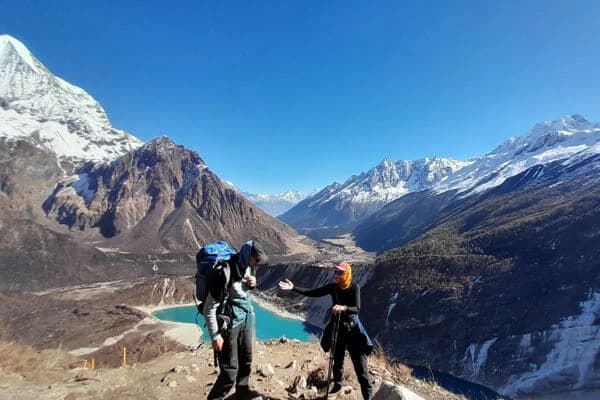
Nepal is one of the world's most popular trekking destinations and you don't have to trek on extreme high-altitude routes to enjoy it. There are many top moderate trekking routes in Nepal which provides beautiful mountain views almost like tough treks.These trails usually lead you through peaceful villages, lush forests, terraced hills and amazing mountain views without the need for much trekking experience.
Moderate treks in Nepal are the perfect choice if you’re looking for a journey that is not too easy but also not too hard. They allow you to enjoy the Himalayas at a relaxed pace, but still give you a real flavour of trekking life in Nepal.
Why Should You Choose Moderate Trekking?
Moderate trekking in Nepal is a great alternative for travellers who want to experience the Himalayas but don’t want to take on very difficult or risky routes. The treks usually involve a few hours of walking per day on well-marked trails, a mix of uphill and down, with sections manageable for people of basic fitness. They do not demand technical skills of climbing or special training as challenging expeditions do and are therefore open to a wide range of trekkers including beginners.
Another important reason to choose moderate treks is the altitude. Most of these routes stay at a level where the risk of severe altitude sickness is relatively low compared to higher mountain expeditions. This allows trekkers to enjoy the journey more comfortably and focus on the experience rather than physical strain. Along the way, you still get stunning views of snow-covered peaks, green hills, forests, rivers, and traditional villages.
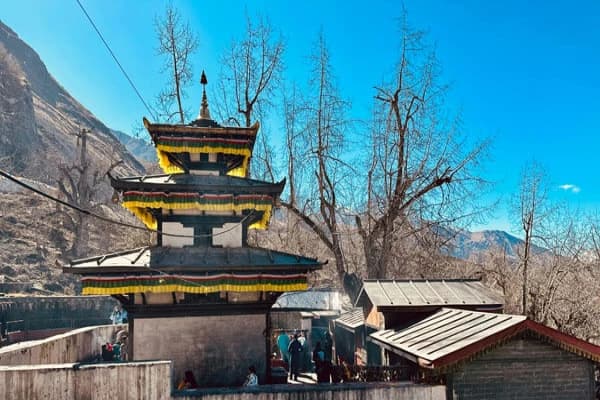
Moderate trekking also offers a rich cultural experience, as the trails pass through local communities where you can see traditional lifestyles, architecture, and hospitality. In addition, these routes are well-developed with teahouse accommodations, meaning food and lodging are easily available throughout the journey. Overall, moderate trekking strikes a perfect balance between adventure, comfort, and cultural discovery, making it one of the most rewarding ways to explore Nepal.
Langtang Valley Trek in Nepal
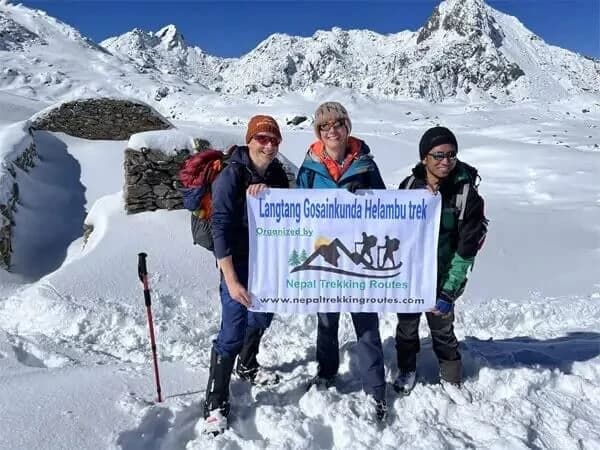
The Langtang Valley Trekking in Nepal is one of the closest Himalayan trekking experiences from Kathmandu, yet it often feels much more remote and untouched once you actually start walking the trail. The journey usually begins with a long but beautiful drive through winding roads, rivers, and hillside scenery until you reach Syabrubesi, a quiet riverside village that is the gateway to the Langtang region.
From Syabrubesi, the trail slowly enters a completely different world. The path follows the Langtang River for much of the way, with the sound of flowing water, birds, and rustling forests becoming your constant background. You walk through dense pine and bamboo forests, cross several suspension bridges, and gradually climb higher into cooler and quieter terrain. The atmosphere here feels natural and less commercial, with fewer crowds and a stronger sense of wilderness compared to more popular trekking routes.
As the elevation increases, the scenery begins to open up in a very rewarding way. The tight forest trails give way to wide valleys and snow-covered peaks in the distance, especially Langtang Lirung, which dominates the skyline. Along the way, small Tamang villages appear, offering a glimpse into traditional mountain life. Stone houses, spinning prayer wheels, fluttering prayer flags, and simple teahouses reflect a culture that is deeply connected to the Himalayas. The hospitality of the local people often becomes one of the most memorable parts of the journey.
Kyanjin Gompa is the main highlight and resting point of the trek. It is a peaceful high-altitude village surrounded by dramatic peaks, glacier views, and open alpine landscapes. Many trekkers spend an extra day here to explore the area or hike up to Tserko Ri, a popular viewpoint that requires an early morning start but rewards you with one of the most stunning sunrise panoramas in the region.
From Tserko Ri or even around Kyanjin ri itself, the Langtang range appears glowing in different shades as the sunlight slowly spreads across the mountains. The experience feels quiet, wide, and deeply connected to nature.
Mardi Himal Trekking in Nepal
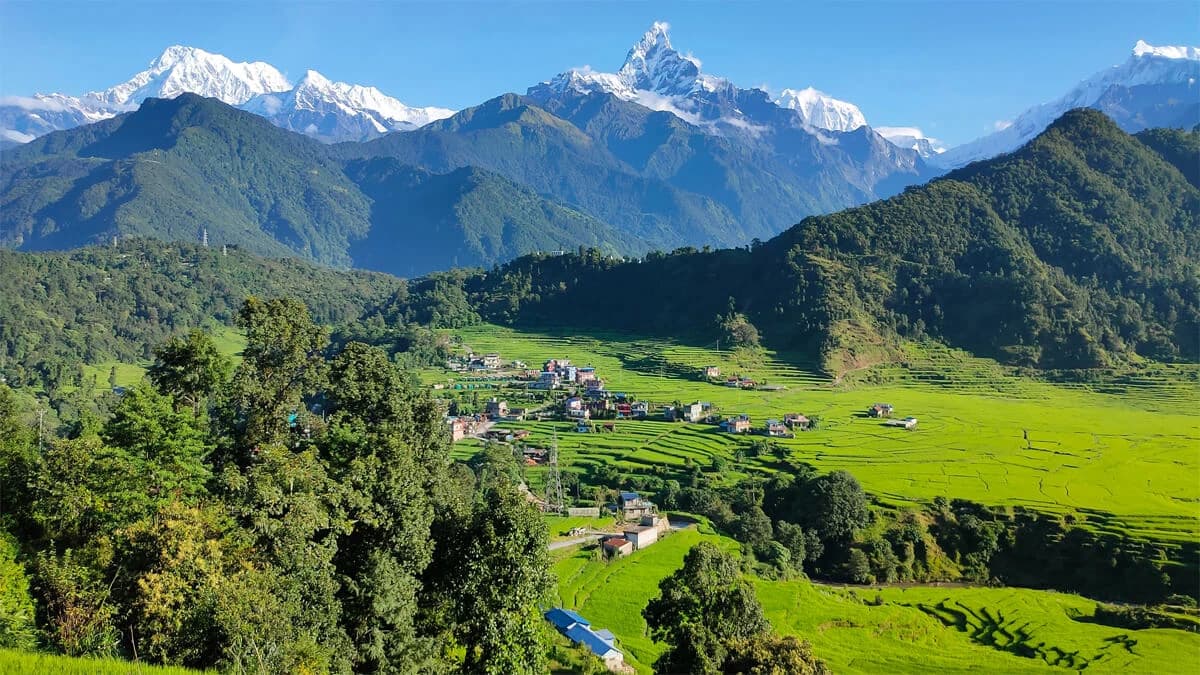
Mardi Himal is one of those treks that surprises many trekkers with how peaceful and raw it feels, even though it lies in the popular Annapurna region. Unlike the busier routes, the trail gradually pulls you away from Pokhara’s tourist areas and quickly settles into quiet forest paths where the atmosphere feels calm and undisturbed.
The early part of the journey is quite gentle, passing through small villages, terraced farmland, and thick rhododendron and oak forests. The walking feels rhythmic and natural, with occasional openings where you catch your first distant glimpses of the mountains. As you continue climbing, the environment begins to shift noticeably. The forest becomes thinner, the air gets cooler, and the trail starts following narrow ridges where the mountains suddenly feel much closer.
One of the most striking aspects of Mardi Himal is how close Machhapuchhre (Fishtail) appears as you gain height. It feels almost within reach, especially from viewpoints along the ridge. The transition from forest to open alpine terrain is gradual but dramatic, and it keeps building anticipation until you reach High Camp or the upper viewpoints.
From High Camp and Mardi Viewpoint, the experience becomes even more rewarding. Most trekkers wake up early to catch sunrise, and on a clear morning, the entire Annapurna range including Annapurna South and Machhapuchhre glows in shifting shades of gold and pink. The silence at that altitude, broken only by wind and footsteps, adds a very calm and personal feeling to the moment.
Although the trail is not technically challenging, it does involve steady uphill walking, which makes it a true moderate trek. The climb is consistent rather than extreme, so it feels achievable but still rewarding. What makes Mardi Himal Base Camp Trek stand out most is not just the scenery, but the sense of space and quietness you get throughout the journey. There are fewer crowds, fewer distractions, and more direct connection with nature.
Annapurna Base Camp Trek in Nepal
Another well-known trekking route in Annapurna region, the Annapurna Base Camp Trek 7 days is often described as one of the most balanced Himalayan trekking in Nepal. It combines varied landscapes, cultural encounters, and close-up mountain views in a way that feels both adventurous and manageable. Usually taking around 7 to 12 days depending on the pace and route, it suits trekkers who want a fuller mountain experience without going into extreme expedition-style trekking.
The journey starts from lower villages and slowly climbs through a changing mix of environments. You begin with terraced fields and small farming settlements, then move into dense bamboo and rhododendron forests where the trail feels cool and shaded. As the altitude increases, the scenery shifts again into more open alpine zones where the mountains start to dominate the horizon. Throughout the route, you pass through traditional Gurung and Magar villages where stone houses, prayer flags, and local hospitality give the trek a warm cultural touch. Everyday life in these villages feels simple and connected to nature, which adds meaning to the walking experience.
As you continue deeper into the valley, the mountains gradually feel closer and more dramatic. Peaks like Annapurna South, Machhapuchhre, Hiunchuli, and others begin to surround you from different angles, creating a sense that you are walking into a natural mountain bowl. The trail is well supported with teahouses, so you can rest comfortably at the end of each day, enjoy warm meals, and prepare for the next section of the journey.
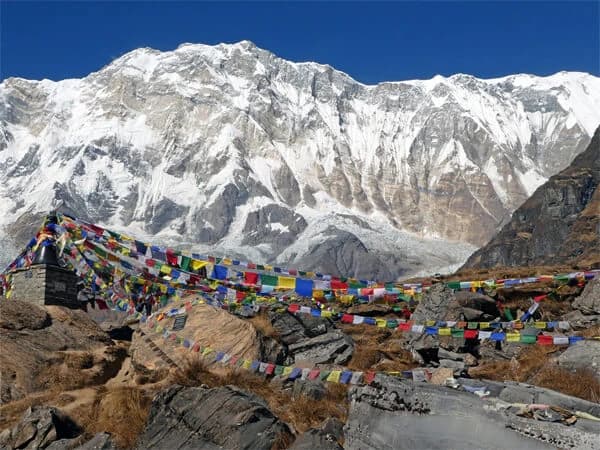
The most memorable part of the trek is reaching Annapurna Base Camp itself. Located inside the Annapurna Sanctuary, it is completely surrounded by towering snow-covered peaks that rise almost vertically from the valley floor. The sunrise and sunset views here feel especially powerful, as the mountains change color with the shifting light and the entire space feels calm and still.
Ghorepani Poon Hill Trek 4 Days
Ghorepani Poon Hill is one of the easiest and most rewarding short treks in Nepal, especially for beginners or travelers who want to experience the Himalayas without committing to a long or physically demanding journey. The trek is well-paced, comfortable, and gives you a real taste of trekking life in Nepal within just a few days, which is why it remains one of the most popular trekking routes in the Annapurna region.
The trail itself is a mix of stone staircases, forest paths, and small hillside villages. It can feel a bit steep in sections, especially the famous long stair climbs, but the rhythm of walking through changing landscapes keeps it engaging. One moment you are walking through dense rhododendron forests, and the next you are crossing small settlements where local life is calm and traditional. In spring, the entire forest turns into a natural display of red, pink, and white rhododendron flowers, making the walk even more memorable.
Along the way, you pass through warm Magar and Gurung villages where you can see stone houses, prayer flags, terraced fields, and everyday mountain lifestyles. People are welcoming, and the slow pace of life in these villages adds a cultural depth to the journey that goes beyond just scenery. Teahouses along the route also make the trek easier, offering simple meals and a place to rest after each walking day.
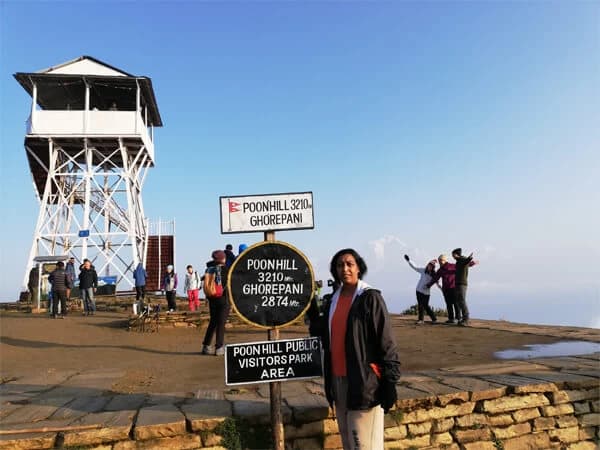
The biggest moment of the trek comes at Poon Hill. Most trekkers wake up early in the dark and hike up with a headlamp, waiting for sunrise at the viewpoint. As the first light hits the horizon, the Annapurna and Dhaulagiri ranges slowly appear, glowing in shades of gold and orange. It is not just a view, but a full panorama of snow-covered peaks unfolding in front of you, one by one, as the sky brightens.
Everest Panorama Trek
The Everest Panorama Trek is a short and more relaxed trekking route in the Everest region, designed for travelers who want to experience the Himalayas without committing to the full Everest Base Camp journey. Usually taking around 7 to 10 days, it offers a balanced mix of mountain views, Sherpa culture, and a taste of high-altitude trekking in a manageable way.
The adventure begins with one of the most exciting parts of the entire trip, the flight from Kathmandu to Lukla. The small mountain airstrip, surrounded by hills and valleys, immediately sets the tone for the journey ahead. From Lukla, the trail gradually descends and then climbs through a series of well-known Sherpa villages like Phakding and Namche Bazaar. These early sections of the trek are full of life, with teahouses, prayer flags, suspension bridges, and constant views of the river valley below.
As you move deeper into the Khumbu region, the scenery becomes more dramatic. Snow-covered peaks start appearing more frequently, with Everest, Ama Dablam, Thamserku, and other giants dominating the skyline. The trail itself is well-established but still involves steady uphill walking, which makes it a proper moderate-level trek rather than an easy hike.
One of the most memorable stops along the route is Tengboche Monastery. Set in an open hillside with a powerful backdrop of Himalayan peaks, the monastery adds a deep spiritual atmosphere to the journey. Hearing monks chant while surrounded by mountains creates a moment that many trekkers remember long after the trip ends.
Compared to the full Everest Base Camp trek, the Panorama route stays at a lower altitude and requires less physical strain, while still delivering some of the best views in the region. This makes it especially suitable for beginners, or for those who have limited time but still want to experience the feeling of standing in the Everest region.
Key Factors to Consider Before Choosing a Moderate Trek in Nepal
Choosing the right moderate trek in Nepal is not just about picking a beautiful route, it’s about making sure the journey feels comfortable, safe, and enjoyable from start to finish. Even though these treks are not technically difficult, small details like fitness level, weather, altitude, and trail conditions can completely change your experience. A little planning before the trek helps you enjoy the mountains, culture, and scenery without feeling rushed or overwhelmed.
A well-planned trek also gives you time to move at a natural pace. Instead of struggling through difficult sections, you can actually enjoy the walk, take breaks when needed, and slowly adjust to changing altitude and surroundings. In the end, good preparation is what turns a simple trek into a memorable Himalayan experience.
Fitness Level and Physical Preparation
Moderate trekking doesn’t demand extreme fitness for Nepal Trekking, but it does need basic endurance. You’ll usually be walking for 4 to 7 hours a day, often on uphill and downhill trails, which can feel tiring if your body is not used to regular activity. You don’t need gym training, but simple preparation like daily walking, light jogging, or climbing stairs can make a big difference. The better your stamina, the more you’ll actually enjoy the journey instead of feeling exhausted.
Altitude and Acclimatization
Altitude is something many trekkers underestimate. Even on moderate routes, as you go higher, the air becomes thinner and your body needs time to adjust. This can sometimes lead to mild tiredness or shortness of breath. That’s why slow walking, drinking enough water, and not rushing the climb is very important. Choosing a trek with gradual ascent also helps your body adapt naturally, making the journey safer and more comfortable.
Trail Condition and Walking Duration
Most moderate treks in Nepal have well-established trails, but that doesn’t mean they are always easy. You’ll still find stone steps, forest paths, and uneven ground that can test your legs after a few days. Some days feel longer than others, depending on the route. That’s why it’s important to check daily walking hours before choosing a trek, so you know what kind of pace suits you best and avoid unnecessary strain.
Weather and Best Season
Mountain weather is unpredictable, and it can change quickly even within a single day. That’s why choosing the right season makes a big difference. Spring and autumn are usually the most comfortable times, with clear skies and stable temperatures that make trekking easier and more enjoyable. In contrast, monsoon brings rain and slippery trails, while winter can be cold and snowy, especially at higher elevations, which may slow down the journey.
Accommodation and Basic Facilities
On most moderate trekking routes, you’ll stay in teahouses, which are simple mountain lodges run by local families. They provide basic meals and a place to sleep, but don’t expect luxury facilities. Rooms are usually simple, and amenities can be limited in remote areas. Knowing this beforehand helps you adjust your expectations and focus more on the experience rather than comfort.
Availability of Medical Support
Medical facilities are limited in most trekking regions, so it’s important to be prepared. Carrying a small first aid kit and any personal medication is always a smart idea. It’s also helpful to know where the nearest health post is or how emergency evacuation works in the area. This kind of preparation doesn’t mean something will go wrong, but it gives you extra confidence and safety during the trek.
Is Moderate Trekking in Nepal Too Difficult for an Average Person?
Moderate trekking in Nepal is not too difficult for an average person, but it does require some basic preparation and stamina. These treks usually involve walking for 4 to 7 hours a day on mountain trails that include both uphill and downhill sections. While the paths are well-marked and do not require any technical climbing skills, the uneven terrain and continuous walking can still feel tiring, especially on longer days.
Most people with a normal fitness level such as those who can walk regularly or do light exercise are able to complete these treks without major problems. The key is not speed but consistency walking at a steady pace taking short breaks and staying hydrated throughout the journey.
The difficulty also depends on altitude and weather conditions. As you go higher the air becomes thinner which can make walking a bit more challenging. However moderate treks are designed in a way that allows gradual ascent giving your body time to adjust. With proper pacing good preparation and a positive mindset moderate trekking becomes less about difficulty and more about enjoying the journey landscapes and cultural experiences along the way.
Do You Really Need Training Before Doing a Moderate Trek in Nepal?
You don’t need any special training or gym-level fitness to start a intermediate trek in Nepal, but going completely unprepared is not a good idea either. These treks are built for regular travelers, which means the physical demand is manageable if your body is used to basic activity like walking or climbing stairs in daily life.
Most of the challenge comes from walking continuously for several hours on hilly and uneven trails, not from any technical difficulty. Because of this, your body mainly needs endurance rather than strength. A little preparation like regular walking or light cardio before the trek can make the journey feel much easier and more enjoyable.
It also helps to understand that trekking is done at a slow and steady pace. You are not expected to rush or perform like an athlete. The key is consistency and allowing your body to adjust gradually to longer walking days and changing altitude. You don’t need formal training, but being reasonably active in your daily routine is enough to comfortably handle a moderate trek in Nepal.
What Makes Moderate Treks in Nepal Feel Challenging at Times?
Moderate treks in Nepal are generally manageable, but they can still feel challenging depending on a few natural factors. The main reason is the continuous walking for several hours each day, often on uphill and downhill trails with stone steps and uneven surfaces. even if the route is not technically difficult, this steady physical effort can slowly build fatigue over time.
Altitude is another factor that can make the trek more demanding. As you gain elevation, the air becomes thinner which can reduce energy levels and make walking slightly harder than usual. This is not extreme in moderate treks, but it is noticeable, especially on longer climbing days.
Weather and trail conditions also play a role. Sunny days can make walking easier, while cold, wind or sudden weather changes can increase the level of effort needed. Similarly, long trekking days or lack of proper rest can add to the overall difficulty. But, these challenges are manageable with a slow pace, regular breaks, and proper hydration which is why moderate treks remain suitable for most travelers despite these natural difficulties.
Best Time for Moderate Treks in Nepal
The best time for moderate treks in Nepal is mainly during the spring and autumn seasons, when the weather is stable and the mountain views are at their clearest. These periods offer comfortable temperatures, dry trails, and excellent visibility, making trekking much more enjoyable and safer for most travelers.
Spring season, from March to May, is especially beautiful as the hills come alive with blooming rhododendrons and lush green landscapes. The temperatures are moderate, and the trails feel vibrant with natural colors, making it one of the most visually rewarding times to trek.
Autumn season, from September to November, is considered the most popular trekking period in Nepal. After the monsoon rains, the air becomes clean and fresh, offering crystal-clear views of the Himalayas. The weather is stable, and the walking conditions are ideal for moderate trekking routes.
Winter (December to February) can also be suitable for some moderate treks, but higher elevations may become cold and snowy, which can make walking more challenging. Monsoon season (June to August) is generally less favorable due to heavy rain, slippery trails, and limited mountain visibility, although some lower-altitude routes can still be done with caution.
Packing List for Moderate Treks in Nepal
Packing smart is one of the most important parts of preparing for moderate trek in Nepal. Since you’ll be walking for several hours each day in changing mountain conditions, your gear should be light, practical, and suitable for both warm and cold weather.
A good pair of trekking shoes is essential because most trails include stone steps, uneven paths, and uphill sections. Comfortable, broken-in shoes help prevent blisters and make long walking days much easier. Along with that, layered clothing is the best approach. A mix of light t-shirts, warm fleece, and a down jacket helps you adjust to changing temperatures throughout the day.
You should also carry a waterproof jacket or rain cover, especially if you are trekking in spring or autumn when weather can shift suddenly. A comfortable backpack with essentials like a water bottle, sunscreen, sunglasses, basic medicines, and personal toiletries is enough for most routes.
Trekking poles are very helpful, especially during long downhill sections, as they reduce pressure on your knees. Small items like energy snacks, a headlamp, and a power bank also make the journey more convenient. Since most moderate treks in Nepal use teahouse accommodation, you do not need heavy camping gear. The key is to pack light but smart so you can move comfortably without carrying unnecessary weight.
Conclusion :Top Moderate Trekking Routes in Nepal
Moderate trekking in Nepal is one of the best ways to experience the Himalayas without taking on extreme challenges. It offers a perfect balance of natural beauty, cultural experiences, and manageable adventure, making it suitable for beginners as well as experienced trekkers looking for a more relaxed journey.
From peaceful villages and forest trails to close-up mountain views, every route brings something unique and memorable. With proper preparation, the right season, and a steady pace, these treks become not just a physical journey but also a meaningful travel experience. In the end, moderate trekking is not about pushing limits, but about enjoying the journey step by step and truly experiencing the beauty of Nepal at a comfortable and rewarding pace.