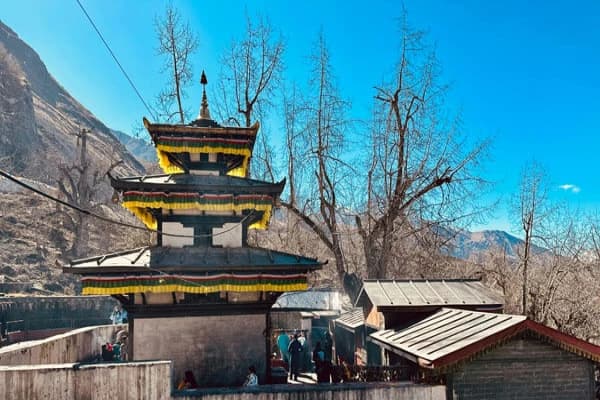
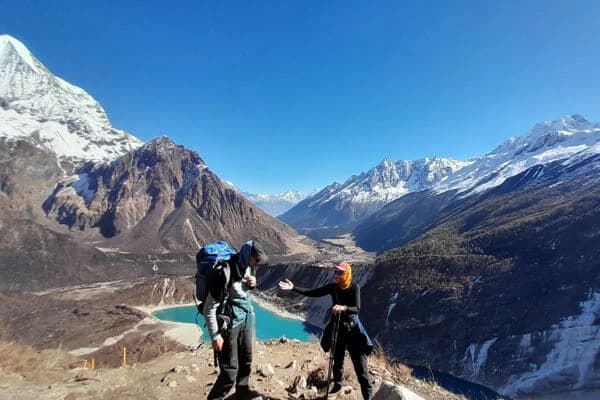
Most people typing Manaslu vs Everest difficulty are usually already halfway to the wrong conclusion before they even start reading. They want a clean answer like which one is hard and the other is slightly easier, but mountains do not work like rankings on a website.
One is the tallest mountain on earth, the other is still an 8000 meter peaks in Nepal, so the assumption is that Everest has to be harder. That is not really how it plays out once you look at what actually happens on these climbs. Mount Everest gets most of the attention because it is the highest mountain in the world, but that fame often hides what the climb has become today. On the other side, Mount Manaslu is less talked about, yet many climbers quietly say it demands more skill and control in major sections of the route.
Manaslu vs Everest Difficulty and What Actually Makes Them Different
If you strip opinions away, the difference becomes clear pretty quickly once you are actually on the trail.
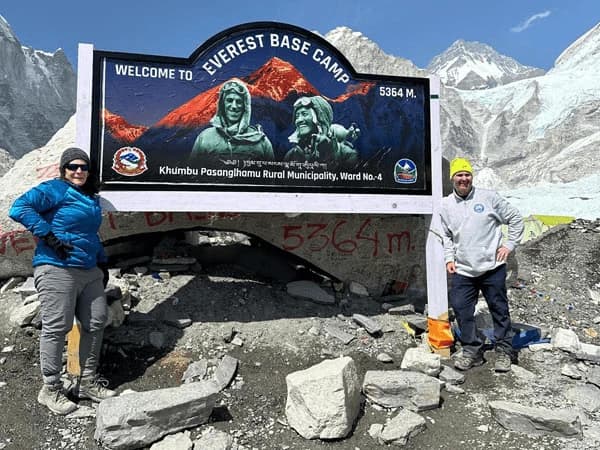
The Everest Base Camp Trek 15 days starts with noise around it almost immediately. Flights going in and out of Lukla, groups forming, guides calling out, people moving in clusters. Even on the trail itself you end up passing the same faces again and again. It gives the whole thing a crowded feel that never really disappears until you are quite high up.
Everest Base Camp Trekking in Nepal also removes a lot of decision making from your hands. Places to sleep are lined up along the route, food is available at every stop, and you rarely have to think too far ahead for basic logistics. The main physical strain builds from altitude and the long days going uphill rather than anything unclear about the route.
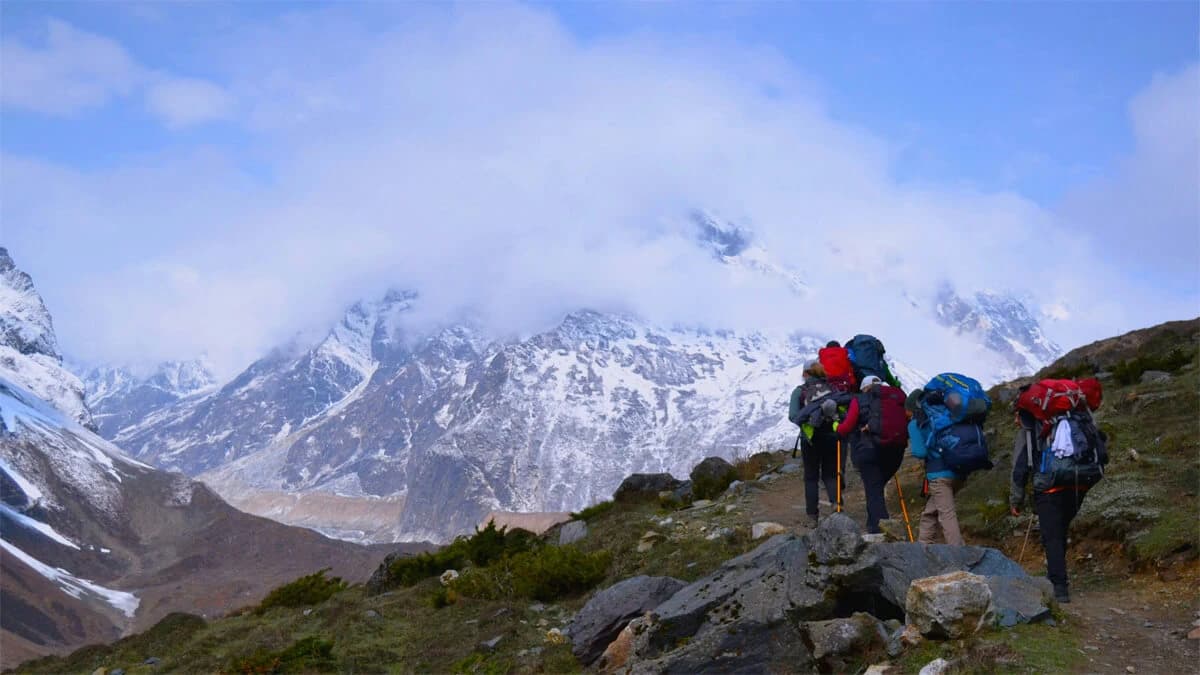
Manaslu Circuit Trek 14 days feels different from the first few days. There are long sections where nothing much is happening except walking and the landscape. Fewer people, fewer signs of heavy trekking traffic, and a sense that the route is not built around constant flow of visitors.
Manaslu Circuit Trek also makes you think a bit more about how far the next place is rather than just the next stop. You still find tea houses, but they are not close enough that you can just stop whenever you feel like it. The day ends when it ends, and that depends more on how much ground you cover than anything else.
Manaslu Circuit Trek Packagehas long walks where nothing really changes for a while. The river beside you, hills around, and the same kind of trail under your feet for hours. Then a village appears out of nowhere, you stop for a bit, and it goes back to walking again. That is pretty much how it repeats.
With EBC Trek there is always something around. People on the trail, tea houses not far apart, and a continuous flow of movement in both directions. It feels more built up, like everything has been set in place for trekkers to pass through.
Mount EBC trek challenges come more from altitude as you go higher, when even short climbs start to feel heavier than expected.Manaslu Round Trek difficulty comes more from the distance between places and how much time you spend just walking without much changing around you.
Altitude and Acclimatization Differences in Everest Base Camp vs Manaslu Circuit Trek
If you only look at altitude numbers, the Everest Base Camp Trekking trail immediately seems like the more extreme of the two. It climbs higher and keeps you in thin air for longer periods, which is something you start feeling in your breathing, your legs, and even your appetite as you go up. But altitude does not really explain how Manaslu vs Everest difficulty feels once you are actually walking the trails.
On the Mount EBC Trek, altitude gain follows a route that has been used for decades, so places like Namche Bazaar and Dingboche naturally fit into most itineraries as acclimatization stops. The spacing between these villages makes it easier to plan rest days, and most itineraries follow a similar rhythm because the trail system is already well established and widely used.
On the Manaslu Round Trek, the distance between villages feels less uniform. There are days where you walk long distances with fewer places to stop in between, and other days where villages appear more regularly. It is not disorganized, but it does not follow the same long established trekking flow that Everest has. The Manaslu trekking difficulty here comes more from how the walking days are distributed rather than any single part feeling extreme on its own.
What this shows in the broader Manaslu vs Everest trek difficulty comparison is that both treks demand effort, but the way that effort is experienced is not identical. The Khumbu region trek feels more shaped by an established system of stops and well known villages along the route, while Manaslu Circuit Trekking in Nepal feels more influenced by the distance between places where you can rest and the changing landscape you walk through. That difference affects the rhythm of the trek more than the actual level of difficulty itself.
Trail Conditions and Which Trek Feels Harder on the Trail
The EBC trekking in Nepal is fairly easy to follow because it runs through a well knowntrekking route in Nepalwith clear paths and regular villages along the way. Most of the trail has been used for years, so you rarely have to think much about where you are going. The main challenge builds as you go higher rather than from the walking surface itself.
The Manaslu Trekking Routefeels more uneven in comparison. Some parts are well defined, but there are also long walks where the trail feels less maintained and you do not come across places to stop as often. The distance between villages is more noticeable here, which makes some days feel longer even if the elevation gain is similar.
When comparing Manaslu and Everest hiking difficulty on the trail, Everest feels more familiar because many trekkers use it every season and the route stays active. Manaslu feels more demanding because the walking takes longer in between stops and the day feels more drawn out.
Everest becomes harder mainly because of altitude. Manaslu takes more out of you through longer walking days and fewer breaks during the day.
Everest Base Camp vs Manaslu Circuit Trek Accommodation and Comfort
On the Everest route, most tea houses are built to handle large numbers of trekkers, so there is usually enough space, food options, and a basic level of organisation even when places are full. In many villages you also find small conveniences like attached bakeries, hot showers for a fee, and places where you can charge devices, which are fairly common along the main route.
Manaslu feels less consistent in comparison. One night you might stay somewhere very basic with just the essentials, and another place a bit further along might have slightly better rooms or food options, but there is no real pattern to it. Even simple things like charging your phone or getting hot water depend on the village you stop in, and that changes more often than on Everest.
Everest Base Camp vs Manaslu Circuit Trek accommodation and comfort really comes down to that difference in repetition. Everest settles into a kind of routine because most villages offer similar conditions, so you stop thinking about where you are staying after a while. Manaslu does not settle like that, and you notice each place a bit more because things are not quite the same every night.
Neither trek feels comfortable. Everest just becomes easier to deal with because you get used to how things work. Manaslu keeps you adjusting a bit more, and that small effort adds up over the days without you really noticing it happening at first.
Food and Supplies on Everest Base Camp and Manaslu Circuit Treks
Food on the Everest Base Camp Trek is easy to deal with. You sit down, someone brings a menu, and you already know what you’re going to see before you really look at it. Rice dishes, noodles, soups, potatoes, and a few simple extras appear again and again. The options shrink when you go higher and higher, but you are still not in a situation where you struggle to find a meal.
There are bakeries in a few villages, places serving coffee, and enough variation that you can switch between meals without much effort. After a couple of days, it all starts to feel familiar.
Manaslu trekking feels different. You reach a place and only then see what is available. The basic meals are there, but the choice changes from village to village, so you cannot really assume it will be the same everywhere.
Snacks matter a bit more because the next stop is not always at a fixed feeling distance when you are already tired from hiking. It is not about lack of food, just the gaps between places.
On Everest, it is easier to relax about it because you keep coming across stops more often during the day. On Manaslu, you think a bit more ahead without trying to.
Risk and Safety on Everest and Manaslu: Which Route Is More Dangerous
Risk on these two treks doesn’t show itself in the same way, even though both lie at high altitude. Everest tends to test you over time. Manaslu tends to test you in moments.
Everest has a way of showing difficulty slowly. Most people notice it after a few days when walking uphill starts taking more effort than expected and even talking while moving feels slightly heavier. Food also drops in interest without much warning. What stands out more than anything is how often you still see other trekkers and villages along the way, so even when the body is reacting to altitude, there is usually some kind of stop nearby where things can be adjusted.
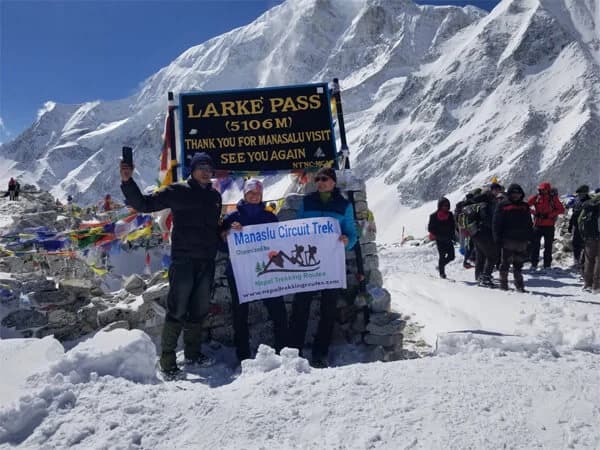
Manaslu trekking in Nepal doesn’t really unfold in that same gradual way. The focus moves toward Larkya La pass long before reaching it, and once it starts getting closer, everything on the trail quietly revolves around that one crossing. People don’t talk about it much in detail, but it stays in the background of every decision. Weather becomes something everyone checks without needing to say they are checking it.
Everest has a system around it that is hard to ignore once you are there. Flights in and out of Lukla affect the beginning and end of the trek more than people expect before going. On the trail itself, there is a constant flow of movement, guides who know the route well, and regular contact with other groups. If something goes wrong, there is usually a familiar way it gets handled because the same situations happen often enough.
Manaslu doesn’t feel like that. Once you are deeper in the circuit, distance starts to matter more than anything else. If someone slows down or has an issue, the next place to stop is not always close, and that changes how the whole group moves without anyone really discussing it. Decisions carry more weight because there is less room to fix them later.
By the end, Everest leaves the impression of a route where problems get absorbed into a busy, well used system. Manaslu leaves a different impression, more tied to timing and specific moments where conditions decide what happens next rather than any plan online.
Who Is the Manaslu Circuit Trek Suitable For?
Manaslu Circuit trek suits trekkers who want a restricted area trekking experience in Nepal with fewer crowds and a more controlled system from the start. It is a better match for people who are comfortable with longer trekking days, limited services between villages, and following requirements such as the Manaslu restricted area permit and a licensed trekking guide.
The Manaslu trek Nepal also suits those who already have some prior high altitude trekking experience and want a less crowded alternative to the main Everest trekking routes. A side trip to Manaslu Base Camp is sometimes included depending on the itinerary, but the main focus of the Manaslu Circuit trek remains the full circuit around Mount Manaslu and the crossing of Larkya La Pass.
Who Is the Everest Base Camp Trek Suitable For?
Everest Base Camp trek suits trekkers who want to experience the classic Everest region trekking route in Nepal with well established infrastructure and frequent stopping points. It is a strong choice for first time trekkers in the Himalayas who prefer a more familiar trekking setup with regular tea houses, clear Everest Base Camp trek itineraries, and easier logistics through Lukla flights.
The Khumbu region trekking experience also attracts people who want to see Mount Everest up close without needing a restricted permit system or mandatory group structure, making it one of the most accessible high altitude trekking routes in Nepal.
Off Season Trekking Risks in the Himalayas
Trekking outside the main seasons in Nepal changes how the route feels in a real way. In winter, higher parts of trekking routes can get blocked by snow, and movement becomes harder because trail markings are not always visible. Cold conditions also start affecting daily travel, especially early in the morning and at higher elevations where temperatures drop sharply.
The monsoon period brings a different type of difficulty. Heavy rainfall can make the trail slippery, and in some areas landslides or falling rocks can interrupt the route. Travel time can increase because certain parts of the trail become harder to cross safely, and transport in and out of trekking regions is also more affected during this time.
The weather during these months does not stay consistent at all. Conditions can change after a single night, which can affect both walking and travel plans. This is where most of the risk comes in, since decisions mostly depend on what the weather is doing at that moment rather than what was planned earlier.
People still choose off season trekking for different reasons, often to avoid busier months and see a different side of the mountains. It requires more attention to conditions on the ground and a willingness to change plans if the situation demands it.
So Is Manaslu Circuit Trek Harder than The Everest Base Camp Trek?
It depends on what you call hard, but most people who have done both usually find Manaslu tougher in the overall experience.
If hard means how long your body is dealing with high altitude, Everest has more of that. You stay higher for longer, and the tiredness builds slowly over several days.
If hard means how much freedom you have to adjust things while you are already on the trail, Manaslu is more demanding. The route pulls you toward Larkya La, and that section carries a lot of weight because weather and timing there matter more than anything else. If conditions are off, options are limited compared to Everest.
Everest has more support built around it. More trekkers, more established stops, more familiar rescue systems, and more movement through the route in general. That makes problems easier to deal with when they show up, even though the altitude itself is still serious.
Manaslu does not have that same level of backup once you are deeper into the circuit. The distance between places matters more, and decisions made on the day carry more impact because there is less room to compromise later.
How Permits, Cost, and Duration Affect Manaslu vs Everest Difficulty
As you might have already known by now, the trek does not begin on the trail.
It begins much earlier, when you are still trying to figure out how the whole thing is even put together and what kind of rules you are walking into. This is where the difference between Everest Base Camp trek 14 days and Manaslu Circuit trek 14 days starts to show, even before Nepal itself comes into the picture.
When comparing Everest Base Camp trek and Manaslu Circuit trek, permits are one of the first real differences that shapes the whole experience. Everest Base Camp trek only requires standard trekking permits in the Everest region of Nepal, and the process is fairly direct once your plan is set.
The Manaslu trekking works under a restricted area system, which changes things from the beginning. A Manaslu restricted area permit is required along with a conservation area permit, and a licensed trekking guide in Nepal is mandatory. Independent trekking is allowed but with a guide, and everything has to be arranged through a registeredNepal trekking agency before entering the region.
Looking at Everest vs Manaslu trek cost, Everest often ends up higher overall mainly because of Lukla flights, demand during peak seasons, and general pricing along the Everest trekking route. Manaslu can appear cheaper at first glance, but once guide fees and restricted area permit costs are included, the final budget difference is not as wide as many expect.
In terms of duration, Everest Base Camp trek usually takes fewer days compared to the Manaslu Circuit trek. These factors do not change the mountains themselves, but they do influence how Everest trekking in Nepal and Manaslu Circuit trekking feel in terms of planning, cost, and total commitment before and during the journey.
Conclusion:Is Manaslu Harder Than Everest?
Both Nepal Everest Base Camp trek and Manaslu Circuit trek leave a very different impression once they are completed. The difference is not just in difficulty, but in how the entire journey feels from start to finish. Choosing between them comes down to what kind of trekking experience in Nepal feels more suitable rather than which one sounds harder.