Picture this in your head, you’re Hiking through the Himalayas, surrounded by fresh mountain air. The trail is quiet, and all you hear are your own footsteps and maybe your heartbeat. Your eyes catch the perfect angles of some of the tallest mountains in the world, stretching as far as the eye can see.
Now, you might be thinking “Isn’t this Everest or Annapurna? Aren’t those trails too crowded to really enjoy a peaceful trek?” Well, that’s where Larkya La Pass comes in also known as Manaslu circuit Trekking in Nepal. It’s one of those hidden gems, a trail less traveled, where you can actually slow down, breathe, and listen to the mountains and yourself without the crowds.
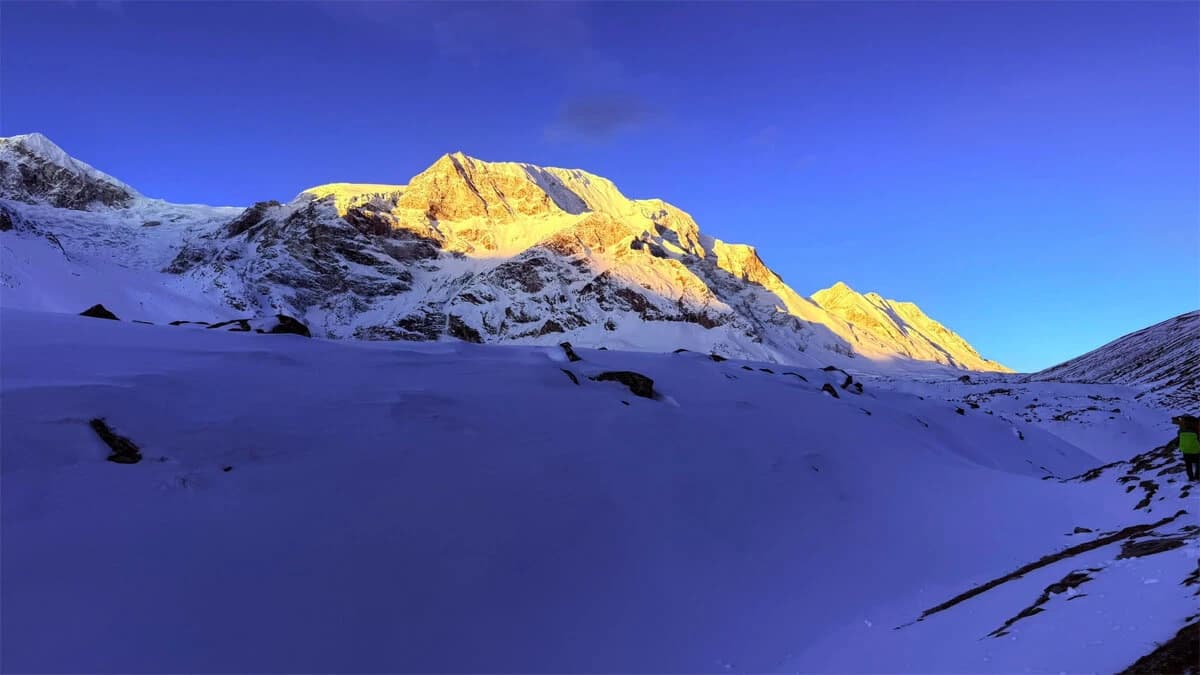
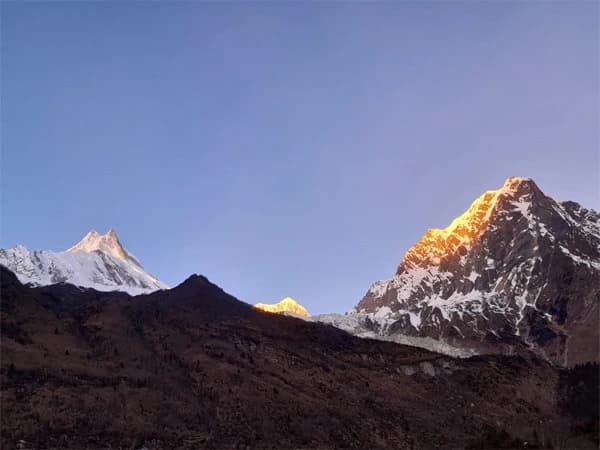
The Larkya La Pass trek isn’t just about crossing a high pass, it’s about the journey itself. The quiet mornings when the sun paints the peaks golden, the evenings spent sipping warm butter tea in cozy tea houses, the long stretches of trail where it’s just you and the mountains, it’s a chance to slow down, to feel the world in a way most people never get to.
In this guide, we’ll take you through everything you need to know to prepare for Larkya La Pass: the best time to go, how long it takes, what to pack, and tips to make your journey smoother. But more importantly, we’ll help you get ready to enjoy the little moments, the quiet ones, the breathtaking ones, the ones that make this trek so unforgettable.
Why Trek to Larkya La Pass?
You might think, why Larkya La Pass? Why not one of the other popular treks? What’s so special about this trail? Well, the answer is simple, it’s a trek where you get to experience raw, untouched landscapes and villages that feel almost hidden from the world, places you can actually enjoy without the noise and crowds.
Here, the mountains feel closer than anywhere else, towering around you so you can almost reach out and touch them. The air feels so pure, brushing against your skin in a way that instantly makes you feel alive. Every step along the trail brings a new view, a new moment to pause, breathe, and just take it all in.
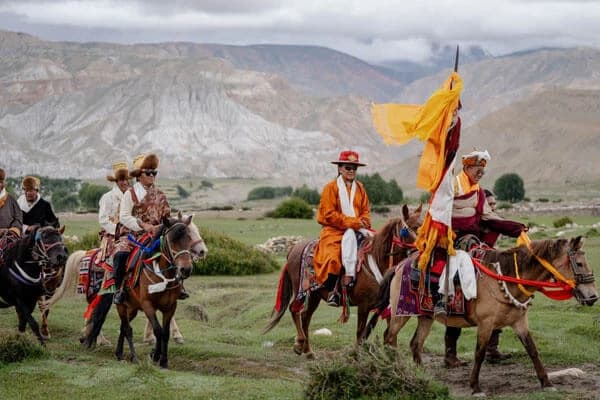
The villages along the way are so simple but full of life. You get to see stone houses, catch the smell of the warm meals from the kitchen and the kids slyly watch you from behind walls, their cheeks flushed from the cold and the smiles that could really make your day. Monks quietly spin prayer wheels on hilltops which add the peaceful rhythm of the surroundings. Here, culture isn’t something you read about , it’s everywhere around you, alive in the people, the land, and even in the air you breathe.
And then there’s the sense of adventure. Larkya La Pass challenges you without overwhelming you. You’ll cross rivers, climb ridges, and walk through valleys that feel both remote and welcoming at the same time. Some days will push you physically, but every climb rewards you with views that are impossible to forget, the jagged peaks, sparkling glaciers, and wide-open skies make every effort worth it.
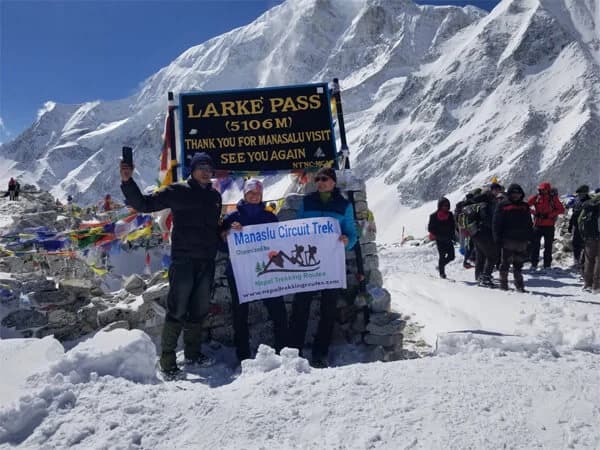
Finally, reaching Larkya La itself is an experience unlike any other. Standing at over 5,100 meters, surrounded by some of the highest mountains in Nepal, you feel a quiet win, a sense of being part of something bigger than yourself. It’s the kind of moment that stays with you forever, the kind you can’t capture fully in a photo or a story, but you’ll remember every detail of it, from the crisp air to the endless horizon.
Trekking Larkya La Pass isn’t about rushing or ticking off a checklist. It’s about slowing down, noticing the small things, and letting the mountains, villages, and quiet moments leave their mark on you. This is why trekkers fall in love with it: the journey itself is as breathtaking as the destination.
When is the Best Time to Trek to Larkya La Pass?
Larkya La Pass is one of the more challenging high passes in Nepal, not just because of the distance but also the altitude. That’s why timing your trek is so important, it can completely change your experience. Choosing the best season for Larkya Pass trek affects the weather, trail conditions, and even how much you can enjoy the incredible views along the way.
Spring (March-May) is ideal for most trekkers. The trail gradually wakes up from winter: lower valleys bloom with wildflowers, terraced fields look bright and green, and villages feel alive with daily life. The higher you go, the snow on the peaks sparkles in the sunlight, creating breathtaking contrasts. Crossing Larkya La itself in spring means clear skies and relatively stable conditions, making the long climb and high-altitude sections more manageable.
Autumn (late September-November) offers crisp, clear air and dramatic mountain vistas. The trail from Dharapani through Bimtang and up to the pass is dry and firm, perfect for steady walking. Villages along the way like Samagaon and Bimtang feel alive with festivals, farm work, and daily Himalayan life. From the top of Larkya La, the panoramic views of Himlung Himal, Cheo Himal, and Annapurna II are unforgettable in this season.
Winter (December-February) means fewer trekkers and quiet trails. The journey feels more isolated, with snow-dusted paths and frozen streams adding a peaceful, magical layer to the trek. However, temperatures drop sharply, especially near the pass, and sections may be icy. Only experienced trekkers prepared for cold should attempt it.
Monsoon (June-August) brings lush greenery and roaring rivers in the lower valleys, but trails can be slippery and clouds often hide the Himalayan peaks. Crossing Larkya La in monsoon is risky due to snowmelt and rainfall, so it’s generally not recommended for trekkers especially for beginner trekkers.
How long does the Larkya La Pass Trek Take?
The Larkya La Pass often included in Manaslu Circuit trek 14 days or its shorter version, the short Manaslu Circuit trek usually takes 12 to 16 days from start to finish, depending on your pace, acclimalization needs and how much time you spend exploring the villages along the way. Most of the trekkers start the journey from Machhakhola, a stunning village surrounded by forests where the trail begins gently along the rivers and terraced fields.
From there, you gradually climb through small settlements, experiencing traditional stone houses, local farms and friendly villagers. As you move higher, the trail takes you through the stunning village like Jagat, deng and Namrung, having its own unique charm, stunning views, and opportunities to rest and acclimatize. Samagaon and the nearby glaciers mark the final stretches before the pass.
The main highlight, crossing Larkya La at 5,160 meters, is usually done in a single challenging day. The climb is steep and requires stamina, but every step rewards you with panoramic views of peaks like Himalchuli, Cheo Himal, and Annapurna II. After the pass, the trail descends toward Bimtang or Tilje, giving your legs a welcome break and your eyes more time to soak in the dramatic landscapes.
On the way back, you retrace parts of the route, noticing how villages and rivers now feel familiar, like old friends waving goodbye. By the time you return to Dharapani, the trek might be over but the memories, quiet mountain mornings, and the sense of accomplishment from crossing one of Nepal’s highest passes stay with you forever.
What to Expect on the Larkya La Pass Trek?
The Larkya La Pass trek is an adventure that usually takes 12 to 16 days, depending on your pace, acclimatization needs, and how much time you spend exploring the villages along the way. But the real beauty lies not just in reaching the destination the journey through valleys, terraced fields, and remote Himalayan villages is what makes it truly unforgettable.
One of the first things trekkers notice is the sense of peace and isolation. Unlike busier routes, the trails here feel quiet and untouched, allowing you to slow down and fully connect with the surroundings. You’re not rushing through crowds, instead, you move at your own pace, listening to the gentle flow of rivers and the whisper of the wind.
The cultural journey also unfolds as you climb higher into the mountains. In the lower regions, you’ll experience a mix of Hindu traditions, but as you reach villages like Samagaon and Samdo, the influence of Tibetan Buddhism becomes more prominent. Hospitality is a big part of local culture, and the genuine kindness of villagers makes you feel at home. Traditions here are deeply rooted in simplicity and a strong connection to nature. Locals live in stone houses, wear clothing suited for the cold, and follow age-old practices passed down through generations.
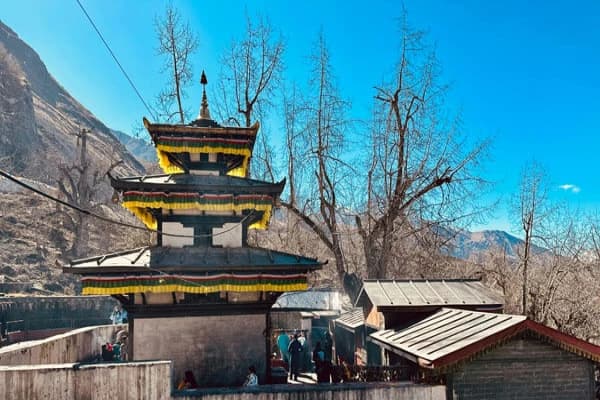
In village like Samagaon, you can visit Pungyen Monastery, where monks live, pray, and uphold centuries-old spiritual traditions. If your trek coincides with local celebrations, you might witness festivals like Lhosar, where villages come alive with prayer ceremonies, traditional dances, and communal gatherings.
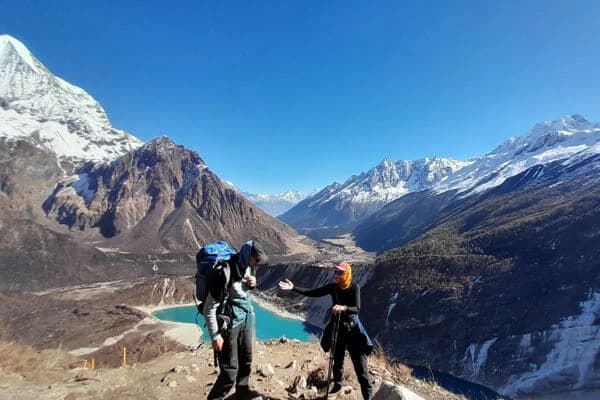
Also, the mountains themselves are a constant companion throughout the trek, shifting from gentle forested hillsides to jagged, snow-capped peaks that seem impossibly close. You can witness the beautiful mountains like Himalchuli, Cheo Himal, Annapurna II, and surrounding ridges dominate the skyline, while glaciers, moraines, and high alpine meadows create a breathtaking mosaic of textures and colors.
What is the price for a Larkya La Pass Trek?
The cost of trekking to Larkya La Pass can vary quite a bit depending on how you want to experience the journey, simple and rugged, or comfortable and supported. But to give you a good idea, most trekkers spend somewhere between $1,200 to $2,500 USD for a standard 12-16 day trek.
If you’re keeping things budget‑friendly, staying mostly in basic tea houses, sharing rooms, and carrying your own gear, you can complete the trek for around $1,000-$1,500 USD. This covers essentials like permits, food, lodging, and the round‑trip trek from the trailhead.
If you want a bit more comfort and ease, such as private rooms, a guide, and a porter to carry your pack, the price usually goes up to around $1,800-$2,500 USD. A guide makes the journey smoother especially through the higher sections and a porter means you can walk lighter and enjoy the views even more.
Some trekkers even choose a more premium experience, with better lodges and extra services, in which case costs can go beyond $3,000 USD.
Here’s a quick breakdown of what usually adds up:
- Permits & Trekking Fees: Sagarmatha / National Park or Restricted Area permits (required for Larkya La)
- Guide & Porter Costs: Daily fees + food + lodging
- Food & Lodging: Prices gradually increase as you go higher
- Transportation: Getting to/from Dharapani (bus or jeep)
- Extras: Wi‑Fi, charging devices, snacks, tips
What are the Major Highlights of the Larkya La Pass Trekking?
The Larkya La Pass trek is filled with moments that stay with you long after the journey ends. It’s not just one big highlight, but a collection of experiences that slowly unfold as you walk deeper into the Himalayas.
Changing Landscapes
One of the first things you’ll notice is the changing landscapes. The trail begins with green forests, rivers, and terraced fields, but as you go higher, it slowly transforms into rugged valleys, rocky paths, and wide-open mountain views. Every day feels different, like the mountains are showing you a new side of themselves.
Stunning Villages
The villages along the way are just as memorable. Small, quiet, and full of life, they give you a glimpse into a simple way of living. Stone houses line the trails, the smell of warm meals drifts through the air, and children peek shyly from behind walls, their rosy cheeks and bright smiles making even the longest days feel lighter. Prayer flags flutter in the wind, and monks spin prayer wheels, adding a peaceful rhythm to the journey.
Closer Mountain Views
As you move higher, the mountains begin to feel closer. Peaks rise sharply around you, glaciers stretch across the valleys, and the silence becomes deeper, almost calming. There are moments when you stop without even realizing it, just to take it all in the scale, the beauty, the stillness.
Crossing Larkya La Pass
Of course, the biggest highlight is crossing Larkya La Pass itself (5,160 m). It’s the most challenging part of the trek, but also the most rewarding. Standing at the top, surrounded by snow-covered peaks and endless ridges, you feel a quiet sense of achievement. It’s not loud or dramatic, it’s calm, almost surreal, like the mountains are simply letting you be part of their world for a moment.
And then there are the small moments, the ones you don’t plan for. A quiet morning with golden sunlight touching the peaks, a warm cup of tea after a long walk, the sound of the wind moving through the valley. These are the moments that stay with you the longest, long after the trek is over.
Is the Larkya La Pass Trek Hard?
The Larkya La Pass trek is challenging, no doubt about it but it’s also one of those adventures where the effort is fully worth it. It’s not just about walking long hours; it’s about navigating high-altitude trails, steep ascents, and sometimes unpredictable mountain weather.
The real challenge is the altitude. The pass sits at 5,160 meters, and even experienced trekkers will feel the thin air. That’s why acclimatization days in villages like Samagaon or Bimtang are crucial, they give your body time to adjust, your lungs a chance to catch up, and your mind a moment to soak in the views without rushing.
Trail conditions vary, some sections are rocky, others are narrow ridges, and when crossing glaciers or snow patches near the pass, you’ll need to focus on every step. Nepal Trekking poles, sturdy boots, and a steady pace are your best friends here.
The trek usually involves 5-8 hours of walking per day, with longer days when approaching Larkya La itself. Some days might feel exhausting, but that’s balanced by quiet mornings, spectacular sunrises, and stretches where it’s just you and the mountains.
The Larkya La trek is manageable for anyone with decent fitness and preparation. You don’t need to be a professional climber, just be ready to take it slow, listen to your body, and embrace the rhythm of the trail.
Practicalities for the Trek to Larkya La Pass
Before you head out on the Larkya La Pass trek, taking care of a few practical details can make your journey much smoother and more enjoyable. It’s not complicated, but being prepared helps you focus more on the experience and less on small challenges along the way.
One of the first things to think about is whether you want to trek with a guide or on your own. While it’s possible to go independently, many trekkers prefer having a guide, especially on a route like this where trails can be less crowded and sometimes confusing. A trekking guide helps with navigation, accommodation, and permits, and also adds depth to your journey by sharing local stories and culture.
Accommodation along the trail is mostly in tea houses, simple lodges run by local families. In the lower regions, you might find more comfortable rooms, but as you go higher, things become more basic with shared bathrooms and limited facilities. During busy seasons, it’s a good idea to start your day early to secure a room, as options can fill up quickly.
When it comes to money, carrying enough cash is important. There are very few ATMs along the route, and prices increase as you gain altitude. You’ll need cash for food, accommodation, charging devices, Wi-Fi, and small extras, so it’s always better to carry a little more than you think you’ll need.
Connectivity on the trail is limited but not completely gone. Some tea houses offer Wi-Fi for an extra cost, and mobile networks may work in certain areas, but the connection can be slow or unreliable. In many ways, this becomes part of the experience, giving you a chance to disconnect and fully enjoy the mountains around you.
Daily comforts are simple, and that’s part of the charm. Hot showers aren’t always available, rooms can be basic, and charging your devices might cost extra. But once you adjust, these small things stop feeling like inconveniences and start becoming part of the adventure itself.
In the end, the Larkya La Pass trek is about keeping things simple. With a bit of preparation, a flexible mindset, and a willingness to adapt, you’ll find that everything you truly need is already there, beautiful trails, welcoming people, and an experience that stays with you long after the journey ends.
Permits and Paperwork
Before you set off on the Larkya La Pass trek, you’ll need a couple of official permits. The trek passes through the Manaslu Conservation Area, which is a protected region with limited access, so the Restricted Area Permit (RAC) is required. This permit helps protect the natural environment, wildlife, and local culture, and it ensures that trekking here remains sustainable.
In addition to the RAC, you’ll also need the Manaslu Conservation Area Project (MCAP) permit. This supports conservation efforts and community development projects in the region, so by getting it, you’re also contributing to the wellbeing of the villages and trails you’ll pass through.
If you are trekking with a guide or agency, they usually handle all the paperwork for you, making it easy and stress-free. If you plan to trek independently, you will need to visit the official offices in Kathmandu or Arughat, carrying your passport, a few passport-sized photos, and your trekking plan including route and duration.
Along the trail, there are checkpoints where your permits will be checked, so it’s important to keep them safe and accessible. Once you have these sorted, you can focus on the adventure itself, knowing that your trek through the stunning mountains and hidden villages of Larkya La Pass is fully legal and well-managed.
Should You Trek Solo or With a Guide?
Deciding whether to trek solo or hire a guide is one of the first choices you’ll face before Larkya La Pass. Going with a guide can make the trek feel effortless. They know the trails like the back of their hand, help with permits and tea house bookings, and can point out hidden spots you might otherwise miss. Plus, they share stories about the mountains, villages, and local culture, turning every day on the trail into a mini learning experience. This is especially helpful for those attempting the full Manaslu Round Trek, where the route is longer, remote and requires careful navigation.
Trekking solo, on the other hand, gives you total freedom. You can stop when you want, linger on a viewpoint, or simply enjoy the silence of the mountains without anyone rushing you. The trade-off is that you need to plan carefully and stay extra alert, you’ll be managing your route, accommodations, and any unexpected situations all by yourself.
Some people find a happy middle ground: hiring a porter to carry the heavy gear while still walking independently. It’s like having the best of both worlds freedom to explore at your own pace but without the burden of a heavy pack.
In the end, whether you go with a guide, alone, or with a porter, Larkya La Pass promises the same stunning views, hidden villages, and unforgettable moments. The choice is just about how you want to experience the journey.
What to Pack for Larkya La Pass Trek?
Packing list for Larkya La Pass trekking is all about being prepared without overloading your backpack. You’ll be walking long hours, climbing steep trails, and staying in cozy tea houses, so every item counts. Clothing in layers is essential. Start with thermal base layers, add a fleece or soft jacket, and top it off with a warm down jacket for cold mornings and nights. A waterproof jacket is a must, as sudden rain or wind can surprise you. Comfortable trekking pants, gloves, a warm hat, and a scarf or buff will keep you cozy as you move higher along the trail.
Your feet are your lifeline on this trek, so a sturdy, broken-in pair of trekking boots is a must. Pair them with warm socks, and consider bringing light shoes or slippers for tea house evenings. Trekking poles can help on steep or slippery sections. Don’t forget sunglasses and sunscreen, the sun feels much stronger at high altitude, even when it’s cold.
For gear, carry a comfortable backpack with enough space for water, snacks, and extra layers. A sleeping bag is recommended for higher nights when tea house rooms can get very cold. A headlamp or flashlight is handy, and reusable water bottles along with purification tablets or filters ensure you have safe drinking water along the trail.
Personal items are just as important. Bring basic toiletries, wet wipes, and hand sanitizer. A small first aid kit with blister plasters, pain relievers, and any personal medications is essential. Items like lip balm, a notebook, or a camera can make the trek more comfortable and memorable.
The key to packing for Larkya La Pass is to pack thoughtfully, not excessively. Every extra kilo feels heavier as you climb higher. Focus on warmth, comfort, and essentials, you’ll find that less really is more when surrounded by the Himalayas. Packing well isn’t just about what you bring; it’s about preparing to enjoy every moment on the trail, from quiet mornings watching the peaks to cozy evenings in tea houses, and every breathtaking view in between.
Health and Safety Guide
Taking care of your health is one of the most important parts of the Larkya La Pass trekking in Manaslu region. The mountains are stunning, but they also demand respect especially when it comes to altitude and weather. The biggest challenge you’ll face is altitude sickness, as the pass sits at over 5,100 meters.Your body needs time to adjust, so acclimatization days in villages like Samagaon and Bimtang are essential. Walk slowly, stay hydrated and listen to your body. If you experience headaches, dizziness or nausea, don’t push forward, rest, hydrate or descend if needed.
Staying hydrated and well-fed makes a huge difference. Drink plenty of water throughout the day, even if you don’t feel very thirsty, and eat regular meals. Warm soups, tea, and hearty local dishes like dal bhat will help keep your energy up as you tackle the trail.
Basic hygiene is important too. Carry hand sanitizer, wash your hands when possible, and drink boiled or purified water to avoid stomach issues. Layer your clothing to stay warm, protect your skin with sunscreen, and use sunglasses even on cold, sunny days, the sun can be intense at high altitudes.
It’s also a good idea to have travel insurance that covers high-altitude trekking and emergency evacuation. While you hope you won’t need it, knowing you’re covered provides peace of mind.
Ultimately, staying safe on Larkya La Pass is about preparation, awareness, and listening to your body. Take your time, respect the mountains, and you’ll be able to fully enjoy the journey, the villages, and every breathtaking view along the trail.
Common Mistakes to Avoid on the Trail
Even experienced trekkers make small mistakes on the Larkya La Pass trail, but most are easy to avoid with a little awareness. One of the biggest is walking too fast, it’s tempting to rush in excitement, but at high altitudes, slow and steady is the way to go. Pushing yourself too hard can make altitude sickness worse and leave you exhausted before reaching the pass.
Another common mistake is overpacking. Before the trek, it’s easy to feel like you need everything, but every extra kilo becomes heavier with each step. So, stick to essentials like warm layers, sturdy boots and basic gear, and you'll feel lighter and freer on the trail.
Not carrying enough cash is another reason. ATMS are rare along the route and prices for food accommodation, Wi-Fi, or charging increase the higher you go. Having a little extra cash ensures you don’t get caught off guard.
Finally, ignoring signs of altitude sickness is dangerous. Headaches, dizziness, nausea, or unusual fatigue are signals from your body. Don’t try to push through rest, hydrate, and if needed, descend. It’s always better to pause than risk your health.
The Larkya La Pass trek isn’t a race, it's about enjoying the mountains, the villages, and every quiet, breathtaking moment along the way. Avoiding these common mistakes will help you make the journey safer, more enjoyable, and truly unforgettable.
Conclusion: How to Trek to Larkya La Pass?
Trekking to Larkya La Pass is more than just crossing a high mountain pass, it’s stepping into an experience that slowly stays with you long after the journey ends. Whether you’re completing the Short Manaslu Circuit trek, the journey is immersing yourself in the quiet trails and hidden villages to the towering peaks and silent valleys, every part of the trek feels raw, real, and deeply personal. Yes, the trek challenges you. The altitude, the long days, and the climb to Larkya La Pass will test your strength. But at the same time, it teaches you something simple yet powerful, to slow down, to breathe and to truly be present.
In the end, it’s about everything you experience along the way, the landscapes, the people, the silence, and the small moments that stay with you. This trek doesn’t just show you the Himalayas, it lets you feel them.
So if this journey has been somewhere in your thoughts, maybe it’s time to turn it into something real. The mountains are there, quiet as always, just waiting for you to take that first step.