Nepal is famous for its beautiful mountains, nature and culture. While many travelers choose popular treks like Everest Base Camp hiking or Annapurna Circuit, But Manaslu Circuit Trek 14 Days provides a quieter and more peaceful trekking adventure in Himalayan. Manaslu trekking trails in Nepal is perfect for those who want to explore the himalayas without the large crowds.
The Manaslu trekking is located in the Gorkha district of Nepal, fulled with stunning landscapes. Trekkers will see snow-capped peaks, massive glaciers, lush green valleys, flowing rivers and alphine meadows. The views are unforgettable and ecah day on the trail brings new nature wonders.
Whether you are an experienced trekker seeking remote trekking in Nepal or someone who wants to enjoy scenic trekking routes, the Manaslu Circuit Trek is unforgettable. It is a place where nature, culture, and adventure combine to create a one-of-a-kind experience, far from crowded trails and modern distractions.
What is the Overview of Manaslu Trekking in Nepal?
The Manaslu Trek is one of the most spectacular trekking trails in Nepal. It passes through the Manaslu Conservation Area, a restricted region known for its rich biodiversity and pristine landscapes. The trek typically lasts 09 to 21 days, covering a distance of around 177 kilometers, depending on the exact route taken.
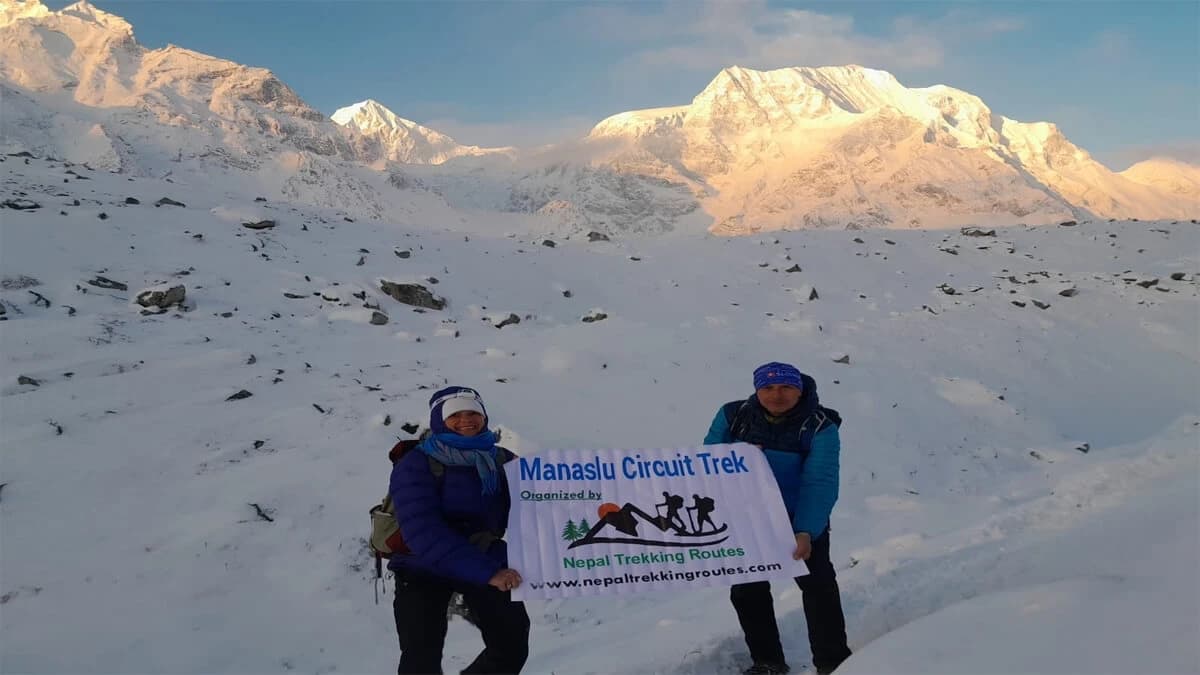
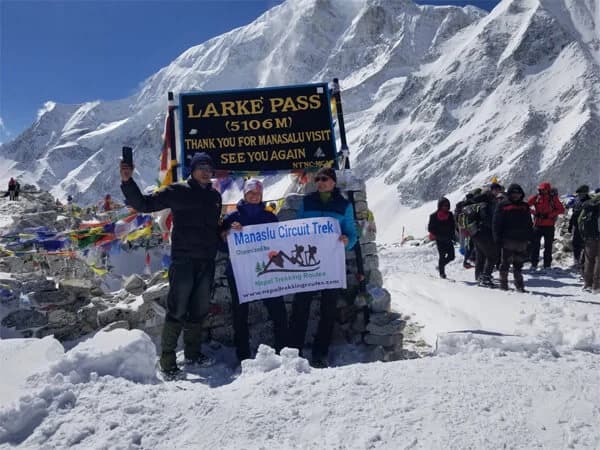
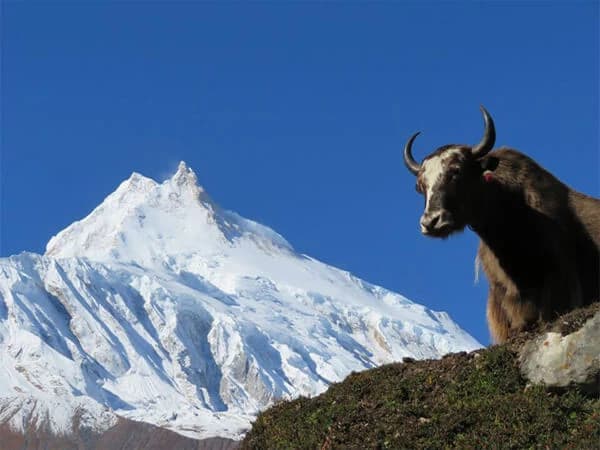
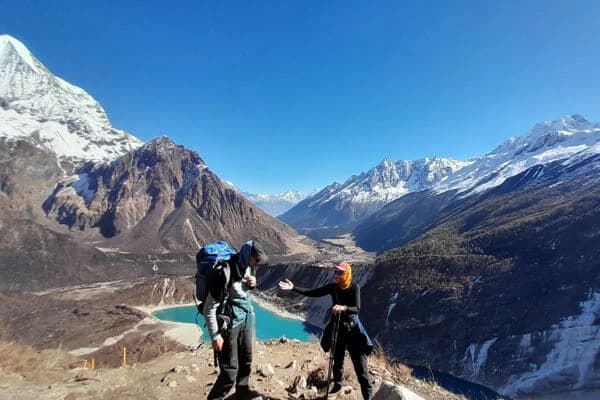
The trek's highlight is Mount Manaslu, the world's eighth-highest peak at 8,163 meters, and the highest point of the trek is the Larkya La Pass which reaches 5,106 meters above sea level. Along the route, trekkers encounter glaciers rivers, alphine meadows, and terraced farmland, as well as charming villages where traditional Tibetan culture in Manaslu thrives.
This trek is ideal for adventures seeking a less crowded trekking experience in Nepal, providing a chance to enjoy the himalayas in solitude while immersing themselves in local culture and breathtaking natural landscapes.
Why the Manaslu Trekking Trail in Nepal is a Hidden Gem?
The Manaslu Circuit Trekking in Nepal is often described as one of the Nepal's Hidden Gem for good reason. It is located in a restricted region of the Himalayas that provide raw landscapes, strong cultural connection and a sense of solitude that is becoming rare in most of the trekking. Here we describe why Manaslu trekking trails is Hidden Gems.
Less Crowded Than Everest and Annapurna
One of the biggest reasons the Manaslu Trekking Trail is considered special is its low number of trekkers compared to Nepal Popular trekking routes. Unlike Everest Base Camp or the Annapurna Circuit, the Manaslu region falls under restricted area trekking in Nepal. This means trekkers must obtain special permits and travel with a licensed guide. These rules naturally limit the number of visitors and help protect the region from over-tourism.
Because of the permit system, only a controlled number of trekkers enter the Manaslu region each year. As a result, the trails remain calm and unspoiled. You can walk for long stretches without seeing large trekking groups, enjoying the sound of rivers, forests, and mountain winds instead of crowds. This quiet atmosphere allows trekkers to move at their own pace and truly enjoy the journey.
Tea houses along the Manaslu trek route are also far less crowded. Rooms are more available, dining areas are peaceful, and hosts have more time to connect with guests. This creates a warmer and more personal trekking experience compared to busy regions where lodges feel rushed and overcrowded.
For photographers and nature lovers, fewer people on the trail means clean landscapes, uninterrupted mountain views, and better wildlife sightings. Sunrises, village scenes, and Himalayan backdrops can be enjoyed without distractions. All of these factors make Manaslu one of the best less crowded treks in Nepal, ideal for trekkers seeking solitude and authenticity.
Untouched and Diverse Landscapes
The Manaslu Hiking Trail provides some of the most diverse and untouched landscapes in Himalayas. From the very beginning of the trek, the scenery changes constantly, keeping each day fresh and exciting. Lower sections of the trail pass through lush forests filled with pine, rhododendron, and bamboo. Clear rivers, suspension bridges, and cascading waterfalls add life and movement to the journey.
As the trail climbs higher, the landscape slowly transforms. Green valleys give way to open alpine meadows, where yaks graze under wide blue skies. Further up, trekkers encounter rugged terrain shaped by glaciers and time. Massive ice formations, rocky moraines, and snow-covered ridges dominate the scenery near the high larkya La passes.
One of the most striking aspects of Mount Manaslu trekking in Nepal is the contrast between environments. In just a few days, trekkers move from fertile farmland to high-altitude deserts, where vegetation becomes sparse and the mountains feel raw and powerful. This dramatic change makes the Manaslu Circuit one of the most scenic trekking routes in Nepal.
Seasonal beauty adds another layer to the experience. In spring, blooming rhododendrons color the forests, while autumn brings clear skies and sharp mountain views. These changing conditions enhance the charm of the Himalayan trekking trails and make Manaslu visually rewarding in every season.
Authentic Village Life and Tibetan Culture
Cultural richness is a major highlight of the Manaslu Circuit Trek Itinerary. The trekking trail passes through remote villages that remain largely untouched by mass tourism. Many communities in the region are influenced by Tibetan heritage, giving the trek a unique cultural identity rarely found on busier routes.
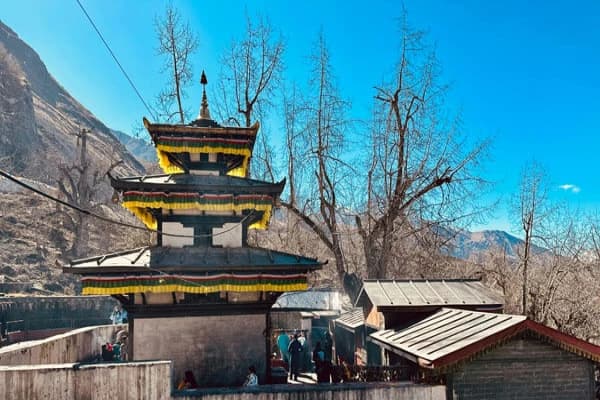
Villages such as Sama Gaon and Samdo reflect strong Tibetan culture in Manaslu, visible in architecture, clothing, and daily rituals. Trekkers walk past prayer wheels, mani walls carved with sacred texts, and centuries-old monasteries that serve as spiritual centers for local life. The sound of prayer flags fluttering in the wind adds a peaceful rhythm to the Mountain journey.
Daily life in these villages is simple and traditional. Farming, herding, and religious practices continue much as they have for generations. Because tourism is limited, locals interact with trekkers out of genuine hospitality rather than commercial obligation. This creates meaningful exchanges and deeper cultural understanding.
Experiencing Buddhist traditions firsthand morning prayers, monastery visits, and quiet village evenings adds depth to the Manaslu trekking experience. It allows trekkers to feel connected not only to the mountains but also to the people who call this remote region home.
Peaceful and Rewarding Trekking Experience Around Manaslu Trails
What truly makes the Manaslu Trail a hidden gem is the deep sense of peace and fulfillment it offers. Walking on quiet trails, surrounded by towering peaks and untouched nature, creates a calming mental space. Without crowds or noise, trekkers can focus on each step, breath, and moment.
This peaceful environment allows for a stronger personal connection with nature. The rhythm of walking, the sound of rivers, and the vast mountain landscapes encourage reflection and mindfulness. Many trekkers describe the journey as not just physical, but emotional and spiritual as well.
Reaching high points such as Larkya La Pass brings a powerful sense of accomplishment. The challenges of high altitude trekking in Nepal thin air, long ascents, and changing weather make success even more rewarding. Standing at the pass, surrounded by snow-covered peaks, is a moment that stays with trekkers long after the journey ends.
For those seeking adventure trekking in Nepal without sacrificing peace and authenticity, the Manaslu Trail offers a rare balance. It is a journey that rewards effort with solitude, beauty, and lasting memories making it one of Nepal’s true hidden gems.
Manaslu Trekking Route
The Manaslu Circuit Trekking 14 days Itinerary follows a beautiful and challenging trekking route through remote Himalayan landscapes, traditional villages, and high mountain passes. The trek usually takes 9 to 18 days, depending on acclimatization days and side trips. On average, trekkers walk 6 to 8 hours per day, covering 10 to 18 kilometers daily. Throughout the journey, the Mountain scenery changes dramatically, making every day unique and rewarding.
Starting Point: Soti Khola / Arughat
The Manaslu trekking route traditionally begins at Arughat or Soti Khola, both located in the Gorkha district of Nepal. The starting points mark the transition from road travel to mountain trails. The early days involve walking through subtropical landscapes, terraced farmland, and small villages. The trail follows rivers, crosses suspension bridges, and passes through warm, humid valleys, offering a gentle introduction to the trek.
Budi Gandaki Valley
From Soti Khola, the trail enters the Budi Gandaki Valley, which forms the backbone of the Manaslu Circuit. The route follows the roaring Budi Gandaki River through narrow gorges, dense forests, and steep hillsides. Waterfalls crash down rocky cliffs, and the path winds through bamboo and pine forests. As elevation increases, the terrain becomes more rugged, and the air cooler, signaling the gradual shift toward higher Himalayan environments.
Sama Gaon & Samdo
Higher up the trail, trekkers reach the culturally rich villages of Sama Gaon and Samdo. These settlements sit in wide alpine valleys beneath towering snow-capped peaks. Sama Gaon is an important acclimatization stop, often used for rest days and short hikes around the Manaslu Base Camp. Samdo, located near the Tibetan border, offers a glimpse into traditional mountain life influenced by Tibetan culture. The landscapes here become open and dramatic, with glaciers and rocky terrain dominating the views.
Larkya La Pass Trek
The most challenging and rewarding section of the Manaslu Circuit hiking is the Larkya La Pass, which reaches an elevation of around 5,106 meters. This high-altitude crossing requires an early start and steady pace. The trail passes over glacial moraines and snowy paths before reaching the pass, where trekkers are rewarded with panoramic views of surrounding Himalayan peaks. This section is physically demanding but unforgettable.
Dharapani Exit Point
After crossing Larkya La Pass, the trail descends through alpine forests and gradually reconnects with more developed trekking routes of Annapurna Circuit. The trek officially ends at Dharapani, where the Manaslu Circuit meets the Annapurna region. From here, trekkers can continue toward Annapurna Circuit or return to Kathmandu, completing an incredible journey through one of Nepal’s most remote trekking regions.
Larkya La Pass: Ultimate Challenge During The Manaslu Circuit Trekking in Nepal
The Larkya La Pass is the most demanding and defining part of the Manaslu Circuit Hiking. Standing at an elevation of 5,106 meters, this high mountain pass represents both the physical and mental peak of the journey. Crossing Larkya La is not just about reaching a high point, it is a true test of endurance, preparation, and determination, making it one of the most memorable experiences in high altitude trekking in Nepal.
The challenge begins with the altitude itself. At over 5,000 meters, the air becomes thin, and even simple movements require extra effort. Trekkers must walk slowly, maintain steady breathing, and stay well-acclimatized to avoid altitude-related issues. The ascent to the pass is long and gradual but physically demanding, especially due to icy trails, loose rocks, and glacial terrain.
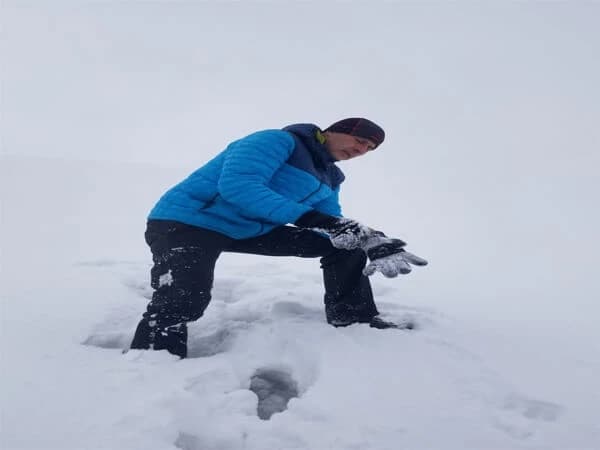
Weather conditions add another layer of difficulty. Temperatures at Larkya La can drop well below freezing, especially in the early morning when most crossings begin. Strong winds, snow, and sudden weather changes are common, even during peak trekking seasons. These factors make proper clothing, timing, and guidance essential for a safe crossing.
Despite the challenges, the reward at the top is extraordinary. From the summit of Larkya La Pass, trekkers are greeted with breathtaking panoramic views of towering Himalayan peaks, vast glaciers, and deep valleys below. The sense of achievement, combined with the raw beauty of the surroundings, creates an unforgettable moment. This pass defines the Manaslu trek because it captures everything the journey stands for remoteness, challenge, beauty, and reward. Successfully crossing Larkya La marks the culmination of the Manaslu trekking experience and leaves trekkers with a lasting sense of accomplishment and respect for the Himalayas.
Manaslu Conservation Area and Wildlife
The Manaslu Conservation Area plays a vital role in preserving the natural beauty and biodiversity of one of Nepal's most remote trekking regions. Covering a vast area of forests, alphine meadows, glaciers and high-altitude landscapes, this protected zone is a key highlight of remote trekking in Nepal.
The Manaslu region trekking is home to a wide variety of flora, changing with altitude. Lower elevations feature dense forests of pine, oak, bamboo, and rhododendron, while higher areas are dominated by alpine shrubs and hardy grasses adapted to extreme conditions. During spring, colorful wildflowers bloom across the trails, adding vibrancy to the rugged terrain.
Wildlife diversity in the Manaslu Conservation Area is equally impressive. The region shelters rare and endangered species such as the snow leopard, red panda, Himalayan tahr, blue sheep, and musk deer. Although sightings are rare due to the animals’ shy nature, trekkers often see tracks or signs of wildlife, reminding them they are walking through a living ecosystem.
Conservation efforts in the area focus on protecting wildlife habitats, promoting sustainable tourism, and supporting local communities. Strict permit systems and controlled trekking numbers help reduce environmental pressure. Local conservation programs also encourage eco-friendly practices and awareness among both trekkers and residents.
Responsible trekking is essential in this fragile environment. Trekkers are encouraged to minimize waste, respect wildlife, use established trails, and support local lodges and guides. By trekking responsibly, visitors help preserve the Manaslu region for future generations while enjoying one of Nepal’s most pristine and rewarding trekking destinations.
What to Expect on the Manaslu Circuit Trek?
The Manaslu trek is a notable journey through Nepal's Himalayas. It leads you to high peaks and glaciers, offering a sight of traditional villages and a taste of Nepalese culture. Along the way, you'll encounter incredible views and plentiful chances for adventure.
The trek was formally initiated in the Budi Gandaki Valley. Where you begin traveling the wooded foothills of the Himalayas, gradually climbing during the journey. As you ascend, the backdrop becomes even more great, with snow-capped massifs nearby you. The trek concludes at the base of Mount Manaslu, the world's eighth-highest peak.
This interesting walk includes covering 20 kilometers each day. But the incredible views along the way make it well worth the effort. For those in quest of adventure in one of the most splendid places on Earth. The Manaslu Trek is a supreme option.
Required Permits for Manaslu Trekking
The Manaslu Trekking lies in a restricted region of Nepal, which means trekkers must follow specific rules and obtain special permits before starting starting the journey. These regulations are designed to protect the fragile environment, preserve local culture, and manage tourism responsibly.
To trek in the Manaslu region, trekkers must obtain three main permits. The most important is the Manaslu Restricted Area Trekking Permit (RAP) which is mandatory and required from Jagat onward. In addition, trekkers need the Manaslu Conservation Area Permit (MCAP) and the Annapurna Conservation Area Permit (ACAP), as the route exits through the Annapurna region at Dharapani.
Permits are issued only through registered trekking agencies, not individually. This rule enhances safety and ensures better management of tourism in this remote area.
Permit costs vary depending on the season, with higher fees during peak trekking months (September-November). Trekkers are advised to arrange permits in advance through a reliable agency. Following these regulations not only ensures a smooth trekking experience but also supports conservation and local communities along the trail.
Why Hiring a Trekking Guide and Trekking Porter for Manaslu Trek Is Important?
Trekking to Manaslu Circuit is an unforgettable adventure, but it comes with unique challenges. Hiring a licensed trekking guide and trekking porter is not just recommended it is essential for safety, convenience, and a more enriching experience.
Safety
The Manaslu trekking trails passes through high-altitude terrain, narrow paths, and remote regions where medical help is limited. Guides are trained to recognize altitude sickness, monitor weather changes, and respond to emergencies. Having an experienced guide ensures you can trek safely, avoid dangerous shortcuts, and manage risks that solo trekkers might overlook.
Navigation
Even though the trail is marked, certain sections are remote and less-frequented, making it easy to lose your way. A local guide knows the routes, shortcuts, and safer paths, helping trekkers stay on track. With a guide, you can focus on enjoying the scenery and the journey without worrying about getting lost in unfamiliar terrain.
Permit Handling
The Manaslu region is a restricted trekking area, requiring multiple permits like the Restricted Area Permit (RAP) and Manaslu Conservation Area Permit (MCAP). Guides and trekking agencies handle all the paperwork, ensuring your permits are valid and travel is compliant with Nepal’s regulations. This avoids delays or penalties during the trek.
Local Knowledge
Guides share insights about Tibetan culture, local traditions, monasteries, and village life, enriching the trekking experience. They can explain customs, historical landmarks, and wildlife behavior, turning the trek into a cultural and educational journey as well as an adventure.
Supporting the Local Economy
Hiring local trekking guides and local trekking porters provides direct support to the local communities. It ensures that trekking benefits the region economically, helping families earn a livelihood, maintain lodges, and preserve cultural practices. Trekking responsibly also encourages sustainable tourism, protecting the fragile environment of the Manaslu Conservation Area.
Overall, having a guide and porter on the Manaslu trek enhances safety, simplifies logistics, and creates a deeper connection with the local culture. For a first-time visitor or even experienced trekkers, hiring a professional team is the best way to fully enjoy this hidden Himalayan gem.
Accomodation and Food on the Manaslu Trekking Trail
The Manaslu Circuit hiking in Nepal is a tea house trek, meaning trekkers stay in small, family-run lodges along the route. Accommodation in the Manaslu region is simple but comfortable, offering a warm and authentic Himalayan experience.
Tea houses usually provide basic rooms with twin beds, blankets, and shared bathrooms. In lower villages, facilities may include hot showers and electricity, while higher-altitude areas offer more limited services. As elevation increases, accommodations become more basic, but the hospitality remains genuine and welcoming.
Meals are served in communal dining areas, where trekkers can enjoy traditional Nepali food such as dal bhat, along with noodles, soups, rice dishes, and Tibetan-style bread. Eating local meals is recommended, as food is freshly prepared and provides the energy needed for long trekking days.
Unlike crowded trekking routes, tea houses in Manaslu are quieter and less commercialized. Hosts often have time to interact with guests, share stories, and explain local customs. Staying in these lodges supports local families and contributes directly to the regional economy.
Because accommodation options are limited, especially during peak seasons, trekking with a guide ensures better lodge management and smoother daily planning. Overall, tea house trekking in Manaslu offers comfort, cultural connection, and a peaceful atmosphere.
Best Time to Trek to Manaslu Circuit
Choosing the right season is essential for a safe and enjoyable Manaslu Circuit Trek. The best times for Manaslu trekare spring (March to May) and autumn (September to November), when weather conditions are most stable.
Spring brings mild temperature, blooming rhododendron forewsts and clear mountain views. The trails are colorful and wildlife activity increases as snow melts at higher welevations. This season is ideal for photographers and nature lovers who want vibrant landscapes.
Autumn is the most popular season due to clear skies, excellent visibility and comfortable trekking conditions. Days are warm, nights are cool and views of Mount Manaslu and surrounding peaks at their sharpest. Weather stability during autumn also makes crossing Larkya la Pass safer.
Winter trekking is possible but challenging due to heavy snow and extreme cold at high altitudes. Monsoon season (June to August) brings rain, slippery trails, and limited visibility, making it less suitable for trekking. For the best overall experience, spring and autumn offer the perfect balance of weather, scenery, and safety on the Manaslu Circuit.
Pre Trekking Tips for Manaslu
The Manaslu trek is not for the faded of heart. It's vital to confirm you're in exceptional physical condition before going on the trip and to take adequate time to adjust to the elevation.
We suggest explorers pack light, bringing only important items for the Manaslu trek. Since temperatures can drop at night and rainfall is common during the daytime, it's important to pack suitable clothing. Don't forget durable hiking boots and a daypack to carry your food along the trip.
One vital feature to keep in mind when trekking in Nepal is the need to adjust. The high rise can be stimulating, mainly if you're not habituated to it. Before the hike, take it easy and confirm your stay well-hydrated by drinking sufficient water. Even though the route is usually busy, it's wise to carry a map and compass. Some segments of the track are poorly patented, so carrying these tools can be very supportive.
The climate in the Himalayas can be impulsive, so be equipped for contrary circumstances. It's important to have a raincoat and a warm coat on hand in case the weather conditions turn hard. Carrying a sleeping bag is strongly suggested when trekking in the Himalayas. Nighttime temperatures can drop sharply, so it is essential to keep you warm.
Manaslu Circuit Trekking Trail
The Trekking Trail, located in the Manaslu Conservation Area of Nepal's Gorkha district, is a renowned trekking route. It provides spectacular views of Manaslu Peak, the world's eighth uppermost mountain at 8,163 meters. The track winds through amiable villages, luxurious forests, attached fields, and remote valleys.
Starting in the town of Arughat, the Manaslu Trekking in Nepal lengths around 14 days. Attainment is its high point at the Larkya La Pass, standing tall at 5,160 meters above sea level. The path is famous for its rough topography, containing steep slopes and declines, thin rocky paths, and river journeys. Yet, the trek provides supreme rewards in the form of fabulous sceneries. A glimpse into the typical culture molded by Tibetan Buddhism in the area.
While walking along the path, adventurers we can sightsee ancient monasteries and charming villages like Samdo and Sama Gaon. Providing an understanding of the daily routines of the locals. Furthermore, the Manaslu Conservation Area claims a rich biodiversity. With types such as snow leopards, Himalayan tahr, and blue sheep calling it home.
Traveling the Manaslu region requires getting a special permit. It's sensible to trek under the supervision of a licensed guide or a trustworthy trekking agency. The optimum times for walking in this area are from September to November and from March to May. Offering a clear climate and magnificent sceneries.
Conclusion: Manaslu trekking trails
To sum up, the Manaslu trekking trail stands as an extraordinary and challenging route. Bringing an authentic and isolated adventure to the Himalayan area. Surrounding amazing scenery, picturesque villages, and ancient monasteries. The path offers a fascinating understanding of the separate culture and way of life of the local people.
The Manaslu Conservation Area claims a rich collection of flora and fauna. Execution is a port for nature fans and wildlife enthusiasts. While less visited than other well-known trekking routes in Nepal. The Manaslu trek promises a likewise gratifying and bold journey for all who board upon it.
It's important to recognize that the Manaslu circuit trek 14 days needs a high level of physical fitness and trekking experience. Moreover, gaining a special permit and trekking with a licensed guide or trustworthy agency are necessary basics for boarding on this journey.
In summary, The Manaslu trekking trails presents an outstanding option for adventurers in search of a remote and less-traveled journey in Nepal. It provides an individual combination of cultural involvement and natural beauty, setting it apart from more visited trekking routes in the part.