You’ve probably already heard about Upper Dolpo, maybe because of Shey-Phoksundo Lake trek, the most stunning lake in Nepal that feels like a hidden jewel in the mountains. Its clear turquoise water mirrors the sky and the surrounding cliffs that you almost can’t believe it’s real. Many people dream of standing on its shores, breathing in the crisp mountain air, and feeling the quiet magic of this remote place.
But do you know much more about this trek? Maybe yes, maybe no. Upper Dolpo Trek is far beyond what your imagination allows. It’s a land where ancient Tibetan-style villages sit silently on the hills, as if frozen in time, where prayer flags flutter in the wind carrying wishes to the heavens, and monasteries whisper stories that have lived for centuries.
As you walk these trails, your heart pounds with awe, your breath catches at every view, and a quiet joy mixes with a sense of wonder so intense it almost overwhelms you. Every high pass, every serene valley, every untouched corner of this land makes you feel like you’ve stepped into a dream, a world both fragile and eternal, where time slows and life feels infinite.
So, whether you’ve heard a little or nothing at all about Upper Dolpo, don’t worry. In this guide, you’ll discover exactly what this trek is about, what makes it so special, and everything you need to know to plan your journey safely and successfully.
Why Trek to Upper Dolpo?
One of the longest and most remote treks in Nepal, Upper Dolpo is a hidden gem that feels like stepping into another world. You’ll pass turquoise lakes like Shey-Phoksundo, wide-open valleys, and towering cliffs that make every step feel both exciting and peaceful at the same time. The landscapes here are untouched and wild, giving you a sense of being somewhere truly special far from the crowds and the usual tourist trails.
The villages along the way are small, quiet, and full of life. Tibetan-style houses dot the hills, prayer flags flutter in the wind, and locals greet you with warm smiles and simple hospitality. Sharing a meal, a story, or even just a smile with them makes you feel connected to this ancient culture in a way that’s hard to explain.
Yes, it’s challenging the high passes, long days, and rugged trails will test your stamina. But that’s part of the fun. Moving slowly, taking in the scenery, feeling the crisp mountain air, and enjoying the little moments along the trail is what makes Upper Dolpo unforgettable. It’s more than a trek; it’s an adventure, an experience, and a story you’ll remember for a lifetime.
When is the best time to Trek to Upper Dolpo?
Best Time for Upper Dolpo is important because the weather can be unpredictable, and the trails are high and remote. But more than that, each season feels completely different when you’re actually out there walking those trails.
Upper Dolpo Trekking in Spring Season (March to May) feels fresh and alive. The days are not too cold, not too hot, just comfortable enough to enjoy long walks. You’ll start seeing greenery, small wildflowers, and clear blue skies almost every day. It’s the kind of season where you walk with energy, stopping often just to take in the views because everything looks so clean and bright.
Upper Dolpo Trek in Autumn Season (September to November) is probably the most beautiful time. The air is crisp, the skies are super clear, and the mountain views feel sharper than ever. Mornings can be a bit cold, but once you start walking, it feels perfect. The landscapes turn slightly golden, and everything looks calm and peaceful. It’s one of those times when every photo looks unreal without even trying.
Upper Dolpo Trek in Winter Season (December to February) is a whole different story. It’s quiet, almost too quiet. Snow covers the trails, high passes can be blocked, and the cold can be intense, especially at night. It feels raw and extreme, like the mountains are testing you. Some people love that isolation, but it’s definitely not for everyone.
Upper Dolpo Trek in Monsoon Season (June to August) is surprisingly not as bad as other trekking regions in Nepal because Upper Dolpo lies in a rain shadow area. But getting there can be messy, flights get delayed, roads are muddy, and lower trails can be slippery. Still, the landscape feels fresh, green, and a bit wild, like nature is fully alive around you.
How long does the Upper Dolpo Trek Take?
As it is already mentioned, the trek is not a quick or short adventure, it’s a long journey that casually takes around 18 to 25 days, spending on the route, pace and itinerary you choose. Since Upper Dolpo is one of the most remote regions in Nepal, everything moves a bit slower here. You’ll need time not just for trekking, but also for travel, acclimatization, and adjusting to the high altitude. It’s the kind of journey where rushing doesn’t really make sense. You naturally slow down and start enjoying the process.
The trek usually begins with a flight to Juphal, followed by a gradual walk through Dunai and into the heart of the Dolpo region. In the early days, the trail passed through forests, rivers, and small villages like Chhepka and Chunuwar, slowly leading you toward the stunning Shey-Phoksundo Lake. After spending time here to rest and acclimatize, the journey becomes more remote and adventurous as you move toward higher elevations, crossing rugged trails and heading deeper into Upper Dolpo.
From there, the route takes you across high mountain passes like Nagdalo La, one of the most challenging yet rewarding parts of the trek, before reaching sacred places like Shey Gompa. As you continue, you pass through isolated villages such as Saldang and Dho Tarap, where life feels untouched by modern times. The landscapes keep changing wide valleys, dry hills and open highlands which makes every day feel different from the last. It’s not just about how long the trek takes, but how each day slowly unfolds into a unique experience, turning the entire journey into something truly unforgettable.
What to Expect on the Upper Dolpo Trek?
Upper Dolpo is a trek that surprises you at every turn. As you journey through this hidden Himalayan region, you’ll experience diverse landscapes from green valleys and riversides to high-altitude deserts and mountain passes along with peaceful spots like Shey-Phoksundo Lake. The trek involves long days of walking and basic facilities, but in return, it gives you a chance to explore traditional villages, witness preserved Tibetan-influenced cultures, and enjoy the quiet simplicity of life far from modern distractions.
Cultural Experience
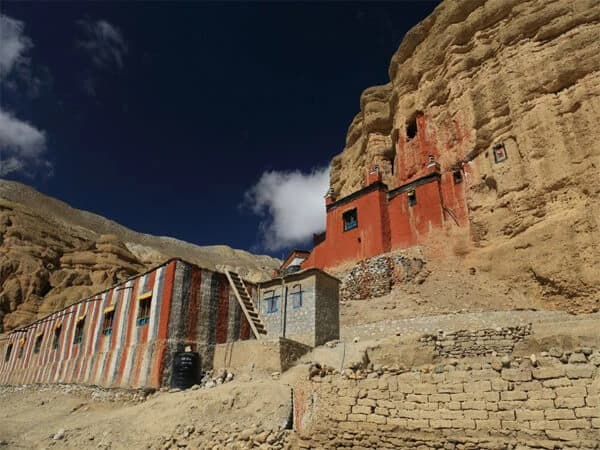
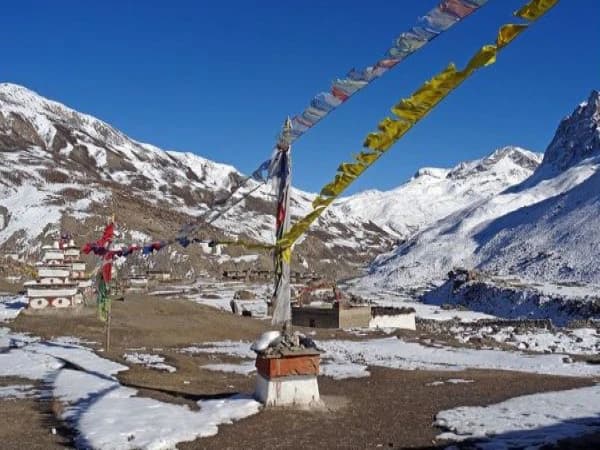
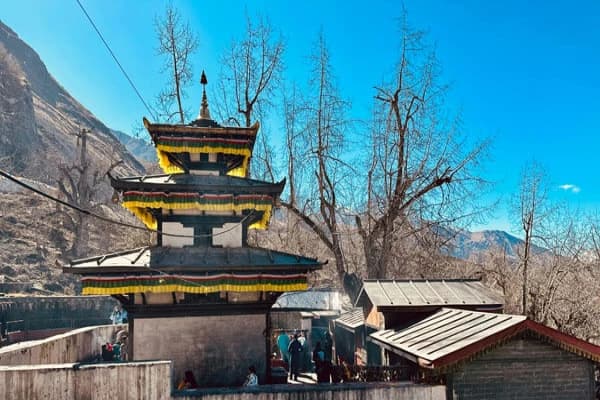
The region is heavily influenced by Tibetan Buddhism and the ancient Bon religion, an ancient religion with roots in Animism and Buddhism which shape daily life here. Along the trail, you’ll encounter centuries-old monasteries, chortens, and mani walls carved with sacred prayers. Villages like Saldang, Dho Tarap, and Tinje gives you a glimpse into a lifestyle that has remained largely unchanged for generations.
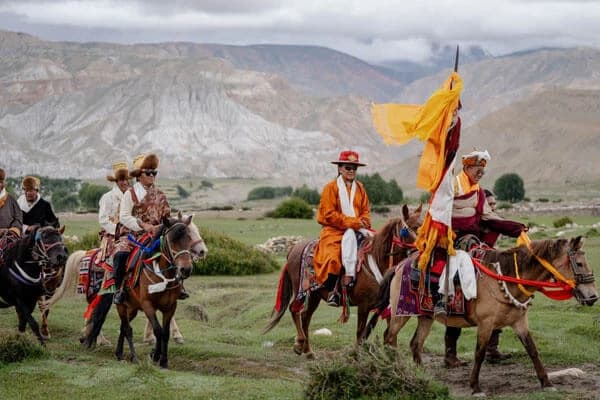
The Dolpali people share deep cultural ties with Tibet, and due to the region’s isolation, their traditions, language, and customs have been preserved beautifully. You may witness locals spinning prayer wheels, chanting mantras, or participating in spiritual rituals. If your timing is right, you could also experience vibrant festivals like the Phoksundo Festival or Shey Festival, filled with traditional dances, music, and religious ceremonies.
Shey Phoksundo Lake
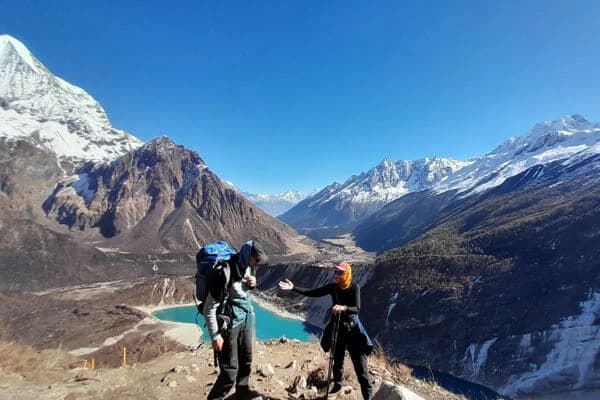
Shey-Phoksundo Lake is undoubtedly the highlight of the Upper Dolpo Trek. It is situated at an altitude of around 3,611 meters, also it is the deepest lake in Nepal known for its striking turquoise-blue water that looks almost unreal against the rugged himalayan backdrop. On clear days, the reflection of the sky and mountains on the lake’s surface feels like a perfect mirror.
Unlike other popular destinations, there are no boats, no swimming, and very little human interference here. The stillness of the lake, combined with the surrounding cliffs and pine forests, creates a calm and almost spiritual environment. The lake lies within Shey Phoksundo National Park, a protected area rich in biodiversity and local traditions. Nearby villages follow Tibetan Buddhist practices, and you’ll often see prayer flags fluttering around the lake, adding to its sacred feel.
The area around the lake is also ideal for acclimatization during the trek. Trekkers often spend an extra day here to rest, explore nearby viewpoints, or hike along the trails that gives panoramic views of the lake from above.
Wildlife Encounters
The region falls within Shey Phoksundo National Park, Nepal’s largest national park, known for its rich biodiversity and remote wilderness. As you trek through high-altitude landscapes, keep an eye out for blue sheep (bharal) grazing along rocky cliffs they are the most commonly spotted animals in the region. If luck is on your side, you might even catch a glimpse of the elusive snow leopard, one of the rarest and most mysterious predators in the world.
The park is also home to other wildlife such as Himalayan musk deer, Himalayan tahr, and smaller mammals adapted to harsh mountain conditions. You will enjoy spotting species like Himalayan griffon vultures, eagles, and colorful pheasants soaring above valleys and ridgelines.
Adventure
One of the most thrilling parts of the trek is crossing high mountain passes like Nagdalo La (5,350 m), where the air is thin and the views stretch endlessly across barren valleys and snow-capped peaks. The trails can be rough and demanding often winding through steep cliffs, narrow paths and isolated landscapes far from modern comforts.
Camping under the open sky, walking through vast empty landscapes, and relying on your own endurance adds to the expedition-like feel of the trek. The adventure also lies in its unpredictability. Weather changes, altitude challenges, and the sheer isolation make this trek suitable for those seeking something beyond the ordinary.
Food and Accomodation
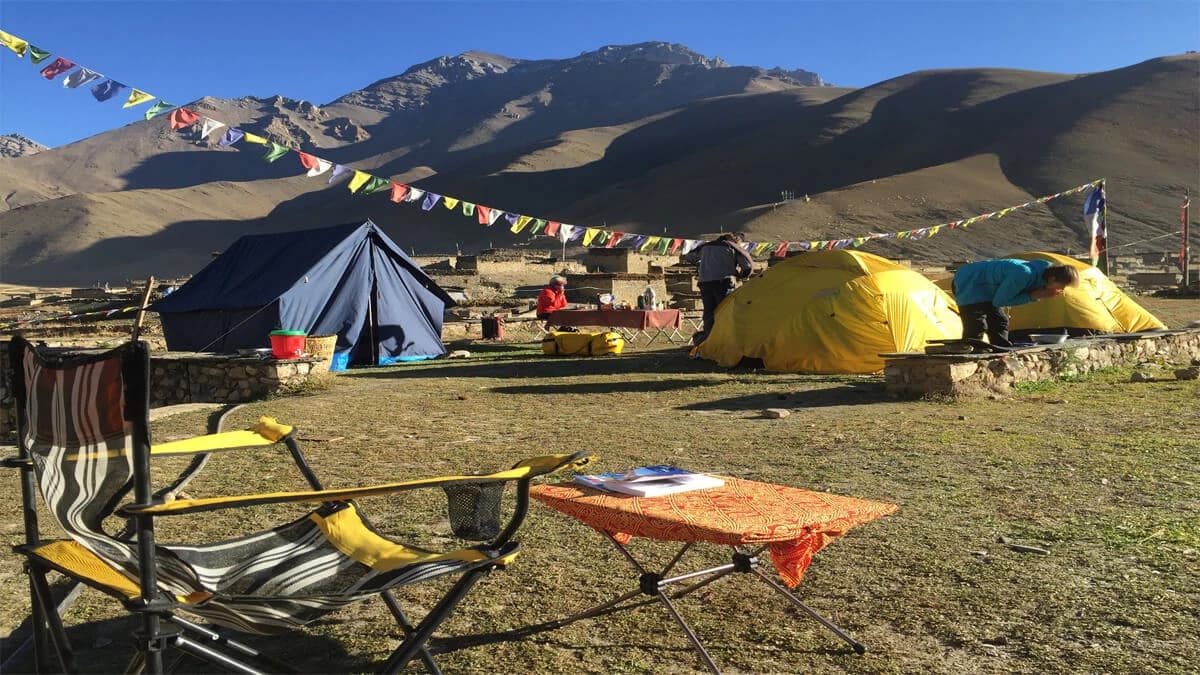
Upper Dolpo has very limited infrastructure, making the journey feel more raw and authentic. Accommodation is mostly in the form of camping, as there are very few tea houses or lodges in the region. Your trekking team will handle everything from setting up tents to arranging sleeping and dining areas, ensuring a comfortable stay even in remote locations. Nights are usually spent under clear Himalayan skies, surrounded by complete silence and natural beauty.
When it comes to food, meals are simple but nutritious and designed to keep your energy levels high throughout the trek. You can expect a mix of Nepali and Indian dishes such as dal bhat (rice, lentils, and vegetables), noodles, soups, potatoes, and occasionally momos. In some villages, you might also get a chance to try local Dolpali food, offering a glimpse into the region’s traditional diet.
What is the price for an Upper Dolpo Trek?
Trekking to Upper Dolpo isn’t cheap, and that’s because it’s one of the most remote and untouched regions in Nepal. The Cost for Upper Dolpo Trek include flights to Juphal, special permits, guides, and porters all add up but the experience you get is truly priceless. On average, most trekkers spend anywhere between $1,800 and $3,500 USD for the full 18-25 day adventure.
If you’re on a tighter budget, you can still make it happen for around $1,800-$2,200 USD. You’ll stay in basic lodges or tea houses, carry your own pack, and enjoy simple meals along the way. It’s rustic, yes, but it’s also raw, authentic, and part of what makes Upper Dolpo feel so special.
For those who want a smoother, more comfortable trek, hiring a trekking guide and a trekking porter is the way to go. With their help, you can walk lighter, take your time at high passes, and focus entirely on the views and villages you pass through. This kind of experience usually costs $2,500-$3,500 USD, and some travelers even go for a premium version, adding private rooms, better food, and extra services, which can push the total cost even higher.
At the end of the day, the price reflects not just logistics, but the remoteness, the culture, and the magical landscapes you get to explore. Upper Dolpo isn’t just a trek, it’s a journey to a world few ever see, and every dollar spent goes straight into making that experience possible.
What are the Major Highlights of the Upper Dolpo Trek?
The Upper Dolpo is full of moments that stay with you long after the journey ends. One of the biggest highlights is, of course, Shey-Phoksundo with its deep turquoise color and peaceful surroundings that feel almost unreal. Standing by the lake, with cliffs rising around you and complete silence in the air, is something you don’t easily forget.
Another unforgettable part of the trek is crossing the high mountain passes like Nagdalo La. These are challenging, no doubt, but the views from the top make every step worth it. You see endless mountains, wide valleys, and landscapes that look raw and untouched, like a hidden part of the world few people get to experience.
The cultural experience in Upper Dolpo is just as special. Walking through remote villages like Saldang, and Dho Tarap, you get to see a lifestyle that has remained unchanged for centuries. Tibetan-style homes, ancient monasteries like Shey Gompa and prayer flags fluttering in the wind create a peaceful and spiritual atmosphere that feels completely different from everyday life.
And then there’s the feeling of remoteness itself. Upper Dolpo is quiet, wild and far from the ursula trekking crowds. That sense of isolation, combined with the beauty of the landscapes and the warmth of the people, makes the entire journey feel deeply personal. It’s not just about one highlight, it’s the combination of nature, culture and adventure that makes Upper Dolpo truly unforgettable.
Is the Upper Dolpo Trek Hard?
Yes, the Upper Dolpo Trek difficulty is considered one of the more challenging treks in Nepal,but it’s not impossible. It’s the kind of trek that tests your patience, stamina and mental strength more than anything else. The long duration, remote location and high altitude all add to the difficulty, making it more demanding than popular routes like Mount Everest Base Camp or Annapurna Circuit.
One of the main challenges is the high altitude. You’ll be trekking above 4,000 meters for several days and crossing high passes like Nagdalo La, where the air is thin and every steep feels heavier. Some days are long, with steep climbs and rugged trails that can feel endless, especially when you’re tired. Since the region is so remote, facilities here are basic and you won’t find the same level of comfort as in more developing Upper Dolpo trekking routes.
But at the same time, it’s not just about difficulty. The trek has its own rhythm. You walk slowly, take breaks and adjust to the altitude day by day. With proper preparation, a good guide and enough time for acclimatization, most people with decent fitness can complete it.
In the end, yes, it's hard but also rewarding. The challenges make the experience feel more real and the sense of achievement you get at the end is something truly special. Upper Dolpo isn’t just about reaching a destination, it’s about pushing yourself and discovering what you’re capable of along the way.
Practicalities for the trek to Upper Dolpo
Planning a trek to Upper Dolpo is not as simple as packing your bag and heading out. Because of how remote the region is, a bit of extra preparation goes a long way. First, you’ll need special permits, as Upper Dolpo is a restricted area. Along with that, hiring a licensed guide is mandatory, and in most cases, trekkers also take a porter to make the journey easier, especially on longer days.
Getting there is another part to plan carefully. Most treks start with a flight to Juphal, usually via Nepalgunj, and these flights can sometimes be delayed due to weather. So it’s always a good idea to keep a buffer day in your itinerary. Once you’re on the trail, don’t expect luxury, accommodation is basic, and in some sections, you may even need to camp. Food is simple but filling and prices gradually increase as you go higher and deeper into the region.
Since you’ll be trekking at high altitudes for many days, acclimatization is key. Take your time, stay hydrated and listen to your body. Carrying the right gear, warm layers, good trekking boots and essential supplies is important because shops are very limited once you’re inside the Dolpo region. Also, communication can be difficult, so it's best to inform someone about your plan before you go.
Overall, trekking to Dolpo regions requires a bit more planning than other routes, but that’s part of what makes it special. Once you’re prepared, you can fully enjoy the raw beauty, culture and adventure that this remote himalayan journey has to provide.
Permits and Paperwork
Before you even think about packing your bags for remote Nepal trekking for Upper Dolpo, you’ll need to sort out a few important permits. This region is classified as a restricted area, which means you can’t trek freely like other parts of Nepal. The main one you’ll need is the Dolpo trekking Permit, and it’s one of the more expensive permits in the country.
Along with that, you’ll also need a Shey Phoksundo National Park permit and a TIMS (Trekkers’ Information Management System) card. These are standard for trekking in Nepal, but in Upper Dolpo, they become even more important because of how remote the area is.
Another important thing to know is that you must trek with a licensed guide and usually through a registered trekking agency. Independent trekking isn’t allowed here. Your agency will typically handle all the paperwork and permits for you, which makes the process much easier.
It might sound like a lot, but once everything is arranged, you’re free to focus on the journey itself. And honestly, the extra effort is worth it for a place as remote and special as Upper Dolpo.
Should you Trek Solo or with a Guide?
For the Upper Dolpo Trek, going completely solo isn’t really an option. Since it’s a restricted area, you’re required to trek with a licensed guide, usually arranged through a registered trekking agency. So unlike some other routes in Nepal, you can’t just pack your bag and head out on your own here.
And honestly, having a guide isn’t just about the rules, it actually makes a big difference. Upper Dolpo is remote, the trails can be confusing and facilities are very basic. A guide helps you navigate safely, manage the itinerary, and handle any unexpected situations, especially at higher altitudes. They also add a lot to the experience by sharing local stories, culture and insights that you might otherwise miss.
You can still choose how independent you want the experience to feel. Some trekkers go with just a guide, while others also hire a porter to carry their bags and make the journey more comfortable. Either way, having local support allows you to relax, walk lighter and fully enjoy the beauty and remoteness of Upper Dolpo without unnecessary stress.
What to pack for Upper Dolpo Trek?
Since the region is remote and the weather can change quickly, you really need to be careful while packing for the Upper Dolpo Trekking in Nepal. The journey is long and takes you far from basic facilities, so carrying the right essentials becomes very important. At the same time, you don’t want to overpack and make your trek harder. The goal is to pack smart, bringing only what you truly need to stay safe, comfortable, and prepared throughout the journey.
Start with good quality clothing layers, Morning and nights can be very cold, while daytime can feels warm when you’re walking. A mix of thermal wear, a fleece or down jacket, waterproof outer layers and comfortable trekking pants will keep you ready for all conditions. Don’t forget a warm hat, gloves, and extra socks, they make a big difference at higher altitudes.
A strong pair of trekking boots is a must, along with sandals or light shoes for resting in the evenings. You’ll also want a warm sleeping bag, since accommodation can be basic and cold, especially in higher areas. Trekking poles are helpful for long days and steep climbs which makes your walk easier and more stable.
Other important items include a daypack, water bottles or a hydration system, sunglasses, sunscreen, and basic toiletries. Since shops are very limited, it’s smart to carry snacks, energy bars, and a small first-aid kit with essential medicines. A power bank or solar charger can also be useful, as electricity is not always available.
Food and Accomodation on Upper Dolpo Trek
Since Upper Dolpo is remote, food and accommodation are basic but cozy. Most nights, you’ll stay in tea houses or small lodges in villages along the trail. Rooms are simple, usually shared, with thin mattresses, blankets, and sometimes a small stove for warmth. Don’t expect luxury, but it’s clean and welcoming, and you’ll appreciate a warm meal and a place to rest after a long day of trekking.
Food in Upper Dolpo is hearty and filling. Expect lots of simple Nepali meals like dal bhat (rice with lentils and vegetables), noodles, soups, and occasionally momos. Butter tea, made from yak milk, is a staple and perfect for warming up in cold weather. Snacks like energy bars or nuts are useful because some stretches are long with limited food options.
As you go higher, prices for food and lodging increase slightly, and the menu gets more limited. It’s a good idea to carry some extra snacks and a few essentials just in case. Even with the simple amenities, the experience is part of the charm, sharing meals with locals and fellow trekkers, sitting by the fire, and enjoying the quiet mountain nights makes the trek feel even more special.
Health and Safety Guide
Trekking to Upper Dolpo is an incredible experience, but because of its remoteness and high altitude, taking care of your health and safety is very important. One of the biggest concerns is altitude sickness, as you’ll be spending several days above 4,000 meters. The main key is to go slow, take proper acclimatization days, drink plenty of water and listen to your body. If you feel symptoms like headache, dizziness or nausea, it’s important to rest or descend if needed.
Another important factor you need to keep in mind is lack of medical facilities. Once you’re deep in Upper Dolpo, there are very limited health posts, so carrying a basic first-aid kit and essential medicines is a must. Travel insurance that covers high-altitude trekking and emergency evacuation is highly recommended, just in case something unexpected happens.
The trails themselves can also be challenging, long walking days, steep climbs and rough paths are part of the journey. Good trekking boots, proper gear and careful walking make a big difference. Weather can change quickly in the mountains, so being prepared with warm and waterproof clothing is important for staying safe and comfortable.
Lastly, always stay connected with your guide and group. Since communication networks are limited, it’s important to follow your guide’s advice and stick together, especially in remote sections. With the right preparation and a bit of awareness , you can really enjoy the trek while fully experiencing the beauty of Upper Dolpo.
Common Mistakes to Avoid on the Trail
Even though trekking to Upper Dolpo trek is an amazing experience, but a few common mistakes which can make the journey harder than it needs to be. One of the biggest mistakes is trying to rush the trek. Because of the altitude and long distances, moving too fast can leave you exhausted or even sick. It’s always better to go slow, take breaks and let your body adjust naturally.
Another mistake is underestimating the remoteness. Upper Dolpo is not like other popular trekking routes, facilities are basic, shops are limited, and help is not always nearby. Forgetting essential items, not carrying enough cash, or relying too much on finding things along the way can cause problems. Planning ahead and packing smart makes a huge difference.
Many trekkers also don’t pay enough attention to altitude sickness. Ignoring early symptoms like headache or dizziness can be risky. It’s important to stay hydrated, eat properly, and take acclimatization seriously. Listening to your body is one of the best things you can do on this trek.
Lastly, some people focus only on reaching the destination and forget to enjoy the journey. Upper Dolpo is not just about the end point, it’s about the landscapes, the culture, and the small moments along the trail. Take your time, look around, and really experience where you are. That’s what makes this trek truly unforgettable.
Conclusion: How to Trek to Upper Dolpo?
Trekking to Upper Dolpo is more than just a trek, it’s an experience you’ll never forget. From the beautiful Shey-Phoksundo Lake to quiet Tibetan-style villages, every step shows you a side of Nepal that feels untouched and magical. The mountains, valleys, and high passes make you feel like you’ve stepped into another world.
Yes, it’s a long and challenging trek, but that’s what makes it special. Crossing high passes, visiting old monasteries, and walking through remote villages teaches you patience, gives you a sense of adventure, and lets you enjoy the journey, not just the destination.
Whether it’s the breathtaking views, the friendly locals, or the quiet peace of the mountains, Upper Dolpo is a trek that stays with you forever. It’s a journey of discovery, beauty, and simple joy, and every step is worth it.