Peak climbing in Nepal is not just about reaching the top of a mountain, it’s also about choosing the right time to go. The best peak climbing season in Nepal can completely change your experience in the Himalayas, from the views you see to how safe and comfortable the climb feels.
In Nepal, the weather in the mountains is always changing. Some months bring clear skies, stable conditions, and amazing visibility, while others bring heavy snow, rain, or strong winds that make climbing more difficult. That’s why timing plays a big role in every peak climbing in Nepal journey.
Choosing the right season means better mountain views, safer trails, and a smoother summit experience. Whether you are planning your first climb or aiming for a more challenging peak, understanding the seasons helps you enjoy the Himalayas in the best way possible.
Overview of Peak Climbing in Nepal
Peak climbing in Nepalis one of the most exciting climbing adventure experiences you can have in the Himalayas. It sits between trekking and full mountaineering, meaning it is more challenging than normal trekking but still accessible for people who are fit and properly prepared.
Most peak climbs take you above 5,000 meters, where you walk on snow, cross glaciers, and use basic climbing equipment like ropes, crampons, and ice axes with the help of a guide.
Nepal is famous for peak climbing because it has so many beautiful mountains and a wide range of options for different skill levels. Some peaks are perfect for beginners who want their first summit experience, while others are more technical and suited for experienced climbers. The routes are well-established, and most climbs are supported by local Sherpa guides who know the mountains very well.
Popular peaks include Island Peak, which is one of the most popular beginner-friendly climbing peaks, and Mera Peak, known for being the highest trekking peak in Nepal with amazing panoramic views. For those looking for something more technical, peaks like Lobuche East and Ama Dablam offer a tougher and more adventurous climbing experience.
Most peak climbing trips start with a trek through villages, forests, and valleys before reaching base camp. From there, climbers do training, acclimatize to the altitude, and then attempt the summit. The summit day is usually long and tiring, but reaching the top and seeing the Himalayan views makes it completely worth it.
Popular Peak Climbing Destinations in Nepal
If you really want to experience the Himalayas beyond normal trekking, peak climbing in Nepal is where the real adventure begins. These climbs take you higher, closer to glaciers, and onto snowy summits that feel like the top of the world. Each peak has its own vibe, some are beginner-friendly, some are technical, and all of them give you that true Himalayan experience.
Unlike regular trekking routes, peak climbing feels more raw and adventurous. You’re not just walking through valleys anymore, you’re roping up, stepping onto ice, and slowly making your way toward a summit surrounded by endless white mountains.
Let’s look at some of the most popular peak climbing destinations in Nepal:
Island Peak Climbing (Imja Tse)
Island Peak is one of the most popular climbing peaks in Nepal, especially for beginners who want their first Himalayan summit experience. Located in the Everest region, this peak feels like a natural step up from trekking to real mountaineering.
The journey to Island Peak already feels special you pass through Sherpa villages, cross suspension bridges, and slowly move deeper into the Everest valley. By the time you reach base camp, you’re already surrounded by massive peaks like Everest, Lhotse, and Ama Dablam.
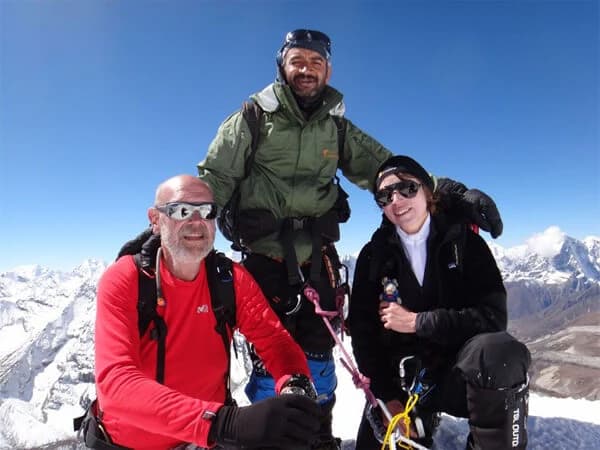
The climb itself is a mix of rocky trails, glacier walking, and a steep icy wall near the summit. It’s challenging, but once you reach the top, the feeling is unreal standing above clouds with a 360° Himalayan view that feels endless.
Mera Peak Climbing
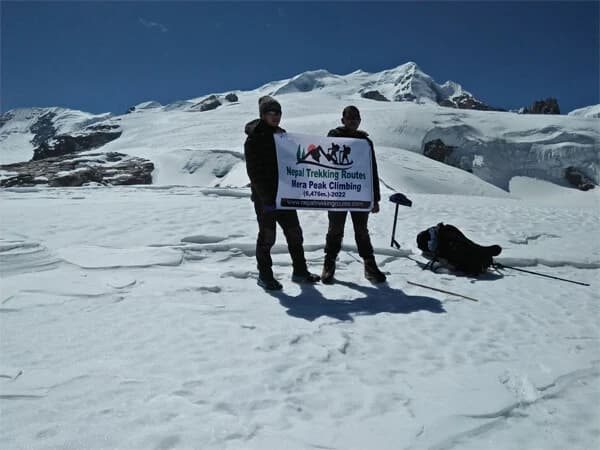
Mera Peak is known as the highest trekking peak in Nepal, and it’s all about altitude and views. It’s not very technical, but the height makes it a real challenge you’re literally climbing above 6,000 meters into thin air.
The trail to Mera Peak is quiet and remote. You walk through forests, cross rivers, and slowly enter a wild, untouched part of the Himalayas. It feels isolated in the best way possible no crowds, just mountains and silence.
From the summit, the view is absolutely insane. You can see Everest, Makalu, Kanchenjunga, and many other giants lined up across the horizon. It feels like the entire Himalayan range opens up in front of you.
Lobuche East Climbing
Lobuche East is for climbers who want a bit more challenge. It sits near the Everest Base Camp route, but the climb itself is more technical than Island Peak or Mera Peak.
Here, you start feeling real mountaineering, fixed ropes, steeper ice slopes, and more exposure. It’s not just about strength, but also balance, focus, and confidence on snow and rock. The summit view is powerful Everest, Nuptse, and Pumori all surround you, making the climb feel intense but deeply rewarding.
Yala Peak Climbing
Yala Peak is one of the easiest and most beginner-friendly peaks in Nepal. Located in the Langtang region, it’s often chosen by people who want their first taste of snow climbing without too much technical difficulty.
The approach is beautiful, quiet valleys, friendly villages, and peaceful mountain trails. As you move higher, the landscape becomes more alpine and snowy, but the climb itself stays manageable. From the top, you get a stunning close view of Langtang Lirung and surrounding peaks. It’s a perfect “first summit” experience.
Best Time for Peak Climbing in Nepal
In Nepal, Autumn and Spring are consdered the two best season for peak climbing. Even though mountains here are beautiful all year-round, but when it comes to climing it, good time really matters. These time provides the best combination of stable weather, good visibility and favorable climbing conditions. Let's break down why climbers love these two seasons so much:
Peak Climbing in Nepal in Autumn Season
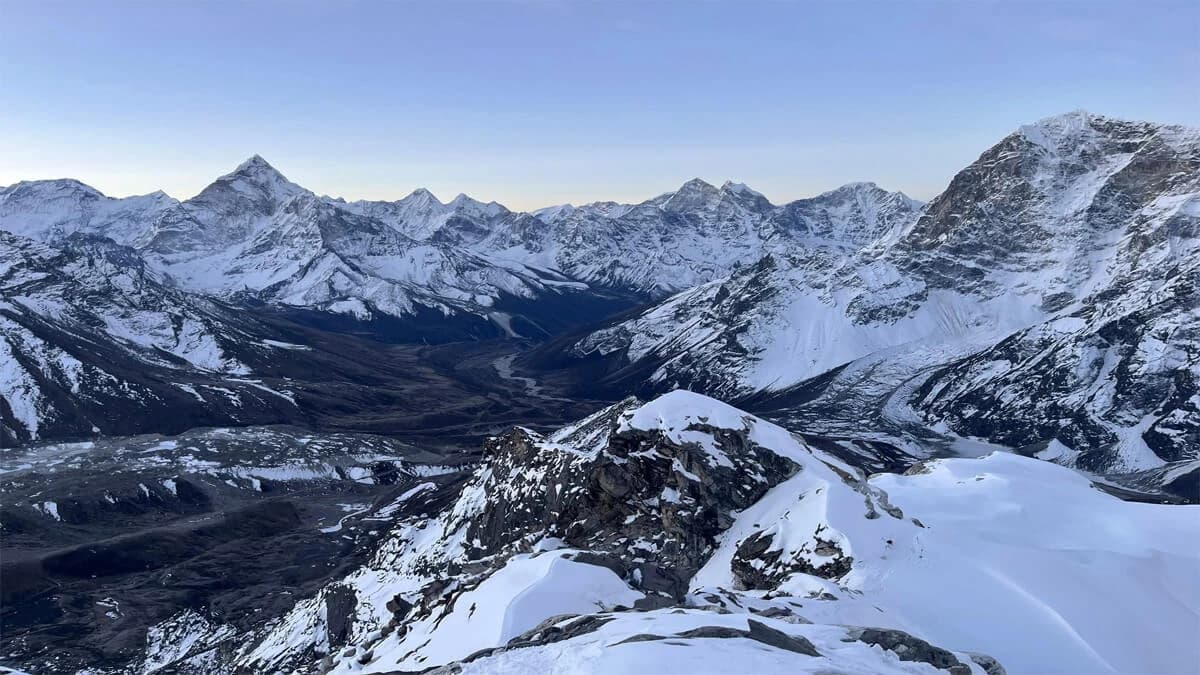
Autumn is often called the best overall season for peak climbing in Nepal, and honestly, it’s easy to see why. After the monsoon rain clears away dust and haze, the skies become crystal clear, and the mountain views are absolutely stunning. This is the time when the Himalayas look sharp, bright, and almost unreal.
The weather during autumn is usually stable, which is exactly what climbers want. There’s less chance of sudden storms, visibility is excellent, and trails are generally dry and easier to walk on. Snow conditions at higher elevations are also more predictable, making summit attempts safer and smoother.
Another reason autumn is so popular is the overall trekking atmosphere. Tea houses are lively, routes are active with climbers from around the world, and the mountain energy feels exciting.
If you want the classic Himalayan climbing experience, autumn is probably your best bet. Popular climbs like Island Peak, Mera Peak, and Lobuche East are especially busy during this season because conditions are just that good.
Peak Climbing in Nepal in Spring Season
Spring is another fantastic time for peak climbing in Nepal, and for many climbers, it’s actually their favorite season. After the harsh winter cold starts to fade, temperatures become more comfortable, making long trekking days and summit pushes a little easier on the body.
One of the nicest things about spring is how alive the trails feel. Lower elevations are colorful with blooming rhododendron forests, villages feel vibrant, and the whole trekking journey becomes just as beautiful as the climb itself. As you go higher, you still get snowy landscapes and amazing mountain views, but with slightly warmer conditions compared to autumn.
Spring is also great because snow coverage at higher elevations is usually good, which many climbers prefer for technical sections. Routes feel more alpine, glaciers look incredible, and the climbing experience feels a little more dramatic in the best way.
Peaks like Island Peak, Mera Peak, and Ama Dablam are also popular in spring, especially for climbers who enjoy slightly quieter trails and a more colorful journey.
Off-Season Peak Climbing in Nepal
While spring and autumn are considered the best time for peak climbing in Nepal, that doesn't mean climbing completely stops during the off-season. Some climbers actually prefer quieter trails, fewer crowds and a more challenging mountains experience. That said, off-season climbing comes with its own risks and it's definitely not for everyone. These two off-seasons for climbing in Nepal are winter and Monsoon.
Peak Climbing in Nepal in Winter Season
Winter in Nepal turns the mountains into a beautiful white wonderland, but it also makes climbing much tougher. Higher elevations become extremely cold, snow builds up on climbing routes, and strong winds can make summit days feel brutal. Some mornings at high camp can be so cold that even getting out of your sleeping bag feels like a challenge.
That said, winter has its own kind of magic. The trails are quiet, tea houses are less crowded, and the mountains feel peaceful in a way that’s hard to describe. You can walk for hours hearing nothing but the crunch of snow under your boots and the sound of wind moving through the valleys. For climbers who love solitude, winter can feel incredibly special.
However, winter climbing requires serious preparation. Cold-weather gear becomes essential, weather windows are shorter, and summit chances depend heavily on conditions. Winter climbing is less about comfort and more about challenge, patience and embracing the harsh beauty of the himalayas.
Peak Climbing in Nepal in Monsoon Season
Monsoon is generally the least popular time for peak climbing in Nepal, mainly because of heavy rainfall and unstable weather. Trails become muddy and slippery, clouds often cover mountain views and landslides can affect access routes in lower regions.
Flights to mountain airstrips are also more likely to face delays or cancellations which can disrupt climbing plans. The constant rain can make trekking uncomfortable, gear stays damp, and clear weather windows become unpredictable. For technical climbing, that kind of uncertainty is never ideal.
But monsoon isn’t all bad. The hills turn deep green, forests feel alive, rivers flow stronger, and everything looks fresh and vibrant. In rain-shadow regions, where monsoon rain is limited, trekking and climbing conditions can still be decent.
These places stay much drier compared to eastern and central Nepal, making them a better off-season option for adventure lovers. Still, for most popular climbing peaks, monsoon is usually avoided because weather plays too big a role in safety and summit success.
Month-By-Month Peak Climbing Guide in Nepal
If you’re planning a peak climbing adventure in Nepal, knowing which months offer the best conditions can make planning much easier. Weather in the Himalayas changes a lot throughout the year, and each month brings a different climbing experience.
Some months are perfect for clear skies and stable summit conditions, while others are better avoided unless you’re experienced and prepared for unpredictable weather.
Here’s a simple month-by-month guide to help you understand when to plan your climb.
January - February
These are the coldest months in Nepal. Higher climbing routes receive heavy snowfall, temperatures drop well below freezing, and strong winds can make summit attempts very difficult. Climbing is possible, but mainly for experienced mountaineers who are comfortable in harsh winter conditions.
March - April
This is when the climbing season starts to come alive. Temperatures become more manageable, snow conditions improve, and mountain views are usually clear. Trails are also beautiful during this time, with blooming rhododendron forests adding color to the journey. It’s one of the best times for peak climbing.
May
May is still a strong climbing month, especially in the early weeks. Conditions remain good, but temperatures start warming up, and weather can become slightly less stable toward the end of the month as monsoon approaches. Still, it’s a popular time for Himalayan climbs.
June - August
Monsoon season takes over during these months. Heavy rain, muddy trails, cloudy skies, and flight delays make climbing difficult and less safe. Most climbers avoid this period unless they’re heading to rain-shadow regions where rainfall is limited.
September
September marks the start of autumn climbing season. Early in the month, there may be still be leftover monsoon clouds, but conditions quickly improve. By late September, trails dry out, skies clear and climbing conditions become excellent.
October - November
This is peak climbing season in Nepal. Weather is stable, skies are crystal clear, and mountain views are at their absolute best. Snow and trail conditions are usually ideal, making this the most popular and reliable time for peak climbing.
December
Winter begins settling into the mountains. Early December can still offer decent climbing conditions, especially at lower elevations, but temperatures quickly drop as the month progresses. Late December becomes much colder, and snow starts building on higher routes.
Altitude Sickness and Acclimatization for Peak Climbing in Nepal
When it comes to peak climbing in Nepal, altitude is one of the biggest things climbers need to prepare for. Most climbing peaks in Nepal rise above 5,000 meters, where oxygen levels are much lower than at sea level. As you gain elevation, your body has to work harder to adjust, which is why altitude can affect even strong and experienced climbers.
Altitude sickness happens when your body does not get enough time to adapt to higher elevations. Some common symptoms include headache, dizziness, nausea, tiredness, loss of appetite, and difficulty sleeping. These symptoms may seem mild at first, but if ignored, they can become serious. This is why paying attention to how your body feels during the climb is very important.
To reduce the risk, climbers follow a slow and steady pace while gaining elevation. Most peak climbing itineraries in Nepal include acclimatization days, which are planned rest days at certain altitudes. These days give your body time to adjust to thinner air before moving higher. Taking these rest days seriously can make the climb safer and improve your chances of reaching the summit.
Drinking enough water helps your body function better at high altitude and supports the adjustment process. Eating regular meals, getting proper rest and avoiding unnecessary physical strain also helps your body cope with the change in elevation.
The best way to deal with altitude is not to rush, also proper acclimatization schedule are all parts of a safe peak climbing experience in Nepal. Reaching the summit is importat, but staying healthy on the journey matters even more.
Does Cost Affects the Seasons for Peak Climbing in Nepal?
Yes, the season you choose for peak climbing in Nepal can affect the overall cost of your trip. While climbing permits for peaks like Island Peak, Mera Peak, or Lobuche East may have fixed rates depending on the peak and season category, many other travel expenses can change based on when you plan your climb.
During the peak climbing seasons, especially spring and autumn, costs are usually higher because demand is at its highest. More climbers come to Nepal during these months, which means flights, accommodation, guide services, porter fees, and even gear rentals can become more expensive. Tea houses on popular routes are also busier, and booking in advance is often necessary.
In the off-season, such as winter or monsoon, prices can sometimes be more flexible. Some trekking agencies may offer lower package rates, and accommodation on trekking routes may be easier to find. However, lower cost does not always mean better value, because weather risks, flight delays, and difficult climbing conditions can add unexpected expenses or affect your summit chances.
Another thing to consider is that some seasons naturally require more preparation. Winter climbing may mean spending more on heavy cold-weather gear, while monsoon climbing may require extra waterproof equipment and flexible travel plans.
Peak Climbing Difficulty in Different Seasons
Peak climbing in Nepal does not feel the same throughout the year. The difficulty level of peak climbing changes with temperature, snow conditions, visibility, and how stable the weather is. Even the same peak can feel completely different depending on the season you choose.
Spring Season
In spring, the difficulty is usually moderate and more manageable for most climbers. The weather is relatively stable, and temperatures are not extremely harsh. Snow conditions are softer at higher elevations, which can make walking on glaciers a bit tiring but less technical compared to winter. However, long summit days still feel demanding because of altitude and cold at higher camps.
Autumn Season
In autumn, conditions are often considered the most balanced for peak climbing in Nepal. Clear skies and stable weather reduce unexpected risks, which makes route navigation easier. Trails and climbing routes are usually in good condition, but the cold at higher camps still increases physical strain. The main difficulty here is endurance, especially during summit pushes that can drop below -15°C to -20°C before sunrise.
Winter Season
In winter, peak climbing becomes significantly more difficult. Temperatures can fall below -20°C to -30°C at higher camps, and strong winds increase the risk of frostbite and exhaustion. Deep snow and ice make movement slower and more technical. Many routes require extra caution, and even simple sections feel more demanding due to freezing conditions and shorter daylight hours.
Monsoon Season
During monsoon, the difficulty comes less from cold and more from instability. Heavy rain at lower elevations makes trails slippery and exhausting, while clouds reduce visibility in higher regions. Although temperatures may be warmer compared to winter, the real challenge is unpredictable weather, delayed flights, and wet conditions that slow down progress.
Seasonal Packing Tips for Peak Climbing in Nepal
Packing for peak climbing in Nepal is not something you want to take lightly. The mountains here don’t stay the same all year, and your gear needs to match the season, altitude, and weather conditions. What feels comfortable in one season can feel completely wrong in another, especially when you are climbing above 5,000 meters.
A good packing plan is not about carrying more, it’s about carrying the right things at the right time.
Spring Season Packing Tips
Spring is one of the best seasons for peak climbing in Nepal, especially for peaks like Island Peak and Mera Peak. The weather is generally stable, but conditions still change a lot between lower trails and higher camps.
During spring, you’ll experience warm trekking days, but cold nights at altitude. This means layering is your best friend.
What to focus on:
- Light base layers for trekking in lower regions
- Warm fleece or mid-layer for evenings
- One good insulated jacket for high camps
- Breathable clothing (you’ll sweat during long climbs)
- Sun protection like sunglasses, cap, and sunscreen
- Comfortable trekking boots with good grip
Autumn Season Packing Tips
Autumn is the most popular peak climbing season in Nepal and offers the most stable weather. Climbers heading to peaks like Lobuche East or Ama Dablam usually prefer this season because of clear skies and predictable conditions.
However, don’t let “good weather” fool you. Nights and early mornings are still very cold, especially at high camps.
What to focus on:
- High-quality down jacket (important for summit night)
- Thermal base layers (top and bottom)
- Windproof outer shell to block cold winds
- Warm hat and neck gaiter for freezing summit push
- Thick gloves (you may need two layers)
- Headlamp with extra batteries
- Hydration system or bottles that won’t freeze easily
Winter Season Packing Tips
Winter peak climbing in Nepal is tough and only suitable for experienced climbers. Even relatively easier peaks like Yala Peak become much more demanding because of snow and extreme cold.
The main focus in winter is survival-level warmth.
What to focus on:
- Expedition-grade down jacket
- Multiple thermal layers (you’ll use them all)
- Insulated gloves with waterproof outer layer
- Heavy-duty mountaineering boots
- Face protection for wind and frostbite prevention
- Extra warm sleeping bag rated for very low temperatures
- High-energy snacks (your body burns more calories in cold)
Monsoon Season Packing Tips
Monsoon is the least popular season for peak climbing, but some trekkers still explore rain-shadow regions. In this case, waterproof protection becomes your top priority. The goal in monsoon is not warmth, but keeping everything dry and usable despite rain and humidity.
What to focus on:
- Fully waterproof jacket and pants
- Backpack rain cover (very important)
- Quick-dry clothing to avoid discomfort
- Waterproof gaiters to protect boots from mud
- Dry bags for clothes and electronics
- Extra socks (things get wet easily in lower regions)
Conclusion : Best Peak Climbing Season in Nepal
Peak climbing in Nepal is more than just reaching a summit, it is a full journey through some of the most beautiful and challenging landscapes in the Himalayas. From Nepal trekking through quiet valleys and remote villages to crossing glaciers and standing on snowy peaks, every stage of the experience feels different and meaningful.
Whether you choose a beginner-friendly peak Climbing like Yala Peak or a more demanding climb like Ama Dablam, the mountains always test you in some way. Sometimes it is physical strength, sometimes patience with altitude, and sometimes mental resilience when the weather or conditions change unexpectedly.
The season you choose plays a big role in your experience. Spring and autumn offer the most stable weather and the best climbing conditions, while winter and monsoon bring more challenge, isolation, and unpredictability. But in every season, the Himalayas remain powerful, beautiful, and humbling.
At the end of the day, peak climbing is not only about standing on top of a mountain. It is about the slow climb, the small steps, the difficult moments, and the quiet satisfaction of pushing through them. The summit is the goal, but the journey is what stays with you long after you come back down.



.webp&w=1200&q=75&dpl=dpl_4U3CaZUV3Y5iKdBNPJmVMATJy3AB)