So, you’ve been thinking about doing the Ghorepani Ghandruk Trek. Sounds exciting, right? But before you start planning everything, there’s probably one question sitting in your mind, when is the best season for Ghorepani Ghandruk Trekking? And truthfully, choosing the right time matters more than most people expect. Because this Ghandruk Circuit trek is not just about reaching a destination, it’s about enjoying every step of the journey, from peaceful forest trails and charming hillside villages to those unforgettable Himalayan views waiting at the top.
Go in the right season, and you’ll be walking beneath clear skies, breathing fresh mountain air, and catching sunrise views over peaks that make the early morning climb completely worth it. Visit at the wrong time, and the experience can feel very different, with muddy paths, cloudy skies, or weather that hides the beauty you came all this way to see.
The season also shapes the feeling of the trail itself. Some months bring colorful forests, comfortable temperatures, and lively teahouses filled with fellow trekkers. Other times offer quieter paths, peaceful surroundings, and a slower pace, perfect for those who want a more calm and personal connection with the mountains.
And it’s not only about weather or views. The time of year you choose can affect trail conditions, how crowded the route feels, what kind of gear you’ll need, and how comfortable your trek becomes overall. Knowing what each season brings can help you plan better and make your Ghorepani Ghandruk Trek experience even more memorable.
Overview of Ghorepani Ghandruk Trek
The Ghorepani Ghandruk Trek in Nepal is one of those Himalayan journeys that gives you a little bit of everything without demanding weeks on the trail. It is a journey that combines mountain views, village life, forest trails, and local culture in just a few days.
The trail takes you through quiet villages, green hills, terraced farms, and rhododendron forests that come alive with color in spring. You walk on stone steps, cross small streams, and spend nights in cozy teahouses where warm meals and simple comforts wait at the end of the day. Along the way, you also get to experience the traditions and hospitality of Gurung and Magar communities, adding a cultural side to the trek.
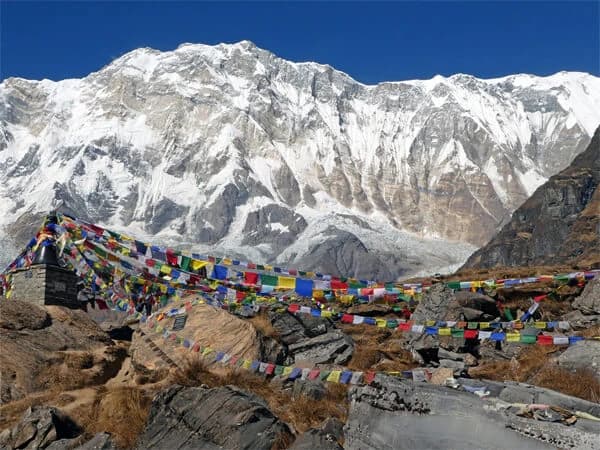
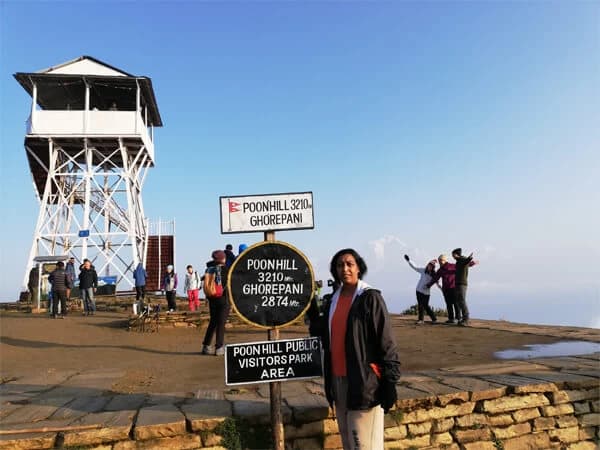
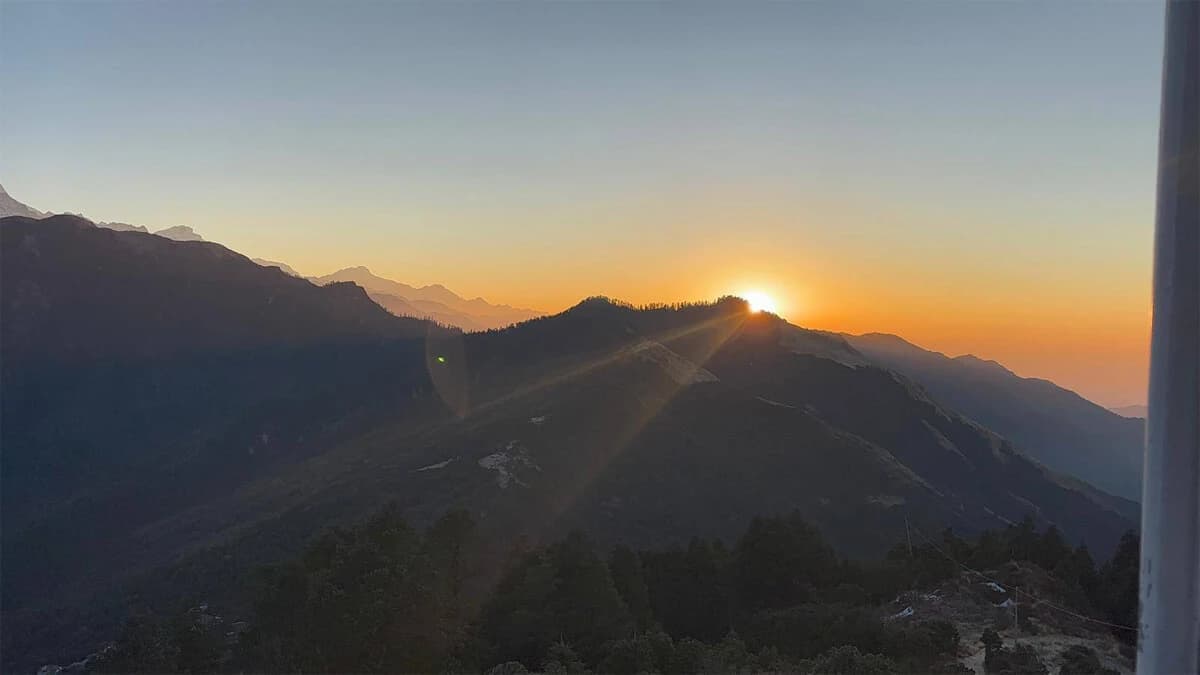
A major highlight Ghandruk trek route is the hike to Poon Hill, especially at sunrise. As the first light touches the mountains, peaks like Annapurna South, Machhapuchhre, Dhaulagiri, Nilgiri, and Hiunchuli slowly glow in shades of gold and orange. It is one of those moments that stays with you. That is why the Ghandruk Circuit Trekking in Nepal is often chosen by first-time trekkers, families, and travelers with limited time.
When is the Best Time to Trek Ghorepani Ghandruk?
If you’re wondering when the best time to do the Ghorepani Ghandruk Trek is, the simple answer is spring and autumn. These two seasons offer the kind of trekking experience most people hope for, clear mountain views, comfortable weather, and trails that are pleasant to walk on. Of course, the trek is open in other seasons too, but spring and autumn are when this route really feels at its best.
Ghorepani Ghandruk Trek in Spring Season (March to May)
Spring has a way of making this trek feel fresh and full of life. The forests along the trail start bursting with rhododendron flowers, filling the hills with red, pink, and white colors. Some sections of the walk feel almost storybook-like, especially when you’re surrounded by blooming trees, cool mountain air, and quiet trails stretching through the hills.
The weather is another reason people love trekking in spring season. Days are usually warm enough for comfortable walking, not too hot, not too cold, just that nice balance where trekking feels enjoyable. Early mornings and nights can still be chilly, especially in places like Ghorepani, but nothing a warm jacket can’t handle.
And then there are the views. On clear spring mornings, mountains like Annapurna South, Machhapuchhre, and Dhaulagiri stand bright against the sky, looking close enough to keep your camera busy the whole trek. Add blooming forests and fresh air into the mix, and spring becomes a pretty hard season to beat.
Ghorepani Ghandruk Trek in Autumn Season (September to November)
Autumn feels calm, fresh, and incredibly clear, which is why many trekkers consider it the best season for trekking in Nepal. After the monsoon ends, the air feels fresh, the skies become clearer, and the mountain views open up beautifully. The weather is so calm and clear that you’ll often stop for a moment just to admire the Himalayas around you.
The trails in autumn are usually dry and comfortable, which makes the climb much easier, especially on those famous stone stair sections. The daytime weather is pleasant for hiking, while mornings and evenings feel cool enough to remind you that you’re in the mountains.
Autumn also brings a peaceful charm to the trail. Villages feel lively, teahouses are warm and welcoming, and sunrise from Poon Hill often becomes the highlight of the whole trip. Watching the first light hit Annapurna and Dhaulagiri on a clear autumn morning is one of those simple moments that quietly stays with you long after the trek is over.
Things That Can Be Challenging in Spring and Autumn Season
Even though spring and autumn are the best seasons for the Ghorepani Ghandruk Trek, that does not mean the trail is completely without challenges. Every trek has its little ups and downs, and knowing what to expect beforehand simply makes the journey easier and more enjoyable.
One thing many trekkers quickly notice is the endless stone steps. The Ghorepani trekking route is famous for its uphill climbs, especially sections with long staircases that can leave your legs feeling the burn. It is not technical trekking, but it can be physically tiring, especially if you are not used to walking uphill for hours. Taking your time, walking at a steady pace, and resting when needed makes a big difference.
Another thing to prepare for is changing temperatures throughout the day. Mornings, especially before sunrise hikes to Poon Hill, can feel quite cold, and evenings in places like Ghorepani also get chilly. But once the sun is out, the weather can turn pleasantly warm, sometimes even hot while climbing uphill. That mix of cold mornings and warm afternoons means wearing layers is the best way to stay comfortable.
In spring, while the weather is generally pleasant, there can sometimes be light rain or hazy afternoons, especially toward late May as pre-monsoon weather starts building. In autumn, skies are usually clearer, but this is also the busiest Nepal trekking season, so trails can feel more crowded, and popular teahouses may fill up quickly during peak weeks.
One small challenge people often overlook is the early morning climb to Poon Hill. Waking up before dawn and hiking uphill in the cold can feel tough, especially after a long trekking day before. But once you reach the viewpoint and watch the sunrise over the mountains, most people forget how sleepy they were.
What is the Off-Season Like on the Ghorepani Ghandruk Trek?
While spring and autumn are usually the favorite seasons for the Ghorepani Ghandruk Trekking in Nepal, that does not mean the trail closes off during the rest of the year. In fact, trekking in off-season can feel very different, quieter trails, fewer people, and a whole new side of the landscape. Of course, it comes with a few challenges too, but for some trekkers, that is part of the fun.
Ghorepani Ghandruk Trek in Monsoon Season (June to August)
Monsoon changes the Ghorepani Ghandruk trail completely. The hills turn deeply green, forests feel fresh and alive, and the whole route looks washed clean by rain. Terraced fields glow in bright shades of green, waterfalls become fuller, and mist drifting through the hills gives the trail a calm, dreamy feel. If you enjoy nature at its richest, monsoon has its own charm.
But trekking during this season is not always easy. Rain can make the stone steps and forest trails slippery, so careful walking becomes important. Leeches can also be common in lower forest sections, especially after heavy rainfall, which is something many trekkers are not excited about. Mountain views can be hit or miss too, some mornings may be beautifully clear, while other days clouds may hide the peaks completely.
The upside is that the trails are usually much quieter. Teahouses feel peaceful, villages move at a slower pace, and you get a more relaxed trekking experience without the usual crowds.
Ghorepani Ghandruk Trek in Winter Season (December to February)
Winter brings a quieter and colder side of the Ghorepani Ghandruk Trek. Mornings are crisp, nights can get properly cold, and in some higher sections around Ghorepani and Poon Hill, you may even find frost or light snow covering the trail. The forests look still and peaceful, and on clear days, the mountain views can be incredibly sharp and beautiful.
One of the best things about winter trekking in Nepal is the clear sky. The air often feels fresh and clean, and peaks like Annapurna South, Machhapuchhre, and Dhaulagiri stand out beautifully against bright blue skies. Sunrise views from Poon Hill in winter can be especially stunning.
The main challenge is the cold. Early morning hikes can feel freezing, and if there is snow or ice on the trail, some sections may become slippery. Warm clothing becomes essential, especially at night. Days are also shorter, so trekking hours feel a little tighter.
Still, for those who enjoy peaceful trails, crisp mountain air, and a calm winter atmosphere, the Ghorepani Ghandruk Trek in winter can be a beautiful experience in its own way.
Weather and Climate for the Ghorepani Ghandruk Trek
The weather on the Nepal Ghorepani Ghandruk Trek is generally more comfortable compared to Nepal’s high-altitude remote treks, but that does not mean it stays the same throughout the journey. Since the trail moves through different elevations, from warm lower villages to cooler mountain ridges, the climate changes as you go higher. One day you might be walking in a light T-shirt under warm sunshine, and the next morning you could be pulling on gloves and a jacket for a chilly sunrise hike to Poon Hill.
Lower sections of the trek, especially around villages and terraced hillsides, usually feel mild and pleasant. As you climb higher toward Ghorepani, the air becomes cooler and fresher, and mornings and evenings can feel quite cold, especially during autumn and winter. The higher you go, the more noticeable the temperature drop becomes, which is why packing layers always makes trekking easier.
Why Weather Matters for Annapurna Sunrise View Trekking Trail?
Weather can shape your whole experience on the Ghorepani Ghandruk Hiking route. On clear days, the trek feels open and rewarding, mountain views stretch far into the distance, forests look bright and lively, and sunrise from Poon Hill becomes one of those moments you quietly remember for a long time. Good weather also makes walking easier, especially on the many stone stair sections and forest trails.
But mountain weather can change quickly. Clouds can roll in during the afternoon, rain can make trails slippery, and cold winds at higher points can make temperatures feel much lower than expected. Sometimes the mountains may stay hidden behind mist or cloud, especially during monsoon or changing weather days. That is why timing and preparation matter, even on a shorter trek like this one.
Prepare for Sudden Weather Changes
One thing about trekking in the hills of Nepal, weather does what it wants. A bright sunny morning can slowly turn cloudy by afternoon, and cool mountain winds can appear when you least expect them. That is just part of being in the mountains.
Carrying a few essentials makes a big difference, warm layers, a waterproof jacket, comfortable trekking shoes, and a hat for both sun and cold. Dressing in layers works best because temperatures can shift throughout the day. Starting your walks early is also a smart move, especially if you want clear views before afternoon clouds begin building.
With a little preparation, changing weather becomes less of a problem and more of a part of the mountain experience. And honestly, sometimes a little mist in the forest or cool mountain breeze adds its own kind of beauty to the Ghorepani Ghandruk Trek.
Does Cost Change Depending on the Season for the Ghorepani Ghandruk Trek?
Yes, the season you choose can affect the overall cost of Ghorepani Ghandruk Trekking in Nepal, though not in a huge way like some remote Himalayan treks. Still, timing can make a difference in what you spend on accommodation, transportation, guides, and even the kind of gear you may need to bring.
During spring (March to May) and autumn (September to November), which are the busiest trekking seasons, prices can be slightly higher because more people are on the trail. Popular teahouses in places like Ghorepani often fill up quickly, transportation routes get busier, and hiring guides or porters may cost a little more because demand is high. If you are trekking during peak weeks, especially around festivals or holidays, booking early is always a good idea.
That said, many trekkers still choose these months because the extra cost usually feels worth it. Clear mountain views, pleasant weather, and better trail conditions often make the whole experience smoother and more enjoyable. In short, you may spend a little more, but you usually get the best trekking conditions in return.
During the off-season, like monsoon or winter, costs can sometimes be lower. Teahouses may be quieter, some accommodations may offer better rates, and trails are far less crowded. For budget travelers, this can be appealing.
But lower cost does not always mean cheaper overall. In monsoon, you may need quality rain gear, waterproof bags, and proper trekking shoes for slippery trails. In winter, warm clothing becomes essential, and if snow falls, extra gear may be needed for comfort and safety. Those added preparations can balance out some of the money saved.
At the end of the day, it comes down to what matters most to you. If you want comfortable weather, clear views, and an easier trekking experience, spending a little more during spring or autumn is often worth it. If you prefer quieter trails and are happy to work around weather challenges, trekking in the off-season can save money and offer a more peaceful experience. The best choice is finding the balance between your budget, comfort, and the kind of trekking experience you want.
Month-by-Month Breakdown of the Best Time to Trek the Ghorepani Ghandruk Route
Ghorepani Ghandruk Trek in March
March is when the Ghorepani Ghandruk Trek slowly wakes up after winter. The air is still a bit cold, especially early in the morning, and you might still feel a winter chill in the higher parts of the trail. But the atmosphere is calm, and the route is far less crowded. It’s a good time if you like quiet walking, soft sunlight, and a peaceful start to the trekking season.
Ghorepani Ghandruk Trek in April
April is when everything starts to feel balanced. The weather becomes more stable, the days get warmer, and the forests begin to show their color again. Rhododendrons start blooming, especially around Ghorepani, turning the hills into shades of red and pink. The mountain views also become clearer, making this one of the most pleasant months for trekking.
Ghorepani Ghandruk Trek in May
May feels warm, lively, and full of energy. The trails are in good condition, and trekking feels easier compared to early spring. The landscapes are green, the forests are thick, and mornings usually give you clear mountain views. Later in the day, clouds can build up, but early starts often reward you with the best scenery.
Ghorepani Ghandruk Trek in June to August (Monsoon Season)
This is the rainy season, so the experience changes a lot. The hills turn deep green, forests feel fresh, and waterfalls become stronger and more active. But rain is frequent, and trails can get slippery, especially in forested sections. Mountain views are not always guaranteed, as clouds often cover the peaks. On the bright side, the trail is quiet, and you’ll meet fewer trekkers along the way.
Ghorepani Ghandruk Trek in September
September is the turning point. The rain slowly stops, skies begin to clear, and the trails start drying up. Everything feels fresh after the monsoon, and the mountains gradually come back into view. It’s a smooth transition month, good for those who want decent weather before the peak season rush.
Ghorepani Ghandruk Trek in October
October is the most popular month for the Ghorepani Ghandruk Trek. The skies are usually crystal clear, the weather is stable, and the mountain views are at their best. Sunrises from Poon Hill feel especially magical during this time. The trail is busier, but the experience is at its peak in terms of scenery and conditions.
Ghorepani Ghandruk Trek in November
November still offers great trekking conditions, but with fewer crowds compared to October. The air becomes cooler, especially in the mornings and evenings, but the skies remain clear. It’s a great month if you want good views without the peak-season rush, along with a calmer trail experience.
Ghorepani Ghandruk Trek in December to February (Winter Season)
Winter brings a quiet and cold version of the trek. The trails are peaceful, and on clear days, the mountain views are sharp and beautiful. However, temperatures drop significantly, especially at night and early mornings. Some higher sections can feel freezing, and early hikes require proper warm clothing. It’s less crowded and more peaceful, but also more demanding in terms of weather.
Day vs Night Temperature Experience
One thing that often catches trekkers off guard on the Ghorepani Ghandruk Trek is how quickly the temperature changes between day and night. During the day, especially in spring and autumn, the weather usually feels very comfortable. While walking through forests, villages, and uphill stone steps, the sun can feel warm enough that you’ll often remove a layer or two. It’s that kind of weather where trekking feels easy and enjoyable.
But once the sun starts dropping behind the hills, everything changes fast. The air gets cooler within a short time, and by evening, especially in places like Ghorepani, the temperature can feel quite cold. Early mornings before sunrise hikes to Poon Hill are usually the coldest part of the day. You might find yourself pulling on jackets, gloves, and anything warm you packed just to step outside.
This day-to-night shift is a normal part of trekking in the Himalayas. The trick is simple: light, breathable clothes for walking during the day, and warm layers ready for mornings and evenings. Once you get used to it, it becomes part of the rhythm of the trek, warm sun during the walk, and cool mountain air when you rest.
How Busy the Trail Gets Throughout the Year?
One thing people love about the Ghorepani Ghandruk Trek is that it has a nice balance when it comes to crowds. It is a popular route, yes, but it does not always feel packed or overwhelming. Some months are definitely busier than others, and the time you choose can really shape how social or peaceful your trekking experience feels.
During spring (March to May) and autumn (September to November), the trail is at its liveliest. These are the best trekking months, so naturally more hikers make their way to Ghorepani, Poon Hill, and Ghandruk. Teahouses feel warm and full of energy, dining halls are often buzzing in the evenings, and it is common to meet trekkers from different parts of the world sharing stories over dinner. The trail has a cheerful atmosphere, and for many people, that social side adds to the experience.
If you trek during summer or winter, things slow down a lot. The route feels quieter, villages are more peaceful, and there are long stretches where it is just you, the sound of birds, and the steady rhythm of your footsteps on the trail. Teahouses are calmer, viewpoints feel less crowded, and the whole journey takes on a more personal feel. It is the kind of trekking experience where you can really soak in the surroundings without much distraction.
That said, crowd levels on this trek are never extreme compared to some of Nepal’s bigger trekking routes. Even in peak season, there are still quiet corners, peaceful forest paths, and moments when it feels like the mountains are all yours. It really comes down to what kind of experience you want, lively trails with friendly faces, or quiet paths with a little more solitude.
What Should You Pack for the Ghorepani Ghandruk Trek?
Since the route passes through forest trails, stone staircases, village paths, and higher viewpoints, comfort matters just as much as warmth. A good pair of trekking shoes, a few reliable layers, and protection from rain or sun can make the whole experience smoother and far more enjoyable.
Packing for Spring (March to May)
Spring is one of the easiest and most comfortable seasons for this trek. Days are usually pleasant, but mornings and evenings still carry a cool mountain chill.
Clothes to Carry
- Light trekking clothes for daytime walking
- Warm fleece or hoodie for cooler hours
- Down jacket for mornings and nights
- Waterproof jacket in case of rain
- Comfortable trekking pants
Important Essentials
- Trekking boots with good grip
- Extra socks
- Sunglasses and sunscreen
- Light gloves and warm cap
- Reusable water bottle
Useful Extras
- Trekking poles for uphill and downhill sections
- Snacks for the trail
- Small backpack with rain cover
- Power bank for charging devices
Packing for Autumn (September to November)
Autumn brings clear skies, dry trails, and some of the best mountain views of the year. The weather stays stable, but mornings near Ghorepani can still feel cold.
Clothes to Carry
Breathable trekking layers
- Warm mid-layer or fleece
- Insulated jacket for evenings
- Windproof outer layer
- Thermal layer for colder mornings
Important Essentials
- Comfortable trekking shoes or boots
- Warm hat and gloves
- Sunglasses with UV protection
- Buff or scarf for chilly air
Useful Extras
- Headlamp for the early Poon Hill sunrise hike
- Lip balm and moisturizer
- Trekking poles
- Energy snacks or chocolate bars
Packing for Winter (December to February)
Winter trekking feels peaceful and quiet, but the cold becomes much more noticeable, especially early in the morning and after sunset.
Clothes to Carry
- Thick down jacket
- Thermal inner layers
- Heavy fleece or wool layer
- Waterproof and windproof jacket
- Warm trekking pants
Important Essentials
- Waterproof trekking boots
- Thick wool socks
- Warm gloves and wool hat
- Neck warmer or scarf
- Sunglasses for bright winter sun
Useful Extras
- Hand warmers
- Warm sleeping bag if needed
- Moisturizer and lip balm for dry weather
- Extra battery or power bank
Packing for Monsoon (June to August)
Monsoon changes the trail completely. Forests become greener, waterfalls grow stronger, and rain becomes part of the journey. Staying dry becomes the main priority.
Clothes to Carry
- Waterproof rain jacket
- Quick-dry trekking clothes
- Light warm layer for evenings
- Extra dry clothes
Important Essentials
- Waterproof trekking boots
- Extra socks
- Gaiters for muddy trails
- Hat or cap
Useful Extras
- Backpack rain cover
- Dry bags for electronics and clothes
- Trekking poles for slippery sections
- Insect repellent
Conclusion: Best Season for Ghorepani Ghandruk Trek
At the end of the day, there is no single “perfect” time for everyone to do the Ghorepani Ghandruk Trek. It really depends on the kind of experience you want from the journey. Some people love the colorful forests and fresh atmosphere of spring, while others wait for the crystal-clear mountain views and calm weather that autumn brings. Then there are trekkers who enjoy the quietness of winter or the peaceful green landscapes of monsoon, even with the extra challenges those seasons can bring.


.webp&w=1200&q=75&dpl=dpl_4U3CaZUV3Y5iKdBNPJmVMATJy3AB)