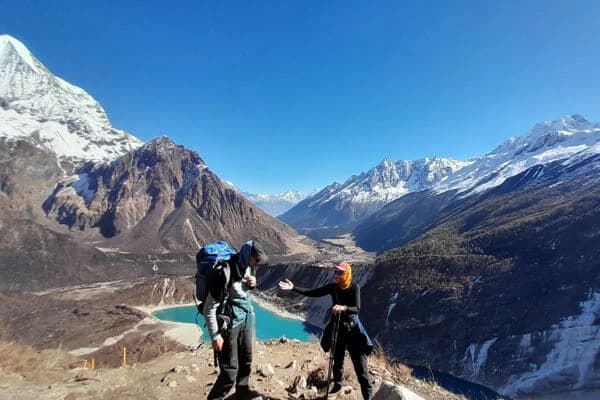
Okay, so the Nar Phu Valley Trek is on your bucket list, right? But before you pack your bags, there’s one big question that comes to your mind, “When is the best time to go?” And honestly, timing matters more than you might think. Why? Because this isn’t just a simple trek. It’s a remote Himalayan adventure where the weather, trail conditions, and your entire experience can change dramatically depending on the season.
Picking the right season can mean the difference between trekking under clear blue skies with breathtaking views or slogging through cold winds, slippery trails, and clouds that hide the mountains you came to see. Beyond weather, timing also affects how crowded or peaceful the trails feel.
And don’t forget, timing affects more than just views and crowds. It also impacts everything from permit costs and availability to how warm your layers need to be. Planning ahead, knowing what each season brings, and packing smart can turn this challenging trek into one of the most memorable adventures of your life.
Nar Phu Valley Trek Profile
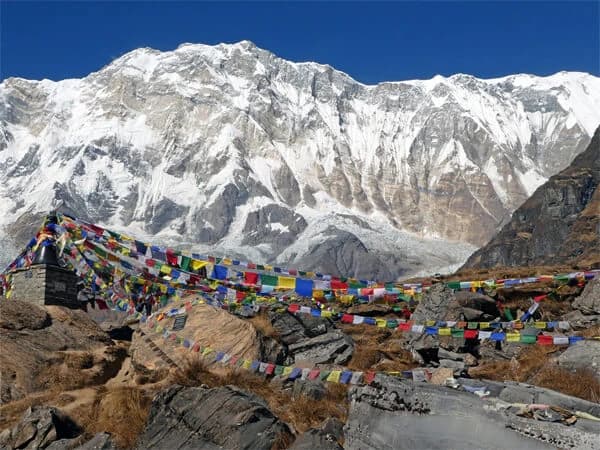
Nestled in the northern part of the Annapurna region, this trek takes you through two remote villages, Nar and Phu, that were only opened to foreigners in 2003. Ancient Tibetan-style villages, prayer flags fluttering in the wind, and the kind of quiet that makes you feel miles away from the modern world.
The trek is perfect for those looking for a mix of culture, adventure, and jaw-dropping scenery without the crowds of Annapurna Base Camp or Everest. You’ll hike through rugged trails, cross high mountain passes, and get close-up views of towering peaks like Annapurna II, Lamjung Himal, and Gangapurna.
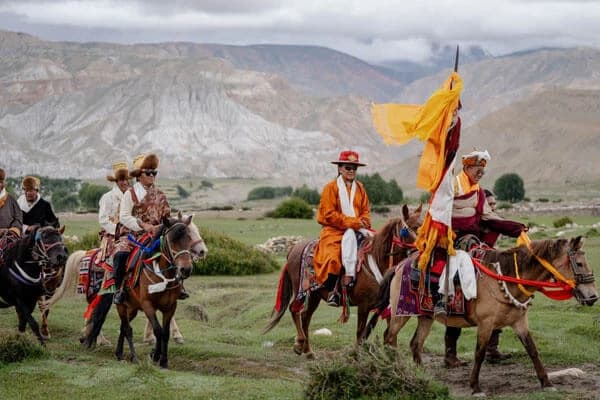
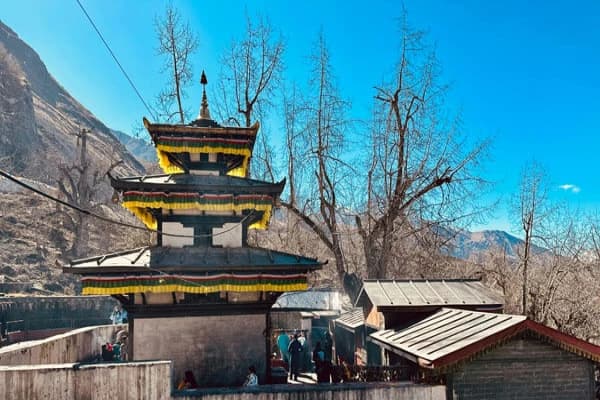
Along the way, you’ll experience the unique culture of the Nar and Phu people, whose traditions and lifestyles have remained largely unchanged for centuries. Expect warm hospitality, yak caravans, mani walls, and ancient monasteries that give you a peek into a simpler way of life.
This trek isn’t exactly easy, the altitude and remote terrain require some preparation but the reward is pure magic. For trekkers craving solitude, breathtaking landscapes, and an authentic Himalayan experience, Nar Phu Valley is a hidden gem that’s hard to beat.
Best Seasons To Travel The Narphu Valley Trek
Among all four seasons, autumn and spring are by far the best times to trek Nar Phu Valley. These seasons are the perfect mix of weather, scenery, and trekking conditions for a truly unforgettable Himalayan experience.
Nar Phu Valley Trek in Spring Season (March to May)
Spring is one of the most enchanting seasons to explore the remote Nar Phu Valley. After the long winter, the valley awakens with vivid rhododendron blooms, painting the rugged Himalayan landscape with bright pinks, reds, and whites. Walking through the narrow trails and terraced fields, you’ll notice how the entire valley seems alive, from the fluttering prayer flags to the sparkling streams that flow from melting snow. This is the time when nature feels most vibrant, giving trekkers a sense of connection to the untouched beauty of this hidden region.
During spring, the trails in Nar Phu are mostly clear of deep snow, making trekking relatively easier compared to winter. Daytime temperatures are mild and comfortable, ideal for long hikes, although nights at higher altitudes can still feel cold, especially in the villages of Nar and Phu. This makes layering essential: you’ll enjoy warm mornings and afternoons on the trail while needing extra insulation for evening rest in the high-altitude teahouses.
One of the biggest advantages of trekking Nar Phu in spring is the excellent visibility. Clear skies allow panoramic views of towering peaks like Annapurna II, Gangapurna, and Lamjung Himal, creating countless photo opportunities along the way. The combination of blooming valleys, crisp air, and dramatic Himalayan backdrops makes spring a magical time to trek Nar Phu, offering a balance of comfortable weather, vibrant landscapes, and unforgettable vistas that few other seasons can match.
Nar Phu Valley Trek in Autumn Season (September to November)
Autumn is widely regarded as the peak trekking season for the Nar Phu Valley, and for good reason. After the monsoon rains, the skies clear, and the valley is bathed in crisp, clean air, revealing breathtaking Himalayan vistas at every turn. The mountains appear sharper and more dramatic than in any other season, giving trekkers an unmatched opportunity to soak in views of Annapurna II, Gangapurna, Lamjung Himal, and the surrounding peaks. This is the season when photographers and nature lovers feel truly rewarded.
The trails during autumn are firm and dry, which makes trekking across rugged terrain and high passes safer and more comfortable. Unlike spring, there are fewer patches of melting snow or muddy stretches, so hikers can maintain a steady pace without worrying about slippery conditions. The pleasant daytime temperatures make long treks enjoyable, while evenings bring cooler but manageable nights in the high-altitude villages of Nar and Phu.
One of the highlights ofautumn trekking in Nar Phu is the clarity of the air, which enhances every panoramic view and allows for spectacular sunrises and sunsets over the peaks. While spring dazzles with vibrant flowers and a lively atmosphere, autumn impresses with serene landscapes, crisp light, and stable weather, making it perfect for those seeking both adventure and tranquility. Overall, autumn offers a near-perfect combination of clear skies, dry trails, and dramatic mountain scenery, making it the ideal season for most trekkers visiting this hidden Himalayan gem.
Challenges You Might Face During Spring and Autumn Season
While spring and autumn are considered the best seasons for the Nar Phu Valley Trek, they still come with a few challenges. Even during these ideal months, it’s important to be prepared for some difficulties along the way.
One of the main challenges is altitude. Nar and Phu villages sit above 4,000 meters, so the risk of altitude sickness is always present, no matter the season. Even with clear skies and good weather, your body still needs time to adjust, making proper acclimatization essential. Another thing to consider is the temperature difference. Days can feel warm and comfortable while trekking, but nights especially at higher elevations can drop significantly. This sudden change means you’ll need proper layering and warm gear to stay comfortable.
In spring, you might still come across patches of snow on higher trails, especially early in the season, which can make certain sections slightly slippery. During autumn, although the weather is stable, it’s also the peak trekking season, so you may encounter more trekkers on the trail and busier teahouses compared to quieter months. Weather can also be a bit unpredictable at high altitudes. Even in the best seasons, sudden winds or brief changes in conditions can occur, so it’s always good to stay flexible with your itinerary.
Overall, these challenges are manageable with good preparation, proper gear, and a steady pace. With the right mindset, trekking Nar Phu Valley in spring or autumn remains an incredibly rewarding and memorable experience.
Off-Season for Narphu Valley Trek
Even though the Nar Phu Valley Trek is best in spring and autumn, it can still be done during the off-seasons like monsoon or winter. These seasons come with a few extra challenges, but they come with a unique experience for adventurous trekkers.
Nar Phu Valley Trek in Monsoon Season (June to August)
Monsoon in Nar Phu Valley is quite unique compared to other parts of Nepal because the region lies in a rain-shadow area, meaning it receives much less rainfall than the lower valleys. While you might still encounter occasional showers and overcast skies, the trails remain generally trek-able. The monsoon transforms the valley into a lush green paradise, with terraced fields, streams, and meadows looking more vibrant than ever.
One of the advantages of trekking during monsoon is the solitude of fewer trekkers means you can enjoy the serene villages of Nar and Phu almost to yourself. The weather can be unpredictable, though, so it’s important to be prepared for sudden showers and slightly slippery trails. Despite the challenges, monsoon trekking offers a peaceful and intimate connection with the remote Himalayan landscape.
Nar Phu Valley Trek in Winter Season (December to February)
Winter in Nar Phu Valley brings a completely different experience. The higher trails and villages like Nar and Phu are often covered in snow, giving the entire region a serene, whitewashed look. The skies are usually clear, offering stunning, crisp views of Annapurna II, Gangapurna, and Lamjung Himal, but the extreme cold and icy trails make trekking more demanding.
Daytime temperatures are cold but manageable with proper layers, while nights can be extremely freezing, especially at higher altitudes. Shorter daylight hours also mean less time for long hikes each day. Winter trekking is only recommended for experienced adventurers with good gear, but it rewards you with dramatic scenery, quiet trails, and a true sense of remoteness that few get to experience.
Overview of Weather and Climate for Nar Phu Valley Trek
The weather in the Nar Phu Valley is quite unique compared to other trekking regions in Nepal. It is located in the rain shadow of the Annapurna range, the valley receives much less rainfall which makes it drier and more stable throughout the year. This creates rugged, almost desert-like landscapes at higher altitudes, with clear skies being a common feature especially during the main trekking seasons.
Since the trek takes you from around 2,000 meters to over 5,000 meters, the climate changes noticeably with altitude. Lower areas can feel relatively mild and pleasant, while higher regions like Nar and Phu villages are much colder, especially at night. One important thing to expect is the big temperature difference between day and night. You might hike comfortably in the sun during the day, but temperatures can drop below freezing after sunset.
Why Does Weather Matters on the Trail?
Weather in Nar Phu Valley can completely shape your trekking experience. On a sunny day, the trails feel easy, the valleys look vibrant, and every step brings a new Himalayan panorama. But higher up, near Nar, Phu, conditions can shift quickly. Strong winds, sudden clouds, or light snow can make even short sections challenging. Your pace, energy, and even how much you enjoy the scenery all depend on how the weather behaves.
In Nar Phu, the mountains quietly set the rules you follow, or you respect the consequences. By anticipating weather shifts, you not only protect yourself from risks like hypothermia or altitude fatigue but also ensure that the moments you spend in the valley are truly memorable.
Prepare for Sudden Weather Changes
Conditions in Nar Phu Valley can change in a moment. One moment you’re hiking under bright sunlight, the next clouds sweep across the peaks, bringing cold winds or even a sprinkle of snow. Staying prepared is essential. Warm layers, waterproof jackets, gloves, and hats are must-haves, even in spring or autumn. Starting early, paying attention to weather signs, and adjusting your plan when needed helps you stay safe. With the right preparation, you can fully enjoy the remote villages, quiet trails, and breathtaking mountain views that make Nar Phu Valley so special.
Do Cost Affects the Seasons for Nar Phu Valley?
Yes, cost does play a role in choosing when to trek Nar Phu Valley, and it’s more than just ticket prices. The peak seasons like Spring and Autumn provide the most stable weather, clear skies and ideal Nepal trekking conditions. But because these months are popular among trekkers, flights to Jomsom, accommodation in teahouses, guides and porters often cost more. Permits may also be in higher demand and overall, trekking in these months requires a slightly bigger budget.
But, the off-seasons tend to be less crowded. Flights, teahouses and even guides may be cheaper which gives budget-conscious trekkers an opportunity to save money. However, this comes with trade-offs. Monsoon can bring occasional rain and slippery trails, while winter has snow, icy paths, and extremely cold temperatures at higher altitudes. The off-season may require more specialized gear such as thermal layers, waterproof boots, or even crampons, which can offset some of the savings.
Ultimately, the season you pick influences both your trekking experience and your wallet. If your priority is safer trails, stunning views, and comfortable trekking, it’s worth paying a little extra in spring or autumn. But if you're looking for solitude and cost-savings and prepare for the harsh weather conditions, then off-season can be rewarding too. In Nar Phu Valley, balancing cost with comfort and safety is key to planning the perfect trek.
Month by Month Breakdown of the Best Time to Trek
March -This is when Nar Phu Valley slowly starts waking up from winter. The air still has a chill, especially in the mornings, and you might come across a few leftover snow patches on higher trails. But the good part? It’s quiet. Really quiet. You’ll feel like you have the valley almost to yourself, walking through peaceful villages and open landscapes just beginning to come alive again.
April - You can feel the difference as Spring properly arrives. The weather becomes more stable, days are pleasantly warm, and the trails are in much better condition. You’ll start seeing more life along the way greenery, blooming rhododendrons, and locals getting back into their daily routines. The mountain views are clearer, and everything feels balanced, not too cold, not too warm.
May - This is one of those months where everything feels just right. Days are warmer, trekking feels easier, and the valley looks vibrant and alive. You might notice clouds forming later in the day, sometimes hiding the peaks for a while, but mornings are usually clear and rewarding. It’s a great time for those who want a comfortable trekking experience with beautiful scenery.
June to August - Monsoon season arrives, but Nar Phu Valley behaves a little differently thanks to its rain-shadow location. You won’t get heavy rainfall like other parts of Nepal, but clouds, humidity, and occasional showers can still show up. Trails can be a bit slippery in lower sections, and mountain views may come and go. On the plus side, the landscape turns greener, and the trails are much quieter, perfect if you enjoy a more raw and less crowded experience.
September - This is the transition month, where things start improving again. The monsoon begins to fade, the skies slowly clear, and the mountains come back into view. The trails dry up, and trekking becomes more comfortable. It’s a great time if you want good weather without jumping straight into the busy peak season.
October - Easily the highlight of the year. The skies are crystal clear, the air feels fresh, and the mountains look sharper than ever. Trails are dry, weather is stable, and every viewpoint feels like a postcard moment. Yes, it’s the busiest time, but it never feels overwhelming in Nar Phu due to its remote nature. Everything just aligns perfectly this month.
November - The crowds begin to thin out, but the beauty remains the same. The weather stays mostly clear, though temperatures start dropping, especially at night. Trekking feels calm and relaxed, with fewer people on the trail. It’s a great choice if you want a quieter experience while still enjoying excellent views.
December to February - Winter transforms Nar Phu Valley into a cold, quiet world. Snow covers the higher trails, and temperatures can drop well below freezing, especially at night. Days are often clear, offering stunning views, but the cold can be intense, and trekking becomes more physically demanding. This season is best for experienced trekkers who are well-prepared and don’t mind trading comfort for solitude and dramatic winter scenery.
Day Vs Night Temperature Experience
One thing that often surprises trekkers in Nar Phu Valley is how different the temperature feels between day and night. During the day, especially in spring and autumn, the sun can feel warm and pleasant while you’re walking. You might even find yourself removing a layer as you hike through open valleys and along rocky trails. It feels comfortable, almost perfect for trekking.
But as soon as the sun starts to dip behind the mountains, everything changes quickly. The temperature drops fast, especially in higher villages like Nar and Phu. Evenings and nights can get really cold, often going below freezing. That cozy teahouse suddenly becomes your favorite place, and you’ll be glad you packed that extra jacket, gloves, and warm socks.
This big shift between day and night is just part of the Himalayan experience. The key is layering, wear light, breathable clothes during the day and switch to warmer layers as soon as it gets cold. Once you get used to it, it actually becomes part of the adventure, feeling the warmth of the sun by day and the crisp mountain chill at night.
Crowd Levels Throughout the Year
One of the best things about the Nar Phu Valley trekking in Nepal is that it never feels overly crowded, no matter when you go. Compared to popular routes like Annapurna Base Camp or Everest Base Camp Trekking, this trail stays relatively quiet. But still, the number of trekkers does change depending on the season.
During spring (March to May) and autumn (September to November), you’ll notice more people on the trail. These are the peak trekking seasons, so you’ll come across other groups, especially in the lower sections and popular stop points. Teahouses can feel a bit busier, and you might share dining spaces with fellow trekkers swapping stories from the trail. Still, it never gets overwhelming, and the remote nature of Nar Phu keeps the experience peaceful.
In the off-seasons, monsoon and winter, the valley becomes incredibly quiet. Some days, you might walk for hours without seeing another trekker. Villages like Nar and Phu feel even more remote, and the silence of the mountains really stands out. This is perfect if you’re looking for solitude and a deeper connection with nature, but it also means fewer facilities and a need to be more self-prepared.
What About the Nar Phu Valley Permits?
Along with time, there’s one most important thing you need to sort out, permits. Nar Phu Valley isn’t your typical trekking route. It’s a restricted area, which means you can’t just walk in freely like other popular trekking trails in Nepal. A bit of paperwork is part of the adventure here. In simple terms, permits for Nar Phu Valley are not just a formality, they’re what keep the region protected, organized.
First, you’ll need the Restricted Area Permit (RAP), which is the main one. The Nar Phu valley trekking permit is what actually allows you to enter the villages of Nar and Phu. The cost depends on the season around USD 100 per week in autumn (September to November) and about USD 75-80 per week during the rest of the year. If your trek goes longer, you’ll need to pay extra per day.
Then comes the Annapurna Conservation Area Permit (ACAP). Since Nar Phu lies inside the Annapurna region, this permit is mandatory. It usually costs around NPR 3,000 (about USD 25-30) and helps support conservation and local communities.
You may also need a TIMS card (Trekkers’ Information Management System), depending on your route and current regulations. It’s mainly for safety and tracking trekkers along the trail.
Now here’s the important part, you cannot get these permits on your own. Because Nar Phu is restricted, permits must be arranged through a registered trekking agency, and you’re required to trek with a licensed trekking guide. This might sound like a hassle, but honestly, it makes the whole journey smoother, especially in such a remote region.
Seasonal Packing Tips for Nar Phu Valley
Packing list for Nar Phu Valley isn’t just about throwing warm clothes into your bag, it’s about understanding how the seasons shape your experience on the trail. Since the weather changes not only by season but also by altitude, packing smart can make a huge difference in how comfortable and safe your trek feels.
Spring and Autumn
These are the most comfortable seasons for trekking in Nepal, but don’t let that fool you. Days can feel warm while walking under the sun, but mornings and nights especially in higher villages like Nar and Phu can get quite cold. The best approach here is layering. Start with light, breathable base layers for daytime hiking, add a fleece or light jacket for cooler moments, and keep a down jacket ready for evenings. This way, you can easily adjust as temperatures shift throughout the day without feeling too hot or too cold.
Winter
Winter trekking in Nar Phu is a completely different experience, and your packing needs to reflect that. Temperatures can drop well below freezing, especially at night, so proper insulation becomes essential. Thick down jackets, thermal innerwear, insulated gloves, wool socks, and a warm hat are not optional, they’re necessary. You’ll also want good-quality sleeping gear if you’re sensitive to cold. The goal here is simple: stay warm at all times, especially when you’re not moving.
Monsoon
Even though Nar Phu lies in a rain-shadow area, monsoon still brings occasional rain, clouds, and damp conditions, especially at lower elevations. Waterproof jackets, rain covers for your backpack, and quick-drying clothes become your best friends. Trails can get slightly muddy or slippery, so good trekking shoes with grip are important too. Packing light but smart is key here gear that dries quickly and protects you from unexpected showers will make your trek much more comfortable.
Conclusion
Choosing the best time for the Nar Phu Valley Trekking in Nepal is about more than just picking a season, it’s about shaping your entire Himalayan experience. Spring and autumn clearly stand out for their stable weather, vibrant landscapes, and ideal trekking conditions, offering a mix of breathtaking views, comfortable temperatures, and peaceful trails. Winter and monsoon, while more challenging, provide a unique sense of solitude, dramatic scenery, and a chance to experience this hidden gem in a completely different light.
Ultimately, the best season depends on what you value most: clear skies and vibrant scenery, quiet trails and off-season adventure, or the thrill of trekking through snow-covered paths. Pairing your timing with proper preparation, smart packing, and a licensed guide ensures that your journey through Nar and Phu villages becomes a safe, comfortable, and unforgettable trekking adventure in Nepal. No matter when you go, this remote Himalayan trek promises memories that will stay with you long after the last prayer flag flutters in the wind.


.webp&w=1200&q=75&dpl=dpl_4U3CaZUV3Y5iKdBNPJmVMATJy3AB)