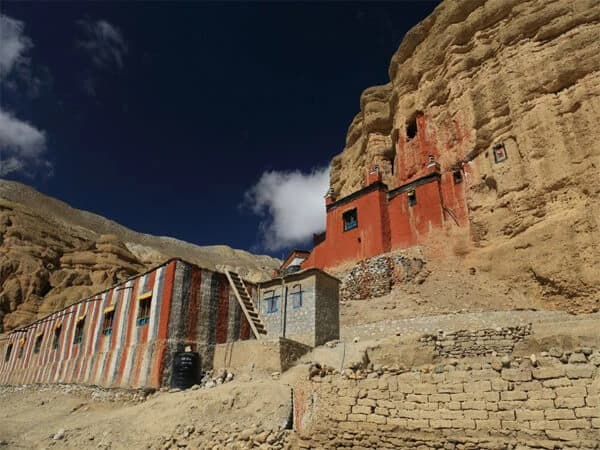
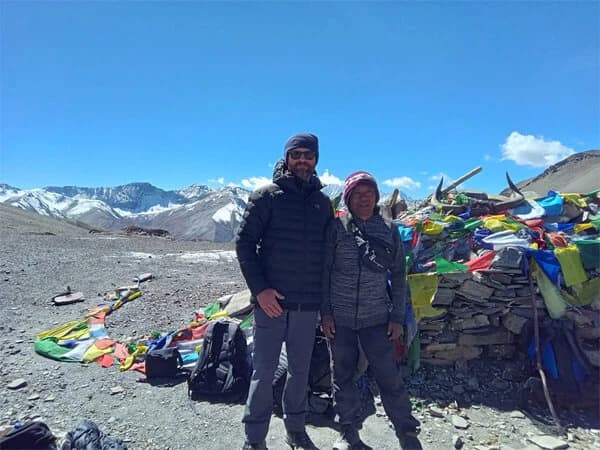
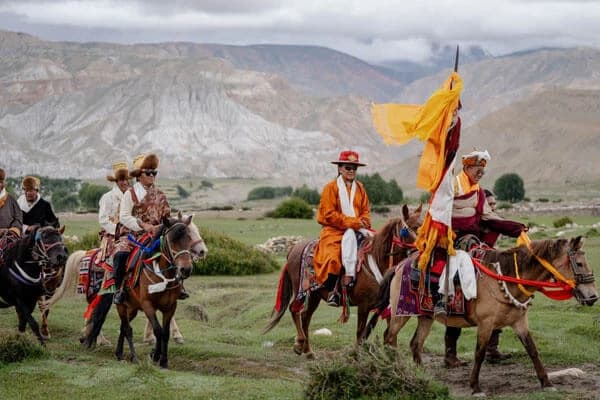
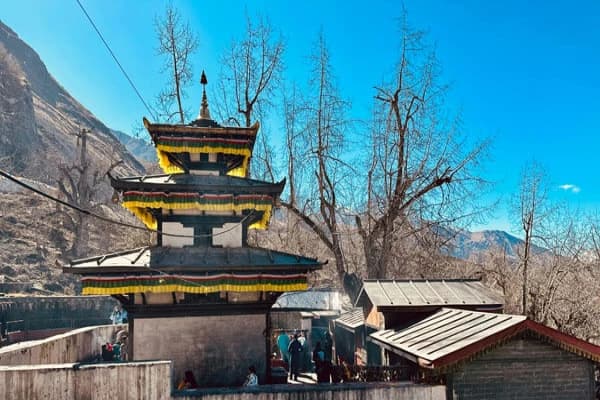
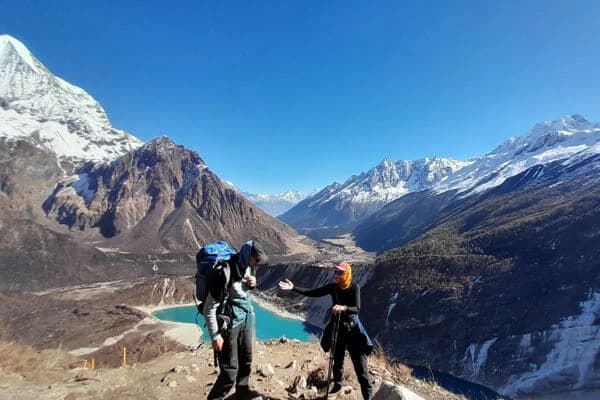
You might have heard oftrekking in Nepal and thought, “I want to explore the hidden gems that only few people have visited.” Well, that’s exactly what restricted region trekking is all about. These aren’t the usual crowded trails with teahouses on every corner, these treks take you through secret valleys, ancient villages, and landscapes that feel almost untouched by time.
But here’s the catch, you can’t just decide and show up. The Nepalese government has rules in place, and you need special permits for these treks. Over the years, the rules for these special zones have been updated, and the policies have recently changed.
If you’ve ever dreamed of wandering through the mysterious desert-like landscapes of Upper Mustang or exploring the remote peaks of Dolpo, understanding the new permit rules is the first step.
Don’t worry, we’ve got you covered. In this post, we’ll break everything down in a simple, no-nonsense way so that by the end, you’ll know exactly what you need to plan your adventure and make sure your trek goes smoothly.
Nepal Government’s Latest Permit Policy (2026 Update)
In 2026, Nepal Government updated the trekking permits policy in restricted areas to make things a bit more flexible and better for both tourists and local communities. One of the biggest updates is that solo foreign trekkers can now apply for restricted area permits on their own, without the old requirement of being part of a group or at least two people. This change aims to attract more solo trekkers and boost tourism after many requests from travel businesses and trekkers themselves.
These kinds of policy changes show the government is trying to balance protecting fragile cultures and environment while also keeping trekking accessible and sustainable. For trekkers, this means more freedom in planning, potentially lower upfront costs and smoother permit processing but you still need to go through a registered trekking agency or licensed guide and follow all local rules to enter these special zones.
Why are Government Permit Policies so Important?
When it comes torestricted area trekking in Nepal, the government’s permit policies play a huge role in keeping treks safe, sustainable and respectful. For anyone planning a trek in Nepal, understanding the Nepal trekking permit rules and the restricted area trekking policy isn’t optional, it’s essential.
Ensuring Environmental Conservation
First and foremost, these policies help to ensure environment conservation. Many restricted areas are fragile ecosystems with rare wildlife, high-altitude lakes and alpine forests that can easily be damaged by unchecked tourism. By regulating the number of trekkers and requiring permits, the government helps protect these landscapes for future generations.
Protecting Local Communities and Culture
Another key reason is protecting local communities and culture. Regions like Upper Mustang, Dolpo and Limi Valley are home to unique societies with traditions that have been preserved for centuries. Permit policies help limit overcrowding, ensure trekkers follow local customs and provide economic benefits directly to these communities without harming their way of life.
Safety and Emergency Management in Remote Areas
Finally, safety and emergency management is a major factor. Restricted areas are often remote, with challenging terrain and limited access to medical help. By requiring permits, authorities know who is trekking where, which helps in case of emergencies and ensures that trekkers are following proper guidelines.
Step-by-Step Guide to Obtaining a Restricted Area Permit
If you’re planning restricted area trekking in Nepal, getting the proper permit is the first step to making your adventure smooth and hassle-free. Here’s a simple step-by-step guide to help you understand the process and avoid common delays.
Prepare All the Required Documents
Before starting your application, make sure you have everything ready. The most important document is your passport, which should be valid for at least six months from your travel date. You’ll also need a valid Nepal visa, which you can easily get on arrival at the airport or apply for online in advance.
Another key requirement is a detailed trek itinerary. This should include your trekking route, entry and exit points, number of days, and overnight stops. Since restricted areas are closely monitored, having a clear plan is essential.
In some cases, you may also be asked for:
- Travel insurance (especially forhigh-altitude trekking)
- A letter or booking confirmation from a registered trekking agency
- Guide details, as many restricted areas require a licensed guide
Apply Through the Right Channel
Unlike regular trekking permits, restricted area permits are usually not issued directly to individual trekkers at the counter. In most cases, you’ll need to apply through a government-registered trekking agency in Nepal. The agency will handle the paperwork, submit your documents, and coordinate with the immigration or tourism office on your behalf. This is especially helpful if you’re unfamiliar with local procedures. Some permit systems are gradually becoming digital, allowing partial or full online applications, but for restricted areas, agencies are still the most reliable and commonly used option.
Pay the Permit Fees
Once your application is submitted and approved, you’ll need to pay the restricted area permit fees which depends on:
- The trekking region (some areas are more expensive than others)
- The number of days you’ll spend there
- Your nationality (SAARC vs. non-SAARC countries)
After payment, you’ll receive your permit, either as a physical document or an official copy handled by your agency. Make sure to keep it safe, as you’ll need to show it at various checkpoints during your trek.
Final Checks Before Your Trek
Before heading out, double-check everything:
- Your permit details (name, dates, route)
- Your passport and visa copies
- Your guide and agency arrangements
Even small mistakes, like wrong dates or route mismatches, can create problems at checkpoints, so it’s worth reviewing everything carefully.
Getting a permit might feel like extra stress, but it's an important part of responsible trekking in Nepal. Once it’s sorted, you’re free to explore some of the most remote and beautiful places in the Himalayas. Understanding how to get a trekking permit in Nepal and following this trekking permit guide will help you focus less on paperwork and more on the adventure ahead.
How Much Does a Restricted Area Permit Cost?
When it comes to restricted area trekking in Nepal, permit costs can vary quite a bit depending on where you’re going. These areas are special, so the fees are generally higher than regular trekking permits but that’s also what helps protect them.
Fees by Region
When it comes to restricted area trekking in Nepal, permit fees are not the same everywhere. Each region has its own pricing system based on factors like remoteness, cultural sensitivity, and level of protection required. Generally, the more remote and less accessible the area is, the higher the permit cost tends to be.
- Upper Mustang: The permit system for Upper Mustang has shifted from a fixed fee to a daily rate. Instead of the old USD 500 for the first 10 days, trekkers now pay around USD 50 per person per day. This change makes the trek more flexible, as you only pay for the number of days you actually spend in the region. It’s especially helpful for those who want a shorter or more customized itinerary while still exploring this unique, culturally rich area.
- Upper Dolpo: Considered one of the most remote trekking regions in Nepal, Upper Dolpo also has a permit fee of around USD 500 for 10 days, with extra charges for additional days. Its isolation, limited infrastructure, and untouched natural beauty make it one of the most expensive but also one of the most rewarding treks.
- Manaslu Restricted Zone: Compared to Mustang and Dolpo, Manaslu is relatively more affordable. The permit usually costs around USD 100 per week, but this can vary depending on the season (spring and autumn may have slightly different rates). Despite the lower cost, it still offers incredible mountain views and a rich cultural experience.
- Kanchenjunga and Other Restricted Areas: Regions like Kanchenjunga, Limi Valley, and Lumba Sumba Pass generally have lower permit fees, but they still require special permits due to their remote location and cultural importance. These areas are less commercialized, which means fewer crowds and a more raw trekking experience.
Differences by Nationality
When planning restricted area trekking in Nepal, it’s important to understand that permit costs are not the same for everyone. The pricing structure is usually based on nationality, and this helps balance tourism while still encouraging regional visitors.
- Nepali Citizens: In most cases, Nepali citizens don’t need restricted area permits in the same way foreign trekkers do. However, they may still need to follow certain local regulations or obtain basic entry permissions depending on the region.
- SAARC Nationals: Trekkers from SAARC countries (like India, Bhutan, Bangladesh, Sri Lanka, etc.) often benefit from slightly reduced permit fees compared to other international visitors. This is part of regional cooperation to promote tourism within South Asia.
- Non-SAARC Trekkers: Visitors from countries outside the SAARC region usually pay the full permit fees, which are the highest. These fees contribute to conservation efforts, infrastructure development, and support for local communities in remote areas.
Group vs. Individual Rates
In the past, restricted area trekking in Nepal came with a strict rule, you had to be in a group of at least two trekkers to get a permit. This made it difficult for solo travelers who preferred independent adventures.
However, with recent updates in permit policies, solo trekkers may now be allowed in certain restricted areas, making it easier for individuals to explore these remote regions. This change has opened the door for more flexible travel planning and has been especially welcomed by independent travelers.
That said, even with this flexibility, there are still a few important things to keep in mind:
- Permit fees are usually charged per person, not per group
- You are still required to go through a registered trekking agency
- In many areas, hiring a licensed guide remains mandatory
How long does it take and how long is it valid?
When planning a restricted area trek in Nepal, understanding the permit processing time and validity is just as important as choosing your route. Since these areas are closely regulated, everything is tied to your itinerary, so a little planning goes a long way.
Permit Processing Time
Getting a restricted area permit is usually a smooth process, especially if you apply through a registered trekking agency. If all your documents are complete and accurate, the permit is typically issued within 1 to 3 working days.
However, there are a few factors that can affect this timeline:
- Peak trekking seasons (spring and autumn): Higher demand can sometimes slow down processing
- Public holidays or office closures: Government offices may not operate on certain days
- Incomplete or incorrect documents: Missing details in your passport, visa, or itinerary can cause delays
Because of this, it’s always a good idea to apply at least a few days in advance. This gives you enough buffer time in case anything needs to be corrected and helps you avoid last-minute stress before your trek begins.
Validity and Extensions
Restricted area permits in Nepal are issued based on your approved trekking itinerary, which means they are valid only for a specific number of days and a fixed route. From the moment you enter the restricted area, your permit days start counting, and you are expected to enter and exit within the approved timeframe.
It’s important to stick to your schedule because:
- You’ll need to show your permit at multiple checkpoints along the trail
- Authorities track your movement for safety and monitoring purposes
If you feel like you might need extra time whether due to weather conditions, altitude issues, or simply wanting to explore more you can apply for a permit extension. This usually involves:
- Paying additional daily fees
- Getting approval through your trekking agency or the relevant office
- Updating your itinerary officially
Keep in mind that extensions are not always guaranteed instantly, especially in very remote regions, so it’s better to plan a realistic itinerary from the start.
Overstaying your permit without approval can lead to fines, penalties, or complications during your trek or when exiting the region. So it’s always best to stay within your permitted duration or extend it properly if needed.
Conclusion: Nepal’s Restricted Area Trekking: Latest Government Permit Policy Review
Nepal’s restricted area trekking is one of the most unique ways to explore the Himalayas, and understanding the latest government permit policies is the key to making your adventure smooth and hassle-free. With the 2026 updates, solo trekkers now have more flexibility, and the process of getting permits has become clearer and easier for everyone.
So, if you’ve been dreaming of trekking in Nepal’s hidden corners, knowing the permit rules, fees, and regulations is your first step. Plan carefully, get the right permits, and you’re ready to enjoy a trulyoff-the-beaten-path adventure in some of the most breathtaking landscapes in the world.