Okay, listen. Forget everything you think trekking in Nepal is. The Cultural Manaslu Trek is not about showing off how many mountains you can climb or taking the perfect Instagram shot. It’s more like accidentally walking into a place where life forgot to get complicated.
You’ll walk into villages with tiny stone houses where the air smells like smoke and fresh bread, kids run around laughing at absolutely nothing, and somehow it all feels… alive. Not staged, not fancy, just real life doing its thing in the middle of the mountains.
When we talk about cultural insights, we really mean seeing how people live every day. You will watch farmers working in the fields by hand. You will see monks quietly spinning prayer wheels. Kids will play with sticks and stones like it is the most fun thing in the world. Every small moment tells a story about life in these mountains. You do not need to visit a fancy temple to feel the culture. It is everywhere, in every village, every street, and every person you meet.
Not everyone does the full Manaslu Circuit. Some trekkers go only to the base camp. Some explore the Tsum Valley. But no matter which path you take, the life you see is real. You can sit in a small stone house, sip butter tea, and watch the mountains while villagers go about their day. Life here is simple but strong. People depend on their families, their animals, and their traditions. That is what makes it authentic.
In this guide, we will take you through hidden villages most people never see. We will show you traditions that are still alive today. We will share small moments that might make you laugh, smile, or just feel amazed. By the end, you will understand why the Manaslu Cultural Trekkingis so special. Though words are not enough, we will still try to bring a little piece of Manaslu right to your screen, through this blog.
Yeah, Culture Is Great, But Where Exactly Is the Manaslu Trek?
Manaslu is the eighth highest mountain in the world at 8,163 meters, and it’s located in the Gorkha district of west central Nepal, right near the Tibet border. The trek goes through the Manaslu Conservation Area, which means you need a permit to enter, so it’s not exactly your backyard hike.
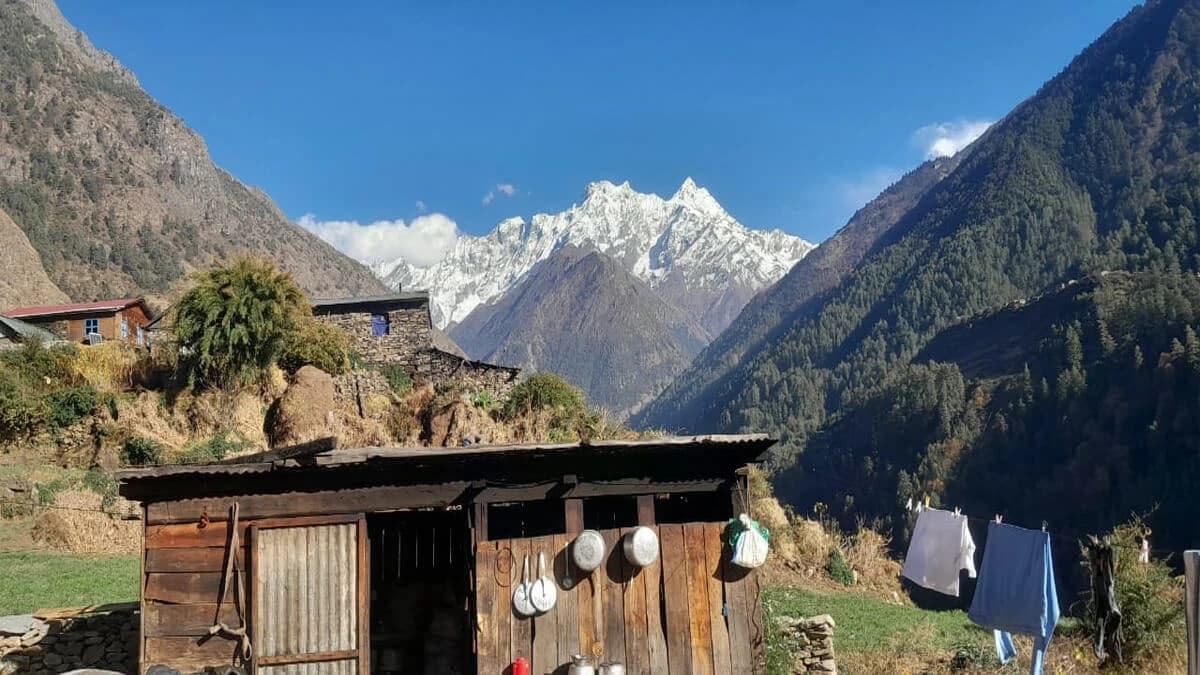
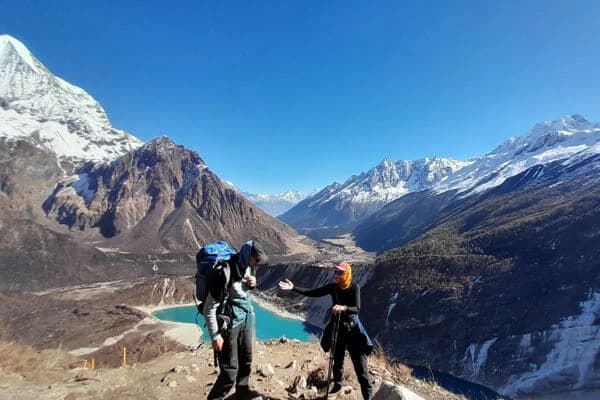
Along the trail, you pass tiny villages where people are busy with their daily routines, cross rivers, and climb high passes. Most of these villages haven’t changed much for decades, so you get to see real life in the mountains. This trek is all about mountains and culture, and the best part is that you don’t run into crowds like on other popular Cultural Manaslu treks.
Why Trek Manaslu in 2026: Culture Beyond the Mountains
The Manaslu Trek is not just another trekking route in Nepal. Unlike Everest or Annapurna, it is a trek where culture matters just as much as the mountains. Along the way, you don’t just see beautiful landscapes, you get to step into the daily lives of people who have been living here for generations. Villages like Samagaun, Deng, and Lho are full of stories, prayer flags, small monasteries, and friendly locals who might invite you in for tea or a bowl of steaming thukpa.
Trekking to Manaslu in 2026 is a great time because the trail is easier to access, but it still feels quiet and untouched. You can enjoy authentic local food, watch festivals, see traditional homes, and experience the real Nepalese village life without the crowds. Besides the tall mountains of the Manaslu region, this trek is also about discovering hidden villages, local culture, and the kind of traditions you won’t find in guidebooks.
Ethnic Communities and Local life of the Manaslu Region
The high valleys of Manaslu are mostly home to Nubri people and other Tibetan-influenced communities. Their language, festivals, and houses are closely tied to Tibetan Buddhist traditions, so everywhere you look there are prayer flags, small monasteries tucked into the hills, and locals going about their day much like they have for generations.
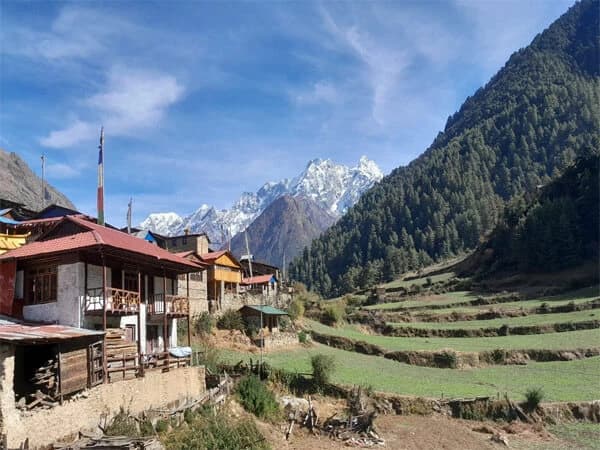
Lower down, near villages like Jagat, you’ll also meet Gurung, Tamang, and other Nepalese communities. These villages blend Tibetan Buddhist traditions with more typical Nepalese ways of life. Every village has its own personality. Samagaun is lively, with stone houses and colorful prayer flags everywhere. Deng is calmer, with families working in the fields and kids running around like they own the place. Lho is quiet and peaceful, perfect for just sitting back and soaking in the mountains. Sho is tiny, almost like it barely exists on the map.
Life here is simple but full of character. People grow barley, potatoes, and buckwheat, raise yaks and goats, and cook meals like dal bhat and thukpa over wood fires. Butter tea might taste strange at first, but you’ll probably get hooked. Festivals like Lhosar, Mani Rimdu, and harvest celebrations fill the villages with music, dancing, and bursts of color. Monks chanting in small monasteries give the mountains a calm, peaceful soundtrack.
Hidden Villages You’ll Fall in Love With on the Manaslu Trek
Besides mountains, the real adventure in the Manaslu region in 2026 begins in the hidden villages, where local life feels completely authentic and untouched by modern tourism (yes, even during this time). These villages are full of traditional Nepalese and Tibetan culture and offer a look into how people have lived here for generations.
- Jagat is the first village where the Manaslu Hiking starts to show its cultural side. Stone and wooden houses line the streets, smoke rises from kitchens, and villagers go about their daily life with effortless rhythm. You might even see domesticated animals crossing the path as if they own the place, and honestly they probably do.
- Deng is a quiet village surrounded by various terraced fields. Kids race past each other, families tend to work on barley and potato fields, and mani wheels spin outside the houses. Experiencing local life in the Manaslu region here is peaceful and real. If a villager offers butter tea, accept it. It tastes unusual at first but quickly becomes addictive.
- Namrung sits high on the hillside with mind boggling views of the valley. The houses are packed together to protect against the wind and snow, and villagers move through daily life with focus and calm that is inspiring.
- Sho is small but unforgettable. Mani walls, prayer flags, and Tibetan style houses line the narrow streets. Spending time here shows how even the tiniest villages in the Manaslu region carry centuries old traditions.
- Lho highlights the Tibetan Buddhist culture of the area. Monasteries, mani wheels, and carved wooden houses make the village feel spiritual and peaceful. Trying to spin a mani wheel like a local is tricky, and kids will probably laugh at your efforts.
- Samagaun is larger and lively, almost like the social hub of the Manaslu Trek. Guesthouses, small shops, and villagers in traditional dress make it a vibrant place to rest. Side hikes to Birendra Lake or Pungyen Gompa offer even more chances to see authentic Nepalese culture and stunning mountain views.
- Samdo is the last major village before the Larkya La Pass. Stone houses, grazing yaks, and sharp mountain air make it feel remote but alive. Spending time here shows how villagers survive in one of Nepal’s most remote regions while keeping their traditions alive.
Walking through these villages is the best way to experience cultural trekking in Nepal. Each village has its own personality, making the Manaslu Trek a truly unforgettable adventure in Nepal.
Major Festivals and Traditions that Bring Villages Alive on the Manaslu Trek
Some of the most memorable moments in the Manaslu circuit trek happen when the villages come alive with festivals and traditions that have been celebrated for hundreds of years. Seeing these gives you a real sense of local life in Manaslu.
The biggest festival you might encounter is Lhosar, the Tibetan New Year, usually in February or March. Villagers clean and decorate their homes, hang colorful prayer flags, and wear traditional clothes. There is singing, dancing, and lots of food. Even if you do not understand the songs, the joy is infectious.
Another key festival is Buddha Jayanti in April or May, celebrating the birth of Lord Buddha. Monks chant in monasteries, light butter lamps, and perform rituals that show how deeply spirituality is part of daily life.
In September and October, villages celebrate Dashain and Tihar, national Hindu festivals. Even small villages join in with music, dances, and local food. Families come together to celebrate the harvest, and you might stumble into a feast or watch kids playing traditional games.
These festivals are not just for tourists. Children learn dances, monks chant, and families share food and stories just like they have for generations. Being in a village during a festival makes the Manaslu Circuit Trekking feel alive.
You might fumble your greetings or dance awkwardly, but you are part of the celebration. So if you get a chance to celebrate these festivals, do not hesitate and join the party to fully understand the region and its cultural significance with Nepalese hospitality.
Manaslu Region Cuisine: Taste the Traditional Foods Along the Manaslu Trek
Walking through the villages of the Manaslu Region, you quickly realize the food tells the story of the people. Here are some list of food you'll commonly find while you trek through the Manaslu region.
Dal Bhat: The Ultimate Energy Fuel
This rice and lentil combo powers trekkers through long mountain days. Honestly, it might be the secret reason locals never need a gym.
Dhido and Gundruk: What Are These?
At first, you might raise an eyebrow. Locals swear by them, and after a bite, you will see why. It is comfort food with a Himalayan twist.
Momo: Tiny Dumplings, Big Happiness
Vegetable or meat filled, these little guys could probably solve world peace if everyone shared one.
Butter Tea: The Salty Hug
Warm, slightly salty, and addictive, it feels like a hug in a cup and is perfect for freezing mornings.
Yak Cheese and Barley Beer: High Altitude Snacks
Yak cheese is a local favorite in the Manaslu Region. It is rich, slightly tangy, and often eaten in soups, stews, or as a snack to keep energy up during long days. The first bite might surprise you, but it quickly grows on you.
Barley beer is mildly alcoholic, slightly sweet, and earthy. Locals share it during festivals or after a hard day’s work. Sitting in a tiny teahouse with a warm cup makes you feel part of the community and gives a taste of the Manaslu Region you cannot get anywhere else.
Village Arts and Crafts on the Manaslu Trek
In the villages of the Manaslu Region trekking, you can see amazing craftsmanship everywhere. Women weave colorful woolen fabrics that tell stories of their families and village life. The patterns are meaningful and often represent luck or protection.
Wood carvings decorate doors and monasteries with intricate details that make you stop and stare. Metalwork and handmade jewelry are common too, often used in festivals or kept as keepsakes.
Many of these skills are passed down through generations. Visiting a small workshop or home gives a chance to watch someone at work and even try a few techniques yourself. It is a simple way to connect with the local culture and see that the Manaslu Trek is about more than just mountains.
Local Language and Village Stories on the Manaslu Trek
As you walk through the Manaslu Region, you start to notice that the language changes as you go higher. Nepali is commonly spoken, especially in teahouses, so getting by is not too hard. In the lower villages, you might hear Tamang, while in the higher areas people speak Tibetan influenced dialects like Nubri.
You probably will not understand most of it, and that is okay. A simple “namaste” and a smile go a long way. Somehow, even without words, people make you feel welcome.
One of the best moments on the Manaslu Trek is sitting in a small teahouse in the evening. People talk, laugh, and share stories. You just sit there, listen, and take it all in. It feels real and unfiltered.
If you are lucky, someone might share a story about the mountains or life in the village. The way they talk about the mountains, with respect and belief, makes you see the place differently.
You might not understand the language, but you understand the feeling. And that is what stays with you long after the trek is over.
Monasteries Along the Manaslu Trek
In the Manaslu Region and nearby valleys, monasteries are not big tourist stops but real living places where monks and villagers come together every day. They show how Buddhism is woven into everyday life here, not separate from it.
Mu Gompa
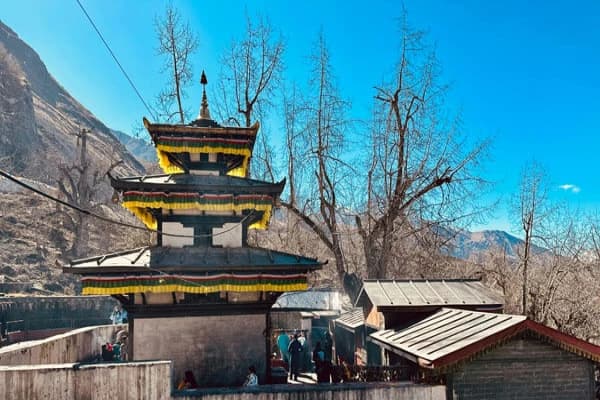
Mu Gompa is in the Tsum Valley and is a great place to pause for a few minutes. Monks chant while villagers stop by to pray. Watching them go about their day makes you slow down without even trying. If you happen to glance around, the view of the mountains feels like a free bonus.
Rachen Gompa
Rachen Gompa is a little deeper in the Tsum Valley. It is simple, with monks doing their daily routines and villagers visiting to pray. Being there makes you notice how much the mountains shape life here. You start to understand why patience and calm seem natural in this place.
Pungyen Gompa
Pungyen Gompa is just above Samagaun village and is one of the more visited monasteries, but it never feels crowded. Villagers spin prayer wheels, monks chant, and the whole place has this energy that makes you forget you’ve been hiking for hours. Even your legs might relax for a second, which is kind of miraculous when you think about it.
Ribung Monastery
Ribung Monastery is above Lho village and has a lively feel. Monks chant, villagers come to pray, and the prayer wheels spin in the wind. It’s not fancy, but it leaves an impression. You can see how daily life and faith go hand in hand, and you might find yourself smiling while trying to catch your breath from the hike.
Serang Gompa
Serang Gompa sits above Bihi village at about 3,100 meters. Not many trekkers stop here, which makes it feel peaceful and special. Monks and nuns live and study here, and local children come to learn Buddhist teachings alongside regular school subjects. Walking up through forests and streams with curious goats watching your every move feels like a small adventure before you even reach the monastery.
Almost every monastery has prayer flags fluttering in the wind. Blue is sky, white is air, red is fire, green is water, and yellow is earth. Locals believe the wind carries their prayers and blessings across the mountains. Mani stones carved with prayers line the trails, and walking around them is said to bring good luck. Don’t worry if you stumble a little, locals do too.
Traditional Clothing and What It Tells About Culture
On the Manaslu Treks in Nepal, the way people dress tells you a lot about their culture and daily life. Men usually wear a long wool robe called a chuba over a shirt, and sometimes a vest. Many wear wool hats or traditional caps that can show which village they come from.
Women wear a long wool skirt, often paired with a pangden, a striped apron that married women wear. They add a blouse, jacket, and a khata, a colorful scarf used for daily life and special ceremonies. During festivals like Lhosar, the clothing becomes brighter with embroidery and silver jewelry, making the villages feel alive and colorful.
The clothes are practical too. Thick wool wraps, yak hair hats, and sturdy boots help people stay warm in the high mountains. Children wear smaller versions of these outfits, showing how traditions are passed naturally from one generation to the next. Seeing them might even make you wish you had one of those after a long day on the trail.
Religion and Spiritual Life on the Manaslu Trek
Up in the Manaslu region, spirituality is not something you go looking for. It just kind of finds you while you are walking, breathing hard, and wondering why you packed so many unnecessary snacks.
It is just… normal here
In the higher villages, Tibetan Buddhism is part of everyday routine. No one is stopping to explain it or make it into a big moment.
You might see someone spinning a prayer wheel with one hand while chatting with a friend, or quietly saying a prayer and then getting right back to whatever they were doing. It is all very low key.
At first you notice it. Then after a while you kind of stop noticing. Then it hits you again that it is happening everywhere.
The small things you pick up on
You will pass Mani walls with carved stones along the trail. The basic rule is to keep them on your right. Simple… unless you are distracted or slightly out of breath, which is most of the time.
There are also Chortens and prayer flags in places that actually feel intentional, not random. Nobody points them out, but you start to get a sense that they matter.
What it actually feels like
Nothing is being put on for visitors. That is probably why it sticks with you. Somewhere along the way, without really deciding to, you slow down a bit. Not in a deep, life-changing way. Just… a little less rushed, a little quieter in your head.
You are still going to struggle on uphill sections though. No spiritual shortcut for that, unfortunately.
Why it matters
For anyone looking for a genuine Manaslu trek cultural experience, this side of the journey matters just as much as the scenery. It adds depth to the trek without needing attention or explanation.
Once you notice it, the whole experience feels more real and a lot more memorable.
Cultural Etiquettes Trekkers Should Know Before the Manaslu Trek
Below are some helpful points to give you a better idea of the villages, the people, and how to enjoy the Manaslu region respectfully.
- Greet locals with Namaste or Tashi Delek. It feels a little awkward at first, but trust us, the smiles and sometimes a short chat you get in return make it worth it.
- Dress modestly in villages and near religious sites. Cover shoulders and knees. It shows respect and keeps interactions smooth.
- Always ask before taking photos. Most people are friendly, but giving a quick nod or smile first avoids awkward moments. Sometimes kids will wave at you excitedly, and that’s the perfect moment to snap a photo with permission.
- Don’t touch prayer flags, Mani walls, chortens, or other sacred objects unless invited. These are meaningful, not decoration. Accidentally spinning a prayer wheel the wrong way is one of those “oops” moments you’ll laugh about later.
- Keep your voice down and move slowly through villages. Pausing to watch a kid carrying firewood, smell fresh yak butter tea, or see a yak stubbornly blocking the path is way more interesting than rushing ahead.
- Give space to children and animals. Yaks, goats, and dogs wander freely, and they do not care about your schedule.
- Respect festivals and local traditions. Watch quietly or join only if invited. Sometimes you’ll arrive just as a drum or chant starts, and standing quietly to watch is better.
- Support local businesses politely and help keep the environment clean. Buy tea or snacks from teahouses, smile, say thank you, and carry your trash to the next stop. Even small gestures are noticed and appreciated.
- Learn a few local words. Even a simple Tashi Delek or “thank you” makes people light up. Saying it at the right moment can turn a passing greeting into a small connection that sticks with you.
Best Season for the Manaslu Cultural Trek
Manaslu changes with every season, and so do the villages and the people. Each time of year gives a new chance to see how locals live, celebrate, and go about their day. Here’s what you can expect in spring, summer, autumn, and winter.
Manaslu Cultural Trek in Spring Season
Spring, from March to May, is a lively time to visit the Manaslu region. Villages wake up after winter, fields turn green, and flowers appear along the trails. Locals begin farming, feeding animals, and preparing for festivals. You might see villagers performing small rituals to bless the fields, children playing outside, or families inviting trekkers for tea. This season gives a clear view of village life in the Manaslu region and local traditions.
Manaslu Cultural Trek in Autumn Season
Autumn, from September to November, is the main season for trekking in Manaslu. Farmers finish their harvests, prepare traditional foods, and celebrate seasonal festivals. Trekkers can witness locals gathering for meals, performing music or dance, or sharing stories by the fire. This season shows Manaslu trek culture in full swing, with daily routines and traditions happening together.
Manaslu Cultural Trek in Winter Season
Winter, from December to February, covers villages and trails with snow. People continue daily routines like chopping firewood, tending animals, and cooking meals. You may be invited to join a family meal, watch monks performing morning prayers in gompas, or see locals repairing homes. It is a good time to observe the traditional rhythms of village life.
Manaslu Cultural Trek in Summer Season
Summer, from June to August, brings green valleys and rainfall. Villagers manage livestock and fields during the monsoon. Cultural encounters include helping with small chores if invited, joining locals under teahouse porches, or observing festival preparations. This season gives a personal view of local life and customs in the Manaslu region.
The Corners Most Trekkers Miss
If you visit the Manaslu region, don’t skip the corners most trekkers never see. Tiny villages located into side valleys, little tea shops hiding behind hills, and quiet monasteries with just a handful of monks are all waiting for you. You might even meet a goat that thinks it owns the trail or a kid who insists on showing you the “best spot to throw snow.” These hidden spots let you see real village life and culture in a way most travelers miss, and they’re way more interesting than just taking selfies with mountains.
Final Thoughts
The Manaslu trekking in Nepal takes you through villages that have stayed the same for generations and lets you see how people live, work, and celebrate their traditions. You get to try local food, notice small daily routines, visit Buddhist monasteries, and experience festivals or harvests depending on the season. Greeting people with Tashi Delek and respecting their customs makes the trip even more rewarding. This trek is a chance to connect with real village life, local culture, monasteries, and the mountains around it in a way that few other trails offer.


.webp&w=1200&q=75&dpl=dpl_4U3CaZUV3Y5iKdBNPJmVMATJy3AB)