You’ve probably seen the monsoon season sitting at the very bottom of the list when you search for the best seasons to visit Nepal, almost like it is something to avoid without a second thought. Spring and autumn get all the attention, the photos, the strong opinions. Monsoon gets a short warning and a quick move on. But there must be a reason for it, isn’t there?
Most Nepal monsoon travel guide advice does not really try to convince you otherwise, and that is telling in itself. Visiting Nepal during the rainy season is not framed as a hidden opportunity or a clever travel hack. It is mostly presented as a compromise, and sometimes a risky one depending on where you plan to go. It is treated that way because Nepal's monsoon weather does not stay sturdy enough for anyone to plan around with full confidence.
If you ask us, there’s still a possibility worth talking about and a few places in Nepal do hold up surprisingly well during the monsoon season in ways that are not obvious until you are actually there, which is where the real answer to “is it worth visiting” starts to take shape.
Why Most People Don't Even Consider Nepal in Monsoon Season
The monsoon season has a branding problem in Nepal. Mention that you are thinking about visiting between June and September and there is a good chance someone will immediately tell you to wait until autumn. Travel forums say it, guidebooks say it, and even many local tourism businesses say it. After hearing the same advice repeatedly, most travelers never look into the season any further.
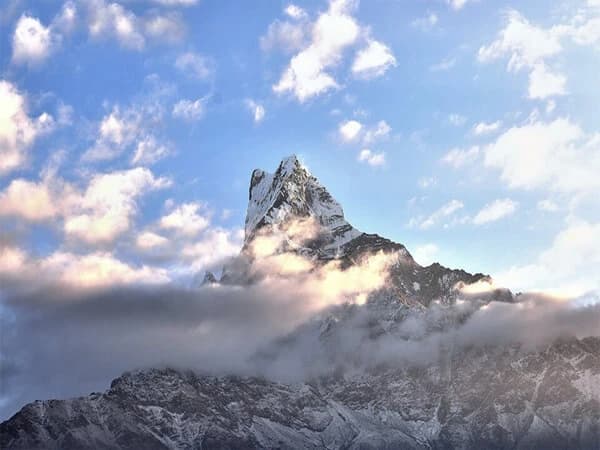
That reaction is understandable. Nepal’s biggest selling point is the Himalayas, and the monsoon is the one time of year when there is a higher chance they will be hidden behind clouds. Nobody spends thousands of dollars on an international trip hoping to catch occasional glimpses of the mountains. People want the postcard version of Nepal, and autumn has built its reputation around delivering exactly that. Faced with the choice between peak season and the rainy season, most visitors decide not to gamble.
What often gets lost in the conversation is that the monsoon is not unpopular because Nepal suddenly becomes unattractive, the main reason is that it does not match the image that most people have in their heads before they arrive. The rice terraces are greener, waterfalls are fuller, and many destinations have a peaceful environment due to the lack of crowd. Those advantages are real, but they are often overshadowed by one question that comes up at the center of almost every travel decision during the time of the year: what if the mountains never come out?
What Is The Weather Like in Nepal During The Monsoon Season?
Anyone planning a Nepal monsoon trip should know one thing from the start: the rainy season does not affect the entire country in exactly the same way. While heavy rainfall is common across much of Nepal between June and September, weather conditions can still be different.
Kathmandu during the monsoon season is a good example of that inconsistency. It is not unusual to have a normal looking morning where people are out, traffic is moving, and nothing really feels unusual, and then later in the day the sky just opens up. The rain comes down hard for a while, roads get messy, and then it clears again as if nothing happened. It is this stop and start rhythm that defines most days rather than constant rain.
However, Pokhara has a different story to tell. Clouds linger longer, and the hills around the valley disappear as it is one of the parts of Nepal that experiences the most rainfall.
Trekking in Nepal during monsoon makes the difference even more visible. Some of the trails turn very slippery or get blocked after a few days of heavy rain, while others, sometimes not too far away, are still completely fine. That is also why Nepal tourism does not really shut down in this season. People are still traveling, just making decisions day by day instead of sticking to a fixed plan.
How Monsoon Actually Affects Travel in Nepal (Flights, Roads, and Daily Movement)
Travel in Nepal during monsoon season has a way of making you rethink how useful fixed plans really are. You still move around, you still get where you are going most of the time, it just rarely happens exactly when you thought it would when you first wrote the itinerary.
Domestic flights in Nepal during monsoon are one of the first ones to make you feel that way. In places like Lukla and Pokhara, the weather decides more than the schedule does. You can sit at an airport with a confirmed booking and still end up waiting for hours because the aircraft will not fly until visibility clears.
Road travel across Nepal in the rainy season has its own version of this. A journey like Kathmandu to Pokhara is never really cancelled, but it can turn into a much longer day than expected. Rain in the hill loosens the ground, and small slides of clearing work can slow everything down along the way. Even when nothing major is happening, traffic moves slower as the conditions are not that favorable from one place to another and that is why people who have done it a few times stop trusting the distance alone and start thinking in terms of the weather.
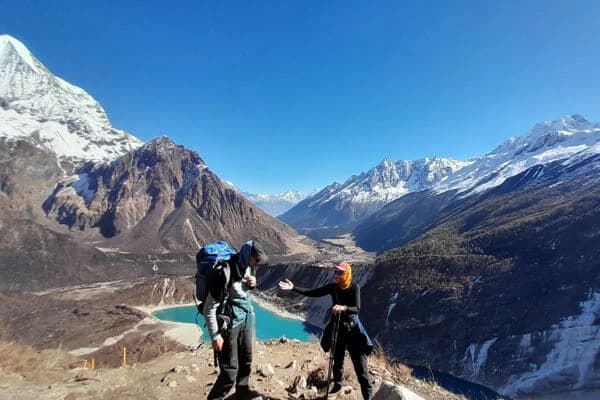
Expectations do break a bit when you think about trekking in Nepal during monsoon season. A route in Annapurna can feel completely different from another route and most of the time you have to walk through wet trails where the ground stays soft, shoes pick up mud quickly, and the view can disappear once the clouds drop low. You still keep going because the route is there, but the whole thing feels more like moving through a situation that keeps changing rather than following a clear scenic trail that people talk about.
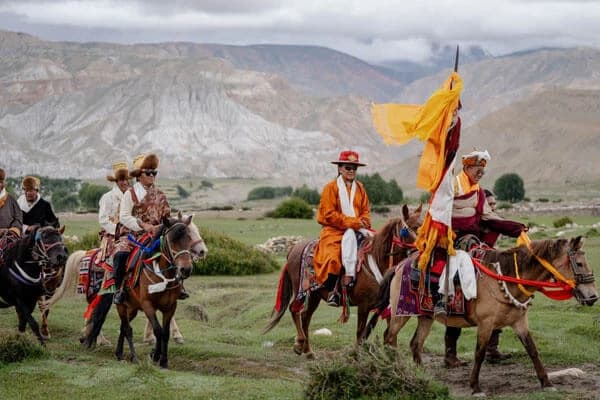
In contrast, a few regions in Nepal fall under rain shadow areas, which means they receive very little rainfall even during monsoon. Upper Mustang, Lower and Upper Dolpo treks are the best known examples, and that is why they often come up when people talk about trekking options during the rainy season. Compared to most other parts of Nepal, rain does not really affect these regions in the same way, so the area stays more usable for travel.
With that being said, reaching them has another side that people should really know about. Roads and connecting routes can still get affected when it rains, and delays are very normal during this time. Both Upper Mustang and Upper Dolpo are restricted trekking areas, so you need special permits to enter, and the whole journey already takes more planning than regular trekking routes in Nepal. Even if monsoon does not block the access, it makes the process more demanding and time consuming than it already is.
That difference is why these areas come up when people search for best monsoon treks in Nepal, since they stay workable even when most of the country is dealing with rain.
Things To Do in Nepal During Monsoon Season
Travel does not stop in Nepal during monsoon, but it definitely changes shape. Apart from trekking to rain shadow areas of Nepal like Upper Mustang and Dolpo region, long trekking routes and high mountain plans are not what most people focus on at this time. Instead the movement directs towards such plans and activities that do not get disturbed even when the monsoon rain hits the area.
Explore Heritage Sites in Kathmandu Valley
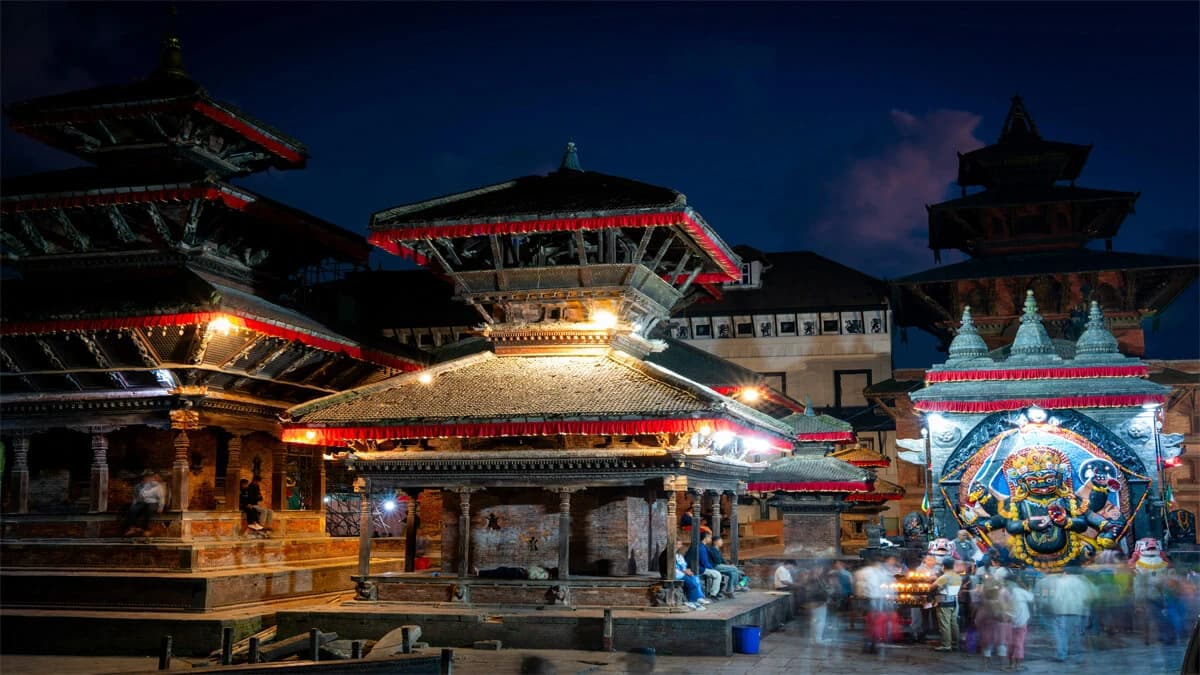
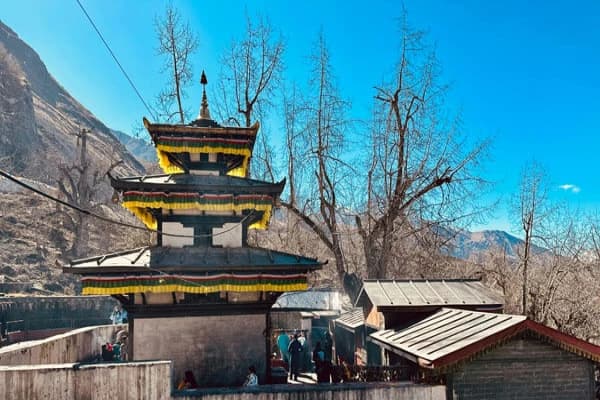
Kathmandu’s heritage sites stay active during the monsoon, but the way people visit them changes with rain. Bhaktapur Durbar Square, Patan Durbar Square, Kathmandu Durbar Square are still the main places people visit along with Swayambhunath and Boudhanath stupa. Pashupatinath temple also sees regular movement throughout the season, especially from both visitors and locals.
None of these places shut down or feel empty because of the monsoon. You might walk through an open courtyard for a while, then wait under the roof when it starts to pour again, then continue again once it eases.
Boudhanath really feels slightly different because the stupa naturally has more covered walking space around it so people stay there longer even when the weather starts to fluctuate. Pashupatinath is similar in the sense that activity continues regardless of rain. You can also visit Patan museum and enjoy the intricate details of Nepal’s history.
White Water Rafting During Monsoon Season
Trishuli river stays active for rafting during monsoon and it behaves differently compared to the dry months. The water level rises with rainfall and it looks fuller and moves with more force, which changes how the whole experience feels.
Safety is the bigger concern when it comes to rafting in the monsoon. Before anyone goes on the water, guides check the river conditions on that specific day. If the flow looks unsafe, the trip gets stopped immediately. Water levels can change quickly after heavy rain and the river can behave differently within a short span of time. That is why rafting here is never taken lightly during this period.
And if the conditions go right, the experience feels stronger because of the high water volume. Everything is handled by the trained guides who stay focused on reading the river continuously from start to finish, slightly adjusting as needed while the rafting is happening.
Boating and Short Trips in Pokhara During Monsoon
Boating in Pokhara during monsoon might sound a little weird and concerning, but people still do it when the lake is calm enough and the rain is not too heavy. You can try it if you have not done it yet but be very careful and if the weather seems to worsen, do not think of being an adventure junkie and jump into the lake as the situation can quickly get out of hand if not taken care of.
World Peace Pagoda is still one of those places that gets visited during this season but not always for the reason travel blogs usually give. Yes, the view over Pokhara is the main thing, but in monsoon that is not guaranteed at all. The whole experience changes and the trail leading to the stupa looks greener and fresher. It has a calm vibe that takes you away from the noisy streets of Pokhara.
Try Some Nepal’s Most Comforting Rainy Day Foods
There’s nothing better than a monsoon rain and a plate of warm food filled with real, deep Nepalese flavor that makes the whole day feel calmer. A plate of dal bhat is the basic one you will see everywhere in every season, rice with lentils and vegetables that feels filling when the weather outside is wet and slow. You can also try Jhol Momo, which is steamed dumplings served in a light spicy soup, something people go for when the rain gets heavier and you just want something warm in front of you.
Another must try is authentic Thukpa, a Tibetan style noodle soup that gives real warmth after walking through the rain, especially in Nepal monsoon weather when evenings feel damp and cool and you just want something hot to eat.
Alongside all this, monsoon also brings seasonal fruits like mangoes and litchis, which are sold fresh in local markets and roadside stalls, they become an easy thing you grab between meals when you want something light and sweet during rainy days in Nepal.
How Much Does Nepal Cost During Monsoon Season
As you might have heard before, traveling in monsoon is cheaper in Nepal. That is partly true, but it is not the same across everything. Some things do drop, some things stay stubbornly the same, and a few things get more expensive without looking like it at first.
The one thing that genuinely becomes easier during monsoon is finding a place to stay. Hotels in Kathmandu and Pokhara have fewer guests compared to October and November, so room prices come down. A budget room that might cost NPR 2,000 to 3,500 during peak tourist season can sometimes be found for around NPR 1,500 to 2,500. Mid range hotels also lower their rates in many cases, although the exact difference depends on the property.
Beyond that, things don’t really follow a cheap season pattern. Bus fares stay the same. Flights don’t really get cheaper either, and in monsoon they are more about weather than price anyway. You can be stuck waiting even with a booked ticket.
The part that doesn’t get mentioned in any price list is delays. A night added in Pokhara because a flight didn’t go or changing plans halfway through a route makes your money disappear.
Trekking packages sometimes look cheaper during this time. Some agencies lower prices just to get bookings in. That is probably the clearest discount you will see.
Who Should Visit Nepal During The Monsoon Season
Nepal monsoon travel splits people into very different experiences depending on what they came for.
Kathmandu continues its normal life through the season even when heavy rain arrives during the day. UNESCO World Heritage Sites stay open and people still move between them, although timing matters because rain can slow things down for a while before clearing again. After some time, this becomes normal and people work around it instead of treating it as a disruption.
Rain shadow trekking areas behave differently. Upper Mustang, Upper Dolpo, and routes linked to Nar Phu Valley trekking receive very little rainfall during monsoon compared to the rest of Nepal. You can still walk those trails during monsoon while everything else is dealing with mud and poor visibility. However getting there requires long days of travel, permits, and these are the places that already take effort even when the weather is good.
In short, monsoon in Nepal works more for budget travelers, people staying around Kathmandu or Pokhara, and those going for rain shadow treks like Upper Mustang, Upper Dolpo, or Nar Phu Valley.
Who Should Not Visit Nepal in Monsoon Season
If the whole reason for coming to Nepal is to see the Himalayas clearly, monsoon is going to feel disappointing most of the time. Clouds cover Everest and the Annapurna range for days and it’s normal to not see much even when you are in the right place.
It also does not work well for travellers who need exact timing for flights and travel. Flights between Kathmandu, Pokhara, and Lukla get delayed when visibility drops, and road travel in the hills slows down during heavy rain or minor landslides.
Short visits get affected the most in monsoon. With only a few days in Nepal, even one delayed flight or a day lost to rain changes what you actually manage to see, especially if trekking or moving between cities is part of the plan.
Pros and Cons of Visiting Nepal During Monsoon
Take a look at these points to finally be clear about what monsoon offers in Nepal. Here are the list of pros and cons of visiting Nepal during monsoon.
Pros
- Hotels in Kathmandu and Pokhara are noticeably cheaper than peak season
- Tourist spots are not crowded like they are in spring and autumn
- Everything turns very green, especially hills around the valley
- Rivers and waterfalls are much stronger than usual
- Rain shadow areas like Upper Mustang, Upper Dolpo, and Nar Phu Valley trekking still stay open
Cons
- Mountains stay covered for a long period of time, especially in popular trekking regions of Nepal
- Delayed flights which affects the whole itinerary
- Risk of natural disasters like flood or landslide
- Trekking trails get muddy and harder to walk on
- Travel plans don’t always go the way they are set before arrival
So Is Nepal Worth Visiting in Monsoon Season?
Nepal in monsoon can work if you don’t need everything to go exactly on time and you are fine with weather affecting parts of the day. It is not a good fit for trips that depend on clear trekking days or very tight timing, but it can still make sense for staying around Kathmandu or keeping travel plans open.
Conclusion: Nepal Monsoon Travel Guide
This season works for some kinds of travel in Nepal, mainly around Kathmandu and budget stays, but it is not a good match for longer trekking plans or trips that depend on weather staying consistent and timing going exactly as planned. For most people it really comes down to how much they are okay with plans changing once they are here.