Most blogs make trekking in Nepal sound peaceful and almost effortless. Beautiful trails, smiling locals, perfect mountain views all day. That version exists, but it is only part of the story.
What people leave out is the uncomfortable side. You will pay for things you assumed were free. You will get tired in a way that feels different from anything you have done before. Some days are just long, cold, and repetitive. And if you are not prepared for altitude, it can ruin your plan completely.
A harsh truth that you should know about is, trekking in Nepal is not a chill holiday. It is slow, sometimes frustrating, and at times physically and mentally draining. You will question why you signed up for it at least once.
But that is also why it stays with people.
This guide is not here to sell you a dream. It is here to show you what it actually Nepal Trekking costs, what it really feels like day to day, and what has changed going into 2026 so you do not walk in with the wrong expectations.
Real Nepal Trekking Cost
Most people try to plan trekking in Nepal around a daily budget they saw online. Something like “it’s super cheap, you only need a few dollars a day.” That idea falls apart pretty quickly once you are actually on the trekking trail in Nepal.
Tea house rooms are cheap, but you are almost always eating there, so accommodation and food blend into one cost
Food becomes the main spending point. The menu is limited everywhere and you rotate the same meals, mostly dal bhat, noodles, eggs
Prices go up with altitude even though the quality stays basic and choices get fewer
Charging a phone is paid in most villages once you are past lower elevations
WiFi exists in many places, but it is slow, cuts out often, and you pay for it. Sometimes per device, sometimes per time. It rarely works the way you expect
Hot showers are not part of normal stay, you pay for them and many people stop using them after a few days
Bottled water gets expensive as you climb, so people switch to purification tablets or filters
Snacks become part of daily spending because regular meals are not enough for energy
Extra nights happen more often than people expect because of weather changes, tiredness, or missed timing, and that adds to cost without planning for it
Small replacements like batteries, gloves, or charging cables are usually bought on the trail at higher prices than in cities
This pattern comes across all major trekking routes. Everest Base Camp is the most expensive mainly because organization is harder and demand is high. Annapurna Circuit comes in a middle range depending on how you structure the route. Langtang Valley is comparatively cheaper, but the same type of daily costs still appear throughout.
What most people do not mention clearly is that the spending does not feel big at any single moment and that’s when Nepal being the cheap travel destination fairytale starts to build up.
Nepal trekking reality nobody tells you
Most people search things like Nepal trekking cost, Everest Base Camp trek difficulty, Annapurna Circuit experience, or what trekking in Nepal is really like. The answers they find usually sound more polished than what actually happens on the trail in Nepal.
The daily routine is simple and repeats a lot
Once you start trekking, the structure of the day does not change much across most routes.
You wake up early, pack your stuff, and start walking. The goal is always the same, reach the next stop before it gets late and cold. After that, it is just food, rest, and sleep.
- Long walking hours with short breaks in between
- Same routine almost every single day
- Not much happening outside walking and eating
- Even different trekking routes start feeling similar after a while
Altitude is what actually changes everything
People usually search Everest Base Camp trek preparation or high altitude trekking tips thinking fitness is the main factor. It helps, but it is not the real issue.
Altitude sickness is what actually decides how your body reacts, and it does not care how fit you are.
- Breathing feels heavier as you go higher
- Energy drops even if you are walking slowly
- Some days feel fine, some feel off for no clear reason
- You naturally slow down without forcing it
- This is the part most first timers do not expect properly.
Toilets, showers, and basic setup on the trail
This is where reality hits for people expecting comfort from Nepal trekking routes like Everest Base Camp trek or Annapurna Circuit trek.
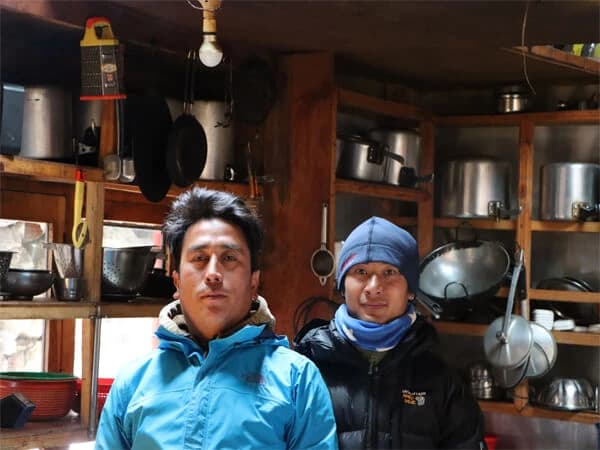
Tea houses are simple mountain stays. Rooms are basic, often cold, and shared bathrooms are normal in most places.
- Toilets are shared in most villages along the route
- Flush toilets exist in lower areas but become less common higher up
- Cleanliness depends on how busy the place is
- Hot showers are available sometimes but always paid
- Cold weather makes even basic hygiene feel like effort
- It is not unsafe or extreme, just very basic living conditions.
Food menu is almost the same
If you are expecting variety on Annapurna trekking route or Manaslu Circuit trek, that expectation usually fades quickly.
- Menus across villages look almost the same.
- Dal bhat is the main meal everywhere
- Noodles, eggs, and soup rotate as secondary options
- Food choices reduce as altitude increases
- Eating becomes about energy, not taste or variety
- After a few days, you stop expecting anything different.
Weather and delays are normal, not exceptions
People often check the best season for Everest Base Camp trek or Annapurna Circuit weather expecting everything to go as planned.
It rarely works like that.
- Weather can change in a few hours
- Delays or extra nights happen often on longer treks
- Flights and trail schedules can shift without warning
- Plans adjust based on conditions, not fixed itineraries
- Even in peak trekking season Nepal, flexibility matters more than planning.
The real thing people miss about trekking
It is not one difficult moment. It is the repetition.
Same walking pattern. Same basic food. Same type of accommodation. Day after day. The challenge builds slowly, not suddenly.
- Physical tiredness builds over time, not all at once
- Routine becomes predictable very quickly
- Comfort stays basic throughout most of the trek
- Progress feels slow, even when you are covering distance
That is the part most Nepal trekking guide content does not explain properly, but it is what people actually remember later.
Hidden Realities of Trekking in Nepal Most Blogs Ignore
You are always being watched as a tourist
Don’t get scared yet, it’s nothing in a shady way. This sounds a bit strange at first, but you start noticing it after a couple of days on the trail. On popular routes like Annapurna or Everest, the whole system is already built around trekkers. People know why you are there and what you are willing to spend. The prices you pay during the trek are not random, they are shaped around how much a tourist would pay.
It does not feel like a scam every second, but you are also not treated like a local. Menus are not always the same, small things cost more than you’d probably expect, and once you are actually on the trail, you do not really have any option other than accepting the reality. That is how things work.
You don’t really get privacy
This is something most Nepal trekking blogs don’t really tell you. You don’t get much privacy on a tea house trek. Rooms are right next to each other, walls are thin, and you hear everything. People talking late, alarms going off early, bags getting packed at 5 in the morning. Even the dining area is always full, so you’re basically around people all the time. If you’re doing something like Everest Base Camp or Annapurna Circuit and you’re used to your own space, this can get a bit annoying after a few days.
Nights feel longer than days
Once it gets dark on a Nepal trek, the day basically ends. There’s usually no proper internet, nothing to really keep you busy, and the rooms get cold fast. So you just end up going to bed early as there’s nothing else happening in most tea houses. At first it feels kind of peaceful, but after a few days on routes like the Manaslu Circuit trek 14 days or the Langtang Valley trek 10 Days, it starts to feel repetitive and people don’t really talk about it.
You will probably get sick at least once
When we say you might get sick, we don’t mean anything serious at all. It’s more like small stuff that shows up while you’re out on the trail. A bit of stomach trouble, no appetite for a meal or two, a light headache from altitude, or just feeling a bit off for no clear reason.
It happens because your body is dealing with a lot at the same time, different food, different water, cold weather, and higher elevation all hitting together.
Most people go through at least one phase like this on routes such as the Manaslu Circuit or Upper Mustang. It’s common, and it passes, but it still catches a lot of people off guard because it doesn’t get talked about much before the trip.
Trekking days are not equally hard
People often try to label days as easy or difficult before they even start, but it does not really do the justice to the difficulty. One day can feel fine, and the next feels way harder even if the distance is similar. It all depends on altitude, how well you slept, the weather, and how your body is reacting that day.
The Lukla flight situation is worse than people expect
If you’re going to the Everest region, don’t treat the Lukla flight like a normal flight. It doesn’t really work that way. Weather changes fast, and when it does, flights just stop. Then everything piles up.
You can easily end up waiting a day or two without any clear update. Sometimes longer. People miss connections, pay for extra nights, and just sit around trying to figure out when it’ll move again.
Locals even joke that Lukla has two settings, flying or waiting, and waiting shows up way more often than anyone likes.
Not all trekking days feel wow
This is something social media never shows. Not every day comes with amazing views. Some days you will just be walking through rocks or dusty paths without anything special happening. Some days feel longer than they should for no clear reason. Don’t get us wrong, there will be various highlight moments and they are real, but there is a lot of normal, uneventful time in between as well.
You stop caring about things you thought mattered
After a few days, your mindset shifts without you really noticing it. Things you cared about before, like how you look, having different food options, or staying connected, start to feel less important.
What will eventually matter more to you is getting a warm place to sit, eating enough food, and reaching your stop before it gets too cold. This change happens to almost everyone on the trail.
What’s actually changed in Nepal trekking in 2026
Nepal Trekking costs are not what old blogs make it sound like
If you’re reading older posts about costs, just know it’s outdated now. Everything has gone up a bit. Food, transport, permits, and especially hiring guides all cost more than what people expect from older stories. Most people still arrive thinking it’ll be super cheap, then realize pretty fast that it’s not really that version of Nepal anymore.
Guides are basically part of the deal now
Even if you might see a few solo trekkers here and there, the system is clearly moving towards guided trekking. On many routes, having a guide is expected more than optional now. It’s not always strictly written everywhere, but the direction is obvious. So planning a trip without thinking about getting a guide doesn’t really match how things work today.
Trekking feels more organized than before
It still feels like an adventure, but it’s not as wild and unstructured as older travel stories describe. Trails are more set, tea houses are more standard, and everything runs a bit more smoothly than it used to. You still get the mountains and the experience everyone talks about, just with a bit more structure in the background.
Nepal Trekking Permits and Entry Costs Explained
Before you even start your trek in Nepal, there’s already money going out and most people don’t even realise it. Everyone talks about the daily budget on the trail, but the first hit comes before you even start walking.
Every major route has its own permit system. Annapurna and Langtang have entry permits. Everest region has different fees depending on where you go. If you head into places like Manaslu or Upper Mustang, it gets stricter and even more expensive.
The part that surprises people is how it stacks. It’s not one single payment and you’re done. In a few regions you end up paying more than one fee just to pass through different controlled areas.
Most people sort it in Kathmandu through a guide or agency like Nepal Trekking Routes. You can do it yourself in some cases, but it still means going around offices, waiting around, and paying fixed fees with no real negotiation or flexibility.
It doesn’t feel like a big deal at the moment, so people don’t really count it properly in their Nepal tour budget. Then later they realise they’ve already spent a decent chunk before even stepping onto the trail.
Tea house trekking reality in Nepal (what nights are actually like)
This is where most people notice the difference, after reaching the tea house.
Rooms are basic, small, and cold in the mountains. A sleeping bag is what you rely on at night.
There is very little space for yourself. You hear movement through the building, people getting ready early, doors opening and closing, everything on the same timing.
During the evening, people sit in the common area, eat, then go to bed because there is nothing else to do. Food stays the same most days.
Small comforts are limited. Charging phones costs money in many places. Hot showers are extra and not always available. The Internet is slow and often not used.
After a few days, this becomes the normal routine.
Mental side of trekking in Nepal (What nobody talks about)
At the start everything feels new, so your mind stays busy. After a few days it turns into the same routine. Walk, eat, sleep, repeat.
There is not much distraction most of the time. The Internet is weak or missing in a lot of places, and normal daily life noise is gone. So you’re left with your own thoughts for long parts of the day.
Mood doesn’t stay the same every day. Small things can start to annoy you more than they normally would. Food not tasting great, slow service, or just a long tiring day can stick in your head and affect how the rest of the day feels.
People mostly show the good moments from the mountains, but that is not the full picture. There are many normal days in between where nothing really feels special. That part doesn’t get talked about enough, but it should. Don’t get fooled by only the highlights you see online.
After a while, less things seem important. You stop caring about a lot of small stuff back home and just focus on ending the day and reaching the next stop.
Unexpected Cultural Moments During Nepal Treks
In smaller villages, people get curious when trekkers pass through. You might get looked at more than you are used to, especially in places where not many foreigners stop. It is not negative, just curiosity.
Conversations also feel very direct. People may ask where you are from, how much your gear costs, or how long you are staying, all in a very simple way. No buildup, just straight questions, which can feel a bit different at first.
You also notice how daily village life and trekking life mix together. A tea house might have trekkers eating in one corner while normal local routines continue around them.
On some routes, news about trekkers moves fast between villages. It does not happen everywhere, but in certain areas people already know a group is coming through before they even arrive. So don’t get surprised.
Nepal Trekking Mistakes First Timers Make Before Coming
Most first timers plan Nepal trekking from maps, reels, and quick blogs, but that’s not how it is.
Walking days are the first surprise. On Google Maps everything looks close, so it feels like short easy days. Then you are actually there and realise the trail has other plans and the days extend way more than expected.
Budget is another one. People think the whole trek stays less expensive, start to finish. It does feel that way at first, then slowly things like food, charging, hot showers, even snacks start costing more as you go up.
Packing goes two ways. Either people bring half their room and regret it every step, or they pack light and end up buying basic stuff on the trail at higher prices than back home. There is no perfect middle the first time, most people mess it up a bit.
Expectations are also usually off. A lot of people think every day will feel like a highlight. Reality is more normal than that. Plenty of walking days where nothing special happens, just moving from one stop to the next.
Then there is the tea house reality. It is simple living, not comfort travel. Same routine, basic rooms, basic food, and you just repeat it until the trek is done. It takes a few days for that to actually sink in.
Most of these mistakes come from planning off short videos and summaries instead of how trekking in Nepal actually feels when you are stuck in the middle of it.
Nepal Trekking Trailhead Travel Reality (roads, delays, and transport truth)
When people say the roads in Nepal are rough, they’re talking from experience.
Even short distances don’t really behave like short distances. You leave thinking it’s a few hours, then the road keeps bending through hills and slow sections and the whole day just goes.
Buses and shared jeeps are what most people end up in with packed seats, not much space, and a ride that keeps shaking for hours. It’s not comfortable travel, it’s just transport that gets you there.
Roads can also just stop working for a while. Landslides or road blocks happen, and you end up waiting wherever the vehicle stopped until things clear.
For the Everest side, Lukla flights add their own issue. Weather decides everything, so delays and waiting around are common.
Conclusion: Untold Truths About Himalayan Trekking in Nepal
Trekking in Nepal is simple at its core, but it is not the picture most people build from online content.
It includes walking for a long time, basic places to stay, changing weather, and the same routine repeating for days. Some parts feel good, some feel normal, and a lot of it is just in between.
If you are planning it, don’t go in expecting a perfect version of it. Go in knowing what it actually is. That’s where it starts to make sense.