For decades, Nepal has maintained its image as the mountainous country. Mount Everest, trekking boots, crowded trekking trails, climbing permits and that familiar photograph of a traveller standing beneath a giant Himalayan peak. That identity is deserved, but it tells only half the story. Wellness tourism in Nepal could be the other half, and surprisingly, Nepal may have been preparing for it without even trying.
The idea of Nepal as a wellness destination might sound unexpected. After all, this is a country better known for aching legs than spa days. But look closer and the picture changes. Meditation, yoga, Ayurveda, monasteries, pilgrimage and time spent in the mountains have never been foreign ideas here. They were part of life long before the travel industry learned to call them wellness.
And Nepal does not need to become another Bali, India or Thailand. Those destinations already have their own wellness identities. Instead, it has something else. The Himalayas, ancient spiritual traditions, sacred places, quiet villages and a culture where nature and spirituality are still closely connected. The real opportunity is to bring these pieces together without turning them into a manufactured tourist experience.
The question is whether Nepal can take what already belongs to the country and build something around it. If travelers have spent decades coming to Nepal to see how high they can go, could the next generation come here to discover how much they can leave behind?
Wellness Travel Is Moving Beyond the Spa
For years, a wellness holiday mostly meant a spa, a resort and a few days of being pampered. That still has its place, but the idea has grown. Nature based travel, yoga retreats, meditation, healthier food, outdoor activities and time away from screens are now part of what many travellers seek when they want a break from their usual routine.
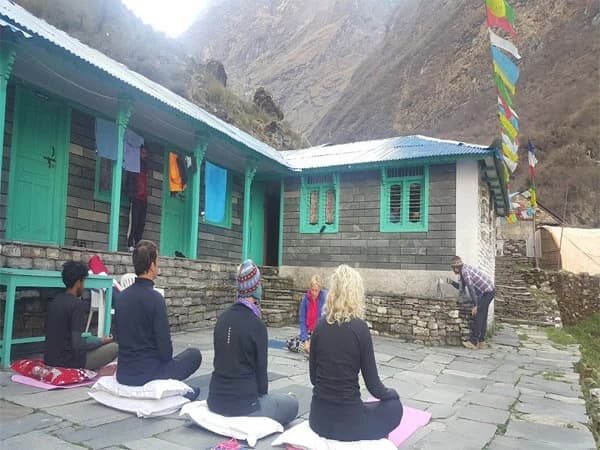
Nepal already has plenty to work with. A wellness retreat in Nepal might involve yoga in Pokhara, meditation around Kathmandu Valley, an Ayurvedic treatment, a visit to a Buddhist monastery or several days walking through the Himalayas. These experiences are also tied to Nepal's long standing religious and cultural traditions, including yoga, meditation, Ayurveda and pilgrimage.
These experiences give Nepal a genuine starting point. What matters now is how well they can be brought together while maintaining the quality and character of the places where they take place.
Nepal Is Finally Taking Wellness Tourism Seriously
Nepal is no longer treating wellness tourism as a side idea. On April 15, 2026, the Nepal Tourism Board and the Ministry of Culture, Tourism and Civil Aviation launched the National Wellness Tourism Strategy 2026 to 2035 and announced Nepal Wellness Year 2027. The plan puts yoga, meditation, Ayurveda, traditional healing and nature based experiences into a more organised national tourism framework.
For a sector that has developed through many separate organisations and businesses, this gives wellness tourism a clearer place within national tourism planning. Yoga retreats, meditation centres, Ayurveda practices and spiritual travel have existed here for years, but they have often operated as separate experiences rather than as one recognised part of Nepal's tourism identity. The new strategy gives Nepal wellness retreats, Ayurveda tourism, yoga tourism and meditation retreats a clearer place in the country's tourism plans.
There is still plenty of work ahead. Nepal cannot become a serious wellness destination in Asia by putting a wellness label on a hotel or adding a yoga session to a trekking package. International travellers will look at the quality of accommodation, trained practitioners, hygiene, accessibility, food, privacy and the credibility of the experience itself. Nepal has strong cultural foundations, but the tourism industry still has to turn those foundations into services people can trust.
Nepal Wellness Year 2027 is expected to give these activities greater visibility, both within Nepal's tourism industry and among international visitors. The longer term significance will depend on whether the strategy leads to better services, stronger standards and sustained investment beyond the campaign year.
Where Nepal Could Actually Win the Wellness Race
Nepal's opportunity may be much broader than retreats. The country already has a tourism industry built around walking, culture, pilgrimage, nature and mountain travel. Bringing some of these experiences together could create a different kind of holiday for people who want to spend more time experiencing a place rather than rushing through a list of attractions.
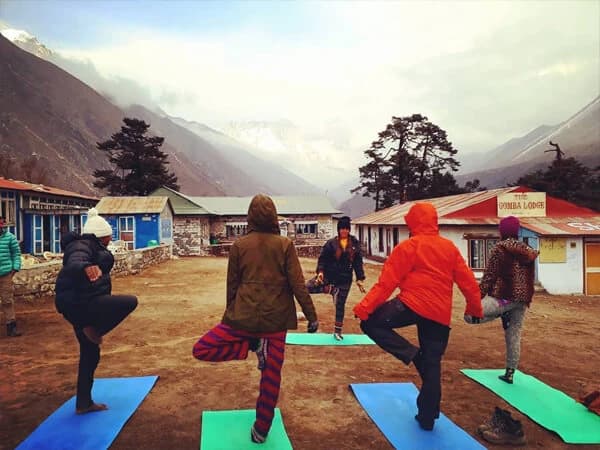
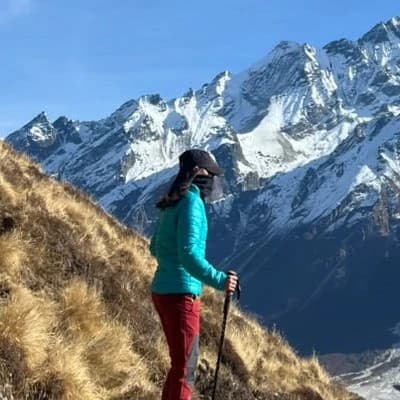
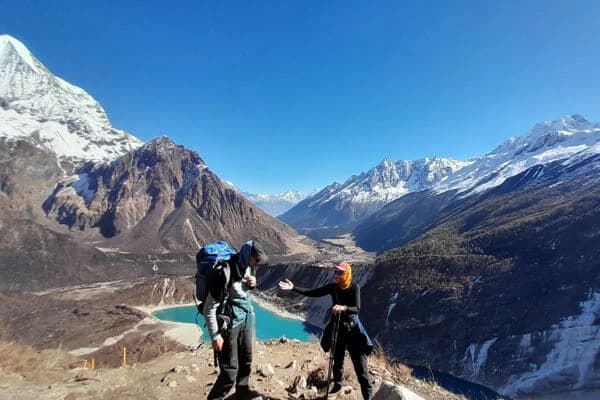
Take spiritual tourism in Nepal. A visit to a sacred site can become part of a deeper journey when combined with time in nature, local food, quiet surroundings and cultural experiences. Trekking can work in much the same way. Walking through the hills is already one of Nepal's biggest tourism draws, but it can also suit travellers interested in mindful travel, nature based tourism and slow travel. Even yoga trekking in Nepal could develop as a niche for people who want to combine physical activity with time for reflection, rather than another product built around reaching a particular destination.
Longer stays are another opportunity that deserves more attention. Travelers who come mainly for Kathmandu sightseeing move very quickly between destinations. Those who are interested in a retreat, spiritual journey, cultural immersion or time in nature may have more reason to stay. That could mean more business for local trekking guides, homestays, small hotels, restaurants and communities along routes that do not normally receive the same attention as Nepal's major trekking destinations.
For tourism businesses, longer stays could also spread visitor spending across guides, homestays, small hotels, restaurants and communities beyond the country's busiest routes.
Best Wellness Destinations in Nepal
Nepal's wellness experiences are spread across places with very different histories and purposes. Some are centred on pilgrimage, others on meditation and Buddhist study, while mountain regions bring wellness into trekking and everyday village life.
Pokhara
Pokhara has probably gone furthest in developing this into an established visitor experience, as travellers can combine a longer stay with outdoor activities without going far from the city. Phewa and Begnas Lakes, the World Peace Pagoda and the nearby hills give people plenty of ways to spend time outside, while the city also serves as the gateway to the Annapurna region.
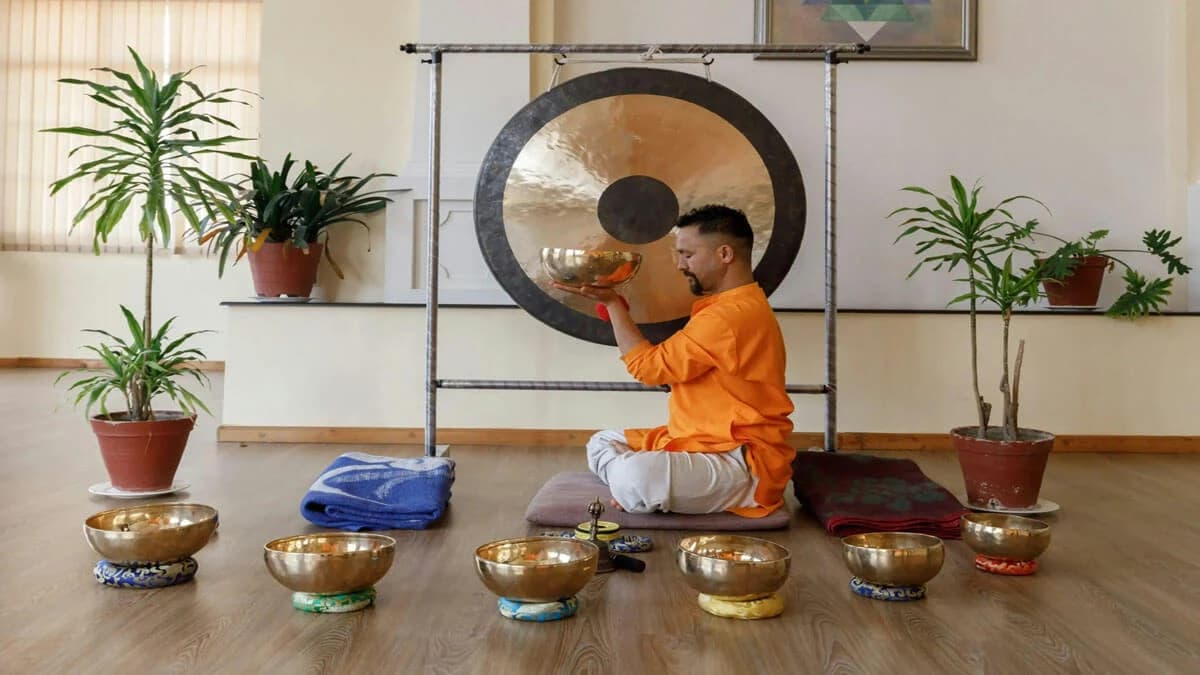
There is also an existing market for meditation and sound based practices in Pokhara. Nepal Tourism Board lists Pokhara among the places where sound meditation centres can be found. Add short hikes, village visits or part of an Annapurna trekking route, and a yoga retreat in Pokhara can become part of a much wider trip instead of being the entire trip.
Kathmandu Valley
Kathmandu's connection with wellness comes from its living religious traditions rather than from resorts. Buddhist and Hindu practices remain part of the valley's daily life, with temples, monasteries and pilgrimage sites spread across the city and surrounding hills. Boudhanath and Swayambhunath are active religious sites, while monasteries continue to provide places for study, meditation and spiritual practice.
Kopan Monastery is a particularly significant part of this story. The first Kopan meditation course was held in April 1971 for about a dozen people. The courses gradually grew into an annual programme, attracting students from different parts of the world. The best known is the November Course, a month long Lamrim meditation course that has been held since 1971. Lamrim refers to the graduated path to enlightenment in Mahayana Buddhism.
The November Course is an intensive period of Buddhist study and meditation rather than a commercial wellness retreat. Participants spend several weeks at Kopan receiving teachings, meditating and studying Buddhist philosophy within the monastery setting. The scale has grown considerably since the first course, with recent courses attracting hundreds of participants from many countries.
That history gives Kathmandu a dimension that is easy to miss when the city is viewed only through its temples and heritage sites. Meditation at Kopan is part of a tradition that has been developing for more than five decades, with people coming to the monastery for sustained study rather than a brief activity added to a holiday. This continuity between religious practice, meditation and everyday life gives Kathmandu a genuine place in Nepal's growing wellness tourism story.
Lumbini
Lumbini has perhaps the clearest connection with Buddhist tourism in Nepal because the religious significance of the place comes first.
The Maya Devi Temple marks the site traditionally identified as the Buddha's birthplace, while the Ashoka Pillar records Emperor Ashoka's pilgrimage to Lumbini in the third century BC. The surrounding monastic zones contain temples and monasteries built by Buddhist communities from countries including China, Japan, Myanmar, Sri Lanka and Thailand.
There is another detail that matters for meditation tourism. Nepal Tourism Board lists Lumbini among Nepal's meditation destinations and identifies meditation centres within the wider site. So the visitor is not just looking at an archaeological site. They can encounter an active Buddhist landscape where pilgrimage, study and meditation still overlap.
Mustang and Muktinath
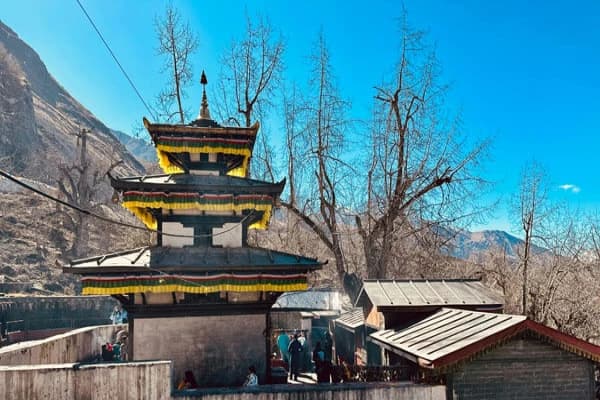
Mustang brings pilgrimage tourism into the middle of a Himalayan trekking region. Muktinath sits at around 3,800 metres and is sacred to both Hindus and Buddhists. Pilgrims visit the temple, Jwala Mai temple, and the 108 sacred water spouts, while trekkers reach the area as part of the Annapurna Circuit.
The Kali Gandaki Valley adds another dimension to the experience. Shaligram fossils found along the river are regarded as sacred by Hindus, and the surrounding region has a strong Tibetan Buddhist cultural presence. That makes Mustang particularly relevant to spiritual travel in Nepal, pilgrimage journeys, Himalayan trekking and cultural immersion. Calling it a conventional retreat destination would miss what actually makes the place interesting.
What Makes Nepal Different From Other Asian Wellness Destinations
Nepal is entering the wellness market after Bali, India and Thailand have already built strong reputations. Bali is known for yoga and retreat culture, India for yoga and Ayurveda, and Thailand for its spa and wellness resorts. Nepal is smaller, but its advantage is the variety of settings in which wellness can take place, from a retreat in the hills to a meditation course, a village based yoga programme, or even treks like Annapurna Base Camp Yoga trek, Everest Base Camp Yoga trek, and many more.
Dwarika’s Sanctuary in Dhulikhel shows the more developed side of this market, combining Ayurvedic consultation, yoga, meditation, breathwork, local food and visits to places such as Namobuddha. Around Pokhara, yoga teacher Swami Ananda runs smaller retreats in Ghachowk that bring together yoga, meditation, vegetarian food and mountain surroundings. The Nepal Vipassana Centre in Budhanilkantha offers another experience altogether, with residential meditation courses focused on practice and silence.
These experiences also operate at very different levels, from established retreats to residential meditation centres and smaller programmes connected to local communities.
Asia's Wellness Market is Growing
The numbers show why the timing matters for Nepal. The Global Wellness Institute estimates that Asia's wellness economy reached USD 2 trillion in 2024. Wellness tourism accounted for USD 215 billion, growing by 31.2 percent from the previous year, and Asia recorded more wellness trips than any other region. That places Nepal within a regional tourism market where wellness travel has already reached substantial scale.
The market is also much broader than spas and luxury resorts. In Asia, traditional and complementary medicine was worth USD 379 billion in 2024, accounting for about 63 percent of global spending in the sector. Other parts of the wellness economy include healthy eating, physical activity, mental wellbeing, personal care and wellness focused places to stay. The wider wellness economy therefore covers far more than conventional spa tourism.
For Nepal, the timing is particularly relevant. The country has now introduced the National Wellness Tourism Strategy 2026 to 2035 and announced Nepal Wellness Year 2027, giving wellness tourism an official place in national tourism planning. Nepal is therefore entering a well established regional market at a time when its own government is beginning to organise the sector more formally.
This does not mean Nepal is already one of Asia's leading wellness markets. It is not. What the figures do show is that the market Nepal is entering is large, growing and already familiar across the region. Combined with the cultural and natural foundations already found in Nepal, that gives the country a credible case for becoming a significant name in wellbeing travel, holistic travel and restorative tourism in Asia.
Why Nepal Could Be Asia's Next Big Wellness Destination
Nepal does not need to become a country of luxury wellness resorts to build a place in the Asian wellness market. Its opportunity lies in something more closely connected to the country itself. A wellness holiday in Nepal can include time outdoors, local food, walking through the countryside, cultural experiences and a chance to step away from everyday routines. This gives wellbeing travel in Nepal a character that cannot be copied by simply creating another resort.
There is also room for different kinds of holistic travel. Some visitors may want a quiet break in nature, while others may prefer an active holiday, cultural immersion or time dedicated to personal renewal. This creates space for nature based wellness, cultural wellness travel and mindful travel without forcing every visitor into the same type of experience. Nepal's variety allows wellness to be part of a journey rather than the only reason for taking one.
For Nepalese tourism businesses, this opportunity is also about the quality of the experience. Comfortable accommodation, good food, responsible tourism, knowledgeable local hosts and well organised services can make a significant difference to visitors seeking health and wellness travel. When these elements are combined with the country's existing tourism strengths, they can create wellness travel experiences that feel connected to Nepal rather than designed only to follow a global trend.
Nepal is not yet one of Asia's leading wellness destinations, and it would be inaccurate to suggest otherwise. Its opportunity is to develop a form of restorative travel that remains closely connected to local culture, nature and community. That could give Nepal a distinct place among Asian wellness destinations as more travellers look for experiences centred on rest, renewal and a deeper connection with place.