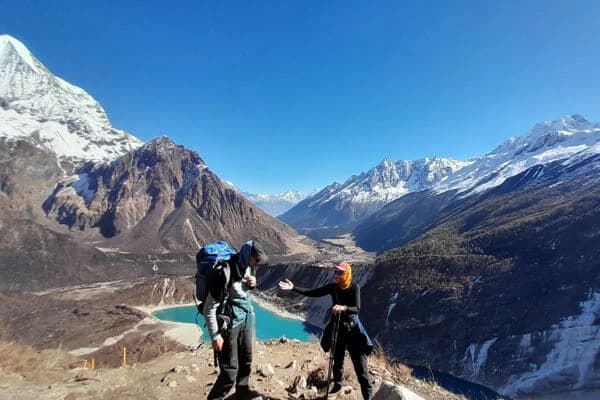
There is a reason the Annapurna region has remained one of the biggest names in Nepal trekking for so long. It is not because every view is perfect or because the trek is some untouched Himalayan escape. It is because very few places give you such a broad taste of trekking in Nepal in one journey.
Annapurna I, at 8,091 metres, is the 10th highest mountain in the world, but you do not come to the Annapurna region just to stare at one peak. There are several trekking routes here, with the Annapurna Circuit Trek and Annapurna Base Camp Trek among the best known. They are different journeys, with different routes, altitudes and experiences, but both show why this part of Nepal has remained such a favourite with trekkers.
So, is the Annapurna trek worth it? Yes, but the answer depends on what you expect from it. If you want a Himalayan trek with spectacular mountain views, established trekking routes, cultural encounters and enough variety to keep the journey interesting, Annapurna is a very strong choice. If you are looking for complete isolation or an untouched mountain wilderness, this is probably not the trek for you.
Annapurna Region Trek Overview
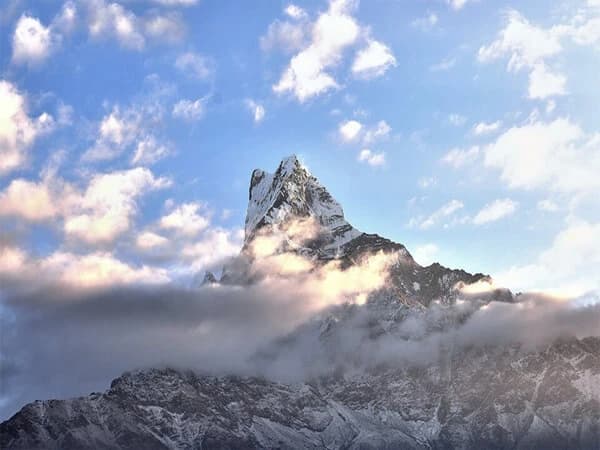
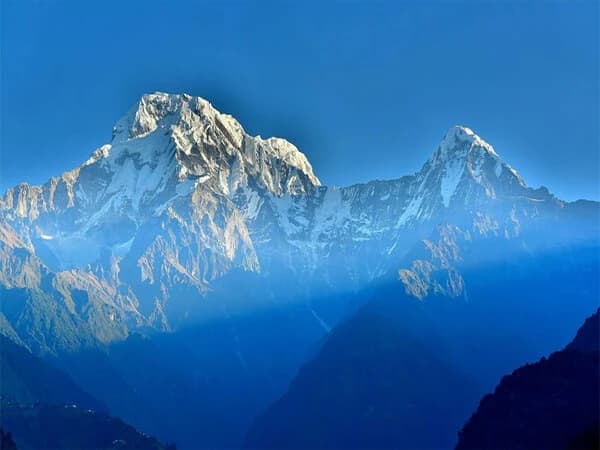
The Annapurna trek in Nepal is one of the most well known trekking routes in the Himalayas because it gives you a bit of everything in one journey. You pass through green valleys, rice terraces, forests, deep river gorges, and slowly move into higher mountain areas where peaks like Annapurna (8,091 m), Dhaulagiri, and Machapuchare start dominating the view. The altitude keeps rising through the trek, and once you cross higher trails above 3,000 meters, the air gets thinner and walking feels more tiring.
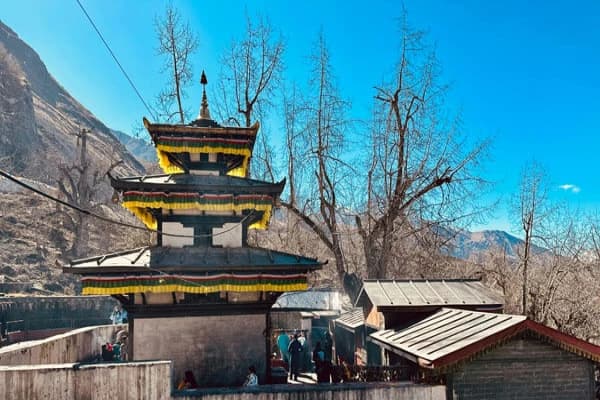
Along the trail you go through villages where Hindu and Buddhist communities live side by side, and you notice that in small temples, monasteries, prayer flags, and everyday rituals. Groups like the Gurung, Magar, and Thakali communities live in these areas, and their lifestyle is closely tied to farming, animals, and Nepal trekking tourism.
What Makes Annapurna Trekking Worth It?
The Annapurna trek gives you something that is difficult to understand from a map or a few photographs: the chance to see the Annapurna massif from different sides and at very different elevations. Annapurna I, Annapurna South, Machhapuchhare and Dhaulagiri do not look the same from every part of the route. One viewpoint can show you a broad mountain panorama, while another puts a single peak almost directly above you.
The natural scenery changes just as much. Depending on the Annapurna trekking route you choose, you can walk through subtropical vegetation, farmland and rhododendron forests before reaching colder, higher mountain country. That range of environments is one of the reasons Annapurna trekking in Nepal feels like a much bigger experience than its name suggests.
Then there is the chance to get genuinely close to the mountains without climbing them. On the Annapurna Base Camp Trek, the trail enters the Annapurna Sanctuary and reaches 4,130 metres, placing you among the peaks rather than viewing them from a distant valley. Standing beneath Annapurna South, Annapurna I and Machhapuchhare is a pretty compelling reason to make the journey.
Expectation vs Real Experience of Annapurna Trek
The photographs can make an Annapurna trek look far more comfortable than it actually is. Before going, it is easy to picture clear mountain views and enjoyable days in the Himalayas. Then you actually start walking. Your legs get tired, your backpack gets heavier, and some days are spent climbing stone steps when the mountain views are hidden behind cloud.
People also expect nonstop mountain views, but that’s not how it goes. A lot of the time you are walking through clouds, fog, or just looking at stone steps for hours. The mountains don’t stay visible all day, sometimes you don’t see them at all. The trail is also not as remote as people think. You are around other trekkers most of the time, passing villages, teahouses, and small stops that make it feel more like a long shared route than a completely isolated wilderness experience.
The daily routine is part of what makes the experience memorable. A basic room, a hot meal after several hours of walking, or a sudden break in the clouds can feel surprisingly significant when you are living day by day on the trail.
Is Annapurna Base Camp Trek Difficult?
The Annapurna Base Camp Trek is moderately challenging, and that is probably the most accurate way to describe it. You do not need exceptional fitness or previous Himalayan trekking experience, but you should be prepared for several hours of walking each day and plenty of stone stairs along the route.
The stairs around Ulleri and Chhomrong are where many trekkers start to understand what the trek actually involves. Going uphill takes effort, while the descent can put more pressure on tired knees. By the time you reach the upper part of the route, the altitude adds another factor. Annapurna Base Camp lies at 4,130 metres, and some people notice headaches, breathlessness, poor sleep or unusual tiredness at that height.
Regular hiking and walking before the trip can make a visible difference. There is no need for an extreme training routine, but being used to hills, stairs and several hours on your feet will make the trail less of a shock. Carrying the daypack you plan to use during your preparation is also worth doing because even a relatively light pack feels different after hours on the trail.
The Annapurna Base Camp Trek difficulty is therefore somewhere between moderate and challenging. Someone who is active and prepared will usually have a much better experience than someone who arrives without any physical preparation. The trek is achievable, but it should not be mistaken for an easy mountain holiday.
How Much Does the Annapurna Trek Cost?
The ABC Trek is not the most expensive trek in Nepal for its duration and difficulty. The cost of the Annapurna Trek depends on the number of days, group size, transportation, accommodation and what your package includes. In 2026, a guided Annapurna Base Camp Trek costs around USD 600 to USD 1,300 per person, while private trips, longer itineraries or higher comfort can push the price beyond that range. International airfare to Nepal is normally separate, as are travel insurance and some personal expenses.
What people mostly don't talk about is the money you spend after the main trek price has been paid. Snacks, charging your phone, hot showers, WiFi, bottled water and tips can gradually add to the final bill. Looking only at the advertised package price can therefore give you an incomplete idea of the actual Annapurna trek cost and helps you avoid the hidden costs of trekking in Nepal.
Which Annapurna Trek is Right For You?
First, it is important to understand that Annapurna is not a single trek. The region has several Annapurna trekking routes, and the one you choose can completely change what your trip looks like. That matters when deciding whether an Annapurna trek is worth your time, because you may love one route and have very different feelings about another.
The Annapurna Base Camp Trek takes you into the Annapurna Sanctuary and brings you close to the mountains, while the Annapurna Circuit Trek takes you around the massif and across Thorong La. They are both well known, but the scenery, route and overall experience are quite different. For someone comparing trekking in the Annapurna region, that difference is worth understanding before choosing a route.
If you have less time, the Ghorepani Poon Hill Trek gives you a short Annapurna trek with mountain views and a famous sunrise viewpoint. The Mardi Himal Trek follows a different trail towards Machhapuchhare, while the Khopra Ridge Trek offers a quieter alternative to some of the busier adventures in Nepal.
What Are the Disadvantages of Annapurna Base Camp Trek?
The popularity of ABC is both a benefit and a drawback. The route has plenty of teahouses and services compared with more remote areas of Nepal, but during the main trekking seasons you will also share the trail and accommodation with many other people. The busiest periods can feel quite different from the quiet Himalayan escape that some travellers imagine before arriving.
Mountain views are another thing to keep realistic expectations about. Annapurna, Machhapuchhare and the surrounding peaks can be spectacular when the weather cooperates, but clouds and fog can arrive quickly. A trekker can spend hours walking towards a viewpoint only to find the mountains covered when they get there. Clear weather is never something the itinerary can guarantee.
Teahouse accommodation also comes with limitations that are easy to overlook while planning the trip from home. Rooms are basic, bathrooms may be shared, and hot showers, charging and internet can involve extra costs or may not be available at every stop. Conditions become more basic as the route climbs higher, so anyone expecting hotel comfort will probably find the reality disappointing.
The repeated stone steps are another part of the trek that deserves more attention than they usually receive. They can be tiring on the way up and uncomfortable on the way down, particularly after several days on the trail.
Those are the main Annapurna Base Camp Trek pros and cons in practical terms. The route gives you access to the Annapurna Sanctuary without needing an expedition style trip, but you give up some privacy and comfort along the way. Whether that is a good exchange depends entirely on what you want from trekking in Nepal.
Annapurna Base Camp Trek vs Everest Base Camp Trek
Choosing between the Annapurna Base Camp Trek vs Everest Base Camp Trek becomes much easier when the reason for the trip is clear. The two treks are famous for different reasons, and there is little point choosing one just because it is considered more prestigious.
Annapurna Base Camp is considerably lower than Everest Base Camp. The difference is important for anyone concerned about altitude. ABC still reaches a serious elevation, but EBC keeps you much higher and requires more time at high altitude.
The route itself also gives ABC a different character. The journey begins among villages and lower hills before heading into the Annapurna Sanctuary, where the mountains surround the trail near base camp. You get a close look at the Annapurna range rather than spending the entire trek focused on one famous summit.
Everest Base Camp has a stronger pull for anyone who has specifically dreamed of seeing Everest. The trek takes you through the Khumbu and its Sherpa settlements, monasteries and high mountain valleys before reaching the base camp area. For that particular experience, ABC is not a replacement.
For Annapurna Base Camp or Everest Base Camp, the choice comes down to what matters more to you. ABC suits a traveller who wants the Annapurna Sanctuary, a lower maximum altitude and a shorter trek. EBC suits someone whose main goal is to enter the Everest region and get as close as possible to the world's highest mountain.
There is no need to declare one better than the other. They are different trips, and the more famous mountain does not automatically make one trek more worthwhile.
Is Annapurna Base Camp Trek Good for Beginners?
The Annapurna Base Camp Trek for beginners is a good option for people who are reasonably active, even if they have never completed a Himalayan trek before. Previous trekking experience is useful, but it is not a requirement for ABC.
What matters much more is whether you can handle walking for a long time, repeated stairs and the physical effort of doing it on consecutive days. Regular hiking, walking and stair training before the trip are enough for many people to prepare properly without turning their preparation into a full time fitness project.
Altitude needs to be treated separately from fitness. Annapurna Base Camp reaches 4,130 metres, and being fit does not guarantee that altitude will leave you unaffected. Headache, nausea, dizziness, unusual fatigue or loss of appetite should be taken seriously rather than ignored because you have a schedule to follow.
That is why can beginners do Annapurna Trek has a qualified yes. A fit and prepared first time trekker can certainly take on ABC. Someone who rarely exercises and expects a comfortable holiday with a few walks is a different case.
Final Thoughts
So, is the Annapurna Base Camp Trek worth it? Yes, for the right person. You will deal with stairs, basic teahouses, changing weather and altitude, but the reward is walking deep into the Annapurna Sanctuary and standing beneath some of the biggest mountains of Nepal. Among the many Nepal trekking trails, ABC is considered as one of the best choice for anyone who wants a genuine Himalayan trekking experience without going as high as Everest Base Camp.


.webp&w=1200&q=75&dpl=dpl_4U3CaZUV3Y5iKdBNPJmVMATJy3AB)
.webp&w=1200&q=75&dpl=dpl_4U3CaZUV3Y5iKdBNPJmVMATJy3AB)