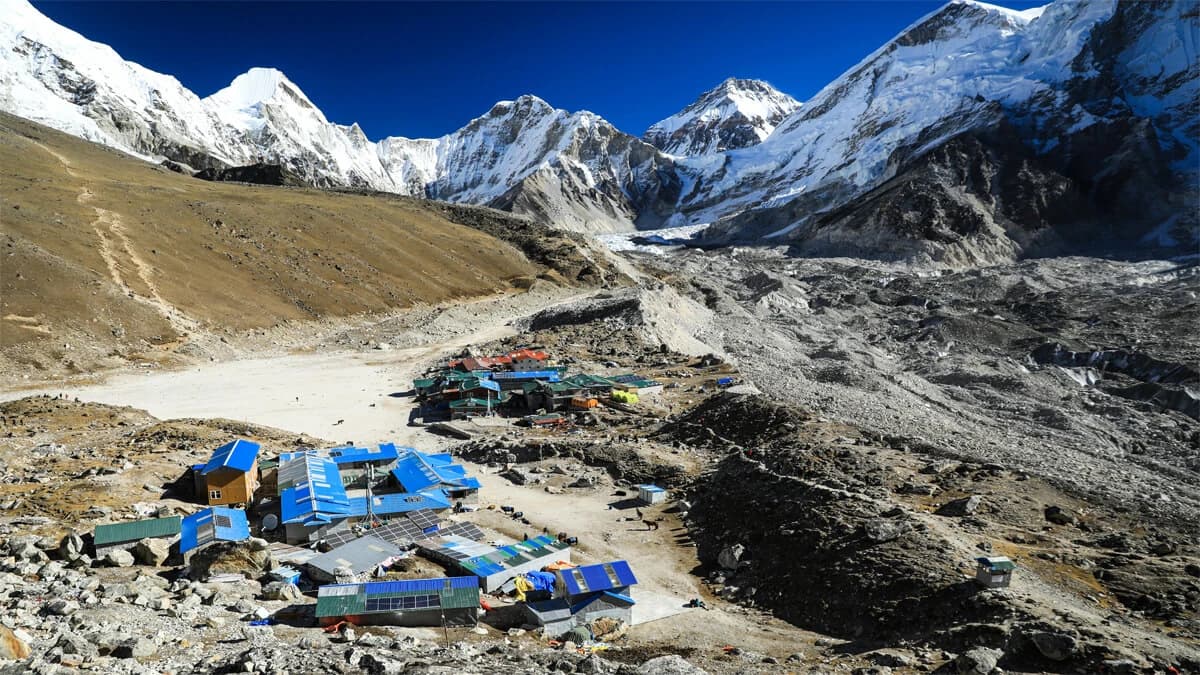
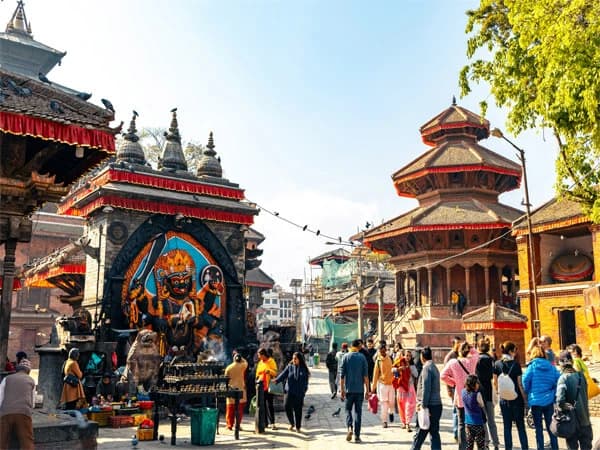
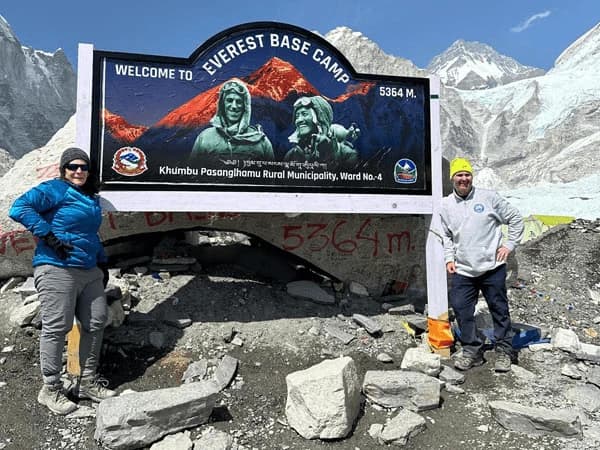
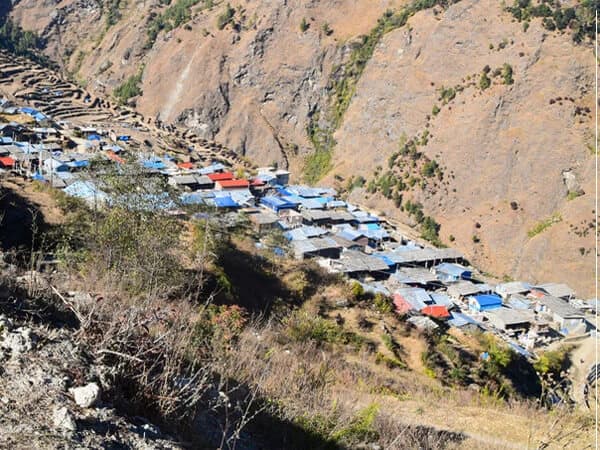
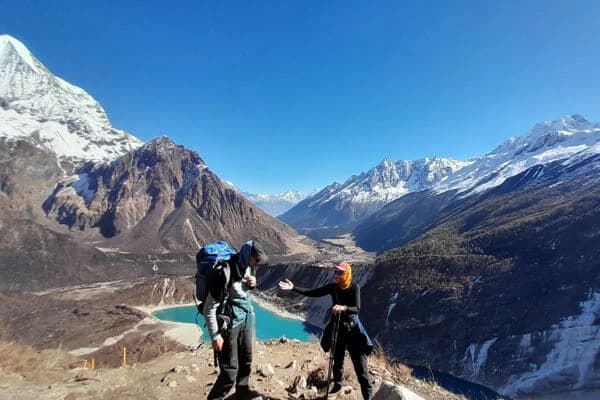
When people think about theEverest Base Camp trek, the first things that usually come to mind are World's highest mountain, long trails, and stunning views. But what often surprises travelers is that, the journey is just as much about people and culture as it is about the Himalayas.
The Khumbu Valley cultural experience is something you feel from the very beginning, as you pass through small villages, meet local Sherpa communities, and slowly see how life here has been shaped by nature and tradition.
This region is home to the Sherpa culture, where daily life is deeply connected with the mountains and Tibetan Buddhism. From prayer flags on bridges to centuries-old monasteries along the trail, everything carries meaning and history. As you trek further, you don’t just walk through landscapes, you experience the Everest trekking cultural encounters that make this journey unique.
In this blog, you’ll get a simple look into the culture, lifestyle, and traditions of the Everest region, along with how local Sherpa communities live, what shapes their daily routines, and how Buddhism influences life in the mountains.
Historical Background of the Everest Region
The Everest region, also known as the Khumbu Valley, has a long history shaped by the Sherpa culture who settled here centuries ago after migrating from Tibet. Over time, they adapted to the harsh mountain environment and built a unique way of life deeply connected to Tibetan Buddhism and the Himalayas. This has created a strong Sherpa culture in Everest region that still defines everyday life today.
Before it became a popular trekking route, this area was mainly home to small farming and trading communities. The trails are now part of the Everest trekking cultural encounters were once ancient trade routes in Nepal connecting Nepal and Tibet, used to exchange salt, wool, and other goods.
The world only started paying attention to this region after the first successful Everest summit in 1953 by Sir Edmund Hillary and Tenzing Norgay Sherpa. Since then, the Khumbu region trekking routes have slowly transformed into one of the most famous trekking destinations in the world, while still preserving its traditional culture and spiritual identity.
Today, even with growing tourism, the region still holds its deep historical roots, where old monasteries, ancient paths, and Himalayan Sherpa heritage continue to shape everyday life in the Everest region.
Sherpa Culture in the Khumbu Region
The Sherpa culture in the Khumbu region is one of the most important parts of the Everest Base Camp experience, giving the trek a deeper meaning beyond just the mountains.
The Sherpa people are an ethnic group who migrated from Tibet several centuries ago and settled in the high Himalayan valleys of eastern Nepal. Over time, they developed a distinct identity shaped by altitude, isolation, and strong spiritual beliefs, becoming an essential part of the region’s history and trekking culture.
Life in the Khumbu represents a true Himalayan lifestyle of local people. Due to the high altitude and harsh climate, the Sherpa lifestyle in Everest region is built around simple living, where farming (mainly potatoes and barley), livestock rearing, and tourism play a key role. Homes are traditionally made of stone, designed to withstand cold weather, and daily routines often follow the rhythm of nature. Despite modern influences, many aspects of traditional life are still preserved, especially in smaller villages along the trail.
A defining element of Sherpa life is their deep spiritual connection with the mountains. Influenced by Tibetan Buddhism in the Himalayas, they see the surrounding peaks as sacred rather than something to conquer. This belief is reflected in everyday practices, spinning prayer wheels, visiting monasteries, hanging prayer flags, and walking clockwise around mani stones and stupas. Religion is not separate from daily life; it is a constant presence that guides actions, decisions, and community values.
Another standout feature is the warmth and hospitality of the Sherpa people. Trekkers often experience this through teahouse stays, where guests are welcomed with kindness, simple home-cooked meals, and a sense of comfort even in remote locations. This genuine friendliness is a key part of Sherpa hospitality and traditions, making visitors feel connected rather than just passing through.
The entire region carries a deep Spiritual significance of the Himalayas, where mountains are not just landscapes but sacred spaces. This spiritual belief shapes how people live, move, and interact with the environment, making the Everest region a unique blend of culture, history, and natural beauty.
Traditional villages of Everest Region
As you follow the Everest Base Camp trail, the journey naturally passes through a series of villages that each tell a different part of the Khumbu story. These aren’t just overnight stops, they are places where people live, work, and carry forward traditions shaped by the mountains. From lower river valleys to high-altitude settlements, each village has its own identity, lifestyle, and role along the trail.
Lukla
Lukla is where the journey usually begins, and while it’s known for its airport, it’s also a busy mountain village with its own local life. Shops, lodges, and small markets line the main trail, creating a lively first impression of the region.
This village acts as a gateway to the Everest region, so there’s constant movement, trekkers arriving, porters organizing loads, and supplies being transported. Despite this activity, you can still notice traditional elements like stone houses, prayer flags, and small monasteries. It’s where modern trekking energy meets local mountain culture.
Namche Bazaar
Namche Bazaar is the largest and most developed village in the Khumbu region, often considered the heart of the Everest trek. Built in a natural amphitheater, it's surrounded by mountains and provides one of the first clear views of the high himalayas.
The village is a major trading hub, where locals and traders from nearby areas gather, especially during the weekly market. Alongside traditional life, you'll find bakeries, cafes, gear shops and museums. It's also an important acclimatization stop, so trekkers usually spend extra time here, getting a deeper feel of the place.
Phakding
Phakding is a small and peaceful village located along the Dudh Koshi River. It's usually the first overnight stop after Lukla, providing a gentle introduction to trekking in the region. The village is surrounded by greenery, suspension bridges and flowing water, giving it a calm and refreshing atmosphere.
Life here feels slower and quieter. Most people are involved in running teahouses, farming or supporting trekking activities. It's a place where you begin to notice the rhythm of mountain life without the crowds of larger villages.
Khumjung and Khunde
Khumjung and Khunde are neighboring villages located above Namche Bazaar, offering a more traditional and less crowded experience. These villages sit in a wide valley beneath the sacred peak of Khumbila, which holds spiritual importance for the local people.
Khumjung is known for its monastery and school, while Khunde has a hospital established to support the local community. The houses here are easily recognizable by their green roofs, and the open landscape gives a different feel compared to other villages. Life is community-focused, with strong ties to tradition, religion, and local development.
Phortse
Phortse is a quiet hillside village that feels more remote compared to the main trekking route. Because fewer trekkers pass through here, it has managed to keep a more authentic and untouched atmosphere. The views from Phortse are wide and open, overlooking valleys and surrounding peaks.
The village is well known for producing experienced climbers and guides, which gives it a strong connection to mountaineering history. At the same time, daily life continues with farming, livestock, and small-scale tourism.
Dingboche
Dingboche is a high-altitude village that feels very different from the lower settlements. The landscape becomes more open and rugged, with fewer trees and wider views of the surrounding mountains. Fields are enclosed by stone walls to protect crops from wind and animals, showing how people adapt to the environment.
Life here is more challenging due to the altitude, and the village mainly depends on trekking activities. It’s also an important acclimatization stop, where trekkers spend time adjusting before heading higher. Despite the harsher conditions, Dingboche has a calm and steady atmosphere.
Monasteries and Spiritual Life
As you move deeper into the Everest region, spirituality becomes more visible, not in a dramatic way, but in small, consistent details along the trail. Monasteries are not isolated landmarks here; they are part of the community, shaping daily routines, local values, and the overall atmosphere of the Khumbu. This is a key part of the Buddhist monasteries on Everest Base Camp trek, where religion is deeply connected with everyday life.
Role of Monasteries in Local Life
Monasteries in the Everest region are more than places of worship. They act as community centers where important rituals, ceremonies, and gatherings take place. Many families maintain a close connection with nearby monasteries, visiting regularly for blessings, festivals, or guidance from monks. This reflects the strong Spiritual significance of the Himalayas, where mountains and faith are closely linked.
In villages, monasteries often sit slightly above the main settlement, quietly overlooking daily life. This placement reflects their importance not separate, but gently present in the background of everything.
Tengboche and other Monasteries
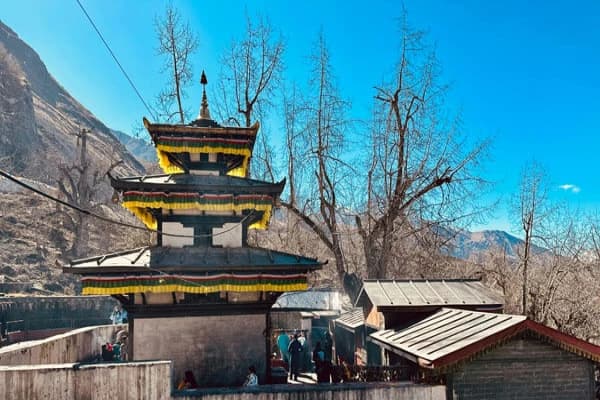
Tengboche Monastery is one of the most well-known in the region, mainly because of its location and size. Sitting along the main trekking route, it serves as a spiritual stop for both locals and trekkers. The monastery hosts regular prayer sessions, and visitors are usually allowed to sit quietly and observe.
Apart from Tengboche, there are smaller monasteries and gompas in places like Pangboche and Khumjung. These may not be as large, but they often feel more personal and closely tied to village life. Each one has its own history, local significance, and role within the community.
Prayer Practices and Rituals
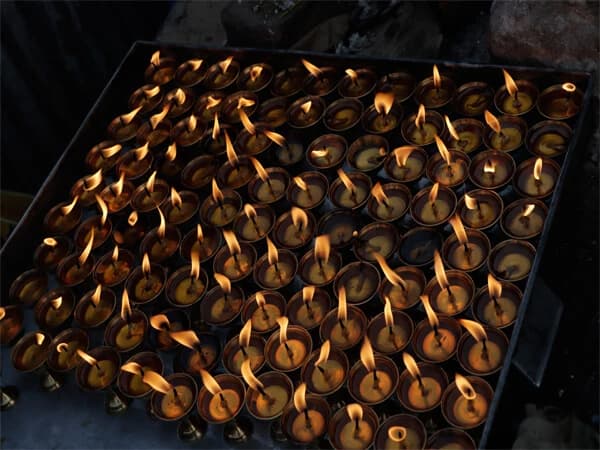
Spiritual practices in the Khumbu are simple but consistent. Prayer wheels, mani stones, and small shrines are part of the everyday landscape. Locals spin prayer wheels while passing by, walk in a clockwise direction around religious structures, and offer quiet prayers as part of their routine.
These actions are not performed for display, they are habits built into daily life. For trekkers, observing these practices offers a better understanding of how belief and routine naturally come together in this region.
Religious Gatherings
At certain times of the year, monasteries become more active during festivals and ceremonies. Events like Mani Rimdu bring together monks and villagers for a series of rituals, masked dances, and prayers. These gatherings are important not just spiritually, but socially, as they connect communities across different villages.
Even outside festival periods, smaller rituals and prayer sessions continue regularly, maintaining a steady spiritual presence throughout the year.
A Quiet Presence Along the Trail
What stands out about spirituality in the Everest region is its consistency rather than intensity. It doesn’t demand attention, but it’s always there, in the layout of villages, in the way people move around religious sites, and in the calm environment that surrounds them.
For many trekkers, this becomes one of the more grounding parts of the journey. It adds a different layer to the experience, where the focus shifts, even briefly, from reaching a destination to simply observing and understanding the place you’re walking through.
Festivals and Local Traditions
In the Everest region, festivals and traditions are not separate events, they are part of the natural flow of life. They bring communities together, mark important moments, and reflect the strong connection between culture and religion in the Khumbu.
One of the most well-known festivals in the region is Mani Rimdu festival in Everest, celebrated at monasteries like Tengboche. It involves a series of rituals, prayers, and masked dances performed by monks. These dances are not just performances; they carry symbolic meanings related to protection, positivity, and the balance between good and negative forces. For locals, it’s a deeply spiritual event, while for trekkers, it offers a rare chance to witness living traditions.
Apart from larger festivals, there are many smaller rituals that happen throughout the year. Families visit monasteries for blessings, ceremonies are held during births or important life events, and prayer rituals are part of seasonal changes. These traditions are simple but consistent, showing how local traditions in the Everest region are closely tied to everyday life rather than occasional celebrations.
What stands out is how these practices are maintained without much change. Even with increasing tourism, the cultural rhythm remains steady, passed down through generations in a natural and unforced way. This reflects the true Himalayan lifestyle of local people, where belief, culture, and daily life are deeply connected.
Everyday Life on the Trail
As you walk from one village to another, you start to notice the small details of everyday life in the Nepal Everest Base Camp trek. It’s not dramatic or fast-paced, instead, it’s steady, practical, and shaped by the environment.
Most people in the region are involved in a mix of farming, livestock care, and trekking-related work. In lower areas, you’ll see fields of potatoes and barley, while in higher villages, life depends more on tourism. Teahouses play a big role here, providing food and shelter for trekkers while also being a primary source of income for many families.
Porters and guides are another important part of daily life on the trail. They carry heavy loads across long distances, often moving faster than trekkers, and play a key role in keeping the trekking system running. Their work reflects the physical demands of living and working in the mountains.
Inside teahouses, life is simple. Meals are basic but filling, and evenings are usually spent around a common dining area, often heated by a stove. It’s in these shared spaces that you see a mix of cultures, locals going about their routine while trekkers rest and prepare for the next day.
What makes everyday life here unique is how everything adapts to the surroundings. Weather, altitude, and distance influence daily decisions, and people adjust without much complication. For trekkers, observing this lifestyle adds a deeper understanding of the region, not just as a trekking route, but as a place where life continues steadily in the background of the journey.
Cultural Symbols Along the Trek
As you walk along the Everest Base Camp trail, you'll start noticing small cultural details that appear again and again. These are not just decorations, they are meaningful parts of daily life, quietly reflecting the beliefs and value of the people living in the Khumbu. Understanding these cultural symbols in the Everest Region adds another layer to the journey and is an important part of Mani walls and prayer flags in Everest region that you will see throughout the trek.
Prayer Flags
Prayer flags are probably the first thing you’ll notice. They’re everywhere, hung across bridges, stretched between trees, placed on ridgelines, and near homes. They add color to the landscape, but they also carry a purpose.
Each flag has prayers and mantras printed on it, and instead of being read, they’re meant to be carried by the wind. As the wind blows, it’s believed to spread positive energy, peace, and compassion into the surroundings. The five colors you see represent natural elements, and together they reflect balance in the world.
You’ll also notice that many flags look faded or worn out. That’s not neglect, it’s intentional. Letting them fade naturally is part of the belief in impermanence, where everything changes over time.
Mani Stones
Mani Stones are easy to miss if you're not paying attention, but once you notice them, you'll see them everywhere. These are stones carved with sacred mantras, most commonly “Om Mani Padme Hum.” Sometimes it’s a single rock, and other times you’ll find long walls made up of many carved stones placed together.
There’s a simple way people move around them always keeping the stones to the right side while walking. It’s a small act of respect that both locals and experienced trekkers follow. No one really stops to explain it on the trail, but you start to pick it up just by observing others. These stones aren’t placed randomly. They’re often found at important points like village entrances, junctions, or quiet sections of the trail, adding a subtle spiritual presence along the route.
Chortens
Chortens are those white, dome-shaped structures you’ll see at different points along the trek. Some are large and stand alone, while others are smaller and built near villages or along pathways.
They usually mark something important sometimes a spiritual site, sometimes a memory, or simply a place of significance for the community. Just like with mani stones, people walk around chortens in a clockwise direction. It’s not something that feels forced; it just becomes part of how you move along the trail once you get used to it.
You’ll often find chortens placed where trails meet or at the entrance of a village, almost like a quiet welcome or a marker that you’re entering a different space.
Prayer Wheels
Prayer wheels are another common sight, especially near monasteries, homes, and even along the trail itself. They’re usually metal cylinders mounted on a handle or set into a wall, and inside them are written prayers.
Spinning the wheel is believed to have the same effect as reciting the prayers out loud. Locals often spin them casually while walking past, without stopping or making a big deal out of it. It’s just part of their routine.
For trekkers, it’s one of those small interactions you can take part in as well. Turning a prayer wheel gently as you pass by gives you a small sense of connection to the place and its practices.
Food and Dining Culture in the Everest Region
Food in the Everest region is simple, filling, and designed for the conditions of high-altitude life. As you move along the trail, you’ll notice that meals are not about variety or luxury, they’re about warmth, energy, and consistency. Everything is shaped by the environment, from what can be grown locally to what needs to be carried up by porters or yaks. This makes the food culture in theEverest region practical and closely connected to daily life in the mountains.
The most common meal you’ll come across is dal bhat, a combination of rice, lentil soup, vegetables, and sometimes pickles. It’s a staple for both locals and trekkers because it’s nutritious and filling, often served with unlimited refills. Potatoes are another key part of the local diet, especially in lower and mid-altitude villages where they are grown. You’ll find them in many forms, boiled, fried, or added to curries. As you go higher, food options become more basic since fewer crops can grow, and supplies need to be transported from lower regions. This is why the local diet in the EBC trek focuses more on energy and simplicity rather than variety.
Most meals are eaten in teahouses, which are small lodges run by local families. The dining area is usually warm and shared, often centered around a stove where trekkers gather in the evening. Menus are fairly similar across villages, offering items like dal bhat, noodles, soups, fried rice, eggs, pancakes, and tea. While the options might feel repetitive after a few days, they are reliable and suited for trekking conditions. Theteahouse dining experience in Everest trekking is not just about food, it’s also about sitting together, resting, and sharing the space after a long day on the trail.
In higher villages, you may also come across yak-based products like cheese, butter, and traditional butter tea. These are part of the local diet and provide warmth and energy in colder areas. The taste can feel unfamiliar at first, but it reflects how people use available resources to adapt to their surroundings. Meals generally follow a simple routine, warm breakfast in the morning, lunch along the trail, and an early dinner in the evening. Because of the cold and altitude, hot food and drinks are preferred throughout the day.
Local Skills and Arts in the Everest Region
As you move through the Everest region, you’ll notice that life here is not only about survival in the mountains, but also about preserving skills and traditions that have been passed down for generations. The local skills and arts in the Everest region are simple, practical, and closely tied to everyday life, rather than being created just for display.
One of the most visible forms of local craftsmanship is stonework. Many houses, walls, and pathways in the Khumbu are built using carefully arranged stones. This skill is essential in a place where materials are limited, and it reflects both practicality and experience. You’ll see neatly stacked stone walls around fields, homes built to withstand cold weather, and even carved mani stones that carry spiritual meaning.
Textile work is another important part of local life. In some villages, people still weave woolen clothing using yak or sheep wool. These include items like shawls, socks, and traditional garments that are designed to keep warm in harsh conditions. While modern clothing is now common, these traditional skills are still practiced, especially in quieter villages.
You may also come across handmade items like prayer flags, wooden carvings, and small religious objects. These are often created with a spiritual purpose rather than just decoration. Monasteries and local artisans sometimes produce these items, keeping the connection between art and belief strong in the region.
Another important but less visible skill is the knowledge of the mountains. Guiding, route finding, and understanding weather patterns are all skills developed over time. Many locals grow up learning how to navigate the terrain, carry loads efficiently, and adapt to changing conditions. This practical knowledge is a key part of life and has become especially important with the growth of trekking and mountaineering.
Everest Region vs Upper Mustang Cultural Difference
The Everest Base Camp (EBC) region and Upper Mustang region both give amazing cultural experiences, but they feel very different from each other. In the Everest region, life feels more active and connected with trekking. The Sherpa community lives here, and you’ll see busy villages, teahouses, guides, porters, and trekkers all around. The Sherpa culture in Everest region is mixed with daily life, monasteries, prayer flags, mani stones, and festivals like Mani Rimdu are part of the normal rhythm of the place. Because of tourism and mountaineering, the culture here feels lively and always moving, making it a key part of the Everest Base Camp cultural experience.
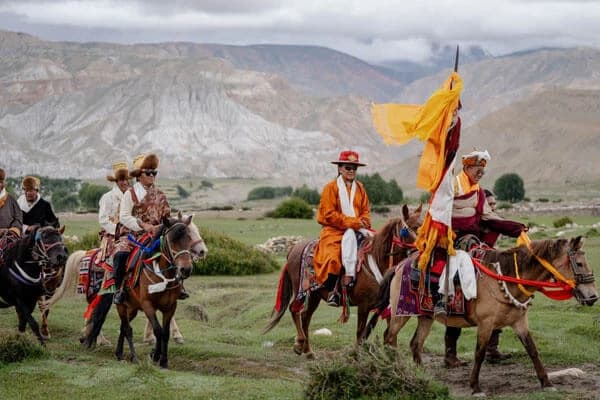
Upper Mustang feels the complete opposite. It is quiet, remote, and more like stepping into an old Tibetan world. Villages like Lo Manthang have mud houses, ancient monasteries, and narrow alleys that look almost unchanged for centuries. This is where you really see the Tibetan Buddhist culture in Upper Mustang, shaped by isolation and tradition. Life moves slowly, and customs are still followed in a very pure and simple way, which is why the Cultural Insights of Upper Mustang Trek feel so unique and preserved. There is less crowd and less modern influence, so the culture feels more untouched and deeply rooted in history. In short, EBC feels active and a modern-traditional mix, while Upper Mustang feels ancient, calm, and strongly connected to old Himalayan heritage.
Conclusion: Cultural Highlights of EBC Trek
The Everest region is more than just a trekking route. It is a place where history, culture, and everyday mountain life come together. From the Sherpa heritage to old monasteries and traditional villages, you can still see how deeply people are connected to their roots even today.
What makes the journey really special is how naturally everything blends into the trek. You are not just walking through mountains. You are passing through villages, sharing meals in teahouses, and noticing small cultural details along the way. It all feels simple, real, and lived in.
In the end, the Everest region gives you more than views of the Himalayas. It gives you a feel of the culture, the people, and the way life continues in one of the most iconic mountain regions in the world.