For most people, Everest Base Camp and Nepal are almost the same thing. The first images that come to mind are Lukla flights, Sherpa villages, and the long trail through the Khumbu region. But Mount Everest has another side too. The North Base Camp route in Tibet reaches the same mountain through a completely different travel experience.
When you look at Everest Base Camp trek Nepal vs Tibet, Nepal is more popular mainly because it is easier to access, simpler to plan, and gives more freedom once you are actually on the trip. Tibet is less common, and the main reason is the level of control involved from start to finish. You don’t really get the same independence there.
That difference alone is what explains why the South Base Camp of Mount Everest gets far more attention than the North Base Camp of Everest.
Why the South Route Became the Default Everest Experience
The Everest South Base Camp didn't suddenly become the famous one. Its popularity grew over decades. Commercial trekking in Nepal expanded long before most people had even heard of the North Base Camp. Everest expedition teams heading from the south helped put the route on the map, and Nepal trekking companies built around that demand. Today, when someone searches for Everest Base Camp, they're mostly looking at Nepal before they even realise there's another option.
Everest Base Camp Nepal vs Tibet: Permits and Entry Rules
The permit process for trekking/expedition on the Nepal side is relatively simple compared with the additional travel arrangements required for Tibet.. Most people deal with everything after they land in Kathmandu and then move on from there when things are ready.
For the Mount Everest Base Camp trek in Nepal you need
- Nepal tourist visa which most people get on arrival
- Sagarmatha National Park entry permit
- Khumbu Pasang Lhamu Rural Municipality permit
These are sorted in Kathmandu or through whoever is handling the trek. After that, you just continue toward the Everest Base Camp Nepal route without running into anything extra from the government side once you are inside the region.
Nepal basically lets you come in first and handle the trekking side locally. It is controlled, but not in a way that keeps interrupting how you plan things.
Tibet is a different situation for the Everest North Base Camp route.
You cannot go there and sort things out yourself as you go. Everything has to be arranged before you even enter through an approved tour operator.
For Everest Base Camp Tibet side you need
- Chinese visa
- Tibet Travel Permit issued only through authorised agencies
- A pre booked guided tour
Once that is done, you follow the plan as it is. The route, timing, and movement are already decided before the trip starts, and there is no real flexibility to change things on the ground.
The Mountain Is the Same. The Experience Isn't.
If you're only comparing where the trail ends, you're comparing the wrong thing. What really separates these routes is everything that happens before you reach Everest Base Camp.
| Everest South Base Camp Trek (Nepal) |
Everest North Base Camp Route (Tibet) |
| The trip starts with a flight to Lukla. From there, the only way to reach Everest Base Camp is by trekking. There is no road that continues from Lukla to Base Camp. |
Most visitors reach the North Base Camp area by road through Tibet as part of an organised tour. |
| Your schedule has room to adapt. If you need another acclimatization day or flights are delayed, plans can be managed without affecting the whole trip. |
The itinerary is usually fixed before you enter Tibet, so changes during the trip are much more limited. |
| Lukla flights are one of the biggest uncertainties on the Nepal side. That's why experienced trekkers leave a few spare days before their international flight home. |
The North route doesn't rely on Lukla flights, but the trip depends on permits, border procedures, and the itinerary arranged by the tour operator before you arrive. |
| The trail has been shaped by trekkers for decades. Villages, tea houses, bakeries, gear shops, and rescue services grew because thousands of people walk this route every season. |
The visitor experience developed around road access and organised tourism rather than a continuous multi day trek between mountain villages. |
| Reaching South Everest Base Camp takes more than a week on foot, so the destination feels like the end of a journey rather than the beginning of the experience. |
For most visitors, arriving at the North Everest Base Camp area is the main objective. While trekking routes do exist in Tibet, they are far less common than the standard road based visit. |
| Most of the planning can be done after arriving in Nepal, and there is generally more flexibility if plans change along the way. |
Most of the planning is completed before entering Tibet because permits, transport, guides, and the itinerary are arranged in advance. |
Everest South Base Camp vs Everest North Base Camp: Which Route Is More Difficult?
People have the tendency to compare these routes by asking one question: Which one is harder? The better question is harder in what way?
Comparing these routes by difficulty alone can be misleading because they present different challenges. The South EBC trek demands more sustained physical effort, while the Everest North Base Camp route exposes you to similar high altitude conditions without requiring the same amount of trekking.
The South Route is More Physically Demanding.
A typical Everest Base Camp trek itinerary involves 12 to 14 days of trekking through the Khumbu region, with several consecutive days of walking before reaching Base Camp. The combination of distance, elevation gain, and reduced oxygen makes good fitness and proper acclimatization essential.
The North Route Reduces the Trekking, Not the Altitude.
Most visitors reach Everest North Base Camp by road through Tibet, which significantly reduces the amount of walking. That does not reduce the effects of altitude. At elevations above 5,000 metres, the risk of altitude sickness remains regardless of whether you arrived on foot or by vehicle, making acclimatization just as important on the Tibet side.
The Better Comparison is What Each Route Demands from you.
If your priority is the physical challenge of trekking to Everest, the South route is unquestionably more demanding. If your concern is how your body responds to extreme altitude, neither route should be underestimated. The South EBC trek in Nepal and the North EBC trek route in Tibet reach the same mountain in very different ways, and understanding that distinction gives a far more accurate comparison than simply asking which one is harder.
Which Everest Base Camp Gives the Best Views of Mount Everest?
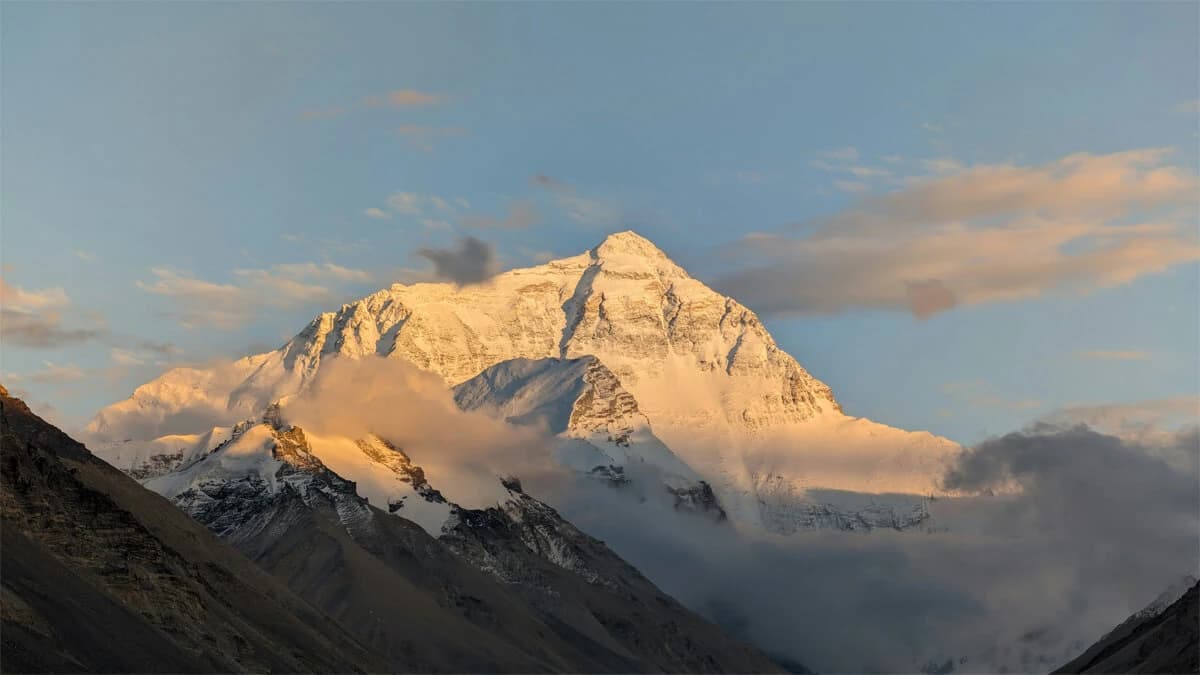
No doubt, Everest North Base Camp gives the best views of Mount Everest. If the only thing you're judging is the view of Mount Everest, the Tibet side wins. The landscape on the Tibet side is much more open, so the North Face of Everest stands out without another mountain covering most of it.
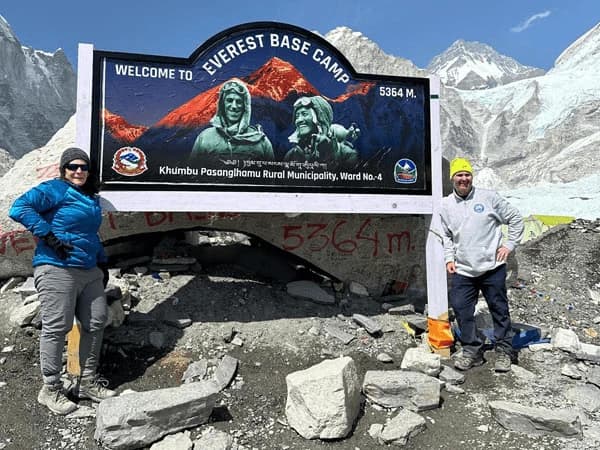
The South Everest trek is different because Everest Base Camp was never meant to be a viewpoint. It's an expedition campsite built on the Khumbu Glacier, where climbing teams prepare before heading towards the summit. From Base Camp, Nuptse covers much of Everest, so the view is more restricted than many travellers expect.
The best Mount Everest viewpoint in Nepal is Kala Patthar, not Everest Base Camp. Almost every trekking itinerary includes an early morning climb because that's where the mountain opens up properly. From there, Everest rises above Nuptse, with Lhotse, Pumori, and the Khumbu Icefall all visible from the same viewpoint.
A lot of the photographs labelled as Everest Base Camp online weren't taken at Base Camp at all. They were taken from Kala Patthar. The two locations are close to each other, but the view is completely different.
If your only priority is the best possible view of Mount Everest, the Everest North Base Camp has the advantage. On the Nepal side, the view that stays with most trekkers comes from a hike to Kala Patthar rather than Everest Base Camp itself.
Why the Everest North Base Camp Route Never Reached the Same Popularity
The difference between these two routes wasn't decided by the mountain. It was decided by everything that grew around the mountain. The route had something the north never really had enough time to build, an entire trekking culture.
Long before trekking in Nepalbecame famous around the world, the trails through the Khumbu were already connecting Sherpa villages. Everest expeditions later started using those same routes, and as the number of climbers grew, local families found new ways to earn a living from the people passing through.
That's why villages like Namche Bazaar, Tengboche, Dingboche, and Lobuche feel like part of the journey instead of places that exist only for tourism. Many tea houses began as family homes before expanding to welcome trekkers. Some of today's guides grew up watching climbers and trekkers pass through their villages every spring and autumn before choosing the same profession themselves.
The South route also earned its reputation long before people started planning trips on social media. Expedition books, travel magazines, printed guidebooks, documentaries, and personal recommendations introduced generations of trekkers to the same route. By the time travel blogs and YouTube became popular, the Nepal side had already become the route that most people associated with Everest Base Camp.
The EBC tour by north route never developed in the same way. Most visitors reach Everest Base Camp by road, so the experience is centred on arriving at the destination rather than spending days walking through mountain villages. That difference shaped tourism on both sides of Everest, and it's one of the biggest reasons the South route remains the first choice for so many people planning an Everest adventure.
Can You Visit Both Everest Base Camps in Nepal and Tibet?
Yes, it is possible to visit both the Everest South Base Camp in Nepal and the Everest North Base Camp in Tibet, but they are two separate trips rather than one connected route.
The two Base Camps are located on different sides of Mount Everest, which means travellers need to deal with separate entry requirements, permits, and travel arrangements. You cannot cross over and continue to the Tibet side after you finish trekking in Khumbu region.
A normal Everest Base Camp trek itinerary takes about 12 to 14 days, with stops in places like Namche Bazaar, Tengboche, and Dingboche before you reach Base Camp. Trekkers sleep in mountain teahouses and gain altitude gradually as they move deeper into the Everest region.
Most travellers reach Everest North Base Camp by road through the Tibetan plateau as part of an organised trip and it does not include the same village to village teahouse trekking experience found on the Nepal side.
Travellers who want more time in the Khumbu region look beyond the standard EBC package. The Gokyo Lakes trek 13 days is a popular choice because it leaves the main Everest Base Camp hiking trail and heads into the Gokyo Valley, where the view from Gokyo Ri includes Everest and several other major Himalayan peaks.
Because of this, some people choose to see both sides of Everest, while others stay longer in one region. It depends on whether they want a long Himalayan trek or a more direct visit to the mountain.
Which Everest Base Camp Route Should You Choose?
The better route depends on what you want the trip to be about.
The Nepal side is the better choice if you want the experience oftrekking in Nepal itself. The route takes you through the Khumbu region, where villages, local communities, and the trail between each stop are a major part of the journey.
The Tibet side works better for travellers who want a more direct visit to Everest and a different view of the mountain from the Tibetan plateau.
A lot of people focus only on reaching Base Camp, but the experience starts much earlier than that. On the Nepal side, places like Namche Bazaar and the villages along the trail are a major reason the route became famous in the first place.
For travellers interested in the Nepalese Himalayas, the southern route offers a longer connection with the region rather than only a visit to the mountain.
Final Verdict: Why Everest South Base Camp Trek Remains More Popular
The Everest South Base Camp route remains more popular because it offers a complete trekking experience through the Khumbu region, not just a visit to the mountain. The trail, Sherpa villages, and long history of Nepal Trekking in Himalayan are what made this side of Everest famous.
TheNorth Base Camp route of Everest is a great alternative, but the South side remains the classic Everest experience for most travellers.