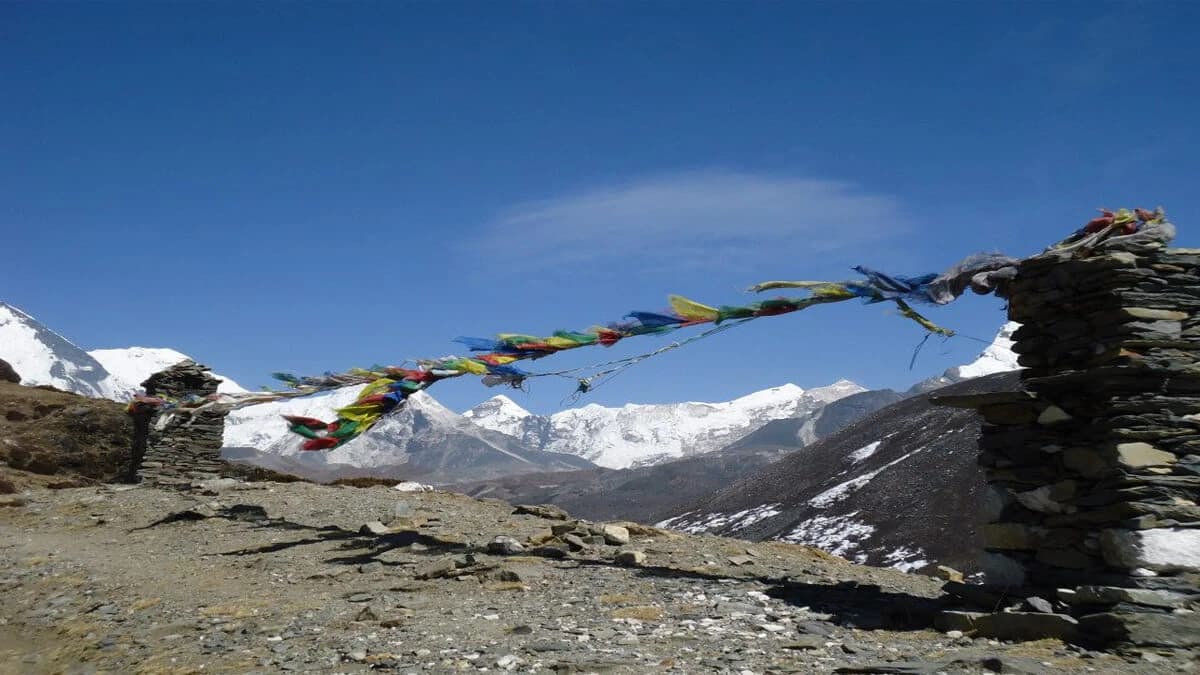
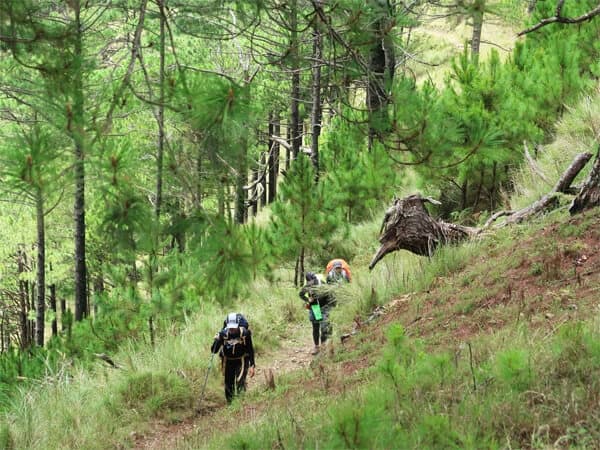
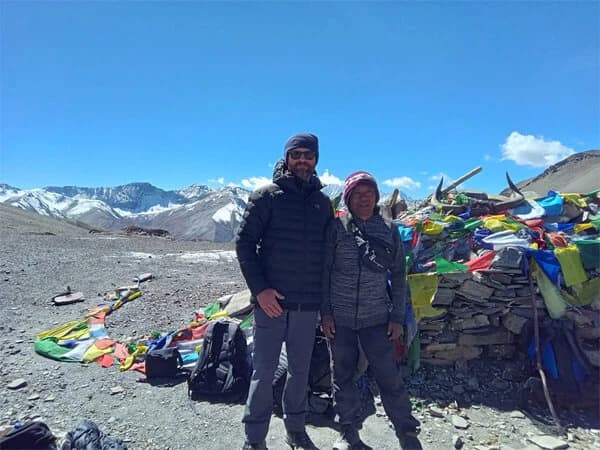
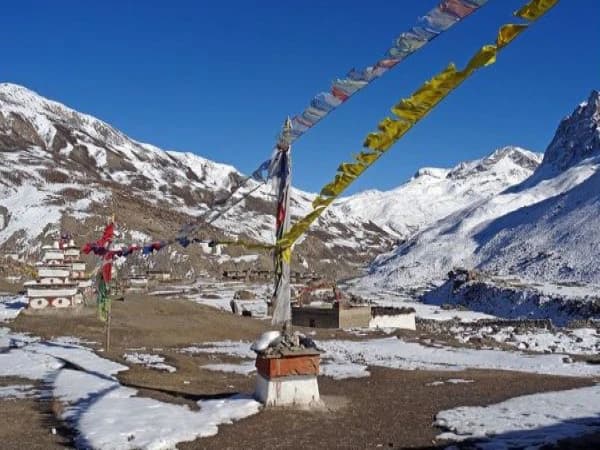
Do you know that trekking in Nepal is not only one of the most exciting adventure activities but also one of the healthiest outdoor experiences you can choose? From walking through scenic mountain trails to breathing fresh Himalayan air, trekking offers countless physical and mental wellness benefits. Nepal, known for its majestic peaks, green hills, peaceful valleys, and world-famous trekking routes, provides the perfect environment for travelers seeking both adventure and better health.
Whether you choose a Himalayan trekking journey, a peaceful nature walk in Nepal, or a challenging high-altitude trail, every step contributes to your overall well-being. The combination of mountain hiking, fresh air, physical activity, and natural surroundings helps improve fitness, reduce stress, strengthen the heart, and refresh the mind. More than just an adventure trekking in Nepal becomes a natural way to build endurance, improve mental clarity, and enjoy a healthier lifestyle.
No matter, whether you choose Everest base camp trek, Annapurna circuit trek or something else, you will surely enjoy the following benefits.
What are the Health Benefits of Trekking in Nepal?
Trekking in Nepal is one of the best ways to improve your health while experiencing nature at its finest. Many benefits that stay with you long after the journey ends. Whether you choose a short hill trek or a longer Himalayan adventure, every step you take in Nepal can have a positive effect on your body and mind.
Why Trekking in Nepal Is Good for Your Health and Fitness?
Trekking is one of those experiences that looks simple at first, just walking in the mountains, but once you are actually on the trail, you feel your whole body working. You are not walking on flat roads. You are climbing uphill, going down rocky steps, crossing suspension bridges, and adjusting your balance again and again.
This kind of movement becomes a natural full body workout. Your legs get stronger from constant climbing, your core works to keep you stable on uneven terrain, and your whole body stays active for hours. This is one of the main physical benefits of trekking in Himalayas. It improves strength, balance, and flexibility without any structured exercise.
Since you are walking for long hours every day, your body keeps burning calories naturally. You are active from morning to evening, which slowly improves fitness and body endurance.
How Trekking in Nepal Improves Mental and Physical Health?
Trekking affects both body and mind in a very natural way. Physically, your body takes a few days to adjust. At the beginning, long walks can feel tiring, especially if you are not used to hiking. But slowly, your breathing becomes easier, your legs feel stronger, and your body finds a steady rhythm. This is where trekking and endurance building really starts to show.
Mentally, things shift even more. You move away from daily noise, screens, and pressure. Life on the trail is simple. Walk, eat, rest, repeat. This simplicity is what makes mountain trekking and mental wellness so powerful. Your mind starts slowing down, and you stop overthinking small problems. This is also why many people describe trekking as a form of wellness travel in Nepal, where the journey itself becomes a way to reset both body and mind.
Does Trekking in Nepal Improve Cardiovascular Fitness?
Yes, it does, and in a very natural way. When you are trekking in Nepal, especially in hilly or high altitude regions, your heart is working continuously. You are walking long distances, often uphill, where your body needs more oxygen. This is where hiking and cardiovascular health really comes into play.
At first, you may feel breathless during climbs, but your body slowly adapts. Your heart becomes more efficient, blood circulation improves, and your stamina increases. Over time, this steady effort improves your overall cardiovascular fitness without needing any gym workout.
How Trekking Helps Reduce Stress and Anxiety?
One of the biggest reasons people go trekking is to escape stress, and it actually works. When you are on the trail, your focus naturally shifts to simple things like walking, breathing, and watching your step. This breaks the cycle of overthinking. This is where trekking for stress relief becomes very real, not just a phrase.
The environment also helps a lot. Fresh air, open mountains, quiet villages, and long natural landscapes create a calm feeling that is hard to get in city life. This is part of the nature therapy trekking in Nepal experience, where being outdoors itself helps calm your mind. Slowly, stress reduces, sleep improves, and your mood becomes more stable.
How Himalayan Trekking Helps in Weight Loss and Endurance?
Trekking in the Himalayas naturally supports weight loss and stamina improvement. You are walking for several hours every day, climbing steep trails, and staying active almost the whole time. This leads to steady calorie burn, which supports trekking and weight loss benefits without any strict diet or gym routine.
At the same time, your endurance keeps improving. The first few days might feel tough, but your body adapts quickly. You start walking longer distances with less effort. This is a clear example of altitude trekking fitness benefits, where your body becomes stronger by adjusting to higher elevation and physical demand. In the long run, you return home with better stamina, improved energy levels, and a more active lifestyle influenced by the Himalayan trekking lifestyle benefits.
Best Time for Health-Focused Trekking in Nepal
If your goal is to get the most health benefits from trekking in Nepal, timing actually matters more than people think. The weather, trail conditions, and even how your body performs change a lot depending on the season. Choosing the right time makes trekking safer, more enjoyable, and better for your overall fitness and wellness experience.
Ideal Seasons: Spring and Autumn
The two best seasons for trekking in Nepal are spring (March to May) and autumn (September to November). In spring, the trails feel alive. The weather is mild, flowers like rhododendrons bloom along the hills, and the temperature is comfortable for long walks. It is a great time for building stamina without extreme cold or heat affecting your body.
Autumn is even more popular. After the monsoon, the air becomes clear, the skies are sharp blue, and mountain views are at their best. The weather is stable, which makes walking easier and safer, especially for longer treks. These two seasons are also ideal for improving fitness because your body doesn’t struggle too much with harsh weather conditions.
Weather and Trail Conditions in Nepal
Weather plays a big role in how your trekking experience feels physically. During the best seasons, trails are usually dry and stable. This means fewer risks of slipping, easier walking conditions, and more energy for long distances. Your body can focus more on movement and endurance instead of dealing with mud, rain, or extreme cold.
In contrast, winter can be very cold in higher altitudes, and monsoon season brings heavy rain, slippery paths, and leeches in some regions. These conditions can make trekking more physically demanding and sometimes less safe for beginners.
Good weather not only makes trekking easier but also helps your body perform better. You breathe easier, walk longer, and enjoy the journey without unnecessary strain. That’s why choosing the right season is a key part of getting the full health and wellness benefits of trekking in Nepal.
Best Trekking Routes in Nepal for Health and Wellness
Not every trekking route in Nepal provides the same kind of experience, and that is what makes trekking here special. Some trails are gentle and relaxing, perfect for people who want to enjoy a peaceful walk in nature, while others are more demanding and designed for those looking to challenge their body and mind. If your goal is not just adventure but also better fitness, mental refreshment, and overall wellness, choosing the right trekking route can make a big difference in your experience.
Poon Hill Trek
For beginners or those looking for a softer introduction to wellness travel in Nepal, short and moderate routes are often the best choice. Treks like Poon Hill offer steady uphill walking, fresh mountain air, and beautiful Himalayan views without putting too much strain on the body. This kind of trek is excellent for improving stamina, supporting healthy movement, and enjoying the fresh air and health benefits trekking naturally provides. It is also ideal for those who want trekking for stress relief, as the peaceful environment helps calm the mind while keeping the body active.
Langtang Valley
If you want something a little longer with a balanced mix of physical challenge and mental wellness, Langtang Valley is a great option. This route offers gradual climbs, scenic forest trails, riverside paths, and stunning mountain views that make walking feel rewarding rather than exhausting. It is one of the best examples of nature therapy trekking in Nepal, where time spent outdoors helps improve focus, reduce stress, and build endurance naturally. The consistent walking days also support trekking and endurance building, making it suitable for people who want to improve fitness in a steady and enjoyable way.
Annapurna and Everest Circuit
For trekkers looking for a stronger physical challenge, routes like the Annapurna Circuit and Everest Base Camp provides some of the most rewarding physical benefits of trekking in Himalayas. These high altitude treks involve long walking days, steep climbs, and changing terrain, which help improve muscle strength, stamina, and body endurance. They are also excellent for hiking and cardiovascular health, as your heart and lungs work steadily throughout the journey to meet your body’s oxygen needs. Over time, this kind of trekking improves physical fitness in a way that feels natural and deeply rewarding.
How Trekking in Nepal Improves Sleep Quality?
One of the lesser talked about benefits of trekking in Nepal is how naturally it improves your sleep. Many people struggle with poor sleep because of stress, screen time, busy schedules, and a lack of physical activity. Trekking changes all of that in a simple and healthy way. When you spend the day walking through mountain trails, climbing uphill paths, and staying active for hours, your body uses energy in the way it is meant to.
By evening, you feel physically tired, but in a good way. This natural tiredness helps your body relax deeply, making it easier to fall asleep and stay asleep throughout the night. It is one of the quiet but powerful trekking health benefits Nepal offers.
The environment also plays a big role. Fresh mountain air, peaceful surroundings, and being away from city noise create a calm space for both body and mind. This is where mountain trekking and mental wellness connects closely with better sleep. As stress levels go down and your mind becomes quieter, sleep becomes deeper and more restful.
Trekking also helps reset your daily routine. You wake up early, move your body throughout the day, eat meals on time, and spend less time on your phone or laptop. This natural rhythm supports better sleep cycles and gives your body a healthy routine it often misses in daily life.
In many ways, trekking becomes a natural sleep therapy. You return not only with stronger legs and better stamina, but also with improved rest, a clearer mind, and more energy for everyday life.
Healthy Eating Habits During Trekking
One of the things people often notice during trekking in Nepal is how naturally their eating habits improve. Life on the trail is simple, and that simplicity often leads to healthier choices without much effort. You are walking for hours every day, spending energy, and your body starts asking for real nourishment instead of quick snacks or processed food.
During most treks, meals are basic but filling. Foods like rice, lentils, vegetables, soups, potatoes, eggs, noodles, and seasonal fruits become regular parts of your day. These meals give your body steady energy for long walking hours and help with recovery after a tiring day on the trail. When your body is active, you also become more mindful of what you eat because food starts to feel like fuel rather than just something to satisfy cravings.
Hydration becomes another important habit. Trekking in mountain regions makes you drink more water naturally, especially at higher altitudes where staying hydrated is important for energy and body function. Combined with regular meals and physical activity, this creates a healthier routine that supports digestion, energy balance, and overall wellness.
Trekking also changes your relationship with food. Fresh air, movement, and a simple lifestyle often reduce cravings for junk food and unhealthy eating patterns. You start enjoying warm, homemade meals, eating on time, and listening more to what your body actually needs. This is one of the subtle but lasting Himalayan trekking lifestyle benefits, where healthy habits begin naturally and often continue even after the journey ends.
Trekking Encourages a More Active Lifestyle
One of the best long-term benefits of trekking in Nepal is how it changes the way you look at movement and daily life. During a trek, staying active becomes part of your routine without feeling forced. You walk for hours, climb trails, stretch your body naturally, and spend most of the day moving. After experiencing that kind of active lifestyle, it often becomes hard to go back to sitting still all day.
Many people return from trekking feeling stronger, lighter, and more energetic. That feeling often inspires small but meaningful changes in everyday life. Some start walking more regularly, some pick up hiking as a hobby, and others simply become more mindful about staying active. This is how trekking slowly builds healthier habits that continue long after the journey ends.
Trekking also changes your mindset around fitness. You begin to understand that staying healthy does not always mean strict workout plans or spending hours in a gym. Sometimes, simple activities like walking outdoors, climbing hills, spending time in nature, and keeping your body moving are enough to improve your overall health. This is one of the most valuable Himalayan trekking lifestyle benefits, because it encourages a natural and sustainable way of staying fit.
Over time, this shift toward movement supports better energy levels, improved stamina, and a healthier routine. In many ways, trekking in Nepal becomes more than a travel experience, it becomes the beginning of a more active lifestyle, both physically and mentally.
Conclusion: Understand the Health Benefits of Trekking In Nepal
Trekking in Nepal is not just about reaching a destination or ticking off famous trails like Everest Base Camp or Annapurna Circuit. It is a full experience that slowly changes the way your body feels, how your mind works, and even how you live your daily life after the journey ends. From improving physical strength, stamina, and cardiovascular fitness to reducing stress, improving sleep, and supporting mental clarity, trekking naturally works on both body and mind at the same time. You don’t need complicated routines or equipment, just consistent walking in the mountains, fresh air, and time in nature.
What makes Nepal special is the environment itself. The Himalayas create a setting where movement becomes healing, silence becomes refreshing, and simple living feels powerful. Over time, trekking builds not only endurance but also a healthier mindset and a more active lifestyle. Whether it’s a short hill walk or a long Himalayan journey, every trek leaves something valuable behind. You return home not just with memories, but with better fitness, calmer thoughts, and a deeper connection with nature.