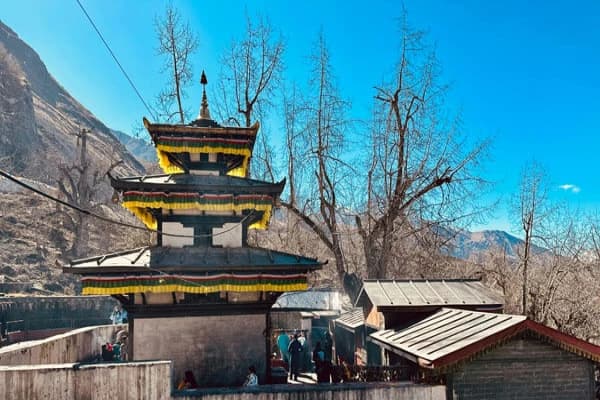
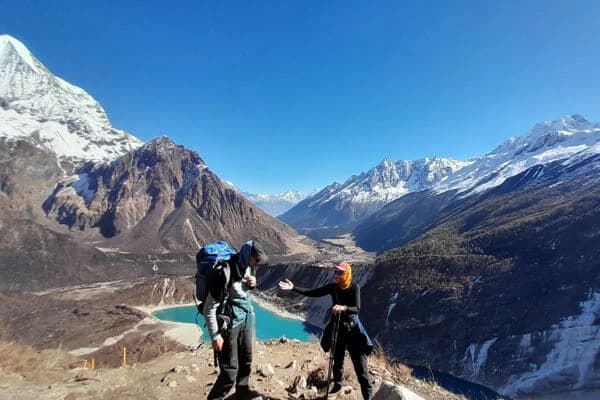
People choose Nepal for trekking for different reasons. For some, it is about experiencing the Himalayas, while for others it is about culture, nature, physical challenge, or simply spending time away from everyday life. Before discussing the importance of trekking in Nepal, it is useful to understand what trekking actually involves.
Trekking is a journey that is more challenging and longer than hiking and does not necessarily require the technical skills associated with mountaineering, expeditions, or peak climbing. It often takes you from lower altitudes to higher hills and into the vicinity of the Himalayas. Trekking is one of the most popular forms of adventure travel in Nepal, combining natural landscapes with cultural experiences and contact with local communities. It can provide travelers with a memorable experience of the Himalayas.
Unlike reading books or watching media, trekking gives you firsthand experience of nature, culture, and local lifestyle. It allows you to directly witness the reality of the places you explore, creating a deeper and more meaningful understanding of the Himalayas.
Beyond adventure, trekking in Nepal also offers important physical, mental, and cultural benefits. It helps people from all backgrounds connect with nature and better understand the relationship between humans and the natural world, encouraging greater respect for the environment.
Why Nepal Is a Popular Destination for Trekking
Nepal is a popular destination for trekking and adventure travel. Travelers from around the world come here for Nepal Himalayan trekking because it combines high mountains, diverse landscapes, local cultures, and established mountain routes into one travel experience.
One of the biggest reasons Nepal stands out is its global mountain identity. The country is home to 8 of the world’s 14 highest peaks above 8,000 meters, including Mount Everest. This makes Nepal an important destination for Himalayan exploration. Many popular trekking routes in Nepal pass through these mountain regions, giving travelers the opportunity to experience the landscapes, mountain communities, and cultures that make each region different.
Beyond its mountains, Nepal’s diversity is remarkable. In a relatively small area, trekkers experience major changes in climate, vegetation, and lifestyle. This makes a trek not only an adventure but also a learning experience about nature and biodiversity along Nepal trekking trails, as well as local traditions and daily life.
Within an area of about 147,516 sq. km, you can experience an incredible variation in landscapes and cultures. This diversity is one of the main reasons Nepal has become an important destination for mountain travel. It also explains why people trek in Nepal: a journey here can combine nature, adventure, local cultures, regional cuisines, and meaningful contact with mountain communities.
Trekking Options for Different Types of Travelers
Nepal provides trekking options for different types of travelers. You can find short treks around Kathmandu and Pokhara, regular base camp treks, off-the-beaten-path adventures, easier routes, and highly challenging mountain journeys. The right trek depends on your age, fitness, experience, available time, and interests.
For beginner trekkers, the Ghandruk Poon Hill Trek and Panchase Trek are among the options worth considering. For those with some experience, there are well known routes like Annapurna Base Camp Trek, Mardi Himal Base Camp Trek, and Langtang Valley Trek.
If you prefer off the beaten path treks, you can explore Upper Dolpo Trek, Upper Mustang Trek, Limi Valley Trek, or Manaslu Circuit Tsum Valley Trek. For more challenging treks, you have routes such as the Annapurna Circuit Trek, Everest Cho La Pass Trek, Kanchenjunga Base Camp Trek, or Makalu Base Camp Trek.
Everest Three High Passes Trek and Makalu Base Camp Sherpani Col Pass Trek are suitable for experienced trekkers looking for difficult high altitude routes in Nepal. Besides trekking, you can choose peak climbing such as Island Peak Climbing, and Mera Peak Climbing. For those interested in mountaineering, Nepal also offers expeditions to several of the world’s highest mountains.
For a family trek, you can consider the Everest View Trek, Royal Trek Annapurna, Tamang Cultural Heritage Trek, and Annapurna Community Homestay Trek. The variety of trekking regions of Nepal means travelers can choose a journey according to their interests, experience, available time, and fitness level, from established routes to less visited mountain areas.
Physical and Mental Health Benefits of Trekking
The health benefits of trekking go beyond physical activity. Spending several days outdoors can support fitness, provide a break from everyday routines, and give travelers time to focus on their surroundings.
Physical Fitness Benefits of Trekking
One of the main benefits of trekking is physical activity. Walking for several hours across various terrain provides exercise for the leg muscles and can improve endurance. Trekking can contribute to an active lifestyle, although the physical benefits depend on the route, altitude, duration, and individual fitness level.
Cardiovascular Strength Improvement
Trekking involves sustained walking, which can provide cardiovascular exercise. At high altitude, the body also has to adapt to lower levels of oxygen. This is one reason proper acclimatization is important during high altitude trekking in Nepal.
Stress Management and Mental Well Being
Spending time in nature can provide a break from daily activities and urban routines. Witnessing snowy mountains, forests, rivers, wildlife, and mountain villages can give travelers time away from their usual responsibilities. Spending several days outdoors can also provide an opportunity for reflection and a change from a busy lifestyle.
Healthy Habits During a Trek
During trekking trips, it is important to pay attention to food, hydration, rest, sleep, and general health. Limiting alcohol and tobacco can be a sensible decision, particularly at high altitude. Travelers should eat enough food, drink safe water, and allow adequate time for rest and acclimatization. These habits support general health during a trek, but they do not prevent or treat acute mountain sickness (AMS) by themselves.
Social, Personal, and Professional Benefits of Trekking
The benefits of trekking are not limited to physical fitness or the views along the trail. A trek can also teach you how to deal with unfamiliar situations, communicate with different people, make decisions, and take responsibility for your choices. These experiences can stay with you long after you return home.
Social Relationship Building
During a trek, you meet fellow travelers while also spending time in villages where local traditions remain an important part of daily life. This creates opportunities for cultural trekking in Nepal, where learning about local languages, food, customs, and traditions becomes part of the journey rather than something experienced separately from it.
Helping one another during difficult moments in the mountains can create strong friendships. Sharing experiences with fellow trekkers, guides, porters, and local hosts can become an important part of the trekking experience.
Personal and Professional Skills Development
Besides physical, social, and mental benefits, trekking can help develop personal and professional skills. It provides opportunities to develop practical skills that can be useful in everyday life and work.
To make your trip a complete success, planning, setting goals, collecting the necessary information, and making decisions are important. Before the journey, you may need to research the route, prepare equipment, understand the altitude and weather, and consider possible changes to your plans. During the trek, unexpected situations may require further decisions.
These are useful planning, problem solving, and decision making skills that can also be applied in professional environments.
Experience Nepal's Diverse Flora and Fauna During Trekking
Trekking can take you through different types of forests and vegetation zones, ranging from subtropical woodlands to alpine and high altitude areas. These forests are home to a wide variety of plants, butterflies, birds, and wild animals, making every trekking route in Nepal a rich natural experience.
The variation in altitude from sea level to the high Himalayas creates distinct ecological zones, which results in remarkable biodiversity across the country. This natural variation is one of the key reasons why Nepal is globally recognized for its unique mountain ecosystems. For example, the flora and fauna found in the Annapurna Mountain Region can differ considerably from those you encounter during the Everest Base Camp Trek. Each trekking region has its own ecosystem, wildlife patterns, and vegetation zones, offering a new natural experience in every journey.
Local Cultures and Cuisines Along the Trekking Routes
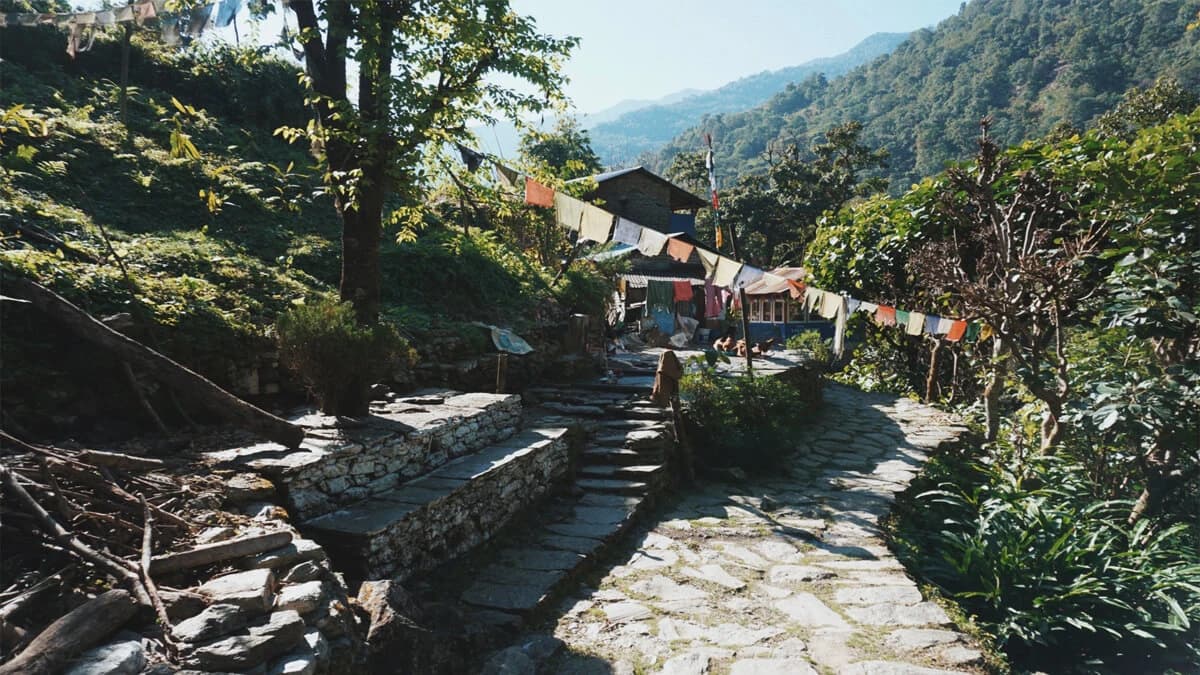
Trekking lets you experience local cultures and cuisines in different Nepal trekking destinations. Especially during teahouse trekking in Nepal, travelers spend nights in local teahouses, lodges, and homestays. This provides a direct connection with local communities and their everyday lifestyle in mountain regions.
Different regions of Nepal are home to diverse ethnic communities, each with their own traditions, festivals, languages, and lifestyles. Their food habits also change depending on geography, culture, and locally available ingredients. Meals may include locally produced grains, vegetables, and traditional dishes, which gives travelers an opportunity to experience regional food traditions. From dal bhat to local soups and traditional snacks, every region offers something different.
You can also experience special festival trekking routes in Nepal, where cultural celebrations, rituals, and community gatherings are part of the journey. This makes trekking not only an adventure but also a meaningful cultural immersion.
Economic Importance of Trekking in Nepal
Trekking matters to Nepal for reasons beyond tourism. Trekking tourism in Nepal provides income for people living along mountain routes, including guides, porters, teahouse owners, lodge operators, cooks, drivers, homestay owners, and local shopkeepers. For many rural communities, tourism provides employment and an additional source of household income.
The money travelers spend along the way can also support community based tourism in Nepal. Staying at locally owned teahouses and homestays, hiring local guides and porters, eating at local restaurants, and buying locally made products can help keep tourism income within the communities along the routes.
This is particularly important for rural tourism in Nepal, where tourism can provide income in areas with fewer employment opportunities. A Nepal trekking route is more than a path through the mountains. It also connects travelers with the people, businesses, and families whose livelihoods are linked to tourism.
Responsible Trekking and Its Importance in Nepal
Trekking in Nepal is not only about reaching a destination. The way you travel matters because the trails pass through fragile mountain environments and communities where people live and work.
- Respect local customs, traditions, and religious practices, especially when visiting villages, monasteries, temples, chortens, and prayer walls.
- Carry your waste with you and never leave plastic bottles, food packaging, tissues, or other rubbish on the trail.
- Reduce single use plastic by carrying a reusable water bottle and using safe refill options whenever available.
- Do not pick plants, disturb wildlife, damage vegetation, or take natural and cultural objects as souvenirs.
- Stay on established trails where possible to reduce damage to vegetation and prevent unnecessary soil erosion.
- Use locally owned teahouses, homestays, restaurants, guides, and porters to support the people living along the trekking routes.
- Use water and energy responsibly because both can be limited in remote mountain communities.
- Ask permission before photographing local people, homes, religious ceremonies, or private spaces.
These choices support responsible tourism and sustainable trekking in Nepal by reducing pressure on fragile environments and supporting the communities that depend on tourism. Environmental conservation is not only the responsibility of authorities and tourism businesses. Trekkers also have a role in protecting the places and communities they come to experience.
Taking a Break From Everyday Life
Modern life mostly leaves little time for being outdoors without the constant presence of phones, computers, traffic, and work. A trekking programme in Nepal creates an opportunity to step away from that routine and spend several days focused on walking, nature, people, and the surrounding landscape.
A trekking journey in the Himalayas can provide a useful change from technology and daily urban routines. For many travelers, the Nepal trekking experience is valuable precisely because it creates time to walk, observe the surroundings, interact with local people, and spend less time connected to everyday digital routines.
This break from everyday life can give you space to reflect on your goals, thoughts, and lifestyle. For many people, spending extended time outdoors provides a different perspective on their normal routine.
Conclusion: Why Is Trekking in Nepal Important?
Trekking in Nepal brings travelers closer to nature, mountains, local communities, and different cultures. It can provide physical activity, opportunities for cultural exchange, and time away from everyday routines.
Historically, Nepal has played an important role in Himalayan exploration since the early expeditions of the 1950s, including the 1953 Everest expedition by Tenzing Norgay and Edmund Hillary. Today, Nepal remains a major destination for trekking and mountaineering, with eight mountains above 8,000 meters and a wide range of trekking routes across the Himalayas, mid hills, and Trans Himalayan regions.
This combination of natural diversity, Himalayan landscapes, cultural experiences, physical activity, and contact with local communities explains why trekking remains an important part of Nepal’s tourism industry and a meaningful experience for travelers from around the world.