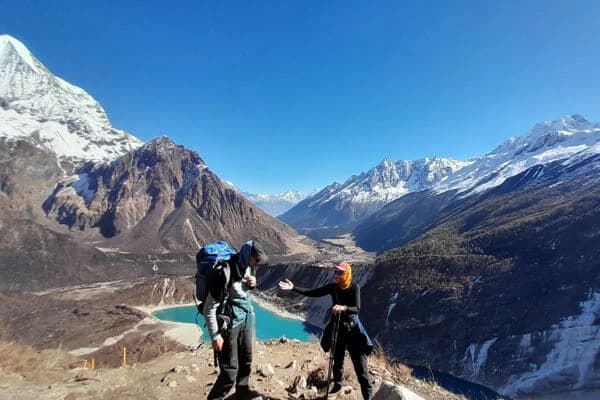
Summer in Nepal might not sound like the perfect trekking season at first, but once you actually think about it, it has its own attraction. The hills turn greener, the rivers get stronger, and the trails feel a bit more alive in a different way.
This guide covers 15 best summer treks in Nepal, from established Himalayan routes to remote and less frequently discussed trails. If you are considering Nepal trekking in June, July or August, the important question is not only where you want to go, but how each route responds to monsoon weather. Understanding the Nepal trekking season is especially important in summer because conditions can differ sharply between wet southern slopes and rain shadow areas.
Some are among the best monsoon treks in Nepal because they sit in rain shadow areas, while others are possible during the rainy season with careful planning and flexibility. This difference is the main reason the best summer trekking routes in Nepal are not limited to the most famous spring and autumn trails.
Where to Trek in Nepal in June, July and August
The best treks in Nepal in June are not necessarily the same routes that work well in July and August. June marks the beginning of the monsoon, while July and August generally bring more persistent rainfall across much of Nepal. For travelers comparing where to trek in Nepal in June, lower rainfall windows and higher altitude routes may still be possible depending on current conditions.
In July, rain shadow destinations such as Upper Mustang and Upper Dolpo become particularly relevant. For August trekking in Nepal, the same rain shadow regions remain important, while wet weather can affect many classic routes in the Everest, Annapurna and Langtang regions.
If you are comparing the best Nepal treks in June, best Nepal treks in July and best Nepal treks in August, the key difference is not the name of the trek but its geography, altitude, rainfall exposure and transportation access.
Is Nepal Good for Trekking in Summer?
Yes, trekking in Nepal is possible during summer, but the route needs to be chosen according to monsoon exposure. If you are asking which treks are best in Nepal in summer, rain shadow destinations such as Upper Mustang and Upper Dolpo are among the main options, while several other routes remain possible with greater attention to weather and trail conditions. The answer to whether Nepal is good for trekking in summer therefore depends on the region, altitude and type of trek rather than the season alone.
Everest Base Camp Trek in Summer Season
Everest Base Camp Trekking in Nepal is possible during summer, but the monsoon brings a different set of trekking conditions to the Khumbu. Everest Base Camp Trek in summer can involve rain, cloud cover and changing visibility, particularly on the lower sections, while winter brings colder temperatures and a different set of challenges.
For trekkers asking whether trekking in Nepal is possible in July, the Everest region remains an option, but monsoon cloud, rain and flight disruption need to be considered before choosing the route.

The trek reaches 5,545 meters at Kala Patthar, a renowned viewpoint for Mount Everest and the surrounding Khumbu peaks. During Nepal trekking in July and August, mountain views depend heavily on weather conditions, so clear panoramas are possible but cannot be guaranteed. On average the trek takes about 15 days and is of moderate difficulty.
This Everest Base Camp Trek 15 Days itinerary combines Sherpa villages, Buddhist monasteries, high altitude landscapes and some of the world's most recognizable Himalayan peaks. The route remains one of Nepal's most established long distance trekking itineraries, with Everest Base Camp and Kala Patthar as its main high altitude highlights.
Everest Base Camp Trek Information
| Accommodation |
3 to 5 star Hotel in Kathmandu and Tea House accommodation during the trek |
| Food |
Different Menu Available |
| Transportation/Flight |
Flight to Lukla from Kathmandu and return via Lukla to Kathmandu
Road Transportation is available till Thamdanda
|
| Permits |
Sagarmatha National Park Entry Permit and Khumbu Pasang Lhamu Rural Municipality Permit |
| Duration |
Basically, it is 10 to 21 days but it is customizable as per traveler's interest |
| Max Altitude |
5545 m |
| Best Season |
September to December & March to May |
| Trip Grade |
Moderate to Challenging |
| Price Range |
USD 999 to USD 5000 |
What to do:
The most fascinating thing to do during the Everest summer trek is observing and participating in the Dumji Festival. This is one of the greatest festivals of the Sherpa Community of the Everest Region.
This festival falls either in the second half of June or the first half of July. Dumji Festival Trek lets you enjoy the masked dances performed by the monks at the monastery premises for four days.
At this festival, the Sherpa people gather at monasteries of Tengboche, Khumjung, Phakding, Namche Bazar, Pangboche, and Thame. Each family organizes the drinking, dancing, and merry making each year in turn.
What to see:
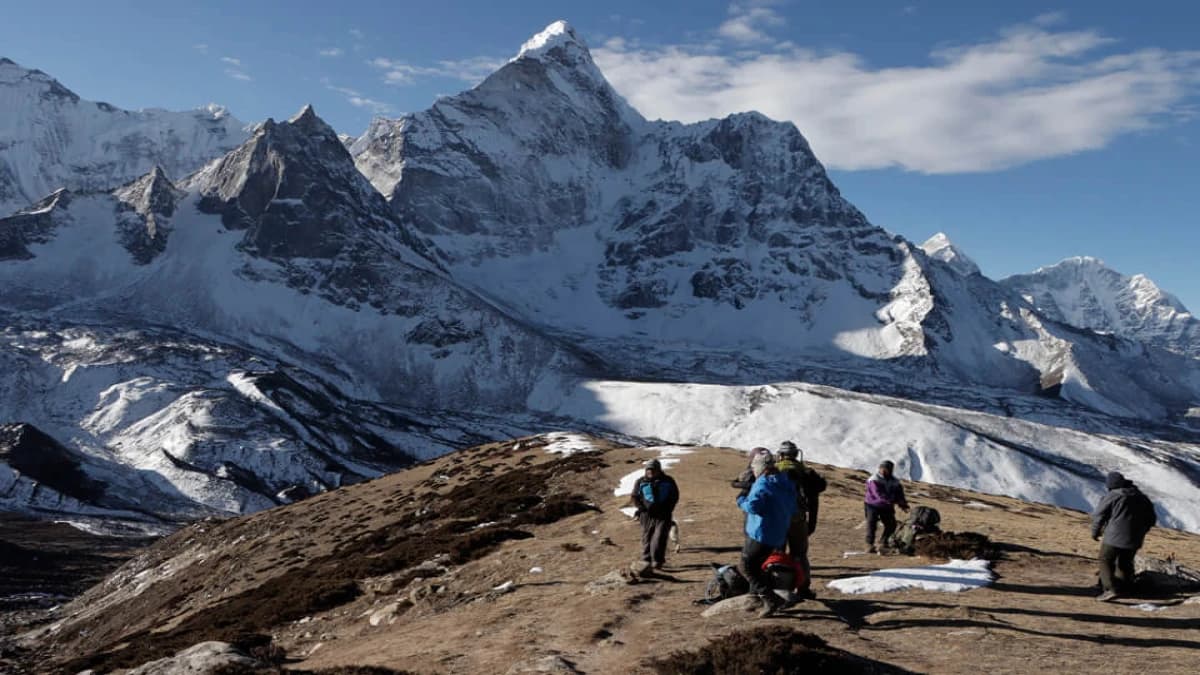
Summer weather in the Everest region is strongly influenced by the monsoon. Rain is common on the lower sections, while cloud can obscure the higher mountains for long periods. Short breaks in the weather can open views of Everest, Ama Dablam, Lhotse and other peaks, but Nepal trekking weather in summer is considerably less predictable than in spring and autumn.
The new leaves and boughs of the spring trees are grown into maturity. The forests of birch, pine, rhododendron, fir, and many other alpine plants look amazingly beautiful.
When the sunrays touch the Giant Mountains, glacial lakes, lush valleys, and green forests, they look dazzling.
Gokyo Lake Trek
Gokyo Valley Trek 13 days explores the high valleys of the Khumbu region, including the turquoise Gokyo Lakes and Gokyo Ri, which reaches about 5,357 meters. The route offers an alternative to the traditional Everest Base Camp trail and can be considered for summer trekking in Nepal, although monsoon weather affects visibility.

For experienced trekkers, Gokyo is one of the high altitude treks in Nepal during monsoon, although cloud and changing trail conditions can affect mountain views and Lukla flights.
The trek takes around 12 days to complete, and you can also watch Mount Everest, and ancient monasteries, and a lot about Himalayan life in the trek. Gokyo Lake Trek can also be done through the EBC trekking in Nepal, or also directly.
Gokyo Lake Trek Information
| Accommodation |
3 star Hotel in Kathmandu, and Lodge during Trekking |
| Food |
Different Menu available |
| Transportation/Flight |
Flight from Kathmandu to Lukla and return via Lukla to Kathmandu |
| Permits |
Sagarmatha National Park Entry Permit and the Khumbu Pasang Lhamu Rural Municipality Permit |
| Duration |
14 days |
| Max altitude |
5,357 meters (17,575 feet) |
| Best Seasons |
September to November /March to May |
| Trip Grade |
Moderate |
| Price Range |
$990 to $2700 |
Things to See:
- Gokyo Lake Trek offers you the chance to observe the natural network of 19 glacial lakes of the Gokyo Valley.
- The Fifth Gokyo Lake (4,980m) is one of the vantage points from where you can see four 8,000ers of the Mahalangur Himalayan Range.
- From the top of Gokyo Ri (5,357m), you see Mt. Everest (8,849m), Mt. Lhotse (8,516m), Mt. Makalu (8, 481m), and Mt. Cho Oyu (8,201m) respectively.
- Another thing to see in trekking to Gokyo Lake Valley is the Ngozumpa Glacier. It is the longest glacier in the Himalayas with 36 km/22 ml length.
Things to Do:
- Gokyo Lake Trek is famous for Gokyo Ri Climbing, which is one of the major attractions of this trek. Climbing the 5,357m peak takes from 6 to 7 hours depending upon your Nepal trekking experience and physical stamina.
- Hiking to Cho Oyu Base Camp (5,573m) is another thing to do during the Gokyo Valley Trek. Likewise, you get to be familiar with the authentic Sherpa lifestyle, cuisines, culture, and tradition in the Gokyo Village.
Annapurna Base Camp Trek
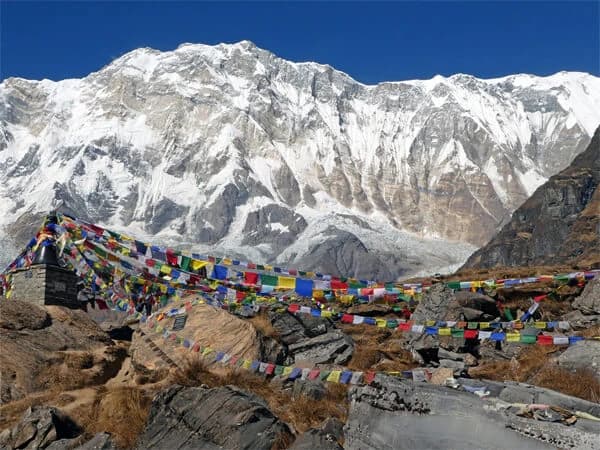
Another possible summer trek in Nepal is our Annapurna Base Camp Trek, also known as the ABC Trek. The trek is a possible summer route, particularly for travellers interested in trekking in Nepal during monsoon and seeing the Annapurna region at its greenest. Lower sections receive considerable rainfall, so trail conditions can change quickly after heavy rain.
ABC trek comes with a classic trekking route that passes beautiful local villages with perfectly carved terraced fields. The base camp is located at a height of 4,130 m above sea level and offers a perfect panoramic view of the Annapurna range.
The route enters the Annapurna Sanctuary, a natural amphitheatre surrounded by high Himalayan peaks. During Annapurna Base Camp Trek in summer, the lower forests and valleys become intensely green, although rainfall and cloud can limit views from the higher sections.
Normally, the trek is completed in 7 days, but it also can expand depending upon the situation. You will need both TIMS and Annapurna Conservation Area to complete the trek.
Annapurna Base Camp Trek Information
| Accommodation |
3 to 5 Star Hotel in Kathmandu, and Lodge during Trekking |
| Food |
Local food is recognized but you can find Continental food as well |
| Transportation/Flight |
Private transport as per traveler interest & Domestics flight available |
| Permits |
Annapurna Conservation Area Permit |
| Duration |
6 to 15 days |
| Max altitude |
4130 m |
| Best Seasons |
March to May and September to November (but you can do it throughout the year) |
| Trip Grade |
Moderate |
| Price Range |
$700 to $ 2000 |
Things to See:
- Trekking to Annapurna Base Camp in summer offers you splendid panoramas of the green forests and lush valleys. The colorful flowering plants including varieties of rhododendrons make the sight more pleasant.
- Annapurna Summer Trek lets you know more about the local culture and tradition as in this season they remain in leisure.
Things to Do:
Summer coincides with Nepal’s main rice planting season, so trekkers passing through the lower Annapurna villages may see farmers working in the terraced fields. Depending on local conditions, visitors may also experience traditional agricultural activities during trekking in Nepal during monsoon.
Upper Mustang Trek
Upper Mustang Trek leads into one of Nepal’s most distinctive high altitude cultural landscapes. The former Kingdom of Mustang is known for its Tibetan Buddhist heritage, ancient monasteries, cliffside settlements and dry Trans Himalayan terrain, with Lo Manthang as its cultural centre.
Much of Upper Mustang lies in the rain shadow of the Annapurna and Dhaulagiri ranges, receiving far less monsoon rainfall than the southern slopes of Nepal. Upper Mustang is one of the best rain shadow treks in Nepal and one of the most suitable places for summer trekking because the region receives much less monsoon rainfall than southern Nepal.
Upper Mustang Trek Information
| Accommodation |
3 to 5 Star Hotel in Kathmandu, and Lodge during Trekking |
| Food |
Local food is recognized but you can find Continental food as well |
| Transportation/Flight |
Private transport as per traveler interest & Domestics flight available |
| Permits |
ACAP, TIMS card, & Restricted Area permit provided by the company |
| Duration |
10 to 18 Days |
| Max altitude |
3,840 m |
| Best Seasons |
September to November & March to May But you can do it throughout the Year |
| Trip Grade |
Moderate |
| Price Range |
$1400 to $4000 |
Things to See:
- Upper Mustang lies within the Himalayan rain shadow created by the Annapurna and Dhaulagiri ranges. Its dry climate during the monsoon is one reason it is frequently included among the best dry treks in Nepal and the best places to trek in Nepal during summer.
- The splendid views of the snowcapped peaks of the Annapurna Massif and the Dhaulagiri Massif make this trek more fascinating.
- The semi arid landscapes of the Trans Himalayan Region and the Tibetan Plateau look more magnificent in the summer season.
This makes Upper Mustang one of the main answers to the question of where to trek in Nepal during monsoon, especially for travellers looking for dry trans Himalayan landscapes rather than wet forest trails.
Things to Do:
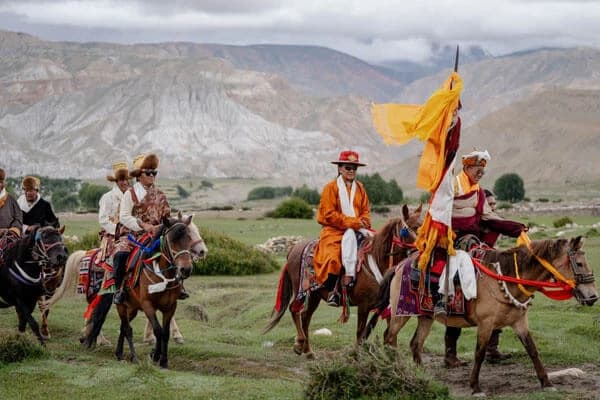
- Besides the Upper Mustang Tiji Festival Trek, the Yartung Festival is another attraction of this wonderful landscape. Also known as the Horse Riding Festival, you can participate in the Yartung Festival if you plan this trek around August Full Moon.
- You will enjoy the cultural dances performed in the traditional music of the Manangese and the Mustangese people.
- Upper Mustang Trek in summer also lets you have insights about their unique lifestyle, culture, and tradition.
Mardi Himal Trek
Although the Mardi Himal Trek captures the most precious gems of sunsets, waterfalls, and forests it is just a 7 day trek making it a short trek. The Mardi Himal Trek in summer passes through lush forests and green mountain slopes, but monsoon rain can make sections of the trail wet and slippery. Cloud cover is also common around Mardi Himal and Machhapuchhre, so summer trekkers should be prepared for limited mountain visibility.
The trek to Mardi Himal Base Camp trek also offers a pristine view of undisturbed landscapes with a few glacial lakes as well. More importantly, the locals here are unbelievably friendly and hospitable which will make you feel like visiting the place again and again.
Mardi Himal camp Trek Information
| Accommodation |
3 to 5 star Hotel accommodation as per traveler interest |
| Food |
Local food is recognized but you can find Continental food as well |
| Transportation/Flight |
Private transportation is available/Flight is available from Kathmandu to Pokhara and Pokhara to Kathmandu |
| Permits |
ACAP and TIMS |
| Duration |
5 to 15 Days |
| Max altitude |
4,500m |
| Best Seasons |
September to November / March to May is the best time but you can do it throughout the year |
| Trip Grade |
Easy |
| Price Range |
$400 to $1500 |
Things to See:
- Mardi Himal can be trekked in summer, but monsoon conditions bring rain, slippery trails, cloud and reduced mountain visibility, particularly around the higher sections.
- Mardi Himal Trek in the summer season rewards you with the renewed scenery of the snowy peaks, green forests, and lush valleys. The summer rains almost always wash up this beautiful region that glows in the sunshine.
- The scenic beauty and the snowcapped peaks look breathtakingly magnificent during the summer season.
Things to Do:
- Trekking to Mardi Himal Base Camp in the summer season is the best way to traverse through the less crowded trails.
- You can converse with the local people to know more about their typical lifestyle, culture, and tradition in this season.
- While stopping at the Tourism Capital of Nepal i.e. the Lake City Pokhara, you can experience some adventurous sports activities besides sightseeing tours.
- You can try out a zip flyer, hot air ballooning, boating on the Phewa Lake, and paragliding in Pokhara during Mardi Trek in the summer season.
Annapurna Circuit Trek
Annapurna Circuit Trek crosses a wide range of Himalayan landscapes, from the lower Marsyangdi Valley through Manang and Thorong La toward Muktinath and the Mustang side of the Annapurna region. For Annapurna Circuit Trek in summer, the major difference is between the wetter southern sections and the comparatively dry landscape, north of the main Himalayan barrier.
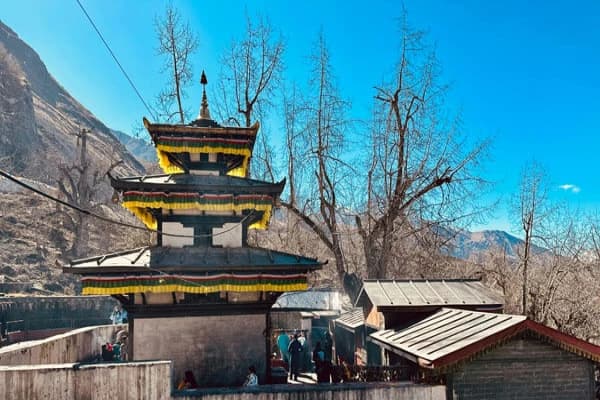
One specialty about this trek is that it offers a majestic view of the Annapurna range, and Kali Gandaki River, at every turn you take. Along that, the trek also takes you to the Muktinath Temple, one of the holiest temples in Nepal. Even in the summer, after the trek, you can rest at Tato Pani where a hot spring will be waiting for you to erase your tiredness.
Annapurna Circuit Trek Information
| Accommodation |
3 to 5 Star Hotel in Kathmandu and Pokhara, Tea house during Trek |
| Food |
Local food like Gurung bread, Sherpa stew, Local food, and continental food is available during the trek |
| Transportation/Flight |
Private transport is available from Kathmandu to the trek starting point and Flight is available for Pokhara |
| Permits |
ACAP & TIMS |
| Duration |
12 days to 30 days |
| Max altitude |
5,416 m |
| Best Seasons |
September to November and March to May (but you can do it throughout the year) |
| Trip Grade |
Moderate to Strenuous |
| Price Range |
USD 800 to USD 5000 |
Things to See:
- Annapurna Circuit Trek Route moves from the Marsyangdi River Valley to the Muktinath Jomsom Valley.
- This makes the northern section particularly relevant when comparing treks in Nepal in monsoon season, although the route as a whole still passes through areas affected by summer rainfall.
- The forests of the ACAP are the home to various birds, animals, and butterflies. The summer trek around the Annapurna Region rewards you with the lifelong experience of biodiversity.
Things to Do:
- Annapurna Round Trekking Route moves across the Manang and Lower Mustang Region. Thus, around the full moon of August, you can observe the Yartung Festival, also called the Horse Riding Festival.
- Participating in the cultural celebrations of the Yartung Festival is one of the things to do during the Annapurna Circuit Trek in the summer season.
- Crossing Thorung La Pass (5,416m) is the most adventurous thing to do in the summer Annapurna Round Trek.
Langtang Valley Trek
Located near the distance from the capital city, Kathmandu, Langtang Valley Trek can be started with an 8 hour drive. However, the trek still needs 8 days on average to complete. Langtang Valley Trek in summer brings dense green vegetation to Langtang National Park, but monsoon cloud and rainfall can reduce visibility of the high peaks. The route remains possible during June, July and August, although trekkers should be prepared for wet trails and changing mountain weather.
One of the soothing things about Langtang is that it offers elegant views of sunrise from Tserko Ri. Other major highlights include multiple Kundas like Gosaikunda, Surya Kunda, and Saraswati Kunda. In Langtang, you can also get yourself famous cheese products as well as visit the Yak farms nearby. People also visit Langtang for Gosaikunda which carries a very religious belief in Hinduism.
Langtang Valley Trek Information
| Accommodation |
3 to 5 star Accommodation while you are in Kathmandu and Tea house accommodation during the trek |
| Food |
Local food are recognized but you can find Continental food as well |
| Transportation/Flight |
Private transportation is available from Kathmandu to the trekking starting point |
| Permits |
Langtang National Park Entry Permit and TIMS |
| Duration |
7 days to 15 days (depends upon traveler's interest) |
| Max altitude |
3,870 m |
| Best Seasons |
September to November & March to May |
| Trip Grade |
Easy to Moderate |
| Price Range |
USD 500 to USD 2500 |
Things to See:
- For June trekking in Nepal, Langtang offers a greener landscape, but trekkers should expect rain, cloud and wet trail conditions as the monsoon develops.
- You will enjoy the most blissful surroundings while trekking to Langtang Valley in the summer season.
- The rain washed green forests, landscapes, and the gorgeous Himalayas call nature lovers from all over the world.
- As it is the planting season, you can see the native people working in their fields to plant many seasonal crops.
Things to Do:
- There are a few things to do while making Langtang Valley Trek in the summer season. It is the right time for a bird watching tour in the Langtang National Park.
- If you want to research the flowering and non flowering plants, you can set out for the summer Langtang Trek.
- Langtang Gosainkunda Trek in the summer season lets you participate in the Janai Purnima Festival. The sacred lakes of the Gosainkunda Valley Trek are visited by thousands of Buddhist and Hindu pilgrims in August.
- You can learn about the Janai Purnima Festival and its celebration methods in this trek.
Everest View Trek
Everest View Trek is for those people who have limited time on their vacation and choose the easy level of trekking rather than the hard level which can be done through EBC trek. As the name, the trek will take you to the Everest region and show you some excellent picturesque views of mountains like Thamserku, Kangten, Nuptse, and Kusum Kangaru, including the top of Mount Everest as well.
The trek offers beautiful views of mountains, glacial lakes, and the Sagarmatha National Park. The Everest View Trek in summer offers lush forest, Sherpa villages and the cultural landscape around Namche and Tengboche.
Everest View Trek Information
| Accommodation |
3 to 5 star Accommodation during the Kathmandu stay and Tea house Accommodation during the trek |
| Food |
Local food during the trek (Sherpa stew, Sherpa food). Other continental food is available |
| Transportation/Flight |
Private transportation is available during the Kathmandu and domestic flight is available from Kathmandu to Lukla and Lukla to Kathmandu |
| Permits |
Sagarmatha National Park Entry Permit and Local Area Entry Permit |
| Duration |
5 to 15 days |
| Max altitude |
3880 m |
| Best Seasons |
September to November & March to May but you can do throughout the year |
| Trip Grade |
Moderate |
| Price Range |
USD 999 to USD 2000 |
Most Common Itinerary
Things to see during the Everest View Trek:
- Everest View Trek in the summer season begins from Lukla, the gateway to Everest Base Camp Trek, Everest Three High Passes Trek, and Gokyo Trek. Then, it reaches up to Tengboche Monastery, the largest of the entire Khumbu Region.
- The majestic mountain peaks of the Everest Region including three 8,000ers are the most blissful things to see in summer Everest View Trek.
- The birds, butterflies, and animals living in the Sagarmatha National Park are other things to make your trip more meaningful.
- The lifestyle, culture, and tradition of the Sherpa community are some other things to see in Everest View Trek in the summer season.
Things to do during the Everest View Trek:
- Although an international trekker to the Everest Region, you can not only observe but also participate in the Dumje Festival.
- Dumje Festival is one of the major festivals of the Sherpa Community celebrated in the summer. You can learn to dance in their traditional music by wearing the Sherpa cultural attire.
Upper Dolpo Trek
If you are a hardcore adventurer who loves to trek in the untouched lands, then Upper Dolpo Trek is for you. Upper Dolpo is one of Nepal’s most remote high altitude trekking routes, combining Phoksundo Lake, rugged mountain passes, Tibetan Buddhist culture and isolated Himalayan villages. Its rain shadow location also makes Upper Dolpo Trek in summer particularly relevant for travelers looking for a monsoon trek in Nepal.
The trek offers you a mesmerizing view of Phoksundo Lake and mountains like Dhaulagiri and Kanjirowa. One of the major highlights of the trek is that you will pass different passes above 5,000 m high sea level
Upper Dolpo Trek Information
| Accommodation |
3 to 5 star Hotel During the Kathmandu stay, Tea house accommodation & Tent Camping Accommodations during the trek |
| Food |
We recognize local food, Camping food is available |
| Transportation/Flight |
Private transportation is available in Kathmandu and Domestics flight is available from Kathmandu to Dolpa. |
| Permits |
Upper Dolpo Restricted Area Permit, Lower Dolpo Restricted Area Permit, and Shey Phoksundo National Park Entry Permit |
| Duration |
Depends upon traveler's interest |
| Max altitude |
5,360 m |
| Best Seasons |
March to November |
| Trip Grade |
Moderate to Strenuous |
| Price Range |
USD 3000 to USD 5000 |
Things to see during your Upper Dolpo trek :
- Upper Dolpo lies in the rain shadow of the Himalaya and receives far less monsoon rainfall than much of southern Nepal. This is why it remains one of the remote summer trekking options for experienced trekkers.
- Dolpo Region is famous for growing yarsagumba (Cordyceps Sinensis). So, from mid May to the end of June, it is time for the yarsagumba collection. Yarsagumba collection is an important seasonal activity in parts of Dolpo during late spring and early summer. Traveling during this period can offer insight into a traditional high altitude livelihood that remains closely connected with the region’s local economy.
- Upper Dolpo Trek in summer season offers you the authentic form of Bon Po Religion and its practices. Moreover, you can see the Tibetan culture and tradition in the Nepalese territory.
- You can also observe a few festivals in the Summer Dolpo Trek. Shey Festival is celebrated in August according to the Tibetan Calendar. However, this five day festival falls once in twelve years in the Dragon Year.
- In addition, a couple of Shamanic festivals are also celebrated in July and August respectively. You can see the Dhamis performing masked dance in these festivals.
- For travelers asking which part of Nepal is best for trekking in monsoon, Upper Dolpo is one of the regions worth considering because of its trans Himalayan location and rain shadow geography.
Things to Do:
- Among a few things to do in Upper Dolpo Trek in the summer season, you will get to traverse through a section of the Great Himalayan Trail (GHT).
- You will cross Jungben La Pass (5,550m) besides visiting more than a thousand years old Bon Buddhist monasteries.
Kanchenjunga base Camp Trek
One of the popular base camp treks after EBC and ABC is Kanchenjunga Base Camp Trek. Surrounded by hills on the northern side, the Kanchenjunga trek route is covered with the beautiful national flower of Nepal, the Rhododendron. Mt. Kanchenjunga is the third highest mountain in the world, and the trek to its base camp will be adventurous, thrilling, and exciting. One of the best highlights of the trek would be encountering the Young Glacier at a height of 5143 meters.
Kanchenjunga Base Camp Trek Information
| Accommodation |
3 to 5 star accommodation during the Kathmandu stay, Homestay , Tea house, and Camping during trek. |
| Food |
Fried potato, Noodles, and local food available during the trek |
| Transportation/Flight |
Private transportation and Flights are available |
| Permits |
Restricted Area Permit (RAP) and the Kanchenjunga Conservation Area Project (KCAP) Permit |
| Duration |
20 to 25 days |
| Max altitude |
5,043 m/16,545ft |
| Best Seasons |
September to November & March to May is the best season but you can do it throughout the year |
| Trip Grade |
Moderate to Strenuous |
| Price Range |
USD 1500 to USD 4500 |
Most Common Itinerary
Things to See:
- The first things to see during the Kanchenjunga Base Camp Trek in the summer season are four of the highest peaks on Earth! Mt. Everest, Mt. Kanchenjunga, Mt. Lhotse, and Mt. Makalu are seen at their best appearance while traversing through the rugged trail.
- The dense green forests of fir and rhododendrons dwelt by various birds, butterflies, and animals are seen in this trip.
- You will see the remote tribal villages around the world’s third highest peak, Mt. Kanchenjunga (8,586m).
Things to Do:
- Kanchenjunga Trek in the summer is best for those who love camping trekking in Nepal. The route is suited to trekkers interested in remote treks in Nepal, long distance trekking and a less developed Himalayan trail environment.
- If you love researching remote ecosphere, KBC Trek is the best option.
- The Kanchenjunga Base Camp Trekking Route moves across the Rai and Limbu villages reflecting their culture and tradition. In other words, you will be doing the Kirant Cultural Heritage Trail Tour as well.
Makalu Base Camp Trek
Like the Upper Dolpo Trek, the Makalu Base Camp Trek route is also one of the remote trekking routes in Nepal. In the trek, you can encounter several peaks that are over 8000 m high including Mt. Everest as well. Along with that, you can also witness some amazing wildlife, rhododendron forests, and more sides of Eastern Nepal.
One of the unique things you may have a chance to encounter during the Makalu Base Camp Trek is the rare Red Panda.
Makalu Base Camp Trek Information
| Accommodation |
3 to 5 star Hotel Accommodation during the Kathmandu stay and Tea house & Tent Camping Accommodation during the trek |
| Food |
Local Food is available during the trek |
| Transportation/Flight |
Private transportation around Kathmandu and Domestic flights are available |
| Permits |
Makalu Barun National Park and Conservation Area Permit, and Makalu Rural Municipality Permit |
| Duration |
15 days to 27 days |
| Max altitude |
4,870m |
| Best Seasons |
September to November & March to May (You can do this throughout the year) |
| Trip Grade |
Moderate to Strenuous |
| Price Range |
USD 1500 to USD 3500 |
Things to See:
- Makalu Base Camp trek passes through the Arun Valley and Makalu Barun National Park, where summer brings dense vegetation and active wildlife habitats. However, eastern Nepal receives substantial monsoon rainfall, so Makalu Base Camp Trek in July and August requires preparation for wet trails, cloud and changing conditions.
- Besides Mt. Makalu, you will also witness the soaring peaks of Everest and Kanchenjunga Regions.
- This region is famous for cardamom farming, so you can observe the tracts full of cardamom plantations.
- The alpine forests sheltered by diverse butterflies, birds, and animals are also seen during Makalu Base Camp Trek in the summer season.
- Makalu is more suitable for experienced trekkers looking for challenging treks in Nepal, and summer rainfall can make the lower approach trails particularly wet.
Things to Do:
- The Makalu route crosses high mountain passes and remote Himalayan terrain, with the exact pass sequence depending on the itinerary.
- You will be doing one of the adventurous trekking in Nepal in the summer season. Exploration of the cultural aspects of the Arun Valley is another thing to do in this trek.
- Don’t forget to visit the sacred Barun Village located near the Makalu Barun National Park.
Ghorepani Ghandruk Trek
Ghorepani Ghandruk Trek is one of those few short treks that are traveler’s favorite. The trek offers spectacular views of Sunsets and Sunrises along with the magnificent beauty of the Annapurna Range. Summer brings strong greenery to the Ghorepani and Ghandruk area, but monsoon rain can also bring cloud, wet stone steps and reduced mountain visibility. If you are looking for short treks in Nepal, theis route is a good option when conditions are suitable.
Some major highlights in the Ghorepani Trek would be going through more than 1000 stairs (ascending or descending) while capturing the panoramic views of the Annapurna ranges, and the golden color during the sunsets.
Ghorepani Ghandruk Trek Information
| Accommodation |
3 to 5 star Hotel in Kathmandu and Pokhara and Tea house accommodation during the trek |
| Food |
Gurung food, Local food, and Continental food are available |
| Transportation |
Private transport and domestic flights is available. |
| Permits |
ACAP and TIMS Card |
| Duration |
3 to 15 Days |
| Max altitude |
3210 m |
| Best Seasons |
Throughout the year |
| Trip Grade |
Easy to Moderate |
| Price Range |
USD 150 to USD 1500 |
Things to See:
- Summer brings intense greenery to the forests around Ghorepani and Ghandruk, with rhododendron and other vegetation benefiting from the monsoon rainfall. Poon Hill remains a popular Himalayan sunrise viewpoint, although cloud can limit the Annapurna panorama during Nepal trekking in July and August.
- From Poon Hill (3,210m), you will enjoy some of the best sunrise views of the Annapurna and the Dhaulagiri Massifs.
- Also called Annapurna Sunrise View Trek, the scenery from Poon Hill is said to be some of the best sunrise views in the world.
- While doing the summer Ghandruk Trek, you will get to see beautiful villages settled by the Brave Gurkhas. These villages are known for their clean surroundings and well maintained trekking routes in Annapurna Region.
Things to Do:
- Before and after the Ghandruk Ghorepani Trek, you can do some adventurous activities in Pokhara. You will visit Ghandruk Village, which is one of the largest Gurkha villages in Nepal.
- The Gurung Museum of Ghandruk Village is another highlight of this trek. Thus, you will learn about the tools and technology of the Gurung ethnic communities.
- Due to the easy trail and low terrain, you can do this trek with your family members of any age. The villages of this region are the best sites for conducting sociological and anthropological research on the Gurung ethnic communities.
Gokyo Chola Pass Everest Base Camp Trek
Naming the trek after the high pass Chola Pass (5,330 m), the Gokyo Chola Pass Trek is undoubtedly one of the most adventurous treks in the Everest Region. The trek starts from Lukla and normally takes around 19 days to complete the trek. However, the duration may alter depending upon the acclimatization period in the trek.
In the trek, you will climb Gokyo Ri (5,480 m) after crossing the Gokyo Lake. To watch a better view of Mount Everest, the trek takes us to Kalapatthar, where we can enjoy the top view of Mount Everest.
Gokyo Chola Pass Everest Base Camp Trek Information
| Accommodation |
Star level hotel Accommodation during the Kathmandu stay and Tea house accommodation during the trek |
| Food |
Local food is related to Sherpa culture and lifestyle |
| Transportation/Flight |
Private transport and domestic flight |
| Permits |
Sagarmatha National Park entry permit and Khumbu Pasang Lhamu Rural Municipality Entrance Permit |
| Duration |
15 to 21 Days |
| Max altitude |
5545 m |
| Best Seasons |
September to November and March to May are the best seasons but you can do this trek throughout the Year |
| Trip Grade |
Moderate to Strenuous |
| Price Range |
USD 1200 to USD 3500 |
Things to See:
- The Gokyo Cho La Pass Everest Base Camp Trek can be attempted in summer, but Cho La is a high mountain pass and monsoon conditions can make the route unsuitable when weather and trail conditions deteriorate.
- You will see the Sherpa religious shrines, culture and tradition, and the gorgeous peaks, flora, and fauna of Sagarmatha National Park.
- Since this trek begins from Lukla and moves towards EBC via Gokyo Lake across Cho La Pass (5,420m), you will see the overall surroundings of the Everest Region.
Things to Do:
- You take part in and observe the summer festivals of the Everest Region. Climbing Gokyo Ri offers you the spellbinding views of four 8,000ers and high Himalayan Valleys.
- Crossing Cho La Pass is another thing to do during the Gokyo Cho La Pass Everest Base Camp Trek.
Manaslu Circuit Trek
Trekking to Manaslu circuit the eighth highest mountain in the world offers you a jaw dropping view continually in the route. With fast flowing rivers, lush vegetation, and rare species of flora, the Manaslu region is a hidden gem in Nepal.
Manaslu Circuit Trek is also blessed with a soaring view of Mt. Manaslu, Cheo Himal, Himlung Himal, Nemjung, Gyaji Kang, Kang Guru, and Annapurna II. Normally the trek takes around 14 days, conquering the highest point in a trek at Larkya La Pass (5,106 m).
Manaslu Circuit Trek Information
| Accommodation |
Star level hotel Accommodation during the Kathmandu stay and Tea house accommodation during the trekking in Nepal |
| Food |
Local food with continental food |
| Transportation/Flight |
Private Transport is available |
| Permits |
Restricted Area Permit, MCAP, and ACAP |
| Duration |
12 to 21 days |
| Max altitude |
5,106 m |
| Best Seasons |
September to November and March to May is the best seasons but you can do throughout the year |
| Trip Grade |
Moderate to Strenuous |
| Price Range |
USD 900 to USD 2500 |
Things to See:
The Manaslu Circuit is one of the better known off the beaten path treks in Nepal, combining high mountain scenery, Tibetan Buddhist culture and a long circuit route through the Manaslu region. The majestic peaks of Ganesh Himal and Manaslu Range, the flora and fauna of Manaslu Conservation Area, and the true flavor of Tibetan Buddhist culture and tradition are some of the things to see in Manaslu Circuit Trek in summer.
The pastoral villages of the magical Manaslu Region are some things to enjoy while traversing through this region. You will see farmers working in their fields to plant paddy seedlings and many seasonal vegetables.
Things to Do:
- Crossing Larkya La Pass (5,106m) is one of the things to do in Manaslu Circuit Trekking in summer.
- Before that, you will visit Nubri Valley and Lower Tsum Valley, which are dwelt by mostly Gurung people.
- If you love, you can do paddy seedling plantation with the local farmers for a different experience.
- Hiking to Manaslu Base Camp (4,800m) and Birendra Lake exploration are the most fabulous things to do in this trek.
- Taste the typical food items found on the Manaslu Circuit Trekking Trail to make your trip more distinct.
Tsum Valley Trek
Tsum Valley Trek is a remote Himalayan valley in the Manaslu region, known for Tibetan Buddhist heritage, monasteries, chortens and traditional mountain culture. Summer brings greener lower sections, while monsoon rain can make the approach trails wetter.
The natural rivers, waterfalls, and mountains make Tsum Valley one of the most secluded valleys in Nepal. Overall the trek takes 16 days to complete and covers the highest altitude of the trek at the Nile
Tsum Valley Trek Information
| Accommodation |
Star Level Hotel accommodation during the Kathmandu stay and Tea house & Home stay accommodation during the trek |
| Food |
Local food during the trek and diverse food during the Kathmandu stay |
| Transportation/Flight |
Private transport and public transport are available |
| Permits |
Tsum Valley Restricted Area Permit (RAP) and a Manaslu Conservation Area Permit (MCAP) |
| Duration |
10 to 21 Days |
| Max altitude |
3,700 m |
| Best Seasons |
September to November & March to May are the best seasons, You can do through out the Year |
| Trip Grade |
Easy to Moderate |
| Price Range |
USD 799 to USD 2100 |
Things to See:
- Since Tsum Valley Trek lies in the Manaslu Region, you will see the things that you see while doing the Manaslu Circuit Trek.
- Apart from this, you will see the Bon Po Religion and its unique practices in Tsum Valley. Tsum Valley is also called the Hidden Valley of Happiness.
- The birds and animals of this region are other things to see during the Tsum Valley Trek because killing is forbidden here.
Tsum Valley Trek can also be combined with the Manaslu Circuit Trek. Visiting the ancient Buddhist monasteries is the most interesting thing to do in Tsum Valley Trek.It is a perfect blend of culture, nature, and adventure. The surrounding looks incredibly beautiful after the summer rains stop. Talk with the local people to know more about their lifestyle, culture, and traditions in your leisure time.
Conclusion: Best Summer Treks in Nepal
Summer trekking in Nepal requires more attention to route selection and weather than the main spring and autumn trekking seasons. Nepal trekking in June, July and August can bring rain, cloud, wet trails and occasional transportation disruptions across many parts of the country, while rain shadow regions such as Upper Mustang and Upper Dolpo receive much less monsoon rainfall.
For travelers deciding where to trek in Nepal during monsoon, geography is one of the most important factors. The wet southern slopes of the Himalaya are very different from the dry valleys north of the main mountain ranges. This is why the best summer treks in Nepal include both established routes that can be attempted with suitable planning and rain shadow routes that are naturally better suited to the monsoon months.
Whether you are considering trekking in Nepal during monsoon, looking for Nepal treks with less rain in summer, or comparing the best high altitude treks in Nepal during monsoon, check the current weather, transportation conditions, permits and trail situation before departure.


.webp&w=1200&q=75&dpl=dpl_4U3CaZUV3Y5iKdBNPJmVMATJy3AB)