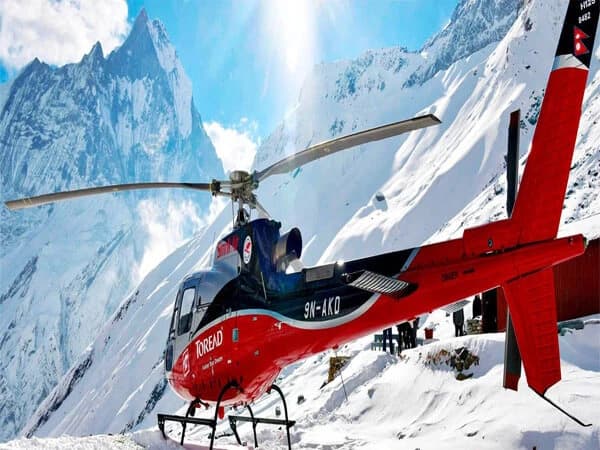
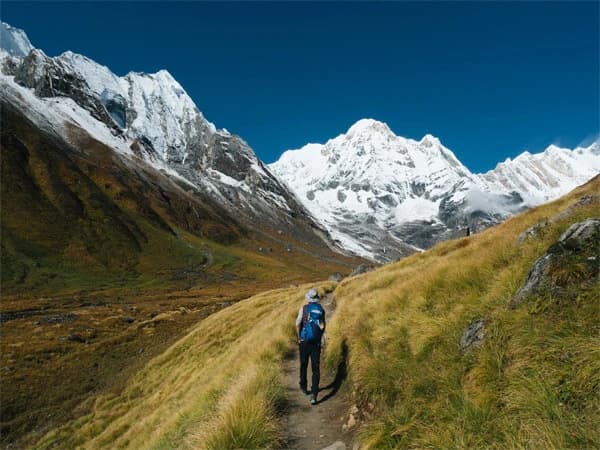
If you’re planning an Annapurna Base Camp helicopter tour, the first thing you’ll probably want to know is how much it costs. Instead of spending several days on the Annapurna Base Camp trek, you can reach the base camp by helicopter and return to Pokhara on the same day, weather permitting. The flight also gives you a completely different view of the Annapurna Himalayas, from the hills around Pokhara to the mountains surrounding the sanctuary.
Now, since it’s a quick, comfortable, and premium experience, the Luxury Annapurna Helicopter tour costisn’t fixed. It can change depending on things like the season, how many people are sharing the flight, the type of helicopter arrangement, and even weather conditions on the day.
In this blog, we’ll go through the Luxury Annapurna Helicopter Tour cost in a simple way, what affects the price, and what you’re actually paying for when you book this Himalayan helicopter experience.
What is Annapurna Base Camp Helicopter Tour?
ABC Helicopter Tour is a scenic flight that takes you directly into the heart of the Annapurna region without the need for a long trekking journey. For travelers with limited time, it is one of the quickest ways to experience the Annapurna region and see the Himalayan landscape from the air.
Most flights operate from Pokhara, although helicopter arrangements from Kathmandu are also possible and cost more because of the longer flight distance. The journey includes views of the hills, villages, farmland and mountain scenery before reaching Annapurna Base Camp at around 4,130 meters.
You may also see this trip described as an Annapurna helicopter tour, ABC helicopter tour Nepal, Annapurna helicopter flight, or helicopter tour to Annapurna Base Camp. The main highlight is the landing at Annapurna Base Camp itself, where you are surrounded by towering peaks like Annapurna I, Machhapuchhre (Fishtail), Hiunchuli, and other surrounding mountains forming a natural amphitheater.
The Annapurna Base Camp helicopter tour is especially useful for travelers with limited time, families, older travelers, or anyone who does not want to spend several days trekking. You still get to land at ABC and see the surrounding peaks, but without the long walking itinerary required by the traditional trek.
Annapurna Base Camp Helicopter Tour Cost Overview
The Annapurna base camp helicopter tour price depends on whether you choose a shared flight or private charter and whether you fly from Pokhara or Kathmandu. For a shared Pokhara to Annapurna Base Camp helicopter tour, a practical budget is around USD 475 to USD 600 per person.
Private charters from Pokhara mostly cost around USD 2,000 to USD 2,500 or more per helicopter, depending on the group size, operator and services included. Kathmandu departures cost more because of the longer flight distance.
Pokhara helicopter tours to Annapurna Base Camp are usually the more practical choice for travelers who are already in Pokhara. Kathmandu departures can cost substantially more, so the starting point makes a noticeable difference to the overall Annapurna helicopter tour price.
Season is another important factor. During peak trekking season like spring and autumn, demand is high, so prices are usually at their highest. In winter and monsoon, costs can sometimes be slightly lower, but weather conditions and flight availability may not always be stable.
Overall, the Annapurna Base Camp helicopter tour price comes down to the flight type, departure point, passenger numbers, season and package inclusions. The sections below explain where those costs come from.
Annapurna Helicopter Tour Cost Breaakdown
A helicopter tour to Annapurna Base Camp is often advertised as a single package price, but in reality, the total cost is made up of several parts depending on how you travel, where you start, and what services are included. Understanding this breakdown helps you see exactly what you are paying for and how the price changes between shared flights, private charters, and different departure points like Pokhara or Kathmandu.
In simple terms, the cost is not just for the flight, it includes aircraft operation, fuel, pilot expertise, landing arrangements, permits, and sometimes additional services like hotel transfers or waiting time. That’s why two travelers on the same route may pay very different amounts depending on group size, season, and booking method.
Group Joining Helicopter Tour Cost
If you are traveling alone or as a couple, a group joining helicopter tour is usually the most economical way to fly to Annapurna Base Camp. Instead of paying for the whole aircraft, you pay for your seat and share the flight with other passengers.
From Pokhara, a shared ABC helicopter tour commonly falls around USD 475 to USD 600 per person. The amount can differ between Helicopter tour operators and Helicopter tour packages, particularly depending on passenger numbers and what is included.
If the helicopter isn’t full, sometimes the cost per person can increase slightly, or you may need to wait until enough passengers join. So this option works best if you’re flexible with timing and okay with sharing the experience with others.
Private Charter Helicopter Cost
A private helicopter charter to Annapurna Base Camp means booking the aircraft for yourself or your own group rather than sharing it with other travelers. From Pokhara, a private Annapurna Base Camp helicopter charter is generally around USD 2500 to USD 3000 or more for the helicopter. A Kathmandu charter costs considerably more because the aircraft has to cover a longer route. The final amount depends on the operator, aircraft, passenger load and services included.
Even though the total price looks high at first, it becomes more reasonable if you’re traveling in a group of 4 to 5 people, since you can split the cost. This option is ideal if you want flexibility in departure time, less waiting, and a more personalized experience without coordinating with other travelers.
Cost from Kathmandu vs Pokhara
The departure point has a major effect on the Annapurna Base Camp helicopter tour cost. Pokhara is much closer to Annapurna Base Camp, so flights from here are generally less expensive than flights arranged from Kathmandu.
A shared Pokhara to ABC helicopter tour can generally be planned around USD 250 to USD 500 per person, depending on the flight arrangement and what is included. A private charter from Pokhara can cost around USD 1,200 to USD 2,500 or more per helicopter.
A Kathmandu to Annapurna Base Camp helicopter tour costs considerably more than a Pokhara departure because of the longer flight distance and additional flight time. Private Kathmandu charters can run into several thousand dollars per helicopter, while shared seat pricing depends heavily on the confirmed passenger group and flight arrangement. If you are already in Pokhara, flying from Pokhara is normally the more economical option.
If you are already staying in Pokhara, departing from there is normally the more sensible choice if keeping the helicopter tour cost under control is important.
Additional Charges
The advertised Nepal helicopter tour package does not always cover every expense, so check the inclusions before booking. The Annapurna Conservation Area entry fee may be included in the package or charged separately depending on the operator and booking arrangement.
Hotel transfers, meals, personal expenses and tips may also be separate. Travel insurance is another cost to consider, particularly a policy that covers the altitude and activities involved in your trip.
Rather than assuming a quoted price is all inclusive, ask the operator whether permits, transfers, landing arrangements, taxes and other applicable charges are already included.
Factors Affecting Annapurna Base Camp Helicopter Tour Cost
When you look at the Annapurna Base Camp helicopter tour cost, it’s easy to assume there’s a fixed price. But in reality, the cost can shift quite a bit depending on a few practical factors. Some are seasonal, some are technical, and some depend entirely on how you plan your trip.
Understanding these makes it much easier to see why prices vary and how you can plan better.
Season (Peak vs Off Season)
Season is one of the biggest influences on pricing. During peak trekking seasons, spring (March to May) and autumn (September to November), the weather is stable, skies are clear, and demand is high. This is when most people prefer to fly, so prices are generally at their highest and flights fill up quickly.
In contrast, during off-season periods like monsoon and winter, demand drops. You might find slightly lower prices or more flexible deals, especially for group joining flights. But it’s not always a “cheap alternative.” Weather becomes less predictable, and flights may get delayed or canceled, which can affect your overall plan and budget. So, while peak season costs more, it usually gives you a smoother and more reliable experience.
Weather Conditions
Weather in the Himalayas isn’t just a small detail, it directly controls whether your flight even happens. Helicopter tours to Annapurna Base Camp rely on clear visibility, stable wind conditions, and safe landing conditions. Even if everything is booked, a sudden change in weather can delay or cancel the flight.
This doesn’t always increase the base cost, but it can create indirect expenses. For example, you might need to stay an extra night, reschedule flights, or adjust your itinerary. That’s why most flights are scheduled early in the morning, when conditions are usually calmer and clearer.
A clear forecast does not guarantee a flight, because conditions around the Annapurna Sanctuary can change quickly. If a flight is delayed or cancelled because of weather, you may need additional time in Pokhara and possibly another night of accommodation.
Helicopter Type and Operator
The aircraft and operator can also affect the Annapurna helicopter tour price. High altitude flying requires careful consideration of aircraft performance, passenger weight, fuel and weather. Operators may use different aircraft depending on availability and operational requirements, so it is better not to judge a helicopter tour only by the model of aircraft advertised. Safety standards, pilot experience, authorization and what the package includes are more important factors when comparing operators.
On top of that, the operator itself matters. When comparing operators, look beyond the advertised price. Pilot qualifications, operating authorization, aircraft suitability, insurance, passenger limits and the services included in the package are more important than just choosing the cheapest helicopter tour in Nepal. While it might be tempting to go for the cheapest option, in mountain flying, safety, reliability, and pilot experience are worth considering as part of the cost.
Booking Time (Last Minute vs Advance)
Timing for booking Helicopter tour can also change the price. If you book early, especially during peak seasons, you’re more likely to secure a seat at a stable rate. It also gives you more options for group sharing, which helps reduce individual cost.
Last minute bookings can be unpredictable. Sometimes you might find a discounted seat if there’s an empty spot in a helicopter. But during busy seasons, it often works the other way, prices go up because availability is limited. So overall, advance booking gives you more control, while last-minute booking depends on luck.
Passenger Weight Restrictions
Passenger weight can affect the way a helicopter flight to Annapurna Base Camp is arranged. Helicopters have strict operating limits, particularly when flying at high altitude, and the total load includes passengers, baggage and fuel.
Operators may therefore ask for passenger weights before the flight. If the aircraft cannot safely accommodate the planned passenger load, the operator may need to adjust the passenger arrangement or make another operational decision.
This is also why the number of people sharing a helicopter does not always tell you the final price by itself. Passenger weight, baggage and flight conditions can all affect the aircraft's operating plan.
Is the Annapurna Base Camp Helicopter Tour Worth the Cost?
The Annapurna Base Camp helicopter tour is worth the money for some travelers and not for others. If your main goal is to reach ABC quickly, see the mountains from the air and return to Pokhara within the same day, it offers something a trek simply cannot. If you enjoy walking through villages, forests and mountain trails, however, the helicopter removes the part of the journey that makes the trek special.
The experience itself feels more like a luxury scenic journey, offering unreal aerial views of the Himalayas without the exhaustion of daily trekking, but it lacks the cultural immersion and sense of achievement that comes from gradually reaching the base camp on foot.
In terms of cost, helicopter tours are significantly more expensive than trekking, but you’re essentially paying for speed, comfort, and convenience. It’s also more accessible for people of different age groups or those with limited fitness, as it removes most of the physical challenges. Overall, the helicopter tour is worth it if you value time, comfort, and views over the journey itself, while trekking remains the better option if you’re looking for a deeper, more meaningful adventure.
What you Actually Experience During the flight?
The helicopter flight to Annapurna Base Camp gives you a very different view of the Annapurna region than trekking does. From Pokhara, the scenery changes from the lower hills and settlements around the valley to the higher mountain landscape as the flight approaches the Annapurna Sanctuary.
The highlight is reaching Annapurna Base Camp at around 4,130 meters, where the surrounding peaks feel much closer than they do from lower elevations. The time on the ground is limited, so most travelers use the stop for photographs, sightseeing and taking in the mountain views before the return flight.
The most striking part is how quickly everything changes. What takes days on foot happens within minutes in the air. By the time you fully take in the views, you’re already landing at base camp. The biggest difference from trekking is the speed. From Pokhara, you can leave in the morning, land at Annapurna Base Camp, spend a short time taking photographs and viewing the mountains, and return to Pokhara without committing a week or more to the trail.
Safety and Altitude Considerations During the ABC Helicopter Tour
A helicopter tour to Annapurna Base Camp is still a high altitude mountain flight, so safety depends on weather, aircraft performance, pilot decisions and operating conditions. Being at around 4,130 meters can still affect some people, so the short duration should not be treated as a guarantee that altitude related symptoms cannot occur.
Weather plays a critical role in safety. Flights only operate under clear visibility and stable wind conditions, and pilots are trained to make decisions based on real time mountain weather. This means delays or cancellations are normal and should be expected rather than seen as a problem. Early morning flights are preferred because conditions are usually calmer and more predictable.
Another important factor is weight and balance. Helicopters flying at high altitude have strict weight limits, which is why passengers and luggage are carefully managed before the flight. In some cases, shuttle flights may be used to maintain safety at higher elevations.
Hidden Costs in Annapurna Heli Tour
The price advertised for an Annapurna Base Camp heli tour may not include every expense. Before paying, check whether the package includes the Annapurna Conservation Area entry fee, airport or hotel transfers, taxes and other service charges.
The Nepal Tourism Board lists the Annapurna Conservation Area entry fee at NPR 3,000 for foreign nationals and NPR 1,000 for SAARC nationals.
Travel insurance for helicopter tour in Nepal is also very important to arrange separately. If you are buying insurance specifically for a helicopter trip, check the policy wording carefully rather than assuming every policy covers high altitude activities or helicopter evacuation.
Best Time for Helicopter Tour to Annapurna Base Camp
The best time for Annapurna Base Camp Helicopter tour largely depends on weather clarity and flight safety, with spring (March to May) and autumn (September to November) being the most ideal seasons. During these periods, the visibility is high, and you get uninterrupted panoramic views of the Annapurna range, including peaks like Annapurna I and Machapuchare.
Spring also adds a visual advantage with blooming rhododendron forests across the lower regions, while autumn offers stable weather after the monsoon, making flights smoother and more reliable. Timing within the day is equally important, morning flights are strongly preferred because wind speeds are lower, cloud cover is minimal, and mountain visibility is at its best, whereas afternoons often bring clouds and turbulence that can delay or even cancel flights.
On the other hand, the monsoon season (June to August) is generally avoided due to heavy rainfall, poor visibility, and a high chance of flight disruptions, while winter (December to February) brings cold temperatures, snow, and occasional fog, which can also affect flight safety and landing conditions. Although winter flights are still possible on clear days, they are less predictable compared to peak seasons.
Tips to Reduce Helicopter Tour Cost
A helicopter tour to Annapurna Base Camp is naturally more expensive than trekking, but you can still avoid paying more than necessary. The biggest savings usually come from sharing the aircraft, choosing Pokhara as your departure point and comparing what different packages actually include.
Join group departures
One of the easiest ways to reduce the cost is by sharing the helicopter with other travelers instead of booking a private charter. Since helicopters typically carry 4 to 5 passengers, splitting the total cost makes it much more affordable per person. If you’re flexible with your timing, operators can often place you in a group, allowing you to enjoy the same flight experience at a fraction of the price.
Book in advance
Booking ahead can make it easier to secure a shared seat, particularly when demand is high. As demand increases, prices tend to rise and availability becomes limited. By planning ahead, you not only lock in a lower price but also have more options in terms of flight timing and operators.
Choose Pokhara departure if possible
Starting your flight from Pokhara instead of Kathmandu can make a noticeable difference in cost. The shorter flight distance from Pokhara reduces fuel usage and overall operating expenses, which is why tours from Pokhara are generally cheaper than those from Kathmandu.
Compare operators
Not all helicopter tour operators offer the same pricing or services, so comparing different options is important. Some packages may include extras like hotel transfers or meals, while others focus only on the flight. Taking time to research and compare helps you avoid overpaying and ensures you choose a package that matches both your budget and expectations.
Helicopter vs Trekking Cost to Annapurna Base Camp
The Annapurna Base Camp trek cost is generally much lower than the cost of a helicopter tour, but the two options provide very different experiences. A guided trek can commonly fall somewhere around USD 450 to USD 1,200 or more per person, depending on the itinerary, accommodation, transportation and services included.
A shared Annapurna Base Camp helicopter tour from Pokhara is commonly around USD 500 to USD 600 per person, while a private charter can cost around USD 2500 to USD 3000 or more for the helicopter.
The difference is not simply about the destination. A trek takes several days and includes walking through villages, forests and mountain trails. The helicopter tour removes almost all of that journey and focuses on reaching the base camp quickly while giving you an aerial view of the Annapurna landscape.
If you are looking for an Annapurna Base Camp trekking alternative because you have limited time or do not want a multi day hike, the helicopter tour makes sense. If the journey itself is important to you, the traditional trek offers something the helicopter cannot reproduce.
Conclusion: Annapurna Base Camp Helicopter Tour cost
The Annapurna Base Camp helicopter tour cost depends mainly on the departure point, passenger numbers, flight type, season and services included in the package. For most travelers, a shared flight from Pokhara is the most affordable way to experience Annapurna Base Camp by helicopter, while a private charter is better suited to groups who want more control over the flight.
A helicopter tour is not a cheaper version of the Annapurna Base Camp trek. It is a completely different experience. You are paying for time, convenience and an aerial view of one of Nepal's most famous mountain regions.
If you have limited time in Nepal and want to see Annapurna Base Camp without spending several days on the trail, the helicopter tour can be a sensible choice. If you have the time and want the villages, walking trails and gradual change in scenery, the Annapurna Base Camp trek offers far more of the journey. The right choice really comes down to whether you want to fly to Annapurna Base Camp or experience the route on foot.