Imagine walking through a land where the trekking trails are quiet, the landscapes feel almost untouched, and every turn shows you something completely unexpected. Upper Dolpo Trek is a place that feels more like a hidden world than a typical trekking destination.
There are no busy, no rush, just vast open spaces, ancient villages, and the kind of silence that lets you truly connect with the mountains.So if you are beginners, just plan with Nepal Trekking Routes, We make your dream come true even you are Beginners for Upper Dolpo Trekking in Nepal
If you’re a beginner, this trek might sound a little overwhelming at first, and yes, it is challenging. But it’s not about being the fastest or the strongest. It’s about moving slowly, giving your body time to adjust, and learning to enjoy the journey rather than rushing to the end. That’s what makes Upper Dolpo special, it teaches you patience while rewarding you with experiences that stay with you long after the trek is over.
In this guide, you’ll find a beginner-friendly way to understand the itinerary, so you can prepare properly, pace yourself well, and turn what seems like a difficult trek into something truly achievable and unforgettable.
Overview of Upper Dolpo Trek
The Upper Dolpo lies within the vast Shey Phoksundo National Park, the largest national park in Nepal, and is widely known as one of the best destinations forremote trekking in Nepal.This hidden region showcases raw, untouched beauty where landscapes change dramatically, from dry, desert-like terrain to green valleys, deep canyons, and high-altitude plateaus.
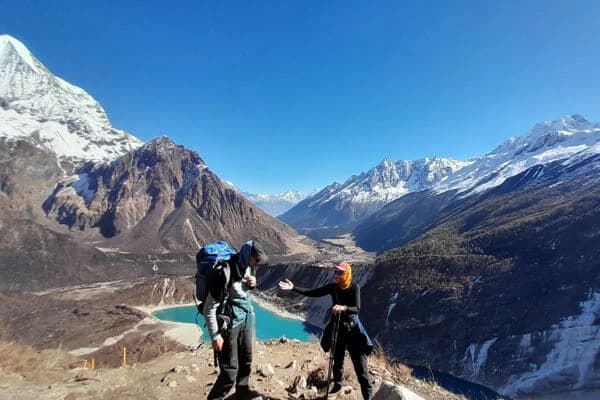
One of the major highlights of the journey is the stunning Shey Phoksundo Lake, famous for its deep turquoise color and peaceful surroundings, making it a key attraction for Dolpo trekking routes.
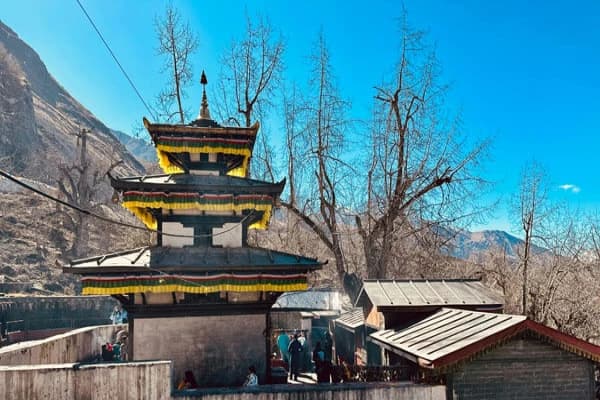
What makes this trek even more unique is its isolation and strong cultural identity. Upper Dolpo is often described as a living museum of Tibetan culture in Nepal, where traditions have remained unchanged for centuries.
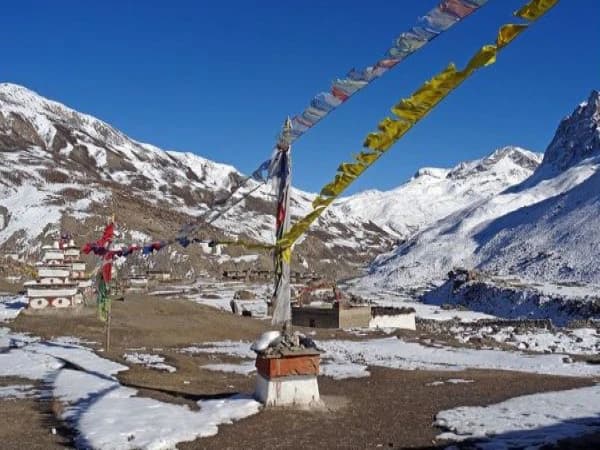
The region is home to ancient monasteries, prayer flags fluttering in the wind, and communities that still follow Tibetan Buddhism and the Bon religion. This cultural richness adds a deeper meaning to the journey, making it more than just a physical adventure, it's also a cultural trekking experience in the Himalayas.
The Upper Dolpo Trek usually takes around 20 to 27 days and is considered one of the most demandinghigh-altitude treks in Nepal. Trekkers must cross several high passes, often exceeding 5,000 meters, which makes proper acclimatization essential.
Due to its remoteness, long duration, and challenging terrain, this trek requires good preparation, patience, and mental strength. However, for those seeking a true off-the-beaten-path trek in Nepal, Upper Dolpo offers an unforgettable journey filled with both natural beauty and cultural depth.
Why Upper Dolpo Trekking is a Great Choice for Beginners?
If you’re someone who wants to go beyond the usual trekking routes and experience something truly different, the Upper Dolpo Trek can still be a great option, even for beginners with the right preparation. It’s not the easiest trek, but for those looking for a beginner-friendly remote trekking experience in Nepal, it offers something rare and unforgettable.
- Solitude: This region is far from the crowds of more famous trekking areas like Everest or Annapurna. You’ll encounter fewer trekkers, giving you a deep sense of isolation and serenity.
- Authentic Culture: The local inhabitants, Known as Dolpo-pa, follow Tibetan Buddhism and the ancient Bon religion. Their traditions, lifestyle, and monasteries provide a fascinating cultural experience.
- Stunning Natural Beauty: Upper Dolpo offers some of the most breathtaking landscapes in the Himalayas. Expect to see Shey Phoksundo Lake, vast high-altitude deserts, remote valleys, and views of towering peaks.
- Off-the-Beaten-Path Adventure: The remoteness and difficulty of the upper Dolpo trek make it a true wilderness experience for those who want to challenge themselves in one of the least explored regions of Nepal.
Upper Dolpo Trek Permits for Beginners
If you’re planning for Dolpo Trek, understanding permits is an important first step, especially for beginners. Since this region falls under a restricted trekking area in Nepal, you’ll need special permits before starting your journey. The cost may be higher than other regions, but it helps protect the environment and preserve the unique culture of Dolpo.
- Restricted Area Permit (Upper Dolpo): USD 500 per person for the first 10 days, and $50 for each additional day.
- Shey Phoksundo National Park Permit: USD 30 per person.
- Trekking Information Management System (TIMS) Card: USD 20 per person.
Nepal Trekking Routes handles all these logistics, ensuring your permits are arranged before you start the trek.
Best Time to Trek Upper Dolpo for Beginners
Choosing the right time is very important, especially if you’re new to trekking in the Upper Dolpo region. Weather and trail conditions can directly affect how comfortable and safe your journey will be.
For beginners, the best time to trek in Upper Dolpo for beginners is during the pre-monsoon season, spring (May-June), and the post-monsoon season, autumn (September-October). These months are ideal for a beginner-friendly trekking season in Nepal, as they offer clear skies, stable weather, and better visibility of the mountains.
During this time, most of the high passes are free from heavy snow, and temperatures are more manageable, making it easier to walk and adjust to altitude. These seasons are also considered the best for high-altitude trekking in Nepal, especially in remote regions like Dolpo.
Avoid trekking during the winter (December-February) due to heavy snowfall, which can block the high passes, and the monsoon season (July-August) due to rain and landslides, particularly in lower regions.
How to Reach Upper Dolpo Hiking?
Reaching the Upper Dolpo is part of the adventure itself, and for beginners, understanding the route in advance makes the journey much easier. Since this is a remote trekking destination in Nepal, there are no direct road connections, so you’ll need to combine flights and trekking to get there.
Your journey begins with a flight from Kathmandu to Nepalgunj, a gateway city in western Nepal. From Nepalgunj, you’ll take another short flight to Juphal, this is the actual starting point of the trek. Juphal is a small mountain airstrip, and from here, your trekking journey officially begins.
The trail then passes through beautiful villages like Dunai, Tarakot, and Ringmo, gradually leading you deeper into the Dolpo region. As you move forward, the landscape becomes more remote and dramatic, giving you a true sense of a restricted area trek in Nepal.
For beginners, this journey might feel long, but it’s designed to help with gradual altitude gain, which is important for safety. This route is part of a well-planned Upper Dolpo trekking route for first-time trekkers, allowing your body to adjust while you experience both natural beauty and local culture along the way.

Trekking Gear and Equipment for Beginners
Since Upper Dolpo is a remote region with basic amenities, you need to be self-sufficient in gear and equipment. Here’s a list of essential items you should bring:
Clothing
- Base layers: Thermal tops and bottoms to keep warm at high altitudes.
- Insulating layers: A fleece or down jacket for warmth in the cold mornings and evenings.
- Outer layers: Waterproof and windproof jacket and pants to protect against the elements.
- Gloves, hats, and scarves: To protect your hands and face from cold winds.
- Trekking boots: High-quality, broken-in trekking boots with good ankle support.
Camping and Trekking Gear
- Sleeping bag: A 4-season sleeping bag rated for temperatures down to -10°C or lower.
- Trekking poles: Useful for balance on rough terrain and steep ascents/descents.
- Water purification tablets: Clean water is not always readily available, especially in more remote areas.
- First aid kit: Basic medical supplies including blister care, pain relievers, and altitude sickness medication.
How to Prepare for the Upper Dolpo Trek for Beginners?
The Upper Dolpo Trek is a dream for adventurers, but for beginners, proper preparation is essential. This trek is challenging due to its remote location, high altitude, and long days on rugged trails. With the right preparation, you can make it a safe, enjoyable, and unforgettable experience.
Build Your Physical Fitness
Upper Dolpo is classified as a strenuous high-altitude trek in Nepal, with trekking days lasting 6–8 hours and altitudes often above 4,000 meters, with some passes exceeding 5,000 meters. Being physically fit will make a huge difference in how you handle the trek.
Recommended fitness activities for beginners:
- Cardio training: Running, cycling, or swimming to increase stamina.
- Strength training: Focus on legs with squats, lunges, and stair climbing.
- Hiking practice: Do practice hikes with a loaded backpack on hilly terrain.
- Altitude preparation: If you haven’t trekked at high altitudes before, try a lower-altitude trek like Annapurna Circuit or Langtang Trek to help your body adjust gradually.
Focus on Altitude Acclimatization
Altitude sickness is a real concern in Upper Dolpo. Common symptoms include headaches, nausea, dizziness, and shortness of breath. The key is to ascend slowly and allow your body time to adapt. Most itineraries include acclimatization days to make this easier for beginners.
Tips for safe acclimatization:
- Follow the “climb high, sleep low” rule.
- Drink plenty of water to stay hydrated.
- Avoid alcohol and caffeine, which can dehydrate you.
- Communicate any symptoms to your guide immediately.
Mental Preparation for Remote Trekking
Upper Dolpo is a restricted area trek in Nepal, meaning it’s extremely remote. Modern amenities are minimal, there are no roads, and internet access is rare. Beginners should prepare for long days of hiking in isolation. Mentally embracing this disconnection allows you to fully enjoy the off-the-beaten-path trekking experience and the incredible sense of peace that comes with it.
With proper fitness, acclimatization, and mental readiness, beginners can successfully take on Upper Dolpo and enjoy one of the most rewarding high-altitude trekking adventures in Nepal.
Upper Dolpo Trek Itinerary for Beginners
If you're a beginner planning the Upper Dolpo Trek, it's important to understand that this is not a typical easy trekking route. The region is remote, high-altitude and physically demanding, but with the right mindset and preparation, it can still be achievable.
The standard itinerary is usually well-designed with multiple acclimatization days, so that your bosy can adjust to the incraesing altitude gradually. This means you don't necessarily need a completely different itinerary as a beginner, the key difference lies in how much you approach it.
As a beginner, your pace should be slower and more consistent. Even though the itinerary includes enough acclimatization days, rushing through the trek can lead to exhaustion or altitude-related issues.
The Upper Dolpo Trekking itinerary is the same for most trekkers because it already considers proper altitude gain, but beginners must be extra cautions. If you try to push too hard or walk too fast, it can make the journey much more difficult and might be impossible to complete.
Here’s a detailed of Upper Dolpo Trekking itinerary:
- Arrival in Kathmandu: Upon arrival at Tribhuvan International Airport in Kathmandu, a representative from Nepal Trekking Routes will greet you and transfer you to your hotel. After settling in, you’ll have a briefing about the trek and time to prepare any last-minute gear. The evening is free to explore the bustling streets of Thamel.
- Guided Tour of Kathmandu Valley: Today, you’ll explore some of Kathmandu’s UNESCO World Heritage sites, including Swayambhunath (Monkey Temple), Pashupatinath Temple, and the ancient city of Patan. This is a great opportunity to soak in Nepal’s rich history and culture before your trek begins.
- Kathmandu to Nepalgunj: A short domestic flight takes you to Nepalgunj, a town in the western Terai near the Indian border. Nepalgunj serves as the gateway to remote regions like Dolpo. The town is hot and humid, and you'll have time to rest before the trek.
- Nepalgunj to Juphal, Trek to Dunai: From Nepalgunj, you'll take an early morning flight to Juphal. After landing, the trek officially begins. You’ll walk through terraced fields and small villages before reaching the administrative center of Dolpo district, Dunai.
- Dunai to Chhepka: Today’s trek follows the Thuli Bheri River through pine forests and narrow gorges. You’ll pass the small settlements of Sulighat and Kageni before reaching the village of Chhepka, where you’ll camp for the night.
- Chhepka to Chunuwar: The trail continues through lush forests, offering glimpses of Dolpo's wildlife. You’ll pass several traditional villages and cross suspension bridges as you make your way to Chunuwar, a village near the entrance to Shey Phoksundo National Park.
- Chunuwar to Phoksundo Lake: Today, you’ll trek to the stunning turquoise waters of Phoksundo Lake, one of the highlights of the Upper Dolpo Trek. The trail ascends gradually, offering breathtaking views of the surrounding peaks and the waterfall that feeds into the lake.
- Acclimatization Day at Phoksundo Lake: Today is an acclimatization day to help your body adjust to the altitude. You can explore the area around the lake, visit the ancient Bonpo monastery near Ringmo Village, or simply relax by the tranquil waters of Phoksundo Lake.
- Phoksundo Lake to Sallaghari: Leaving Phoksundo Lake behind, the trail leads you through forests and alpine meadows. Today’s trek takes you to Sallaghari, a peaceful campsite surrounded by dense pine trees.
- Sallaghari to Nagdalo High Camp: The trail ascends steadily as you trek to Nagdalo High Camp, your base for crossing the challenging Nagdalo La Pass the following day. The views from the camp are stunning, with snow-capped peaks surrounding you.
- Shey Gompa via Nagdalo La Pass: Today is one of the toughest days of the trek, as you cross the Nagdalo La Pass, the highest point of the journey. The ascent is steep and challenging, but the panoramic views of the Dolpo region from the top are well worth the effort. After crossing the pass, you’ll descend to the sacred Shey Gompa, an ancient Buddhist monastery.
- Acclimatization Day at Shey Gompa: After crossing the high pass, a rest day at Shey Gompa allows your body to recover. Take this opportunity to explore the monastery, interact with the local monks, and learn more about the ancient Buddhist and Bonpo traditions of the region.
- Shey Gompa to Namgung Gompa: Leaving Shey Gompa, you’ll trek through remote valleys and cross another pass, the Shey La Pass (5,000m), before descending to Namgung Gompa. This monastery is perched on a hillside and offers incredible views of the surrounding area.
- Namgung Gompa to Saldang: Today’s trek takes you to Saldang, the largest settlement in Upper Dolpo. The landscape here is more arid, resembling the Tibetan Plateau. Saldang is a culturally rich village, and you’ll have the opportunity to explore its ancient monasteries.
- Day Hike to Yanjer Gompa: Today, you’ll embark on a day hike to Yanjer Gompa, one of the most important monasteries in the region. The hike offers stunning views of the surrounding valleys and insight into the local spiritual life. After exploring the gompa, you’ll return to Saldang.
- Saldang to Khomash Village: The trail follows the Nagon Khola River as you trek towards Khomash, a small, peaceful village surrounded by farmland. Along the way, you’ll pass traditional stone houses and fields of barley and potatoes.
- Khomash to Shimen: Today’s trek takes you through scenic valleys and past several small villages before reaching Shimen, a traditional Dolpo-pa village known for its distinct Tibetan architecture and culture.
- Shimen to Tinje: Following the Panjyan Khola River, the trail leads to Tinje, another remote village in the Dolpo region. The wide, barren valley offers a sense of isolation and tranquility.

- Tinje to Yak Kharka: Leaving Tinje behind, you’ll continue your journey to Yak Kharka, a high-altitude pastureland used by local herders to graze their yaks. This area offers breathtaking views of the surrounding peaks.
- Yak Kharka to Tokyu: Descending from Yak Kharka, the trail leads you to the settlement of Tokyu, one of the largest villages in the Tarap Valley. The valley is home to ancient monasteries and provides a glimpse into the traditional way of life in Dolpo.
- Tokyu to Dho Tarap: Today’s trek takes you through the picturesque Tarap Valley to Dho Tarap, a major village with several monasteries. Dho Tarap is known for its cultural significance and is home to both Buddhist and Bonpo monasteries.
- Dho Tarap to Nawarpani: The trail descends gradually as you trek from Dho Tarap to Nawarpani. You’ll pass through narrow gorges and along rivers, with towering cliffs on either side.
- Nawarpani to Laisicap: The trail continues to descend through a rocky landscape before reaching Laisicap, a small village on the banks of the Thuli Bheri River.
- Laisicap to Dunai: Today’s trek takes you back to Dunai, where the trek began. The terrain becomes less steep, and you’ll pass through several small villages along the way. Once in Dunai, you’ll have time to rest and reflect on your incredible journey.
- Dunai to Juphal: The final day of trekking takes you back to Juphal. The trail is relatively short and easy, allowing you to take your time and enjoy the last moments of your trek. Once in Juphal, you’ll have time to relax before your flight back to Nepalgunj.
- Fly from Juphal to Nepalgunj, then to Kathmandu: After an early morning flight from Juphal to Nepalgunj, you’ll catch a connecting flight back to Kathmandu. Upon arrival, you’ll be transferred to your hotel, where you can rest and enjoy the amenities of the city.
- Departure from Kathmandu: After a long and rewarding trek, it’s time to say goodbye to Nepal. A representative from Nepal Trekking Routes will transfer you to the airport for your international departure.
This Upper Dolpo Trek itinerary provides an in-depth experience of one of Nepal most remote and culturally rich trekking regions. With the support of Nepal Trekking Routes, you’ll have the opportunity to explore ancient monasteries, high passes, and pristine wilderness, all while immersing yourself in the unique Tibetan-influenced culture of Dolpo.
Upper Dolpo Trek Highlights for First-Timers
The Upper Dolpo Trek is a dream destination for first-time trekkers and beginners who want a unique mix of adventure, culture, and untouched nature. Here are the key highlights tailored for beginners:
- Explore the remote and culturally rich Upper Dolpo region, one of Nepal's most isolated trekking areas.
- Witness the stunning turquoise waters of Phoksundo Lake, Nepal’s deepest lake.
- Cross challenging high passes, including Nagdalo La (5,350m) and Shey La (5,000m), with breathtaking panoramic views.
- Visit ancient Buddhist and Bonpo monasteries like Shey Gompa and Yanjer Gompa.
- Experience Tibetan-influenced culture in traditional villages such as Saldang and Dho Tarap.
- Trek through Shey Phoksundo National Park, home to diverse wildlife including blue sheep and snow leopards.
- Enjoy the solitude and tranquility of Dolpo’s untouched landscapes.
Challenges and Difficulties to Expect for Beginners in Upper Dolpo Trek
While the Upper Dolpo Trek is incredibly rewarding, beginners and first-time trekkers should be aware of several challenges along the way. Understanding these difficulties helps you prepare physically and mentally for a safer, more enjoyable adventure.
- High Altitude: The trek crosses elevations above 5,000 meters. Beginners may face altitude sickness, with symptoms like headaches, nausea, or shortness of breath, so proper acclimatization is essential.
- Remote Location: Upper Dolpo is a restricted area trek in Nepal, far from modern facilities. Medical help and amenities are limited, requiring trekkers to be self-sufficient and cautious.
- Long Trekking Days: Some days involve 6-8 hours of walking over rough, uneven terrain. First-timers should pace themselves to avoid exhaustion.
- Harsh Weather Conditions: Cold temperatures at higher altitudes and unpredictable weather can challenge beginners. Dressing in layers and preparing for sudden changes is crucial.
- Steep Ascents and Descents: High passes like Nagdalo La demand stamina, careful footing, and a slow, steady pace especially for beginner high-altitude trekkers.
- Basic Accommodation: Lodges and camps are simple, often without heating, electricity, or hot showers. Beginners should be ready for modest living conditions.
- Logistical Challenges: Flight delays to and from Juphal, limited communication networks, and supply constraints mean flexibility and patience are key.
Safety and Comfort Tips for Beginners on Upper Dolpo Trek
For first-time trekkers, staying safe and comfortable on the Upper Dolpo Trek is all about planning ahead and listening to your body. One of the most important things is to acclimatize properly. Take your rest days seriously and ascend gradually to avoid altitude sickness. Drinking plenty of water, getting enough sleep, and paying attention to how your body feels can make a huge difference, especially since some parts of the trek go above 5,000 meters.
Hiring a local guide from Nepal Trekking Routes is another smart move, particularly for beginners. Guides know the trails, help with logistics, and can assist if anything goes wrong.
This is especially helpful on remote trekking routes in Nepal where medical facilities are limited. Packing wisely also matters, bring warm clothing, a good sleeping bag, and sturdy trekking boots, because temperatures can drop sharply and nights can be cold.
Staying hydrated and well-fed is key for energy on long days of hiking. Carry snacks and eat balanced meals to maintain stamina. It’s also a good idea to be prepared for altitude carry medication if needed and know the common symptoms of altitude sickness like headaches, dizziness, or nausea.
Weather in Upper Dolpo can change quickly, so flexibility is important. Always check forecasts and adjust your plan if necessary. Finally, respecting local culture goes a long way. Dress modestly, follow traditions, and be mindful of the Tibetan Buddhist and Bonpo communities you’ll meet along the way. By following these simple steps, beginners can enjoy the trek safely, stay comfortable, and truly soak in the beauty and culture of this remote Himalayan region.
Culture, Food and Accomodation on Upper Dolpo Trek
The culture of Upper Dolpo is deeply influenced by Tibetan Buddhism and the ancient Bon religion. The region's remote villages, like Saldang and Dho Tarap, are home to the Dolpo-pa people, who practice traditional farming and yak herding. Ancient monasteries, such as Shey Gompa and Namgung Gompa, are cultural hubs, preserving centuries-old spiritual traditions.
When interacting with locals, it's important to show respect by dressing modestly, asking permission before taking photos, and following local customs like greeting with a slight bow and saying "Tashi Delek." Monasteries are sacred spaces, so remove your shoes before entering and remain quiet inside.
Food and accommodation in Upper Dolpo are basic but sufficient for trekkers. Meals typically consist of dal bhat (rice, lentils, and vegetables), Tibetan bread, soups, and sometimes tsampa (barley flour porridge). In more remote areas, you may find dried meat and yak cheese as staples. Given the isolation, food is simple and locally sourced, with limited options for variety.
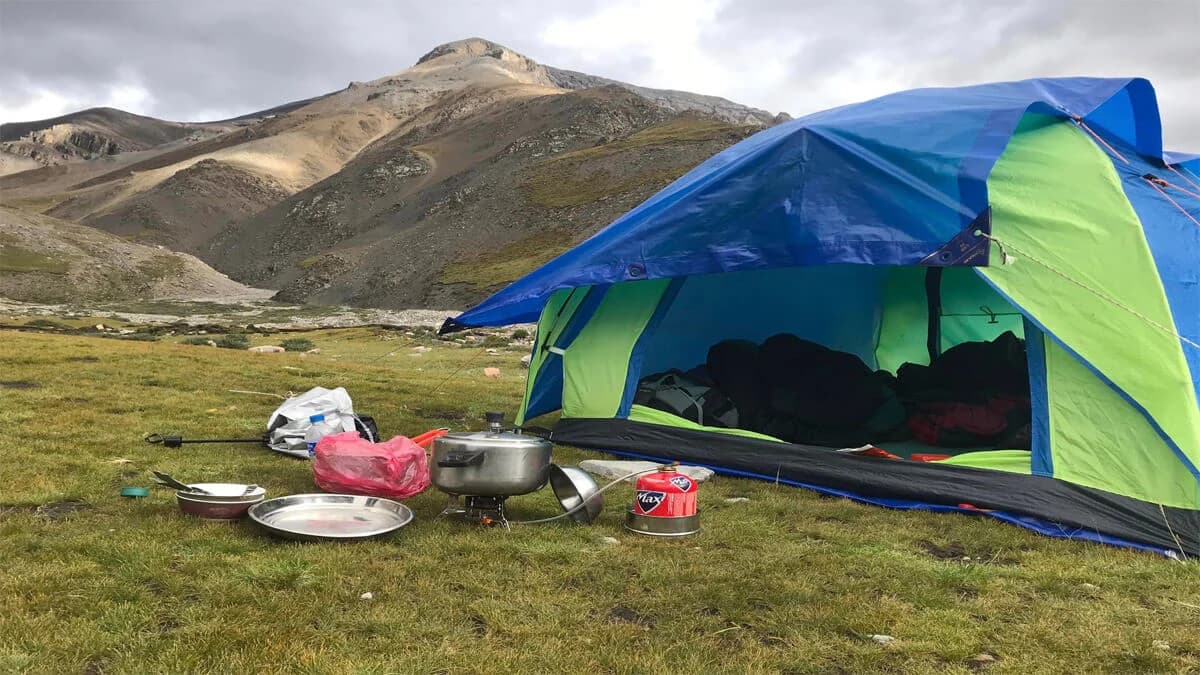
Accommodation is mainly in teahouses or lodges, though camping is common in more remote sections. Teahouses provide basic rooms with shared facilities, often without electricity or heating. Bringing a warm sleeping bag and portable charger is essential for comfort and safety.
Conclusion: Upper Dolpo Trek for Beginners
The Upper Dolpo Trek offers an unforgettable journey through one of Nepal's most remote and culturally rich regions. Its stunning landscapes, ancient monasteries, and unique Tibetan-influenced culture make it a rewarding adventure, though the challenges of high altitude and rugged terrain require preparation.
With the expertise of Nepal Trekking Routes, a trusted local trekking agency, beginners can navigate this challenging trek safely while fully immersing in the experience. Their guides ensure you acclimatize properly, respect local customs, and enjoy the journey to its fullest. Upper Dolpo is a perfect choice for trekkers seeking solitude, cultural depth, and natural beauty.