The Everest Base Camp Trek in Nepal is one of those trips people plan for months, sometimes even years. But what most first time trekkers don’t realize is that the local trekking company you choose has a bigger impact on the experience than your fitness level, your gear, or even the season you go in.
There are plenty of Nepal Trekking operators selling the same trekking route, but the quality between them is not the same at all. Some are well organized and careful with safety. Others are just trying to move groups up and down the trail as fast as possible. That difference shows up quickly once you’re actually in the mountains.
This blog will help you choose the best Everest Base Camp Trek company for your Nepal Mount Everest base camp trekking experience.
Most People Get This Part Wrong
Most people make the mistake of looking at price first. They just compare a few Everest Trekking packages, see what’s cheaper, and go with it. That is usually how they end up with the wrong company.
Once you are actually on the trail, things do not stay as you think. Someone in the group starts feeling the altitude, someone else just moves slower than expected, and the weather can turn without much warning.
That is normally when the company starts revealing itself. Good teams adapt without turning every small issue into a problem. Bad ones keep pushing the original plan even when the group is clearly struggling.
Most people do not think about this while booking online, but later it ends up mattering more than anything they compared at the start.
Experience in the Everest Region
This is something most people don’t really check properly before booking, mainly because every company claims they are experienced anyway.
Some operators run Everest Base Camp treks from Kathmandu season after season. Their guides know the trail, the timings, the lodges, and how things usually go when conditions change. They are not figuring things out on the way because they have already done it many times.
Others do the trek as part of a wider menu of trips. They still take clients to Mount Everest Base Camp, but not with the same regularity. That difference starts to show when small decisions need to be made on the trail, like adjusting rest days or changing where the group stays because of weather or crowding.
Guide Quality Matters More Than Company Name
When people look for an Nepal Everest Base Camp trek company, they usually focus on the name or the price first. The guide rarely comes into the picture at that stage, even though it probably should.
On the trail, the guide ends up shaping most of the experience. Good trekking travel companies pay attention to who they send with a group. They work with licensed guides who have done high altitude routes enough times to know how things actually play out when conditions change or someone in the group struggles.
Some of the better Everest trekking agency Kathmandu based operators are already careful about this. They don’t treat the guide as just another staff member. You can notice it later in how decisions are made on the trail, especially when the group is not moving as expected.
The trek still gets completed, but the support starts feeling disorganized once problems begin showing up. Small things like walking, communication, and handling delays do not feel as controlled, and that starts to show over time.
Safety is Where the Company Actually Gets Tested
Every Nepal Everest Base Camp trekking agency will mention safety. It is in all their descriptions. But what matters is not that line on a website, it is what happens when conditions on the trail change.
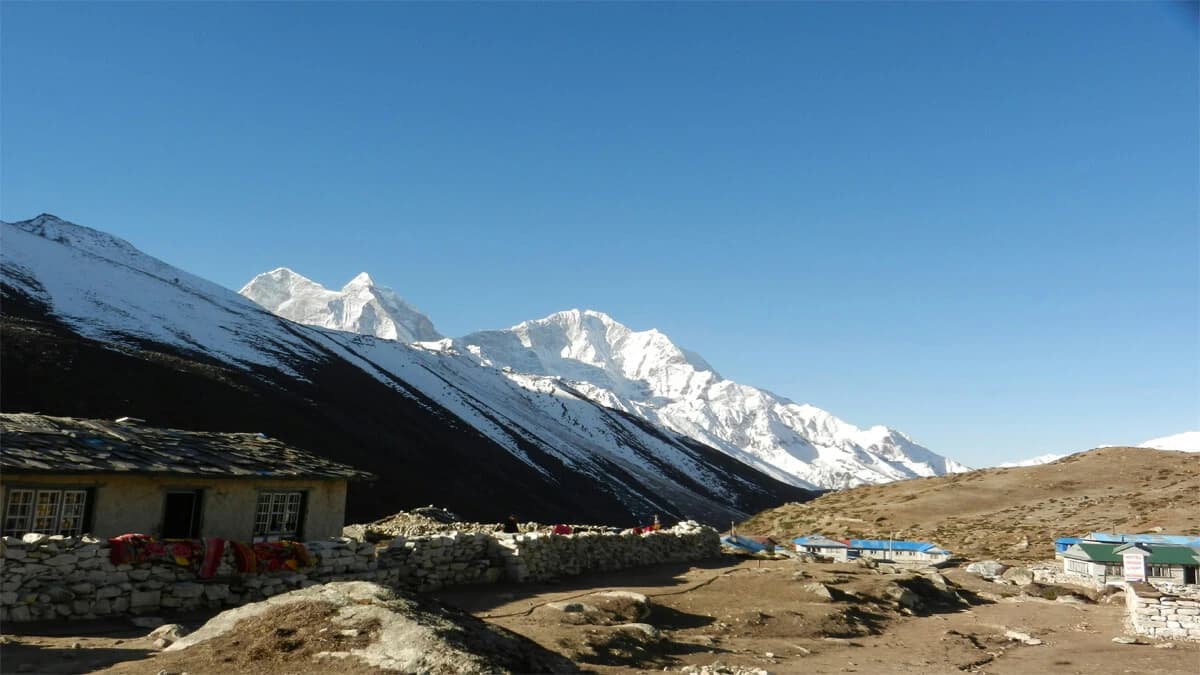
Altitude is the main issue on the Everest Base Camp trek 15 days. People react differently once they start going higher. Some slow down, some need more rest, some just do not feel right and the plan has to shift. Weather around places like Dingboche and Lobuche can change fast, especially later in the day.
A proper Everest Base Camp trekking company in Kathmandu does not force everything to stay on schedule. They adjust when needed. Sometimes that means changing where the group stays or moving at a different pace than planned.
When looking at Everest Base Camp trek packages in Nepal, this part is not obvious at first. It only becomes clear once you are actually on the floor so do your research well before beginning your Khumbu region trek in Nepal.
Check if the Trekking Company is Actually Registered in Nepal
A lot of people skip this step, and it can lead to trouble later.
A proper trekking company in Nepal should be legally registered and allowed to operate under tourism rules. Most are listed with bodies like the Nepal Tourism Board and TAAN. This is the basic requirement.
Registration does not mean the company is good. It only means it is real. Some registered companies still give poor service, and some smaller ones can still be decent. So this is not about quality. It is just about safety.
This is where most first time trekkers don’t think too much, but they should. A quick check can save a lot of stress later.
If a company is not registered, it becomes harder to deal with them if something goes wrong during the trek. Once payment is made, unregistered operators can be difficult to reach or hold accountable.
It is also worth checking if the guides are licensed for high altitude trekking. This is separate from company registration, and many people miss it when booking for the first time.
Everest Trekking Reviews and How to Read Them Properly
You might wonder, how do I actually know if a company is right or not, and that confusion is fair. Almost every Everest Base Camp trekking company in Nepal says similar things, and most Everest trekking reviews look fine at first.
In Kathmandu, Everest Base Camp trekking companies usually have reviews that sound repetitive. Good views, good staff, great experience. That part is expected, but it does not really say much about what happened when things got harder on the trail.
The useful part is usually buried in the details. Not the rating, not the short comments. Things like how altitude problems were handled, whether the group pace was changed when needed, or if the plan actually shifted when conditions demanded it.
Looking through Everest Base Camp trek operator reviews properly starts to show patterns. Some companies keep getting mentioned for being calm and flexible when things change. Others show up again and again in comments about rushing or sticking too strictly to the schedule. One review alone does not mean much, but repetition usually does.
Red Flags When Choosing an Everest Base Camp Trek Company
At some point, it becomes easier to tell which companies should probably be avoided. Not because of one big obvious issue, but small things that don’t feel right.
One big red flag is when everything is described as smooth or easy. The Everest Base Camp trek is not like that. Even with a best Everest trekking company in Kathmandu, there are slow days, altitude effects, and changes in plan. If a company makes it sound like nothing really goes wrong, that is not realistic.
Another thing is unclear answers. When questions about safety, altitude sickness, or itinerary changes are met with vague replies, that usually tells enough. A proper Everest Base Camp trek operator should be able to explain how they handle those situations without hesitation.
Extremely cheap prices should make people pause before booking. Low price itself is not the issue, but in many cases something important is reduced somewhere, like support, food quality, guide experience, or flexibility during the trek.
Even the way communication feels matters. Straight, clear answers usually come from experienced operators. Confusing or shifting answers often do not.
What a Proper Everest Base Camp Trekking Package Should Actually Include
This is where a lot of people later realise things were not as clearly explained as they thought at the time of booking.
EBC trek Permits should already be arranged before the trek even begins.
Accommodation is usually tea houses along the route. That part is standard. Still, it should be clearly included in the Everest Base Camp trek packages so there is no confusion once the trek starts and daily costs begin to add up.
Food is similar. It should be clearly part of what is included, not something that slowly becomes unclear or feels like an extra expense each day.
Guide and porter support also needs to be clearly stated. A proper Everest Base Camp trek operator will explain who is guiding the group and what level of support is provided throughout the trek. If this is not clearly mentioned, it usually becomes noticeable later on the trail.
Emergency handling is something most people do not focus on while booking. It only becomes important when something goes wrong. A serious Nepal Everest Base Camp trekking company should be able to clearly explain what happens if someone gets sick or needs to descend early.
Most problems come from small details people assumed were already covered. Those misunderstandings normally become obvious only after the trek has already started.
How to Compare Everest Base Camp Trek Companies Properly
Most people mess this part up because they compare companies the same way they compare hotel rooms. Lowest price, a few nice photos, some reviews, and they book it. That works for a city trip, not for Everest.
If you actually want to compare companies properly, don’t get stuck on the surface stuff. Price and photos are the easiest part to make look good anyway. What matters is what is actually included and how they behave when things are not perfectly smooth.
Start with the total cost, not the headline number. A lot of packages look cheaper at first, but once you start asking what is included, the gaps show up. Things like airport pickup, permits, or small day to day costs are sometimes not clearly explained upfront. That is usually where people realize the “cheap” option was not really cheap.
Then just pay attention to how they talk to you before you send any money. Slow replies, unclear answers, changing details, all of that. It does not always mean they are bad, but it does give you a pretty clear idea of what dealing with them might feel like once you are already in Nepal and things need quick decisions.
Also listen to how they talk about the trek itself. Everest Base Camp is not a clean, perfect schedule trip. Flights get delayed, weather shifts, and people handle altitude differently. That is normal. If a company makes it sound like none of that really matters or everything just runs on time, that is not how it actually goes.
And when you ask basic questions, notice the quality of answers. Not how fast they reply, but whether they actually answer or just talk around it. If simple things like delays or changes on the trail are hard for them to explain clearly, that usually says enough about how things will be handled later.
That’s basically what it comes down to.
Group Trek vs Private Trek
This is something people usually ignore when they are choosing an Everest Base Camp trek company, but it changes the whole trip more than they expect.
In a EBC group trek, you are added to a fixed group with other trekkers. One guide leads everyone and the daily plan is shared. It is cheaper, but you do not really get control over how the day goes. You move with the group even if your own speed feels different.
A private EBC trek is just your group with a guide from the company. No strangers at all. The guide focuses only on your group, and there is more room to make small changes during the day when needed. It costs more, but the whole setup feels more personal.
This is important when picking a company because it is also about how the company runs the trek and what your day to day experience will actually feel like once you are there.
Hidden Costs That Companies Don’t Always Make Clear Before Booking
Most people think the price they pay for Everest Base Camp covers everything. It doesn’t.
Once the trek starts, small costs keep coming up. Charging a phone, hot showers, wifi when it works, or buying extra drinks and snacks at teahouses. None of it is expensive on its own, but it happens again and again.
Even when meals are included in Everest Base Camp trekking packages in Nepal, anything outside the main meals is extra. People also end up buying more food and drinks than expected, especially at higher altitude.
Lukla flight delays are very common. When flights get delayed, extra nights in Kathmandu or along the route are often needed. That extra stay is usually not part of the Everest Base Camp trekking cost.
Tips for guides and porters are another thing people don’t always plan properly before booking EBC trek operators in Nepal. It is usually paid at the end of the trek.
This is not hidden in a scam way. It is just small expenses that don’t feel clear until you are actually doing the trek.
Altitude Sickness Awareness (What Companies Don’t Explain Properly)
Altitude sickness is one of those things people underestimate before the trek, then suddenly it becomes the main thing they are thinking about on the trail.
It doesn’t start in an obvious way. It’s more like a headache that doesn’t go away, sleep getting worse, not feeling like eating much. Most people just call it tiredness and ignore it for a while.
That’s where trouble starts, honestly.
What happens a lot is people try to stay with the group even when they don’t feel right. Nobody wants to look slow or be that person holding everyone back, so they just keep going.
Some companies understand this properly and slow things down when needed. Others stick to the plan even when it’s obvious the group should not be moving that way anymore.
And fitness doesn’t really protect anyone from it. That’s something people only believe after they experience it.
Communication During the Trek (not booking stage)
This is where you see how organised a company really is.
On the trek, communication is not emails or calls. It is small real time decisions made by the guide. Like changing stop points, adjusting walking time, or reacting to weather or delays.
Some guides keep things clear and update the group properly when plans change. Others just push the group along without explaining much, which creates confusion later in the day.
When flights get delayed or weather blocks a route, plans change quickly on Everest. Good companies handle it on the spot and explain what is happening. Poor ones wait too long or stick to the original plan even when it no longer makes sense.
At that point, the guide matters more than anything else in the booking.
Common Mistakes First Time Trekkers Make When Choosing a Trekking Company
Most people don’t pick the wrong company because they are careless. It happens more because the decision is made without really knowing what matters. A nice looking website, quick replies, or a few good photos can easily shape the choice, but none of that shows how the trek will actually be handled once it starts in the mountains.
- Choosing a company just because the website looks clean or looks professional
- Thinking fast replies before booking means the company will handle everything properly during the trek
- Getting influenced too much by social media posts that only show the best moments and not the hard parts
- Not asking clear questions about real situations like slow walking pace, altitude issues, or changes in plan
- Picking the first option that feels okay without checking a few other companies for comparison
Assuming all Everest Base Camp trek companies work in a similar way, when the experience can be very different depending on how they manage people and decisions on the trail
Itinerary Realism vs Marketing Itineraries
This is another factor you really need to pay attention to because the itinerary plays a big role in how your EBC Kalapatthar trek actually turns out.
Most Everest Base Camp trekking packages in Nepal show the same route. Lukla, Phakding, Namche Bazaar, Tengboche, Dingboche, Lobuche, Everest Base Camp, Gorakshep, then back down. It looks simple. Almost too simple.
In reality, it rarely goes exactly like that.
Lukla flights are the first thing that messes with plans. They get delayed a lot because of the weather. Sometimes you wait a few hours. Sometimes you lose a full day. And that already changes everything before the trek even starts properly.
After that, the mountain takes over the schedule. People don’t react the same way to altitude. One person is fine, another is suddenly moving slowly, someone else just feels off and cannot push as planned. That usually starts showing around Namche Bazaar and again in Dingboche when acclimatization really matters.
This is where you can tell if a trekking company actually knows what it is doing. The good ones just adjust without making it feel like something has gone wrong. Others stick too tightly to the original idea of the trip
Sometimes it is not even about the company being bad. It is just an experience level. Some teams have done this route so many times they know when to slow down without making it a discussion. Others are just trying to follow what was planned at the start.
So when you are comparing EBC trekking packages or checking Everest Base Camp trek cost in Nepal, don’t get stuck on how neat the route looks. That part is easy to design.
What actually matters is whether they talk honestly about delays, changes, and what happens when things do not go as planned. That is the part that tells you how they really operate in the Everest region.
Why Book with Experienced Operators like Nepal Trekking Routes?
The Everest Base Camp trekking does not stay the same from start to finish. Flights to Lukla get delayed, weather in the mountains changes, and people react differently to altitude. Because of this, the plan often changes along the way.
An experienced trekking company knows this from real trips on the route. They know when to slow down, when to change a stop, or when someone needs more time, especially around Namche Bazaar and Dingboche.
Safety is a big part of it too. At higher altitude, small problems can become serious if they are ignored. A good operator notices this early and reacts instead of trying to stick to a fixed plan.
This is why we Nepal Trekking Routes focus on handling the trek properly once it starts. Our aim is to guide people through real conditions in the Everest region, not just follow a set plan.
Check on Cancellation, Refund, and Flexibility Policies
People do not always ask about refunds before booking an Everest Base Camp trek, but it is something worth checking. Once you have paid, your options may not always be as flexible as you expect.
Flights can be delayed or cancelled because of weather, and altitude can sometimes mean changing or ending a trek earlier than planned. This is not limited to Everest Base Camp. Similar situations can happen on the Gokyo Lakes Trek and Everest Three Passes Trek as well, where weather and high altitude are part of the journey.
A good trekking company should explain its cancellation, refund and date change policies clearly before you book. You should know what happens to your payment if your plans change or the trek cannot continue as planned.
If a company avoids these questions or gives unclear answers, take that as a reason to look more carefully before making a booking.
Final Thoughts
At the end of it, choosing a trekking company for Everest Base Camp or any other trek in Nepal is really about how they handle things once you are on the trail. There might be certain problems on the trail but what matters is whether the company is honest with you before the trek and whether they deal with situations properly when they happen, instead of making things complicated.
If that part is right, the rest of the experience usually works out fine.